 01
01Same-Day Cuomo Bridge Mobilization
IICRC Certified Firm crews dispatched same day across the Mario M. Cuomo Bridge. 40-60 minutes off-peak under your assessor scope.
Call (914) 559-2694
Same-day mobilization across the Cuomo Bridge under your assessor scope. Hospital-grade containment, IICRC S520, independent clearance verified.
Reviewed by Green Restoration's IICRC-Certified Team · Licensed & Insured · IICRC Certified Firm
From same-day mobilization across the Mario M. Cuomo Bridge with hospital-grade containment through NY DOL scope and third-party independent clearance, every mold scenario across the 19 Rockland villages.
01IICRC Certified Firm crews dispatched same day across the Mario M. Cuomo Bridge. 40-60 minutes off-peak under your assessor scope.
Call (914) 559-2694 02
02Sealed plastic sheeting, negative-air HEPA scrubbers, and physical removal under IICRC S520 scope across Nyack brownstone, Piermont riverfront, and Pearl River post-war ranch.
Call (914) 559-2694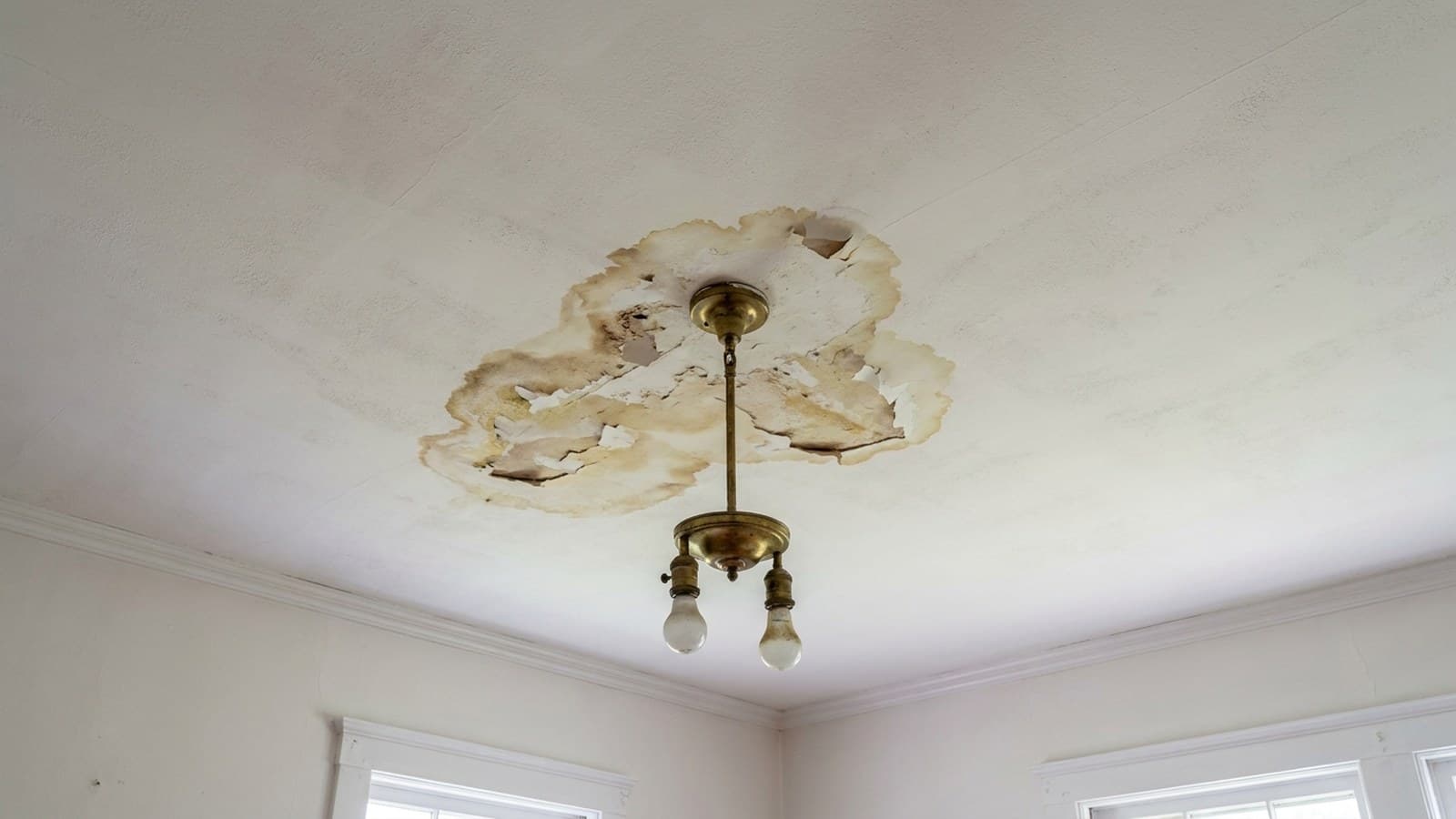 03
03Nyack and Piermont 19th-century plaster-and-lath cavities get dry ice CO2 pellet blasting under double-layer containment that preserves period millwork.
Call (914) 559-2694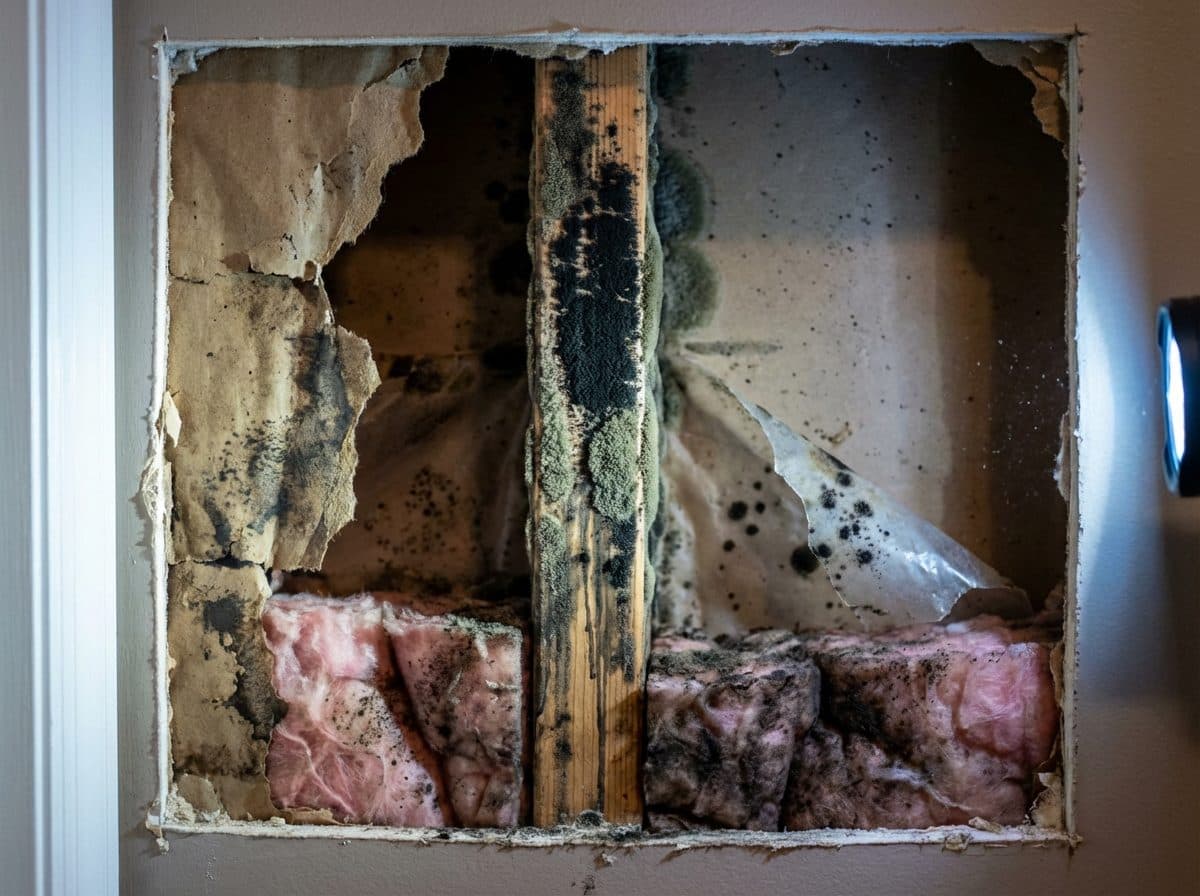 04
04Spring Valley and Monsey pre-war attached multifamily get double-layer sealed containment across both party walls under coordinated assessor scope.
Call (914) 559-2694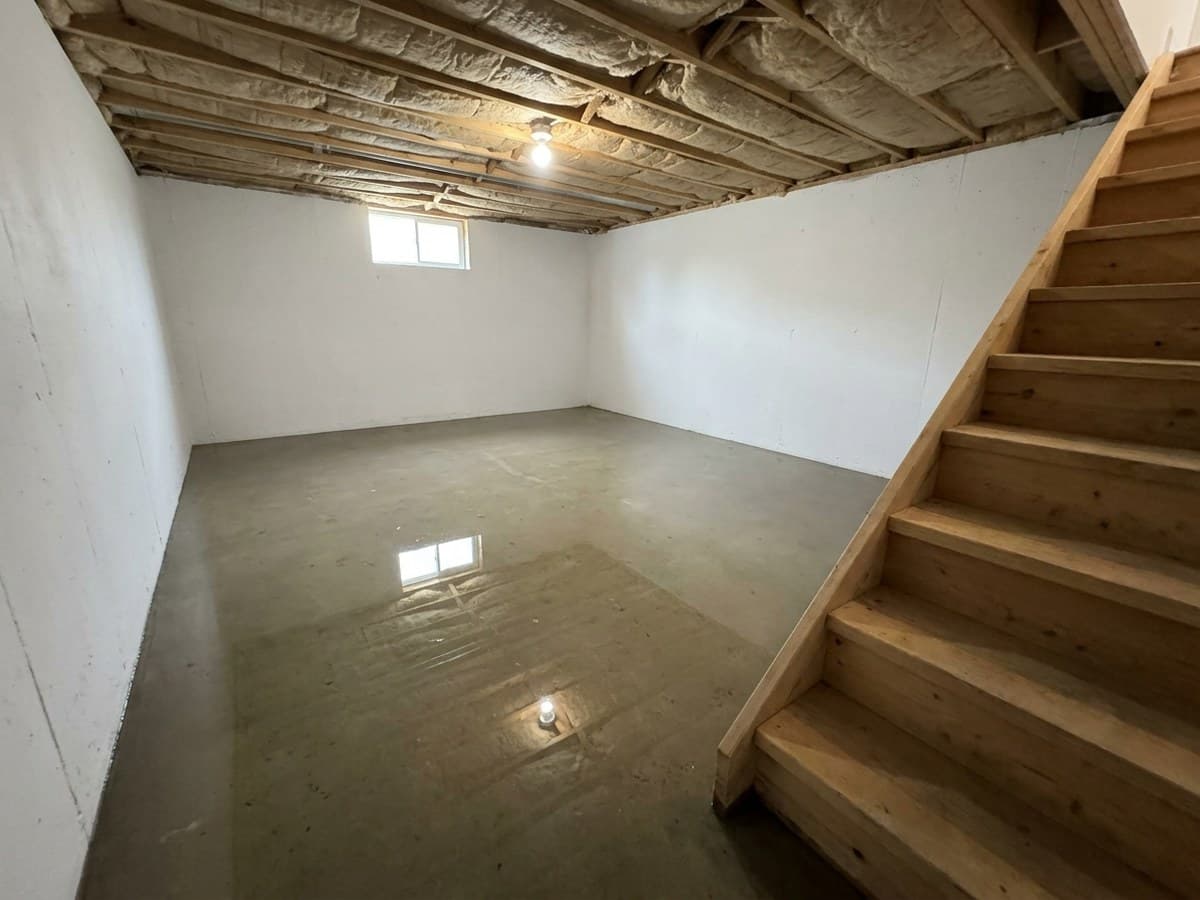 05
05Suffern, Sloatsburg, and Hillburn crawl spaces collecting Palisades and Harriman ridge runoff get exterior drainage correction and 12 mil vapor barrier.
Call (914) 559-2694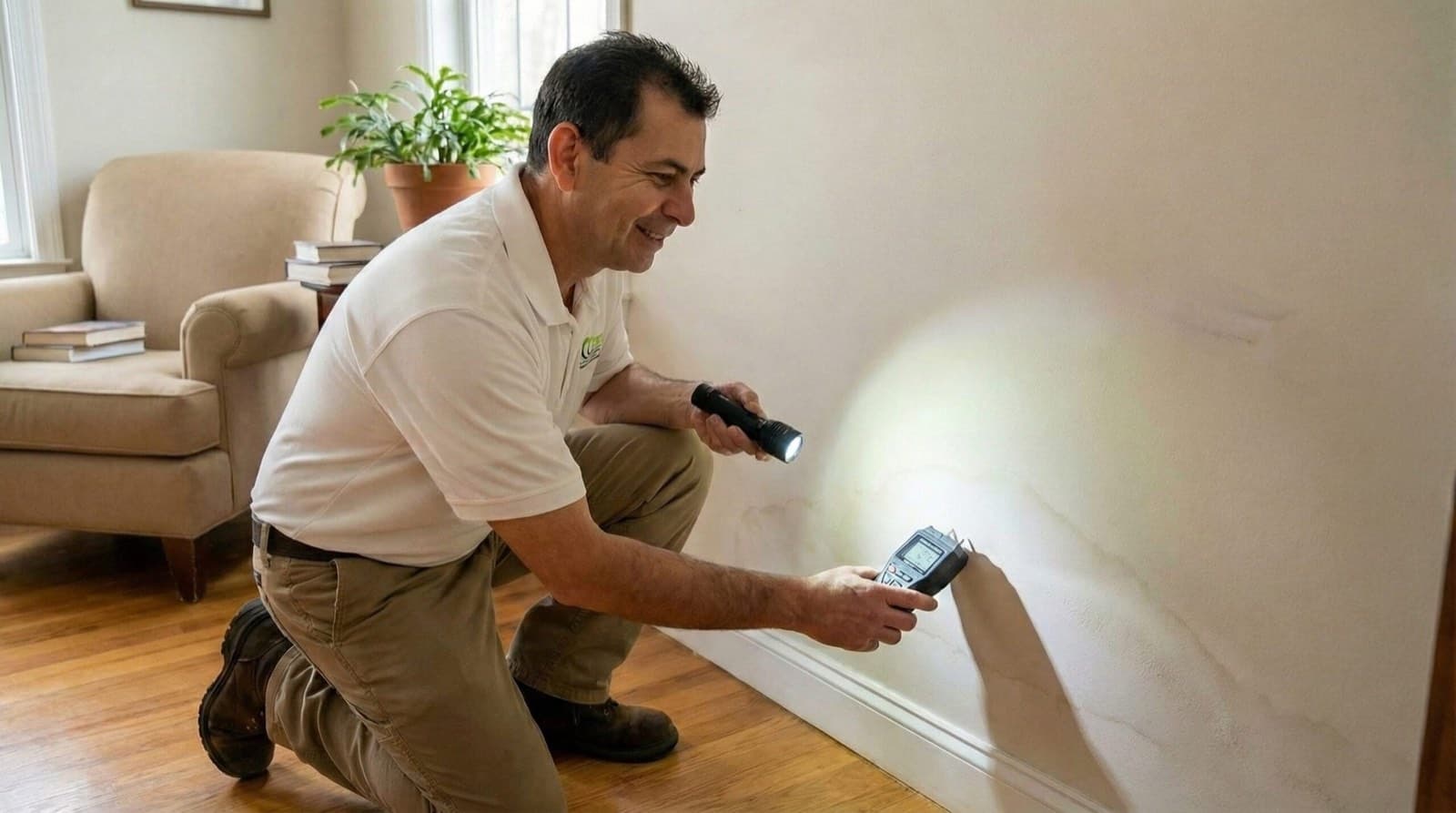 06
06Third-party ACAC-certified air sampling confirms spore counts at or below outdoor baseline. Full documentation packaged for adjusters and Hudson Valley resale.
Call (914) 559-2694Hudson River brownstone, Ramapo ridge runoff, dense pre-war multifamily, and post-war ranch belt each demand a different containment scope under NY DOL Section 945 protocol.
Nyack · Piermont · Tappan · Haverstraw · Stony Point
Suffern · Sloatsburg · Hillburn · Airmont · Tomkins Cove
Spring Valley · Monsey · Kaser · Hillcrest · Viola

Pearl River · Nanuet · New City · Valley Cottage · Pomona
IICRC Certified Firm crews on site same day across Rockland County. Dispatched across the Cuomo Bridge. Hospital-grade containment, independent clearance verified.
From same-day mobilization with hospital-grade containment through NY DOL scope and third-party independent clearance, every mold scenario handled across 19 Rockland villages and hamlets by IICRC Certified Firm crews dispatched across the Mario M. Cuomo Bridge.
Nyack 19th-century brownstone cellars off Broadway and Piermont Victorian river-bank crawls along Paradise Avenue hide active Penicillium colonies behind original plaster long before any musty smell reaches finished rooms. As the local owner serving Rockland County from our Mamaroneck location, I dispatch my crews same day across the Mario M. Cuomo Bridge under your independently licensed NY DOL assessor scope, set hospital-grade containment, and begin source removal before colonies spread through pre-war Hudson Valley framing.
NY DOL Mold Compliant · Hospital-Grade Containment · Rockland County
Pearl River and Nanuet 1950s-1970s ranch and split-level cavities along the Pfizer corporate corridor trap original copper-line burst secondary moisture, while Spring Valley and Monsey pre-war attached multifamily spread cavity-wall mold across party walls between Hasidic-community units. Green Restoration sets HEPA-filtered negative-air containment per NY DOL scope, physically removes affected cavity assemblies, and applies EPA-registered antimicrobial. Independent clearance air sampling confirms spore counts at outdoor baseline before re-occupancy.
IICRC Certified Firm · Hospital-grade containment
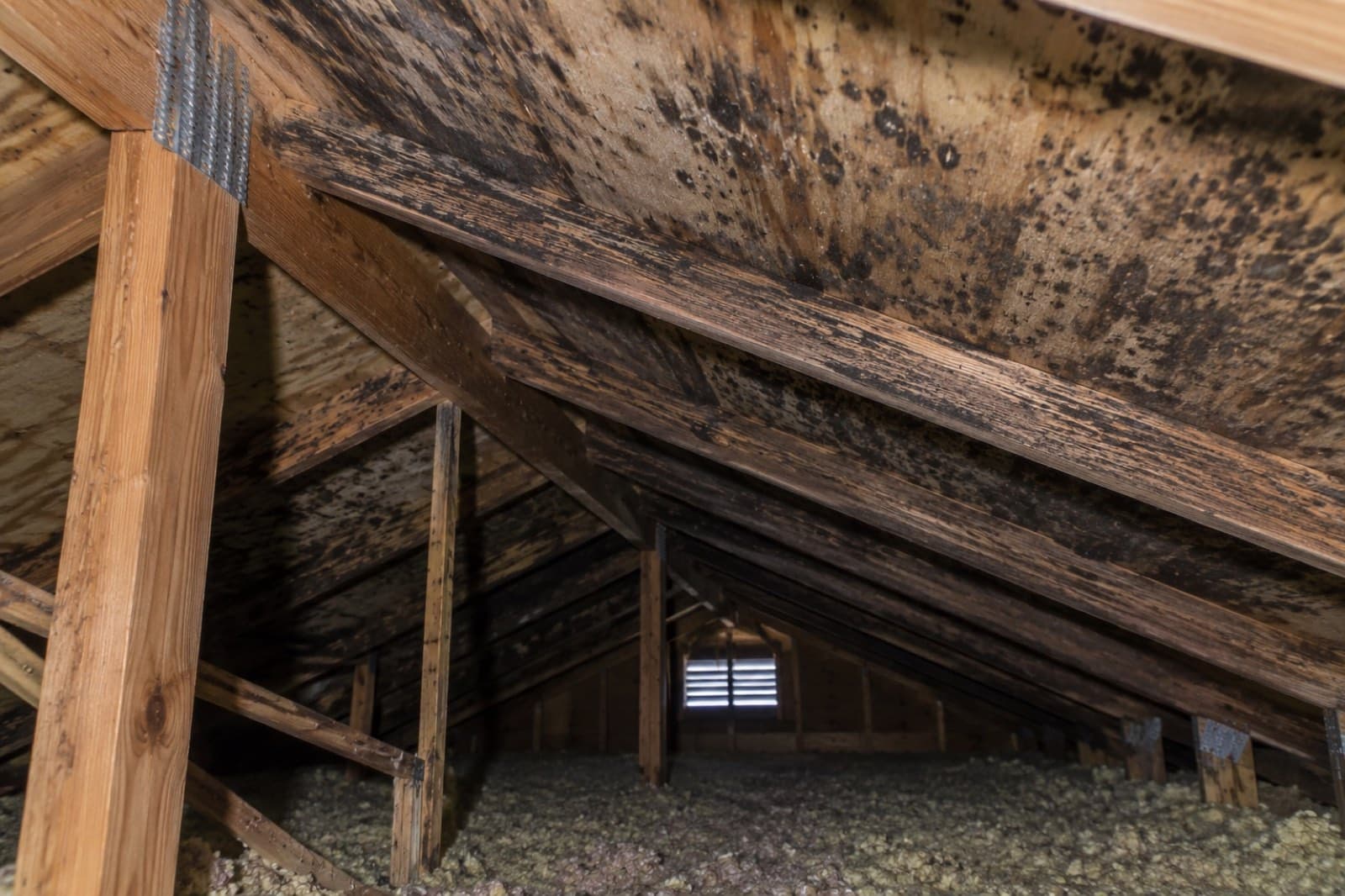
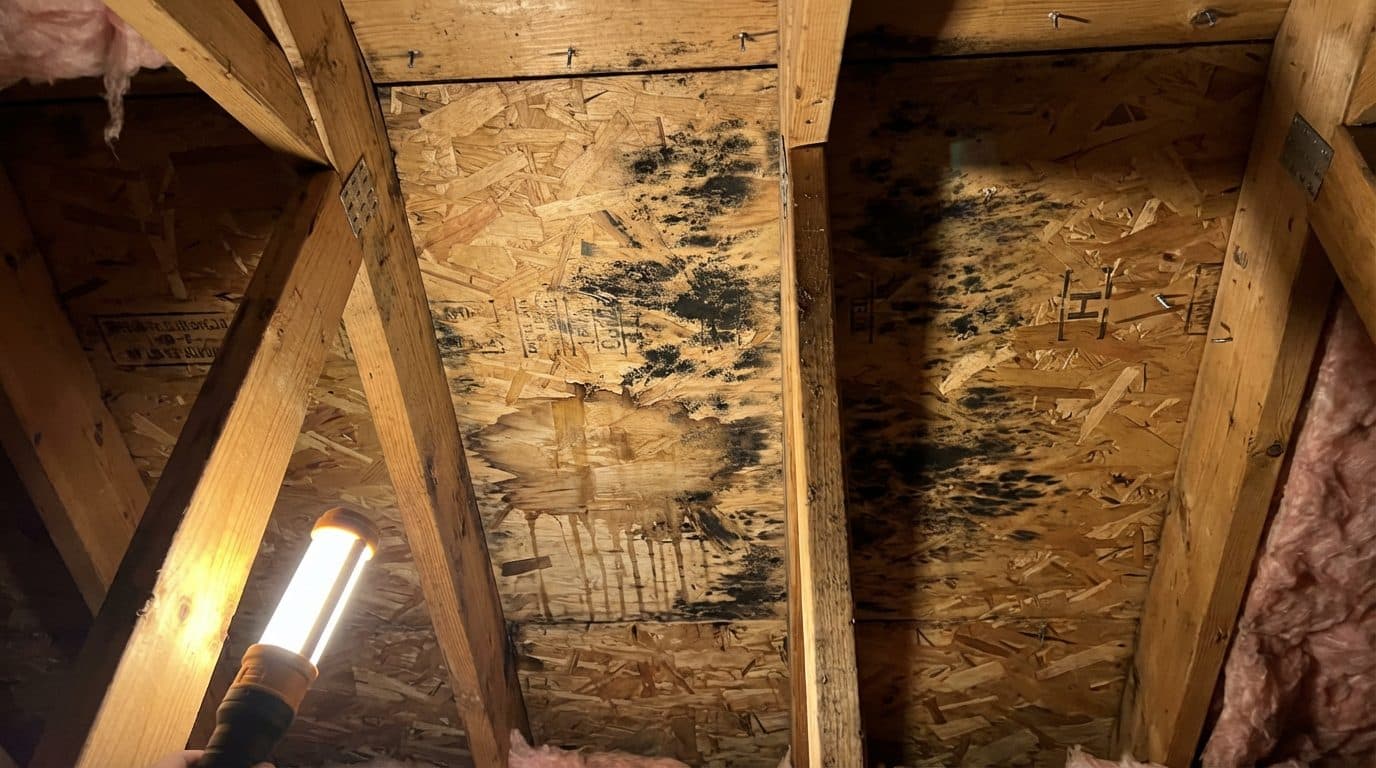
Suffern and Sloatsburg gambrel attic sheathing facing Harriman and Bear Mountain State Park ridge moisture pockets, plus Pomona and Wesley Hills estate attics under mid-Hudson humidity, route bathroom-fan condensate onto cold OSB through every Zone 5A freeze cycle. Green Restoration corrects ridge-vent airflow, replaces saturated kraft-faced batts, treats sheathing with EPA-registered antimicrobial, and reseals the attic plane against Palisades ridge diurnal swings.
Sheathing treatment · Ventilation corrected
Stachybotrys chartarum on Haverstraw brickyard-village and Stony Point Hudson flood-plain fieldstone foundations near the Jones Point Bear Mountain Bridge approach, plus Tappan 1716 colonial-era stone-and-mortar cellars near the John André House facing seasonal high water, demand the strictest containment scope. Green Restoration installs double-layer sealed containment, negative air pressure, full PPE, and physical removal of saturated cellulose substrate. Lab speciation drives clearance thresholds before any reconstruction begins.
Haverstraw, Piermont, Garnerville, and Stony Point Hudson River-bank basements sit at flood-plain elevation where seasonal river surge backfills behind 19th-century fieldstone foundations, while Valley Cottage and Orangeburg post-war split-levels near Camp Shanks WWII heritage corridor collect Palisades ridge runoff against poured-concrete walls. Green Restoration removes affected drywall and insulation to 24 inches above the moisture line, dries the slab and footing, and corrects exterior drainage before any finish reconstruction restarts.
Nyack and Upper Nyack Victorian master-bath retrofits along North Broadway and Pearl River post-war kitchen remodels in the 1950s Pfizer-corridor ranch stock vent moisture into wall cavities through undersized exhaust runs and recirculating range hoods that never penetrate the building envelope. Green Restoration removes grout and substrate to the joint, corrects ducted exhaust through the ridge vent, and rebuilds with mildew-resistant board calibrated to mid-Hudson humidity loads above Tappan Zee.
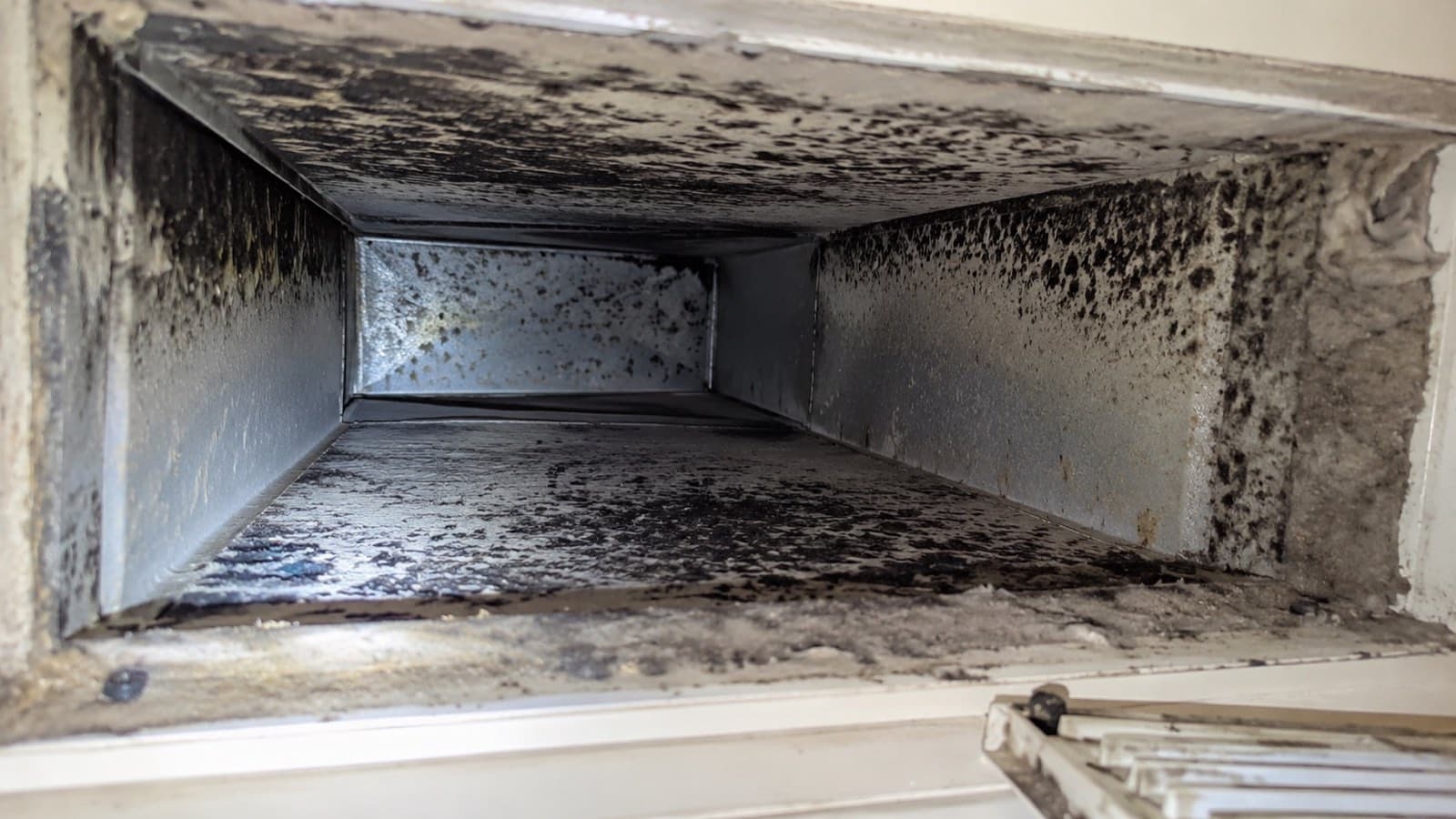
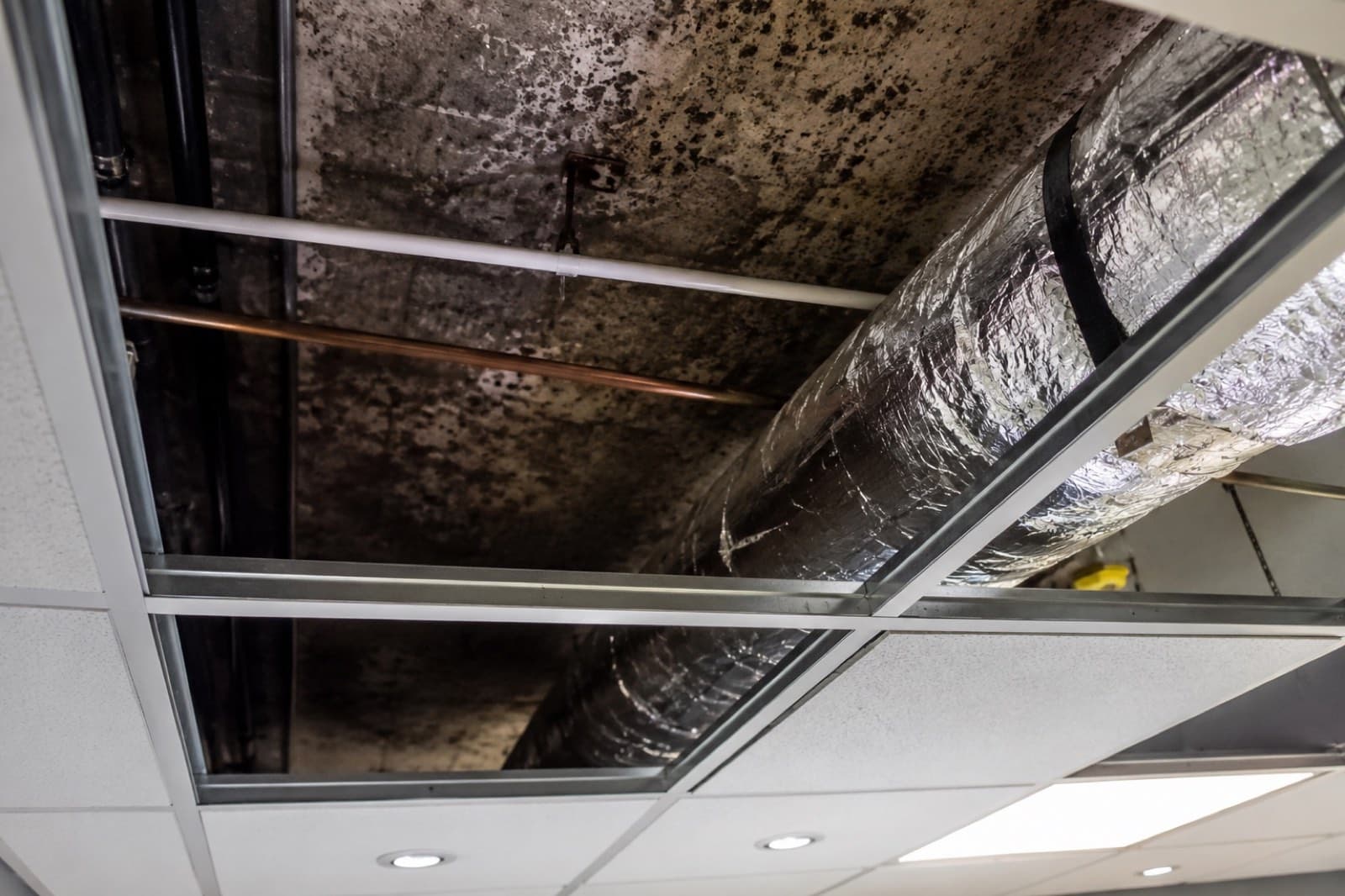
Pearl River, Nanuet, West Nyack near the Palisades Mall corridor, and Valley Cottage 1960s-1970s split-levels with retrofitted central air run flexible duct through unconditioned attics and partially-finished basements where condensate feeds colony growth on liner felt. Green Restoration follows NADCA ACR protocol, source-removes contamination from coil, blower, and trunk lines, and reseals the system before restoring conditioned air to the Rockland envelope.
Tappan, Piermont, Sparkill, and Upper Grandview Hudson-side crawls sit close to seasonal high water under colonial fieldstone framing, while Suffern, Sloatsburg, Hillburn, and Tomkins Cove ridge-foot crawls near the Ramapo Mountains and Bear Mountain Bridge collect Harriman melt runoff feeding Penicillium colonies through spring thaw. Green Restoration treats joists and subfloor per NY DOL scope, installs reinforced 12 mil vapor barrier across the slab, and dehumidifies to lasting equilibrium for the Hudson Valley microclimate.
Nyack and Piermont 19th-century brownstone joists along the artist-colony Hudson western shore and Tappan 1716-era colonial timber framing near the John André House hold finishes that aggressive abrasives would split. Green Restoration applies dry ice CO2 pellet blasting under NY DOL scope, sublimating to gas on contact, lifting mold off pre-war Hudson timber and Victorian millwork with zero secondary waste, no moisture, no dust drift through finished rooms above.
Nyack Victorian millwork along South Broadway and Piermont brownstone trim along Paradise Avenue near the 19th-century artist colony cannot survive sandblasting through Penicillium, Cladosporium, or Aspergillus colonies. Green Restoration applies FDA GRAS sodium bicarbonate soda blasting under negative-air containment, dissolving spores on delicate finish surfaces while preserving 19th-century millwork, period trim, and Hudson Valley estate fabric across Nyack, Piermont, Sparkill, and Tappan.
Stachybotrys chartarum on Haverstraw and Garnerville Hudson flood-plain fieldstone, Aspergillus in Pearl River and Blauvelt retrofitted HVAC trunks, Penicillium across Suffern and Hillburn Harriman-ridge crawl spaces, and Chaetomium on saturated Spring Valley and Monsey pre-war multifamily subfloor each require distinct containment, antimicrobials, and clearance thresholds. Green Restoration applies the IICRC Certified Firm protocol matching every species to its NY DOL scope, so no colony gets a generic protocol missing its risk profile.
Third-party ACAC-certified post-remediation verification commissioned by your independent NY assessor samples Nyack and Upper Nyack brownstone cellars, Suffern and Airmont ridge-foot crawl spaces, and Pearl River and Nanuet post-war basement assemblies after every Rockland County mold remediation project. Green Restoration packages indoor and outdoor air cassettes for accredited lab analysis, confirms spore counts at or below outdoor baseline, and delivers full documentation for adjusters, attorneys, and Hudson Valley estate resale due diligence.
Don't Let Mold Spread Another 24 Hours. Same-Day Mobilization.
IICRC Certified Firm Crews On Site Same Day Across Rockland County. Dispatched Across The Cuomo Bridge. Hospital-Grade Containment, Independent Clearance Verified.
Owner-led mold remediation with same-day mobilization across the Mario M. Cuomo Bridge, independent third-party clearance, and hospital-grade containment across the Hudson Valley western shore.
IICRC Certified Firm crews arrive same day with thermal imaging, moisture meters, and coordination with your independent assessor's clearance air sampling protocol. Dispatch across the Cuomo Bridge typically 40 to 60 minutes off-peak.
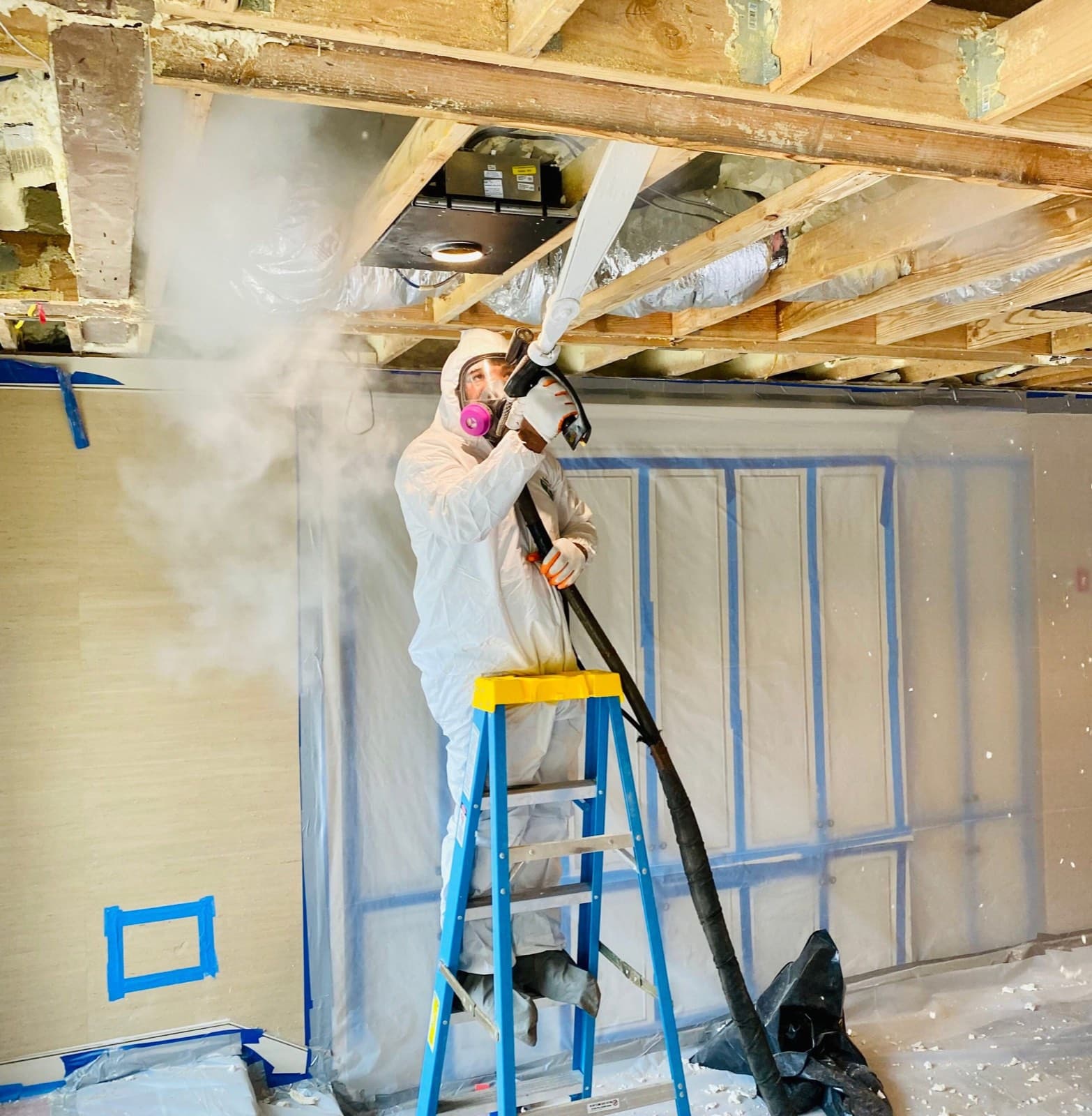
Sealed plastic sheeting, negative air pressure, and HEPA-filtered scrubbers isolate every mold work area from the rest of your home, including pre-war attached multifamily party walls in Spring Valley and Monsey.
Every Rockland County mold job is dispatched from our 1163 Mamaroneck Avenue office across the Mario M. Cuomo Bridge, serving the Hudson western shore, Palisades ridge, and post-war suburban core.
Independent third-party clearance air sampling confirms post-remediation spore counts at or below outdoor baseline before you re-occupy. Lab documentation packaged for adjusters and Hudson Valley resale due diligence.
These are the mold problems we remediate most often, every job run to the IICRC S520 standard, contained with HEPA negative air, and cleared by independent ACAC air testing.
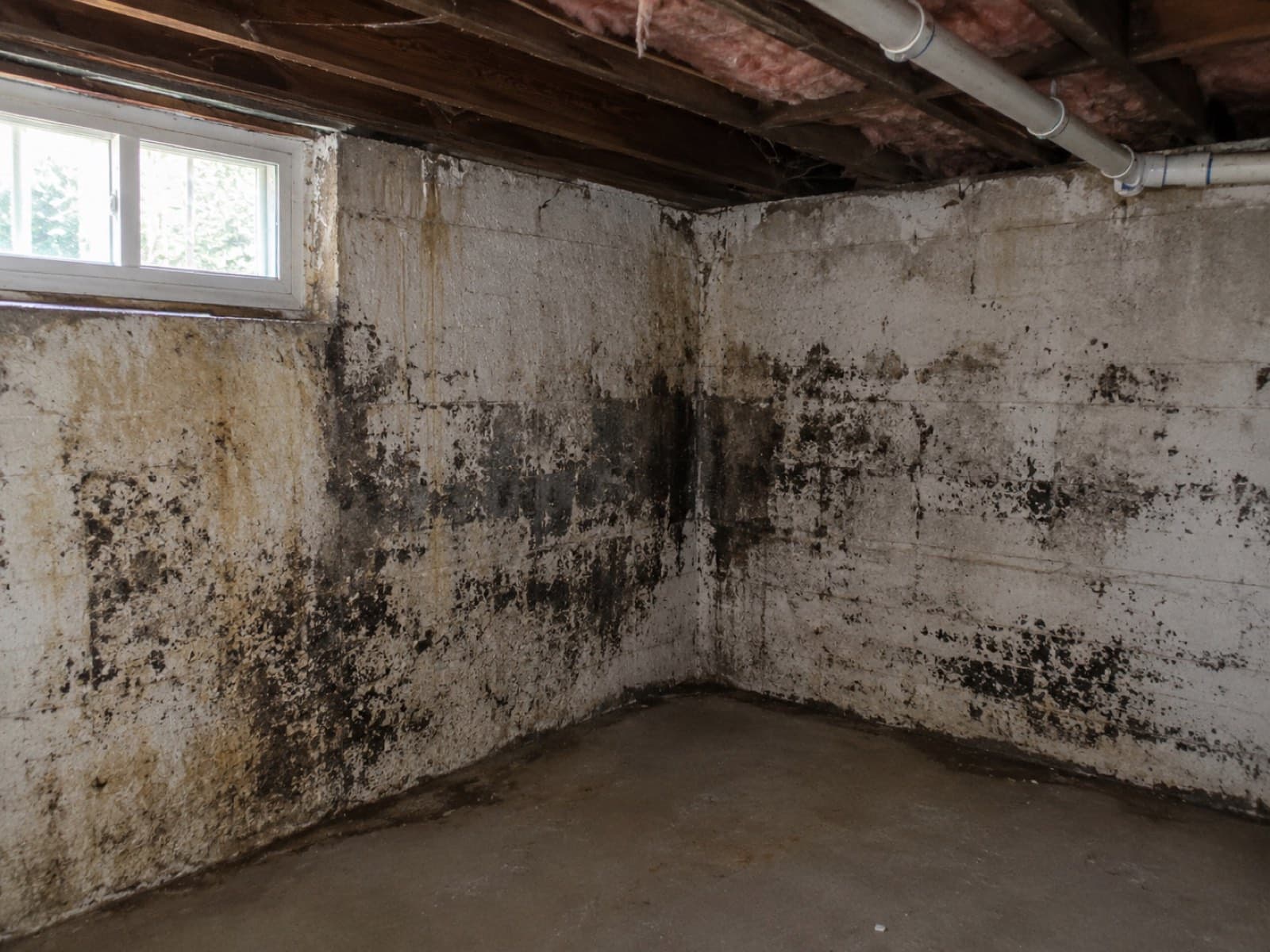
In Rockland County, river-bank fieldstone cellars near the John Andre House sit at Hudson flood-plain elevation with seasonal seepage.
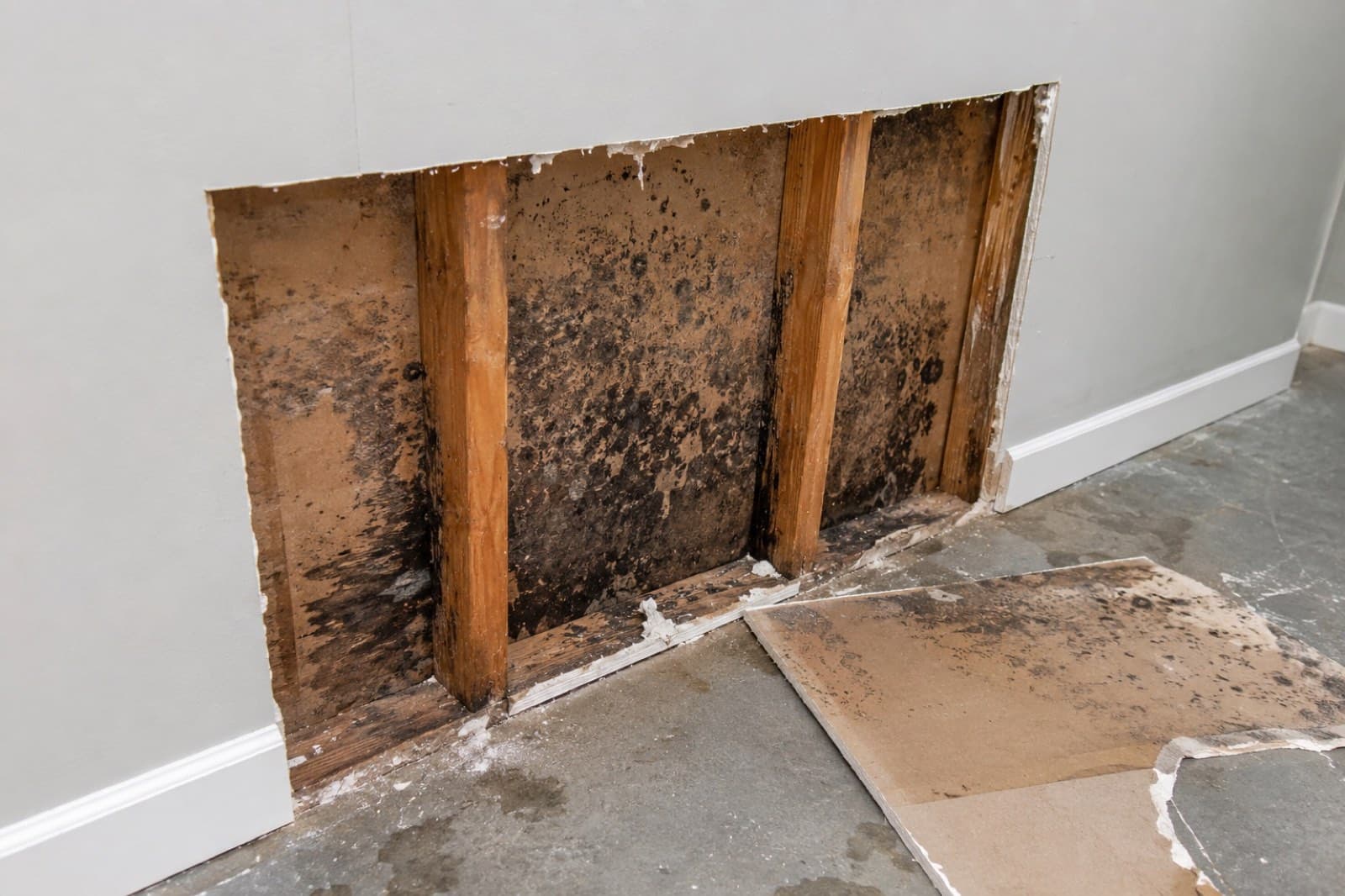
Chronic humidity, a sump failure, or seepage through the slab edge and foundation wall keeps a basement damp enough for mold to spread across concrete, framing, and stored belongings. On finished basements the same moisture colonizes the back of drywall and the wall cavity long before any stain reaches the room.
Our crews set sealed containment with negative air pressure and HEPA-filtered air scrubbers, then remove or HEPA-clean the affected materials and treat the foundation wall and framing with an EPA-registered antimicrobial per IICRC S520. The moisture source, seepage, a failed sump, or high humidity, is corrected and dehumidification is set before anything is closed back up.
Third-party ACAC air sampling confirms spore counts at or below the outdoor baseline before reconstruction begins. Every scope line, containment photo, and lab report is documented for your insurer so the claim moves on evidence.
Scenario 1 of 5: Basement & Wall Mold

Same-day mobilization across Nyack, Suffern, Pearl River, Spring Valley, and Haverstraw under your independent NY DOL assessor scope.
Most Rockland homeowners notice mold first as a Nyack brownstone cellar odor, a Suffern ridge-foot crawl-space smell, or a Pearl River post-war basement stain. Hudson River flood-plain backfill, Palisades Interstate Park and Harriman ridge runoff, and post-war copper-line burst secondary moisture each shape a different risk profile across the 19 covered Rockland villages.
Mid-Hudson Humidity Accelerates It
Rockland County's mid-Hudson air runs 70%+ relative humidity through late summer, pulled north from the Tappan Zee and held against Palisades ridge slopes. Spores land on damp basement framing or attic sheathing and colonize before most homeowners notice anything beyond a musty Nyack cellar smell or a Suffern crawl-space odor.
Pre-War Hudson Stock Concentrates The Risk
Nyack, Upper Nyack, and Piermont 19th-century brownstone and Victorian stock, plus Tappan colonial-era framing from the 1716-founded village, have decades of fieldstone and timber absorbing seasonal river moisture. Colonies grow inside cavity walls and on joist bottoms for months before any interior stain appears in finished rooms.
Palisades and Harriman Pathways
The most common Suffern, Sloatsburg, Hillburn, and Airmont mold call starts with Palisades Interstate Park or Harriman and Bear Mountain State Park ridge runoff hitting a crawl-space access during spring thaw. Trapped meltwater feeds Penicillium colonization across the entire foundation footprint within a single freeze-thaw cycle.
Asthma, Sinus And Chronic Cough Flags
Children and elderly residents in contaminated Pearl River, Nanuet, and Spring Valley homes develop persistent respiratory symptoms weeks before visible growth appears. Independent third-party clearance testing is the only way to verify the air is safe.
NY Law Protects Buyers, Not Sellers
New York General Obligations Law section 5-702 requires sellers to provide a Property Condition Disclosure Statement, which includes any known prior mold remediation on every sale across Rockland's 19 villages. Professional remediation with third-party independent clearance documentation protects your Nyack, Suffern, Pearl River, or New City listing value on the open market.
Stachybotrys In Haverstraw and Piermont
Haverstraw, Garnerville, Piermont, Sparkill, and Stony Point basements sit at Hudson River flood-plain elevation where seasonal high water backfills behind fieldstone foundations. Chronic perimeter seepage behind finished walls grows toxic Stachybotrys that requires sealed double-layer containment to remove safely.
Rockland's 5 town governments (Clarkstown, Haverstraw, Orangetown, Ramapo, Stony Point) cover 19 distinct villages and hamlets across four very different mold-risk geographies. Hudson River brownstone, Ramapo ridge runoff, dense pre-war multifamily, and post-war ranch belt each demand a different containment scope under NY DOL Section 945 protocol.
Nyack · Piermont · Tappan · Haverstraw · Stony Point
The Hudson western shore from Tomkins Cove through Stony Point, Haverstraw, Garnerville, Upper Nyack, Nyack, Piermont, Sparkill, and Tappan carries the densest 19th-century brownstone, Victorian, and 1716-era colonial stock in Rockland. Pre-1920 plaster-and-lath cavity walls and fieldstone foundations sit at or below the seasonal high-water line, absorbing river backfill through every freeze-thaw cycle. Tappan's John André House heritage stock and Piermont's artist-colony Paradise Avenue homes hide active Stachybotrys colonies behind original plaster for years before any interior stain appears. Green Restoration sets dry ice CO2 pellet blasting or FDA GRAS soda blasting under hospital-grade containment to lift colonies off pre-war timber without splitting the historic substrate.
Suffern · Sloatsburg · Hillburn · Airmont · Tomkins Cove
The Ramapo Mountains base from Hillburn through Sloatsburg, Suffern, and Airmont, plus the Bear Mountain Bridge approach at Tomkins Cove and Jones Point, catches Palisades Interstate Park and Harriman State Park ridge runoff during every spring thaw. Steep ridge drainage routes meltwater directly into ridge-foot crawl spaces and basement perimeters along the Ramapo River corridor, feeding Penicillium colonization across joist bottoms before any visible growth surfaces in finished rooms. Suffern's gambrel-attic stock and Sloatsburg's Ramapo gateway homes also collect attic sheathing condensation from the Harriman moisture pocket through Zone 5A freeze cycles. Green Restoration coordinates exterior drainage correction with waterproofing crews before close-up.
Spring Valley · Monsey · Kaser · Hillcrest · Viola
Spring Valley, Monsey, Kaser, New Square, Hillcrest, and Viola hold the densest pre-war attached multifamily stock in Rockland, much of it serving the Hasidic community in row-style and side-by-side configurations. Shared-riser plumbing, party-wall cavity assemblies, and continuous floor plates between attached units create cascade pathways where a single supply-line burst on one floor seeds Chaetomium and Stachybotrys across multiple party walls within a single 48-hour window. Green Restoration installs double-layer sealed containment along the affected party wall, sets HEPA-filtered negative-air pressure across all impacted units, and coordinates with adjacent owners under each property's independent NY DOL assessor scope.
Pearl River · Nanuet · New City · Valley Cottage · Pomona · West Nyack · Bardonia · Centerville · Congers
The 1950s-1970s post-war suburban core through Pearl River along the Pfizer corporate corridor, Nanuet, New City county seat in Clarkstown, Bardonia, Centerville, Congers, Valley Cottage, West Nyack near the Palisades Mall corridor, Pomona, Wesley Hills, and New Hempstead built ranch, split-level, raised ranch, and Cape Cod stock on poured-concrete foundations with original copper supply lines, fiberglass batt insulation, and undersized bathroom exhaust runs. Original copper-line bursts saturate fiberglass batting against post-war drywall, and Cape Cod knee-wall cavities trap condensate through every shoulder season. Green Restoration physically removes affected cavity assemblies, treats framing with EPA-registered antimicrobial, and corrects ventilation before reconstruction.
Rockland's mid-Hudson humidity above Tappan Zee, Palisades Interstate Park and Harriman ridge runoff, pre-war Hudson village brownstone moisture absorption, and dense Spring Valley and Monsey multifamily party-wall pathways create mold conditions surface cleaning cannot solve. Hospital-grade containment with third-party independent clearance is the only durable fix.
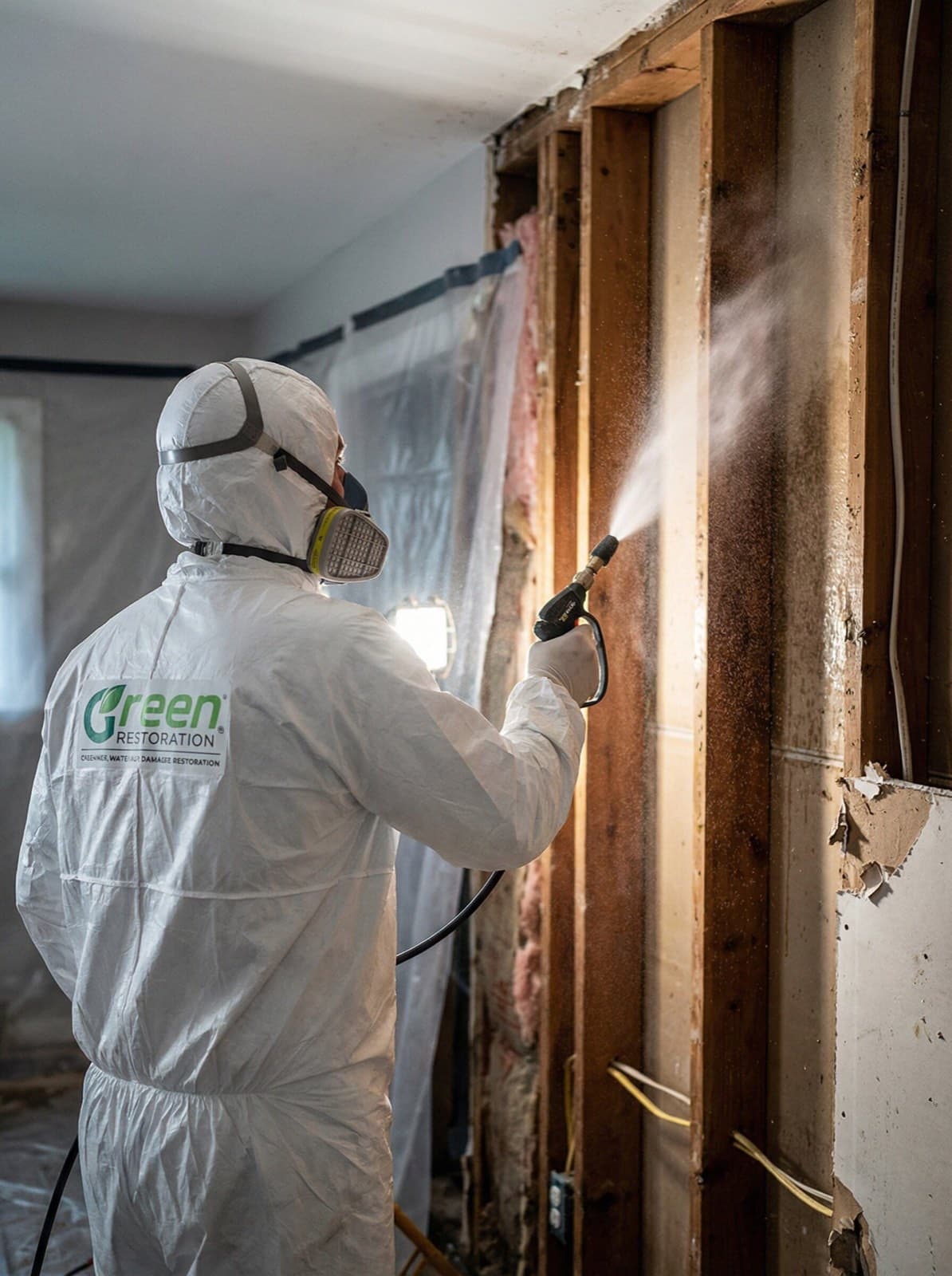
Every Green Restoration crew is IICRC Certified Firm trained in hospital-grade containment for the layered Rockland housing mix. We have remediated brownstone cellars in Nyack and Upper Nyack, ridge-foot crawl spaces in Suffern and Hillburn, post-war split-level basements in Pearl River and Nanuet, and pre-war attached multifamily in Spring Valley and Monsey. Firm certification with Hudson Valley experience is the floor, not the ceiling.
A technician is on site in Rockland County the same day you call, dispatched from 1163 Mamaroneck Avenue across the Mario M. Cuomo Bridge via I-87 and the Palisades Interstate Parkway. Typical arrival is 40 to 60 minutes off-peak and 60 to 90 minutes during weekday peak in the Tappan Zee corridor. We bring thermal imaging, moisture meters, and hospital-grade containment equipment on the first visit under your independent assessor's NY DOL protocol.
Most Rockland mold returns because the Hudson River flood-plain backfill source in Haverstraw or Piermont, the Palisades ridge runoff path through Suffern and Sloatsburg, or the post-war copper-line burst trigger in Pearl River or Nanuet was never solved. We coordinate directly with HVAC contractors, waterproofing crews, and crawl-space encapsulators on brownstone cellars, ridge-foot foundations, and post-war split-levels so the root cause is fixed before we close the wall.
Every Rockland County mold job closes with third-party air sampling and written clearance at or below outdoor baseline. The file we deliver includes scope, containment photos, lab reports, and the documentation that major carriers including Chubb, PURE, AIG Private Client, State Farm, Travelers, Liberty Mutual, and Allstate work with for a clean approval.
The first 24 hours matter. Follow these steps to contain the colony and protect your air quality while waiting for our IICRC S520 certified crew to arrive.
EPA guidelines recommend professional remediation for any visible mold patch larger than a 3x3 square foot area. Anything more releases spores beyond safe DIY containment.
Close doors leading to the contaminated room and turn off HVAC immediately. Every minute of shared air movement spreads spores throughout the rest of your home.
Take timestamped photos of all visible mold and any related water damage before cleanup begins. Your insurance adjuster will need this for the claim file.
If you must enter the contaminated area before remediators arrive, wear an N95 respirator, nitrile gloves, and sealed eye protection. Skin and airway contact with active colonies is how symptoms start.
Mold needs water to grow. Fix the leak, correct the humidity, or remediate the flood before any cleanup attempt. Scrubbing without moisture correction guarantees regrowth.
Third-party post-remediation air sampling confirms spore counts are at or below outdoor baseline. Without it, you have no way to verify the work actually worked.
Bleach lifts color on drywall, carpet, and wood but does not kill mold at the root. The colony returns within weeks and the stain looks smaller only because the surface is lighter.
Central heating and cooling circulates spores through every duct run, colonizing rooms that were never affected. Shut the system off until professional containment is in place.
EPA guidelines require professional containment for anything larger than a 3x3 patch. Tearing out drywall without negative air pressure releases millions of spores instantly.
Even mildew-resistant primer cannot seal an active colony. The mold feeds on the paper backing of drywall and bleeds through within weeks, often worse than before.
A persistent musty smell without visible mold almost always means a hidden colony behind walls, under flooring, or in ductwork. Smell usually precedes visibility by months.
Disturbed mold releases millions of spores in seconds. Ripping carpet, pulling drywall, or breaking up tile without proper negative air pressure contaminates the entire home.
From the first call to final walkthrough, every step is documented, insured, and owner-supervised.
Same-day mobilization across 5 Rockland town governments and every village and hamlet listed below.
Same-Day Mobilization
IICRC Certified Firm crews dispatched 24/7 under your assessor scope.
Full service mold containment, remediation, and third-party independent clearance for Rockland County homes across 5 town governments (Clarkstown, Haverstraw, Orangetown, Ramapo, Stony Point) and 19 villages and hamlets. Same-day mobilization across the Mario M. Cuomo Bridge, the Palisades Interstate Parkway, and Interstate 87 under NY DOL mold law.
Green Restoration coordinates certified mold remediation across Rockland County, NY, serving the 5 town governments (Clarkstown including New City county seat, Bardonia, Centerville, Congers, Nanuet, Upper Nyack, Valley Cottage, West Nyack; Haverstraw including Garnerville, Thiells, West Haverstraw; Orangetown including Blauvelt, Nyack, Orangeburg, Palisades, Pearl River, Piermont, Sparkill, Tappan, Upper Grandview; Ramapo including Airmont, Hillburn, Monsey, Sloatsburg, Spring Valley, Suffern, Viola, Wesley Hills, Pomona, New Hempstead, Hillcrest, Kaser; Stony Point including Tomkins Cove, Jones Point). With direct access via the Mario M. Cuomo Bridge, the Palisades Interstate Parkway, Interstate 87 New York State Thruway, US Route 9W, and US Route 202, the licensed crews we coordinate arrive same day with thermal imaging, moisture meters, and hospital-grade containment.
Dispatched from our 1163 Mamaroneck Avenue office across the Mario M. Cuomo Bridge via I-287 and I-87, we know the mold conditions Rockland properties face: mid-Hudson humidity above Tappan Zee holding late-summer moisture against Nyack and Upper Nyack brownstone, Palisades Interstate Park and Harriman ridge runoff pooling against Suffern and Hillburn ridge-foot foundations, Hudson River flood-plain backfill behind Haverstraw, Garnerville, Stony Point, and Piermont fieldstone, lake-corridor humidity from Lake DeForest, Lake Tappan reservoir, and Hessian Lake near the Bear Mountain Bridge, and Spring Valley, Monsey, Kaser, and Hillcrest pre-war attached multifamily party-wall pathways spreading cavity-wall mold between units. We coordinate insurance documentation directly with Chubb, PURE, AIG Private Client, State Farm, and Travelers.
We are not licensed public adjusters and do not negotiate claims on your behalf. New York mold remediation is performed by NYS-licensed Article 32 contractors we coordinate.
Same-day mobilization across the Cuomo Bridge, 24/7/365, under your assessor's protocol. Dispatched via I-87, the Palisades Interstate Parkway, and US Route 9W.
(914) 559-2694Request Free InspectionIICRC Certified Firm · Licensed & Insured · All Insurance Accepted
All Villages Served By Green Restoration From Our Mamaroneck Location Across The Mario M. Cuomo Bridge For IICRC Certified Firm Mold Remediation & Independent Clearance Testing. Cross-county coverage extends to Westchester County and the NYC 5 boroughs from the same dispatch.
As the local owner, I run every Rockland County mold job from our Westchester location at 1163 Mamaroneck Avenue and dispatch my crews across the Mario M. Cuomo Bridge the same day, under each property's independently licensed NY DOL mold assessor scope. Hospital-grade containment is set within the first hour on site, whether the work order originates in Nyack, Suffern, Pearl River, Haverstraw, or Piermont.
Rockland County covers ZIP codes 10901 through 10994 across 5 town governments (Clarkstown, Haverstraw, Orangetown, Ramapo, Stony Point) and 19 villages and hamlets including Nyack, Upper Nyack, Suffern, New City, Spring Valley, Monsey, Pearl River, Nanuet, Haverstraw, Piermont, Tappan, Stony Point, Sloatsburg, Hillburn, Pomona, Valley Cottage, Airmont, and Orangeburg. Each ZIP carries its own housing-stock fingerprint and mold risk pattern.
Rockland County was established in 1798, with continuous building through 19th-century Hudson village brownstone and Victorian, colonial-era Tappan stone-and-mortar, post-war 1950s-1970s Pearl River and Nanuet ranch, and pre-war Spring Valley multifamily. Every era has a distinct cavity-mold profile.
The Hudson River western shore drains Haverstraw, Stony Point, Piermont, and Nyack, with seasonal high water backfilling fieldstone foundations along the bank. Palisades Interstate Park ridge plus Harriman and Bear Mountain State Park watershed feeds Suffern and Sloatsburg ridge-foot runoff.
Rockland sits in the mid-Hudson Valley microclimate where late-summer humidity pulled north from Tappan Zee holds 70%+ relative humidity against Palisades ridge slopes. Zone 5A freeze-thaw cycles drive ice-dam and ridge-melt condensation across attic sheathing.
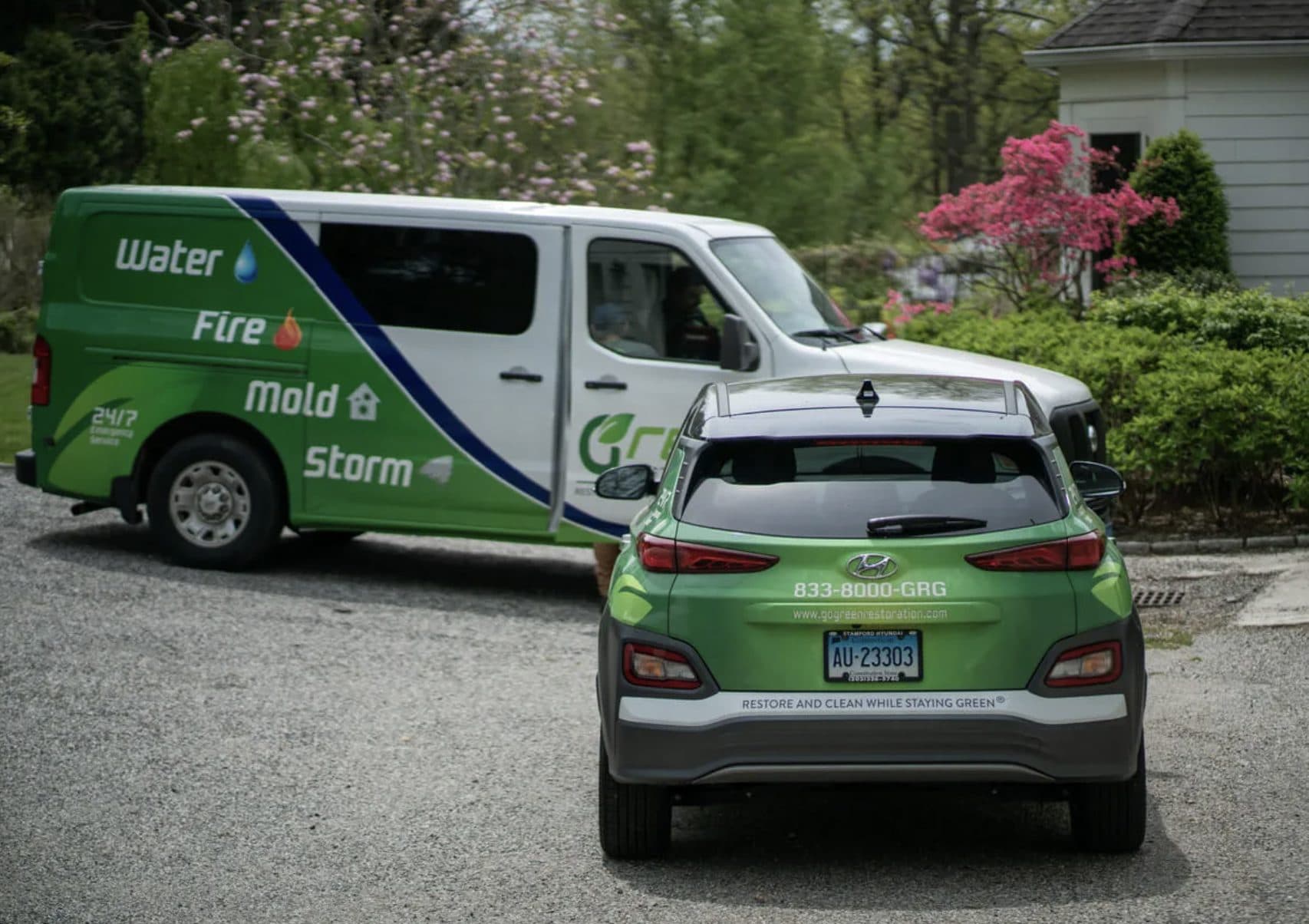
Your Rockland County Mold Remediation Specialists Since 2014
As the local owner serving Rockland County from our Mamaroneck location, I personally oversee NY DOL aligned mold remediation across the 19 Rockland villages and hamlets, from the 19th-century brownstone and Victorian stock along the Hudson western shore at Nyack and Piermont, through the Palisades and Harriman ridge-foot homes at Suffern and Sloatsburg, into the 1950s-1970s post-war ranch and split-level core at Pearl River, Nanuet, Pomona, and Valley Cottage, and the dense pre-war attached multifamily at Spring Valley and Monsey. Our scope is always defined by your independently licensed NY DOL mold assessor. Green Restoration brings in New York State licensed Article 32 contractors to perform the physical remediation, source removal, hospital-grade containment, and antimicrobial treatment under that scope, then an independent third-party clearance sampler verifies post-remediation spore counts at or below outdoor baseline before re-occupancy. We submit insurance documentation directly to carriers including Chubb, PURE, AIG Private Client, State Farm, Travelers, Liberty Mutual, and Allstate. We are not licensed public adjusters and do not negotiate claims on your behalf.

“As the local owner serving Rockland County from our Mamaroneck location, I personally oversee every Article 32 mold job we run across the Cuomo Bridge. I coordinate NY-licensed abatement partners for any DOL-scoped work, set hospital-grade containment, run source removal and EPA-registered antimicrobial treatment, and stay on the file until independent third-party clearance confirms spore counts at or below outdoor baseline. I work from your independent NY Mold Assessor's scope and document every step for your insurance carrier. We are not licensed public adjusters and do not negotiate claims on your behalf.”
4.9 out of 5, Rated by your neighbors on Google
Thanks a lot to Green Restoration! An overflowing toilet almost ruined my daughter's quinceanera, but these great people saved the day. They cleaned up every place that the water touched, even under the cabinets, so our home looked spotless.
Verified Homeowner
Mold RemediationMarvin's team was amazing. After being away for two weeks I came home to a burst pipe, flooding, and mold, it was heartbreaking. They handled everything with such professionalism and went above and beyond. I'm extremely grateful for their help.
Verified Homeowner
Mold RemediationHad this nasty water damage in the basement after a pipe burst. These guys came in and got the whole area dried out and dehumidified in no time. Super professional even though they left behind a couple fans and had to swing by the next day to grab them.
Verified Homeowner
Mold RemediationI was selling my house and home inspection failed on mold, I found this company on google and hired them. They did an excellent job! Marvin and his team were very knowledgeable and professional! Thank you guys!
Verified Homeowner
Mold RemediationPricing depends on scope and containment complexity. Most Rockland basement and crawl-space claims settle in the $3,000 to $11,000 range. See typical ranges below.
Small Project · Single Area
$1,500 to $5,500
Bathroom wall, window frame, attic patch, isolated growth under 10 sq ft
Medium Project · Basement / Crawl
$3,500 to $11,000
Hudson flood-plain basement, ridge-foot crawl, single-room remediation with containment
Large Project · Whole-Home
$11,000 to $32,000+
Multi-room, Stachybotrys, brownstone gut, HVAC remediation, attic sheathing
Final cost depends on containment complexity, square footage affected, mold type (Stachybotrys vs Aspergillus vs Penicillium), HVAC remediation scope, and whether drywall, plaster, insulation, or subfloor replacement is needed. Use the calculator below for a personalized Rockland County estimate.
Clear, honest answers about mold remediation, containment, insurance coverage, and clearance testing in Rockland County, NY.
Same-day mold remediation response under NY DOL scope across all 19 Rockland villages and hamlets, dispatched from 1163 Mamaroneck Avenue across the Mario M. Cuomo Bridge via I-287 and I-87. Typical arrival is 40 to 60 minutes off-peak and 60 to 90 minutes during weekday peak in the Tappan Zee corridor. Routing to Nyack and Piermont takes the Cuomo Bridge direct, Suffern and Sloatsburg via I-87 north, Pearl River and Nanuet via the Palisades Interstate Parkway, and Haverstraw and Stony Point via US Route 9W. Our crews arrive with thermal imaging, moisture meters, and an independent licensed assessor's scope of work from the first visit. Call (914) 559-2694 any time, day or night.
Cost ranges vary sharply by Rockland geography. Nyack and Upper Nyack 19th-century brownstone or Piermont Victorian cavity-wall remediation typically runs $11,000 to $32,000 or higher for full plaster-cavity opening, dry ice CO2 pellet blasting on period timber, and double-layer Stachybotrys containment. Pearl River, Nanuet, New City, Valley Cottage, and Bardonia 1950s-1970s post-war ranch and split-level basement or attic remediation typically runs $3,500 to $11,000 for single-area cleanup with HEPA-filtered containment. Spring Valley and Monsey pre-war attached multifamily party-wall cascade work runs $8,000 to $18,000 per affected unit, depending on shared-riser scope. We provide a written estimate on-site after moisture readings and your assessor's third-party clearance confirms the full scope.
Most New York homeowner policies cover mold remediation when it results from a covered water loss on a Rockland property, such as a Pearl River post-war copper-line burst secondary mold claim or a Spring Valley multifamily supply-line cascade. For Piermont, Tappan, Sparkill, Haverstraw, Garnerville, Stony Point, and Tomkins Cove properties inside FEMA AE flood-plain zones along the Hudson western shore, the National Flood Insurance Program (NFIP) provides flood coverage separately from your homeowner policy and typically does not cover mold remediation directly. Mold from long-term Hudson high-water backfill behind fieldstone, chronic ridge-runoff seepage from the Palisades or Harriman corridor, or unaddressed mid-Hudson humidity typically requires a separate mold endorsement. Green Restoration bills major carriers including Chubb, PURE, AIG Private Client, State Farm, and Travelers directly with the documentation, clearance test results, and lab-analyzed spore counts adjusters require.
NY State Labor Law requires a separately licensed mold assessor to create the remediation plan before any work begins on any project over 10 square feet. Green Restoration assembles and directs New York State licensed Mold Remediation Contractors, following the scope issued by your independent assessor. We do not perform mold testing, assessment, or inspection as a service in New York. For Rockland County properties, the Rockland County Department of Health may also coordinate on rental-property mold complaints, multifamily-housing cases in Spring Valley and Monsey, and any project triggering county-level health notification. Post-remediation clearance air sampling is performed by an independent third party your assessor coordinates, confirming spore counts at or below outdoor baseline before re-occupancy.
Most Rockland County mold remediation projects take 4 to 8 days from containment setup to your assessor's clearance testing. Spring Valley, Monsey, Kaser, and Hillcrest pre-war attached multifamily shared-riser cascade work can compress to 5 to 7 days when all affected units are accessible simultaneously, but expand to 14 days when adjacent owners are uncoordinated. Hudson Highlands estate work on a Tomkins Cove, Stony Point, or Upper Nyack property with multiple finished levels, Nyack or Piermont brownstone projects with original-plaster removal, full Suffern or Hillburn crawl-space remediation, or whole-system HVAC scope on a Pearl River split-level can extend to 12 days. Timeline depends on mold type, fieldstone-cavity removal complexity, square footage affected, and whether moisture source correction requires a waterproofing contractor, HVAC contractor, or crawl-space encapsulator before close-up.
Lake-corridor humidity is one of Rockland's most underestimated mold drivers. Lake DeForest in Clarkstown, Lake Tappan reservoir on the Orangetown line, and Hessian Lake near the Bear Mountain Bridge approach hold chronic basement humidity 8-12 percentage points above the regional mid-Hudson baseline through summer. Properties in West Nyack, Valley Cottage, Congers, Centerville, New City, Tappan, Sparkill, Stony Point, Tomkins Cove, and Jones Point near these waterbodies see late-summer basement humidity routinely above 75 percent, feeding Aspergillus and Penicillium colonization on fiberglass batting, fieldstone perimeters, and post-war joist bottoms. Independent moisture monitoring with a Tramex meter at 16 percent material moisture content threshold is the early-warning signal. Dehumidification to lasting equilibrium below 50 percent relative humidity is the only durable correction.
The sequence differs sharply by housing era. Pre-war Nyack, Upper Nyack, Piermont, Sparkill, and Tappan brownstone and Victorian crawl spaces with fieldstone foundations require diagnosis of seasonal Hudson high-water backfill, exterior drainage correction by the waterproofing contractor, framing remediation under the assessor's scope, then a 12 mil reinforced vapor barrier installed across the slab after the substrate is verified dry below 16 percent material moisture content. Sealing wet pre-war framing accelerates rot. Post-war Pearl River, Nanuet, New City, Valley Cottage, Bardonia, Centerville, and Congers ranch and split-level crawl spaces with poured-concrete foundations follow a similar sequence but typically resolve the moisture source faster (copper-line burst, exterior grading correction, gutter rerouting) before the barrier is set. Both housing types require dehumidification to lasting equilibrium below 50 percent relative humidity before close-up.
DIY mold removal in Rockland County risks three concrete failures. First, NY DOL compliance: any project over 10 square feet legally requires a separately licensed mold assessor's scope, which DIY cannot satisfy. Second, hidden-colony detection: the 19th-century brownstone and Victorian cavity walls common in Nyack, Upper Nyack, and Piermont along the Hudson western shore trap seasonal moisture inside original plaster and fieldstone where colonies grow for years before any interior stain appears. Suffern, Sloatsburg, Hillburn, and Airmont ridge-foot crawl spaces collect Palisades and Harriman melt runoff against joist bottoms with the same hidden-colony pattern. DIY without thermal imaging and moisture meters misses 60+ percent of the actual scope. Third, resale disclosure: New York General Obligations Law section 5-702 requires disclosure of prior mold work, and lab-verified clearance documentation is what protects your listing value. Green Restoration carries hospital-grade containment, HEPA air scrubbers, double-layer Stachybotrys containment kits, full PPE, and direct carrier coordination with Chubb, PURE, AIG Private Client, State Farm, and Travelers. Call (914) 559-2694.