Mold Removal and Remediation Prospect, CT
Green Restoration of Hamden, mold removal in Prospect, call (203) 742-0542 Upland Ledge-Rock Cellars, 1900-1970 Ranches, S520, ACAC, AMRT, WRT
 IICRC Certified
 Eco-Friendly Solutions For Healthier Spaces
Reviewed by David Megeneishvili·Licensed & Insured In CT·IICRC AMRT + WRT
What Is IICRC S520 Mold Remediation?
Mold remediation is the IICRC S520-2024 documented process of source-cause moisture diagnosis, HEPA-filtered negative-air containment construction, condition-1 vs condition-2 vs condition-3 substrate triage, controlled removal of porous Condition 3 materials, antimicrobial application of EPA-registered formulations, HEPA post-cleaning, and ACAC-certified independent third-party clearance verification before any reconstruction.
In Prospect, CT, remediation is sequenced strictly: identify and stop the moisture source, build containment with negative-air HEPA AFD machines and 6-mil poly barriers, remove visibly contaminated porous materials, decontaminate semi-porous surfaces per S520 § 12.2, antimicrobial mist treat, HEPA vacuum the work area, and only release containment after independent third-party air and surface sample clearance falls inside the Condition 1 envelope.
- IICRC S520-2024 aligned
- HEPA negative-air containment
- ACAC independent clearance
- EPA-registered antimicrobials
Why Prospect Mold Jobs Run IICRC S520
Connecticut has no mandatory mold licensing regime, but IICRC S520-2024 is the de facto industry standard. CT § 20-427 still requires HIC registration for any remediation work over $200, with documented scope, antimicrobial application records, and clearance testing.
Green Restoration runs IICRC S520-2024 protocol with HEPA negative-air containment, ACAC-certified independent third-party clearance, and full chain-of-custody microbial documentation on every remediation.
Complete Mold Remediation In Prospect, CT
Every Prospect mold scope contained by S520 crews dispatched across central Connecticut in 2026.
Same-Day Mold Inspection And Air Sampling
Green Restoration crews dispatch the same day to Prospect 1900-1970 upland ranches and walk ledge-rock foundation walls with Tramex meters set against a 16% MC standard. ACAC air cassettes pulled near Quinnipiac headwaters seepage baselines give Center Street and Plank Road owners defensible documentation before any demolition begins on a project.
IICRC S520, ACAC air sampling, central Connecticut
Full Mold Remediation And Removal
Green Restoration sets critical containment over Quinnipiac headwater seepage points and demolishes contaminated drywall in Prospect upland cellars under IICRC S520. HEPA scrubbers run under negative pressure beneath 1955 ranch floor plans so Cook Road and Salem Road bedrooms above stay habitable through the demolition and substrate removal phases. Final lab card delivery wraps the engagement.
IICRC S520, Hospital-grade containment
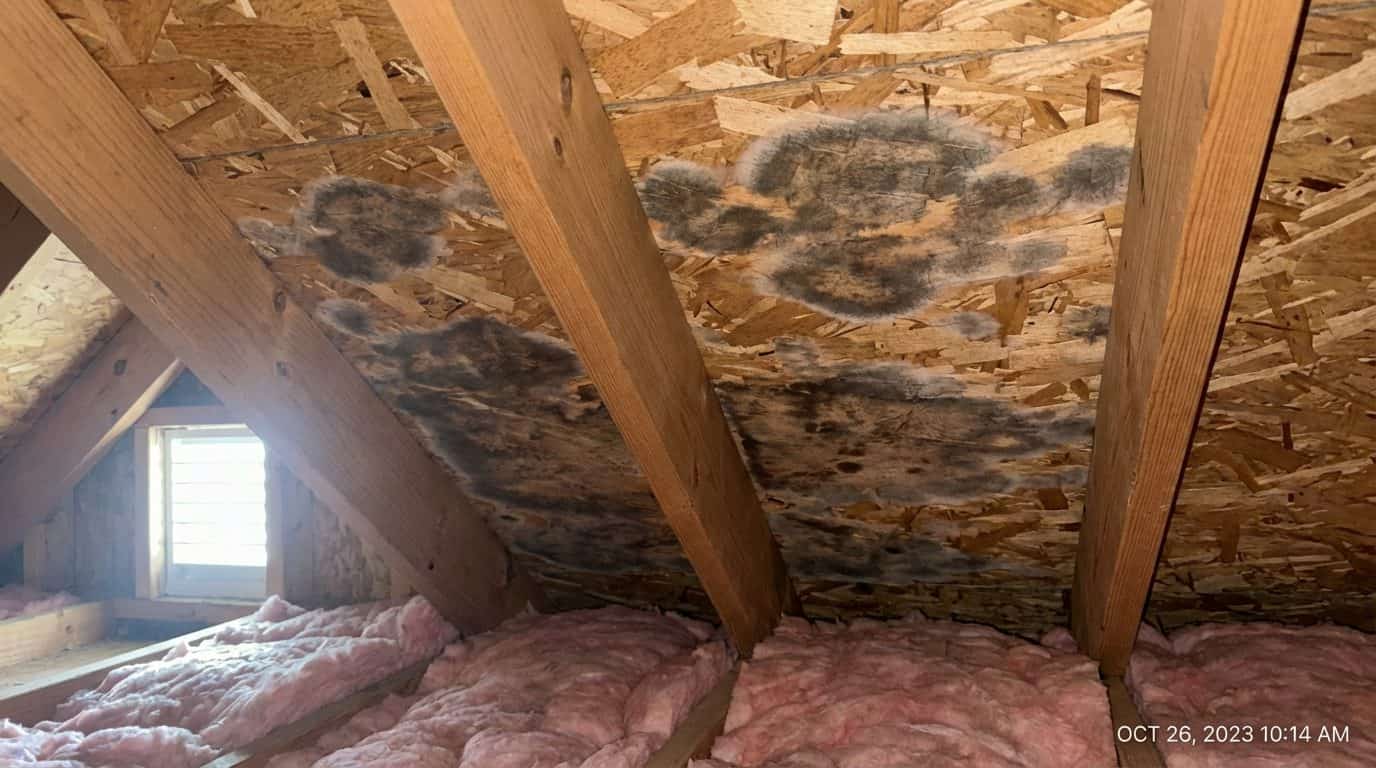
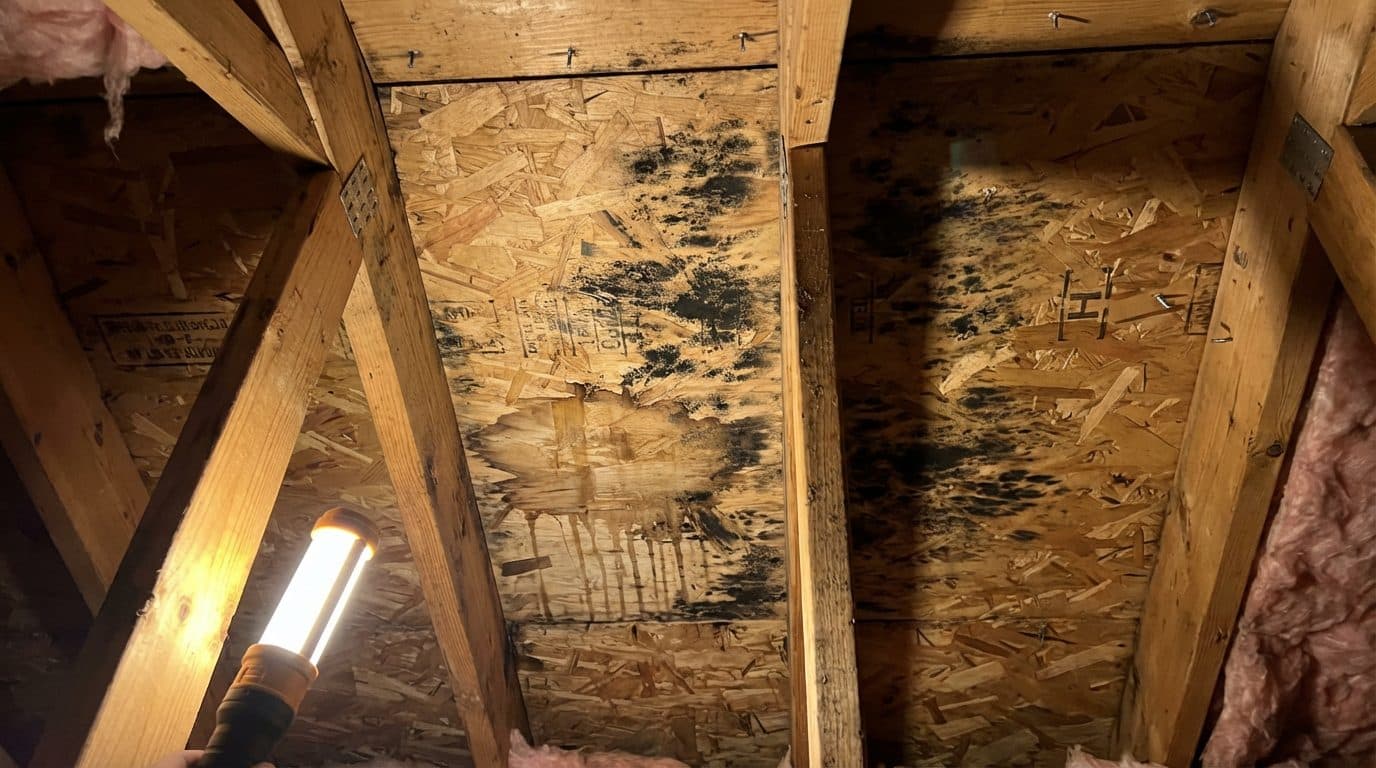
Attic Mold Cleanup
Prospect upland ledge-rock capes off Cheshire Road suffer cold-roof Cladosporium when bath fans dump into attic insulation. Green Restoration HEPA-vacs sheathing, soft-blasts framing in 1948 ranch attics, and balances ventilation per the 1:300 rule so Center Street split-levels stop feeding moisture into north-slope plywood each winter heating season. Crews follow IICRC S520 step-by-step to satisfy carrier documentation expectations.
Sheathing treatment, Ventilation corrected
Additional Mold Remediation Services In Prospect
Black Mold (Stachybotrys) Remediation
When Quinnipiac headwater saturation lingers past 72 hours, Stachybotrys colonizes Prospect upland ranch basements fast. Green Restoration encapsulates the source bay, removes substrates inside poly chambers, and clears toxigenic material from 1962-era Plank Road cellars without dry-fogging biocide across the kitchen or family room above the affected section. Crews follow IICRC S520 step-by-step to satisfy carrier documentation expectations.
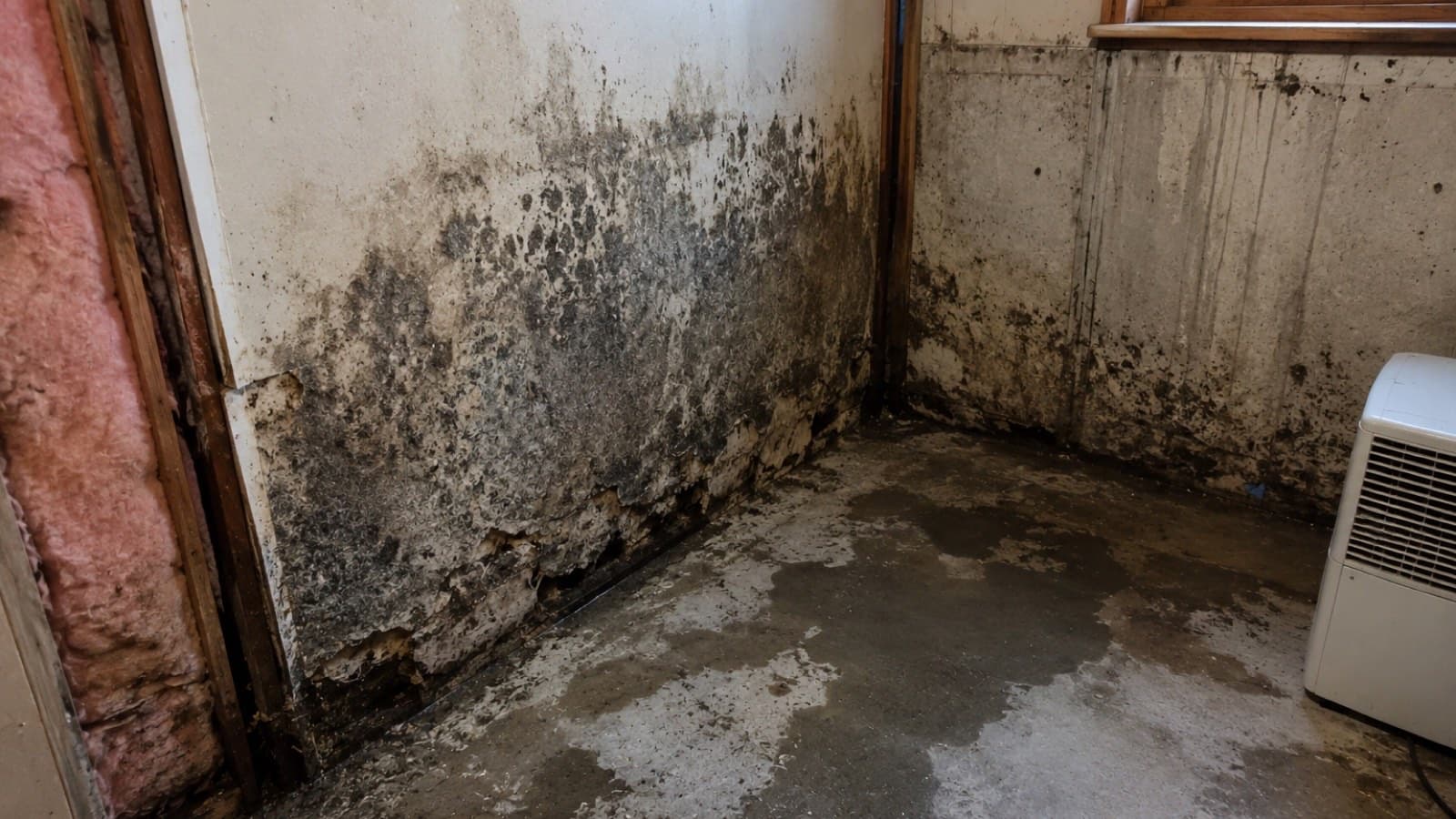
Basement Mold Cleanup
Rubble and ledge-rock foundations under Prospect 1900-1940 capes weep through parging when Quinnipiac headwater groundwater rises. Green Restoration scrubs efflorescence, removes affected framing, and installs vapor control so Center Street and Salem Road cellars dry below 16% MC before any storage shelving returns to the remediated upland ledge-rock basement. Final lab card delivery wraps the engagement.
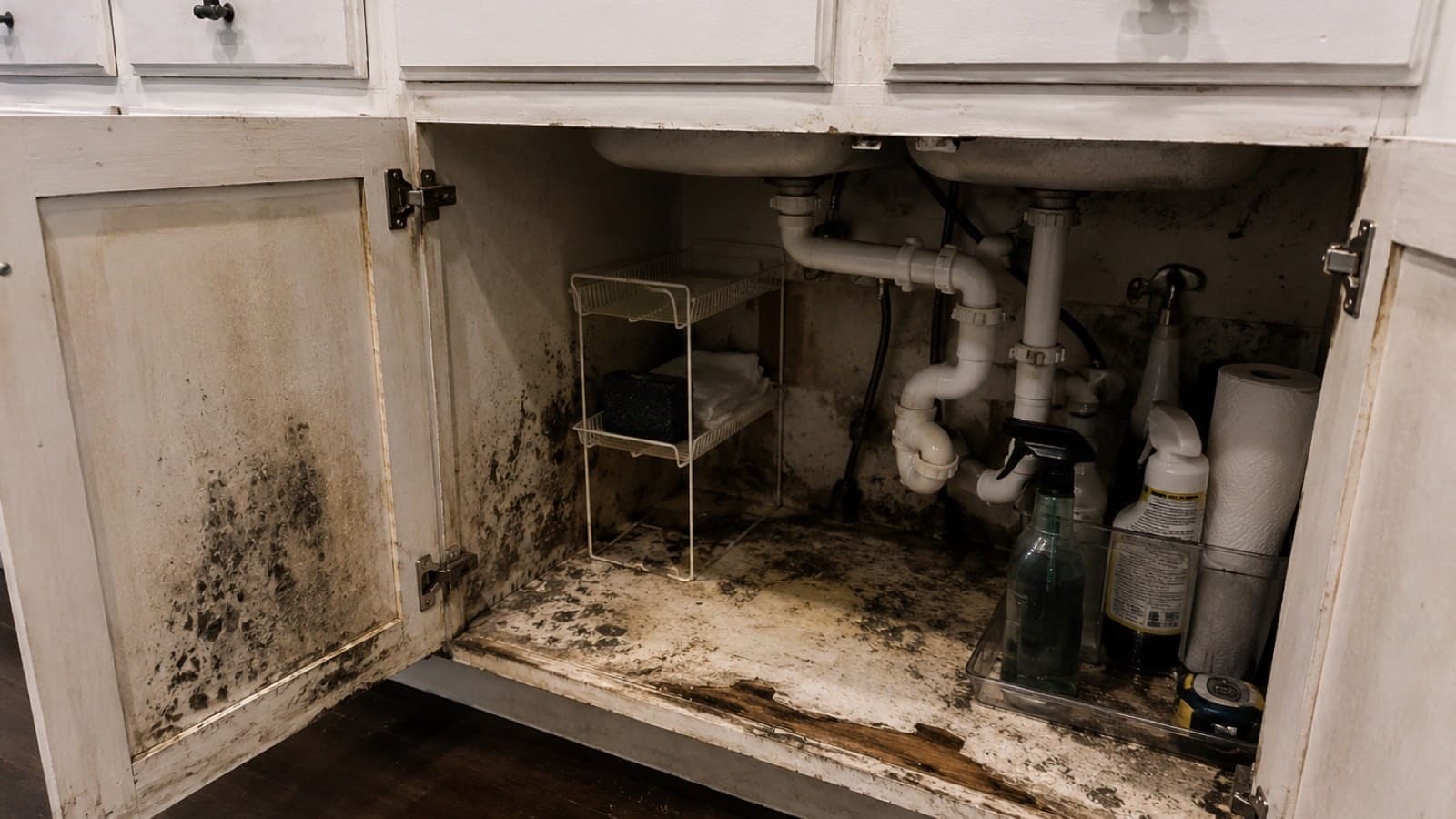
Bathroom And Kitchen Mold Removal
1960s Prospect upland ranch bathrooms hide Aspergillus behind tub surrounds and tile backers. Green Restoration extracts substrate, treats framing with botanical antimicrobial, and reinstalls cement-board to code so Cook Road humidity cycling cannot recolonize that wall cavity through warm-weather sweating seasons throughout the year on rural upland lots. Crews follow IICRC S520 step-by-step to satisfy carrier documentation expectations.
HVAC And Duct Mold Cleaning
Prospect central A/C units running long July cycles grow Penicillium inside plenum boxes when condensate lines clog. Green Restoration runs NADCA ACR cleaning, fogs the air handler interior with EPA-registered product, and seals access panels so Center Street ranch duct trunks stop circulating mold aerosols through every return register in the home throughout the season.
Crawlspace Mold Remediation
Vented crawls under Prospect upland 1940s capes pull humid Quinnipiac headwater air against joists. Green Restoration removes saturated insulation, treats joist bottoms with antimicrobial, and installs a 12 mil vapor liner sealed to piers so 1948 Salem Road homes stop feeding stack-effect spores into the living-space air through floor seams every summer.
Dry Ice CO2 Pellet Blasting
Original floor joists in Prospect 1900-1930 cape cellars cannot survive aggressive abrasion. Green Restoration uses dry-ice pellet blasting to lift Cladosporium colonies from old-growth oak without sanding, preserving framing character while clearing structural surfaces in Cheshire Road and Plank Road antebellum-era homes to clearance-ready condition for resale. Files include moisture maps acceptable to Travelers and State Farm adjusters.
Soda Blasting Mold Remediation
Where joist undersides need to look new for buyers, Green Restoration applies FDA GRAS sodium bicarb media to softer 1920-1960 framing in Prospect upland homes. Soda blasting strips surface hyphae and stains in a single pass, then crews HEPA-vacuum residue before lab sampling confirms post-clearance counts across Center Street and Salem Road scope work.
Multi-Species Mold Identification
Prospect upland basements often host stacked communities of Stachybotrys, Aspergillus, and Chaetomium when Quinnipiac headwater flow saturates the lot during sustained storm events. Green Restoration submits direct-exam slides plus air cassettes to an AIHA lab so Cook Road owners get species-level data, not just spore counts, for every carrier file.
Post-Remediation Clearance Testing
Green Restoration leaves Prospect jobs in the hands of a third-party hygienist who pulls outdoor baseline and indoor cassettes after containment teardown. Lab cards from an ACAC-credentialed analyst document Aspergillus-Penicillium ratios on Plank Road and Center Street projects so owners file with carriers using defensible numbers rather than guesswork on outcomes.

Don't Let Mold Spread Another 24 Hours. Same-Day Inspection.
IICRC S520 Certified Crews On Site Same Day Across Prospect And Central Connecticut. Hospital-Grade Containment, Lab-Verified Clearance.
Green Restoration of Hamden in Prospect
Green Restoration of Hamden handles mold remediation in Prospect, CT, where capes off Cheshire Road suffer cold-roof Cladosporium when bath fans dump exhaust into the attic. Owner-led crews set HEPA containment and remove affected porous materials to IICRC S520 standards, under IICRC Certified Firm #70236106. Call (203) 742-0542.
Why Choose Us In Prospect
Owner-led mold remediation with same-day inspection, lab-verified clearance testing, and hospital-grade containment across Prospect and central Connecticut.
Same-Day Mold Inspection
IICRC S520 certified inspectors arrive same day with thermal imaging, moisture meters, and ACAC air sampling kits.
IICRC S520 Containment
Sealed plastic sheeting, negative air pressure, and HEPA-filtered scrubbers isolate every mold work area from the rest of your home.
Benefect + Concrobium Antimicrobials
EPA-registered Benefect Decon-30 botanical disinfectant and Concrobium Mold Control treat every framing surface after physical removal, no harsh fumes.
Lab-Verified Clearance Testing
Third-party ACAC air sampling confirms post-remediation spore counts at or below outdoor baseline before you re-occupy.
What Untreated Mold Costs Your Prospect Home
Most Prospect homeowners do not notice mold until a musty crawl space or a stained ceiling forces the issue. Central Connecticut humidity and the local water-table corridor make it compound fast.
Quinnipiac Headwater Saturation
Headwater flow pushes groundwater into upland cellars
Prospect sits at the Quinnipiac River headwaters and the spring melt feeds heavy upland runoff into basements before the watershed widens downstream. Upland ranch basements along Plank Road and Center Street push groundwater into ledge-rock foundations within forty-eight hours of regional thaw events or sustained spring rain.
Ledge-Rock Foundation Weeping
Upland stone admits water at every joint
Prospect's 1900-1940 ledge-rock foundations were laid by hand on rural upland sites without modern parging or membrane systems. Once the water table rises with Quinnipiac headwater flow, every joint in the stone admits groundwater into the cellar. Drying these spaces below 16% MC takes more equipment time than newer construction.
1900-1970 Ranch Slab Vapor Drive
Upland slabs push moisture into finished basements
Many Prospect 1955-1972 ranches were poured on upland ledge-rock sites without modern under-slab vapor barriers. Ground moisture migrates upward through the concrete and into glued-down carpet or LVP, where it feeds Aspergillus colonies underneath finish flooring long before any tenant smells anything off in the rec room.
Septic-Field Cellar Migration
Rural septic systems push moisture toward cellars
Prospect is rural upland and most lots run on private septic rather than municipal sewer. When a leach field fails during a wet spring on a tight upland lot, gray-water moisture migrates back toward the home and through ledge-rock cellar walls, growing Chaetomium where conditions stay damp for extended periods of time.
Cold-Roof Condensation On North Slope
North-facing sheathing wets every winter
Prospect ranches and capes along Cheshire Road lose attic-floor heat into well-vented cavities at upland elevation. North-slope plywood drops below dew point most winter nights, building frost that releases in March and grows Cladosporium across sheathing where bath-fan exhaust adds insult to an already-saturated assembly.
Bath-Fan Attic Discharge
Older Prospect installs vent into the attic instead of through-roof
1960s and 1970s Prospect bath installations frequently dump exhaust directly into the attic cavity rather than through a proper roof jack. That practice loads sheathing with shower-hour humidity every morning and feeds Cladosporium colonization across the entire north-slope deck within five to seven heating seasons of operation.
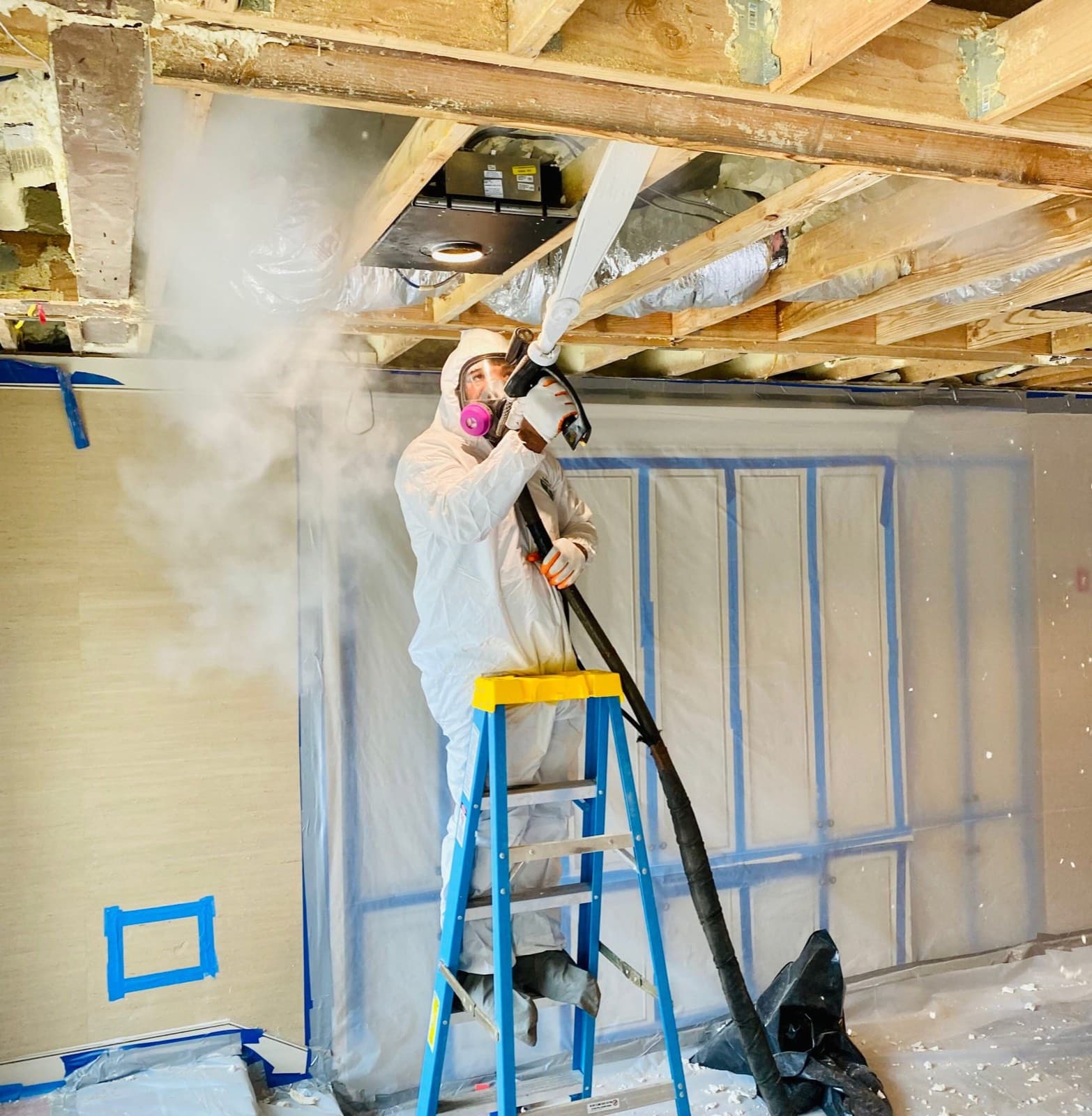
Why Prospect Properties Need Professional Mold Remediation
Prospect conditions create mold pressure surface cleaning cannot solve. Hospital-grade containment with lab-verified clearance is the only durable fix.
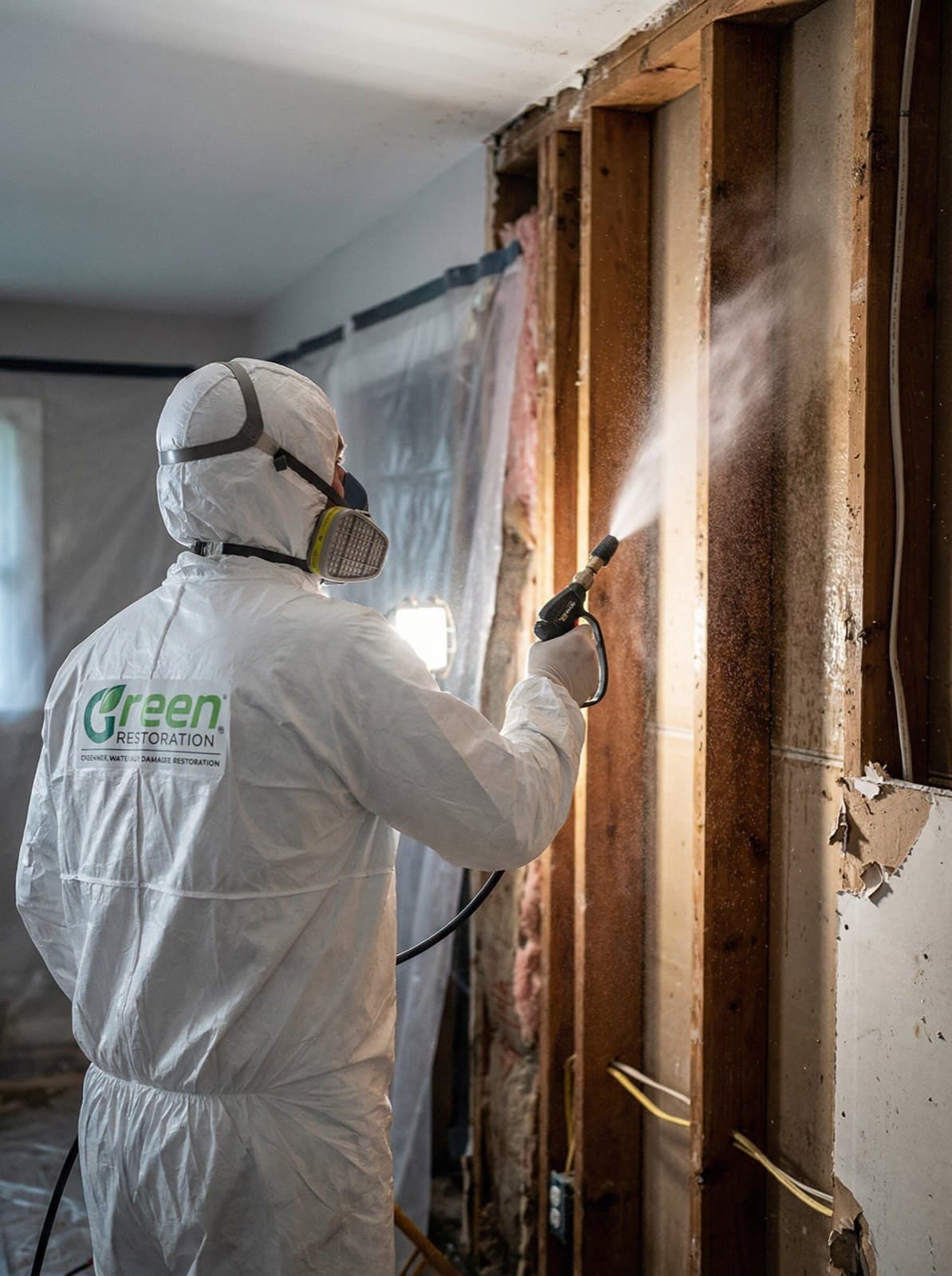
Our Owner Walks Prospect Jobs
Hamden branch owner-operator personally inspects Prospect upland ranch cellars and 1940s capes, signs off on containment, and meets carrier adjusters on site. Fifteen-plus years remediating central Connecticut upland housing stock means cleaner files and faster carrier sign-offs on covered sudden-loss claims throughout the rural region.
IICRC AMRT And WRT Trained Crews
Every Green Restoration technician dispatched into Prospect holds Applied Microbial Remediation and Water Restoration certifications. That training matters when Quinnipiac headwater saturation and Stachybotrys collide in a 1955 upland ranch cellar that the carrier wants documented under IICRC S500 and S520 industry standards for covered loss.
Same-Day Dispatch From Hamden
Hamden hub is thirty minutes from Prospect Center Street, so calls placed before noon get a crew on the lot the same afternoon. Faster arrival shortens the seventy-two-hour Stachybotrys window that carriers use to deny mold claims tied to delayed water mitigation across the rural upland housing stock in the region.
Third-Party Clearance Documentation
Green Restoration leaves every Prospect job in the hands of an independent ACAC-credentialed hygienist for post-remediation verification. Lab cards from an arms-length analyst hold up when Prospect homeowners file with State Farm, Travelers, Allstate, Liberty Mutual, or Chubb after a Quinnipiac headwater saturation event happens on the lot.
The Mold We See Most in Prospect
These are the mold problems we remediate most often, every job run to the IICRC S520 standard, contained with HEPA negative air, and cleared by independent ACAC air testing.
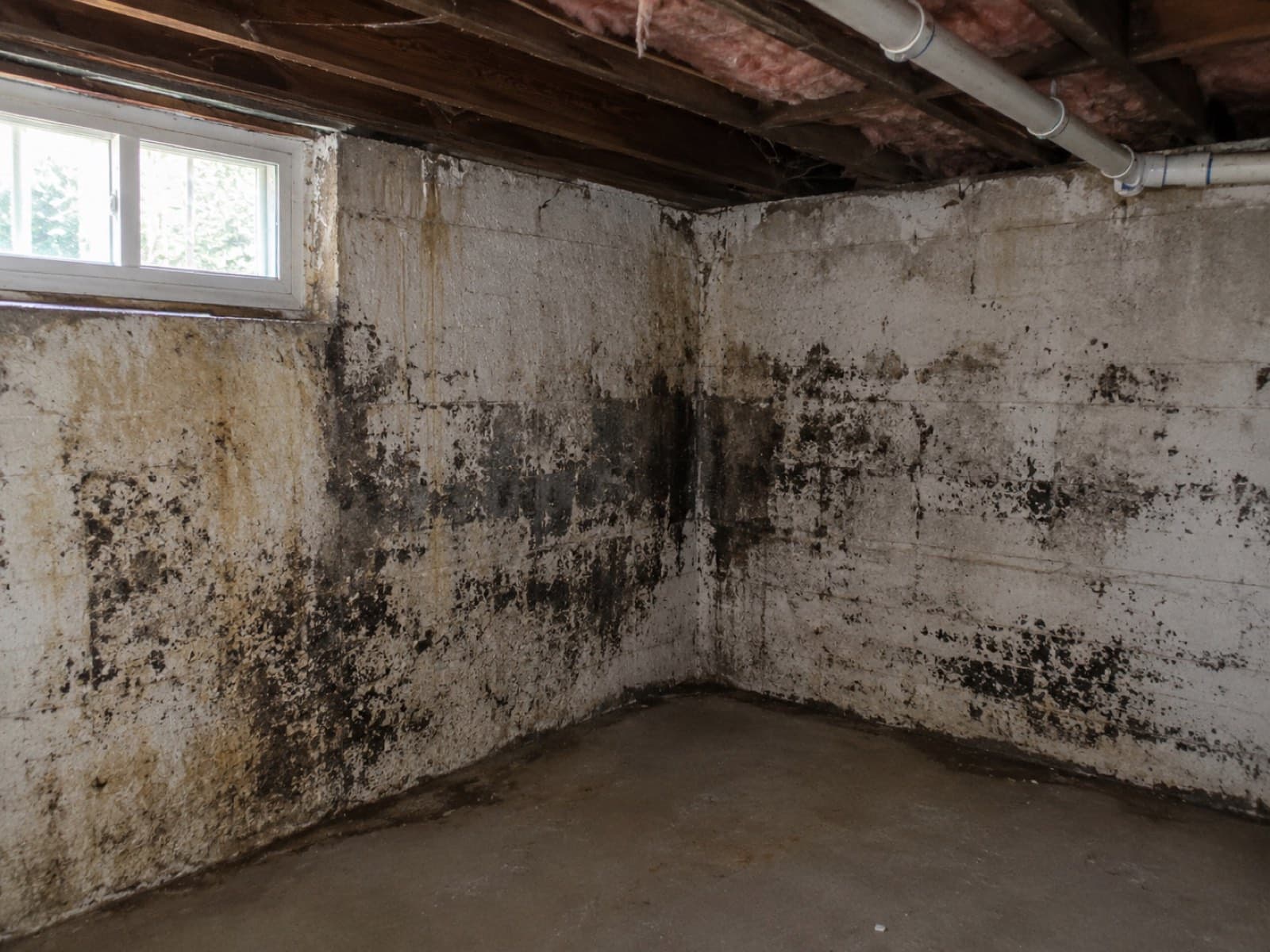
Basement Wall Mold, Fully Removed
In Prospect, cape cellars weep through parging when Quinnipiac headwater groundwater rises against ledge-rock cellar walls.
Chronic humidity, a sump failure, or seepage through the slab edge and foundation wall keeps a basement damp enough for mold to spread across concrete, framing, and stored belongings. On finished basements the same moisture colonizes the back of drywall and the wall cavity long before any stain reaches the room.
Our crews set sealed containment with negative air pressure and HEPA-filtered air scrubbers, then remove or HEPA-clean the affected materials and treat the foundation wall and framing with an EPA-registered antimicrobial per IICRC S520. The moisture source, seepage, a failed sump, or high humidity, is corrected and dehumidification is set before anything is closed back up.
Third-party ACAC air sampling confirms spore counts at or below the outdoor baseline before reconstruction begins. Every scope line, containment photo, and lab report is documented for your insurer so the claim moves on evidence.
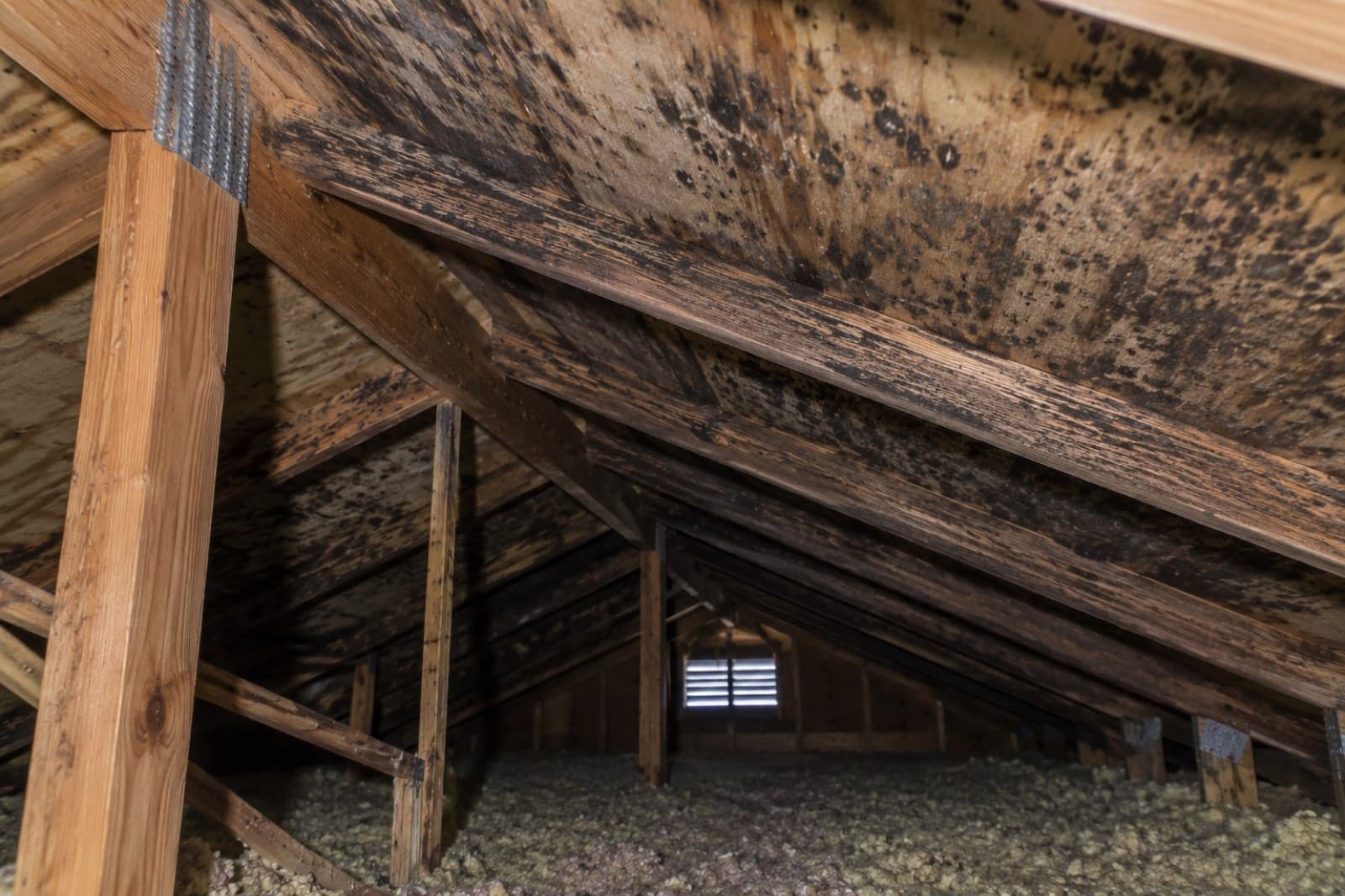
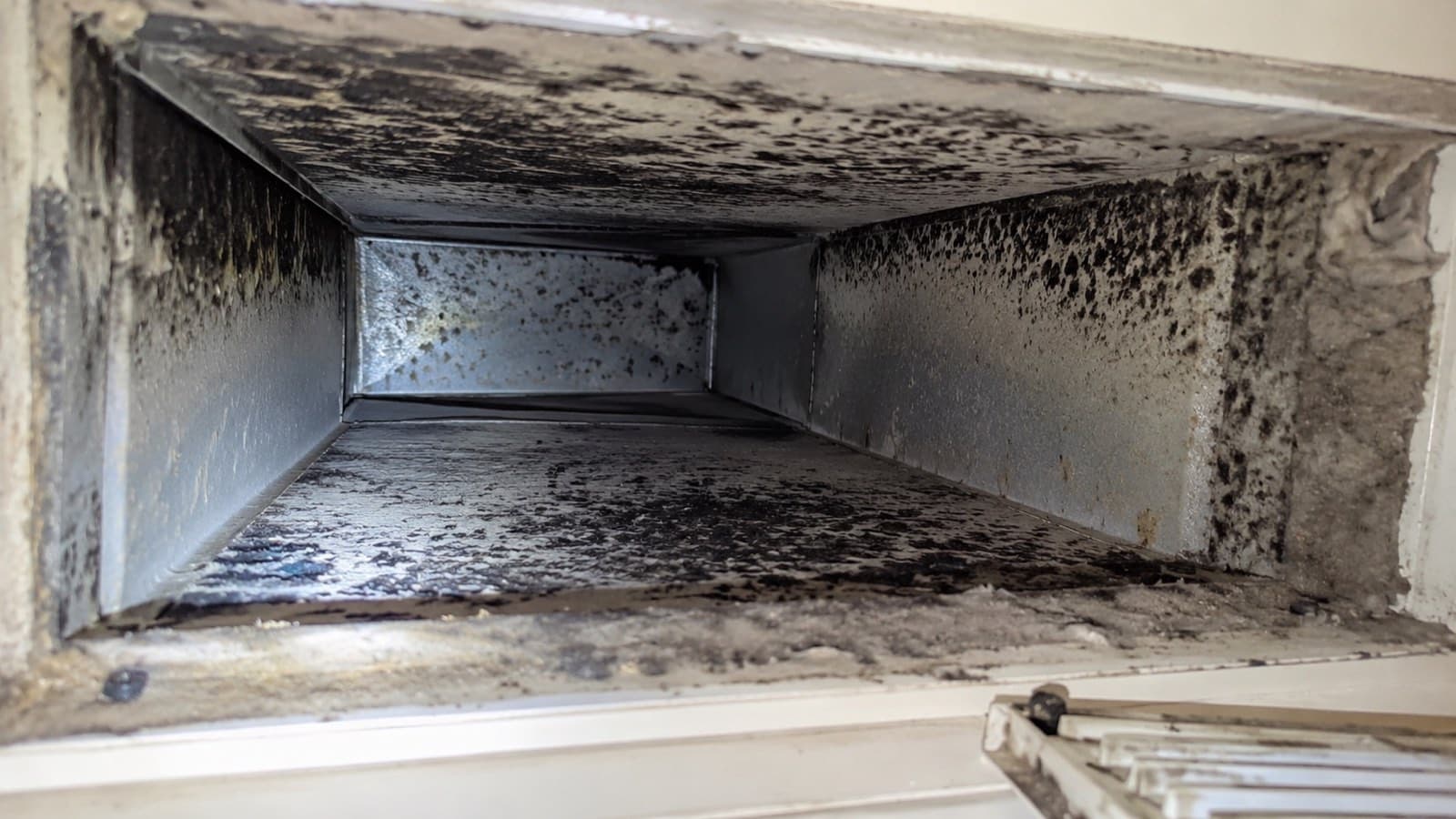
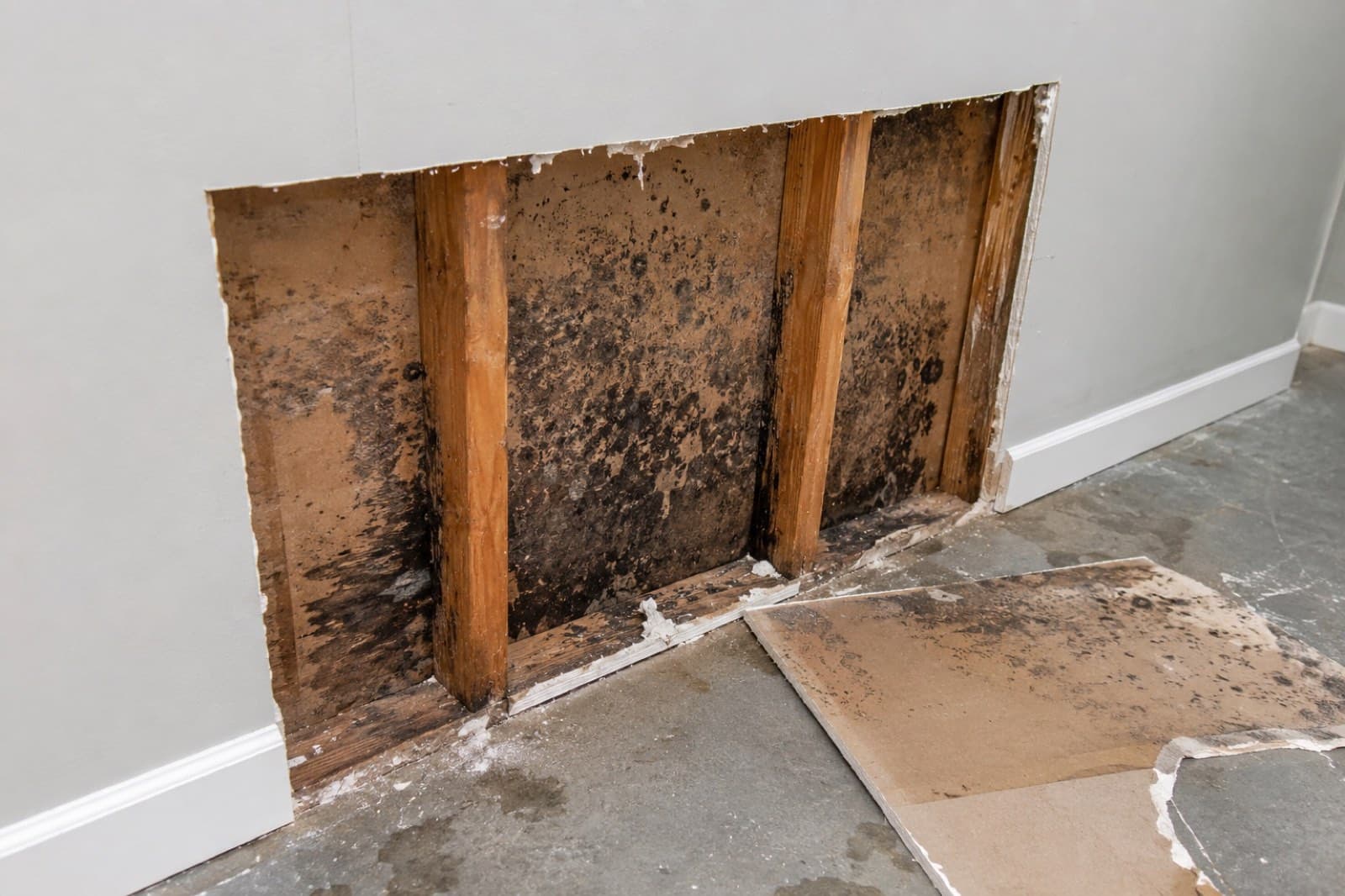
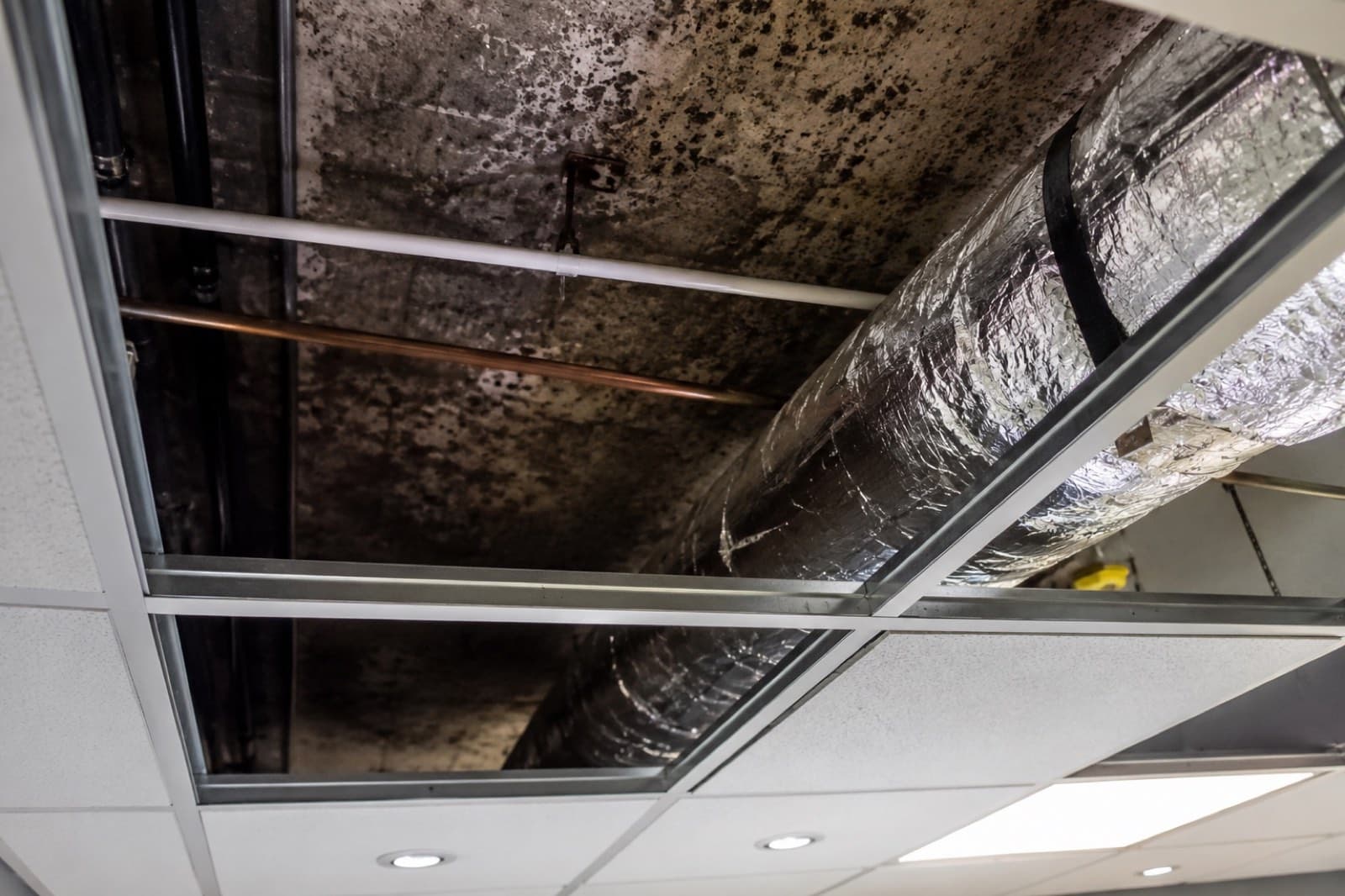
Scenario 1 of 5: Basement & Wall Mold
What To Do When You Find Mold In Your Home
The first 24 hours matter. Follow these steps to contain the colony and protect your air quality while waiting for our IICRC S520 certified crew to arrive.
What To Do Immediately
EPA guidelines recommend professional remediation for any visible mold patch larger than a 3x3 square foot area. Anything more releases spores beyond safe DIY containment.
Close doors leading to the contaminated room and turn off HVAC immediately. Every minute of shared air movement spreads spores throughout the rest of your home.
Take timestamped photos of all visible mold and any related water damage before cleanup begins. Your insurance adjuster will need this for the claim file.
If you must enter the contaminated area before remediators arrive, wear an N95 respirator, nitrile gloves, and sealed eye protection. Skin and airway contact with active colonies is how symptoms start.
Mold needs water to grow. Fix the leak, correct the humidity, or remediate the flood before any cleanup attempt. Scrubbing without moisture correction guarantees regrowth.
Third-party post-remediation air sampling confirms spore counts are at or below outdoor baseline. Without it, you have no way to verify the work actually worked.
What NOT To Do
Bleach lifts color on drywall, carpet, and wood but does not kill mold at the root. The colony returns within weeks and the stain looks smaller only because the surface is lighter.
Central heating and cooling circulates spores through every duct run, colonizing rooms that were never affected. Shut the system off until professional containment is in place.
EPA guidelines require professional containment for anything larger than a 3x3 patch. Tearing out drywall without negative air pressure releases millions of spores instantly.
Even mildew-resistant primer cannot seal an active colony. The mold feeds on the paper backing of drywall and bleeds through within weeks, often worse than before.
A persistent musty smell without visible mold almost always means a hidden colony behind walls, under flooring, or in ductwork. Smell usually precedes visibility by months.
Disturbed mold releases millions of spores in seconds. Ripping carpet, pulling drywall, or breaking up tile without proper negative air pressure contaminates the entire home.
Our Mold Remediation Process In Prospect, CT
From the first call to final walkthrough, every step is documented, insured, and owner-supervised.
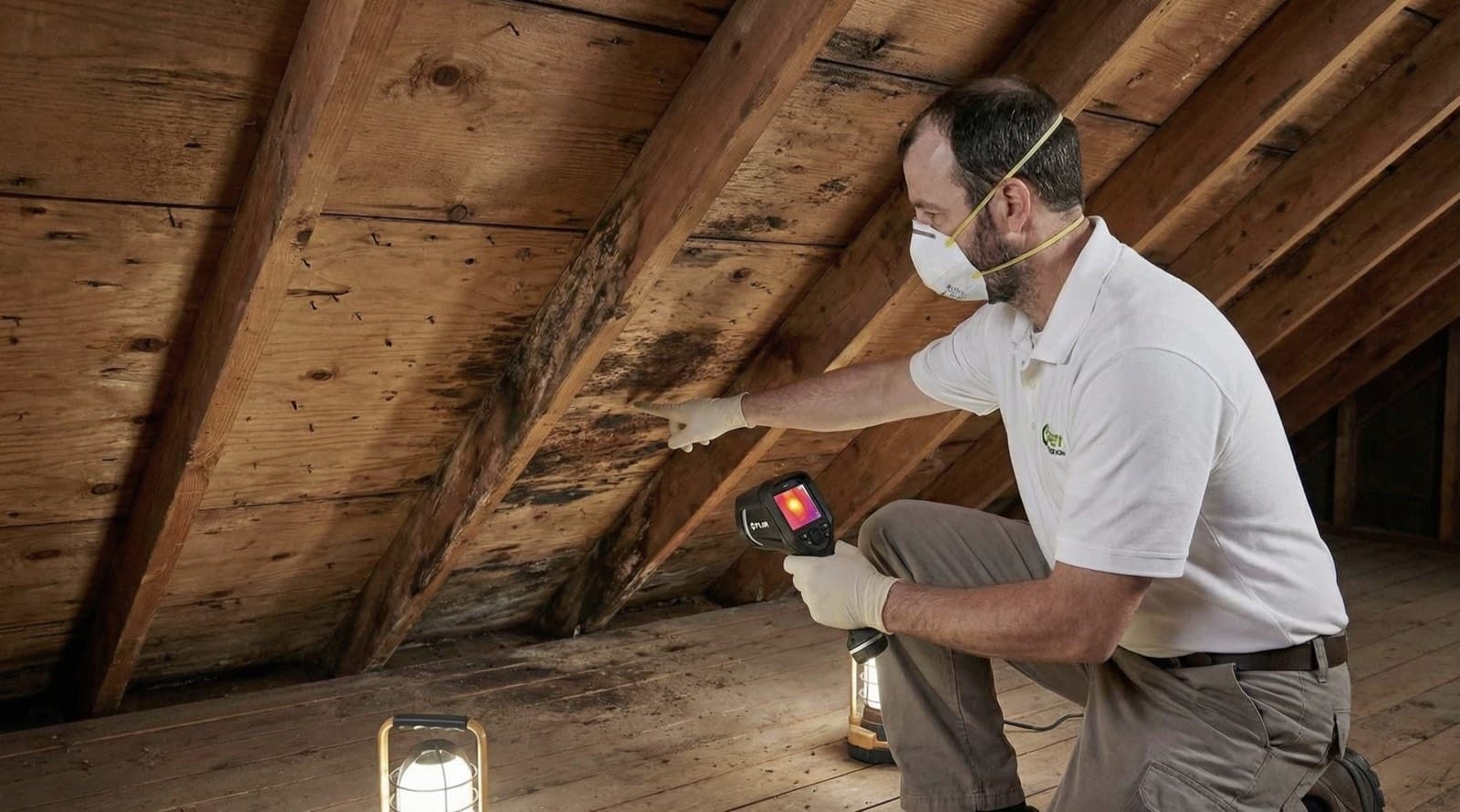
Mold Remediation Coverage In Prospect, CT
Full service mold inspection, containment, remediation, and lab-verified clearance testing for Prospect homes and businesses. Same-day inspection response across central Connecticut.
Green Restoration provides IICRC S520 certified mold remediation in Prospect, CT, serving local neighborhoods throughout central Connecticut. Our certified technicians arrive same day with thermal imaging, moisture meters, and ACAC-certified air sampling kits. We work directly with all major insurance carriers, from initial inspection through hospital-grade containment and lab-verified clearance testing.
As a service-area business led by our owner across the Hamden service area, our crews know the specific mold conditions Prospect properties face: floodplain seepage, ridge runoff, mill-era plaster cavities, post-war ranch crawl spaces, and HVAC humidity in shared mechanical risers. We coordinate directly with adjusters from State Farm, Travelers, Liberty Mutual, Allstate, and all other major carriers, documenting scope from inspection through ACAC clearance for every claim across Prospect and surrounding Hamden service area towns.
Active Mold Exposure In Prospect?
Same-day inspection dispatch, 24/7/365.
(203) 742-0542IICRC S520 · Licensed & Insured · All Insurance Accepted
All Towns Served By Green Restoration Of Hamden Across Central Connecticut For IICRC S520 Mold Inspection And Remediation.
Same-Day Mold Inspection In Prospect, CT
Green Restoration serves Prospect from the Hamden hub on Dixwell Avenue, thirty minutes north of Center Street and thirty-five minutes from Plank Road. Crews trained under IICRC AMRT and WRT carry containment poly, HEPA scrubbers, Tramex meters, and ACAC air cassettes loaded for same-day deployment. Green Restoration is not a licensed public adjuster and does not negotiate claims on your behalf.
Prospect sits in 06712, founded 1827, and Green Restoration dispatches the Hamden hub up Route 69 toward Center Street, Plank Road, and Cheshire Road. Most upland addresses get a same-day arrival window, keeping remediation files inside the seventy-two-hour Stachybotrys threshold carriers use for covered claims.
Prospect housing leans toward 1900-1940 capes with rubble or ledge-rock foundations and 1955-1972 upland ranches on poured slabs. Older framing holds capillary moisture far longer than modern lumber, so we scope deeper into stud bays with Tramex meters and infrared imaging before quoting any demolition here.
Prospect drains through the Quinnipiac River headwaters, where the watershed forms before widening downstream toward Wallingford and Meriden. Standing water in basements within eight hundred feet of any headwater branch commonly grows Stachybotrys inside five days when sump capacity falls short of seasonal upland inflow demands.
Prospect rests on upland ledge-rock at the Quinnipiac headwaters, where rural septic lots and shallow bedrock hold groundwater against basement walls. Freeze-thaw cracking and slow drainage push mold pressure higher, so our crew seals containment, treats porous surfaces with antimicrobial, dries below target, and closes with lab clearance.

About Green Restoration In Prospect, CT
IICRC AMRT+WRT Certified
Green Restoration is the Hamden branch led by our owner, serving Prospect and the central Connecticut Quinnipiac headwater upland corridor for fifteen-plus years. Crews trained to IICRC AMRT and WRT standards work under Connecticut HIC.0668405 and operate dedicated equipment for ledge-rock cellars, 1900-1940 capes, and 1955-1972 upland ranches. Same-day dispatch, third-party ACAC clearance, and direct-bill experience with State Farm, Travelers, Allstate, Liberty Mutual, and Chubb keep Prospect scopes tight and claim files clean.

“As the local co-owner in Hamden and Prospect, I personally walk every Quinnipiac headwater upland basement and every 1948 cape we scope. Fifteen-plus years remediating central Connecticut, plus IICRC AMRT and WRT training across our crews, means we know what Travelers and State Farm need to see on a Prospect file. We do not negotiate claims for owners. We deliver clean lab cards and clean documentation.”
Trusted by Families in Prospect &
New Haven County
4.9 out of 5, Rated by your neighbors on Google
David was great! Thank you!
Mike Dike
Mold RemediationGreat service. I contacted them and they showed up in a matter of days.
Reno Rapagnani
Mold RemediationAttic mold found in our attic during renovation after we moved to Wallingford. Not what you want to see right? Green Restoration contained everything, removed all the mold, but used eco-friendly products.
Barbara Cavazos
Attic Mold RemediationA pipe broke at two in the morning. I called a few different services, but only David's Green Restoration team picked up their emergency line. They came early in the morning, worked hard, and got us dry.
Micki Kraft
Water DamageHow Much Does Mold Remediation Cost In Prospect, CT?
2026 Prospect mold remediation: most basement and crawl claims settle $3,000 to $8,000. Per-square-foot equivalent runs $14 to $28.
Small Project, Single Area
$1,500 to $4,500
Bathroom wall, window frame, attic patch, isolated growth under 10 sq ft
Medium Project, Basement / Crawl
$3,000 to $8,000
Basement wall, crawl-space section, single-room remediation with containment
Large Project, Whole-Home
$8,000 to $25,000+
Multi-room, Stachybotrys, structural mold, HVAC remediation, attic sheathing
Priced by scope under IICRC S520. Read the full mold cost guide.
Prospect CT Mold Remediation FAQs
Clear 2026 answers on Prospect mold conditions, insurance coverage, and lab-verified clearance testing.
Hamden hub dispatches into Prospect within seventy-five to one hundred minutes for most calls placed before three in the afternoon. Crews staged for Center Street and Plank Road can be on the lot the same day with containment poly, HEPA scrubbers, and Tramex meters loaded. Call (203) 742-0542 and our team will confirm an arrival window after collecting the basics on the loss. Faster arrival shortens the seventy-two-hour window before Stachybotrys colonizes upland ranch basements across the Quinnipiac headwaters.
Small bathroom or single-stud-bay jobs in Prospect typically land between $1,500 and $4,500 once containment and clearance testing get added in. Mid-sized basement projects in 1955-1972 ranch construction usually run $3,000 to $8,000. Whole-home Stachybotrys cleanups involving Quinnipiac headwater saturation and 1900-1940 framing on ledge-rock foundations can reach $8,000 to $25,000 or more once HVAC, vapor liner, and third-party clearance get layered. Call (203) 742-0542. We will document the scope with photos and Tramex readings before issuing the Prospect estimate.
Most Connecticut carriers pay for mold when it traces back to a covered sudden water loss like a burst supply line or storm intrusion documented inside seventy-two hours. Long-term seepage along Quinnipiac headwater basements is usually excluded under the policy. We document moisture mapping, photos, and S500 timing so Prospect owners can present a clean claim file. We are not licensed public adjusters and do not negotiate claims on your behalf. Call (203) 742-0542.
Most Prospect remediations close in three to seven working days from containment setup through post-clearance. A single-stud bathroom takes two to three days. A full Center Street upland basement with ledge-rock prep and HVAC cleaning runs five to seven. Quinnipiac headwater saturation events that involve multiple rooms and vapor-liner crawlspace work in older Salem Road capes can stretch to ten days. Call (203) 742-0542 for scope. Crews stage equipment so the Prospect project does not stretch unnecessarily past the dry standard.
Connecticut allows the same firm to inspect, sample, and remediate, so Green Restoration handles initial ACAC air cassettes and direct-exam slides at the inspection visit. For post-remediation clearance, we hand the project to an independent ACAC-credentialed hygienist so Prospect owners get arms-length documentation. That separation matters when Travelers or State Farm reviews the upland ranch basement file before paying out the mold endorsement balance on a claim. Lab turnaround for Prospect air cassettes runs two to three business days from delivery to the analyst.
Very likely in 1900-1970 housing stock, which makes up most of the Center Street and Plank Road inventory. Wall cavities in older capes and ranches hold 18-24% moisture content for weeks after even a small leak. Aspergillus and Cladosporium colonize old framing long before any visible staining reaches the family room ceiling. We use Tramex pin meters and infrared cameras to flag suspect bays without opening every wall, so Prospect scopes stay focused.
Keep doors closed to the affected room, shut off the central air system feeding that zone, and avoid wiping visible growth which aerosolizes spores into clean rooms. Photograph the area, note any odor changes, and pull soft goods like bedding out of the contaminated room into a sealed bag. Do not run a household dehumidifier without HEPA filtration onsite. Call (203) 742-0542 and our team will guide the rest until Prospect crews arrive.
Hamden our owner runs the Prospect territory personally, brings IICRC AMRT and WRT certified crews, and carries Connecticut HIC.0668405. Same-day dispatch from thirty minutes away, third-party ACAC clearance, and direct billing experience with most carriers including State Farm, Travelers, and Allstate. Fifteen-plus years of central Connecticut upland ranches and capes means fewer surprises and cleaner claim files. Call (203) 742-0542 for a Prospect scope. We will share references from prior Prospect projects on request before the contract gets signed.
More Green Restoration Services in Prospect
The same local Green Restoration team covers all of these across Prospect. One number for every emergency and every cleanup.

