Forced-air heating and cooling moves a lot of air through your home, and over the years the duct system collects whatever rides along with it: settled dust, pet dander, pollen tracked in from outside, and fine debris. Most of the time that buildup sits quietly inside your walls and ceilings. But when it starts feeding back into the rooms you live in, you notice it, often as more dusting, stale air, or allergy symptoms that flare indoors. Cleaning the ducts will not transform your air overnight, but done to a recognized standard it removes a meaningful source of contamination at the point where it accumulates.
At Green Restoration, we clean residential and commercial duct systems across Connecticut, the New York metro and Westchester area, and Western Massachusetts using the source-removal approach defined by NADCA, the National Air Duct Cleaners Association. That means we do not just blow dust around. We put the system under negative pressure, agitate the buildup loose, and capture it in HEPA-filtered collection so it leaves your home rather than redistributing. Below are five honest, practical benefits of having that work done by a professional, with no health-cure overclaims attached.
Reduce The Dust And Allergens Circulating In Your Home
The most immediate, observable benefit of duct cleaning is less particulate in the air your blower pushes around every cycle.
Where The Dust Actually Lives
Supply and return ducts act like a holding tank for everything your air handler pulls in: skin cells, fabric fibers, dust mites, pet dander, and pollen. When the system runs, some of that material gets picked back up and delivered into your rooms. If you find yourself dusting far more often than seems reasonable, or you see a puff of debris when the heat or AC first kicks on, the duct interior is a likely contributor.
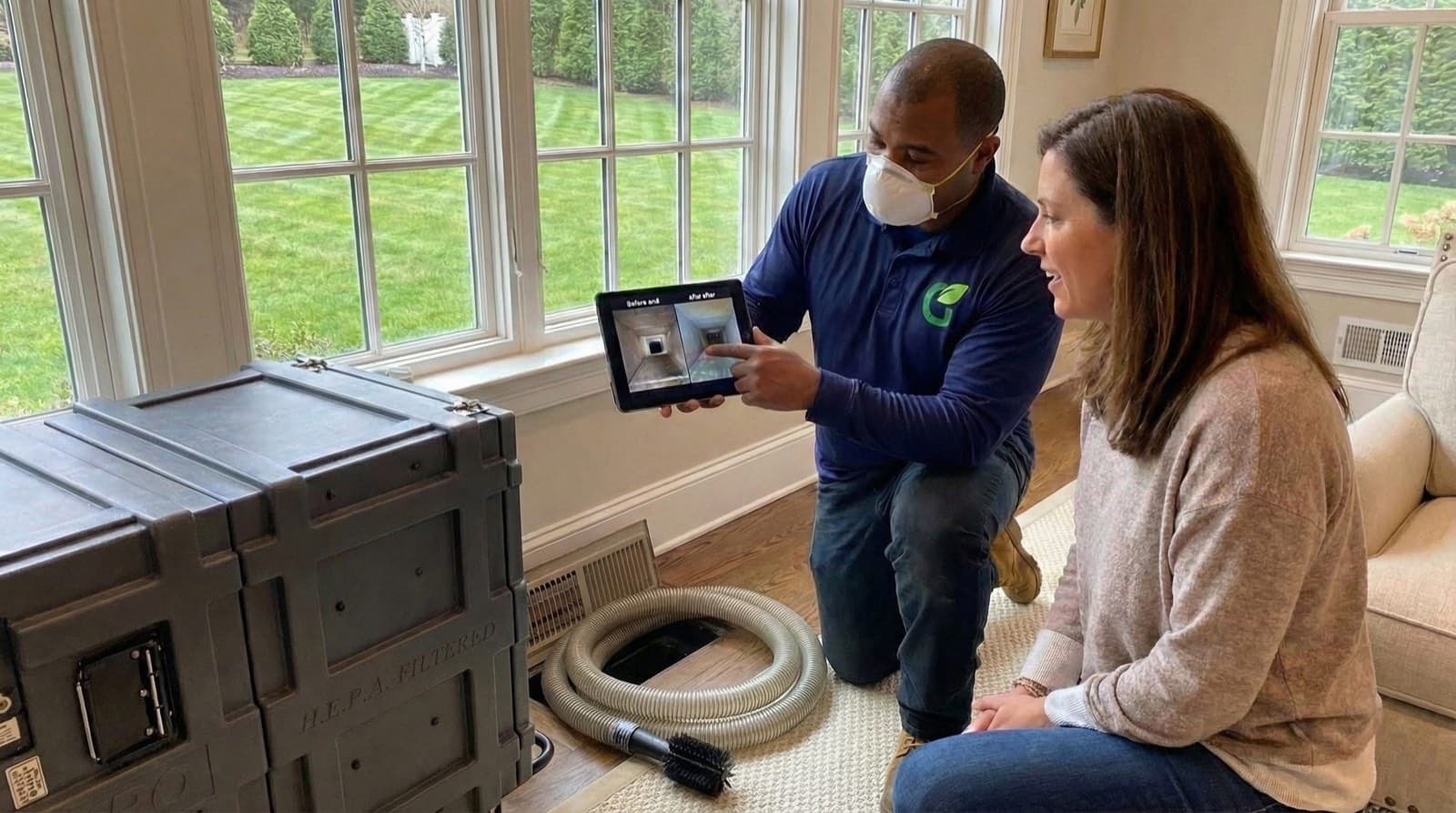
Source removal targets that reservoir directly. We brush and air-sweep the duct walls to dislodge settled material, then draw it out under negative pressure into a sealed, HEPA-filtered vacuum. The goal is to take the buildup out of the building entirely, not relocate it.
What It Realistically Does For Allergy Sufferers
We will be straight with you: cleaning ducts is not a cure for allergies, and no honest contractor should promise that. What it does is lower one source of airborne irritants that recirculate indoors. For households with sensitive members, reducing the dander and pollen load inside the duct system can make the home feel less triggering, especially when paired with a good filter and regular changes.
"Source removal means the dust leaves your house in our HEPA vacuum, not back into the room through the next supply vent."
Address And Help Prevent Mold Growth In The Ductwork
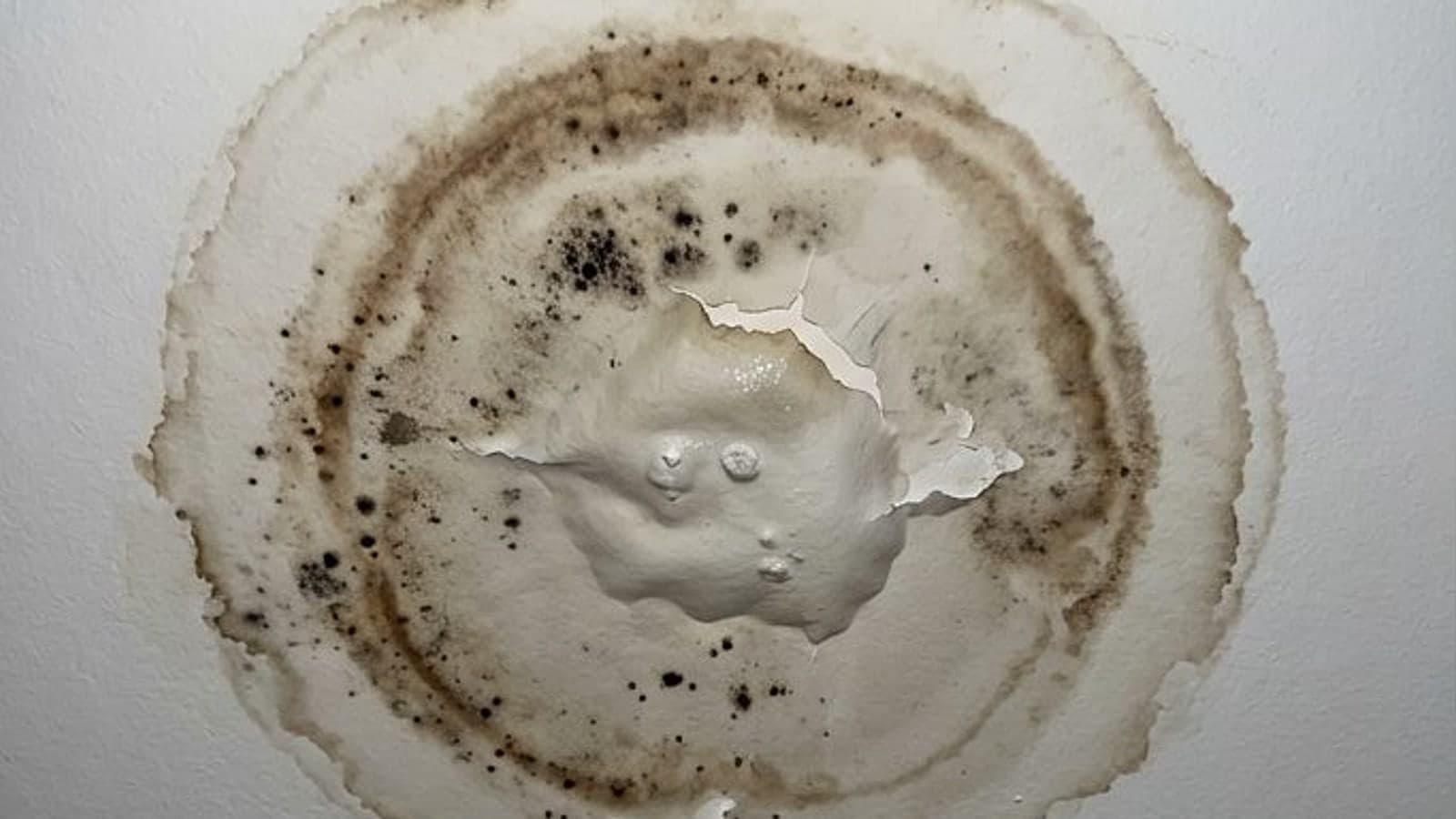
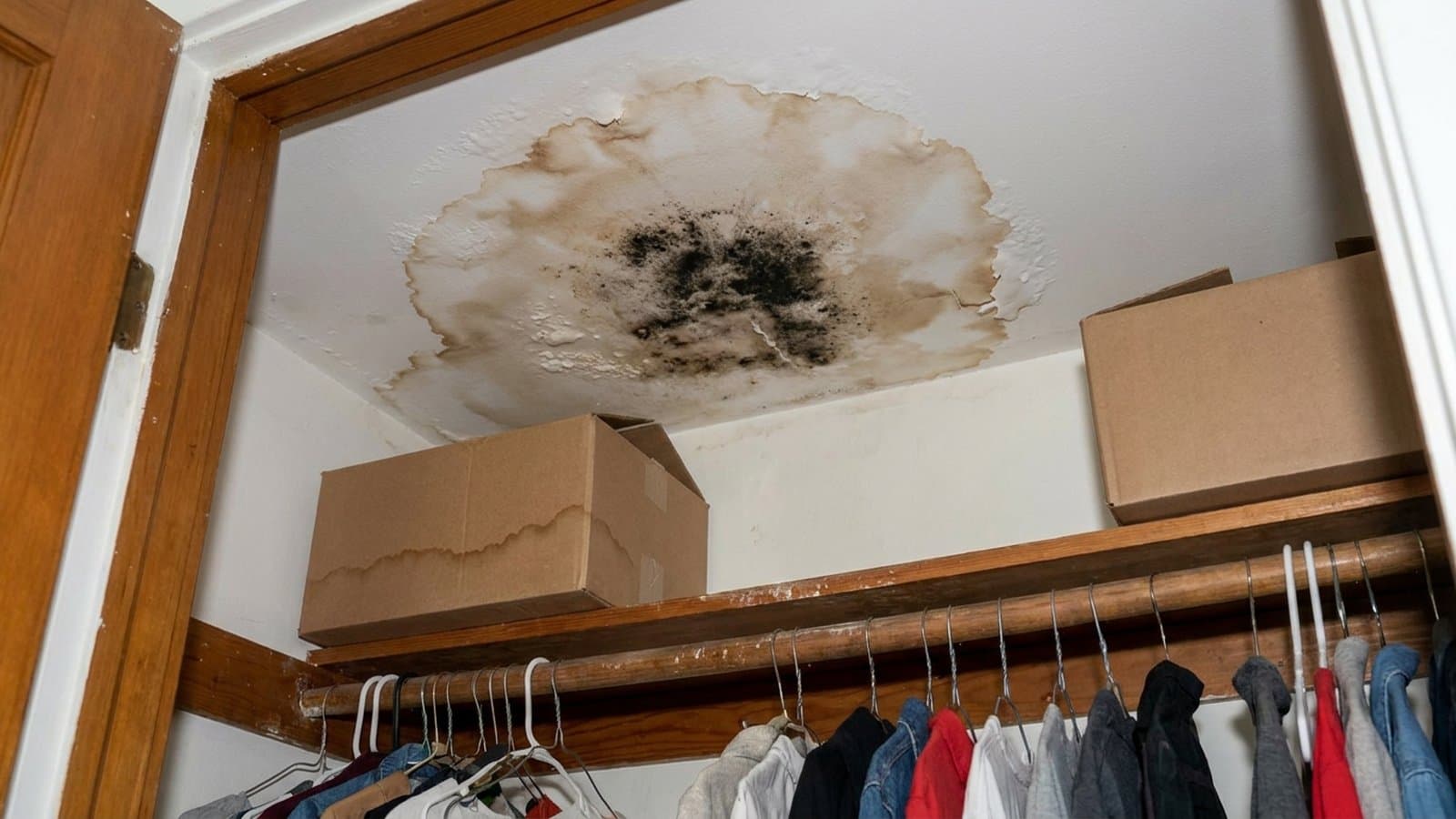
Ducts that have seen moisture, condensation, or a past water event are a place where mold can take hold, and they are easy to overlook.
Why Ducts Are A Moisture Risk
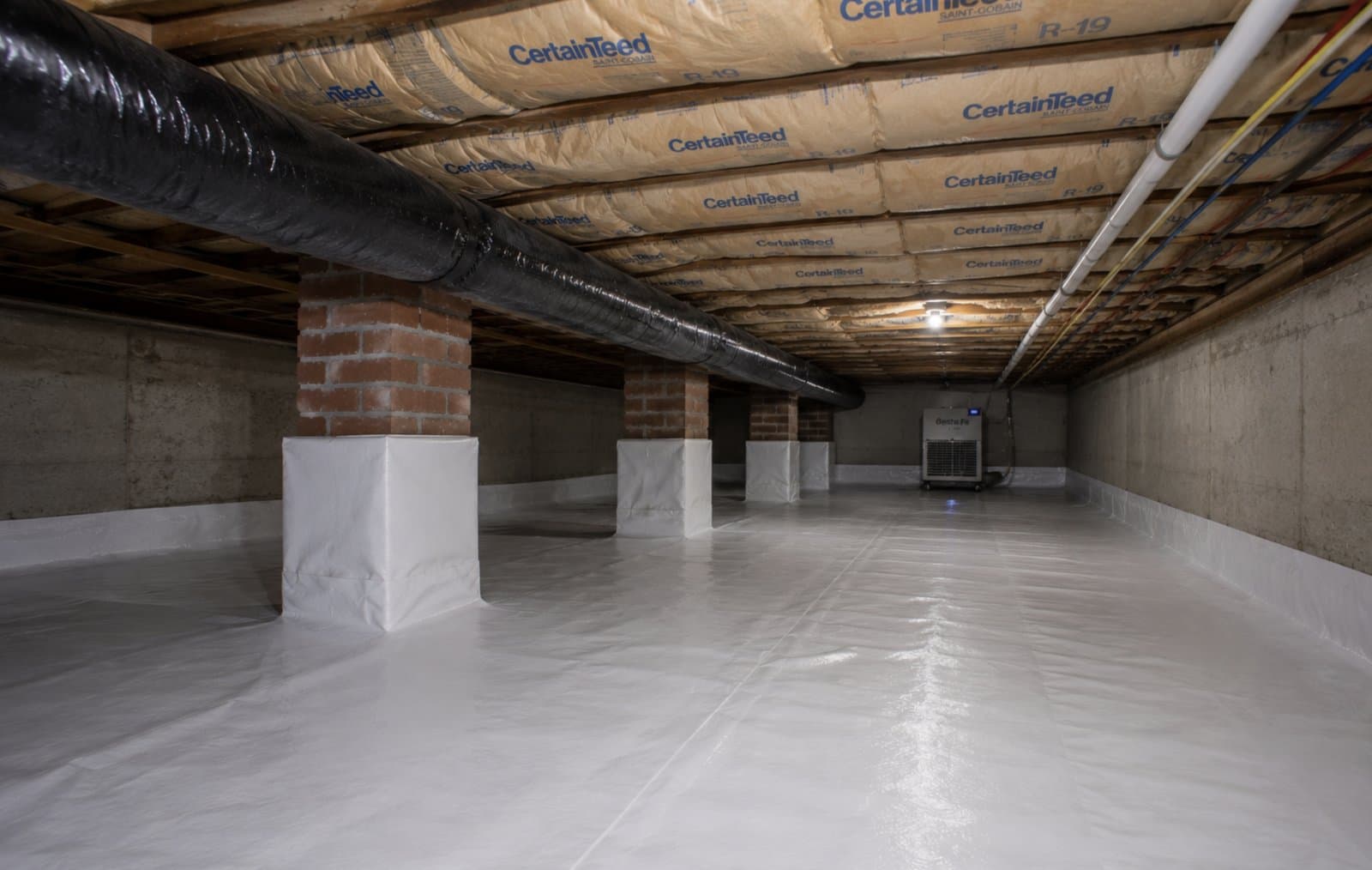
Air conditioning naturally creates condensation. When that moisture combines with the organic dust already coating the duct interior, you have the conditions mold needs. Poorly insulated runs in attics and crawl spaces, a leak above a duct, or high indoor humidity can all leave the system damp enough for growth. Because the ductwork is hidden, homeowners often smell a musty odor from the vents long before they see anything.
How We Approach Suspected Mold
If we find or suspect microbial growth, we do not simply vacuum it and call it done. We identify and address the moisture source where we can, clean affected components using source-removal methods, and advise on next steps. The EPA notes that mold exposure is associated with respiratory symptoms in sensitive individuals, so we treat visible growth seriously rather than cosmetically.
Where a mold issue is tied to a larger water event, our remediation team can document the loss and submit that documentation to your insurer. To be clear, we are not licensed public adjusters and do not negotiate claims; our role is to scope the work and provide the records the carrier needs.
Remove Lingering Odors At Their Source
If your home has a smell you cannot track down, the duct system is one of the first places worth checking.
Odors The Ducts Hold Onto
Ductwork absorbs and re-releases smells. Pet odor, tobacco smoke, cooking grease, mustiness from past dampness, and even the residue from a prior fire can settle onto the dust lining the ducts and then ride the airflow into every room. Air fresheners only mask this because the source stays inside the system, refreshed every time the blower runs.
Cleaning Versus Masking
Removing the contaminated buildup removes the material producing the odor, which is a different and more durable outcome than covering it up. For smoke or fire-related odor, duct cleaning is usually one part of a broader restoration scope rather than a standalone fix, and we will tell you honestly when that is the case so you are not paying for a partial solution.
Improve Airflow And System Efficiency
A duct system clogged with debris makes your equipment work harder to move the same amount of air.
How Buildup Strains The System
When supply runs, return grilles, and the blower compartment are coated in debris, airflow drops. Restricted airflow means the system runs longer to reach the temperature you set, which can show up on your energy bills and add wear to the equipment. Clogged components, including a dust-caked blower wheel or evaporator coil, are common culprits behind a system that seems to run constantly without keeping up.
A Realistic Expectation
Cleaning will not turn an aging or undersized system into a new one, and we will not pretend it does. What proper cleaning does is restore the airflow the system was designed for by clearing the restrictions that accumulated over time. Combined with fresh filters and routine HVAC service, that helps the equipment operate the way it should rather than fighting through a layer of buildup.
Clear Out Construction And Renovation Debris
Remodeling generates fine dust that finds its way into open or unsealed ducts, and it keeps surfacing long after the crew leaves.
Why Post-Renovation Cleaning Matters
Drywall sanding, sawdust, insulation fibers, and general construction dust are extremely fine and travel easily. If ducts were not sealed during the work, that debris settles inside the system and then blows back into your freshly finished space for weeks. Many homeowners assume the lingering dust after a project is just settling, when it is actually being recirculated from the ductwork.
A Clean Start For A New Space
Having the ducts cleaned after a renovation, an addition, or a move into a previously occupied home gives the system a clean baseline. We remove the construction-related debris using the same source-removal and HEPA-capture approach, so the air handler is distributing clean air through your updated rooms instead of the leftovers from the build.
Throughout Connecticut, the New York metro and Westchester area, and Western Massachusetts, this is one of the most common reasons homeowners call us, and it is one of the clearest cases where cleaning delivers a visible, measurable difference.