Some of the most expensive damage in a home is the kind you never see. A slow drip behind a wall, a hairline crack in a supply line, or a roof flashing that fails during a storm can release water into your home for weeks before anything obvious appears. By the time a stain or a soft spot shows up, the moisture has often already reached framing, insulation, or subflooring.
At Green Restoration, we respond to water emergencies across Connecticut, the New York metro and Westchester area, and Western Massachusetts, and the calls that worry us most are the ones that start with the words "I think this has been going on for a while." The good news is that hidden water damage almost always leaves clues. Here are seven warning signs every homeowner should learn to recognize, why catching them early matters, and when it makes sense to bring in a professional.
Your Nose And Eyes Notice It First
Two of the earliest and most reliable warning signs cost you nothing to detect. They simply require paying attention to how a room smells and looks.
1. A Persistent Musty Or Earthy Smell
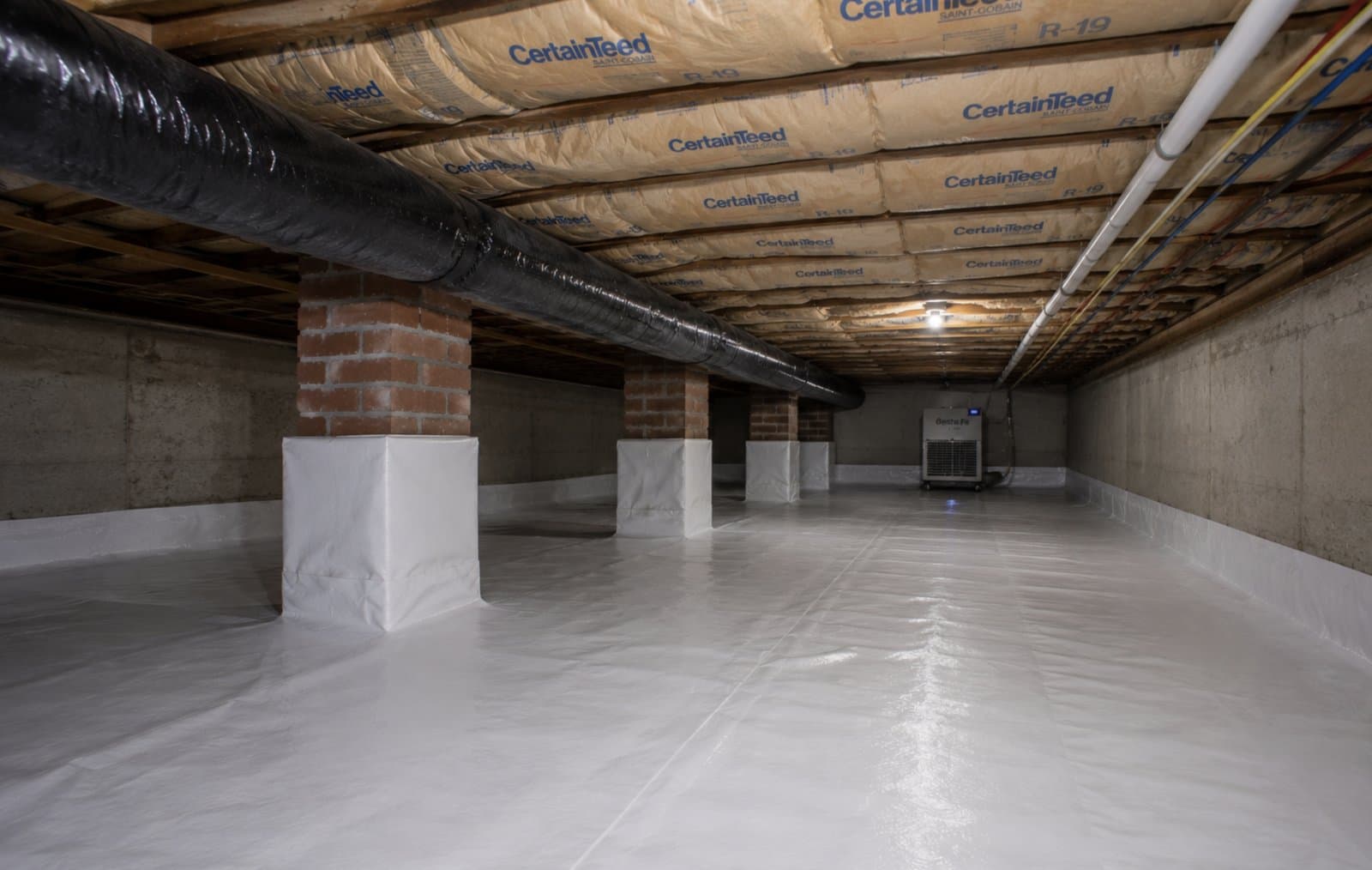
A damp, musty odor that lingers even after you clean is one of the clearest signals of hidden moisture. That smell is usually produced by microbial growth feeding on wet drywall, wood, or insulation in places you cannot see, such as inside a wall cavity, under flooring, or in a crawl space.
The smell is often strongest in enclosed, lower-airflow areas like basements, closets, and bathrooms. If an odor returns within hours of airing out a room, treat it as a clue rather than a nuisance. The source is likely an ongoing moisture problem, not stale air.
The EPA notes that mold exposure is associated with respiratory symptoms in sensitive individuals, which is one more reason not to ignore a musty smell that will not go away.
2. Stains, Discoloration, And Bubbling Paint
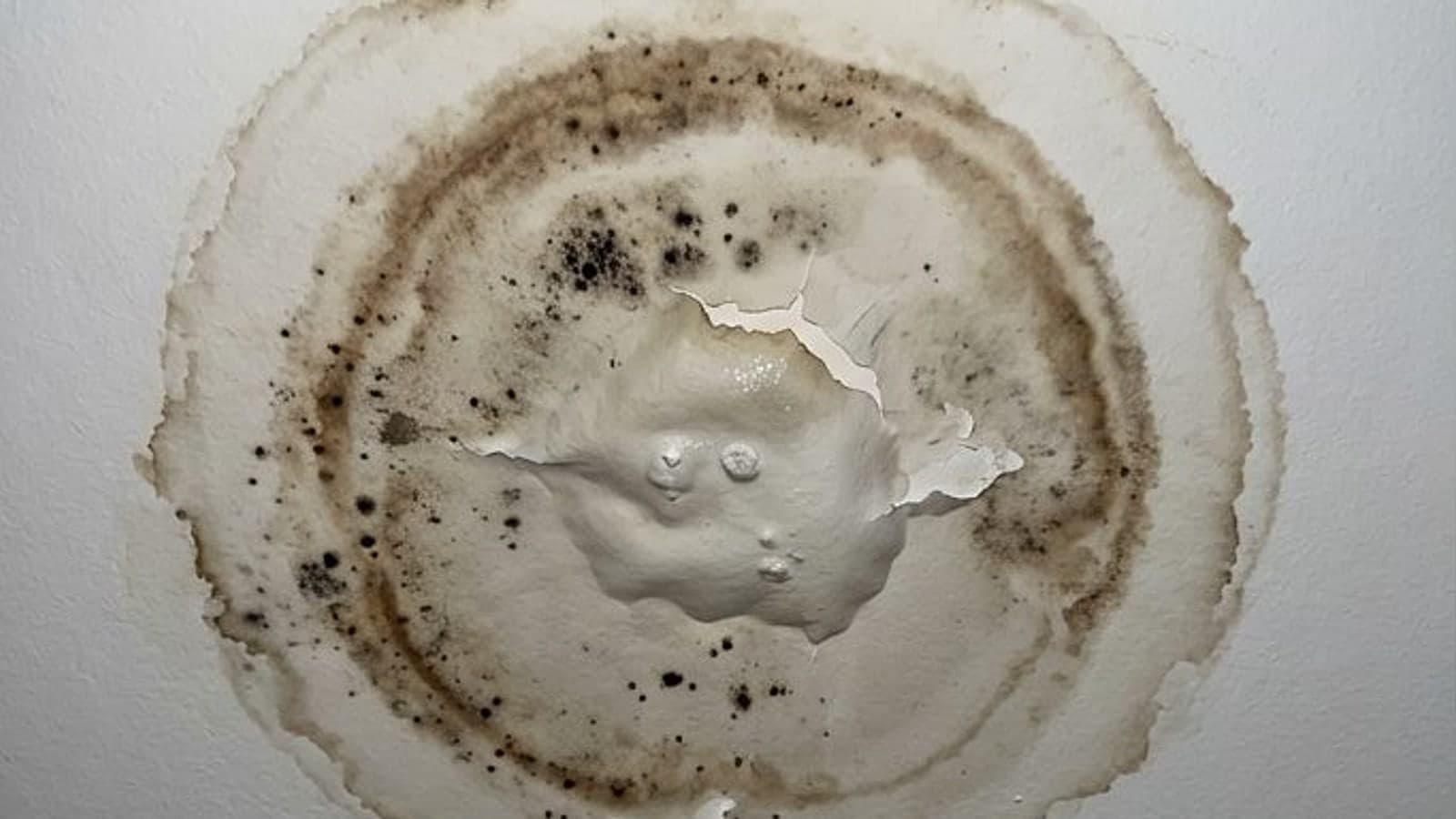
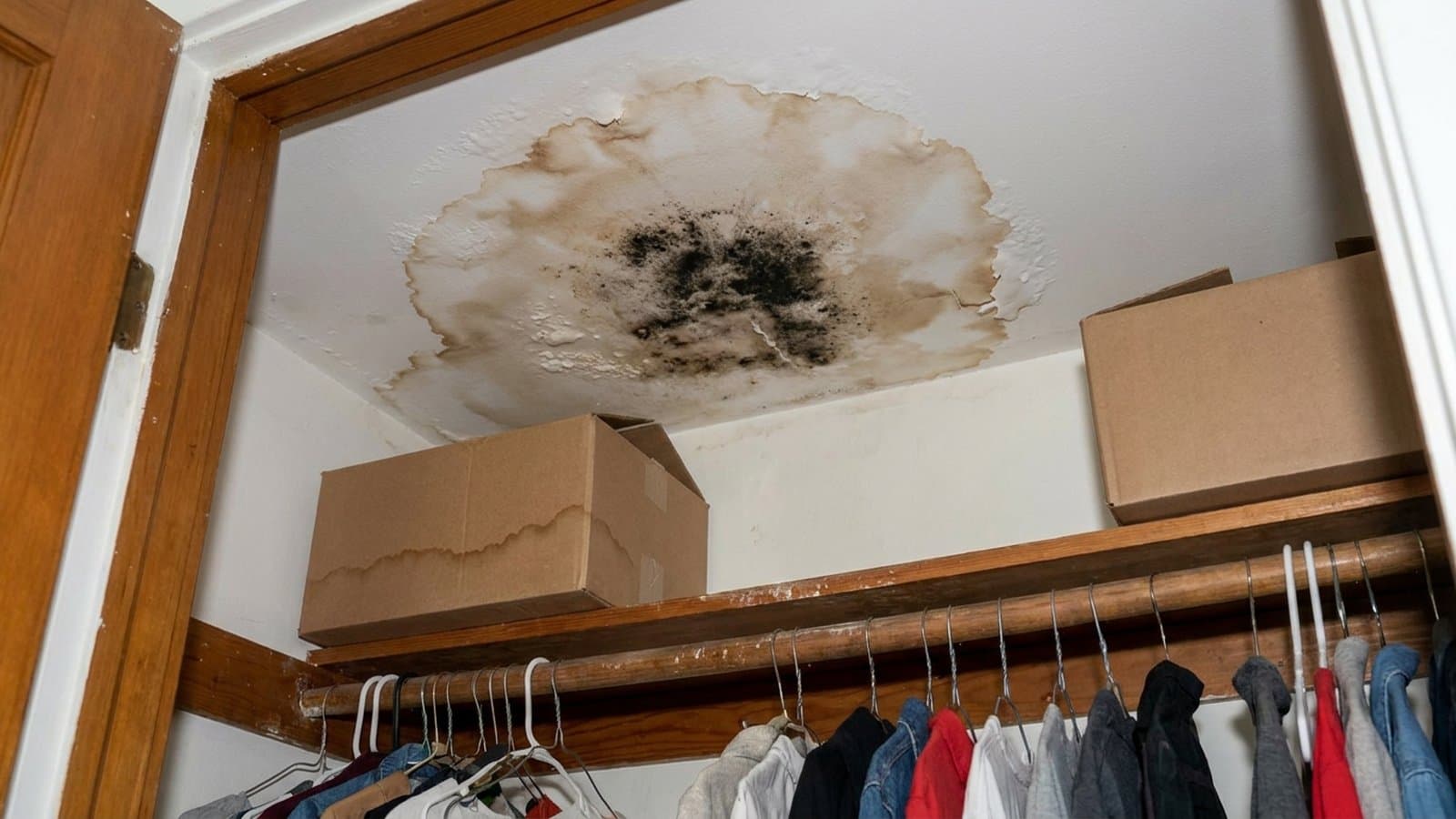
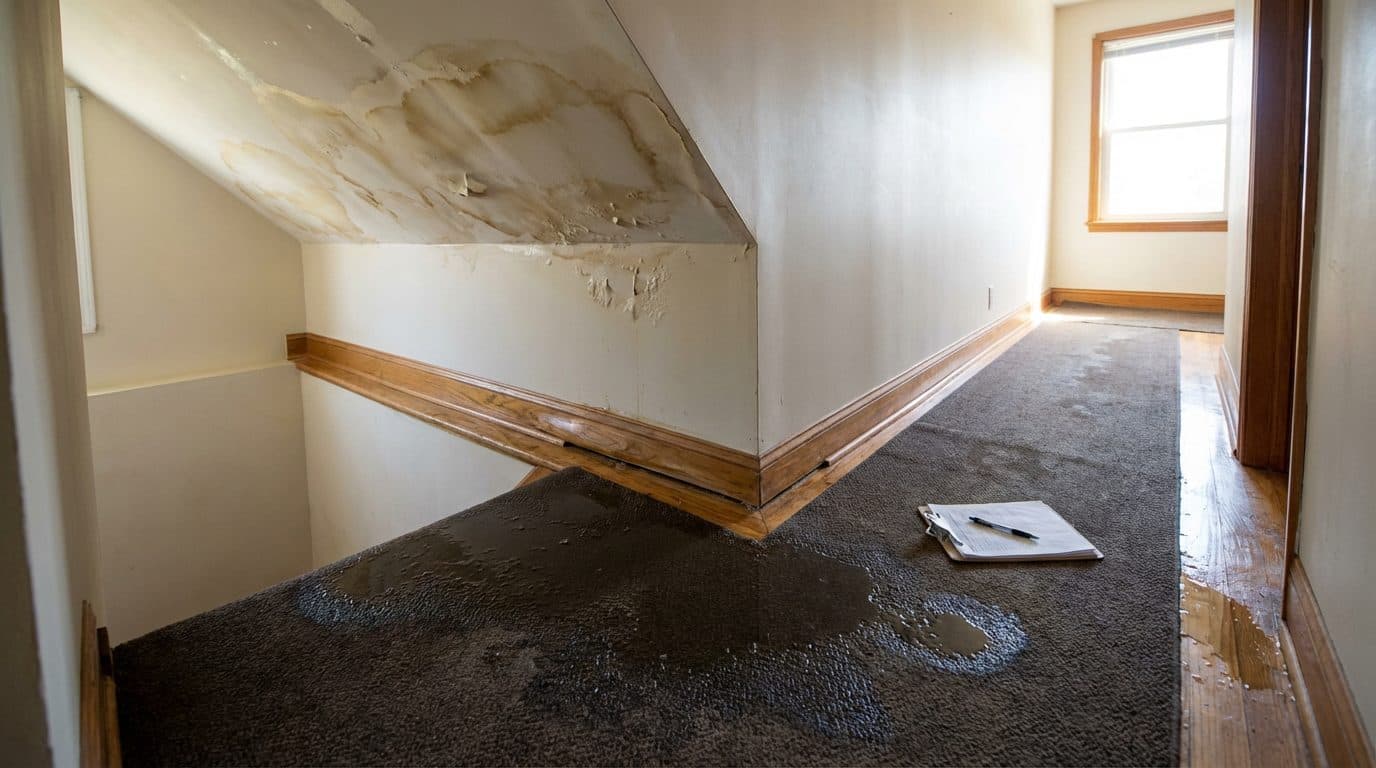
Watch walls and ceilings for yellow, brown, or copper-colored stains, especially rings that grow over time. These often appear below bathrooms, around windows, near roof lines, and at the base of walls.
Paint or wallpaper that bubbles, peels, or feels spongy is another tell. When moisture builds up behind a painted surface, it breaks the bond between the paint and the wall. A stain that reappears after you paint over it almost always means water is still finding its way in.
When The House Itself Starts To Move
Building materials react to water in predictable ways. Floors, walls, and trim that change shape are telling you moisture has soaked in.
3. Warping, Buckling, Or Sagging Surfaces
Hardwood that cups or crowns, laminate that lifts at the seams, and vinyl that bubbles are classic signs of water reaching the subfloor. A ceiling that sags or bows downward can indicate water pooling above it, which is both a damage problem and a safety concern.
Walls can warp too. Drywall that feels soft when you press on it, or baseboards and door casings that pull away from the wall, suggest the framing or sheetrock behind them has absorbed water.
4. New Cracks And Sticking Doors Or Windows
When wood framing swells with moisture and then dries, it can shift the openings around it. A door that suddenly sticks, a window that becomes hard to open, or fresh cracks appearing around frames can all point to moisture moving through the structure.
Not every crack means water damage, but a new pattern of sticking doors and spreading cracks, paired with any of the other signs on this list, is worth investigating before it gets worse.
"By the time water damage is visible, it has usually been working behind the scenes for weeks. The clues come earlier if you know where to look."
The Clues You Can Hear And Measure
Some of the best early-warning signs are not visible at all. Your ears and your monthly bills can flag a leak long before a stain appears.
5. Running Water Sounds When Nothing Is On
If you hear dripping, trickling, or a faint hissing inside walls or floors when every faucet and appliance is off, take it seriously. Those sounds often come from a pressurized supply line or a slow drain leak hidden in the structure.
To check, turn off everything that uses water in the home and listen in quiet rooms. A sound that continues is a strong reason to inspect further, since supply-line leaks can release a large volume of water quickly.
6. An Unexplained Spike In Your Water Bill
Your water meter is an honest witness. If your usage habits have not changed but your bill climbs, water is likely going somewhere it should not.
A simple test: note your meter reading, then avoid using any water for one to two hours. If the meter has moved when you return, you probably have a hidden leak. Even a small constant drip can add up to thousands of gallons over a month, which is why early detection saves both water and structural repair costs.
7. Damp Spots, Cool Areas, And Visible Mold
Run your hand along walls, floors, and around plumbing fixtures. A spot that feels damp, unusually cool, or clammy compared to the surrounding surface can indicate moisture behind it.
Any visible mold, even a small patch in a corner or under a sink, is a sign that a surface has stayed wet long enough for growth to take hold. The mold you can see is often a fraction of what is present in the cavity behind it.
Why Catching It Early Matters
Hidden water damage rarely stays small. The longer moisture sits, the more it spreads and the more it costs to put right.
Damage Compounds Over Time
Water travels along framing, wicks up drywall, and pools in low spots, so a leak that starts in one room can affect several. Wet insulation loses its effectiveness, wood can weaken, and prolonged dampness creates the conditions for microbial growth.
Acting on the first warning sign often means drying out a small area rather than removing and rebuilding finished spaces later. Early intervention is almost always the less disruptive and less expensive path.
What It Means For Your Insurance
Many homeowner policies cover sudden and accidental water damage but exclude damage from long-term, unaddressed leaks. That is another practical reason to act quickly: a leak you catch and document early is far easier to substantiate than one that has quietly caused damage for months.
When you work with Green Restoration, we document the loss with photos, moisture readings, and a detailed scope, and we submit that documentation to your insurer to support your claim. We are not licensed public adjusters and do not negotiate claims, but thorough documentation gives your carrier a clear, accurate picture of what happened.
When To Call A Professional
You can investigate many of these signs yourself, but certain situations call for trained eyes, proper meters, and the equipment to dry a structure correctly.
Signs You Should Not Wait On
Call a professional if you find active dripping inside a wall or ceiling, a sagging ceiling, widespread or returning stains, standing water, or mold beyond a small surface patch. The same goes for any musty smell you cannot trace, since the source is frequently inside a cavity that needs to be opened and inspected.
These situations are difficult to assess from the surface. A trained technician uses moisture meters and thermal imaging to find the true extent of the water before deciding what needs to be dried, removed, or repaired.
How Green Restoration Helps
Our team inspects to locate the source, measures moisture in the affected materials, and uses professional drying equipment to bring the structure back to a safe, dry state. We address the cause as well as the visible damage so the problem does not return.
We serve homeowners throughout Connecticut, the New York metro and Westchester area, and Western Massachusetts. If you have noticed any of these seven warning signs, an early inspection is the simplest way to protect your home and keep a small problem from becoming a large one.