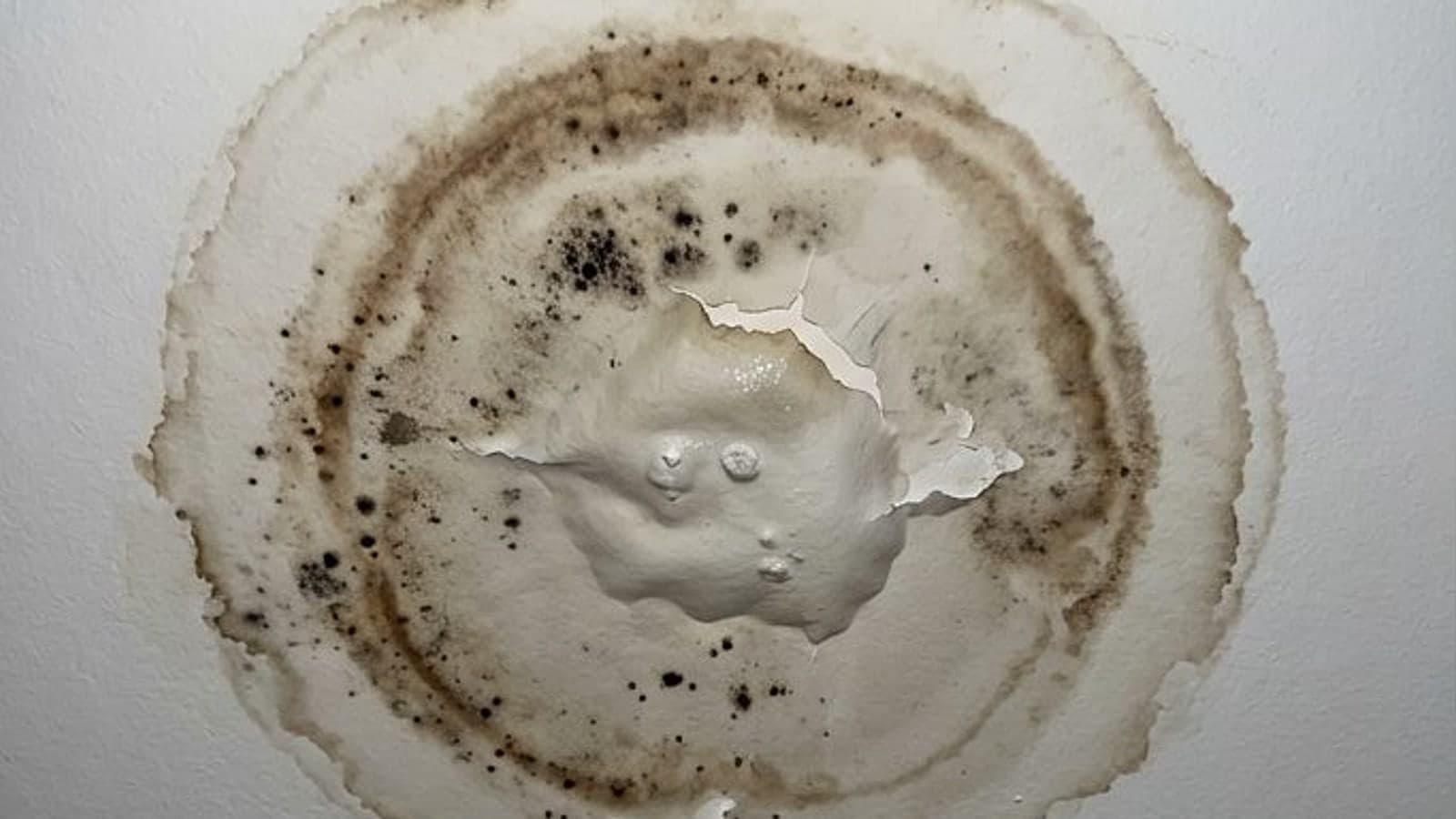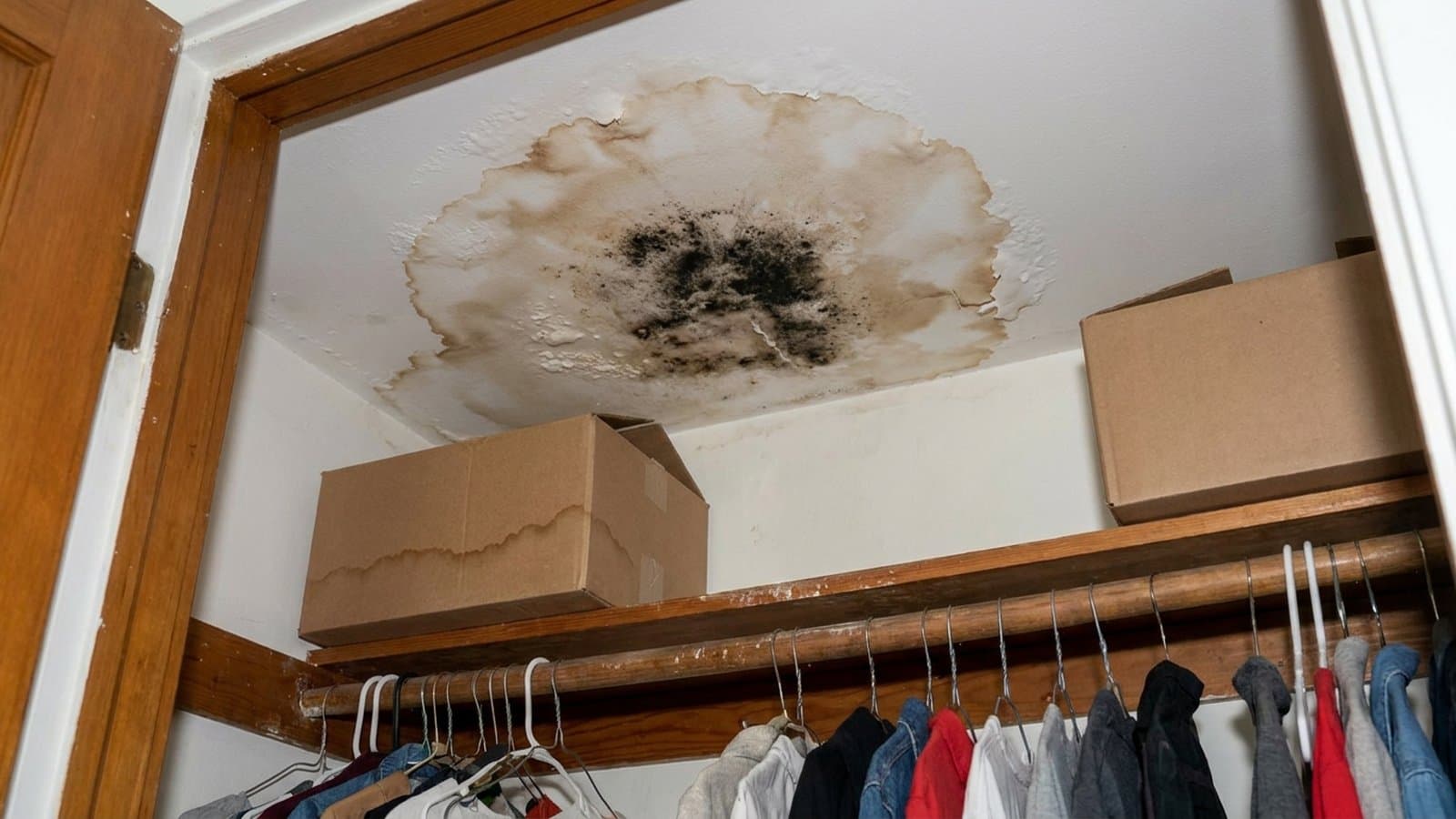
Few words on a home inspection report cause more alarm than "black mold." The phrase conjures images of toxic spores and uninhabitable rooms, but the reality is more practical. What matters is not the color of the growth so much as the surface it is on, the size of the affected area, and what is keeping it wet in the first place. A small patch on the grout behind a faucet is a different problem than discoloration spreading across a closet wall or up the back of drywall.
At Green Restoration, we work with homeowners across Connecticut, the New York metro and Westchester, and Western Massachusetts who are trying to decide whether a weekend cleaning project will solve their problem or whether they need a professional crew. This guide walks through the EPA guidance that frames that decision, why common cleaners fall short on porous materials, and the controls that separate a safe cleanup from one that spreads contamination through the home.
What "Black Mold" Actually Means
The term gets used loosely, and that confusion drives a lot of unnecessary fear. Understanding what you are looking at helps you respond proportionately.
Color Does Not Equal Danger
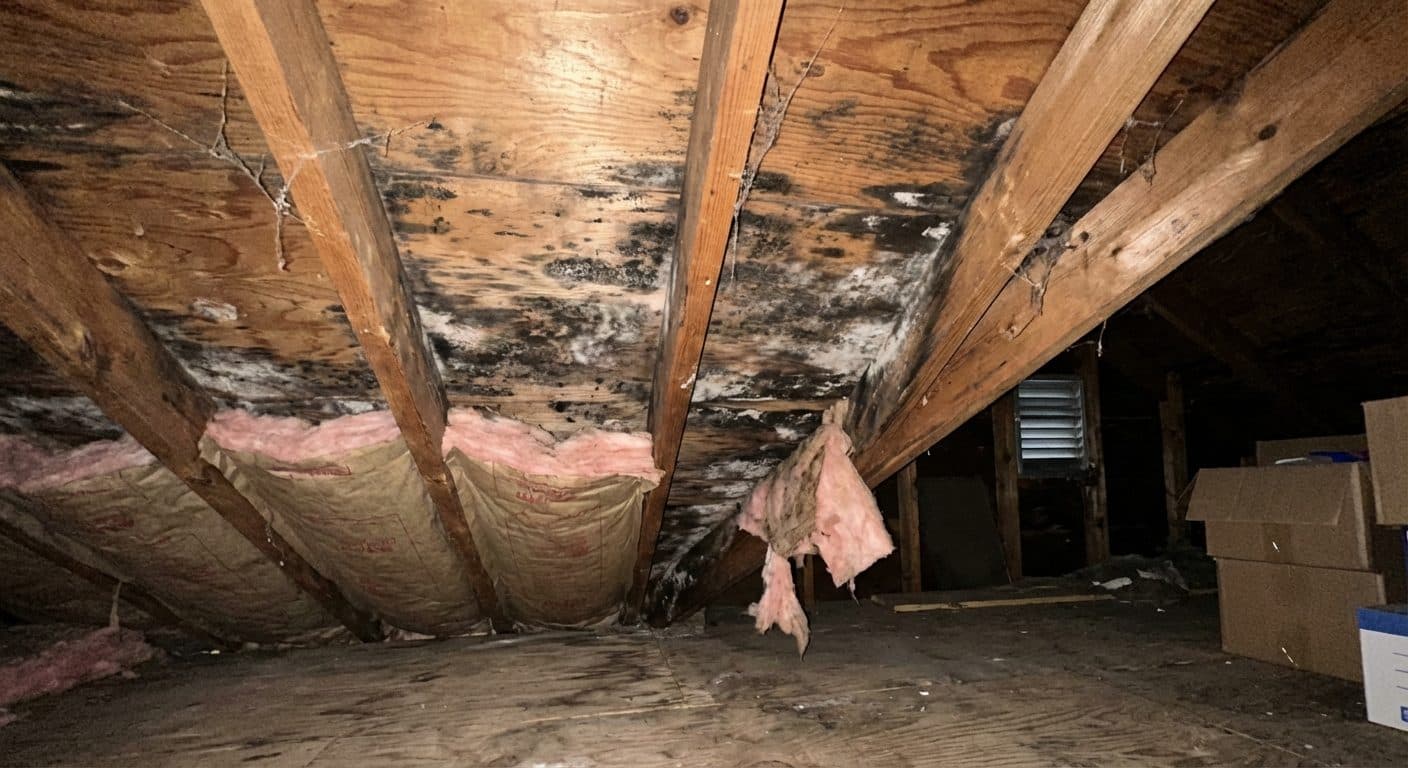
Many molds appear black, dark green, or gray, and you cannot identify a species by sight alone. The popular fear centers on Stachybotrys chartarum, sometimes called "black mold," but the EPA takes the position that all indoor mold growth should be removed regardless of type, and that sampling to identify the species is usually not necessary before cleanup.
In practical terms, this is good news. You do not need a lab report to justify action, and you should not delay addressing visible growth while you wait to find out "which kind" it is. If you can see it or smell a persistent musty odor, the response is the same: find the moisture, stop it, and remove the growth using the right method for the surface.
Health Framing, Stated Accurately
The EPA notes that mold exposure is associated with respiratory symptoms in sensitive individuals, including people with allergies, asthma, or weakened immune systems. Symptoms can include nasal congestion, throat irritation, coughing, and eye irritation.
We are careful not to overstate this. Reactions vary widely from one person to the next, and the same room can bother one household member while another notices nothing. The sensible takeaway is to limit exposure during any cleanup and to take visible growth seriously without assuming a worst case scenario for everyone in the home.
The EPA 10 Square Foot Guideline
The clearest line between a do-it-yourself job and a professional one comes from EPA guidance on the size of the affected area.
Under About 10 Square Feet
The EPA guidance for mold in homes states that if the moldy area is less than about 10 square feet, in other words roughly a patch under 3 feet by 3 feet, most homeowners can handle the cleanup themselves. Think of a small spot on a bathroom ceiling, a window sill, or a corner of tile.
The key conditions are that the area is genuinely small, the underlying water problem has been fixed, and the affected materials are hard and non-porous or semi-porous. When those boxes are checked, a careful homeowner with the right protective gear can reasonably manage the work.
Find The Water First
No cleanup lasts if the moisture source remains. Mold needs water to grow, so the first job is always to identify and correct what is keeping the material damp, whether that is a plumbing leak, condensation, a roof issue, or poor ventilation.
If you clean the visible growth but leave the leak, it will come back, often in the same spot within weeks. This is the single most common reason a DIY effort fails.
Why Bleach Is The Wrong Tool For Porous Surfaces
Reaching for bleach is the instinct of nearly every homeowner, and on the wrong material it wastes effort and can make matters worse.
Porous Materials Hold The Roots
Drywall, ceiling tile, carpet, insulation, and bare wood are porous. Mold sends structures down into these materials, not just across the surface. Bleach is mostly water, and while it can lighten the surface stain, the water content can soak into the porous material and feed the growth that remains below.
The EPA's own guidance reflects this: it recommends that porous materials with extensive mold growth, such as carpet, drywall, and ceiling tiles, generally be discarded rather than cleaned. You cannot reliably scrub mold out of a sponge, and much of your home is built from things that behave like sponges.
Where Cleaning Does Work
On hard, non-porous surfaces like glazed tile, glass, metal, sealed countertops, and finished surfaces, mold sits on top and can be cleaned and removed effectively. The EPA notes that for these surfaces, scrubbing with water and detergent and then drying completely is generally sufficient, and that biocides like bleach are not usually required for routine cleanup.
The practical rule of thumb: if the material is hard and stays intact when wet, cleaning is reasonable. If it is soft, absorbent, or crumbles, plan to remove and replace it rather than treat it.
"Bleach can lighten a stain on the surface while the growth survives in the porous material underneath. The honest fix for absorbent materials is removal, not cosmetics."
Containment, HEPA, And PPE: How Professionals Work
The reason a professional remediation costs more than a bottle of cleaner is the set of controls that keep spores from migrating into the rest of the home. These controls follow the IICRC S520 standard for professional mold remediation.
Containment And Negative Air
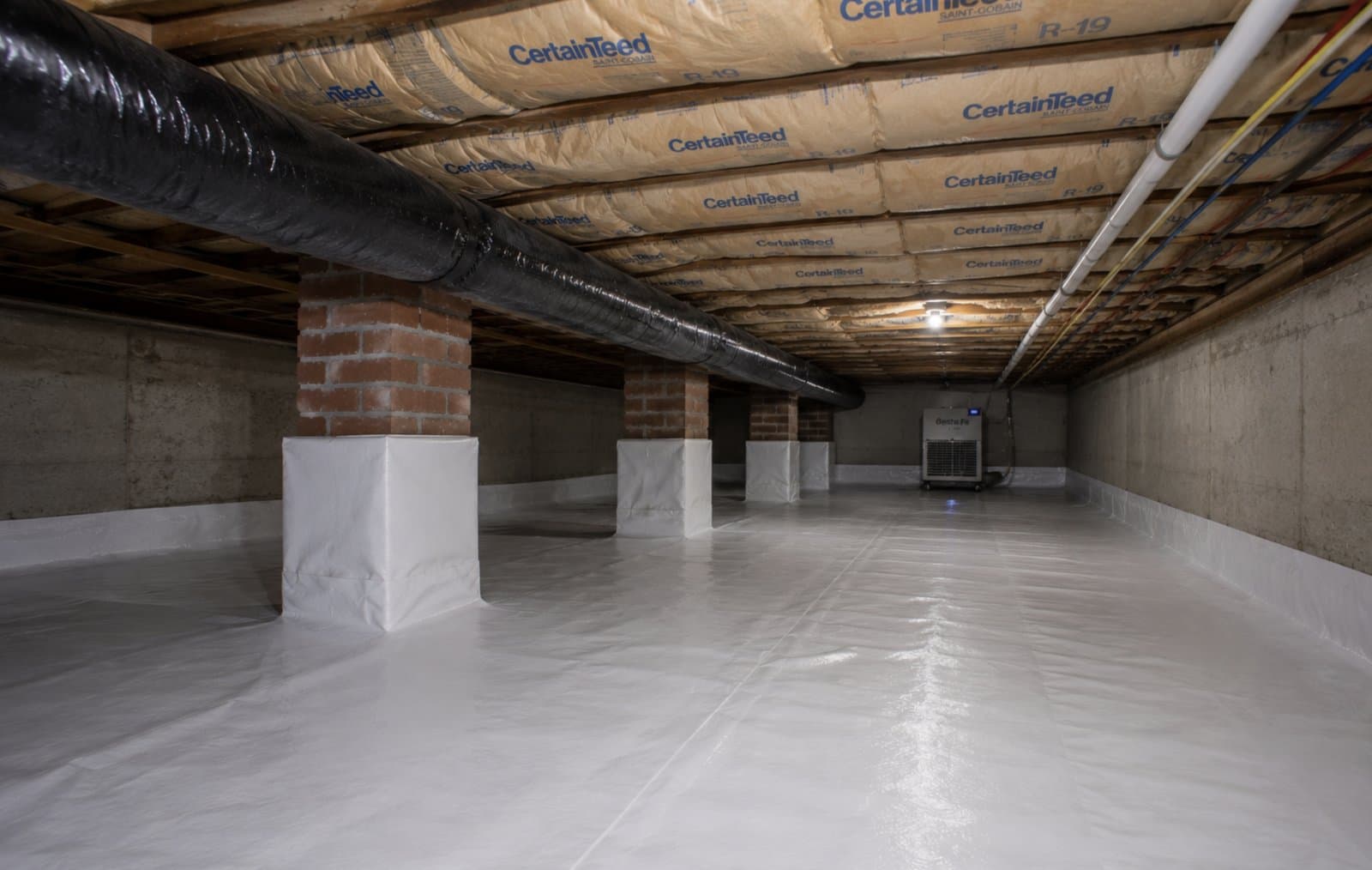
Disturbing mold releases spores into the air. To keep them from settling throughout the house, professionals isolate the work area with plastic sheeting and, on larger jobs, set up negative air pressure using air scrubbers so that air flows into the contained zone rather than out of it.
This is the step most DIY efforts skip, and it is often why a small problem becomes a whole-house problem after an aggressive but uncontained cleanup. The goal of remediation is not just to remove visible growth but to return the area to a normal, comparable level of cleanliness, which is the condition the IICRC S520 standard describes.
HEPA Filtration And Personal Protection
Air scrubbers and vacuums used in remediation rely on HEPA filtration, which captures very fine particles that a household vacuum would simply blow back into the room. Surfaces are HEPA vacuumed and wiped as part of the process, not just sprayed.
For protection, the EPA recommends at minimum an N95 respirator, gloves, and eye protection for small cleanups, with more substantial protection for larger jobs. If you decide to handle a small area yourself, treat this gear as required, not optional, and avoid spreading dust by working gently and bagging debris as you go.
A Quick DIY Versus Pro Checklist
DIY may be reasonable when the area is under about 10 square feet, the surface is hard and non-porous, the water source is fixed, no one in the home is highly sensitive, and there is no sign of hidden growth.
Call a professional when the area is larger than about 10 square feet, when porous materials like drywall or carpet are involved, when mold keeps coming back, when you suspect growth behind walls or in HVAC, or when the moisture came from contaminated water such as a sewage backup. When in doubt, an inspection costs far less than a cleanup that has to be redone.
Clearance Testing And Working With Insurance
Two questions come up at the end of nearly every project: how do you know it is actually done, and will insurance help pay for it.
Verifying The Work Is Complete
Under the IICRC S520 framework, the goal is to return the affected area to a normal, comparable condition rather than to chase an impossible standard of zero spores, since mold spores exist naturally everywhere. On many projects, an independent indoor environmental professional performs a post-remediation verification, sometimes called clearance, to confirm the area is dry, visibly clean, and free of recurring growth.
Keeping that verification independent from the company doing the removal avoids a conflict of interest and gives you a documented record that the work met the standard. For a small DIY cleanup, your own verification is simpler: the area is dry, the staining is gone, the musty odor is gone, and it stays that way over the following weeks.
How Insurance Usually Fits
Coverage for mold depends heavily on the cause. Many policies cover mold when it results from a sudden, covered water event, such as a burst pipe, while excluding mold caused by long-term neglect or unaddressed leaks. The details live in your specific policy.
Green Restoration documents the loss thoroughly, with photos, moisture readings, and a clear scope of the work, and submits that documentation to your insurer so the claim is well supported. We are not licensed public adjusters and do not negotiate claims, so we focus on giving you and your carrier an accurate, detailed record of what happened and what was done.
When To Reach Out
If you are weighing a cleanup and you are unsure whether it crosses the line into professional territory, the smart move is to ask before you start, not after a DIY attempt has spread the problem. We serve homeowners throughout Connecticut, the New York metro and Westchester, and Western Massachusetts.
A brief conversation about the size of the area, the surfaces involved, and the moisture source is often enough for us to tell you whether this is a reasonable weekend project or a job that warrants containment and professional removal.