Water damage is one of the most common and destructive problems homeowners face. Whether it's from a burst pipe, flooding, or a leaky roof, the aftermath can be devastating, especially when mold enters the picture.
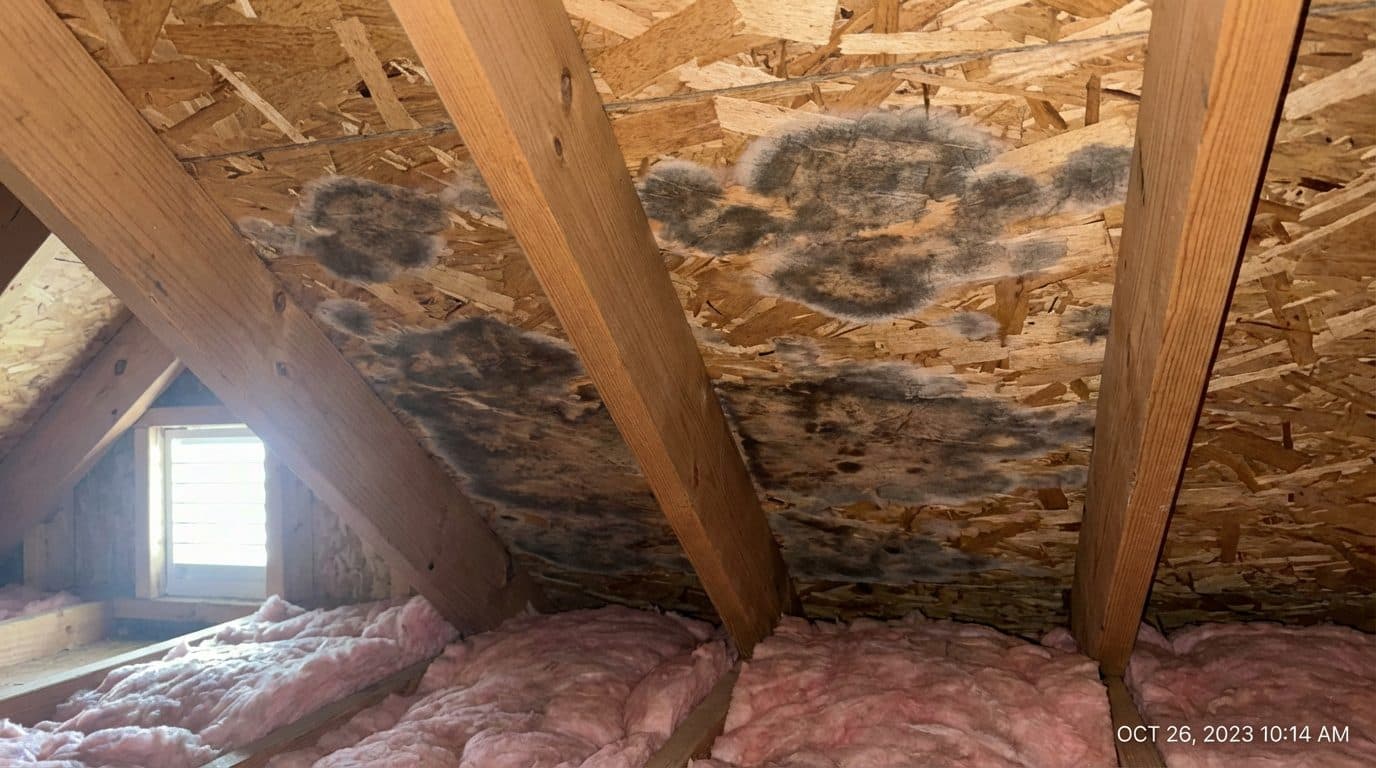
Mold can begin growing within 24 to 48 hours after water exposure, making swift action critical. In this comprehensive guide, we'll walk you through the essential steps to prevent mold growth after water damage and protect your home and family.
Understanding the Mold Timeline
Before diving into prevention strategies, it's important to understand how quickly mold can develop and why timing is the single most important factor in preventing contamination.
The First 24 Hours
Within the first 24 hours, mold spores begin to germinate in wet conditions. These microscopic organisms are already present in every home, they simply need moisture and organic material to activate. Drywall, wood framing, carpet backing, and even dust can serve as food sources.
24 to 72 Hours: The Critical Window
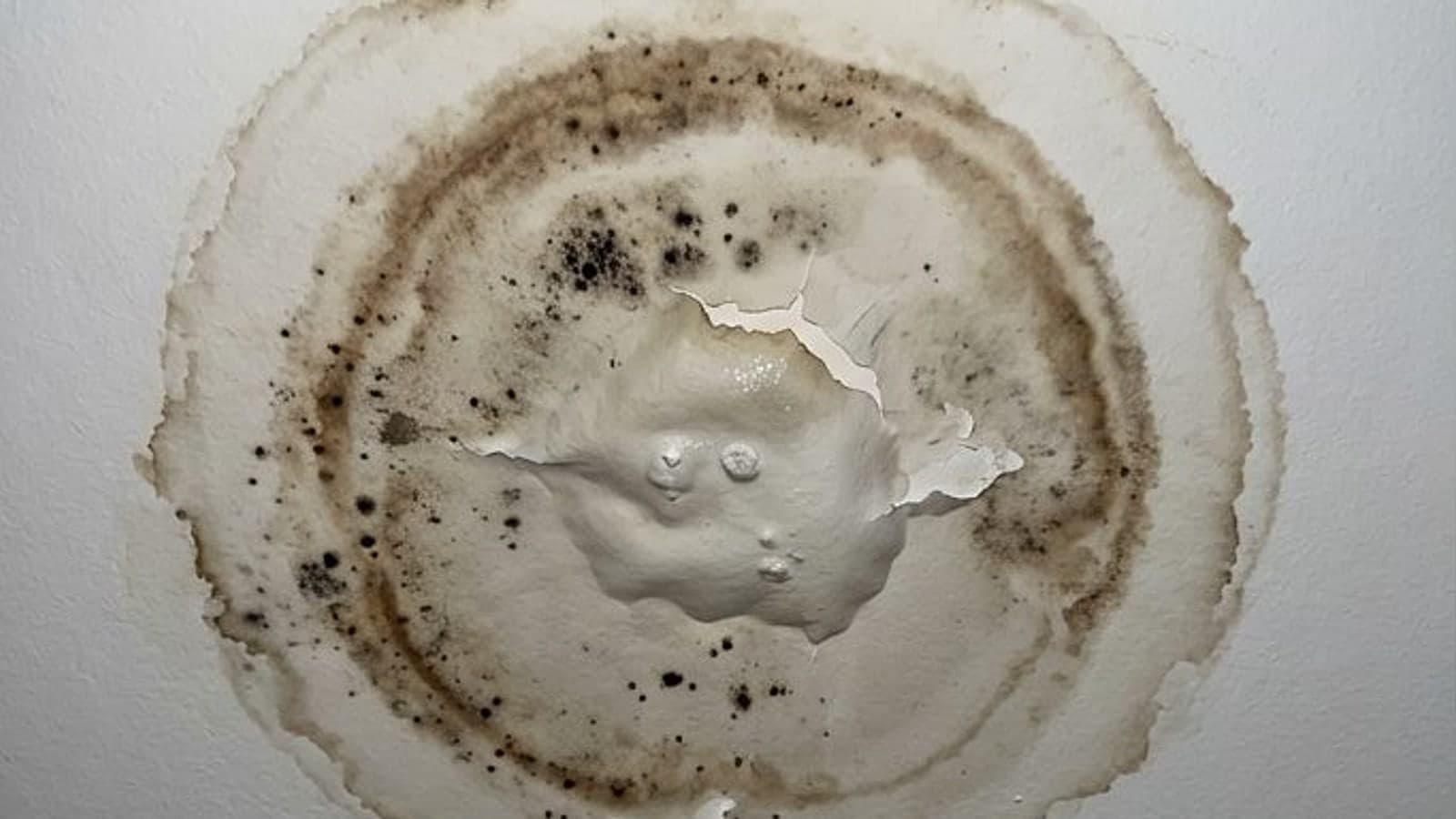
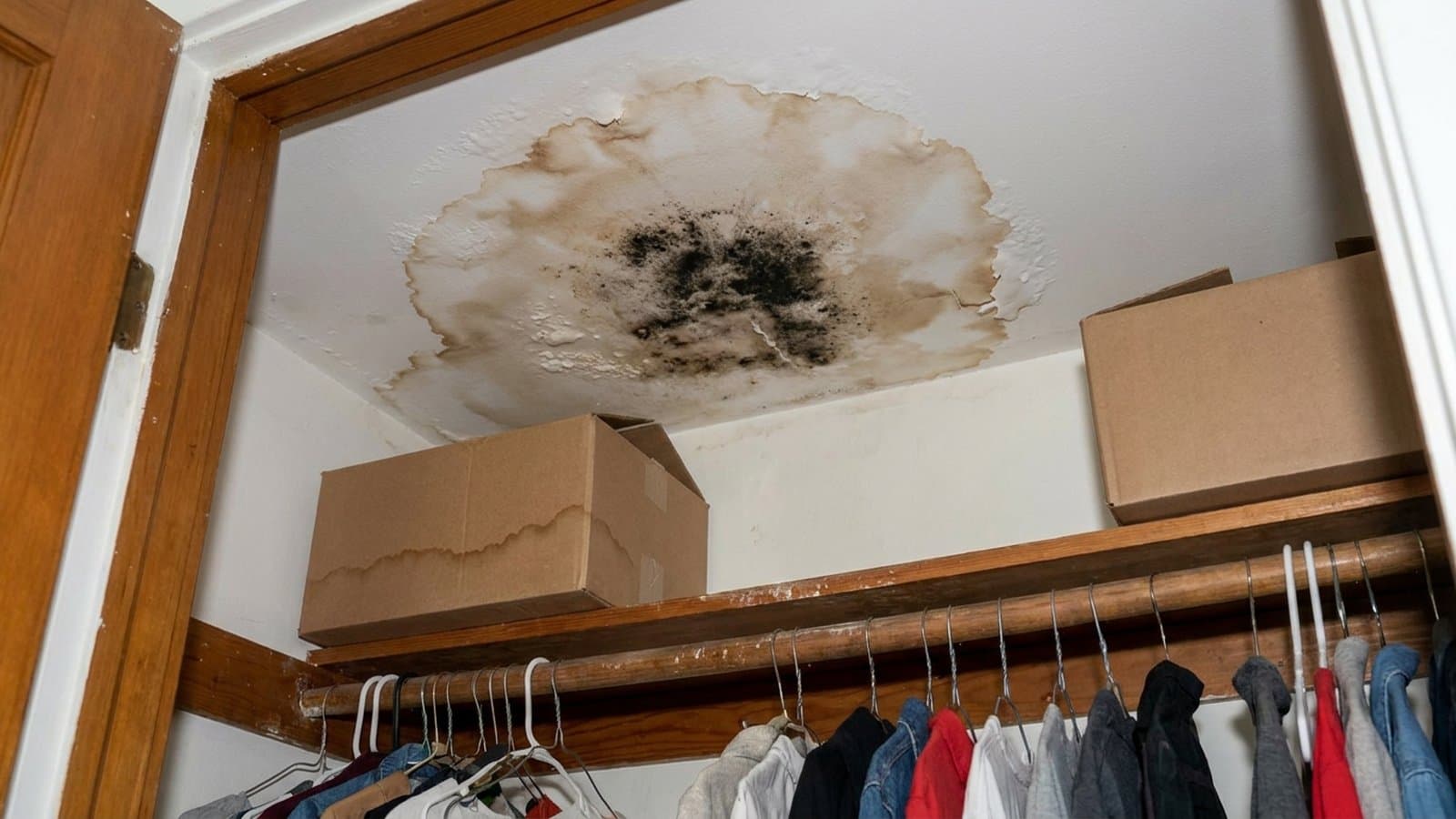
By 24-48 hours, visible mold growth can appear on affected surfaces. At this stage, the problem is still manageable with professional intervention. Beyond 72 hours, colonies begin to mature and release spores into the air, potentially spreading to unaffected areas of the home.
One Week and Beyond
If left untreated for 1-2 weeks, mold colonies can spread extensively throughout your home. After 3 or more weeks, structural damage and serious health risks become severe concerns for your family. At this point, remediation costs can multiply significantly.
"The first 48 hours after water damage are critical. Acting fast can mean the difference between a simple cleanup and a major remediation project."
Immediate Steps After Water Damage
Knowing what to do in the first hours after water damage can save you thousands of dollars and protect your family's health. Here's the priority sequence our restoration experts recommend.
Stop the Water Source
The very first step is to identify and stop the source of water intrusion. This might mean shutting off your main water valve, covering a roof leak temporarily, or addressing drainage issues around your foundation. The longer water continues to flow, the more damage it causes.
If you can't locate the source or it's beyond your control (like flooding), focus on protecting valuables and electronics by moving them to higher ground while you wait for professional help.
Ensure Safety First
Before re-entering a flooded area, turn off electricity at the breaker box and avoid contact with standing water. Wear waterproof boots and gloves. If you suspect contaminated water (sewage backup or floodwater), keep family members and pets away until certified professionals arrive.
Document Everything for Insurance
Photograph and video every affected area before any cleanup begins. Capture the standing water, damaged contents, structural materials, and the apparent source. Detailed documentation makes the difference between a smooth claim and a denied one.
Water Removal and Extraction
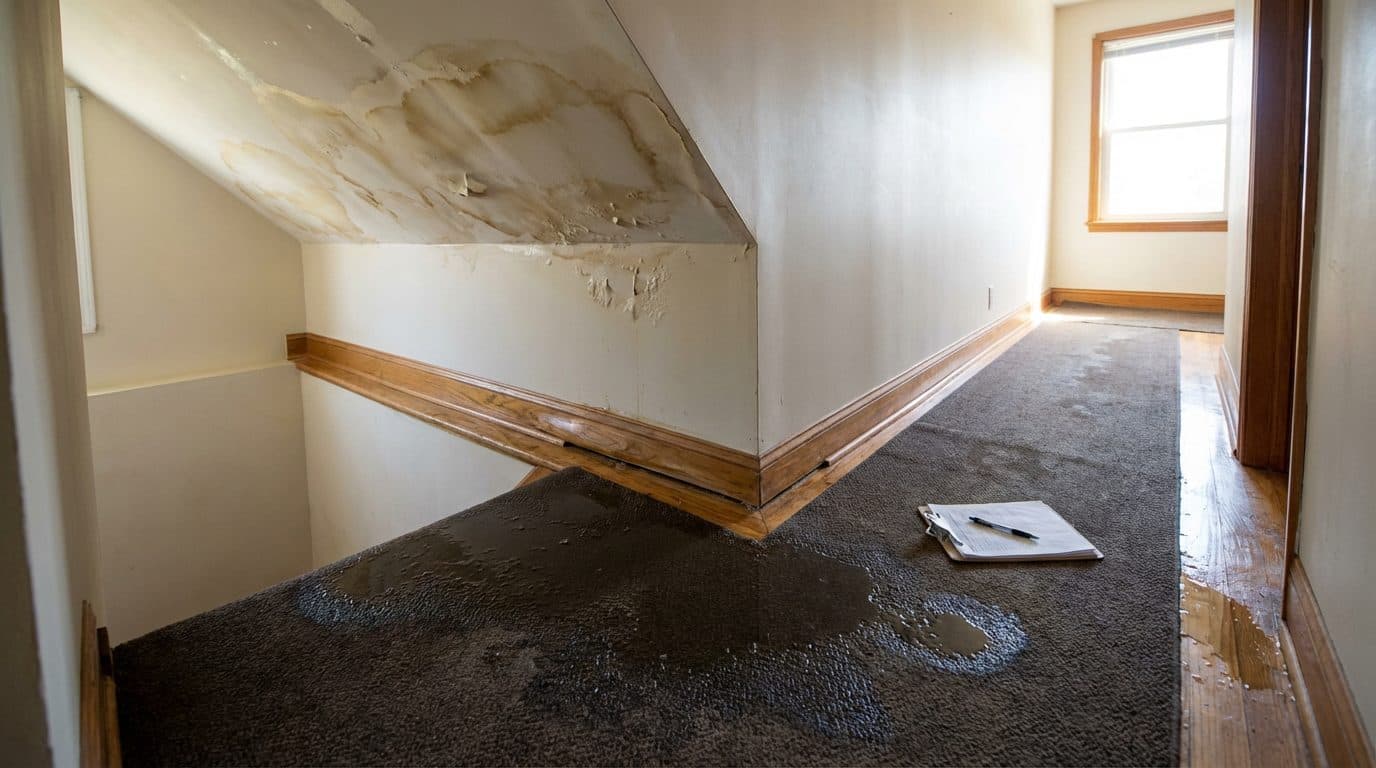
Once the source is controlled and the area is safe, removing standing water is the top priority. Speed here directly correlates with the severity of long-term damage.
DIY Water Removal
For minor incidents, use wet vacuums, mops, and towels to remove as much standing water as possible. Move furniture off wet carpet and prop up cushions to allow air circulation underneath. Even small amounts of standing water can cause significant damage if left too long.
Professional Water Extraction
For anything beyond a minor spill, professional extraction is strongly recommended. Restoration teams use truck-mounted pumps capable of removing hundreds of gallons per hour, along with specialized sub-surface extraction tools that pull water from carpet padding and subfloors without requiring demolition.
Need Restoration Services?
60-minute response across CT, NY & MA. Licensed, insured, free inspections.
The Professional Drying Process
Proper drying is the cornerstone of mold prevention. Professional restoration teams use a combination of air circulation, dehumidification, and temperature control to ensure complete drying.
Air Movement and Circulation
Open windows and doors to promote air flow when weather permits. Use fans strategically to circulate air across wet surfaces, point them at wet areas, not away from them. Professional teams deploy high-velocity air movers positioned at precise angles to maximize evaporation from walls, floors, and structural cavities.
Dehumidification
Industrial dehumidifiers can remove tremendous amounts of moisture from the air, far more effectively than consumer-grade units. A professional-grade LGR (Low Grain Refrigerant) dehumidifier can extract 15-20 gallons of water per day from the air, compared to 2-3 gallons from a household unit.
Moisture Monitoring
Daily moisture readings using professional-grade meters ensure the drying process is progressing correctly. This data-driven approach prevents premature removal of equipment, which is one of the most common causes of secondary mold growth.
High-Risk Areas in Your Home
Certain areas of your home are more susceptible to mold growth after water damage. Understanding these zones helps you prioritize inspection and treatment.
Basements and Crawl Spaces
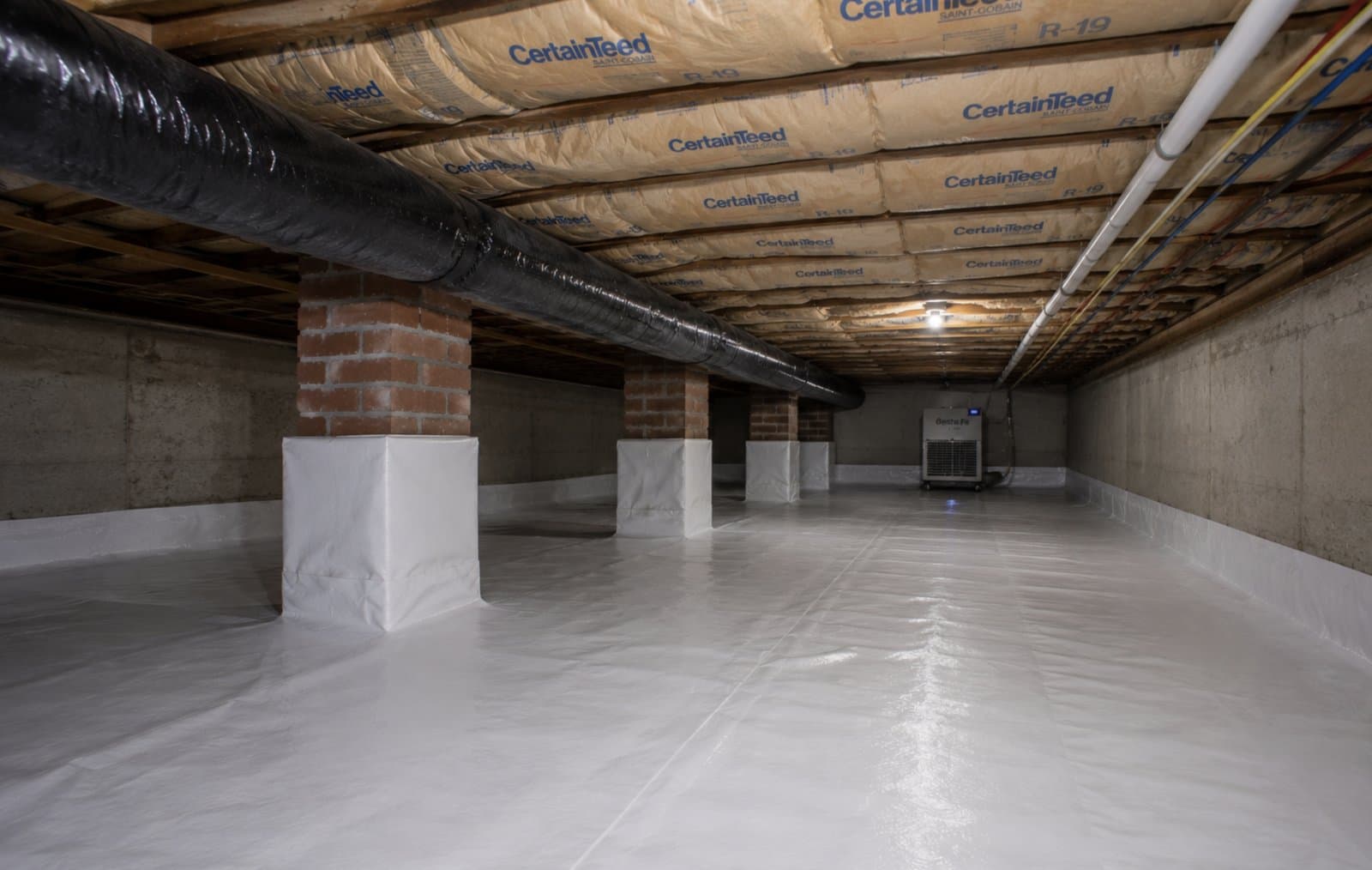
Below-grade spaces naturally retain more moisture due to hydrostatic pressure and limited ventilation. After water damage, these areas require aggressive dehumidification and often benefit from vapor barrier installation to prevent recurring moisture problems.
Behind Walls and Under Flooring
Water wicks vertically through drywall and can travel horizontally along floor joists for surprising distances. Thermal imaging and moisture meters are essential for detecting hidden moisture pockets that visual inspection alone would miss.
HVAC Systems and Ductwork
If water has entered your HVAC system or ductwork, mold spores can be distributed throughout the entire home every time the system runs. Professional duct inspection and cleaning is critical after any significant water event.
Materials: Salvage vs. Replace
Different materials respond differently to water damage. Making the right call on what to save versus what to replace is crucial for both cost control and long-term safety.
Salvageable Materials
Hardwood floors are often salvageable with professional drying but may need refinishing. Solid wood furniture, metal fixtures, and stone or tile surfaces can typically be cleaned and restored. Carpet exposed to clean water may be salvageable if dried within 24-48 hours.
Materials That Usually Need Replacement
Drywall has limited salvageability; affected sections usually need to be cut out 12 inches above the visible waterline and replaced. Carpet padding acts like a sponge and rarely dries completely. Insulation, especially fiberglass batts, should be removed and replaced to prevent hidden mold growth.
Long-Term Prevention Strategies
Once you've recovered from water damage, implementing prevention strategies helps avoid future incidents and the mold risks that come with them.
Routine Maintenance
Inspect plumbing connections annually, clean gutters seasonally, and maintain your roof. Check washing machine hoses, water heater connections, and refrigerator supply lines for signs of wear. These low-cost inspections prevent the majority of residential water damage incidents.
Smart Home Protection
Consider installing water leak detection sensors in high-risk areas: under sinks, near water heaters, by washing machines, and in basements. Modern smart sensors can alert your phone instantly and even shut off your main water supply automatically when a leak is detected.
Why Choose Green Restoration
At Green Restoration, we've helped thousands of Connecticut, New York, and Massachusetts homeowners recover from water damage. Our certified technicians use advanced moisture detection equipment to ensure no hidden pockets of water are left behind.
Our eco-friendly approach means we use sustainable materials and methods whenever possible, protecting both your family and the environment during the restoration process. We work directly with your insurance company to streamline the claims process and get your home back to normal as quickly as possible.