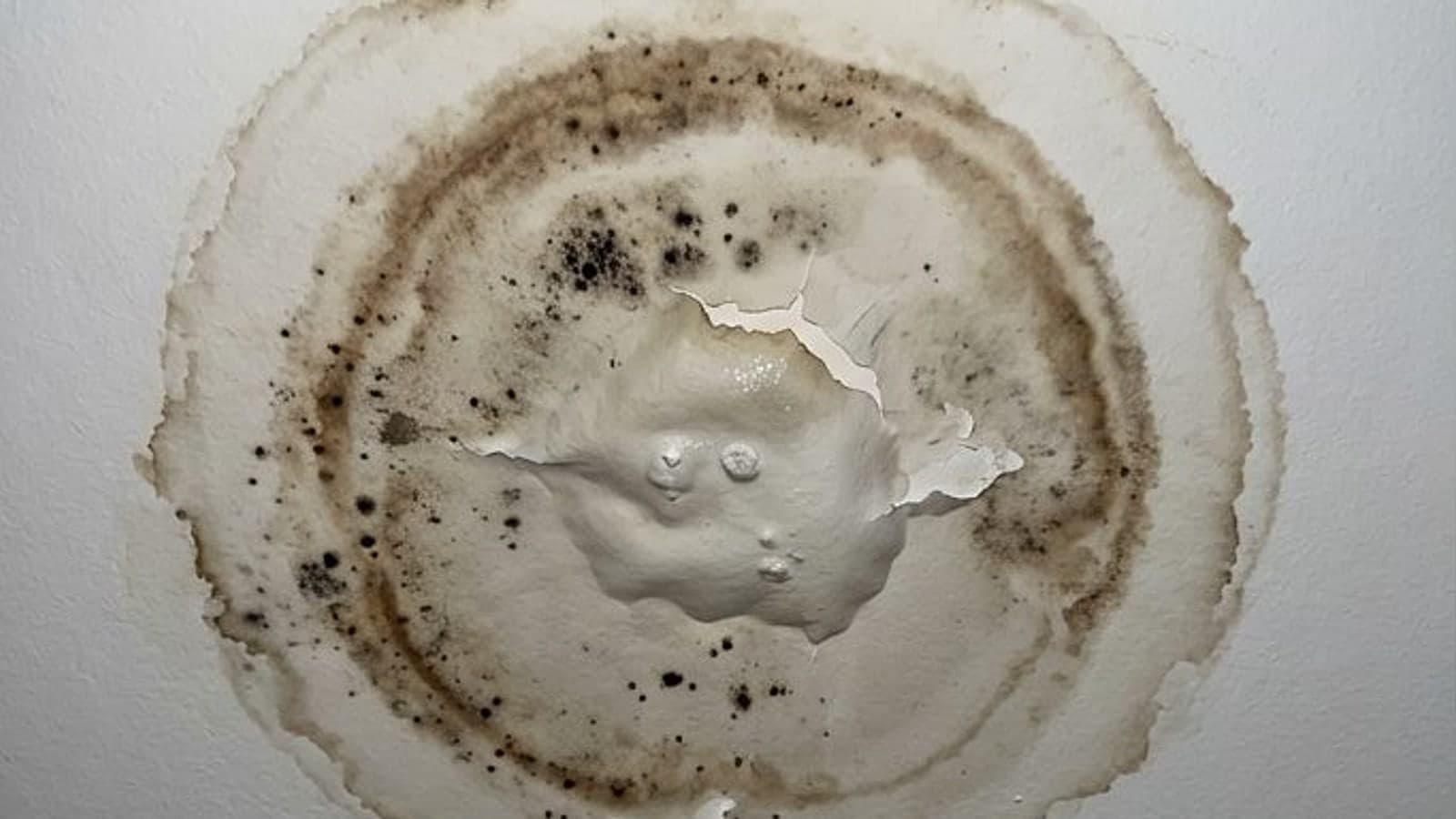
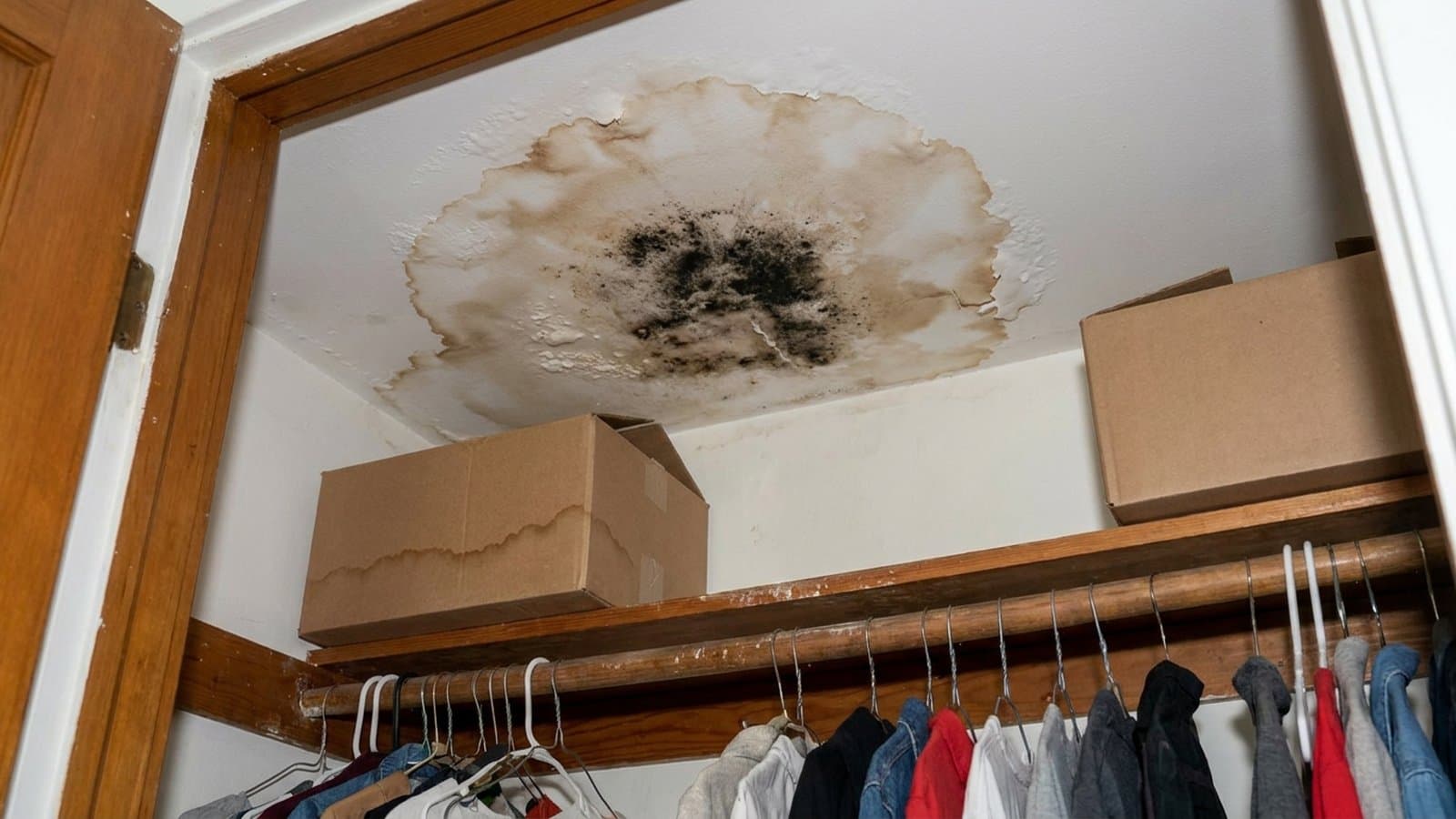
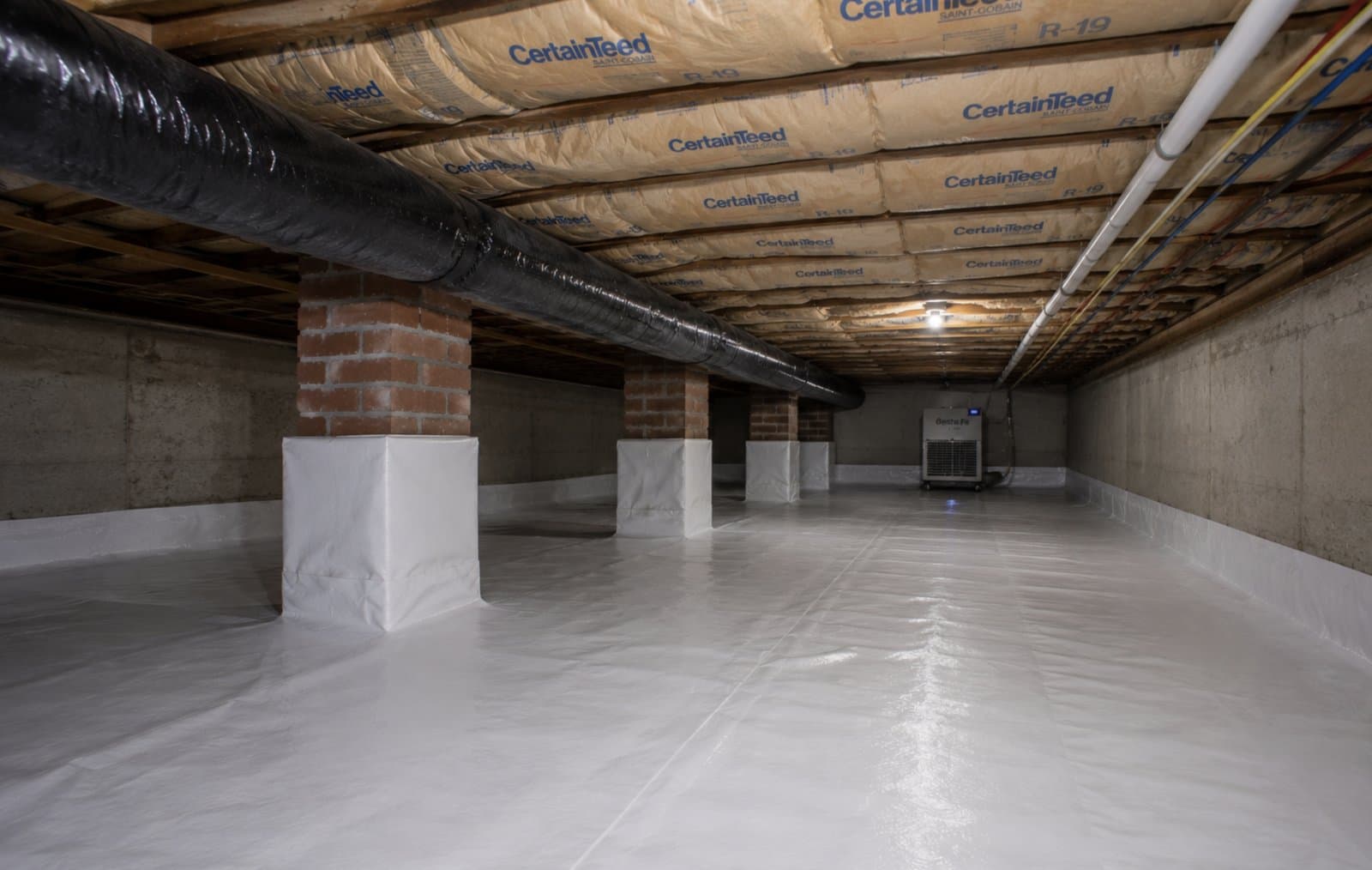
Homeowners insurance usually covers mold only when it grows from a sudden, covered water event, a burst pipe, a failed supply line, or storm water through a damaged roof, and even then most policies cap the mold cleanup at a separate sublimit, commonly five thousand to ten thousand dollars. Mold from slow leaks, humidity, or deferred maintenance is generally excluded. Here is how that plays out, and why acting fast protects the claim.
At Green Restoration, we work on water and mold losses across Connecticut, the New York metro and Westchester, and Western Massachusetts, and we see the same coverage questions come up again and again. This guide explains when mold tends to be covered, when it is usually excluded, what those small dollar caps in your policy mean, and how acting fast protects both your home and your claim. We document the loss and submit that documentation to your insurer. We are not licensed public adjusters and do not negotiate claims, so think of this as plain-language background, not legal or coverage advice.
When Mold Is Usually Covered
The general rule across most standard homeowners policies is that mold is covered when it grows as the direct result of a sudden, accidental loss that the policy already covers.
Mold That Follows A Covered Water Loss
If a pipe bursts, a supply line to a washing machine ruptures, or an appliance overflows without warning, most policies treat the resulting water damage as a covered loss. When mold then grows because of that same sudden event, many policies extend coverage to the mold cleanup as well, often up to a stated limit.
The key word is sudden. Insurers are generally willing to pay for the consequences of an event that happened quickly and could not reasonably have been seen coming. A frozen pipe that splits overnight, a dishwasher hose that lets go while you are at work, or a roof torn open by a storm are the kinds of triggering events that tend to bring mold into the covered category.
Storm And Firefighting Water
Water does not only arrive through plumbing. Wind that lifts shingles and lets rain into the attic, or the large volume of water used to put out a house fire, can both lead to mold growth. Because the originating event, the storm or the fire, is typically covered, the mold that follows is often treated as part of that same claim.
This is one reason fast drying matters so much after a storm or a fire. The covered event opens the door to coverage, but the longer moisture lingers, the harder it becomes to tie the mold cleanly back to that original event.
When Mold Is Usually Not Covered
The flip side is equally consistent. Mold that grows from slow leaks, humidity, or deferred maintenance is generally excluded, because policies are built to cover sudden accidents rather than ongoing conditions.
Gradual Leaks And Long-Term Moisture
A drip under a sink that has been seeping for months, a shower pan that has been failing slowly, or a foundation that takes on water every heavy rain are usually classified as maintenance issues. Insurers commonly exclude mold that grows from this kind of gradual or repeated moisture, on the reasoning that the homeowner had time and opportunity to find and fix the source.
This is often where coverage disputes begin. The same drywall mold can be covered or excluded depending entirely on whether the moisture behind it arrived in an afternoon or accumulated over a year.
Humidity, Condensation, And Neglect
Mold that grows because a bathroom has no working exhaust fan, because a basement stays chronically damp, or because a known problem was left unaddressed is typically treated as a maintenance failure rather than a covered loss. Flood water from outside the home is its own separate category and is generally handled through National Flood Insurance Program coverage, not a standard homeowners policy.
"Insurers rarely judge the mold itself. They judge the event behind it and how quickly the moisture was addressed."
Understanding The Dollar Caps
Even when mold is covered, it is often subject to a separate sublimit that is much smaller than your overall dwelling coverage. Knowing this number before a loss helps you plan realistically.
Why A Five To Ten Thousand Dollar Cap Is Common
Many homeowners policies include a specific mold remediation sublimit, frequently somewhere in the range of five thousand to ten thousand dollars. This cap applies to the mold cleanup portion of a claim even when the underlying water damage is covered more broadly.
The exact figure varies by carrier, by state, and by the endorsements on your policy. Some homeowners across Connecticut, Westchester, and Western Massachusetts choose to buy a higher mold limit as an add-on. The only reliable way to learn your number is to look at your declarations page or ask your agent, because we do not review or interpret policy language on your behalf.
How The Cap Interacts With The Rest Of The Claim
It helps to think of a water-and-mold claim as having two buckets. One bucket covers the water damage, the structural drying, and the repairs, governed by your main dwelling limit. The other bucket covers the mold remediation specifically, governed by the smaller sublimit.
When mold work is documented as its own line, it can be clearer how the claim maps to each bucket. We provide detailed scope and moisture documentation so your insurer can see exactly what work addressed water versus what addressed mold.
How Fast Mitigation Protects Coverage
Most policies include a duty for the homeowner to take reasonable steps to prevent further damage after a loss. Acting quickly is not just good for the house, it is part of keeping the claim intact.
The Duty To Mitigate
After a covered water event, your policy generally expects you to limit the spread of damage, for example by stopping the water source and beginning to dry the structure. Mold that grows because wet materials were left sitting for days can sometimes be challenged as preventable rather than a direct result of the original event.
Fast professional drying does two things at once. It physically stops mold from establishing in walls, subfloors, and cavities, and it strengthens the connection between the mold and the sudden loss that triggered the claim. The shorter that timeline, the cleaner the story.
What Rapid Response Looks Like
In practice this means getting water extracted, getting air movers and dehumidifiers running, and getting moisture readings on record quickly. Green Restoration responds to water and mold losses across Connecticut, the New York metro and Westchester, and Western Massachusetts, and our early focus is on drying the structure and capturing the conditions before they change.
Every hour of standing moisture is an hour mold has to spread. Quick mitigation keeps a contained problem from becoming a whole-room demolition, which protects both your home and the portion of your claim that sits under the mold cap.
Documentation And Health Considerations
Strong documentation supports a smoother claim, and accurate health framing helps you make sense of why prompt remediation matters.
Building A Record For Your Insurer
Good documentation starts before anyone touches the affected area. Photos of the source and the damage, moisture meter readings, the date the loss was discovered, and a clear written scope of the work all help an adjuster understand what happened. Keeping receipts for emergency steps, such as a plumber who stopped the leak, rounds out the picture.
Green Restoration captures this record as part of the job and submits the documentation to your insurer so the cause, the scope, and the work performed are all on file. To be clear, we are not licensed public adjusters and do not negotiate claims. We provide the factual record and the remediation work, and the coverage decision rests between you and your carrier.
What The Science Says About Mold And Health
It is worth being precise about health. The EPA notes that mold exposure is associated with respiratory symptoms in sensitive individuals, including people with allergies or existing respiratory conditions, and recommends prompt cleanup and moisture control. That is a meaningful reason to address mold quickly, separate from any insurance question.
The practical takeaway is the same on both fronts. Removing the moisture source and the mold quickly is good for the people living in the home and good for the integrity of a claim. Speed serves both at once.