A fire damage insurance claim is one of the most stressful processes a homeowner can face. You are trying to recover from a frightening event while also dealing with paperwork, deadlines, and questions about what your policy covers. The good news is that fire claims follow a predictable structure, and understanding that structure puts you in a far stronger position.
At Green Restoration, we serve homeowners across Connecticut, the New York metro and Westchester, and Western Massachusetts. Over the years we have helped families document and recover from fire and smoke losses of every size. The tips below walk you through the claim process step by step, from the first hours after the fire to the moment your restoration is complete, so you know what to expect and what to do.
Start With Safety, Then Stabilize the Property
Before any paperwork happens, the property and the people in it need to be safe. The first decisions you make after a fire protect both your family and your claim.
Do Not Re-Enter Until It Is Cleared
A structure that has burned can have weakened framing, compromised electrical systems, and lingering air-quality concerns. Wait until the fire department and any required inspector confirm the building is safe to enter. Soot and combustion residue can irritate the lungs, and the EPA notes that exposure to smoke particulates can affect breathing in sensitive individuals, so treat the air inside a fire-damaged home with caution.
If you must retrieve essentials, wear protective gear and limit your time inside. Keep children and pets out entirely until professionals have assessed conditions.
Prevent Further Damage Right Away
Most policies require you to take reasonable steps to prevent additional loss after a fire. This usually means board-up of broken windows and openings, roof tarping where the structure is exposed, and removing standing water left behind by firefighting efforts.
Green Restoration provides emergency board-up and tarping so your home is secured against weather and intrusion. We document the condition before and after we stabilize it, which gives your insurer a clear record of the emergency measures that were necessary.
Notify Your Insurer Promptly
Call your insurance company as soon as it is safe to do so, and write down your claim number, the adjuster's name, and the date of every conversation. Early notice matters because many policies include reporting timelines, and a clean paper trail from day one helps the whole claim move faster.
Document Everything Before Anything Moves
Documentation is the foundation of a fire claim. The more thoroughly the loss is recorded, the smoother the process tends to be.
Photograph and Video the Scene
Capture wide shots of each room and close-ups of damaged areas, including ceilings, walls, flooring, and any visible structural impact. Photograph the exterior as well. Do this before items are removed or cleaning begins, because once the cleanup starts the original condition cannot be recreated.
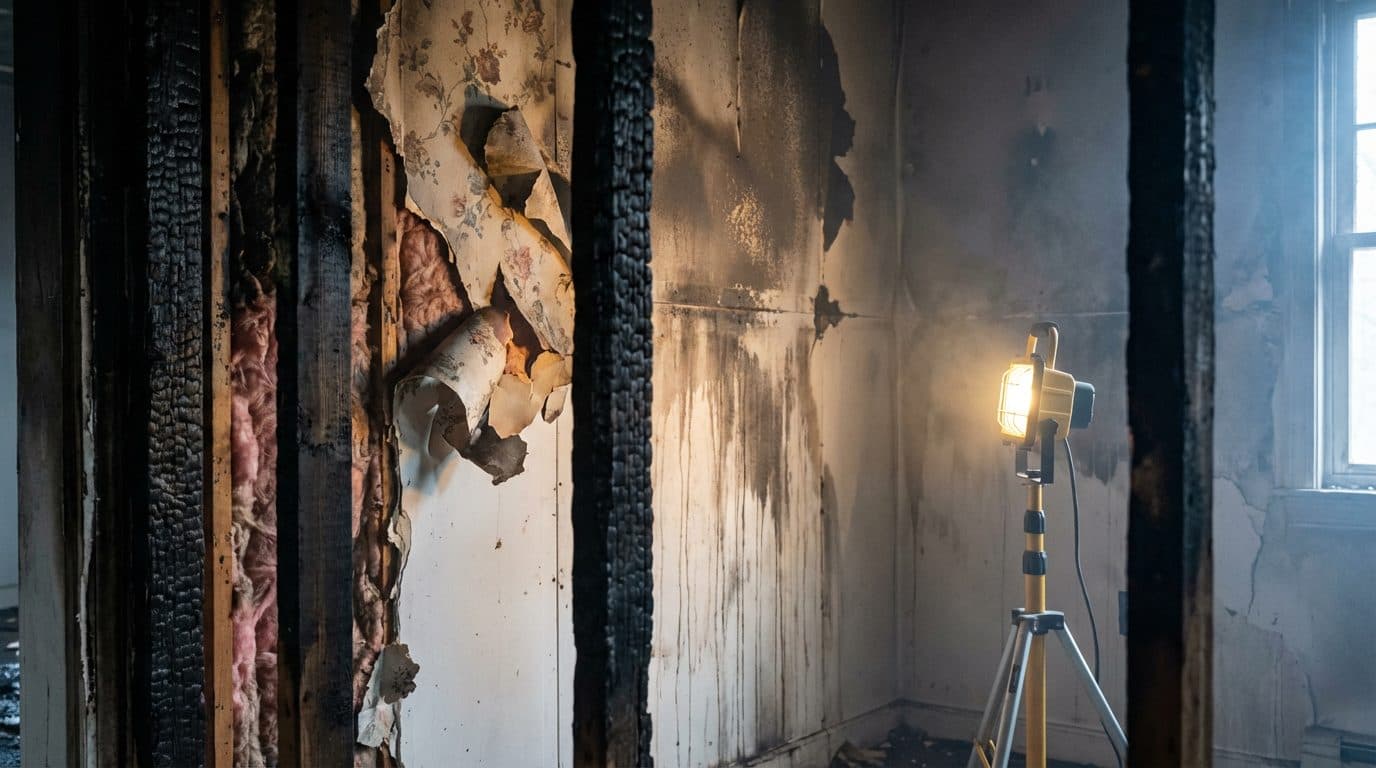
When Green Restoration arrives, our technicians create their own detailed photo and moisture record of the loss. We map smoke and soot migration, note heat and char patterns, and record readings that show how far the damage traveled beyond the visibly burned areas.
Keep Receipts for Every Expense
If you are displaced, your policy may include coverage for additional living expenses such as lodging, meals, and other costs above your normal spending. Save every receipt. Keep records of emergency purchases and temporary repairs as well, since these are often reimbursable when they were reasonable and necessary.
"A fire claim is won or lost on documentation. The condition you capture in the first hours becomes the record everyone relies on for weeks."
Understand Smoke and Soot Versus Structural Damage
Fire claims involve more than the flames. Smoke and soot often spread far beyond the burn area, and understanding the difference helps you avoid an incomplete claim.
Why Smoke and Soot Are Their Own Category
Heat carries smoke and fine soot particles through a home, where they settle on surfaces, work into porous materials, and penetrate HVAC systems. Rooms that never saw flame can still need professional cleaning and odor treatment. Soot is also acidic and can corrode metals, etch glass, and stain finishes over time, which is why prompt cleaning protects your property.
Green Restoration documents the full extent of smoke and soot migration, not just the obvious char. We identify affected materials, test for residue where appropriate, and address odor at the source rather than masking it.
Watch for Water and Mold After the Fire
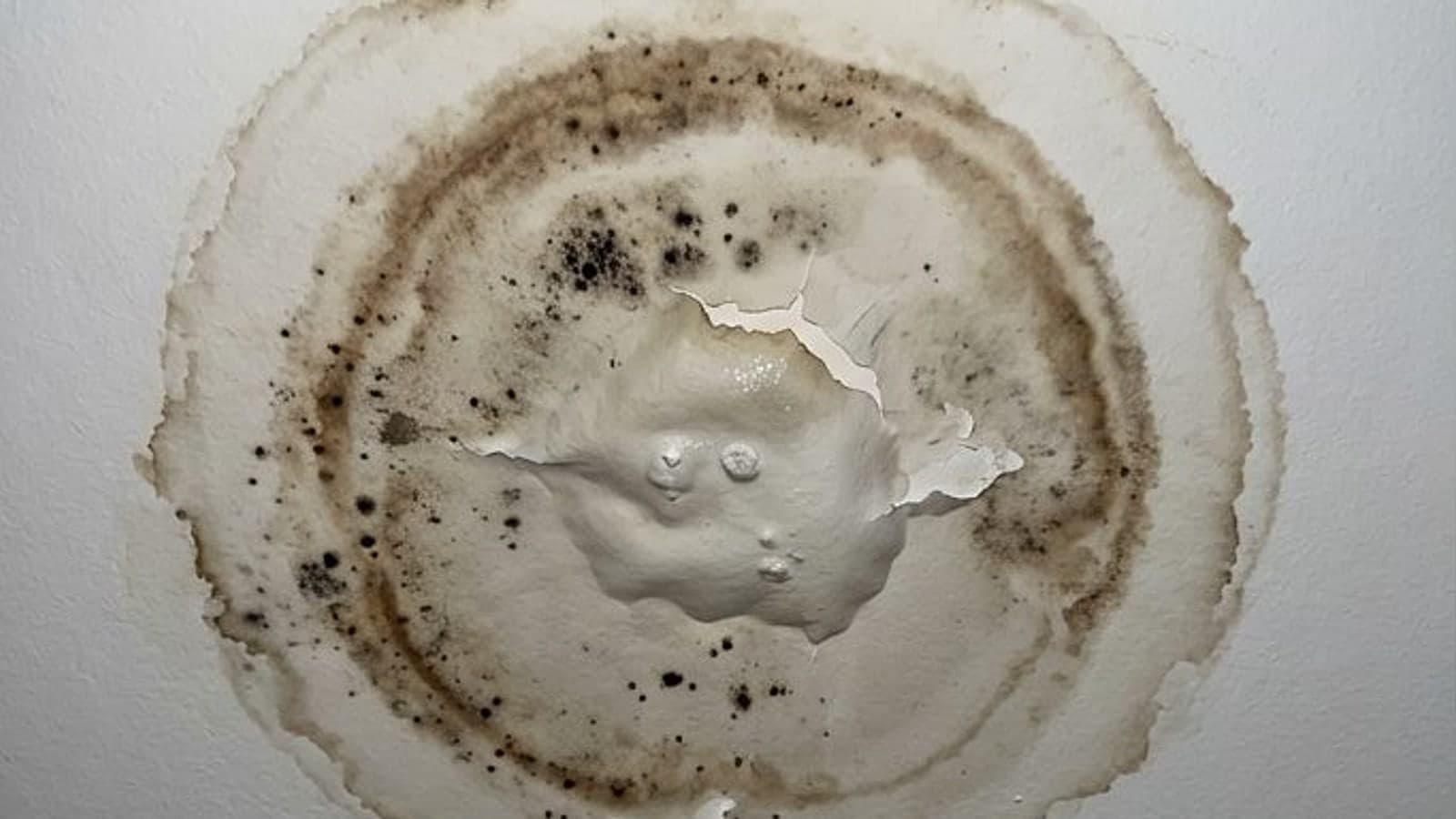
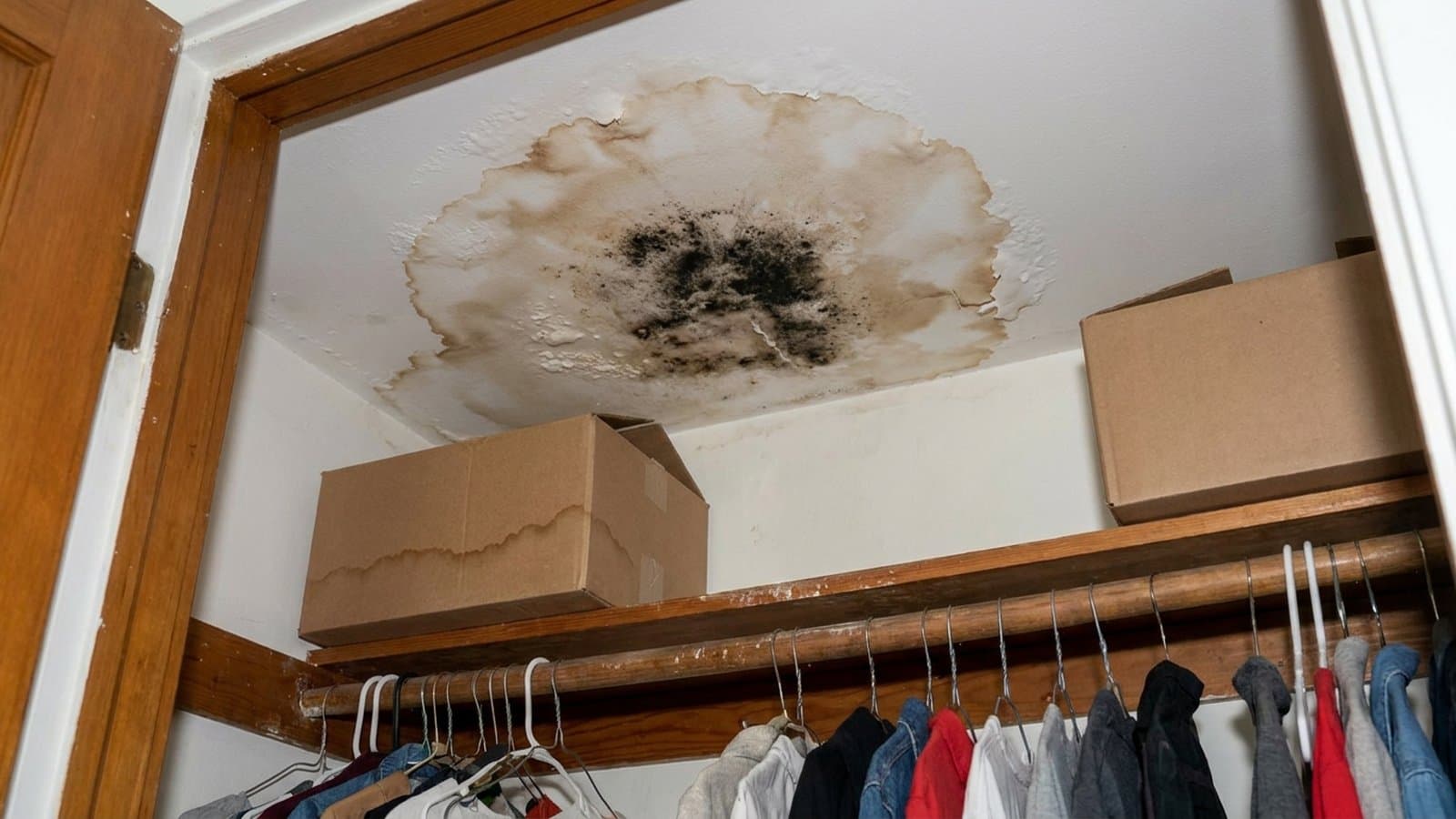
The water used to extinguish a fire can saturate building materials and create conditions for microbial growth if it is not dried properly. The EPA notes that mold exposure is associated with respiratory symptoms in sensitive individuals, so thorough drying is part of a complete fire recovery. We monitor moisture levels and dry affected areas as part of our documented scope.
Build a Complete Contents Inventory
Your belongings are a major part of a fire claim, and a careful inventory makes a meaningful difference in your recovery.
List Items Room by Room
Work through your home one room at a time and list damaged or destroyed contents. For each item, record what it is, its approximate age, the brand or model when you know it, and an estimated replacement value. Photographs of items, even partial or damaged, strengthen the record.
If you have older photos or videos of your home from before the fire, gather them. Holiday pictures and casual snapshots often show furniture, electronics, and personal items that you might otherwise forget to claim.
Do Not Discard Items Too Soon
It is tempting to throw away ruined belongings immediately, but your adjuster may want to verify them. Keep damaged items, or at least clearly photograph them, until your insurer confirms they are no longer needed. Set aside anything that might be restorable, since cleaning is sometimes more cost effective than replacement and your policy may favor it.
Working With Your Adjuster And What We Submit
The adjuster is your insurer's representative, and a productive working relationship with clear documentation moves your claim toward resolution.
Be Organized and Responsive
When the adjuster visits, have your documentation ready, including your photos, your contents inventory, the claim number, and your records of emergency measures. Walk them through what happened and point out areas of hidden or smoke-related damage they may not immediately see.
Answer requests for information promptly and keep a log of what you send and when. Claims that stall usually stall because of missing paperwork, so staying responsive keeps yours moving.
What Green Restoration Documents and Submits
Our role is to thoroughly document the loss and put it in a form your insurer can act on. We prepare a detailed scope of the fire, smoke, soot, and water damage, supported by photos, moisture readings, and line-item descriptions of the work needed to restore your home. We submit that documentation to your insurance company and coordinate directly with your adjuster on the details of the restoration scope.
It is important to be clear about our role. We are not licensed public adjusters and do not negotiate claims. What we do is establish an accurate, well-supported record of the damage and the work required, which helps you and your insurer reach a fair and complete understanding of the loss.
Move Into Restoration With Confidence
Once the scope is agreed upon, Green Restoration handles the work of bringing your home back, from structural repairs to smoke and odor removal to final finishes. Because we documented the loss carefully from the start, the transition from claim to restoration is smoother, and you spend less time chasing paperwork and more time getting your life back to normal across our Connecticut, New York metro, and Western Massachusetts service areas.