Connecticut and the wider Tri-State region see some of the most varied storm weather in the country, from summer thunderstorms and nor'easters to the remnants of tropical systems that push up the coast in late summer and fall. For homeowners in Fairfield County, the New York metro and Westchester, and Western Massachusetts, the difference between a stressful cleanup and a manageable one often comes down to what you did before the sky turned dark.
This guide walks through the full storm timeline. We cover how to prepare your roof, gutters, sump pump, and trees, what to keep in an emergency kit, why documenting your home's pre-existing condition matters, and exactly what to do if water or wind damage hits. Green Restoration responds to storm and water damage across Connecticut, the New York metro, and Western Massachusetts, so the steps here reflect what we actually see on real properties in this region.
Before The Storm: Harden Your Home
Most storm damage that we respond to traces back to a small problem that went unaddressed. A weekend of preparation each season can change the outcome.
Roof And Gutters
Your roof is the first thing a storm tests. Walk your property and look for lifted, curled, or missing shingles, loose flashing around chimneys and vents, and any sagging spots. From the ground, binoculars work fine, and you do not need to climb up if conditions are unsafe. If you see widespread wear, schedule a roofing inspection before peak season rather than after a leak appears.
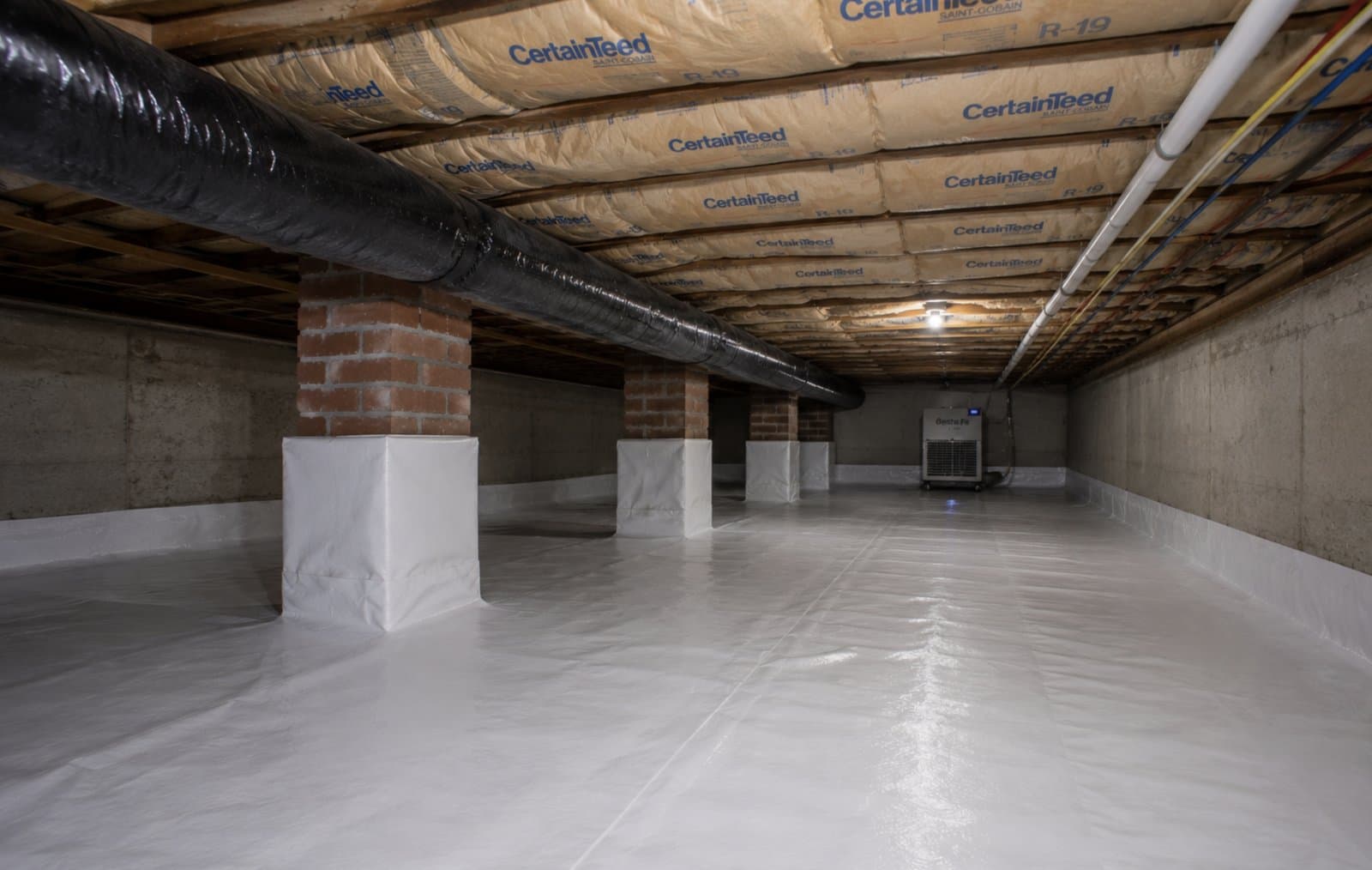
Gutters and downspouts matter just as much. Clogged gutters send water over the edge and back toward the fascia and foundation, which is a common path for interior water intrusion. Clear out leaves and debris, confirm downspouts are attached, and make sure they discharge at least a few feet away from the foundation. In our experience across CT and Westchester, this single task prevents a surprising amount of basement and crawl space water.
Sump Pump And Basement
If you have a basement, your sump pump is your last line of defense during heavy rain. Test it now by pouring water into the pit and confirming it kicks on, pumps out, and shuts off. Check that the discharge line is clear and directed away from the house.
A pump that fails during a power outage is no help at all, so consider a battery backup or a water-powered backup unit. Storms and power loss tend to arrive together. Move stored items off the basement floor and onto shelves or pallets so that a few inches of water does not become a total loss of belongings.
Trees And Loose Objects
Wind damage in this region is often tree damage. Inspect for dead or overhanging limbs near the roof, driveway, and power lines, and have a qualified arborist remove hazards. Never attempt to cut limbs near electrical lines yourself.
Before a forecasted storm, bring in or secure patio furniture, grills, trash bins, and anything else that can become a projectile in high wind. A loose object traveling at storm speed can break a window and turn a wind event into a water event inside your home.
Build A Storm Emergency Kit
When the power goes out and roads close, you want supplies already on hand rather than scrambling at the last minute.
The Essentials
Stock at least three days of water, roughly one gallon per person per day, along with non-perishable food, a manual can opener, flashlights, and fresh batteries. Add a battery or hand-crank radio so you can follow National Weather Service alerts even when the internet is down.
Keep a first aid kit, any required medications, phone chargers and a power bank, and some cash since card readers do not work without power. If anyone in your home relies on medical equipment that needs electricity, plan for a backup power source in advance.
Documents And Contacts
Keep copies of your homeowners insurance policy, identification, and important records in a waterproof container or saved securely in the cloud. Write down your insurance company's claims phone number and your policy number where you can find them without power.
Add a short list of emergency contacts, including a 24-hour restoration company you trust. Having a number ready means you are not searching for help while standing in a wet hallway at midnight.
"The homeowners who recover fastest are almost always the ones who documented their home before anything went wrong."
Document Your Home's Pre-Existing Condition
One of the most valuable things you can do costs nothing and takes an afternoon. It can make a real difference if you ever file a claim.
Photos And Video Before Anything Happens
Walk through every room with your phone and capture clear photos and video of walls, floors, ceilings, the roof, the basement, and major belongings. Open closets and cabinets, and get close-ups of anything of value. Save these files somewhere they will survive a flooded basement, such as cloud storage or email to yourself.
This record establishes the condition of your home before any storm. If damage later occurs, you can show what was new versus what was already there, which removes a common point of confusion when a loss is being reviewed.
Keep A Simple Inventory
A basic home inventory listing major items, approximate purchase dates, and values rounds out your documentation. A spreadsheet or even a notes app is enough. Photograph receipts and serial numbers for high-value electronics and appliances.
Update it once a year or after any large purchase. The goal is simply to be able to describe what you owned and its condition, which supports an accurate and complete record after a loss.
During And Right After A Storm
Your safety comes first. Property can be repaired, and the right early steps protect both you and your home from further harm.
Stay Safe First
Never walk into standing water if there is any chance it contacts electrical outlets, appliances, or a panel, because water and electricity together are a serious hazard. If you smell gas or suspect a structural problem, leave and call for help from a safe location.
Stay away from downed power lines and assume every line is live. Wait for an official all-clear before returning if you evacuated, and use flashlights rather than candles to avoid fire risk.
Stop The Damage From Spreading
Once it is safe, take reasonable steps to prevent further damage. Shut off the water supply to a burst pipe, place buckets under active drips, and move undamaged belongings away from wet areas. Lift rugs and pull furniture off soaked carpet so the legs do not stain.
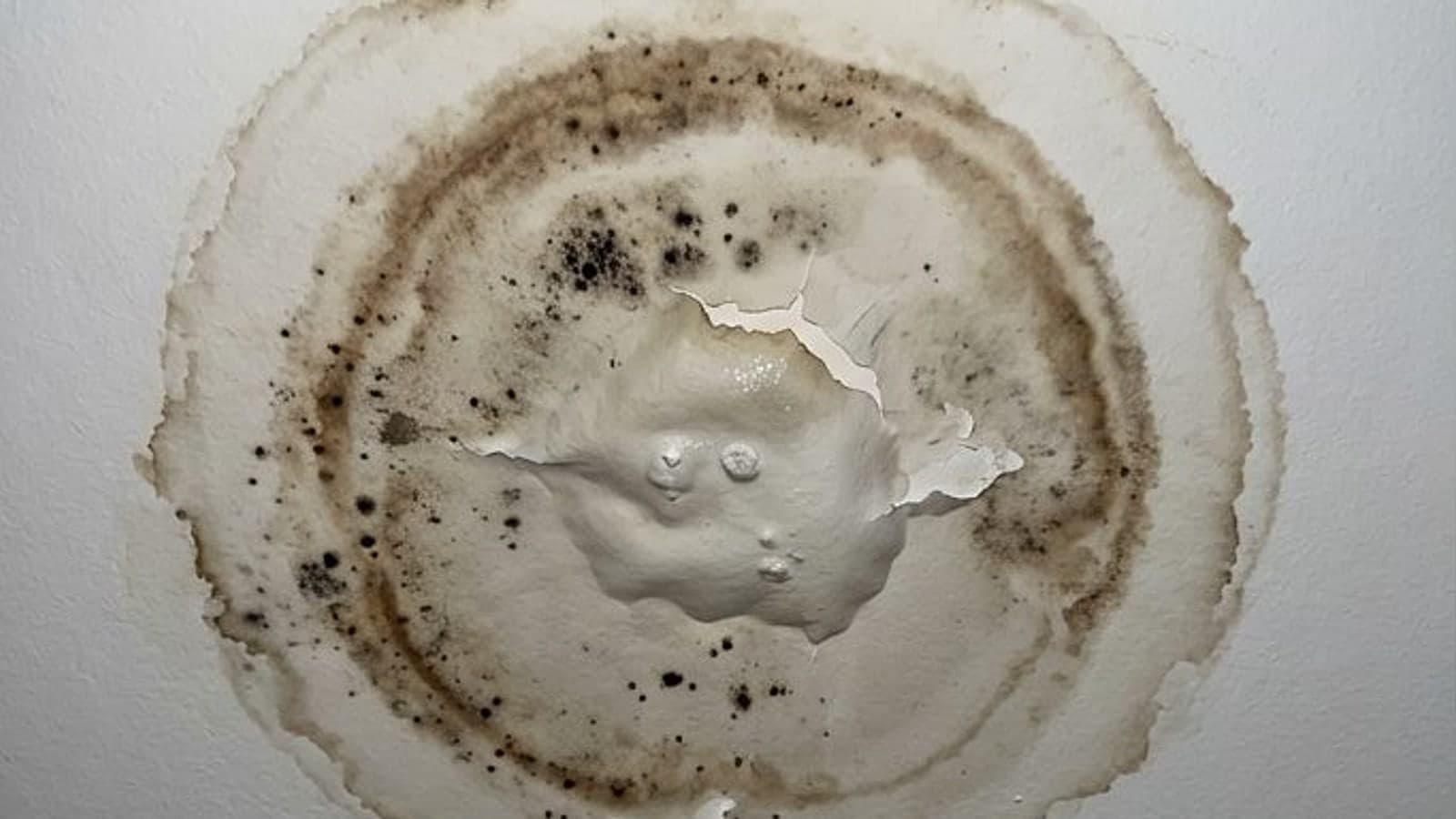
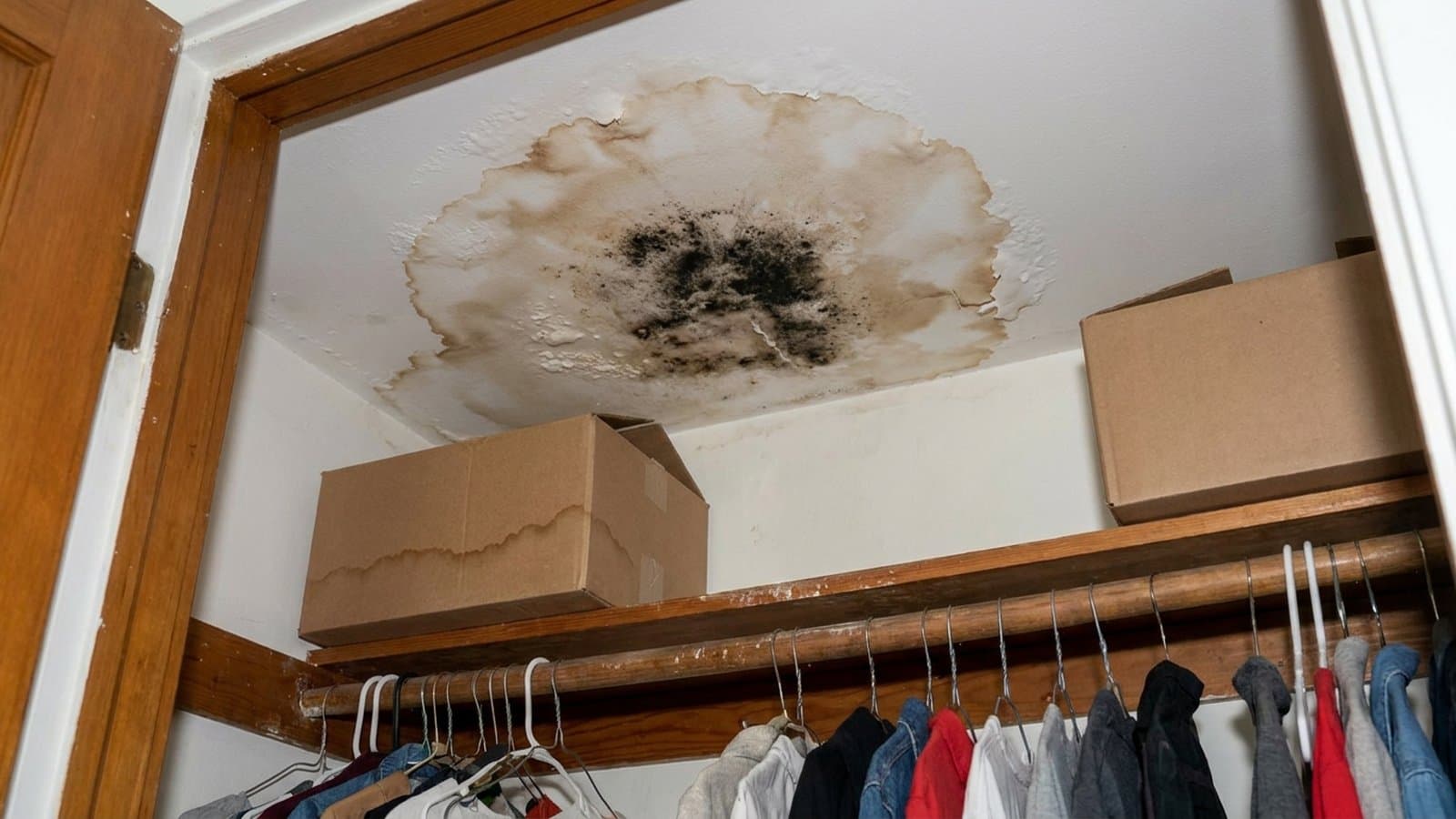
Speed matters with water. The EPA notes that mold can begin to grow within 24 to 48 hours on wet materials, and the EPA also notes that mold exposure is associated with respiratory symptoms in sensitive individuals. Drying things out quickly, or getting professional extraction started, limits both structural damage and the chance of a secondary mold problem.
Document The New Damage
Before you clean up or throw anything away, photograph and video everything. Capture wide shots of each affected room and close-ups of damaged materials and belongings. This new set of images, paired with your pre-storm record, gives a clear before and after picture.
Keep receipts for anything you buy during the emergency, such as a tarp, fans, or a hotel stay if your home is not livable. These can be relevant when you report the loss to your insurer.
When To Call For Emergency Help
Some situations need a professional response right away. Knowing the signs helps you act before a bad day becomes a worse one.
Emergency Board-Up And Tarping
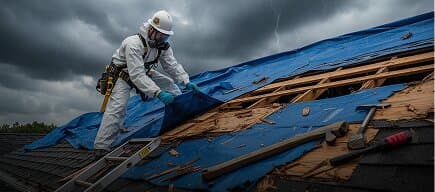
If wind, a fallen tree, or flying debris breaks a window, tears open a wall, or damages the roof, the opening needs to be secured quickly so that rain, wind, and animals do not cause additional damage. Emergency board-up and roof tarping close the building envelope while permanent repairs are planned.
Green Restoration provides emergency board-up and tarping across Connecticut, the New York metro and Westchester, and Western Massachusetts. Securing the structure early is one of the most effective ways to keep a single storm event from turning into weeks of compounding water damage.
Water Extraction And Drying
Standing water in a basement, soaked drywall, or saturated flooring should be addressed fast. Professional crews use extraction equipment, air movers, and dehumidifiers to dry the structure and monitor moisture levels in materials you cannot see into. Surface drying alone often leaves moisture trapped behind walls and under floors.
The sooner extraction begins, the more materials can usually be saved and the lower the risk of mold developing. If your home has taken on significant water, calling for help quickly almost always costs less in the end than waiting to see if it dries on its own.
Working With Your Insurance
Report the loss to your insurance company as soon as it is safe to do so, and give them the documentation you have gathered. Green Restoration can document the damage in detail and submit that information to your insurer to support your claim. We are not licensed public adjusters and do not negotiate claims, and your policy and coverage decisions remain between you and your insurance company.
Our focus is getting your home dried, secured, and repaired correctly while providing the clear records that make the claims process smoother. If a storm has hit your property anywhere in our Connecticut, New York metro, or Western Massachusetts service area, reach out and we can walk you through the next steps.