Crawl spaces are one of the most overlooked parts of a home, yet they have an outsized effect on the air you breathe, the comfort of your floors, and the long-term durability of your structure. In Connecticut, the New York metro and Westchester, and Western Massachusetts, the freeze and thaw cycles, humid summers, and heavy seasonal rain combine to make moisture management in these spaces a year-round concern rather than a one-time fix.
This guide walks through why crawl spaces get wet in the first place, how air actually moves through your house, and the practical tools that keep moisture under control. Whether you are noticing musty smells, cupping floorboards, or higher energy bills, understanding the mechanics will help you make smart decisions about vapor barriers, encapsulation, dehumidification, and drainage.
Why Crawl Spaces Get Wet
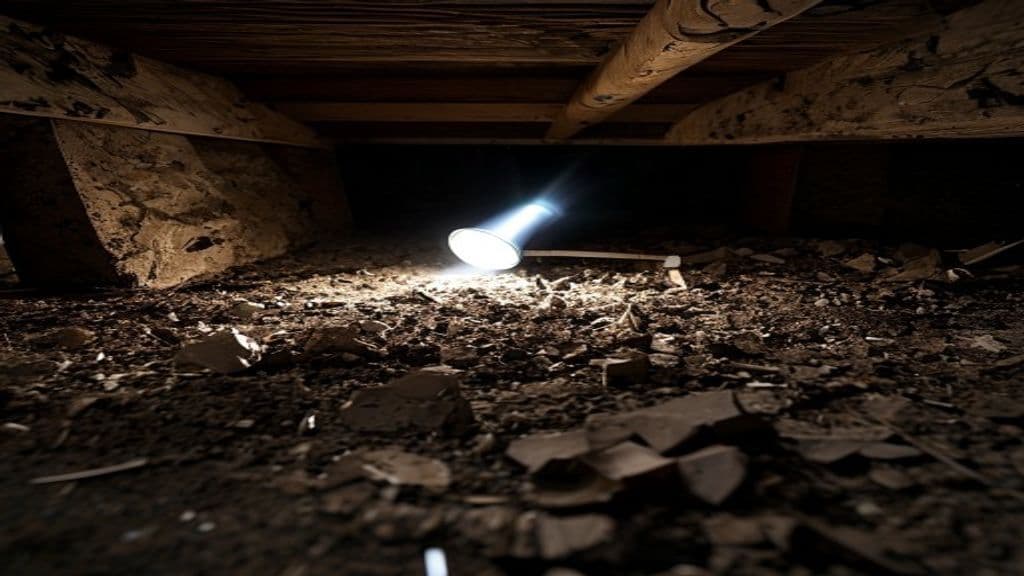
Moisture in a crawl space rarely comes from a single source. It is usually a combination of ground evaporation, outside humidity, and the way air circulates through the home.
Ground Moisture And Bare Soil
Exposed earth in a crawl space is constantly releasing water vapor. Even soil that looks dry can give off gallons of moisture per day through evaporation. In our region, where the water table sits high in spring and after storms, that soil stays damp for long stretches.
Without a barrier between the ground and the air, that vapor rises into the crawl space, condenses on cool surfaces, and feeds wood rot, rust, and microbial growth.
Outside Air And Seasonal Humidity
Traditional crawl spaces were built with foundation vents based on the idea that outside air would dry them out. In a humid Northeast summer, the opposite often happens. Warm, moisture-laden air enters through the vents and meets the cooler surfaces inside, where it condenses into liquid water.
This is why many vented crawl spaces are actually wettest in July and August, not during winter.
Plumbing, Grading, And Bulk Water
Leaking supply lines, sweating ducts, and poor exterior grading all push water toward and into the crawl space. When the yard slopes toward the foundation or gutters dump water at the base of the wall, that water finds its way through cracks and footings. Identifying bulk water sources is always the first step, because no amount of dehumidification will keep up with an active leak.
The Stack Effect And Your Whole House
What happens in the crawl space does not stay in the crawl space. Air movement ties the lowest level of your home to the air you breathe upstairs.
How The Stack Effect Works
Warm air rises and escapes through the upper levels and attic of a home, which creates a slight vacuum lower down. That vacuum pulls replacement air in from the lowest point, often the crawl space. Building scientists estimate that a meaningful share of the air on your main floor first passed through the crawl space below.
If that space is damp and musty, those odors and that humidity travel upward into your living areas.
Why Damp Crawl Spaces Affect Health And Comfort
Higher indoor humidity makes summers feel warmer and forces air conditioning to work harder. It also creates conditions where mold can develop on wood and stored items. The EPA notes that mold exposure is associated with respiratory symptoms in sensitive individuals, which is one reason controlling crawl space moisture matters beyond the structure itself.
Reducing the humidity at the source, down in the crawl space, is far more effective than trying to manage the symptoms upstairs.
"A large share of the air on your main floor started its journey in the crawl space below. Treat that space like part of your living environment, because it is."
Vapor Barriers And Encapsulation
The most reliable way to control crawl space moisture is to seal the space off from the ground and the outside, then condition it like the rest of the home.
What A Vapor Barrier Does
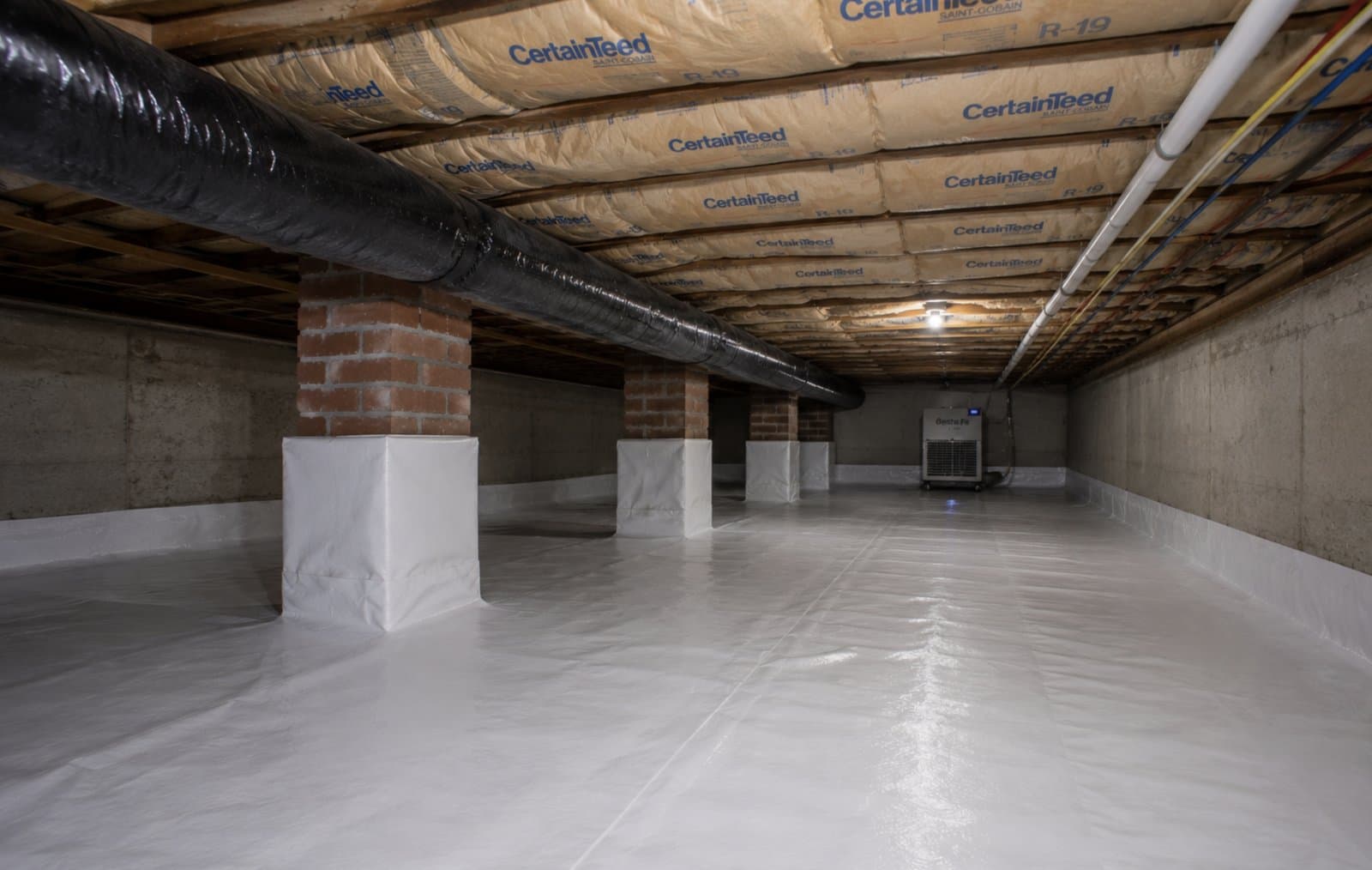
A vapor barrier is a heavy plastic sheet laid across the soil to stop ground moisture from evaporating into the air. A thin painter's plastic is not enough for a lasting result. Reinforced liners, typically in the range of 10 to 20 mils, hold up to foot traffic and storage.
Proper installation matters as much as the material. Seams need to be overlapped and sealed, and the liner should run up the foundation walls and be mechanically fastened so it does not slip down over time.
Full Encapsulation
Encapsulation goes further than a floor liner. The walls are lined, the vents are sealed, and the entire space becomes a clean, conditioned envelope separated from the earth and outside air. In our climate, encapsulation paired with insulation on the walls also reduces the risk of frozen pipes during cold snaps.
The result is a dry, accessible space that no longer feeds humidity into the home. Many homeowners are surprised that the area becomes usable for clean storage.
When Encapsulation Is The Right Call
Encapsulation makes the most sense when a crawl space has chronic humidity, recurring mold, or comfort and energy problems on the floors above. If you have already addressed bulk water and grading, encapsulation locks in those gains. We assess the space first to confirm there is no active leak that needs to be solved before sealing.
Dehumidification And Drainage
Sealing the space is the foundation, but managing the water that still finds its way in keeps the system working for the long run.
Dedicated Dehumidification
Once a crawl space is sealed, a dedicated dehumidifier maintains a stable humidity level, usually targeted below 55 percent, which is the range where mold growth is discouraged. These units are sized for the space and drain automatically, so they do not require the constant emptying of a portable household model.
Monitoring humidity with a simple gauge lets you confirm the system is doing its job through the swings of a Northeast year.
Drainage And Sump Systems
In crawl spaces prone to standing water, a perimeter drain channels water to a low point where a sump pump removes it. This is especially valuable in low-lying parts of Connecticut and the New York metro area where spring runoff and storm events raise the water table.
A battery backup or water-powered backup on the pump protects the space during the power outages that often accompany the storms causing the flooding in the first place.
Exterior Water Management
The cheapest water to manage is the water you keep out. Extending downspouts away from the foundation, regrading soil to slope away from the house, and clearing gutters all reduce the volume reaching the crawl space. These steps complement the interior system rather than replacing it.
Signs Of Trouble And When To Call A Professional
Catching crawl space moisture early saves money and prevents the kind of damage that spreads into framing and finished living space.
Warning Signs To Watch For
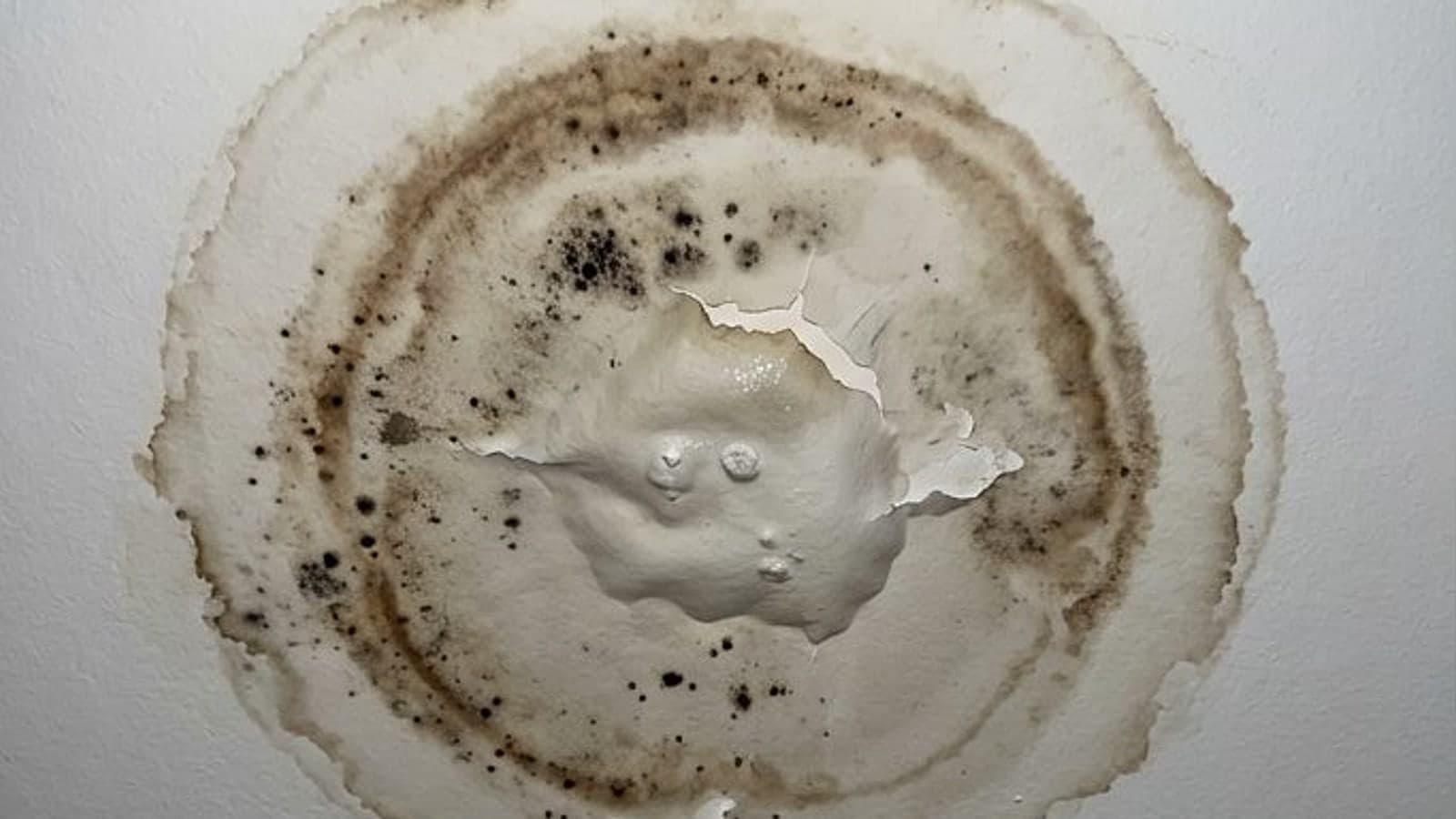
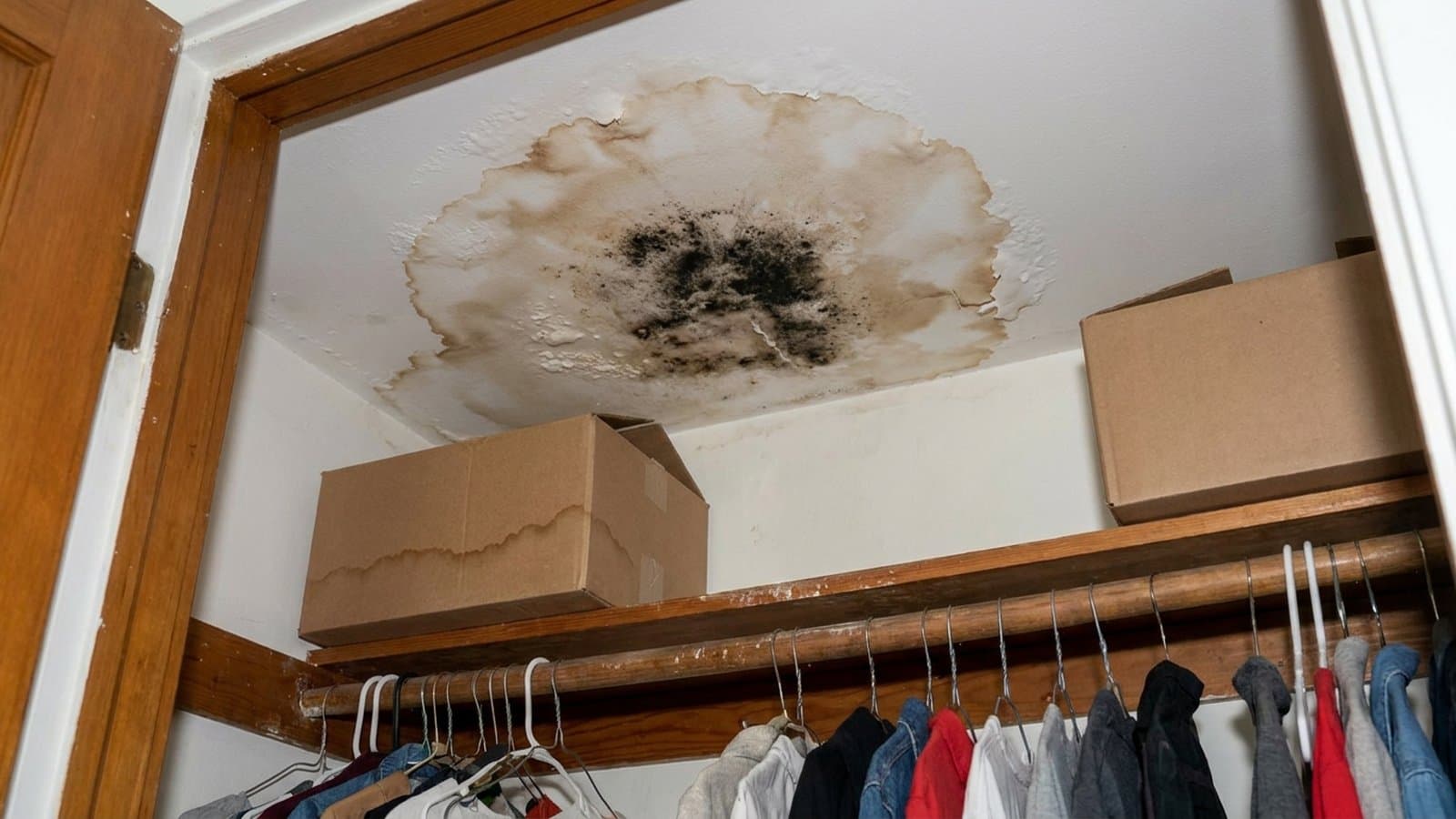
Musty odors on the main floor, especially in summer, are an early clue. Cupping or buckling hardwood, condensation on ductwork or pipes, rusting metal connectors, and visible discoloration on joists all point to a moisture problem below.
Higher than expected cooling bills and floors that feel cold or damp underfoot are also common indicators that the crawl space is pulling humidity into the home.
Health And Energy Benefits Of Fixing It
A dry, sealed crawl space lowers indoor humidity, which makes air conditioning more efficient and the home more comfortable. It also protects the framing and ductwork that are expensive to replace. Reducing dampness limits the conditions that allow mold to develop, which supports better indoor air quality overall.
How Green Restoration Helps
Green Restoration serves homeowners across Connecticut, the New York metro and Westchester, and Western Massachusetts. We inspect the crawl space, identify the moisture sources, and recommend the right combination of vapor barrier, encapsulation, dehumidification, and drainage for your specific structure and climate exposure.
When a moisture event is covered by insurance, we document the loss with photos and a detailed scope and submit it to your insurer. We are not licensed public adjusters and do not negotiate claims, but clear documentation helps the process move smoothly. To get started, schedule an assessment and we will walk the space with you and explain exactly what we find.
Questions Homeowners Ask
How Do I Prevent Wet Rot And Dry Rot In A Crawl Space?+
Both are fungi that need water. Dry rot is misnamed; it needs moisture too, it just carries it further through the wood. Prevention is moisture control: fix bulk water first (grading, gutters, plumbing), cover bare soil with a sealed vapor barrier, close and seal the vents, add a dehumidifier sized for the space, and keep wood moisture below about 16 percent. Replace any framing that crumbles under a screwdriver, and treat sound framing that was damp before the space is sealed.
How Do You Remove Mold From A Crawl Space?+
Not with a spray. The sequence that holds is: find and stop the moisture, set containment and negative air so spores do not move into the house, remove contaminated insulation and debris, clean the framing with HEPA vacuuming and then dry ice blasting or abrasive cleaning on heavy growth, apply an EPA-registered antimicrobial, and finish with a vapor barrier or full encapsulation so the humidity that fed it cannot return. Skipping the last step is why sprayed crawl spaces grow back within a season.