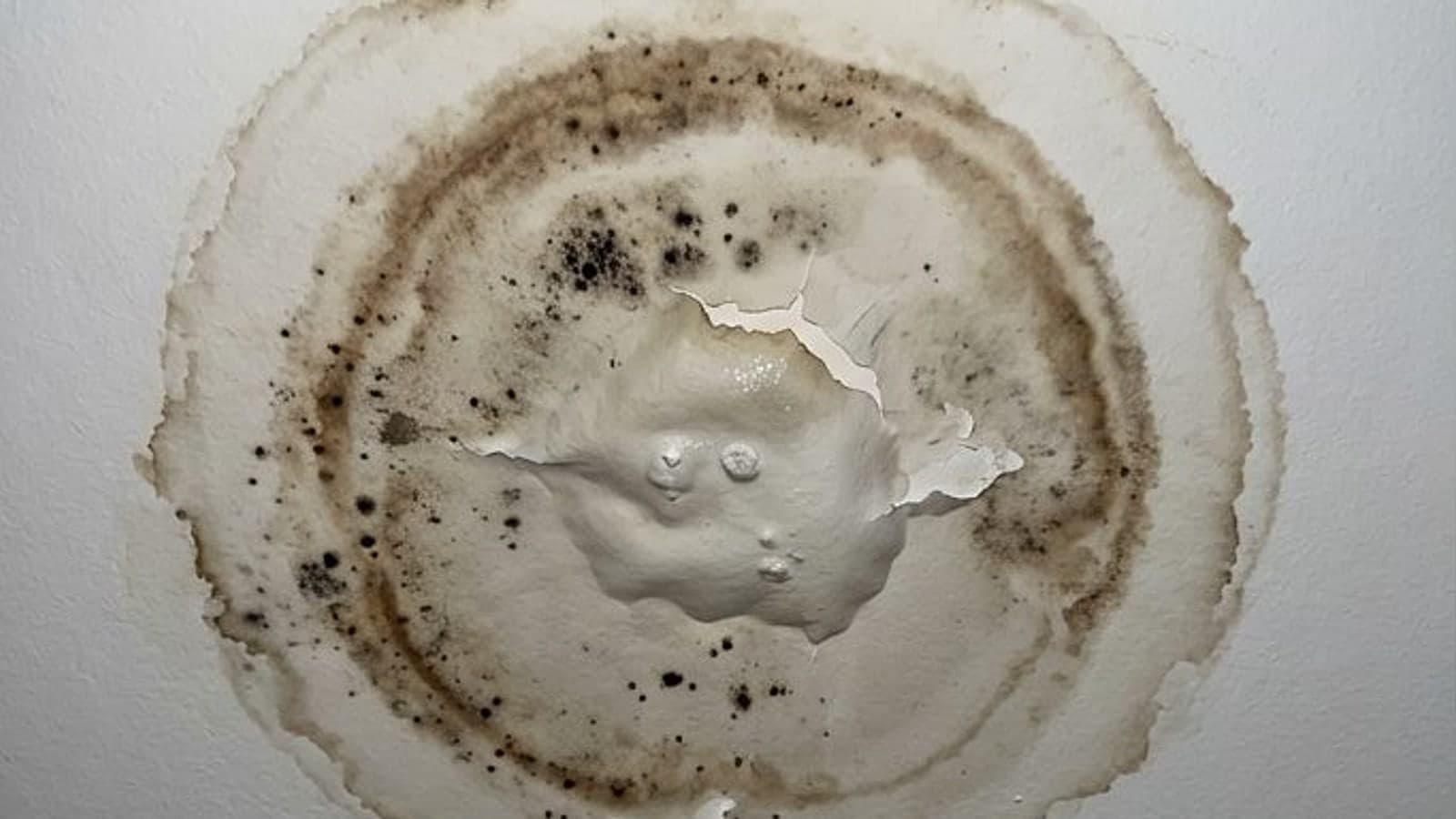
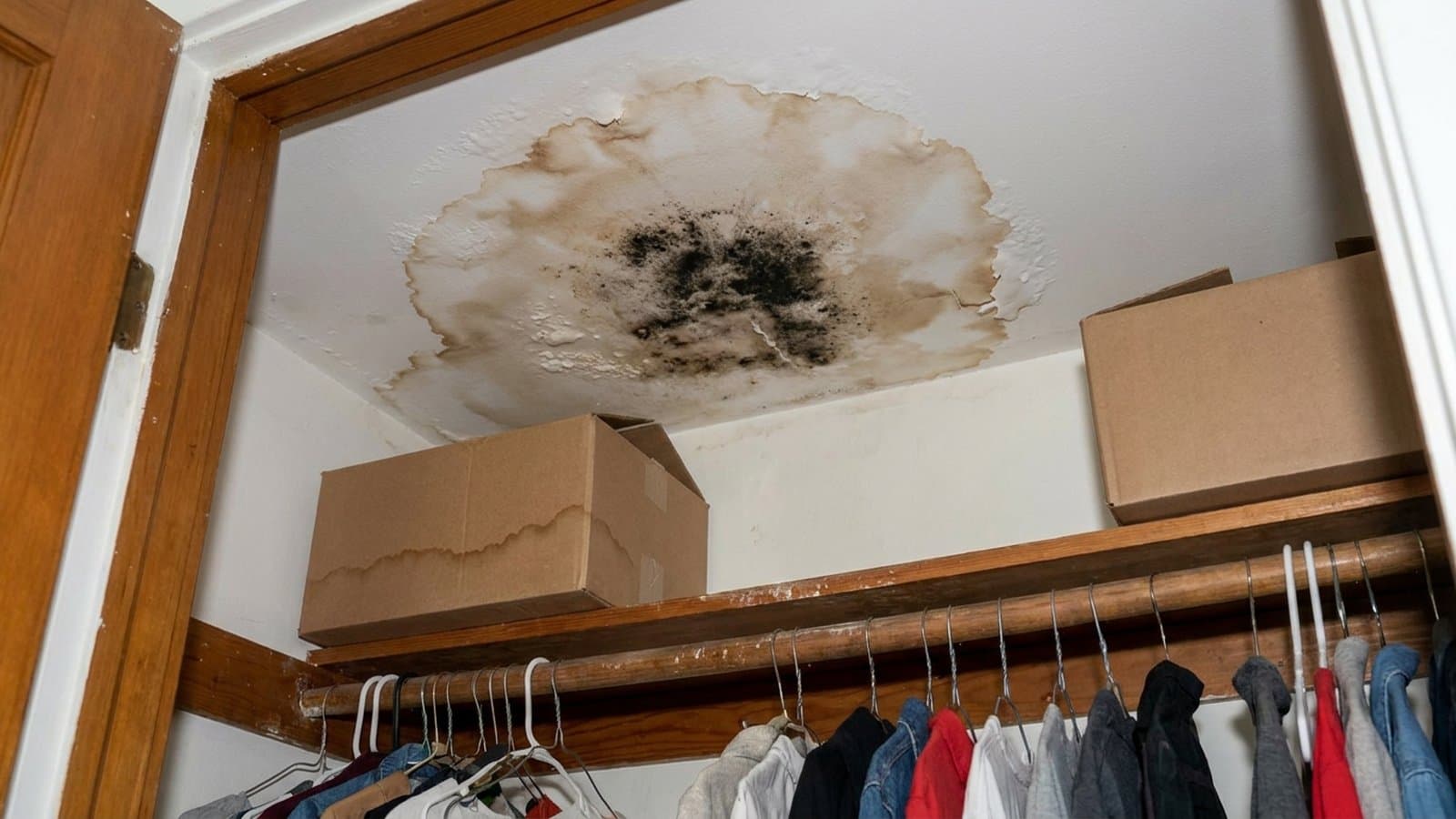
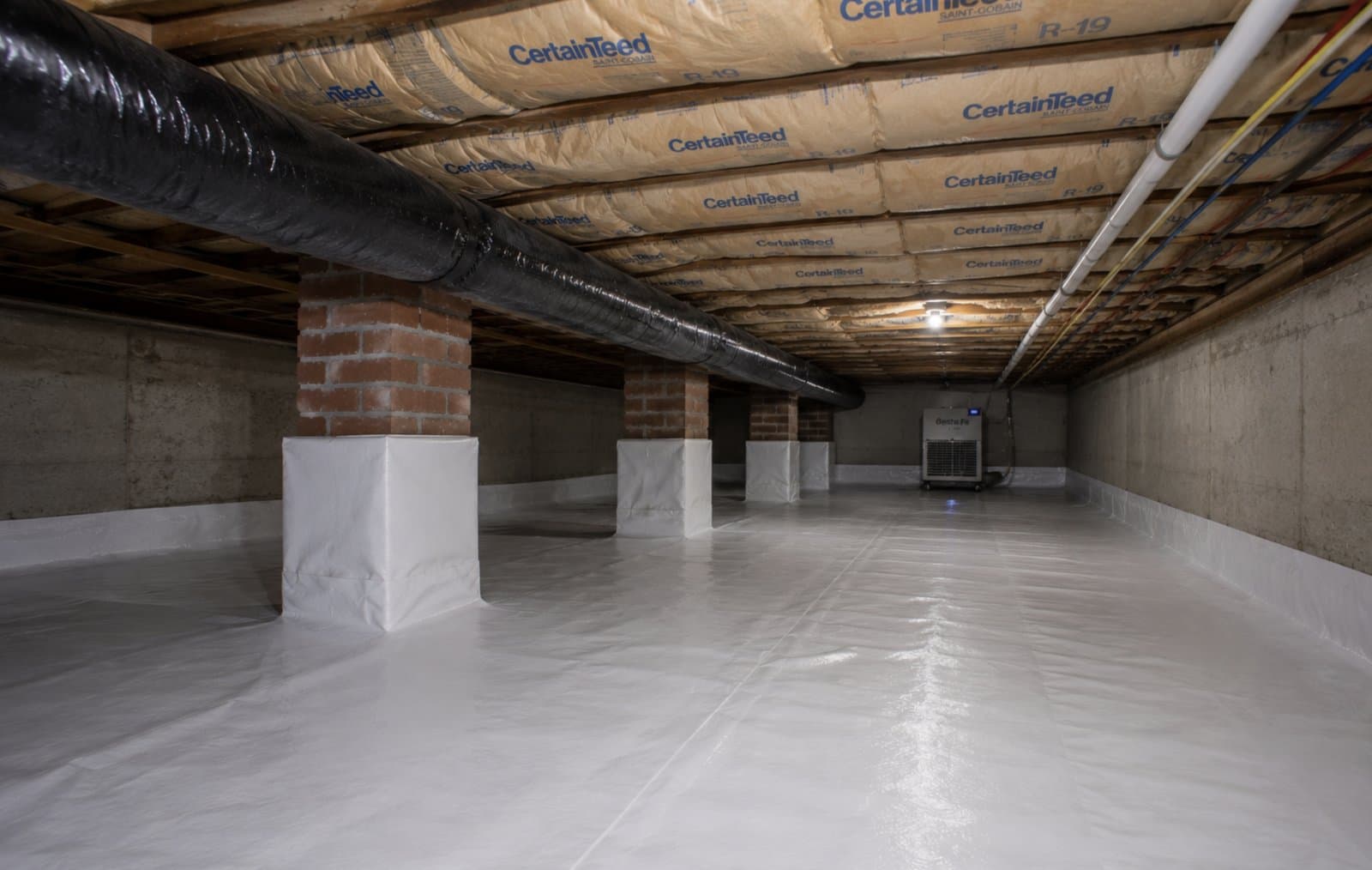
When a pipe bursts, a fire breaks out, or mold spreads behind a wall, the first call most homeowners want to make is to their insurance company. The second question is almost always the same. Is this covered? The honest answer is that it depends on what caused the damage, when it happened, and how your specific policy is written. Two homes on the same street can have very different coverage for the very same kind of loss.
This guide walks Connecticut, New York metro, Westchester, and Western Massachusetts homeowners through how standard homeowners insurance treats water, fire, and mold damage. We explain the difference between sudden and gradual damage, named perils versus all risk policies, why flooding sits outside almost every standard policy, how mold caps work, and how deductibles change what you actually receive. Green Restoration documents the loss and submits that documentation to your insurer, and we want you to understand the rules before you ever need to file.
The Single Rule That Decides Most Claims
Before you look at any other clause, understand the distinction that drives the majority of approvals and denials. It comes down to sudden and accidental versus gradual.
Sudden And Accidental Is Usually Covered
Standard homeowners policies are built to cover losses that happen suddenly and by accident. A supply line that ruptures and floods your kitchen overnight, a washing machine hose that fails without warning, or a fire that starts from faulty wiring are the kinds of events these policies were designed for. The damage was abrupt, it was not something you could reasonably see coming, and it was not the result of putting off a repair.
When a loss fits this pattern, the resulting damage to your structure and often your belongings is typically within scope, subject to your deductible and limits. The key is that the triggering event was both quick and unexpected.
Gradual Damage Is Usually Not
The opposite of sudden and accidental is gradual. A drip under the sink that you ignored for eight months, a roof that slowly leaked through worn shingles, or rot that built up over years are generally treated as maintenance issues rather than covered losses. Insurers reason that these problems were preventable and that upkeep is the homeowner's responsibility.
This is why timing matters so much. The same water stain can be covered or denied depending on whether it came from a pipe that failed yesterday or one that had been seeping for a year. Documenting when the damage occurred and how it started is one of the most important things you can do early.
"Insurers are not asking whether your home is damaged. They are asking whether the damage was sudden and accidental, or slow and preventable."
Named Perils Versus All Risk Coverage
Your policy form determines whether you have to prove the cause of a loss or whether the insurer has to prove an exclusion. This is one of the most misunderstood parts of homeowners insurance.
Named Perils Policies
A named perils policy covers only the specific causes of loss that are written into the document. Common named perils include fire, lightning, windstorm, hail, theft, and certain types of water discharge. If your cause of loss is not on the list, it is generally not covered.
With this kind of policy, the burden is on you as the homeowner to show that your loss was caused by one of the listed perils. Many older policies and some lower cost policies are written this way, so it is worth reading the declarations page to see which form you have.
All Risk Or Open Perils Policies
Many modern homeowners policies cover the structure on an all risk basis, sometimes called open perils. These cover any cause of loss except the ones specifically excluded. The exclusions list is where you find things like flood, earth movement, and gradual wear, along with mold limitations in many cases.
The practical difference is who carries the burden of proof. Under open perils coverage for your dwelling, the insurer generally has to point to an exclusion to deny the claim. Note that even on an all risk policy, your personal belongings are often still covered on a named perils basis, so the two halves of your policy can follow different rules.
The Flood Carve Out Almost Everyone Misses
Flood is the exclusion that surprises the most homeowners after a storm. It is not a gap in your coverage by accident. It is excluded by design across nearly every standard policy.
Why Flood Is Separate
Rising water from outside the home, including storm surge, overflowing rivers, and heavy rain that pools and enters at ground level, is excluded from standard homeowners policies. This applies to homes across Connecticut, the New York metro and Westchester, and Western Massachusetts, regardless of how close you live to water.
Flood coverage is handled separately, most often through the National Flood Insurance Program, known as the NFIP, or through certain private flood insurers. If you do not carry a flood policy, a true flood loss will generally not be covered by your homeowners insurance no matter how severe it is.
Flood Versus Internal Water Damage
The distinction that decides these claims is where the water came from. Water that originates inside your home, such as a burst pipe or an overflowing appliance, is typically a homeowners insurance question. Water that rises up from outside and enters the building is typically a flood insurance question.
Ground water seepage and water that enters through the foundation also tend to fall outside standard coverage. Because these lines can be hard to draw after the fact, careful documentation of the source matters. Green Restoration documents the loss and the apparent source as we find it and submits that record to your insurer, but we are not licensed public adjusters and do not negotiate claims.
Mold Caps, Sub Limits, And Health Claims
Mold is one of the most limited areas of a homeowners policy. Even when it is covered, the dollar amount is often capped well below the cost of a large remediation.
How Mold Coverage Usually Works
Mold is frequently subject to a sub limit, which is a separate and lower cap than your main dwelling coverage. A policy with a high dwelling limit might still cap mold remediation at a few thousand dollars. Many policies also tie mold coverage to a covered water loss, meaning mold is only addressed if it resulted from something like a sudden pipe break rather than long term humidity or a slow leak.
Because of this, the question is rarely just whether mold is covered. It is how much is covered, and whether the underlying water event qualified. Reviewing your sub limits before a loss occurs helps set realistic expectations.
A Word On Health And Mold
Homeowners often ask whether the health concerns around mold strengthen a claim. Coverage is driven by your policy language and the cause of the mold, not by health symptoms. On the health side, the EPA notes that mold exposure is associated with respiratory symptoms in sensitive individuals, which is one reason prompt drying and proper remediation matter.
Green Restoration focuses on identifying the moisture source, drying the affected area, and remediating mold according to industry standards, then documenting that work for your insurer. Acting quickly after a water event is the best way to keep a small problem from becoming a larger one that may exceed your mold cap.
Deductibles, Documentation, And What To Do First
Even a covered claim does not put the full repair cost in your hands. Your deductible and your limits shape the final number, and your early actions shape the outcome.
How Deductibles Affect Your Payout
Your deductible is the amount you are responsible for before your coverage pays anything. If your covered loss is assessed at a certain repair cost, your deductible is subtracted from what the insurer pays. Some policies in storm prone areas also carry a separate percentage based deductible for wind or named storms, which can be larger than your standard flat deductible.
Knowing your deductible in advance helps you decide whether a smaller loss is even worth filing. For larger losses, it tells you roughly how much of the repair will sit with you regardless of coverage.
Document Early And Document Well
The strongest claims are supported by clear evidence gathered right away. Take photos and video before anything is moved or cleaned, note the date and time you discovered the damage, keep damaged items where possible, and save receipts for any emergency measures you take to prevent further harm. Most policies expect you to take reasonable steps to stop additional damage.
Green Restoration documents the loss in detail, including moisture readings and the apparent source, and submits that documentation to your insurer. To be clear, we are not licensed public adjusters and do not negotiate claims. Our role is to perform the restoration work properly and to give your insurer an accurate, organized record of what happened and what it took to make your home whole again.
Read Your Policy Before You Need It
The best time to understand your coverage is long before a loss. Pull your declarations page and look for your form type, your dwelling and personal property limits, your deductible, any mold or water sub limits, and any separate wind or storm deductible. If flood is a concern in your area, ask your agent specifically about an NFIP or private flood policy, since it is almost never included by default.
A short conversation with your agent now can prevent a painful surprise later. When damage does strike across Connecticut, the New York metro and Westchester, or Western Massachusetts, Green Restoration is ready to respond, stabilize the situation, and document everything for your claim.