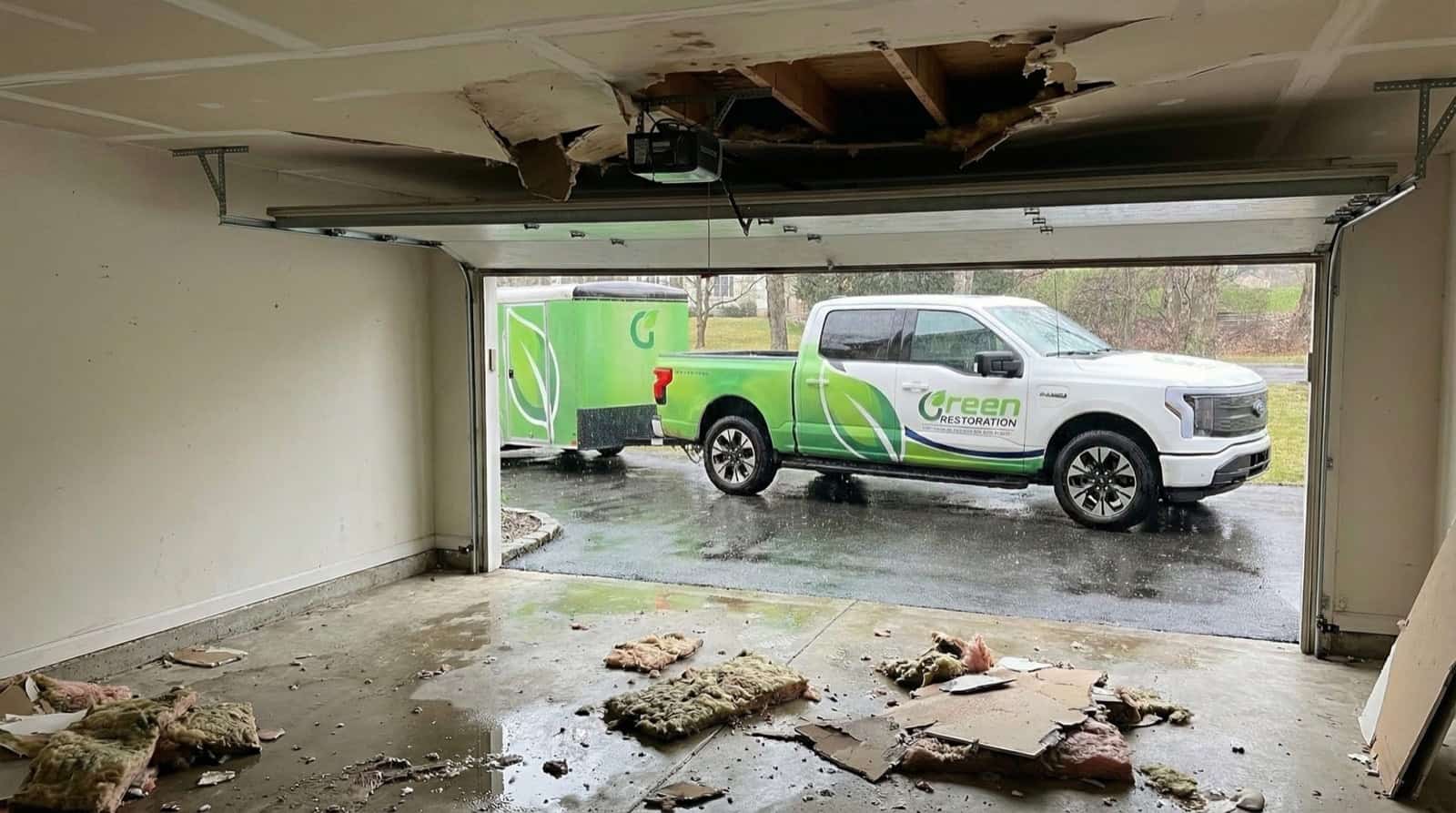
Mold Remediation Burlington, CT
Green Restoration, Litchfield County, mold remediation in Burlington, call (860) 222-9498 Same-Day Inspection, Direct Insurance Billing
 IICRC Certified
 Eco-Friendly Solutions For Healthier Spaces
Reviewed by David Megeneishvili·Licensed & Insured In CT·IICRC AMRT + WRT
What Is IICRC S520 Mold Remediation?
Mold remediation is the IICRC S520-2024 documented process of source-cause moisture diagnosis, HEPA-filtered negative-air containment construction, condition-1 vs condition-2 vs condition-3 substrate triage, controlled removal of porous Condition 3 materials, antimicrobial application of EPA-registered formulations, HEPA post-cleaning, and ACAC-certified independent third-party clearance verification before any reconstruction.
In Burlington, CT, remediation is sequenced strictly: identify and stop the moisture source, build containment with negative-air HEPA AFD machines and 6-mil poly barriers, remove visibly contaminated porous materials, decontaminate semi-porous surfaces per S520 § 12.2, antimicrobial mist treat, HEPA vacuum the work area, and only release containment after independent third-party air and surface sample clearance falls inside the Condition 1 envelope.
- IICRC S520-2024 aligned
- HEPA negative-air containment
- ACAC independent clearance
- EPA-registered antimicrobials
Why Burlington Mold Jobs Run IICRC S520
Connecticut has no mandatory mold licensing regime, but IICRC S520-2024 is the de facto industry standard. CT § 20-427 still requires HIC registration for any remediation work over $200, with documented scope, antimicrobial application records, and clearance testing.
Green Restoration runs IICRC S520-2024 protocol with HEPA negative-air containment, ACAC-certified independent third-party clearance, and full chain-of-custody microbial documentation on every remediation.
Complete Mold Remediation In Burlington, CT
IICRC S520 certified mold remediation from same-day FLIR inspection through hospital-grade containment, finished-basement and fieldstone-cellar cavity removal, and ACAC-certified clearance testing.
IICRC S520 Mold Remediation
Full IICRC S520-2024 mold remediation for Burlington residential and commercial properties. Hospital-grade containment with negative air pressure, HEPA air scrubbers, physical removal of contaminated materials, EPA-registered antimicrobial treatment, and ACAC-certified clearance air testing confirming spore counts at or below outdoor baseline before enclosure.
IICRC S520 protocol
Black Mold (Stachybotrys) Remediation
Stachybotrys chartarum remediation in Burlington finished-basement wall cavities, Salmon Brook watershed seepage zones along the Route 4 corridor, and surviving farmstead fieldstone cellars in Whigville. Sealed double-layer containment, N95 plus Tyvek PPE, physical removal to clean substrate, EPA-registered antimicrobial per S520, and independent ACAC air clearance before any reconstruction begins.
Double-layer containment
Post-Remediation Clearance Testing
ACAC-certified post-remediation air sampling confirms spore counts are at or below outdoor baseline after mold removal in Burlington properties. Lab results delivered in writing for your insurance file and adjuster, covering Whigville finished basements, Route 4 corridor split-levels, and surviving town-center farmsteads.
ACAC lab verified
Additional Restoration Services
Same-Day Mold Inspection And Air Sampling
Same-day mold inspection across Burlington and the Salmon Brook watershed with FLIR thermal imaging, Tramex moisture meters, and ACAC-certified air sampling kits from the first visit. Scope documented before any pricing conversation starts, whether the call is from Whigville, the town center, Sessions Woods, or the Route 4 corridor.
Full Mold Remediation And Removal
Complete mold remediation from inspection through clearance for Burlington residential and commercial properties. IICRC S520-2024 protocol including containment setup, physical removal, EPA-registered antimicrobial, structural drying, and ACAC clearance. Direct insurance billing to State Farm, Travelers, Liberty Mutual, USAA, Allstate, and Chubb.
HVAC And Duct Mold Cleaning
HVAC and duct mold cleaning for Burlington forced-air systems in post-war ranch and split-level stock where finished-basement humidity and well-and-septic moisture drive spore infiltration into supply ductwork. NADCA ACR-aligned duct cleaning with EPA-registered antimicrobial applied to coil, plenum, and accessible duct runs before system restart.
Dry Ice CO2 Pellet Blasting
Salmon Brook watershed moisture wicks into surviving Burlington timber-frame farmsteads across Whigville, lifting mold off original framing without abrasive damage. Green Restoration applies dry ice CO2 pellet blasting that sublimates to gas, leaving zero waste residue across town-center cellar joists. The process satisfies IICRC S520 cleaning verification for delicate post-and-beam substrate.
Soda Blasting Mold Remediation
Whigville Brook seepage colonizes plaster-on-lath walls in Burlington surviving farmsteads, where typical media destroys original finish. Green Restoration uses FDA GRAS sodium bicarbonate soda blasting under IICRC S520 negative-air containment, neutralizing Penicillium and Cladosporium without compromising Sessions Woods corridor horsehair plaster. Aspergillus colonies on original window casings lift cleanly in a single gentle pass.
Attic Mold Cleanup
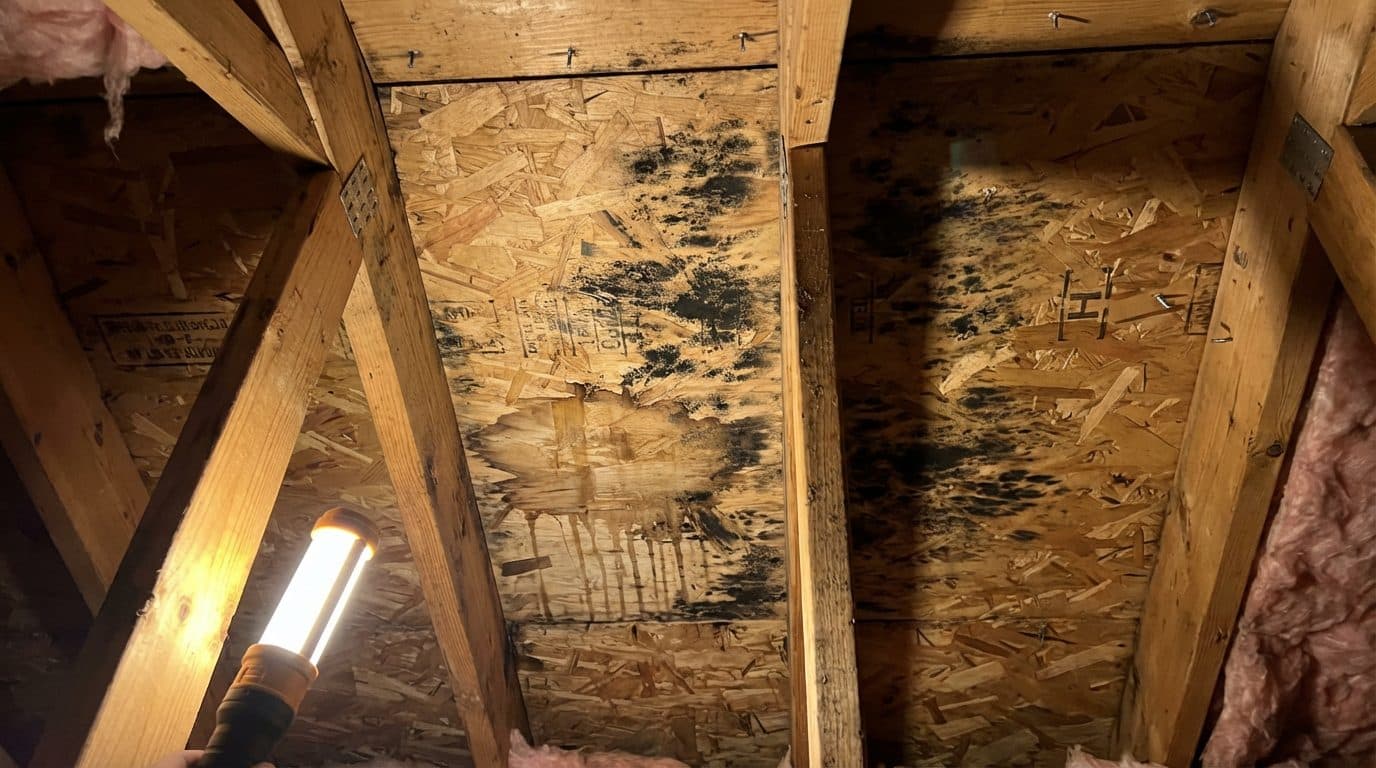
Attic mold remediation for Burlington split-level and raised-ranch stock where bath fans vent into the attic and condensation streaks the sheathing, and for surviving farmstead attics where ice-dam roof failures introduce moisture into insulation. IICRC S520 protocol with controlled demolition of contaminated sheathing when needed.
Basement Mold Cleanup
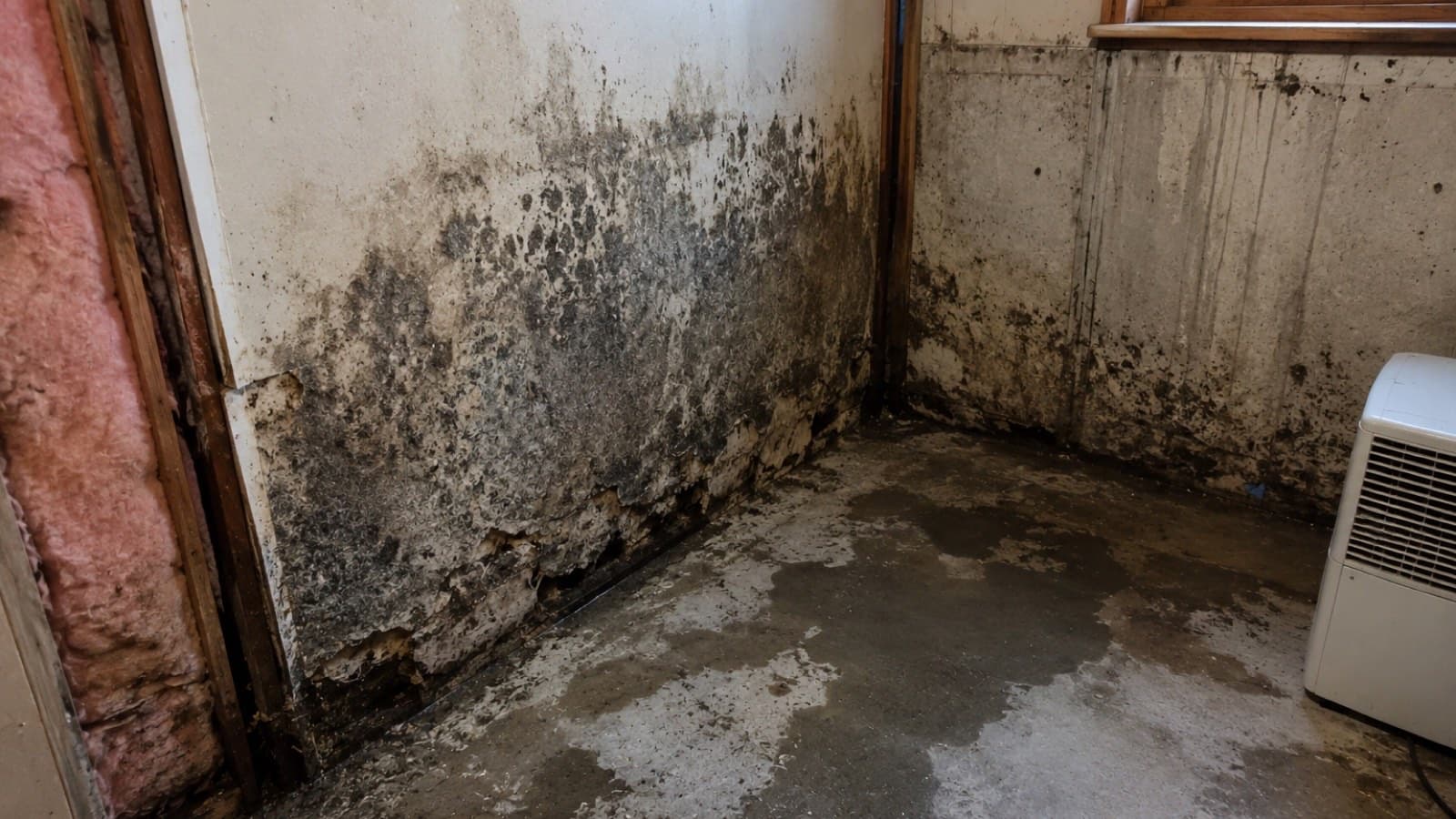
Basement mold remediation for Burlington finished-basement split-levels and Route 4 corridor ranches where sump failures and Salmon Brook watershed seepage introduce Category 3 contamination into drywall, wall framing, and subfloor assemblies. Sealed containment, physical removal of contaminated framing and insulation, EPA-registered antimicrobial, and ACAC clearance before reconstruction.
Bathroom And Kitchen Mold Removal
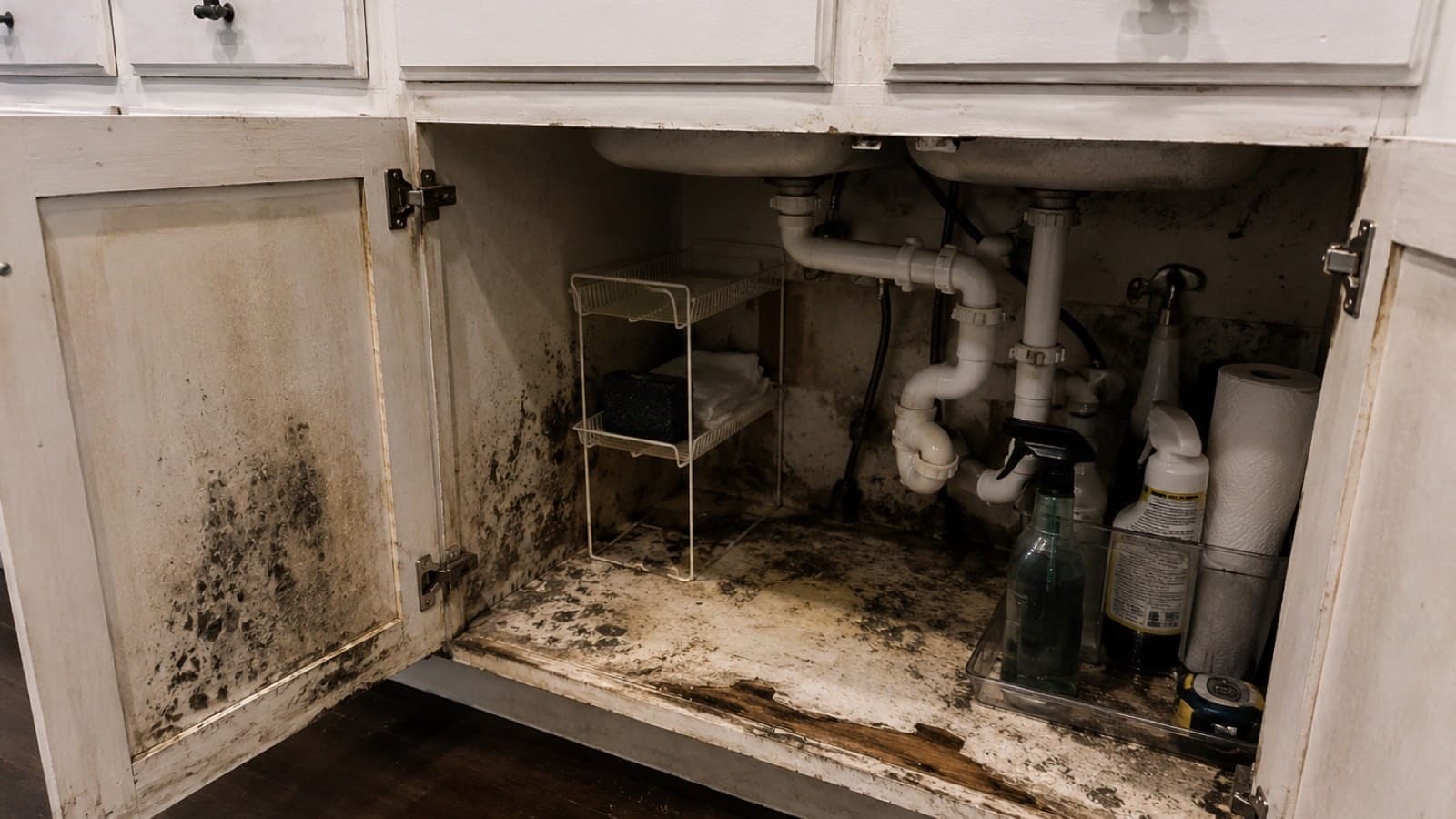
Bathroom and kitchen mold removal for Burlington properties where finished-basement humidity and well-and-septic moisture drive chronic tile grout and cabinet mold growth. IICRC S520 containment, physical removal of contaminated grout and caulk, EPA-registered antimicrobial on tile and substrate, and ACAC clearance.
Crawlspace Mold Remediation
Crawl space mold remediation for Burlington well-and-septic rural lots and surviving farmstead stock where seasonal groundwater and watershed humidity drive persistent joist and subfloor mold colonization. HEPA-filtered cleanup, EPA-registered antimicrobial per IICRC S520, vapor barrier installation, and commercial dehumidifier integration.
Mold Grows Fast In Finished Basements. Every Minute Counts.
Same-Day FLIR Thermal Inspection Across Burlington And The Salmon Brook Watershed.
Green Restoration, Litchfield County in Burlington
Green Restoration, Litchfield County handles mold remediation in Burlington, CT, where older Whigville raised ranches often have bath fans vented straight into the attic, a frequent source of roof-line condensation mold here. Owner-led crews set HEPA containment and remove affected porous materials to IICRC S520 standards, under IICRC Certified Firm #70236106. Call (860) 222-9498.
Why Choose Us In Burlington
Owner-led mold remediation under our owner (IICRC AMRT and WRT certified), with same-day FLIR inspection, ACAC clearance testing, and hospital-grade containment across Burlington and the Salmon Brook watershed.
Same-Day FLIR Mold Inspection
IICRC S520 certified inspectors arrive same day across the Salmon Brook watershed with FLIR thermal imaging, moisture meters, and ACAC air sampling kits.
Finished-Basement Containment Specialists
Sealed sheeting, negative air pressure, and HEPA scrubbers isolate finished basements and mortarless fieldstone cellars in Burlington post-war and historic stock so spores never migrate into upper floors.
Owner-Operated Local Crew
Every Burlington mold job is personally overseen by our owner, IICRC AMRT and WRT certified, from Salmon Brook watershed seepage through surviving farmstead fieldstone cellars.
ACAC-Verified Clearance And Insurance Billing
Third-party ACAC air sampling confirms spore counts at or below outdoor baseline, with direct insurance billing under HIC.0668405 before you re-occupy.
What Untreated Mold Costs Your Burlington Home
Most Burlington homeowners don't notice mold until a musty finished basement, a damp slab edge, or a fieldstone-foundation stain forces the issue. Salmon Brook watershed seepage, finished-basement cavities, and well-and-septic moisture make it compound fast across the Route 4 corridor.
Salmon Brook Watershed Seepage
Whigville And Route 4 Corridor Most At Risk
Burlington parcels near Salmon Brook and Whigville Brook sit mostly outside the mapped high-risk floodplain, but the wooded uplands drain fast through Sessions Woods after tropical rainfall and snowmelt. Storm rises push groundwater against finished-basement walls and slab edges, and spores colonize damp drywall within 48 hours of contact.
Finished Basements Trap Moisture
Post-War Slab And Split-Level Stock
Burlington 1950s through 1970s ranches, raised ranches, and split-levels carry finished basement living space over slab and shallow poured foundations. Carpet pad, paneling, and lower drywall courses hold water in the wall cavity, so mold grows behind the finished surface long before any stain reaches the room.
Surviving Farmstead Fieldstone Humidity
Whigville And Town Center Historic Stock
Scattered 18th and 19th century farmsteads through Whigville and the town center rest on mortarless fieldstone foundations that wick groundwater through the rubble cavity. Surface drying never reaches the stone interior, so mold grows on the back face of sill plates and joists before any sign shows upstairs.
Well-And-Septic Sump Reliance
Rural Lots Without Public Sewer
Burlington runs almost entirely on private wells and septic with no public sewer, so groundwater control falls to sump pumps across the rural lots off Route 69 and George Washington Turnpike. A float-switch failure or grid outage leaves standing groundwater in basements and crawl spaces, feeding mold colonization with no municipal backup.
Ice-Dam And Attic-Cavity Moisture
Wooded Hill Lots And Older Roof Lines
Burlington sits in the Litchfield Hills snowbelt, where ice dams build on the steeper roofs around Johnnycake Mountain and Punch Brook. Meltwater backs up under the shingles into attic and wall cavities, and wood-stove heat in tight post-war envelopes then drives that moisture into insulation, where mold colonizes the framing unseen.
CT Disclosure Required On Resale
CT Law Protects Buyers, Not Sellers
Connecticut residential property disclosure law requires mold history reporting on every sale. Professional remediation with ACAC-certified clearance documentation protects your Burlington listing value, whether you are selling a Route 4 corridor split-level, a Whigville raised ranch, or a surviving town-center farmstead.
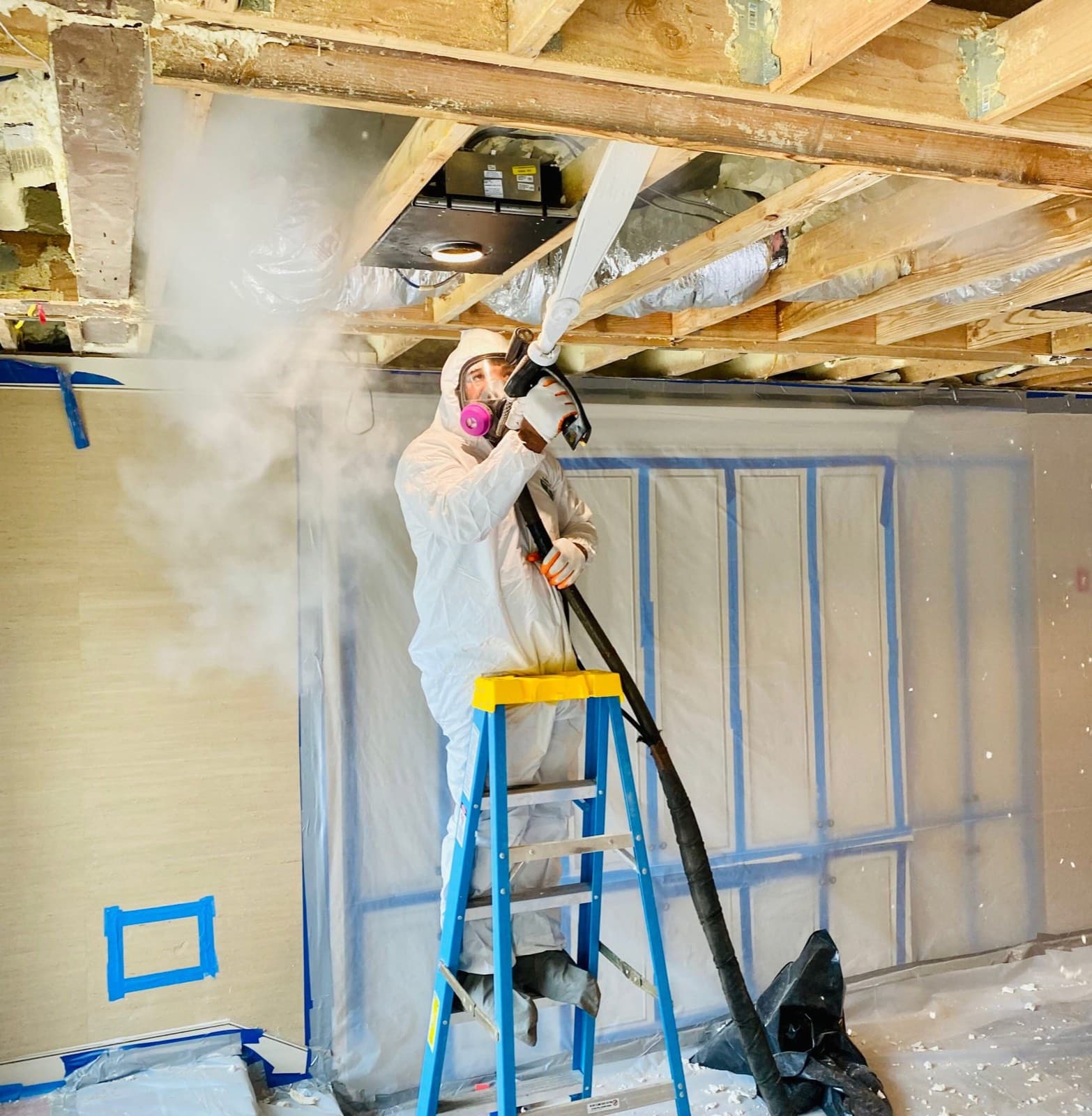
Why Burlington Properties Need Professional Mold Remediation
Burlington's Salmon Brook watershed seepage, finished-basement cavities, and surviving fieldstone-foundation farmsteads create mold conditions surface cleaning cannot solve. Hospital-grade containment with lab-verified clearance is the only durable fix.
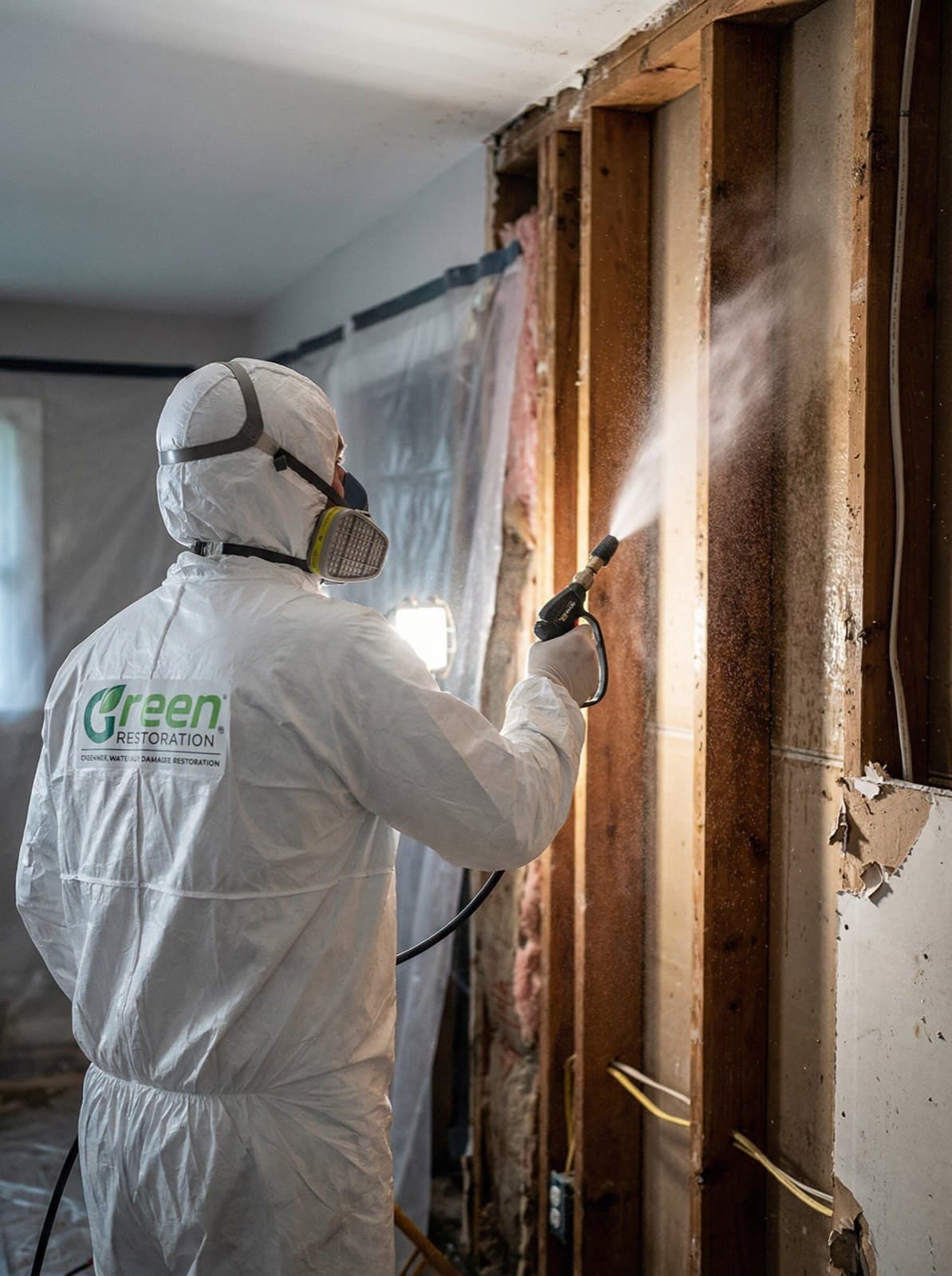
IICRC S520, AMRT, And WRT Certified Burlington Crews
Every Green Restoration mold crew is IICRC S520 certified with hospital-grade containment, and our owner carries IICRC AMRT and WRT credentials. We have remediated Salmon Brook watershed finished basements, Whigville fieldstone-cellar farmsteads, and Route 4 corridor split-level crawl spaces.
Same-Day Inspection Across The Salmon Brook Watershed
A technician is on site in Burlington the same day you call, whether you are in Whigville, the town center, Sessions Woods, or the Route 4 corridor. We bring FLIR thermal imaging, moisture meters, and ACAC-certified air sampling on the first visit so scope is documented before any pricing conversation.
Moisture Source Corrected, Not Just Covered
In Burlington finished basements and surviving fieldstone-foundation farmsteads, we coordinate directly with roofers, plumbers, HVAC contractors, and waterproofing crews to address the moisture source before enclosure. Sealing mold over wet drywall or mortarless stone without fixing the source guarantees recurrence.
Lab-Verified Clearance You Can Hand Your Adjuster
Every Burlington mold job closes with third-party ACAC air sampling and written clearance at or below outdoor baseline. The file we deliver includes scope, containment photos, lab reports, and the IICRC-standard documentation that State Farm, Travelers, Liberty Mutual, USAA, Allstate, and Chubb work with for a clean approval.
What To Do While Waiting For The Burlington Mold Crew
Mold spreads through finished-basement cavities and old timber framing faster than open-frame spaces. These IICRC-aligned steps reduce scope before our crew arrives.
What To Do Immediately
Keep doors shut to mold-affected rooms to limit spore dispersal through Burlington finished-basement and timber-frame cavities into adjacent spaces.
Turn off water supply at the source valve. For Salmon Brook watershed basement seepage, do not attempt to pump without professional PPE.
HVAC systems and box fans spread spores through finished-basement cavities and ductwork across the whole house in Burlington split-levels and ranches.
Wide and close-up photos before any crew touches the mold. Pre-remediation documentation is required for insurance files on watershed-exposed properties.
Same-day FLIR thermal inspection across Burlington. Every minute of delay grows the saturation extent in finished-basement and fieldstone-cellar cavities.
Keep children and immunocompromised individuals out of any room with visible mold growth until IICRC S520 containment is established.
What NOT To Do
Bleach kills surface growth but leaves spores inside finished-basement and fieldstone-cellar cavities where they continue to colonize and spread.
Disturbing growth releases spores. A single sanding session can contaminate an entire Burlington home through finished-basement and framing cavities.
Burlington rural lots without public sewer have elevated crawl-space and basement humidity that re-colonizes cleaned surfaces without proper vapor barrier and dehumidifier installation.
Paint does not kill mold. Stachybotrys painted over in watershed-seepage basement walls continues to grow behind the paint film over time.
Contents moved from mold-affected areas should be inventoried before removal. Insurance carriers require a contents list before disposal decisions.
Pressure changes spread spores from the containment zone through building cavities. Keep windows in adjacent rooms closed.
The Mold We See Most in Burlington
These are the mold problems we remediate most often, every job run to the IICRC S520 standard, contained with HEPA negative air, and cleared by independent ACAC air testing.
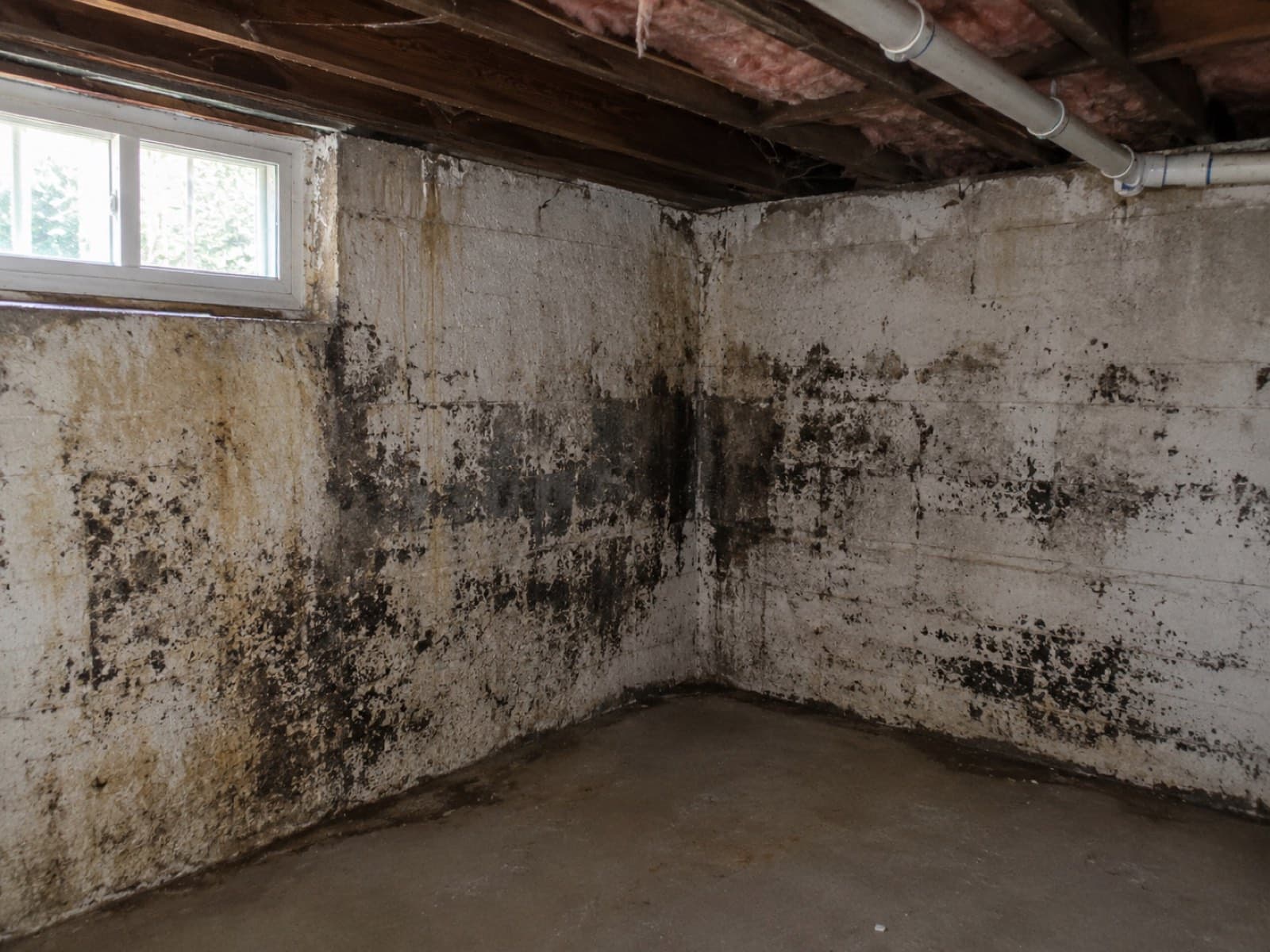
Basement Wall Mold, Fully Removed
In Burlington, finished-basement split-levels along the Route 4 corridor and Salmon Brook watershed seepage make basement and wall-cavity mold our most common call.
Chronic humidity, a sump failure, or seepage through the slab edge and foundation wall keeps a basement damp enough for mold to spread across concrete, framing, and stored belongings. On finished basements the same moisture colonizes the back of drywall and the wall cavity long before any stain reaches the room.
Our crews set sealed containment with negative air pressure and HEPA-filtered air scrubbers, then remove or HEPA-clean the affected materials and treat the foundation wall and framing with an EPA-registered antimicrobial per IICRC S520. The moisture source, seepage, a failed sump, or high humidity, is corrected and dehumidification is set before anything is closed back up.
Third-party ACAC air sampling confirms spore counts at or below the outdoor baseline before reconstruction begins. Every scope line, containment photo, and lab report is documented for your insurer so the claim moves on evidence.
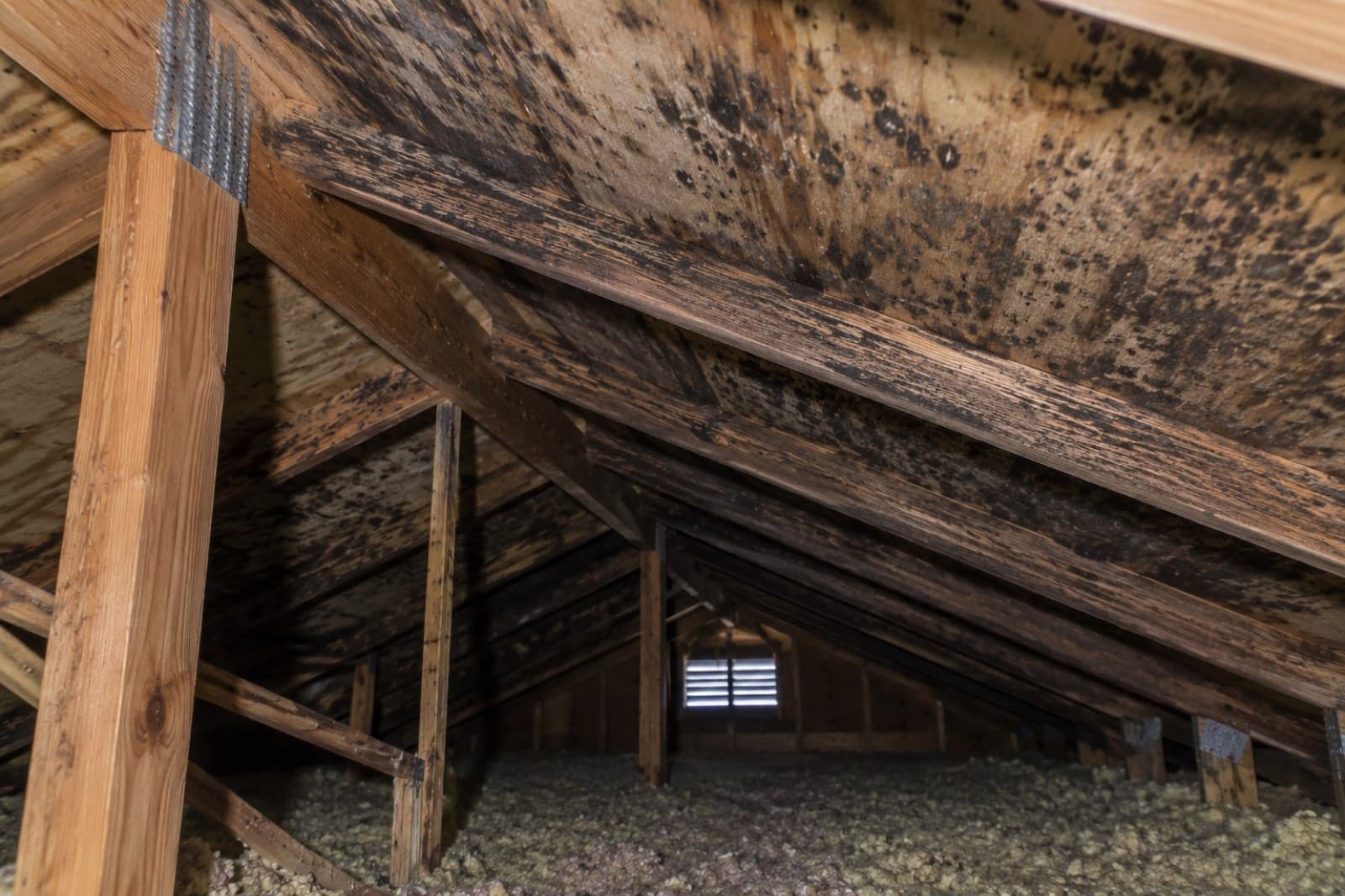
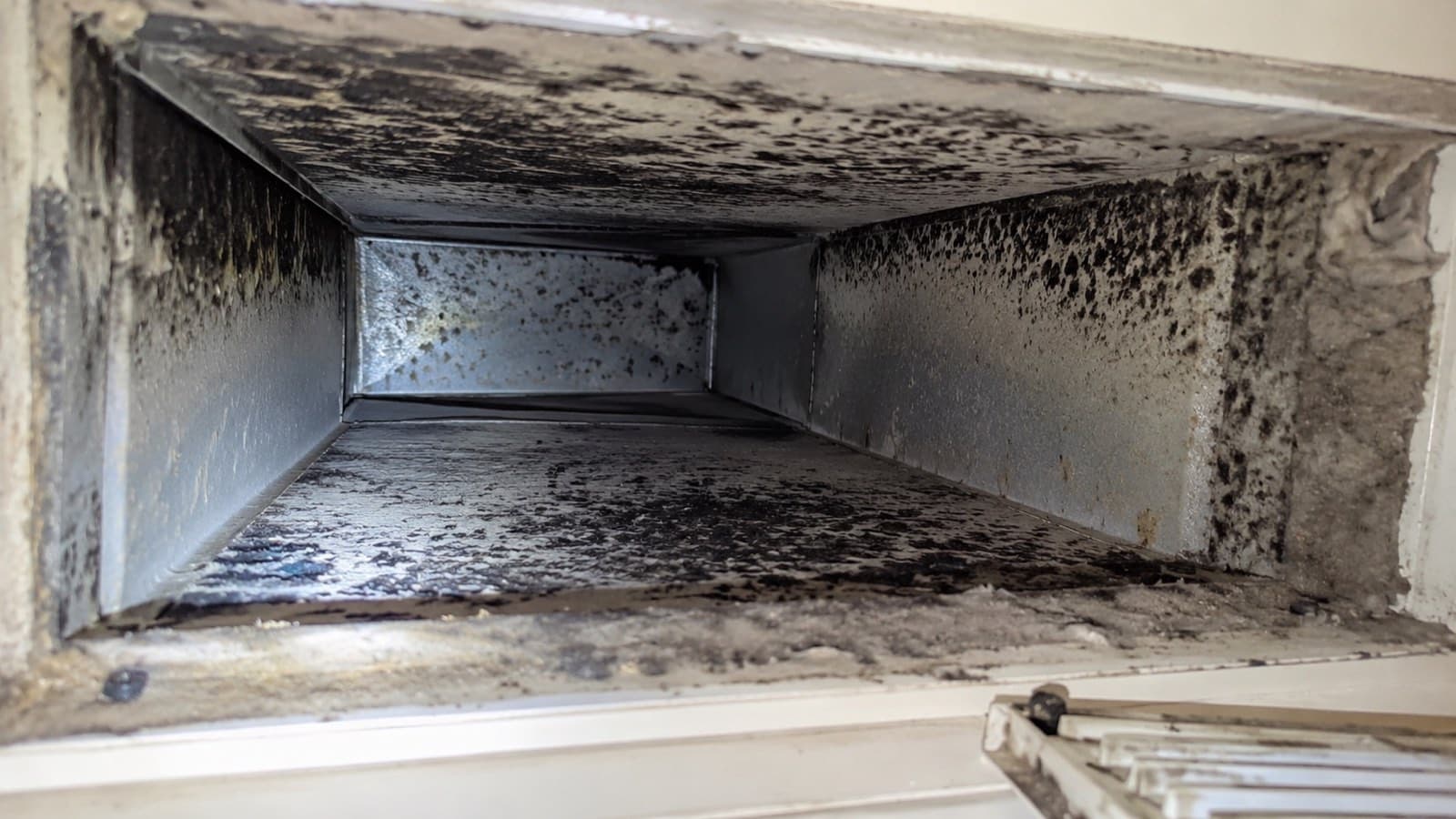
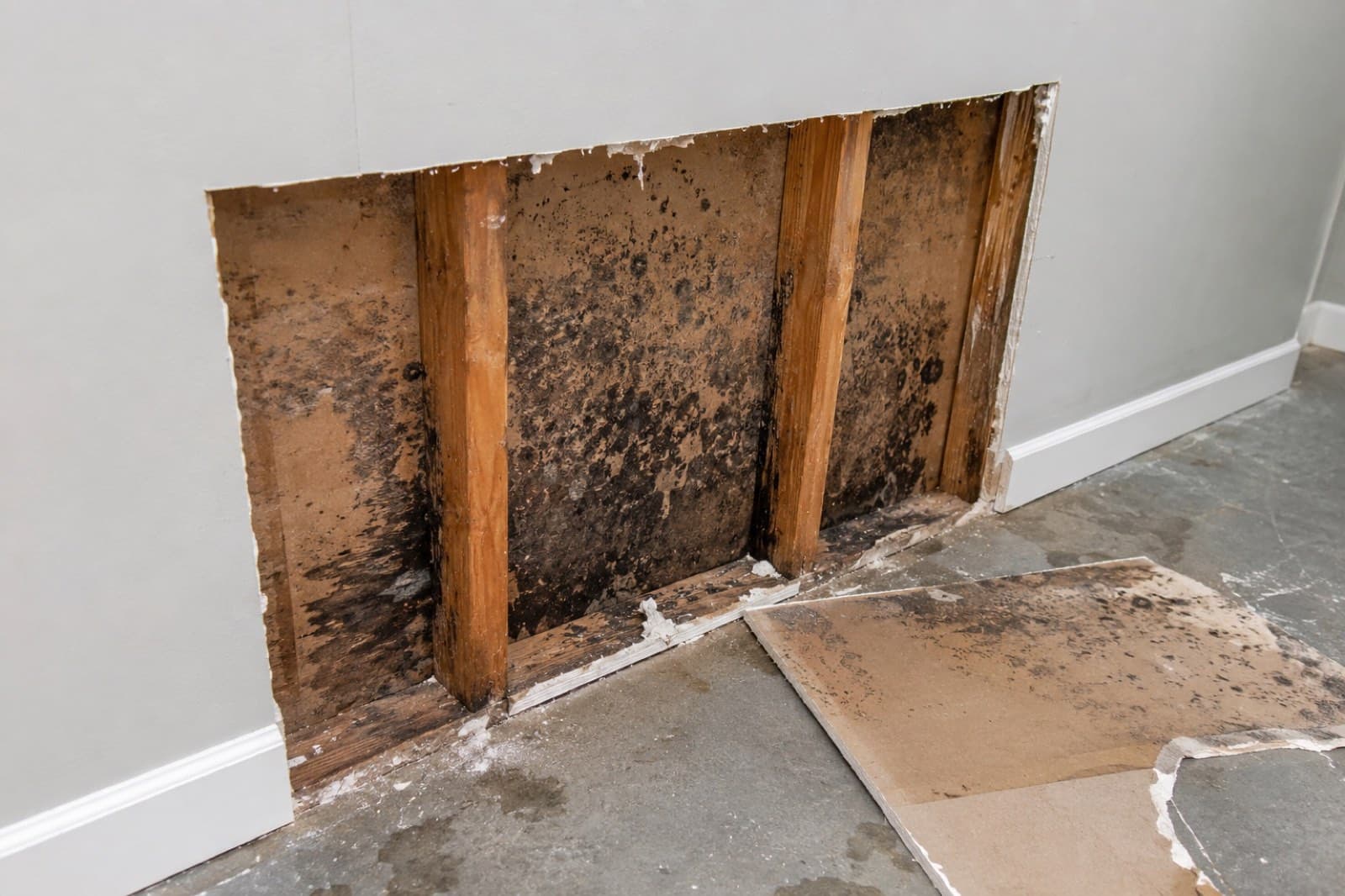
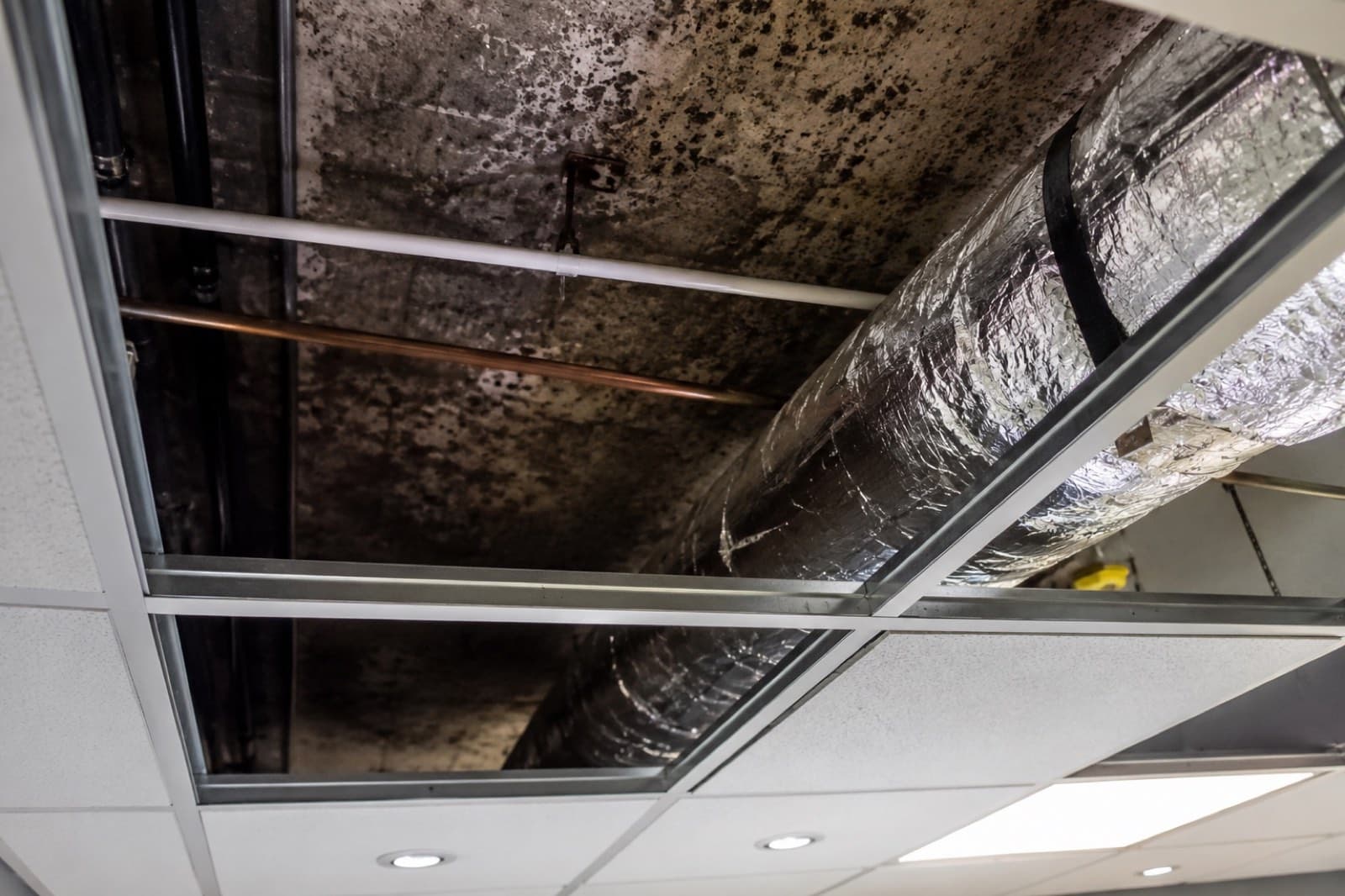
Scenario 1 of 5: Basement & Wall Mold
Our Mold Remediation Process In Burlington, CT
From the first call to final walkthrough, every step is documented, insured, and owner-supervised.
Mold Remediation Coverage In Burlington, CT
Full service mold inspection, containment, remediation, and lab-verified clearance testing for Burlington homes and businesses. Same-day inspection response across the Salmon Brook watershed and Litchfield Hills.
Green Restoration provides IICRC S520 certified mold remediation in Burlington, CT, serving Whigville, the town center, Sessions Woods, and the Route 4 corridor. Our certified technicians arrive same day with FLIR thermal imaging, moisture meters, and ACAC-certified air sampling kits. We specialize in finished-basement mold and surviving farmstead fieldstone-cellar remediation unique to Burlington post-war and historic housing stock.
As a service-area business led by our owner across the Litchfield Hills and Salmon Brook watershed, our crews know the specific mold conditions Burlington properties face: watershed seepage into finished basements, mortarless fieldstone vertical moisture migration, and well-and-septic crawl-space humidity. We coordinate directly with adjusters from Liberty Mutual, State Farm, Travelers, Allstate, USAA, Chubb, and all other major carriers.
Active Mold Exposure In Burlington?
Same-day inspection dispatch, 24/7/365.
(860) 222-9498IICRC S520 · Licensed & Insured · All Insurance Accepted
All Towns Served By Green Restoration Of Litchfield County For IICRC S520 Mold Inspection And Remediation.
Same-Day Mold Inspection In Burlington, CT
IICRC S520 crews dispatch across the Salmon Brook watershed same day, from finished-basement split-levels through surviving farmstead fieldstone cellars, supervised under our owner, IICRC AMRT and WRT credentials. Green Restoration is not a licensed public adjuster and does not negotiate claims on your behalf.
Burlington ZIP 06013 anchors a dedicated local mold remediation dispatch zone served by our nearest IICRC S520 office. Same-day inspection covers Whigville, Burlington Center, Sessions Woods, the Route 4 corridor, George Washington Turnpike, and the Nepaug River edge, reaching every property class within the mailing perimeter.
Post-war suburban stock from the 1950s through 1970s brings slab and split-level homes with finished basements, plus scattered 18th and 19th century farmsteads on mortarless fieldstone. Each assembly holds moisture differently, so every job requires its own IICRC S520 containment geometry, drying strategy, and clearance protocol.
Mold risk in Burlington tracks the Salmon Brook and Whigville Brook watershed through Sessions Woods. Our FLIR thermal protocol is calibrated to detect freshwater seepage saturation in finished-basement cavities, the hidden moisture paths that drive most recurrence when source correction stays incomplete on a property.
Burlington sits in the Farmington River valley near Sessions Woods and Nassahegon State Forest, where Salmon Brook drainage and septic lots hold moisture in crawl spaces and basements. That sustained humidity drives mold, so we set containment, apply antimicrobial treatment, and confirm spore levels through post-remediation lab clearance.
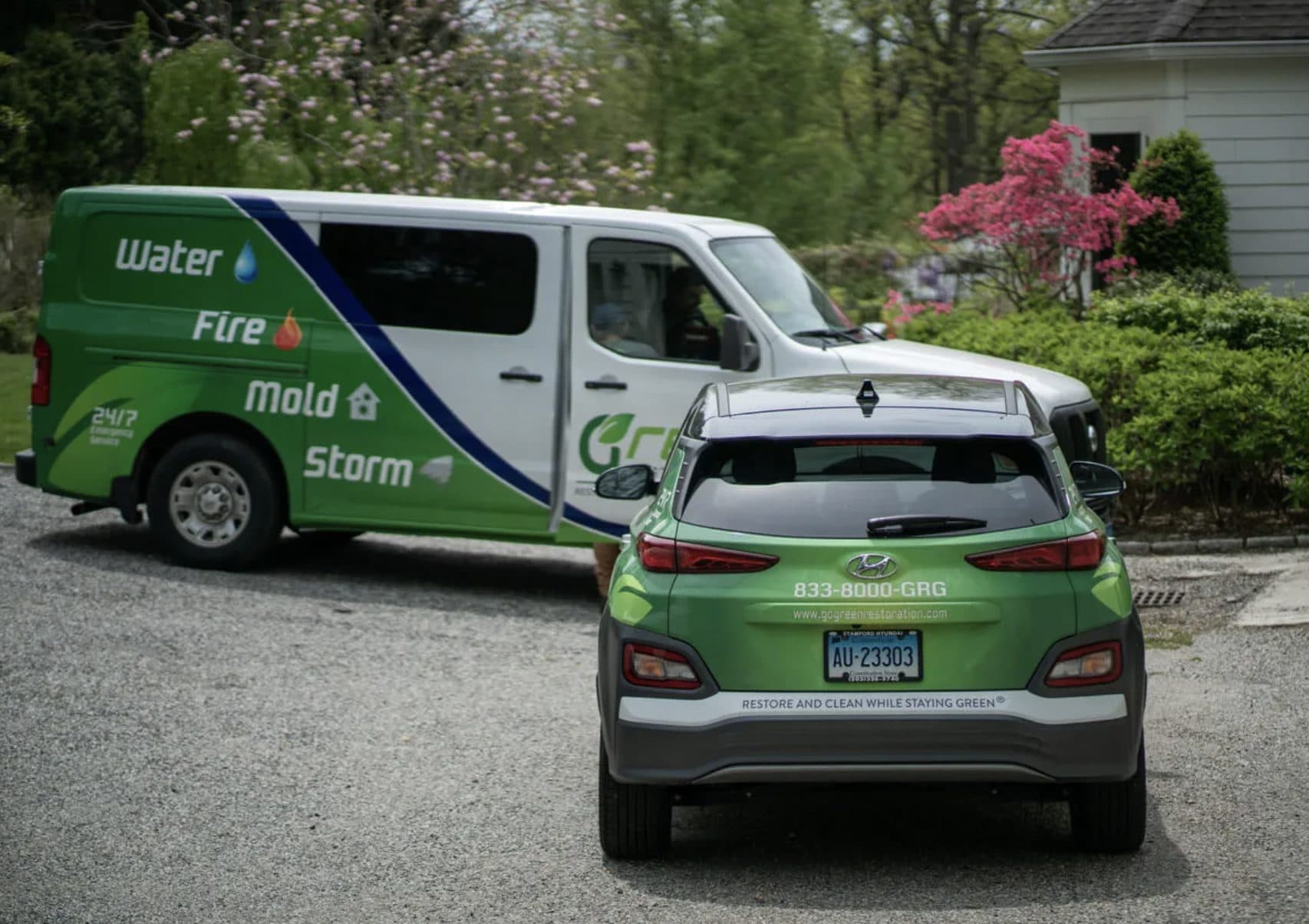
About Green Restoration In Burlington, CT
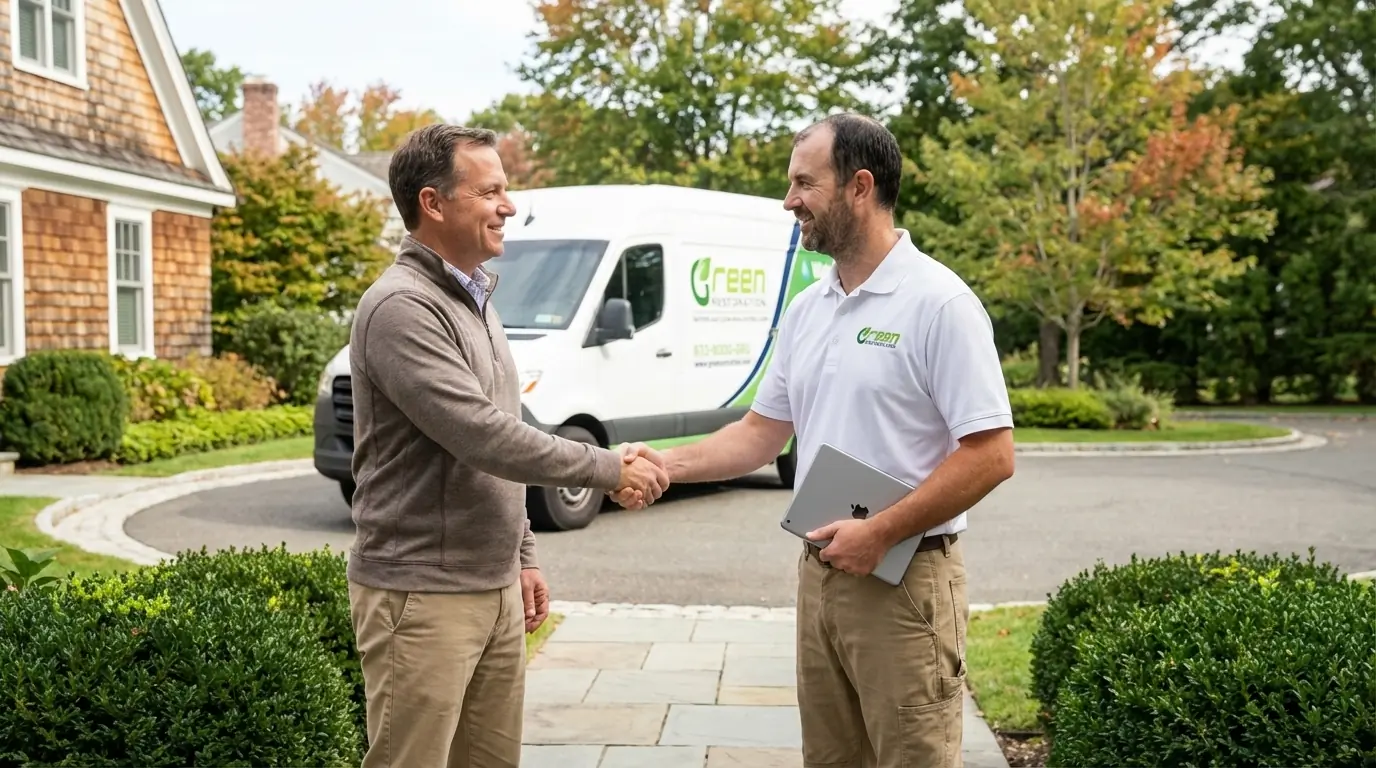
Your Burlington Mold Remediation Specialists Since 2014
Green Restoration provides IICRC S520 certified mold inspection, containment, remediation, and lab-verified clearance testing in Burlington, CT, owner-operated with IICRC AMRT and WRT certified leadership. We specialize in FLIR thermal mapping of finished-basement saturation, mortarless stone cavity remediation, and Salmon Brook watershed flood-seepage mold response.

“As the local co-owner covering Burlington and the Salmon Brook watershed, I bring 15 years of IICRC AMRT and WRT certified restoration experience to every property from Whigville to the Nepaug River edge. The finished basements and surviving mortarless fieldstone foundations in Burlington homes require a different remediation sequence than modern poured walls, and every project gets my direct oversight, FLIR thermal mapping, and ACAC clearance sampling.”
Trusted by Families in Burlington &
Litchfield County
4.9 out of 5, Rated by your neighbors on Google
We discovered mold when removing our pellet stove and called Green Restoration for help. David was very communicative and helpful throughout the entire process. He did the job thoroughly and professionally. Highly recommended!
David Woolner
Mold RemediationI had a fantastic experience with Green Restoration. From start to finish, the team was professional, thorough, and extremely knowledgeable. David came for the initial inspection and took the time to explain the entire process.
Annmarie Gieparda
Mold RemediationWe had mold due to a water leak in our half finished basement. David and his crew did a great job, we were very satisfied. I would highly recommend Green Restoration to anyone.
Tanya
Water DamageI needed my entire condo completely cleaned after a soot blow back. Green Restoration was top shelf! So thorough and professional. Thank you so much!
Jacki Hornish
Fire & Soot CleanupHow Much Does Mold Remediation Cost In Burlington, CT?
Most basement and crawl claims settle $3,000 to $8,000. Finished-basement and surviving-farmstead scopes trend higher due to extended cavity drying.
Small Project, Single Area
$1,500 to $4,500
Bathroom wall, window frame, attic patch, isolated growth
Medium Project, Basement / Crawl
$3,000 to $8,000
Finished-basement cavity section, slab edge, crawl-space remediation
Large Project, Multi-Floor Home
$8,000 to $25,000+
Whole-home Stachybotrys, watershed seepage, HVAC decontamination
Priced by scope under IICRC S520. Read the full mold cost guide.
Burlington CT Mold Remediation FAQs
Same-day mold inspection across Burlington and the Salmon Brook watershed, 24/7. Our crews dispatch with FLIR thermal imaging, moisture meters, and ACAC-certified air sampling so scope is documented from the first visit, whether you are in Whigville, the town center, near Sessions Woods, or on the Route 4 corridor. Call (860) 222-9498 any time, day or night.
Mold remediation in Burlington typically ranges from $1,500 to $4,500 for single-area cleanup, $3,000 to $8,000 for finished-basement, crawl-space, or single-room projects including fieldstone-cellar cavity remediation, and $8,000 to $25,000 or more for whole-home Stachybotrys in watershed-seepage basements or multi-floor remediation. Pricing depends on containment complexity and whether finished-basement cavities or mortarless fieldstone walls require extended drying before clearance.
Most Connecticut homeowner policies cover mold remediation when it results from a covered water loss. Mold from Salmon Brook or Whigville Brook watershed flood saturation typically requires separate NFIP flood coverage. Green Restoration submits to every major carrier with IICRC S520 documentation, ACAC clearance results, and FLIR thermal images. We are not licensed public adjusters and do not negotiate claims on your behalf.
Most Burlington mold remediation projects take 3 to 7 days. Larger projects involving finished-basement cavities or surviving farmstead fieldstone cellars can extend to 10 days because drywall assemblies and mortarless stone hold moisture and require extended cavity drying. Watershed flood-legacy whole-home Stachybotrys remediation can extend to 14 days when structural drying and clearance are included.
Yes. Connecticut allows combined mold assessment and remediation. FLIR thermal imaging maps finished-basement and fieldstone-cellar saturation before any sampling begins. Pre-remediation sampling establishes baseline, post-remediation clearance testing confirms spore counts at or below outdoor baseline, and all lab results are delivered in writing for your file and adjuster.
Very likely in finished-basement split-levels and surviving fieldstone-foundation farmsteads. Finished-basement drywall traps watershed seepage in the wall cavity, and mortarless stone cellars wick groundwater through the rubble cavity, so mold grows behind the finished surface or on the back face of sill plates long before any stain reaches the room. FLIR thermal imaging detects temperature differentials behind finishes, so we can map the full scope with minimal destructive investigation.
Keep the affected area closed off and do not run household fans, window AC units, or the HVAC system, as improper airflow spreads spores through finished-basement cavities and old timber framing into unaffected rooms. Do not bleach or wipe visible growth. Photograph the visible growth for your insurance file.
Green Restoration is IICRC S520 certified and owner-operated with IICRC AMRT and WRT certified leadership. We specialize in finished-basement mold remediation, Salmon Brook watershed flood-seepage thermal mapping, and surviving farmstead fieldstone-cellar mold. Direct insurance billing, same-day inspection, and 24/7 availability at (860) 222-9498.
More Green Restoration Services in Burlington
The same local Green Restoration team covers all of these across Burlington. One number for every emergency and every cleanup.

