Water Damage Restoration in a Norwalk Residence
 1 / 5
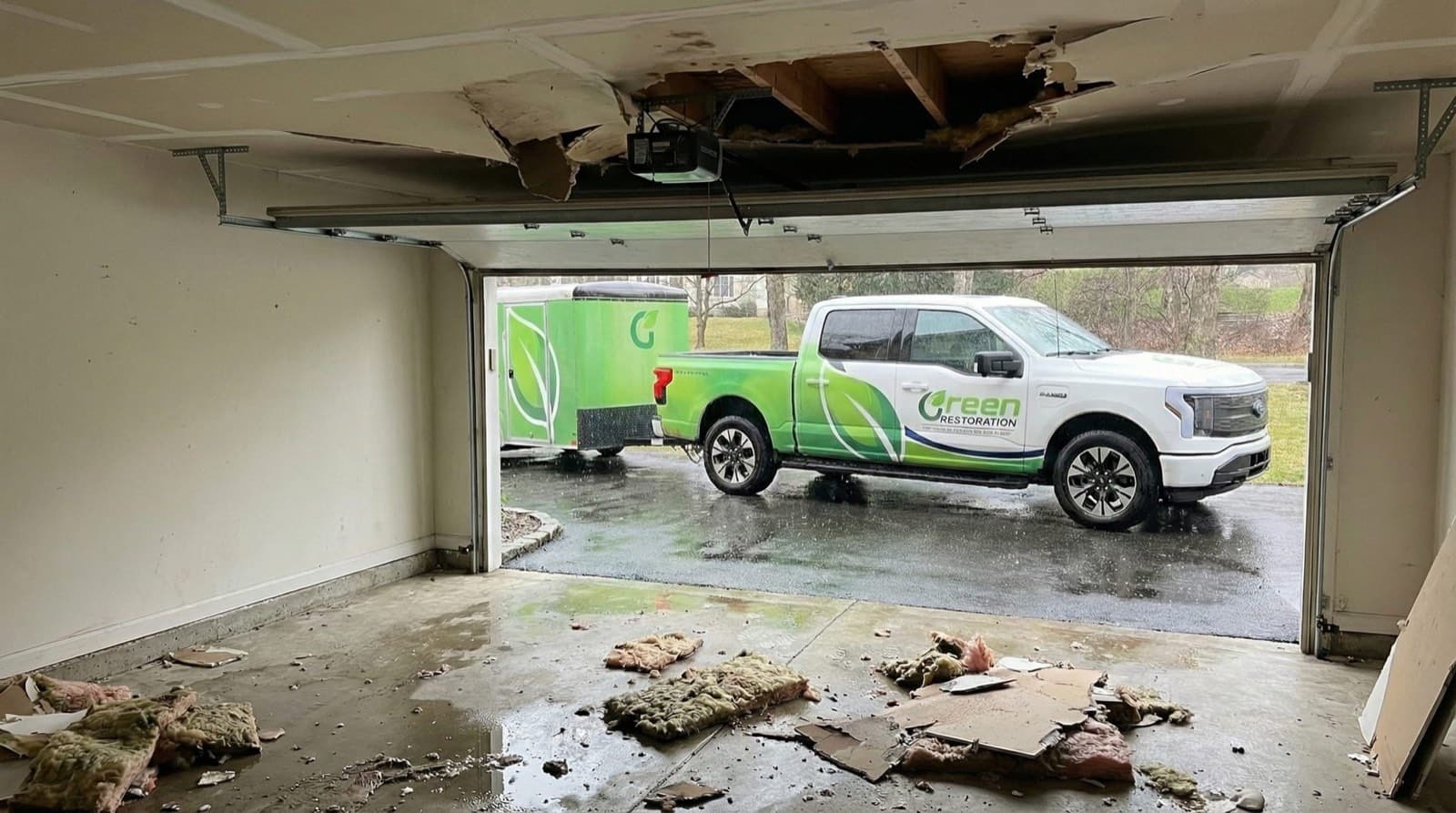
1 / 5Water Damage Restoration project documentation in Norwalk, CT, photo 1
What Happened
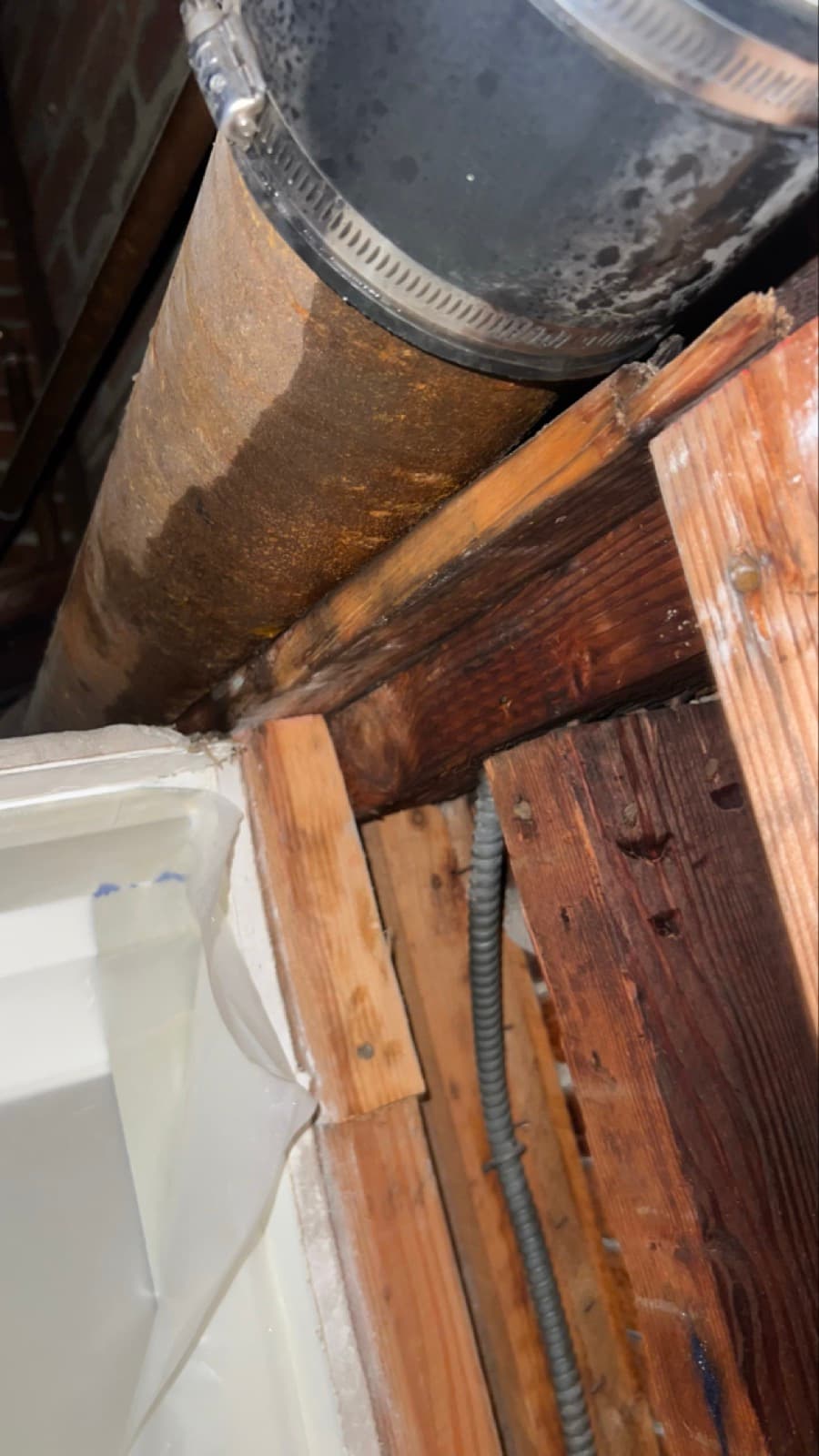
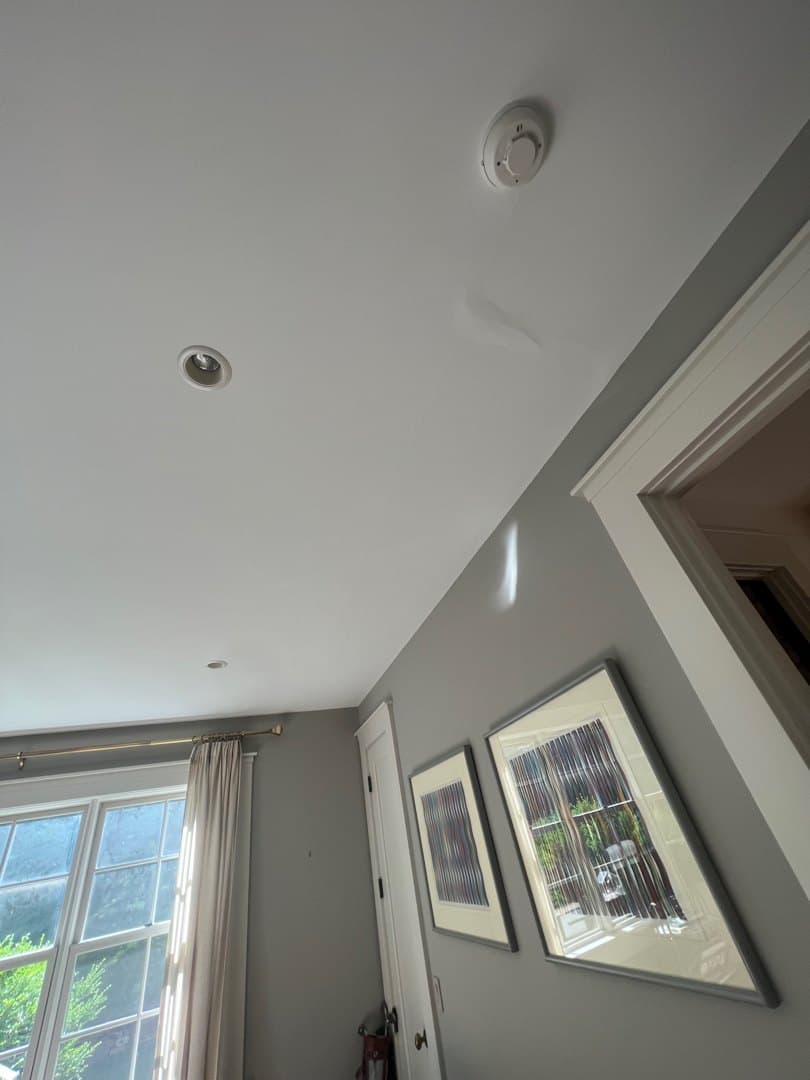
After a run of late-summer storms, a Norwalk homeowner noticed paint bubbling under a window and a damp smell in the room. Thermal imaging and moisture meters traced wind-driven rain entering at failed flashing and tracking down inside the wall assembly. Green Restoration opened the wet section of the wall, dried the cavity and framing per IICRC S500-2021, and coordinated the exterior flashing repair so the assembly would not wet out again.
Scope of Damage
Window Wall Assembly
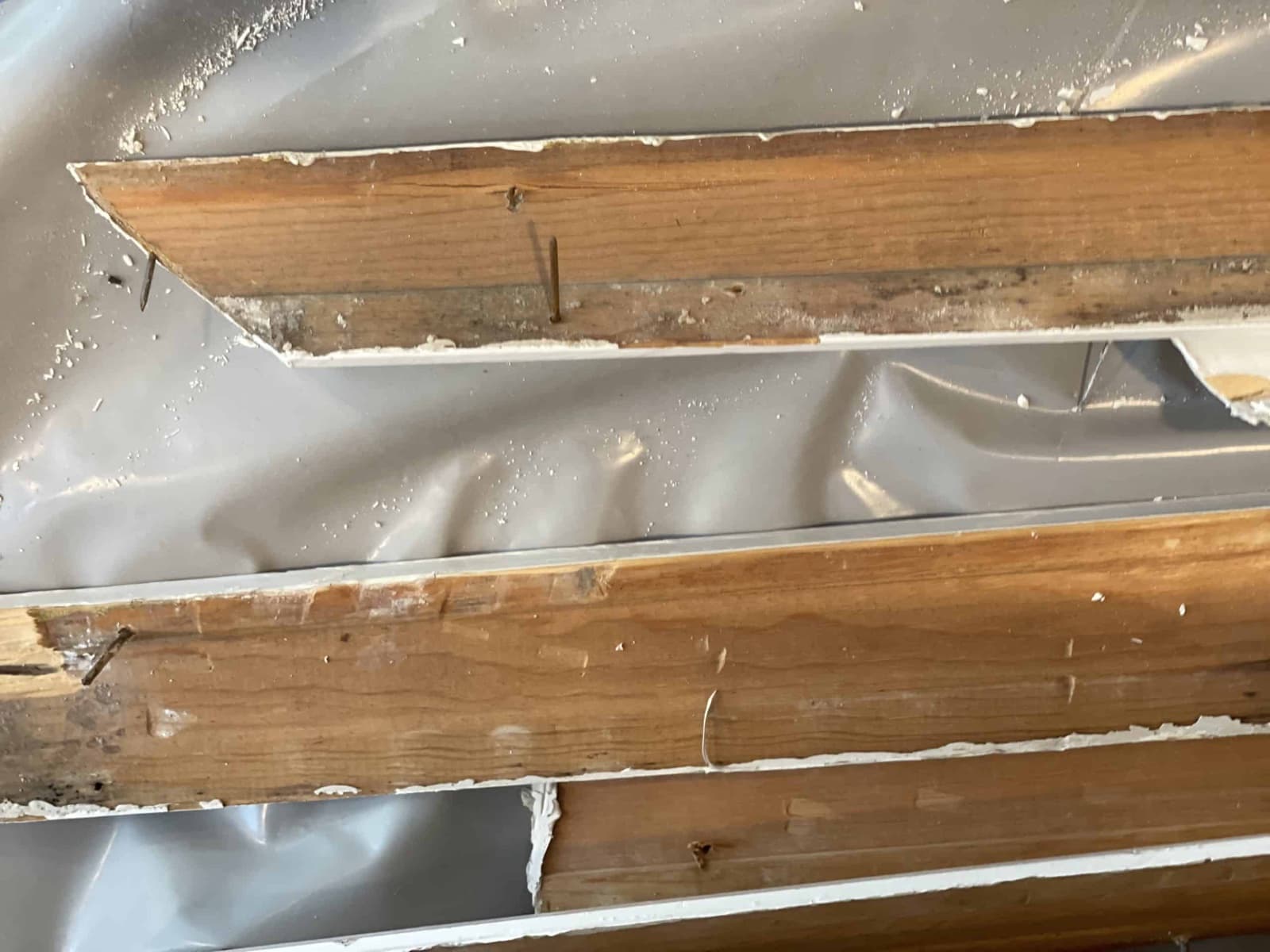
SevereSheathing and insulation wet inside the cavity below the window. Wet section opened, insulation removed.
Interior Finishes
ModerateBubbled paint and softened drywall below the sill. Affected board removed to the first dry stud bay.
Adjacent Wall Sections
LightScanned with thermal imaging and metered. Confirmed dry and left intact.
How We Solved It
- 1
Leak Tracing
Thermal imaging and pin meters mapped the wet footprint from the window down, separating wet framing from dry.
- 2
Targeted Opening
Only the wet section of drywall removed. The rest of the room stayed finished and furnished.
- 3
Cavity Drying
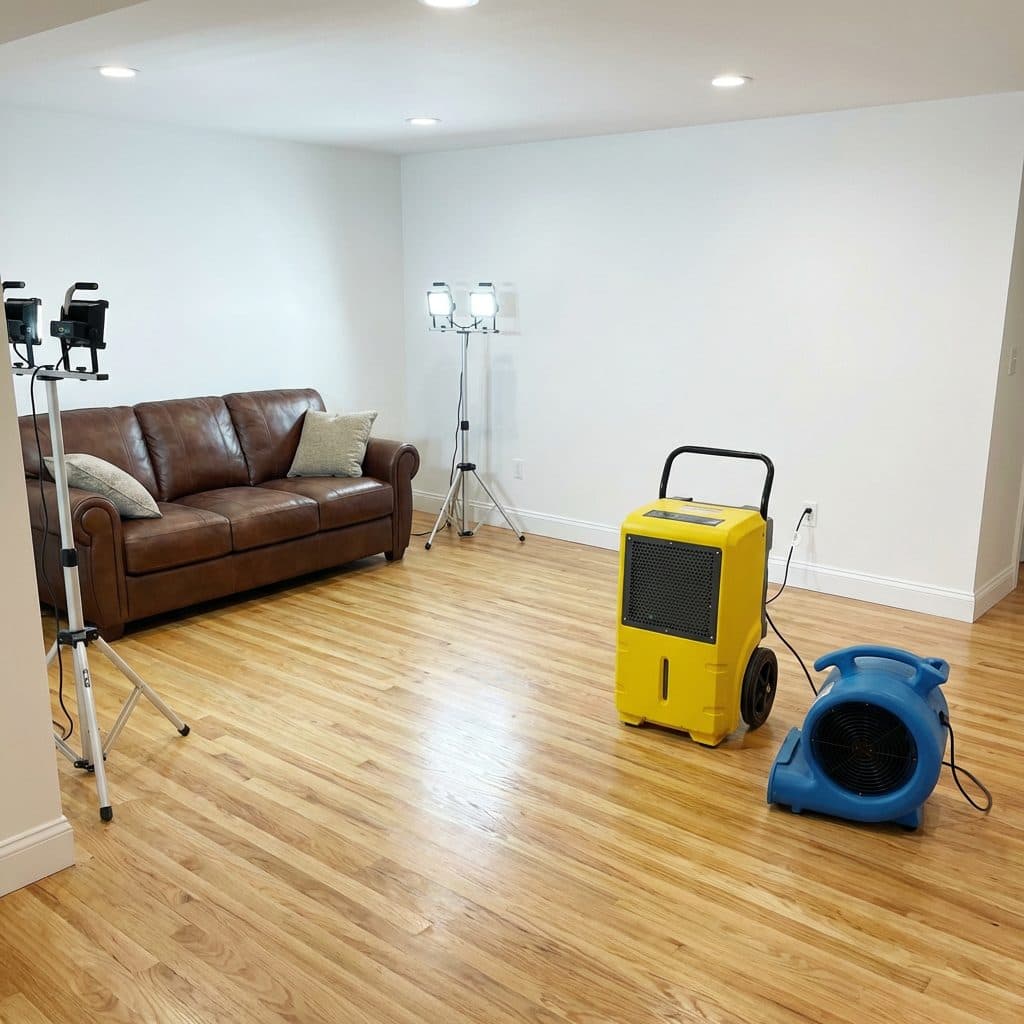
Directed airflow and dehumidification into the open bays until framing and sheathing hit dry standard.
- 4
Source Repair Coordination
Exterior flashing repair scheduled with a contractor before the wall was closed, so the assembly stays dry.
- 5
Verification & Close-Out
Final readings at the same points confirmed baseline. Photos and the moisture map delivered to the homeowner.
Tools & Equipment Used
Questions Homeowners Ask
How do you find hidden water inside a wall?
Thermal imaging shows temperature differences where evaporating moisture cools the surface, and pin or pinless meters confirm actual moisture content. Together they map the wet footprint precisely, which in this Norwalk project kept the demolition to a single wall section instead of the whole room.
Is wind-driven rain damage covered by insurance in Connecticut?
Often, when storm-driven water enters through a point the wind compromised. Gradual seepage through long-failed flashing can be treated as maintenance instead. Cause documentation matters, and we photograph and record what we find. We work with insurance, but Green Restoration is independent and not on any insurer's panel.
How long does an in-wall water loss take to dry?
This assembly dried in four days once the wet section was open. Closed walls dry far more slowly, which is why bubbling paint or a damp smell should trigger an inspection rather than a wait-and-see approach.
Does the whole wall have to come down?
No. When metering defines the wet boundary, only the affected section is opened, typically to the first dry stud bay. This project kept the rest of the room intact and furnished through the entire dry-down.
What does targeted wall drying cost in Norwalk?
Single-wall losses with limited demolition sit at the low end of water mitigation pricing: tracing, a controlled opening, and several days of equipment. The exterior flashing repair is a separate trade. Green Restoration provides a written scope and price after inspection at no cost.
How do you stop wind-driven rain from getting in again?
Fix the entry point, not just the symptom. Flashing, sealant joints, and siding transitions around windows should be inspected every few years, especially on walls that face prevailing storms. We held the wall open until the flashing repair was scheduled so the fix was permanent.
Norwalk is served by
Green Restoration of Fairfield County
Available 24 / 7 for emergency response