Fire Damage Restoration in a Stamford Residence
 1 / 5
1 / 5Fire Damage Restoration project documentation in Stamford, CT, photo 1
See How the Work Was Done
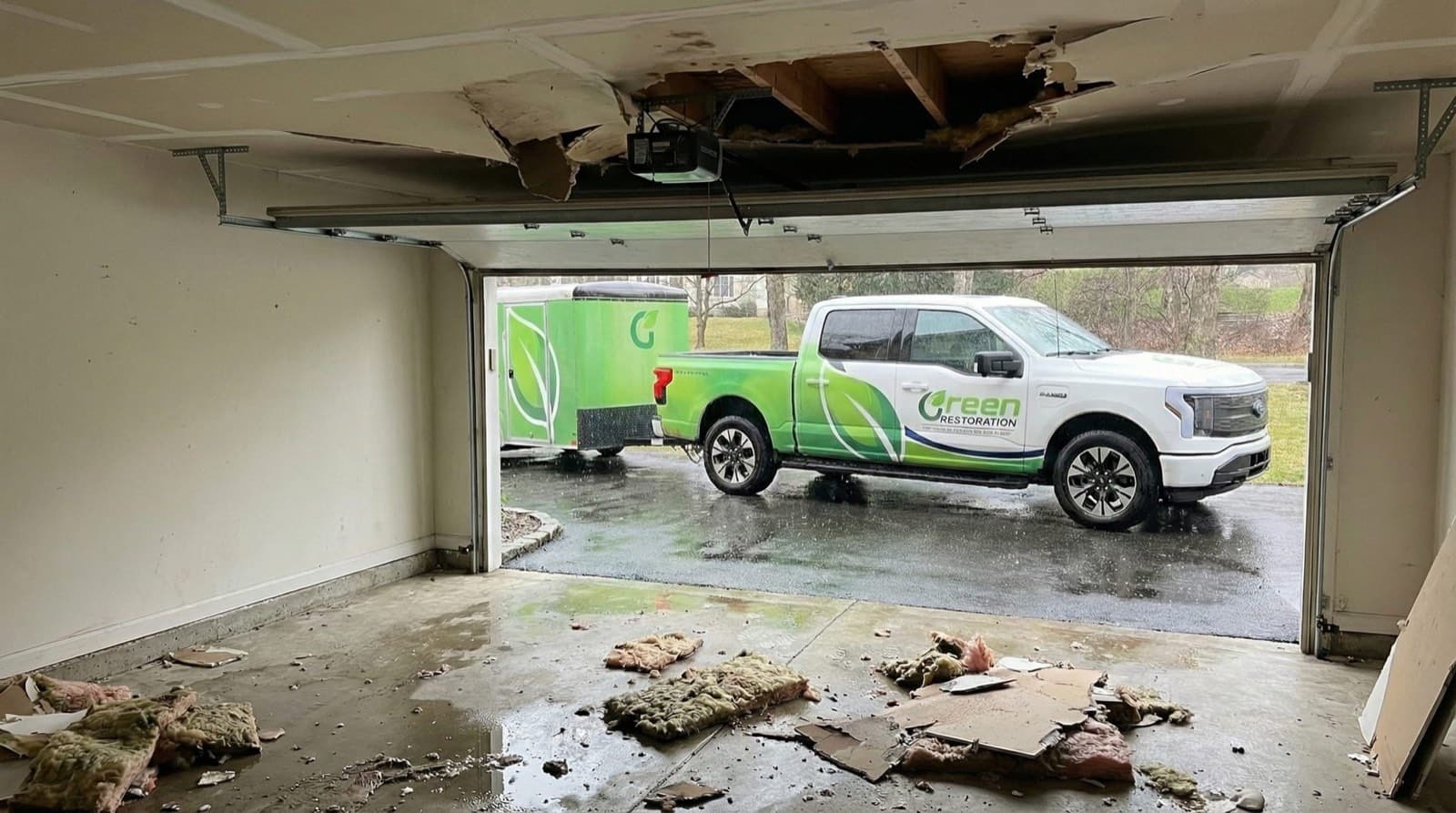
Real photos from this Stamford project: contents photo inventoried and packed out, char removed, three stage soot cleaning, NADCA HVAC clean, and hydroxyl deodorization.
They took the fear out of it. Our things came back clean and the smoke smell is gone.
What Happened
A Stamford, CT property sustained fire and smoke damage requiring full restoration. Green Restoration arrived on-site, contained the affected zone, and began contents pack-out and structural cleaning following IICRC fire and smoke restoration practice, with deodorization staged after source-removal cleaning.
Scope of Damage
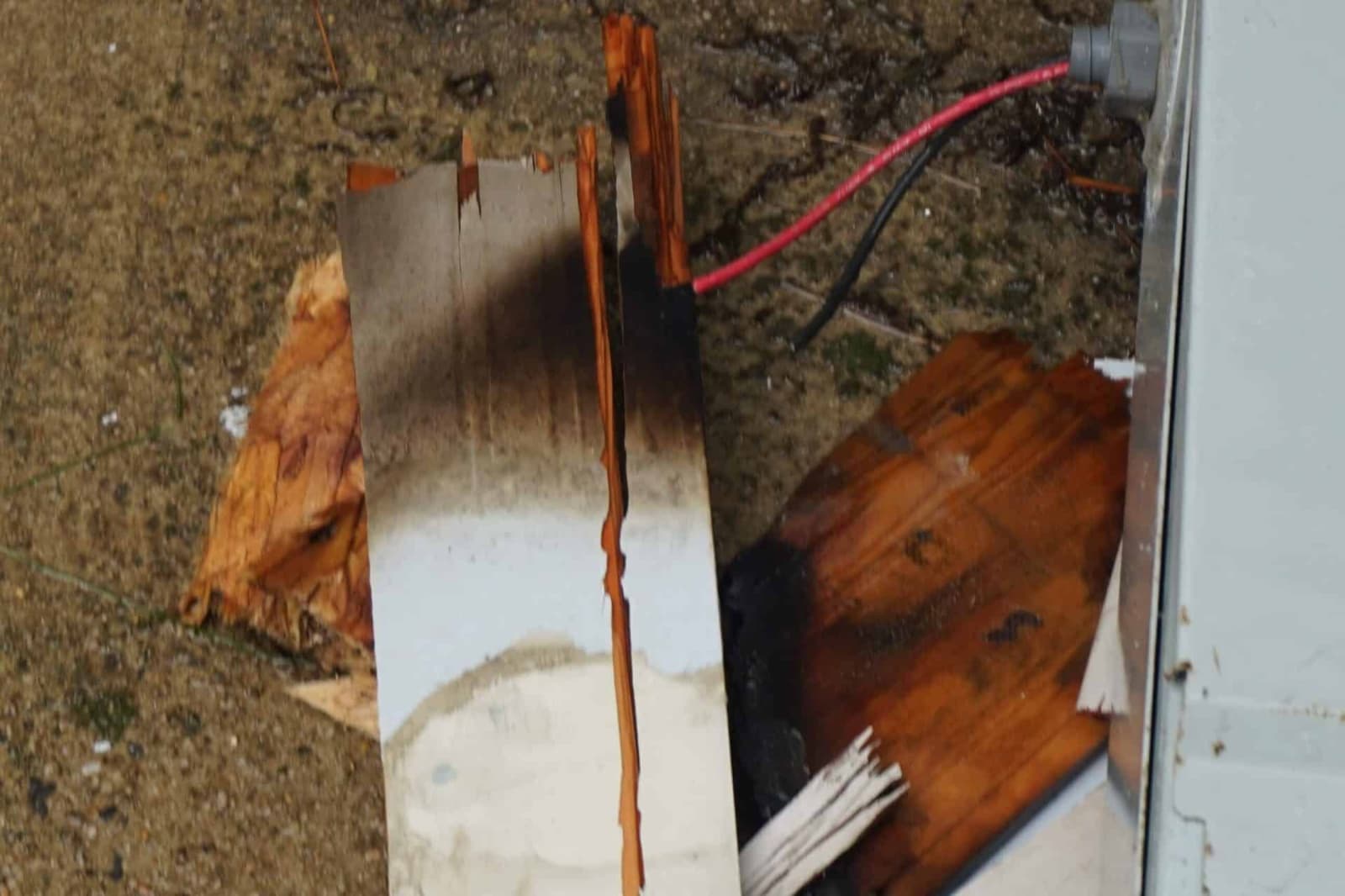
Primary Burn Area
SevereDirect fire damage to structural framing and finishes. Char removal, soda blasting, and sealing of affected substrates.
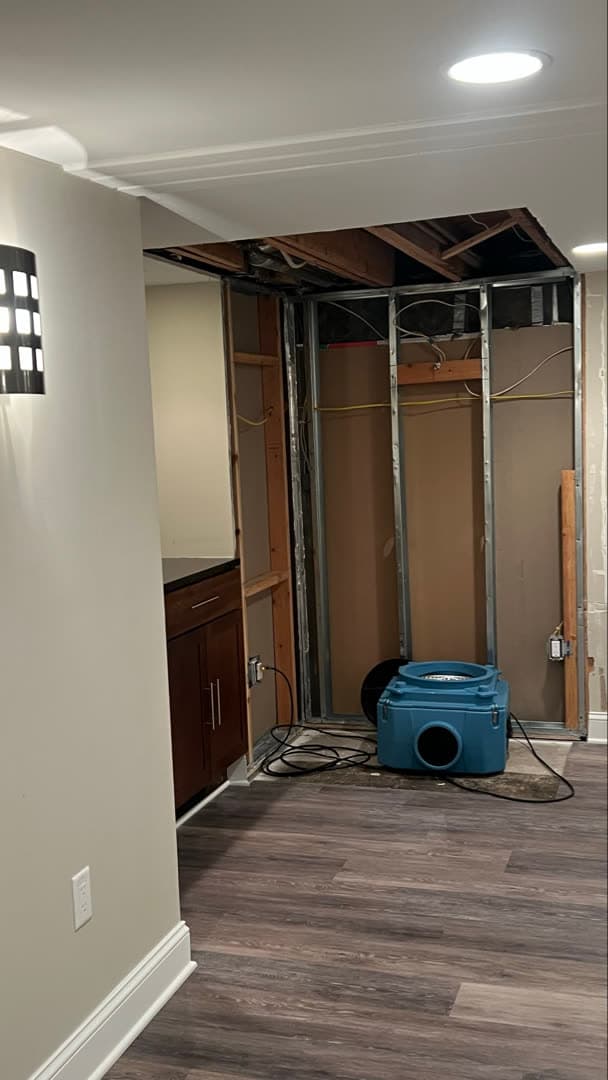
Smoke-Affected Spaces
ModerateSoot residue throughout HVAC and adjacent rooms. Three-stage cleaning: dry chem-sponge, degrease, final wet wipe.
Contents
ModerateAffected contents inventoried photo-by-photo and packed out to climate-controlled facility for off-site cleaning and odor treatment.
How We Solved It
- 1
Pack-Out & Inventory
Affected contents inventoried and packed out to our facility for off-site cleaning. Photo documentation per item.
- 2
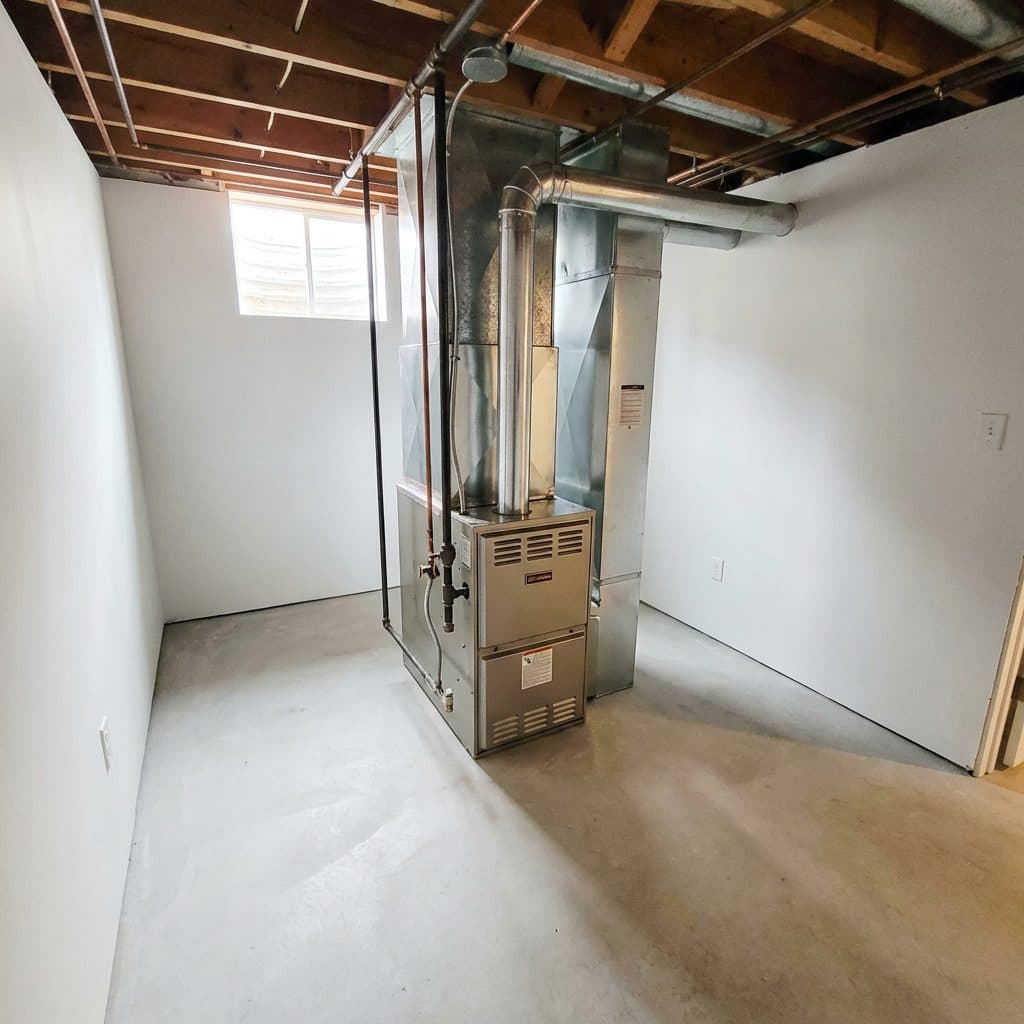
HVAC Source Removal
Air handler, blower wheel, and registers cleaned per NADCA ACR. New filter installed before any structural cleaning to prevent re-contamination.
- 3
Structural Cleaning
Char removal, soda blasting where appropriate, three-stage chem-sponge cleaning of walls and ceilings.
- 4
Deodorization
Hydroxyl generators or ozone treatment ran 48-72 hours to neutralize residual odor. No occupancy required during ozone.
- 5
Sealing on Porous Surfaces
Sealant applied to framing and substrates where soot has penetrated to lock in residual particulate.
- 6
Pack-Back & Walkthrough
Cleaned contents returned, placed by photo, and the homeowner walked through every room before sign-off.
Tools & Equipment Used
Questions Homeowners Ask
How long does fire damage restoration take in Stamford, CT?
Cleaning and deodorization phases on residential fire losses in the Stamford area typically run two to six days on-site, depending on soot spread and contents volume. Structural rebuild, when needed, is scheduled separately after cleaning and clearance.
What does fire and smoke cleanup cost in Stamford?
Cost tracks the extent of soot penetration, the number of contents items handled, and the deodorization method required. Single-room events price far below whole-home losses. Green Restoration provides a written scope and price after the initial inspection at no cost.
Does homeowners insurance cover fire damage in Connecticut?
Fire is a core covered peril on standard homeowner policies, and smoke damage from a covered fire is generally included. Green Restoration documents the loss room by room and item by item for your carrier. We work with insurance, but Green Restoration is independent and not on any insurer's panel.
What standard governs fire and smoke restoration?
ANSI/IICRC S700, the Standard for Professional Fire and Smoke Damage Restoration, was published in 2025 as the first ANSI-accredited standard for the category. This 2024 project followed IICRC fire and smoke restoration training and NADCA ACR for the HVAC cleaning, the practices S700 now codifies.
Can I stay in my home during fire restoration?
It depends on the extent of soot and the deodorization method. Hydroxyl treatment allows occupancy; ozone treatment does not. On this project the family relocated during the heaviest cleaning days and returned for the hydroxyl phase.
Will the smoke smell come back after restoration?
Not when the residue is removed at the source before deodorizing and sealing. Odor returns when soot is painted over or masked instead of cleaned. Source removal first, then hydroxyl or ozone, then sealing on porous substrates is the sequence that holds.
Stamford is served by
Green Restoration of Fairfield County
Available 24 / 7 for emergency response