Smoke Odor Mitigation in a Stamford Residence
 1 / 5
1 / 5Smoke Odor Mitigation project documentation in Stamford, CT, photo 1
What Happened
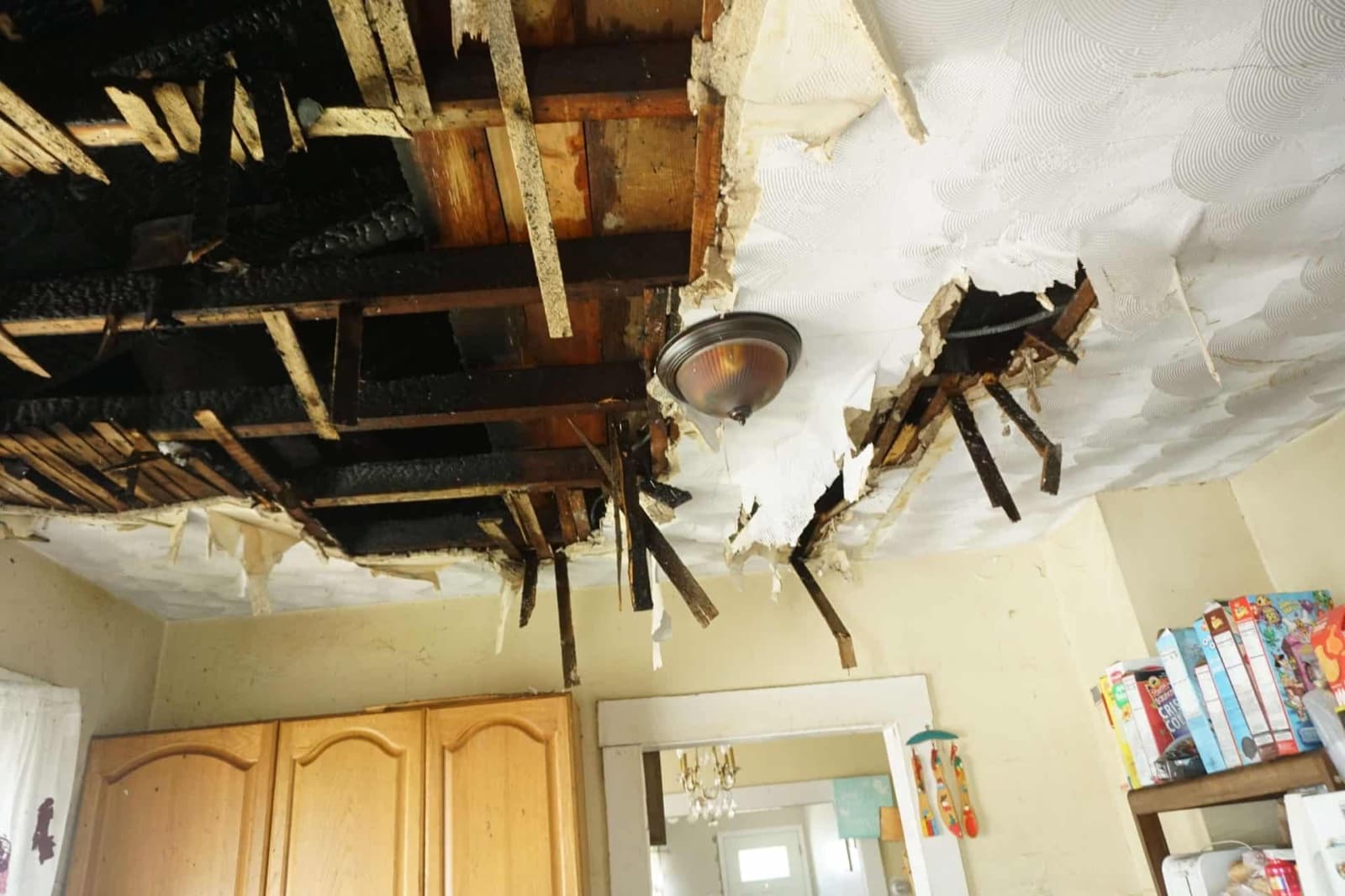
A stovetop fire in a Stamford residence was out within minutes, but the smoke it produced traveled through the open floor plan and into the HVAC system. The structure needed only limited cleaning; the real problem was the odor that clung to fabrics, cabinetry, and ductwork weeks later. Green Restoration ran a source-removal sequence: cleaning the residue at the stove and surrounding cabinetry, servicing the ducts and filter, and neutralizing the remaining odor with hydroxyl generators while the family stayed in the home.
Scope of Damage
Kitchen & Range Area
ModerateSmoke residue on the range hood, upper cabinets, and adjacent ceiling. Degreased and wet cleaned in stages.
HVAC System
ModerateOdor drawn into the returns during the event. Registers and accessible duct runs cleaned, new filter installed.
Soft Goods & Fabrics
LightDrapes, upholstery, and closet textiles held odor without visible residue. Treated in place during the hydroxyl run.
How We Solved It
- 1
Odor Source Mapping
Residue traced from the stove outward to define what needed cleaning versus what only needed air treatment.
- 2
Residue Cleaning
Range area, cabinets, and ceiling cleaned with degreaser and final wet wipe. Source removal comes before any deodorizing.
- 3
HVAC & Filter Service
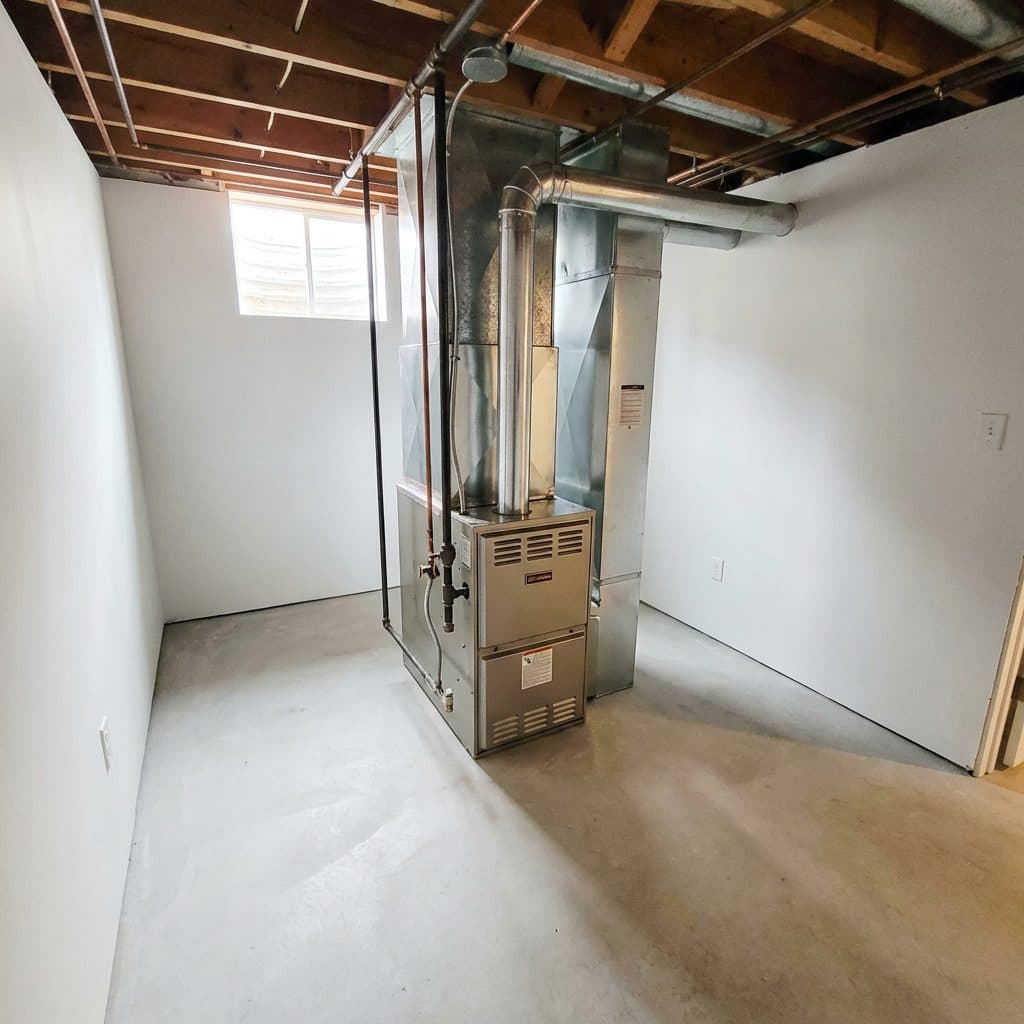
Registers and accessible runs cleaned and a fresh high-MERV filter installed so the system stopped recirculating odor.
- 4
Hydroxyl Treatment
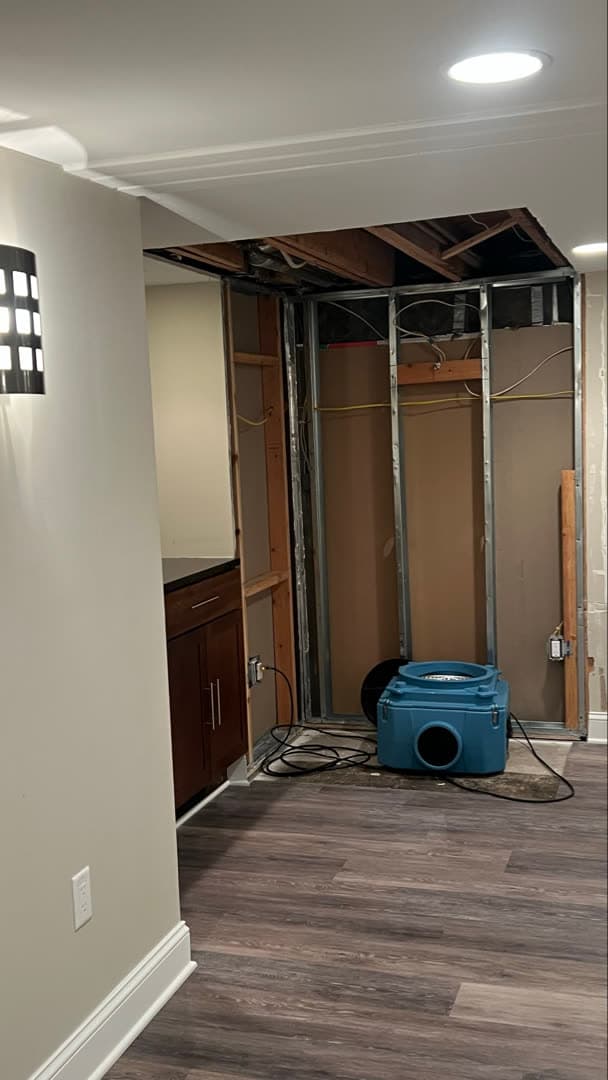
Hydroxyl generators ran roughly 72 hours through the affected zones. Unlike ozone, hydroxyl allows the family to stay home.
- 5
Odor Verification Walkthrough
Room-by-room walkthrough with the homeowner after equipment shutdown, with a follow-up check the next week.
Tools & Equipment Used
Questions Homeowners Ask
How do you remove smoke odor without a full rebuild?
By removing the source first. Smoke odor lives in residue on surfaces, in ductwork, and in soft goods. Cleaning the residue, servicing the HVAC system, and then running hydroxyl or ozone to neutralize what remains in the air clears most contained-fire odors without demolition, as this Stamford project shows.
What is the difference between hydroxyl and ozone treatment?
Both neutralize odor molecules. Hydroxyl generators are safe to run while people, pets, and plants stay in the home, but work more slowly. Ozone works faster and requires the home to be vacant during treatment and aired out afterward. We chose hydroxyl here so the family never had to move out.
What does smoke odor mitigation cost in Stamford?
Odor-focused projects without structural demolition price well below full fire restoration, typically in the low thousands depending on home size and HVAC involvement. Green Restoration provides a written scope and price after a no-cost walkthrough.
How long does smoke odor removal take?
This project ran about a week end to end: two days of source cleaning and HVAC service, roughly 72 hours of hydroxyl treatment, then the verification walkthrough. Larger homes or ozone-based treatment change the schedule.
Does insurance cover smoke odor from a small kitchen fire?
Generally yes. Smoke and odor damage from a covered fire is typically included even when the flames were contained to one spot. Green Restoration documents the residue, the cleaning scope, and the treatment for your carrier. We work with insurance, but Green Restoration is independent and not on any insurer's panel.
Why does smoke smell linger after normal cleaning?
Household cleaning misses the reservoirs: duct interiors, cabinet tops, soft goods, and porous surfaces that absorbed smoke during the event. Every time the HVAC runs, it redistributes odor. Professional mitigation targets those reservoirs directly, which is why the smell finally stops coming back.
Stamford is served by
Green Restoration of Fairfield County
Available 24 / 7 for emergency response