Water Damage Restoration in a Waterbury Residence
 1 / 5
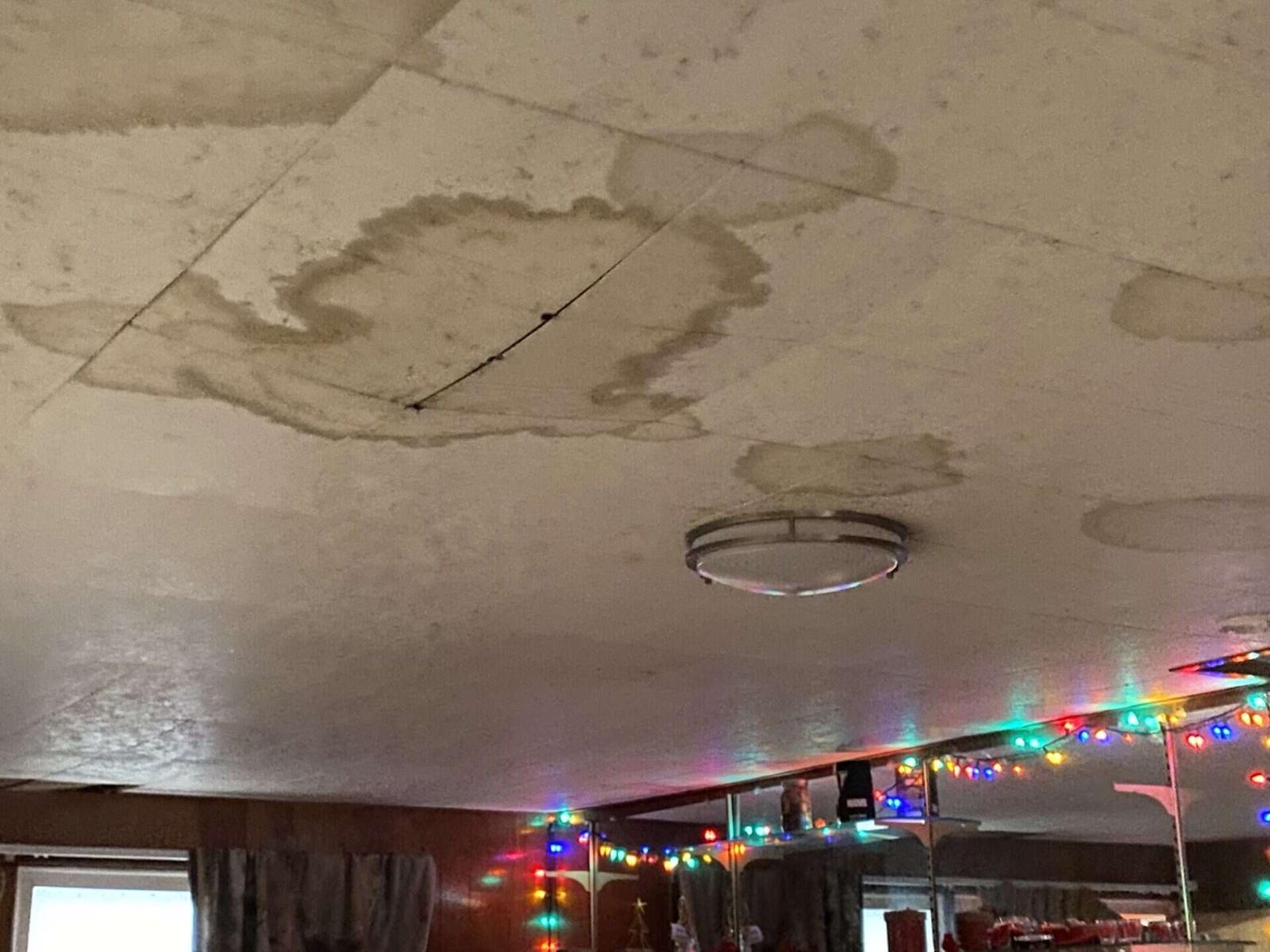
Water Damage Restoration project documentation in Waterbury, CT, photo 1
What Happened
A sump pump failed during a night of heavy rain in Waterbury and the basement took on several inches of water before the homeowners caught it. Green Restoration pumped out the standing water, moved and blocked the stored contents, dried the slab and lower framing per IICRC S500-2021, and checked the furnace and water heater bases before the systems went back into service.
Scope of Damage
Basement Slab
ModerateSeveral inches of standing water across the floor. Pumped out, squeegeed, and dried with directed airflow.
Stored Contents
ModerateBoxes and furniture in contact with the water moved, blocked, and triaged. Cardboard losses documented for the claim.
Mechanicals
LightFurnace and water heater bases inspected for water contact before restart. Both cleared.
How We Solved It
- 1
Pump-Out
Standing water removed with pumps and wet vacuums, then the failed sump pit cleared and inspected.
- 2
Contents Handling
Wet-bottom boxes and furniture moved and set on blocks. Salvageable items dried, losses photographed.
- 3
Slab & Framing Dry-Down
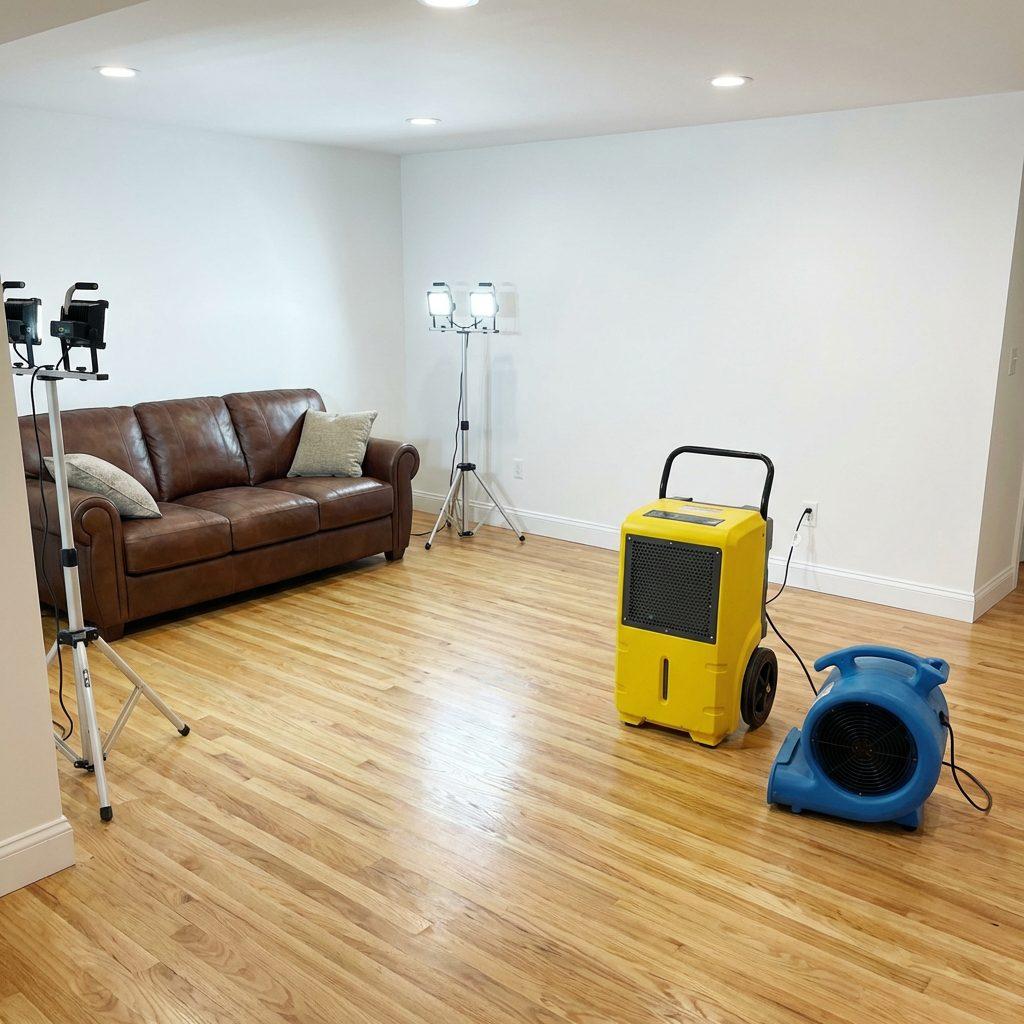
Dehumidification and air movers ran three days until the slab and lower framing read dry.
- 4
Mechanical Safety Check
Furnace and water heater bases inspected before the systems were returned to service.
- 5
Pump Replacement Coordination
A plumber replaced the failed pump and the homeowners added a battery backup unit on our recommendation.
Tools & Equipment Used
David on This Job
Why move and block the stored contents?
Boxes and furniture sitting in water keep wicking it up, and you cannot dry a slab that is covered in stuff. We moved the wet pieces, set them up on blocks, dried what could be saved and photographed the losses for the claim.
How close did the water get to the finished space?
It stayed at the basement floor level. The homeowners caught it and we pumped it out, so it did not reach the finished part of the house. Moving fast is what kept this a floor and lower framing job instead of a bigger one.
What did the mechanical checks find?
We looked at the bases of the furnace and the water heater before either went back into service, because water reaching burners or controls can be a hazard you cannot see from outside. Both of them cleared. If something had not, that would have gone to a licensed technician before anyone turned it back on.
What should a Waterbury homeowner test on their sump pump before heavy rain?
Pour a bucket of water into the pit or lift the float and make sure the pump kicks on and empties it. Set a cheap water alarm beside the pit, and think about a battery backup for when the power goes out in a storm.
Questions Homeowners Ask
Is sump pump failure covered by homeowners insurance?
Not under a standard Connecticut policy. Coverage usually requires a water backup and sump discharge endorsement, which many homeowners add for a modest premium. We document the loss either way so you have what the claim needs. We work with insurance, but Green Restoration is independent and not on any insurer's panel.
How quickly does a flooded basement need attention?
Within 24 to 48 hours. Past that window, moisture wicks up framing and stored contents, and mold becomes a real risk on anything porous. This Waterbury basement was pumped out the same morning it was found, which kept the loss to the floor level.
How long did the Waterbury dry-down take?
Three days. Unfinished basements dry faster than finished ones because the slab and framing are exposed. The schedule is driven by concrete releasing moisture slowly, not by demolition.
Are the furnace and water heater safe after basement flooding?
Not until they are checked. Water reaching burners, controls, or insulation can create hazards that are not visible from outside. We inspect equipment bases before restart and flag anything that needs a licensed technician. Both units in this project cleared inspection.
What does a basement pump-out and dry-down cost?
Unfinished basement losses are among the more affordable water jobs: pump-out, contents handling, and a few days of drying equipment. Finished basements cost more because demolition enters the scope. Green Restoration provides a written scope and price after inspection at no cost.
How do you prevent the next sump failure?
Test the pump each spring by lifting the float, add a battery backup unit for outages, and put a water alarm on the floor beside the pit. Pumps are wear items; most fail between seven and ten years, so replace on schedule rather than after the flood.
Waterbury is served by
Green Restoration of Orange
Available 24 / 7 for emergency response