Crime Scene and Trauma Cleanup Connecticut
Discreet Response After A Death, Crime, Or Traumatic Incident. OSHA Bloodborne Pathogen Standard • ANSI IICRC S540 • Permitted Disposal
 IICRC Certified
 Eco-Friendly Solutions For Healthier Spaces
Reviewed by Green Restoration's IICRC-Certified Team·Licensed & Insured·IICRC Certified Firm
What We Handle, And How
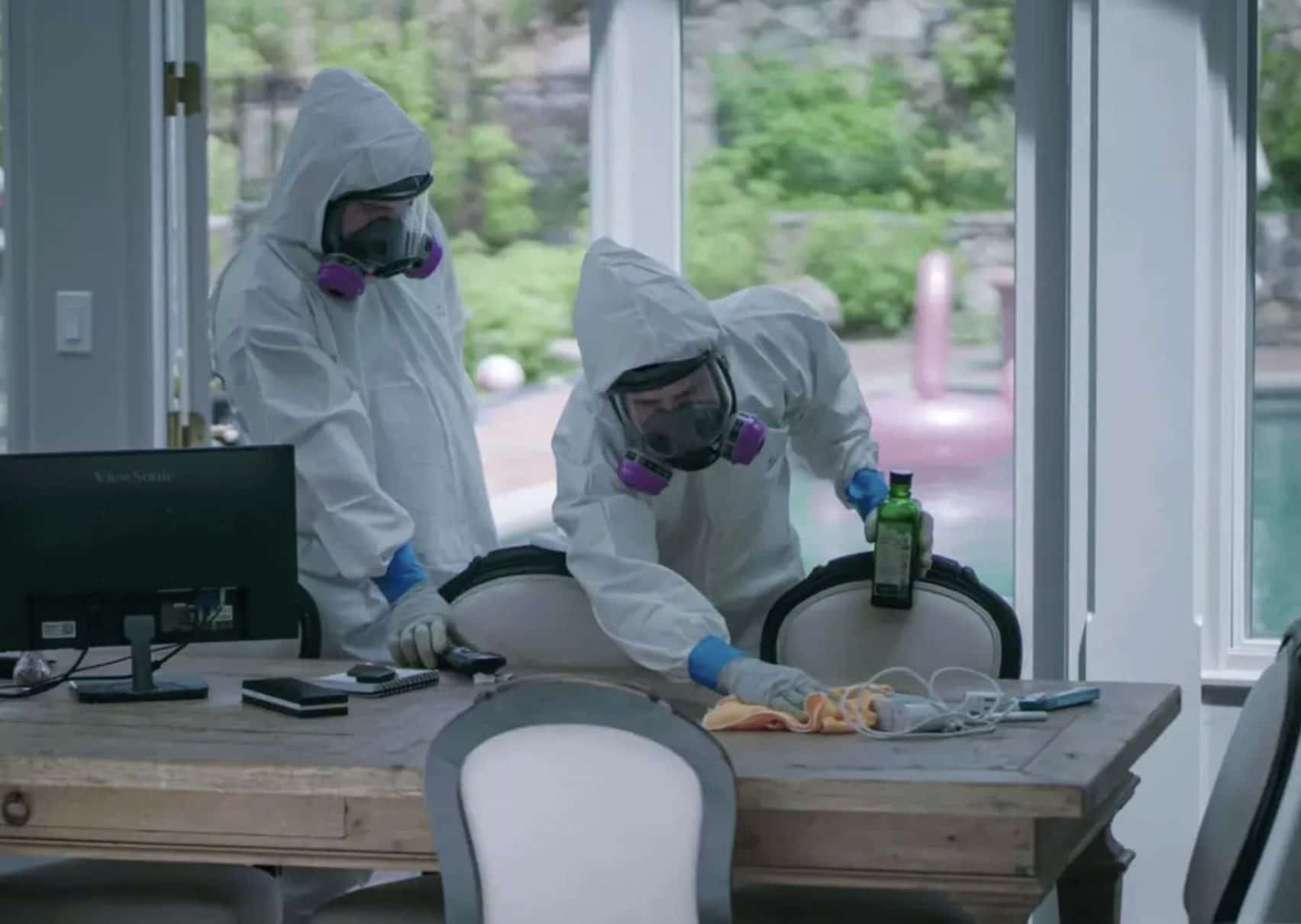
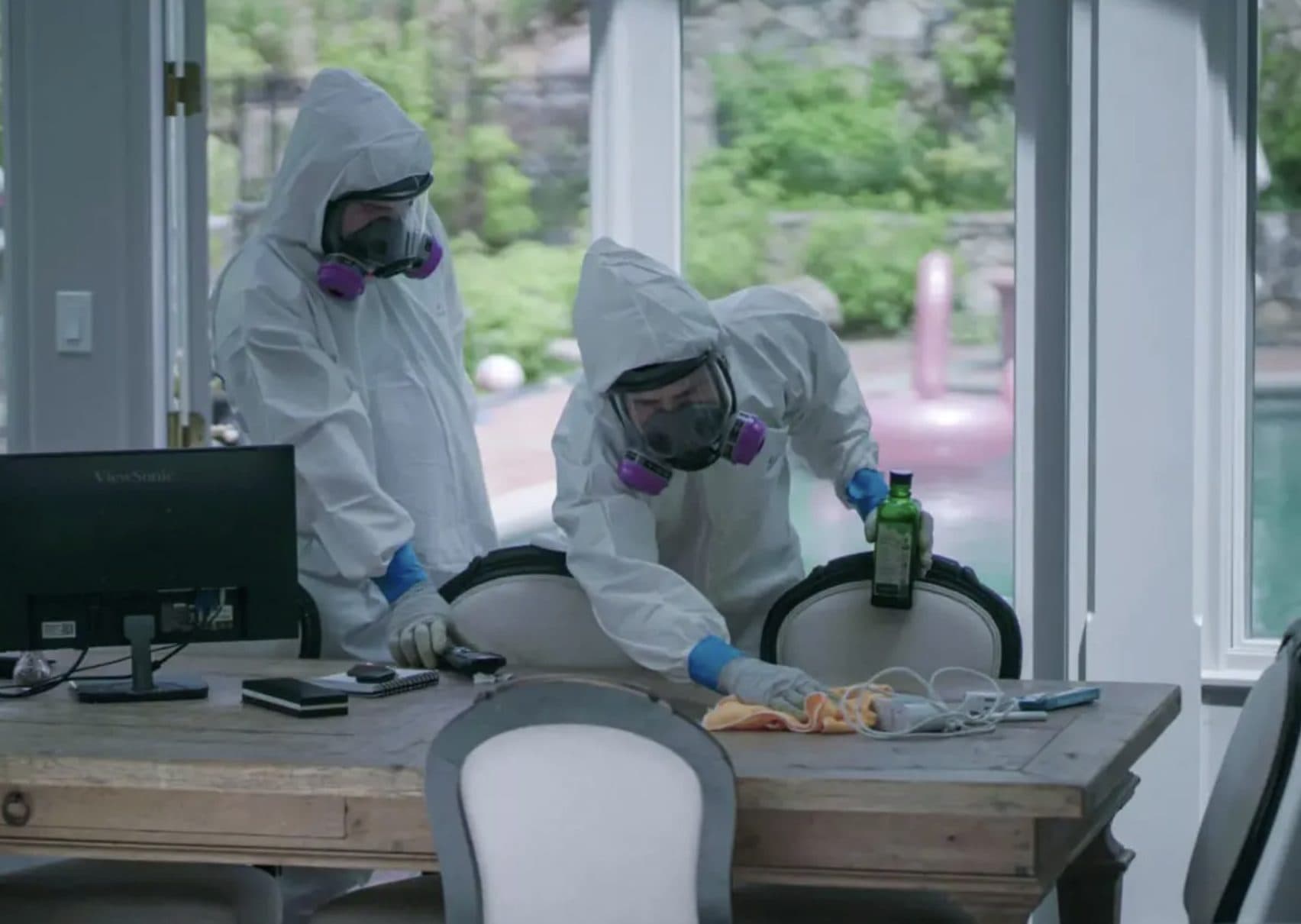
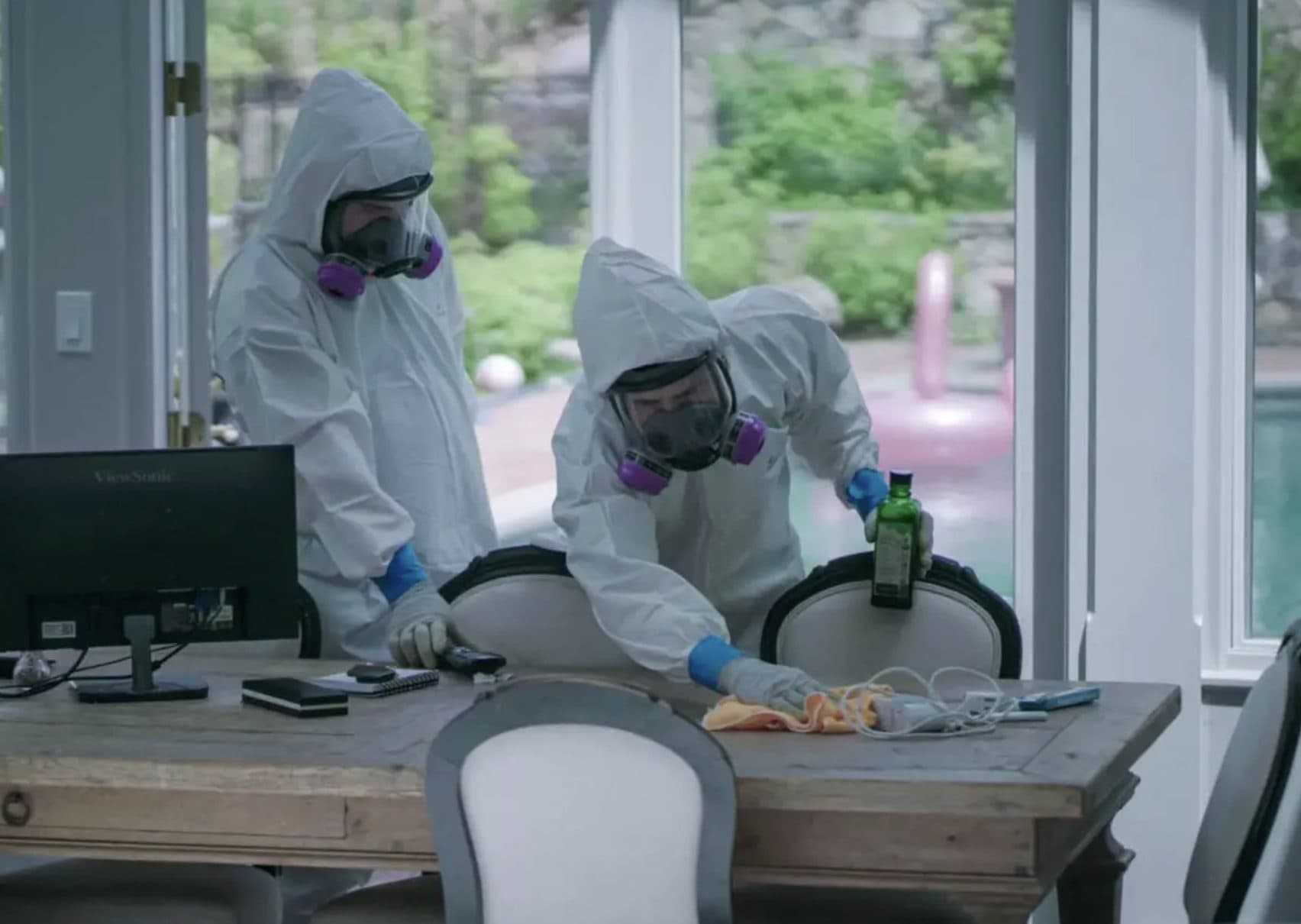
After the medical examiner releases a scene, cleaning it becomes the property owner responsibility. No Connecticut agency performs it. We handle the decontamination, the structural work behind it, and the documentation, working to the OSHA bloodborne pathogen standard and the ANSI IICRC S540 standard for trauma and crime scene cleanup.
Unattended Death Cleanup
Decomposition releases fluids that pass through flooring into the subfloor and the joist bay below, so the visible area is rarely the affected area. We remove what has absorbed, decontaminate the structure, and treat the odor at the source rather than covering it.
Full assembly assessment · Source odor treatment
Crime Scene Decontamination
Blood and other potentially infectious material handled under the OSHA bloodborne pathogen standard, 29 CFR 1910.1030. Affected porous material is removed rather than surface cleaned, and every contact surface is decontaminated and documented.
ANSI IICRC S540 · Written scope first
Suicide And Traumatic Incident Cleanup
Handled quietly and without spectacle. Unmarked vehicles, no company branding at the property, and technicians who understand that a family may still be in the building. We work around you, not through you.
Unmarked vehicles · No exterior branding
Related Services
Odor And Air Treatment
Decomposition odor absorbs into building materials and re-releases with heat and humidity, which is why deodorising alone fails. We treat the source, filter the air with HEPA and carbon during the work, and seal what cannot be replaced.
Permitted Waste Disposal
Regulated waste leaves the property through a transporter permitted by Connecticut DEEP under RCSA 22a-209-15, with disposal documentation for your records, your insurer, and any estate or legal file.
Structural Repair And Reconstruction
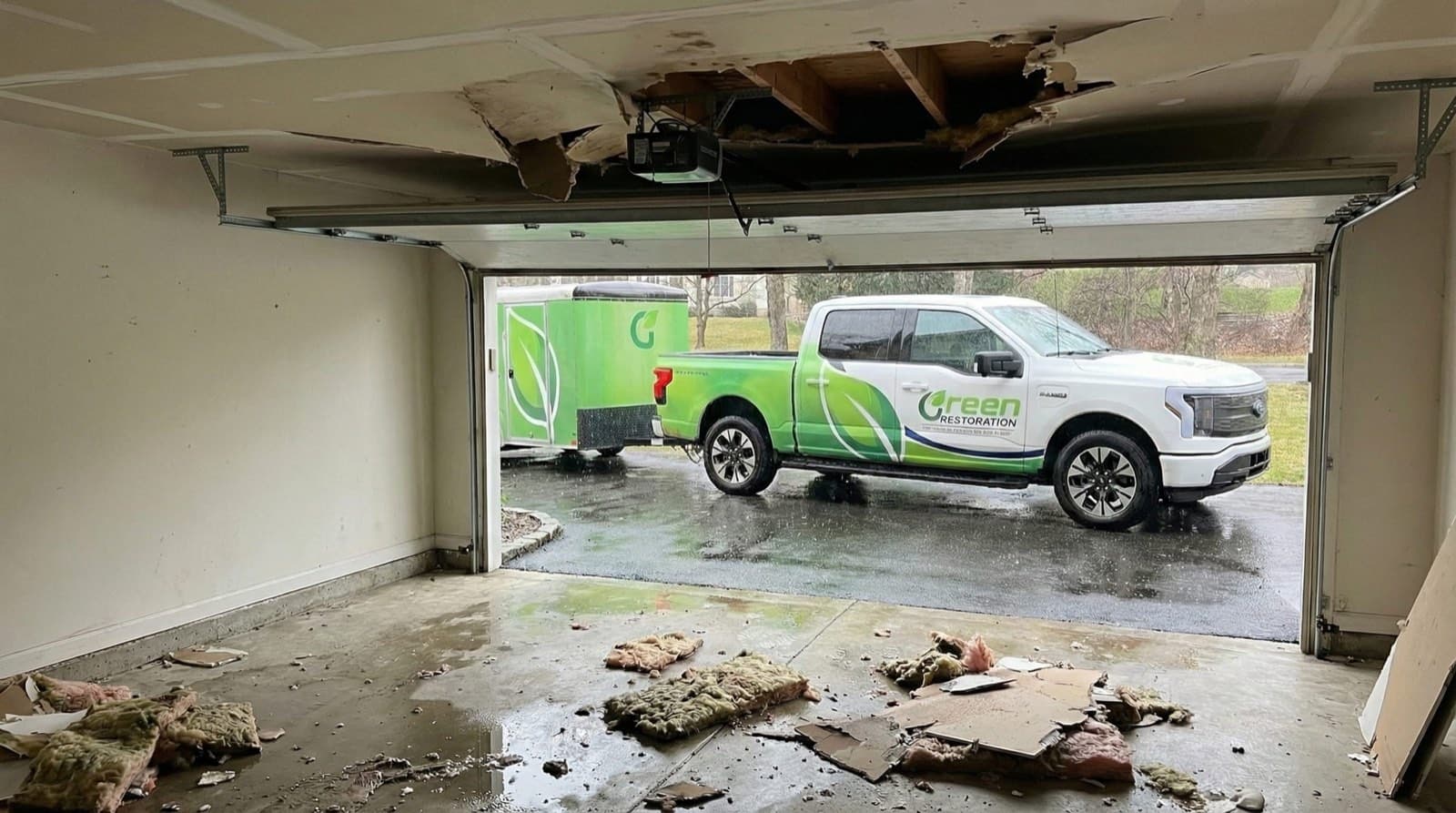
When flooring, subfloor, drywall or framing has to come out, we put it back. Reconstruction is performed under our Connecticut Home Improvement Contractor registration so the property is finished, not left opened up.

You Should Not Have To Clean This Yourself. Call When You Are Ready.
Discreet unmarked vehicles, trained technicians, and a written scope before work begins. Available 24 hours across Connecticut.
After The Scene Is Released, It Becomes Yours.
Connecticut assigns responsibility for investigating a death, and assigns nobody to clean afterward. These are the four things people discover in the first day.
No Agency Cleans The Property
Not the police, not the medical examiner
Connecticut General Statutes chapter 368q sets out the Chief Medical Examiner duties: investigation, autopsy, records, custody of the body. Property cleaning appears nowhere in it, and no Connecticut statute assigns scene cleaning to any public agency. When the scene is released it reverts to the owner or the family.
The Scene Cannot Be Touched Until It Is Released
CGS 19a-407(b)
For an apparent homicide or suicide, an accidental death of obscure cause, or another death not clearly natural, the statute states that the scene of the event shall not be disturbed until authorized by the Chief Medical Examiner or an authorized representative. Cleaning before release is not only unwise, it carries penalties.
The Damage Is Deeper Than It Looks
Fluids move down and outward
Blood and decomposition fluids pass through flooring seams into the pad, the subfloor and the joist bay, and can reach the ceiling below on an upper floor. Cleaning only the visible surface leaves contaminated material inside the assembly, which is both a decontamination failure and the reason the odor comes back.
It Is Regulated Work, Even Though It Is Unlicensed
OSHA and DEEP still apply
Connecticut issues no license for this work, which surprises people. What does apply is the federal OSHA bloodborne pathogen standard governing anyone whose employees handle blood, and the Connecticut DEEP permit requirement for transporting regulated waste. Unlicensed does not mean unregulated.
Help With The Cost May Exist
State compensation and insurance
Where a crime occurred in Connecticut, the Office of Victim Services lists crime scene clean-up of up to $1,000, payable to any person who paid the expense, so a landlord or an adult child who paid can apply. It is a payer of last resort, so open the insurance claim first and apply for what insurance did not cover.
Waiting Makes The Scope Larger
Fluids keep moving, odor keeps setting
Contamination continues to travel through flooring seams and into the assembly for as long as it sits, and odor compounds keep absorbing deeper into porous material. A scope that was one room on day one can reach the subfloor and the ceiling below within a week, which is why the cost of waiting is measured in materials rather than time.
Why Choose Us In The Tri State
Owner-led service with 60-minute response, direct insurance billing, and eco-friendly methods across The Tri State.
60-Minute Emergency Response
IICRC-certified crews arrive within 60 minutes, day or night, every day of the year.
Owner-Operated Local Crew
Every job is personally overseen, from first call to final moisture reading.
Direct Insurance Billing
We bill State Farm, Liberty Mutual, USAA, Farmers, AIG, Chubb, and Safeco directly.
EPA-Registered Antimicrobials
EPA-registered antimicrobials and Safer Choice cleaning products applied per IICRC S500 and S520 standards.
Discreet Response Across CT, NY & Western MA
Crews dispatch from Stamford, Orange, New Haven and Mamaroneck. Unmarked vehicles, no exterior branding, and no signage at the property.
24 Hour Response
Call (833) 800-0474 at any hour. We can attend once the scene has been released, and we can talk you through what happens next before you commit to anything.
(833) 800-0474Request Free InspectionIICRC S520 Certified · Licensed & Insured · All Insurance Accepted
Connecticut statewide, Westchester County New York, and Western Massachusetts.
Where We Respond
Statewide coverage across Connecticut, with additional service in Westchester County New York and Western Massachusetts.



Need Immediate Assistance?
Call Now to Speak Directly With a Local Owner. Emergency Response Available 24/7.
(833) 800-0474How The Work Runs
From the first call to final walkthrough, every step is documented, insured, and owner-supervised.
Trusted Across CT, NY & MA Since 2014
IICRC-certified firm serving CT, NY, and Western Mass. Same owner-operated quality on every job, whether it's a single-room cleanup or a total-loss rebuild.

Certified Restoration Specialists Since 2014
One Team, One Standard Of Care, Across The Tri-State
Green Restoration is a certified restoration firm serving homes and businesses across Connecticut, Westchester County, NYC, Long Island, Rockland, Putnam, and Western Massachusetts. Our IICRC-certified technicians respond 24/7 with commercial-grade extraction, structural drying, mold containment, and fire damage equipment.
We work with property owners and insurance providers to document damage clearly, define scope honestly, and restore affected areas the right way, without unnecessary steps or delays. Eco-friendly, biodegradable products on every job. Direct insurance billing with all major carriers.
Every crew is owner-operated and radio-dispatched from our regional hubs, so a technician is on site within the hour on emergency calls. We carry full general liability and workers compensation coverage in all three states, and every job finishes with written IICRC-standard documentation of the work performed, ready for your adjuster.
Trusted by Families in Connecticut &
Connecticut
4.9 out of 5, Rated by your neighbors on Google
What This Work Costs
Cost is driven by how far contamination travelled and how much structure has to come out, not by the nature of the incident. Every property is quoted after an assessment.
Crime Scene And Trauma Cleanup Questions
The legal, financial and practical questions families ask in the first day, answered with the actual Connecticut sources.
The property owner or the family. Connecticut General Statutes chapter 368q gives the Chief Medical Examiner responsibility for investigating a death, performing an autopsy where required, and taking custody of the body. Cleaning the property appears nowhere in that chapter, and no Connecticut statute assigns scene cleaning to any public agency. Police do not clean either. Once the scene is released it reverts to whoever owns or occupies the property.
Only after the scene is released. CGS 19a-407(b) states that in cases of apparent homicide or suicide, accidental death of obscure cause, or another death not clearly the result of natural causes, the scene of the event shall not be disturbed until authorized by the Chief Medical Examiner or an authorized representative. The statute also provides penalties for willful non-compliance. Call us before release if you want to understand the process, and we attend once you are cleared.
It can. The Connecticut Judicial Branch Office of Victim Services runs a victim compensation program, and its published benefits include crime scene clean-up of up to $1,000, payable to any person who paid some or all of the expenses, so a landlord, sibling or adult child who paid can apply even if they were not the victim. Two limits matter. The current program brochure groups that $1,000 with security systems and with clothing or bedding held as evidence, so confirm how it applies to you. And the program requires a qualifying crime that occurred in Connecticut, which means an unattended natural death generally will not qualify.
Applications are filed within three years of the crime and a waiver is available. Call the office at 1-888-286-7347 or see jud.ct.gov/crimevictim/compensation.htm. The program decides eligibility, not us.
It depends on your policy and on the cause of loss, and any company that tells you flatly that it is covered is guessing about your contract. Coverage generally turns on whether the underlying peril is covered, and deductibles and limits apply. Call your carrier or agent and ask specifically about biohazard remediation. One sequencing point worth knowing: the state compensation program is a payer of last resort, so open the insurance claim first, then apply to Office of Victim Services for what insurance did not cover. We document the loss with photographs and a written scope and submit it to your insurer. We are not licensed public adjusters and do not negotiate claims on your behalf.
No, and it is worth knowing that. Connecticut issues no license, registration or certification specific to crime scene, trauma or biorecovery cleanup, which means anyone may legally offer it here. Some states do regulate the practitioner: California registers trauma scene waste management practitioners under its Health and Safety Code and Florida requires a biomedical waste permit. Because Connecticut has no such gate, the questions worth asking a contractor are what standard they work to, whether they can produce their exposure control plan, and how the waste leaves your property.
The federal OSHA Bloodborne Pathogens standard, 29 CFR 1910.1030, which applies to all occupational exposure to blood or other potentially infectious materials. It requires a written exposure control plan reviewed at least annually, hepatitis B vaccination made available at no cost within ten working days of assignment, employer provided personal protective equipment at no cost, training at assignment and at least annually after, labelled containers for regulated waste, and medical records kept for the duration of employment plus thirty years. In Connecticut this matters in a specific way: CONN-OSHA covers only state and local government workers, so private employers here answer to federal OSHA.
We work to that standard, and to ANSI IICRC S540, the standard for trauma and crime scene cleanup. Note that S540 is a standard document rather than a certification, so no firm can hold a certification in it.
It leaves through a transporter permitted by Connecticut DEEP. Under RCSA 22a-209-15(g)(1), other than an air carrier, no person may transport or accept for transport biomedical waste without a permit issued by the Commissioner. Those permits carry a two year term. You can verify any company claim about waste handling by calling DEEP at (860) 424-3023 and asking about the permitted transporter list. You should receive disposal documentation for your own records, your insurer, and any estate file.
Three reasons, and the first is legal. Until the scene is released under CGS 19a-407(b) it may not be disturbed at all. The second is that blood and decomposition fluids travel into flooring seams, pad, subfloor and the joist bay, so cleaning the visible surface leaves contaminated material inside the assembly, along with the odor. The third is exposure: the OSHA standard exists because bloodborne pathogens including hepatitis B can remain infectious on surfaces, and household cleaning products and gloves are not the controls that standard contemplates. Beyond all of that, this is not work a family should have to do in their own home.
Most residential work falls between roughly $1,500 and $10,000, and larger or longer undiscovered incidents can exceed that. Price is driven by how far contamination travelled rather than by the nature of the event: whether flooring and subfloor have to be removed, whether it reached the ceiling below, how long the property was affected before discovery, how much contents have to be disposed of, and how much reconstruction is needed afterward. Two properties with identical circumstances can differ by a wide margin on those factors alone. We quote after an assessment and give you the scope in writing first.
They describe different circumstances and largely the same work, which the industry also calls biorecovery. Crime scene cleanup follows a criminal incident and typically comes after a police and medical examiner hold. Trauma cleanup covers accidents, industrial incidents and suicides, which may or may not involve an investigative hold. Unattended death cleanup follows a death discovered after some time, where decomposition rather than blood usually drives the scope and odor is a much larger part of the job. All three fall under the same ANSI IICRC S540 standard and the same OSHA bloodborne pathogen requirements.

