Reviewed by Green Restoration's IICRC-Certified Team·Licensed & Insured·IICRC Certified Firm

Straight Answers About Restoration
Real prices, real insurance rules, and honest advice about when you do not need us at all. Every guide below answers one question a homeowner in Connecticut, New York, or Massachusetts actually asked.
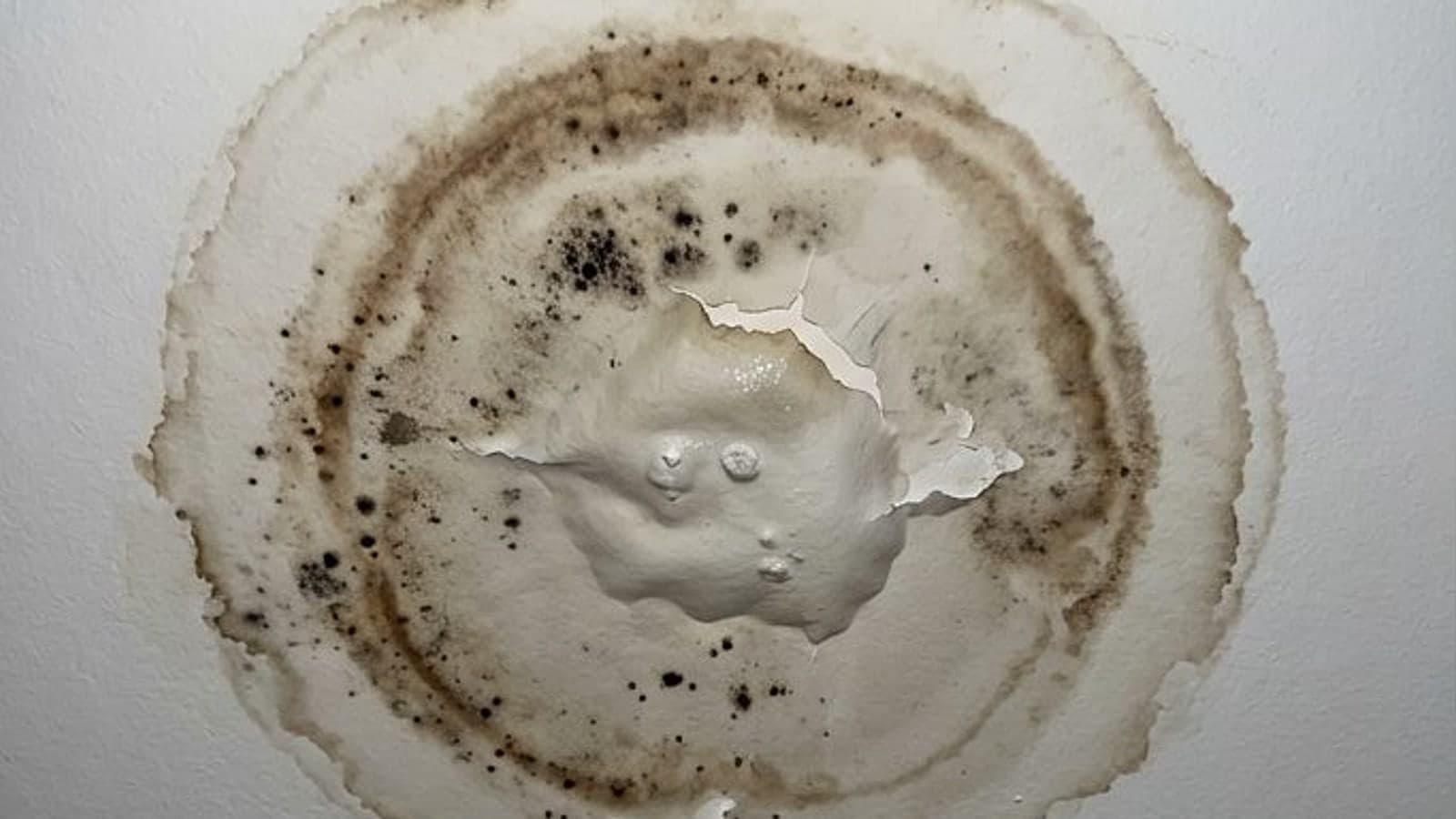
There is a water stain on my ceiling. Is it serious, and what do I do?
How to read a ceiling stain for its source, the first moves when a ceiling bulges or drips, when drywall can dry in place and when it has to come out, and what insurance usually treats differently.
Read the answer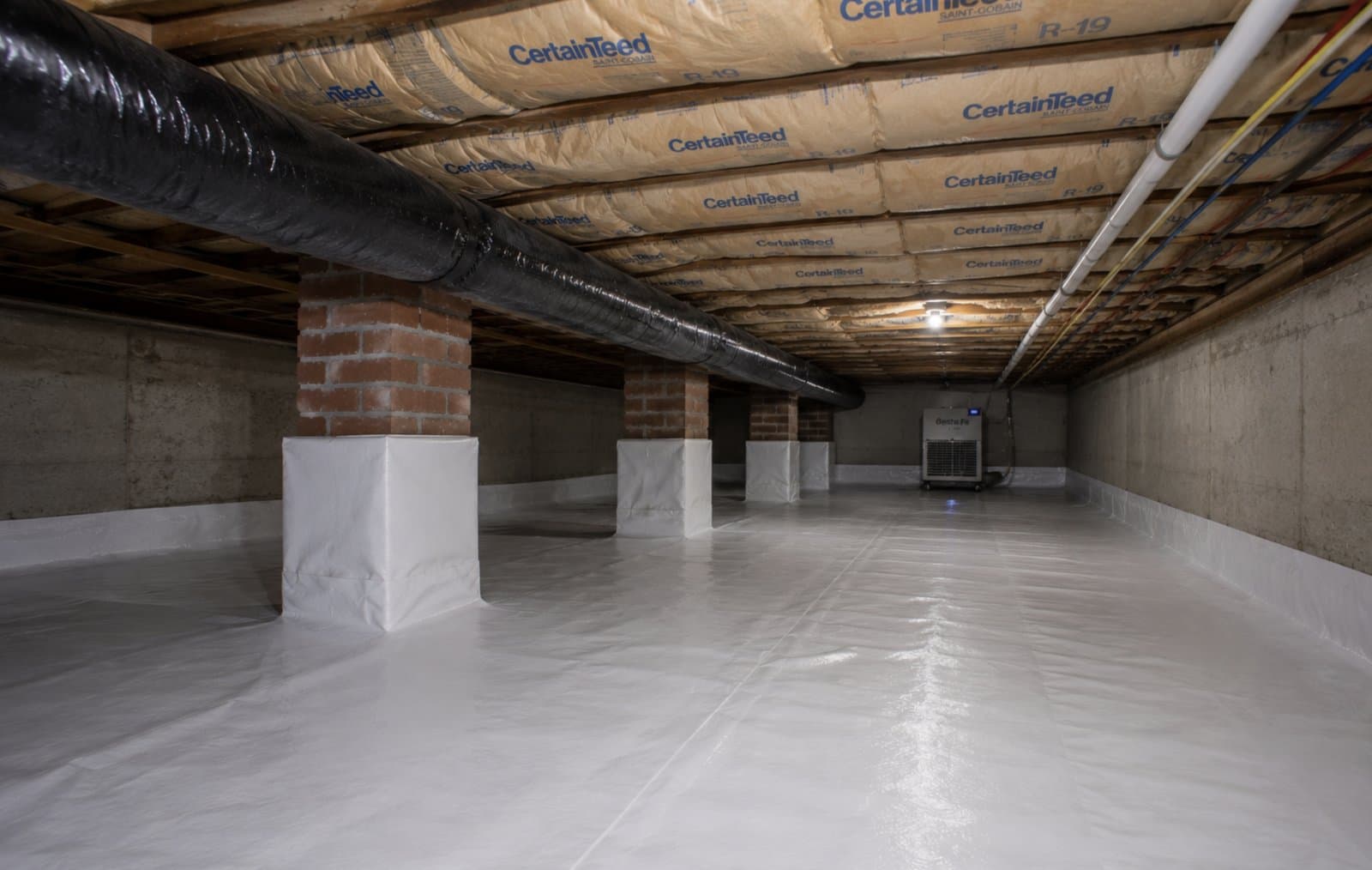
What does crawl space encapsulation cost in Connecticut, and do I need the full system?
Real Connecticut numbers: $6,000 to $9,000 for a clean, dry crawl space, $12,000 to $18,000+ with remediation or drainage, $2.50 to $3.00 per square foot for a barrier alone. What moves the price, and when you do not need the full system.
Read the answer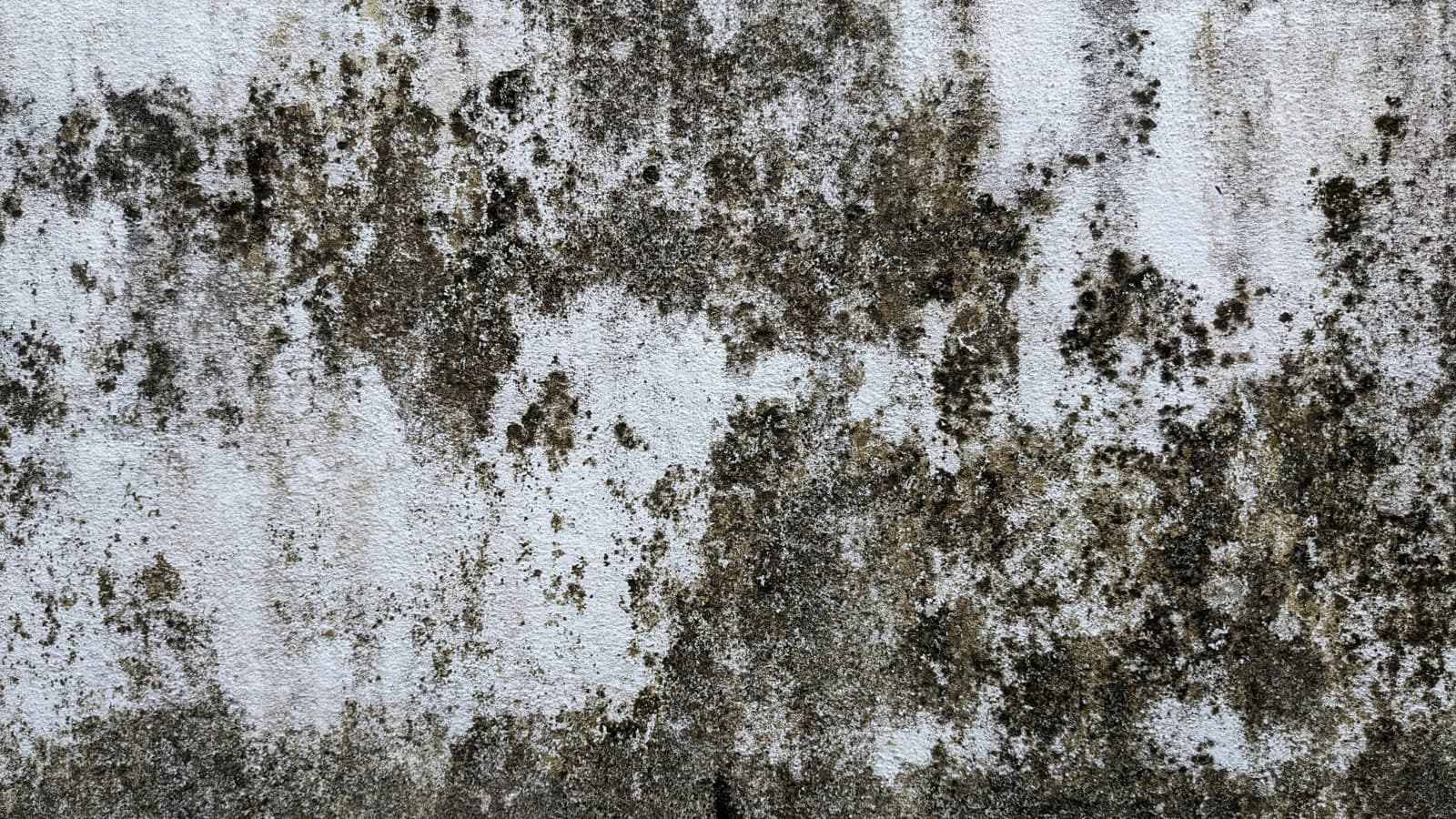
Does rubbing alcohol actually kill mold?
Rubbing alcohol kills surface mold on hard, nonporous materials and fails on everything porous. Why 70 percent beats 91 percent, and where the line sits.
Read the answer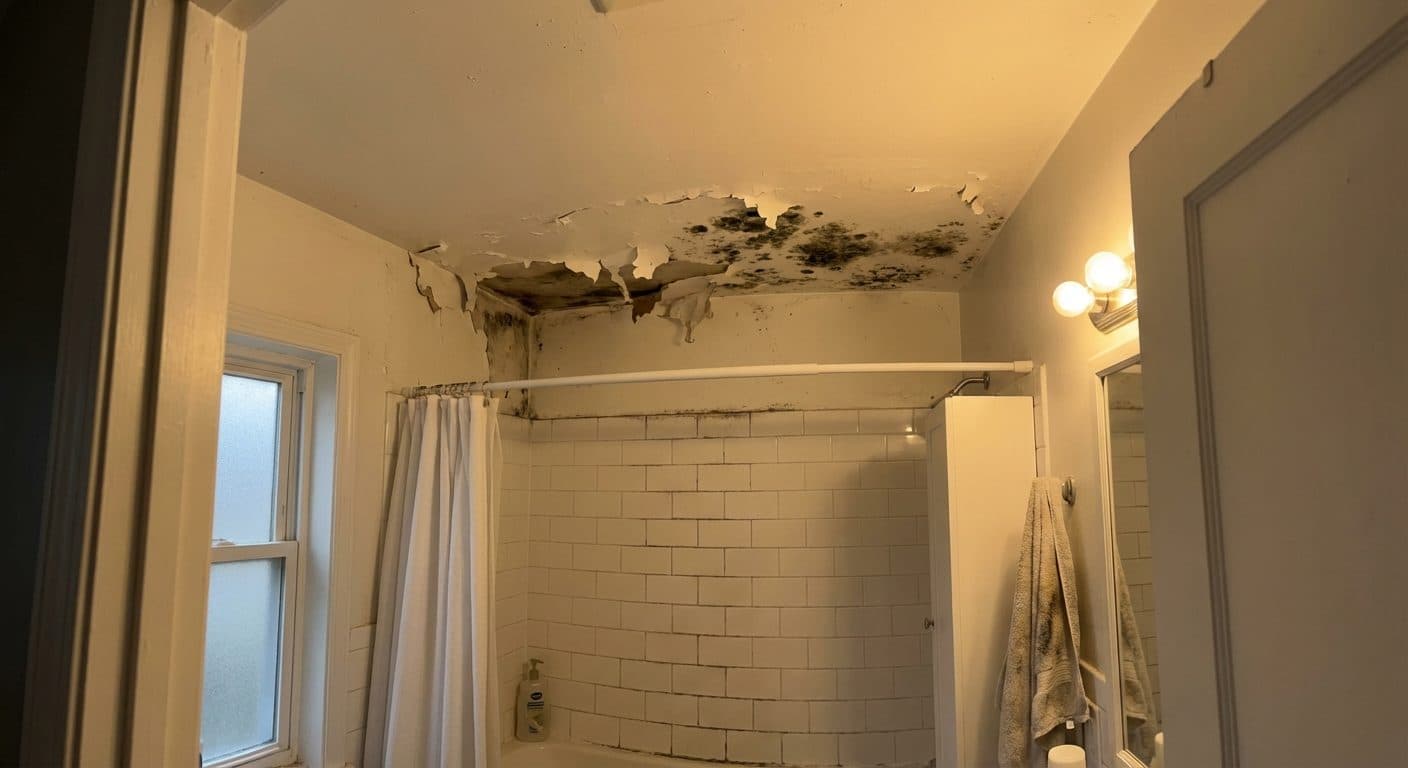
There is black mold in my bathroom. What do I do about it?
What the black growth on bathroom caulk, grout, walls and ceilings actually is, what each location tells you, and the ventilation math that stops it returning.
Read the answer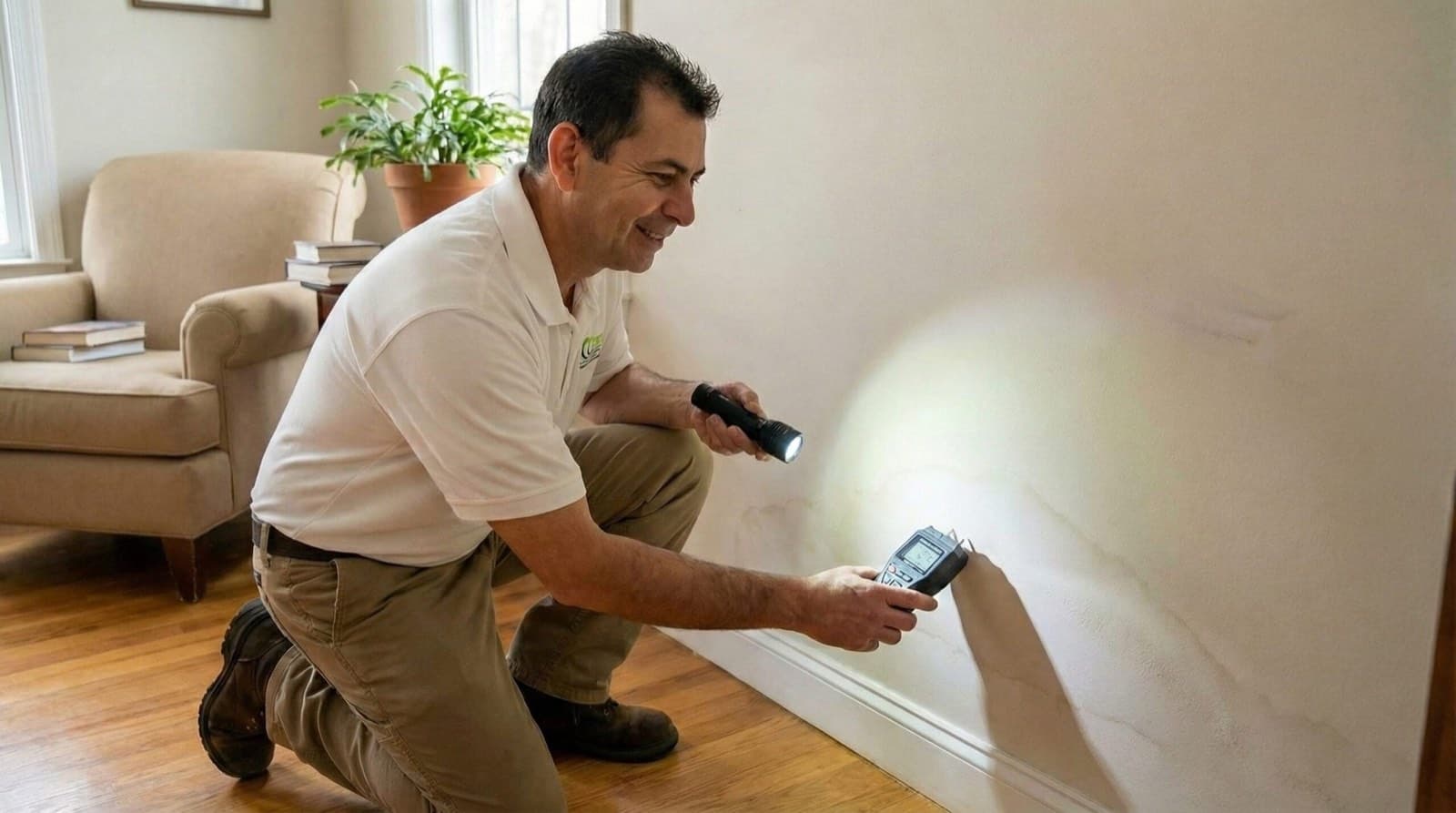
I rent, and there is mold in my apartment. Who is responsible?
What Connecticut and New York actually require of landlords, how to document mold in a rental, who to report it to, and what a real remediation scope looks like.
Read the answer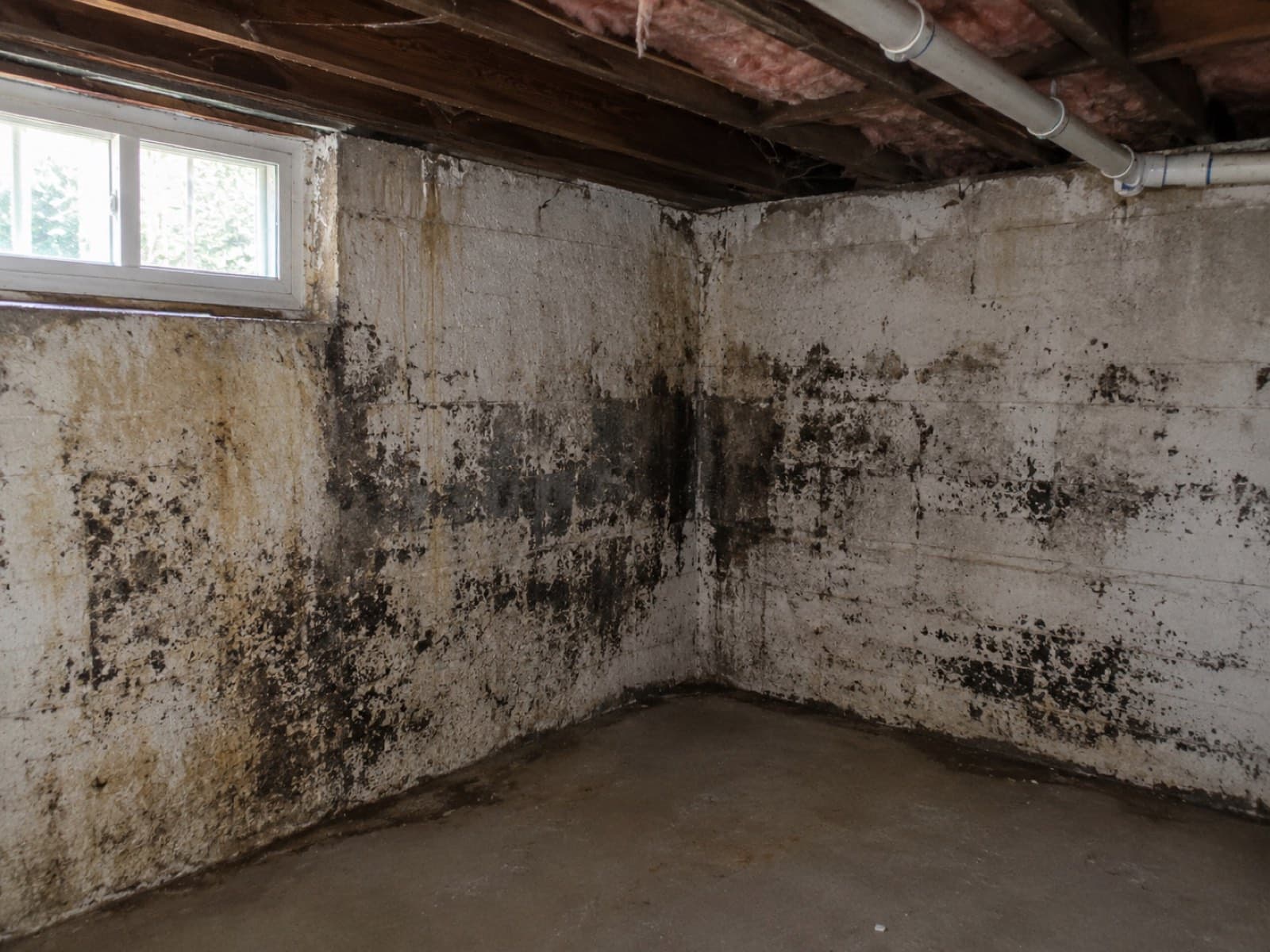
Why does mold keep coming back in my basement?
The five water paths that feed basement mold, why opening the windows in July makes it worse, how removal works, and what it costs in Connecticut and Massachusetts.
Read the answer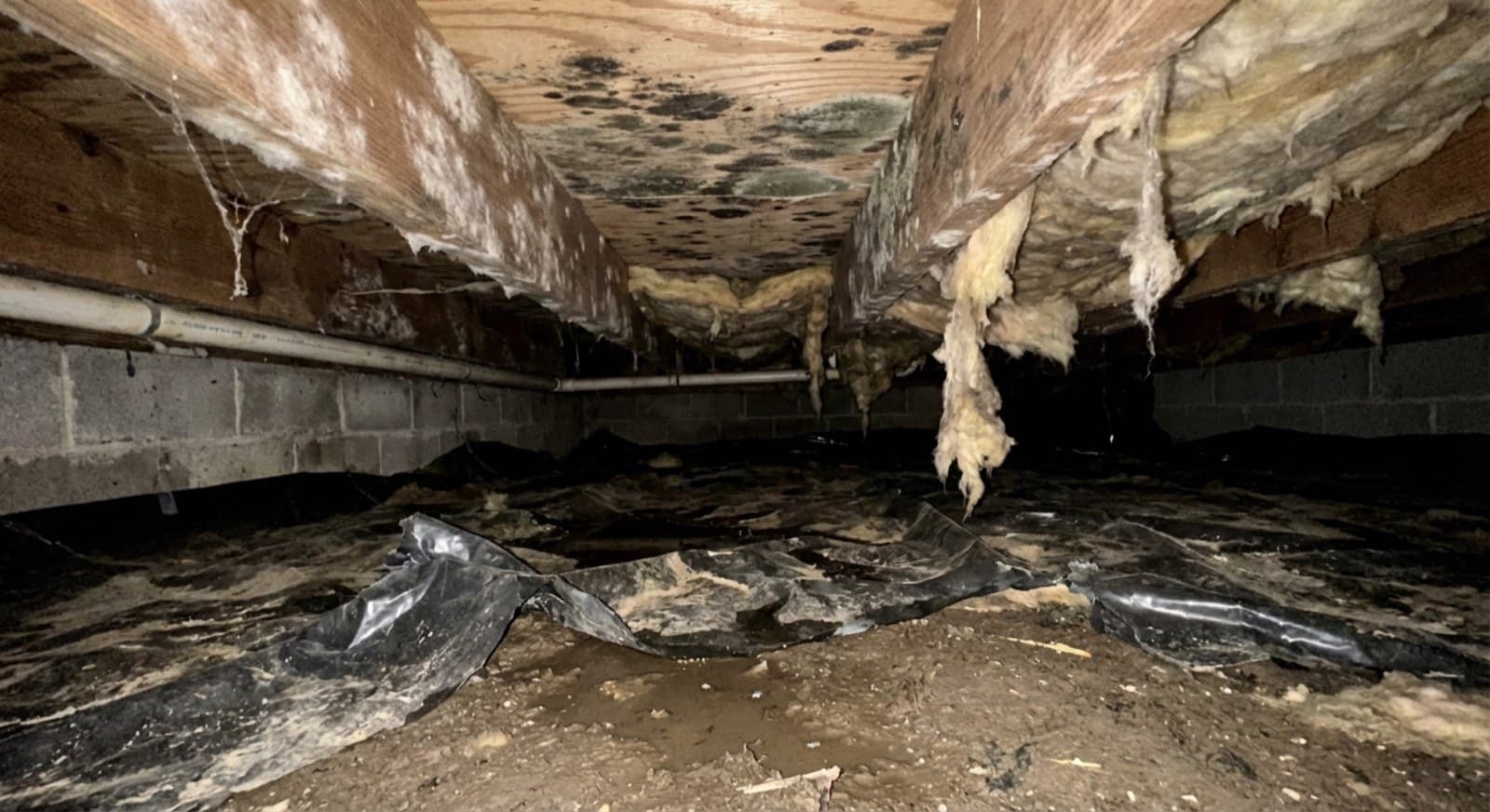
How is a crawl space inspected for mold?
How a crawl space is actually inspected for mold, zone by zone, what wood moisture readings mean, when a lab test is worth it, and what removal involves.
Read the answer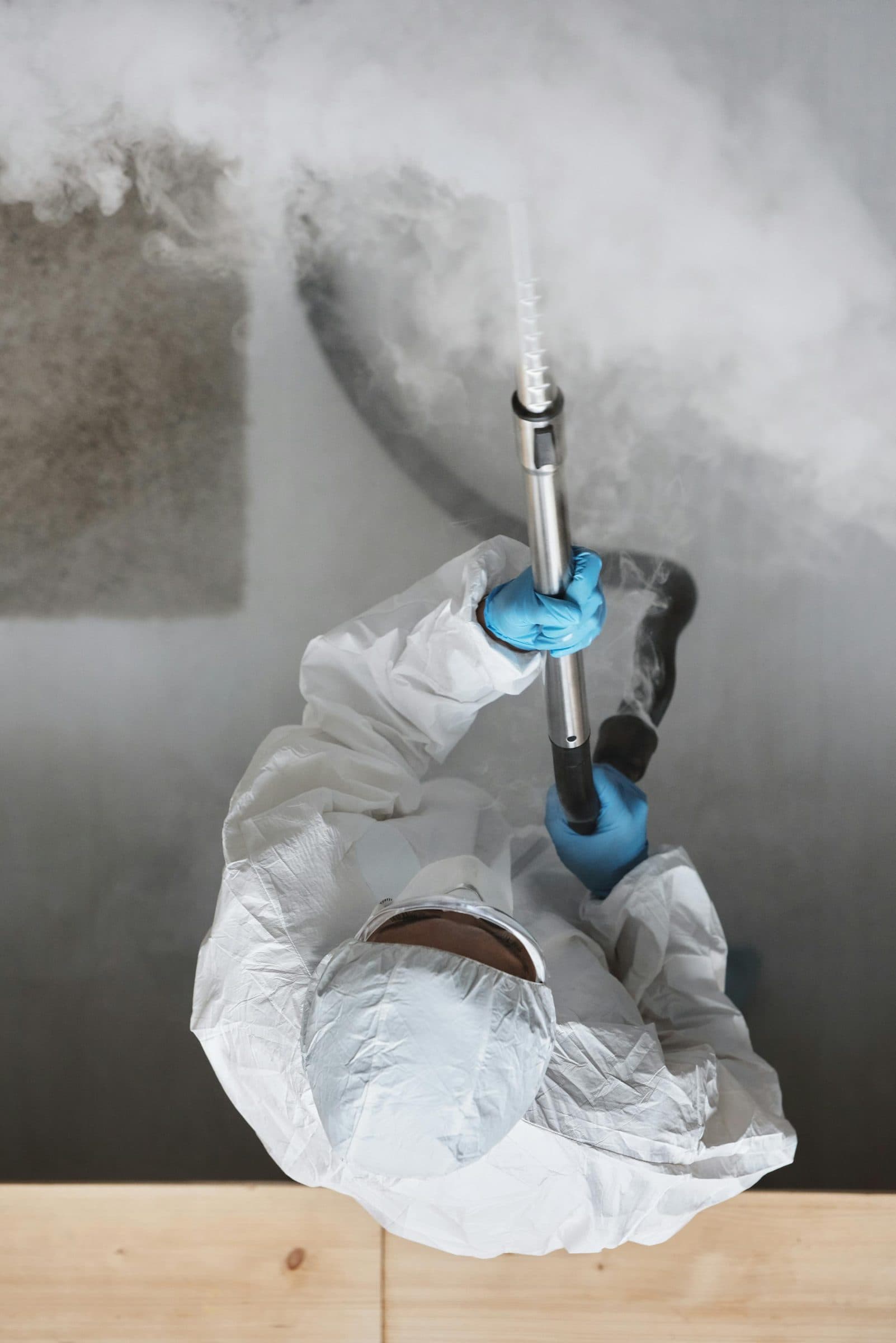
How do I choose a mold removal company I can trust?
The certifications that mean something, why the company that tests should not be the company that removes, and the nine documents to ask for before you sign.
Read the answer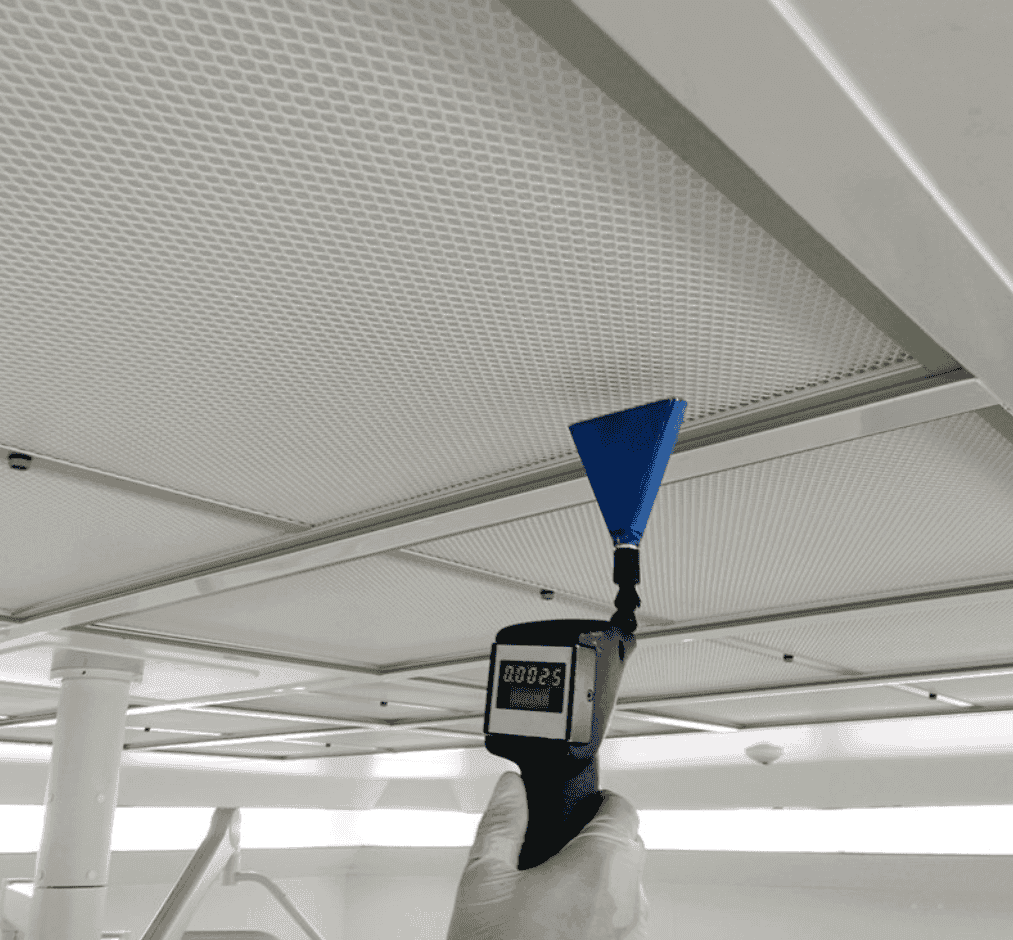
How do I test the air quality in my home?
Which home air quality tests are valid, which are not, what each number should read, and when a lab test with a paired outdoor control is worth $425 to $1,400.
Read the answer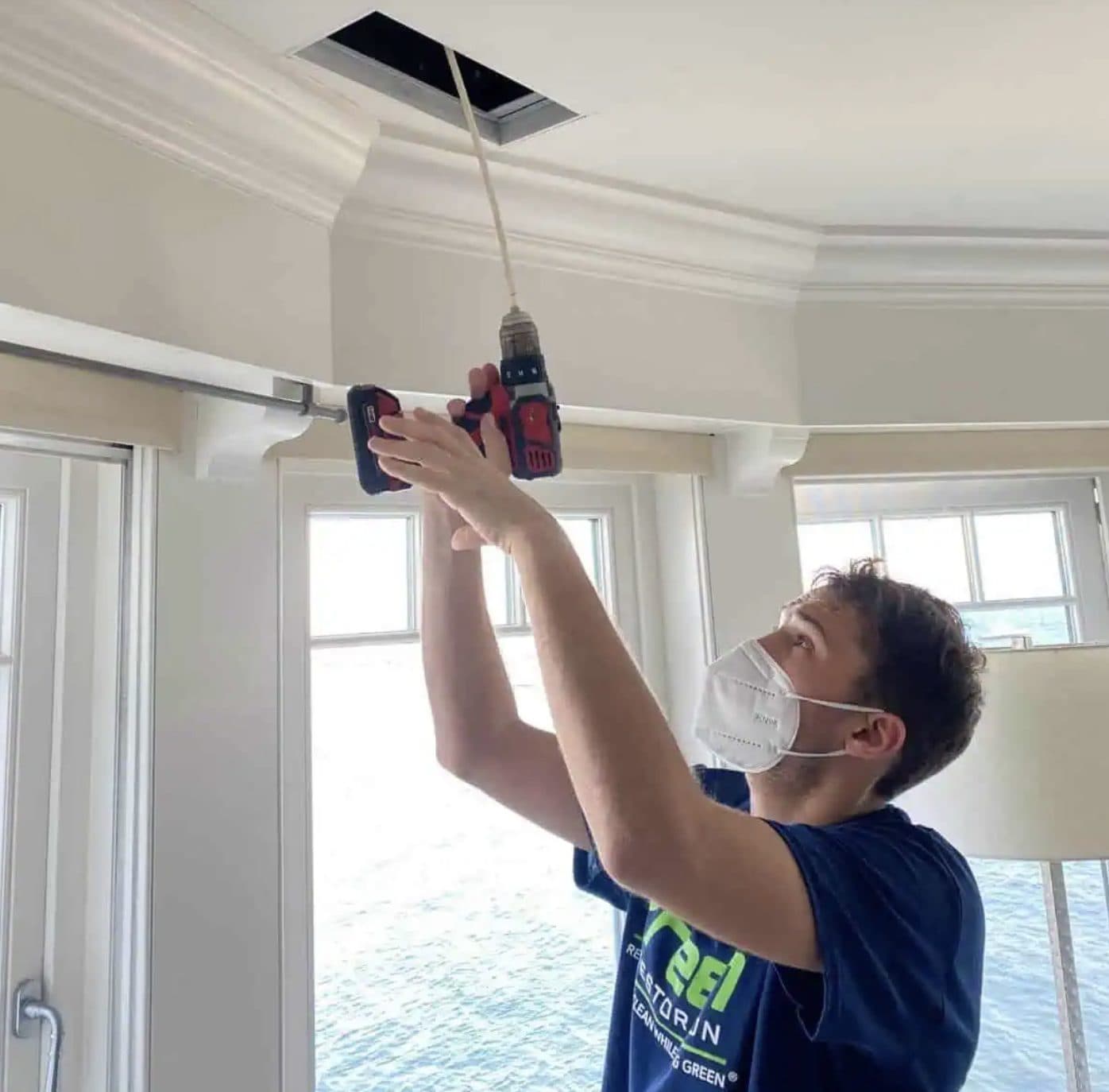
What is really in my indoor air, and what reduces it?
Where household allergens actually live, how mold spores move through a house, what filters and purifiers change, and the source fixes that do the real work.
Read the answer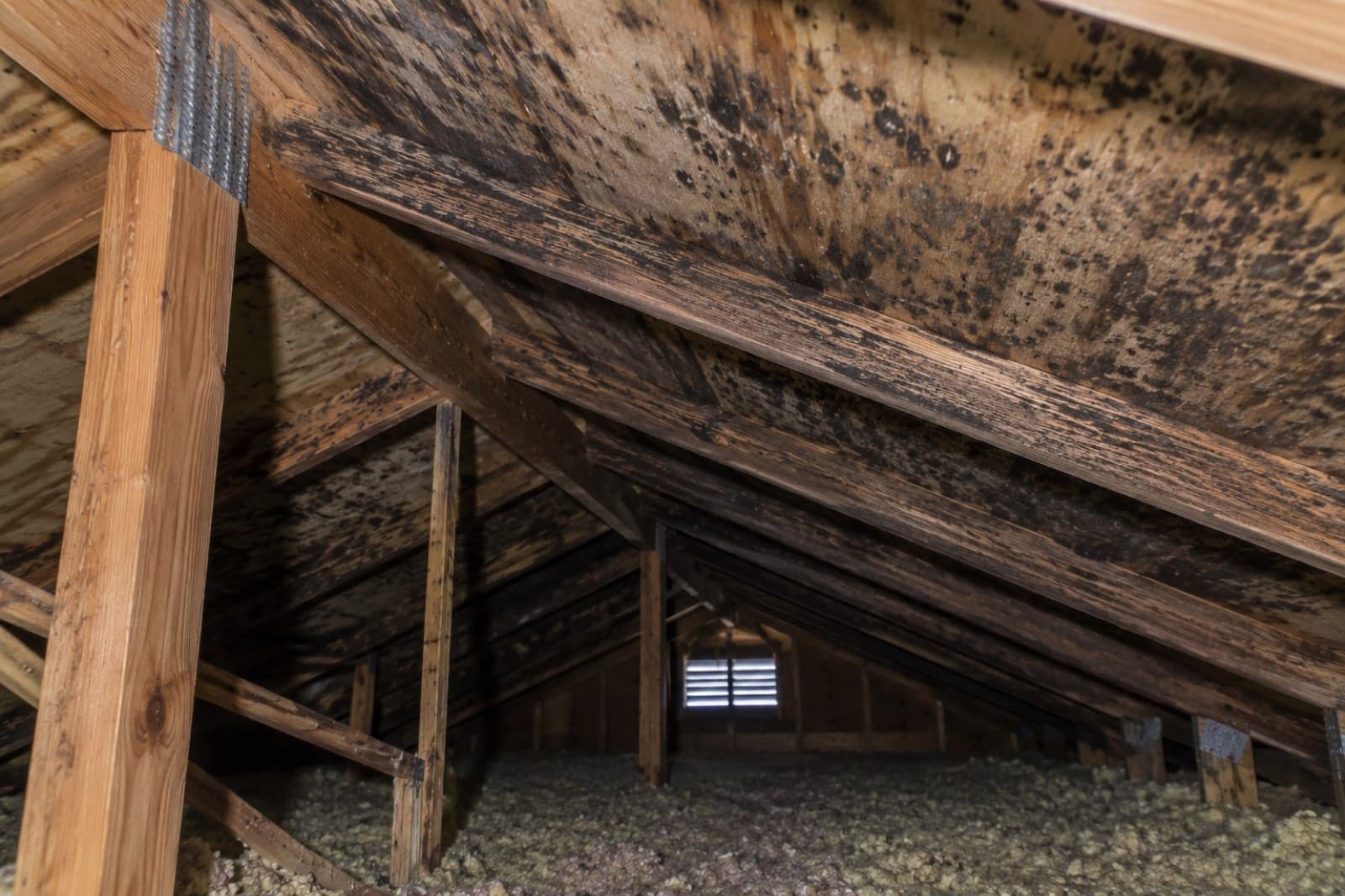
Is white mold dangerous, and how do I get rid of it?
White mold is not a species. It is any colony that looks white because it is young or unpigmented. How to tell it from efflorescence, and what it costs.
Read the answer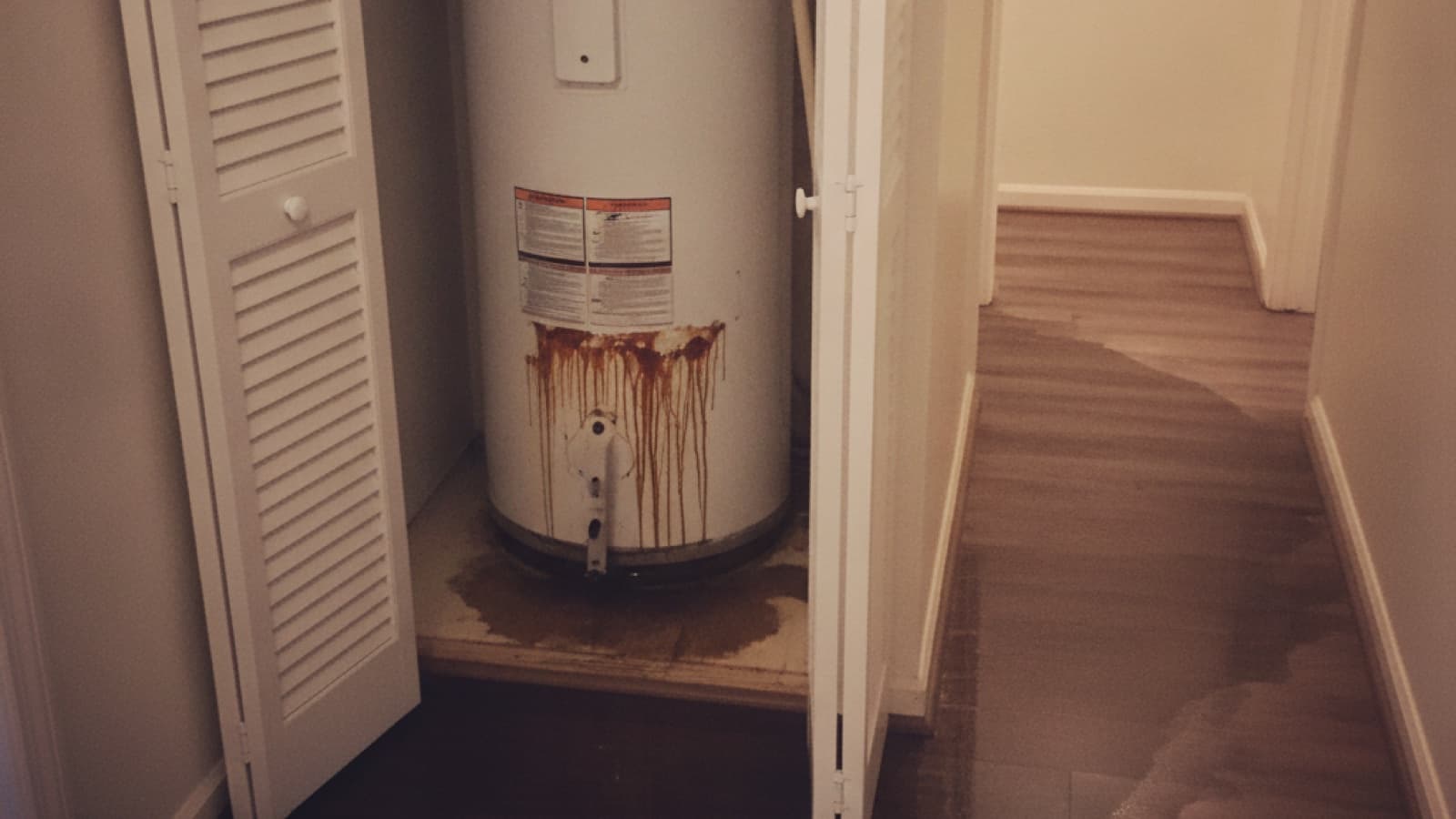
My water heater is leaking. What do I do right now?
Shut the cold inlet, kill the gas or the breaker, then find which fitting is leaking. Four leak points, four answers, and when it is an emergency.
Read the answer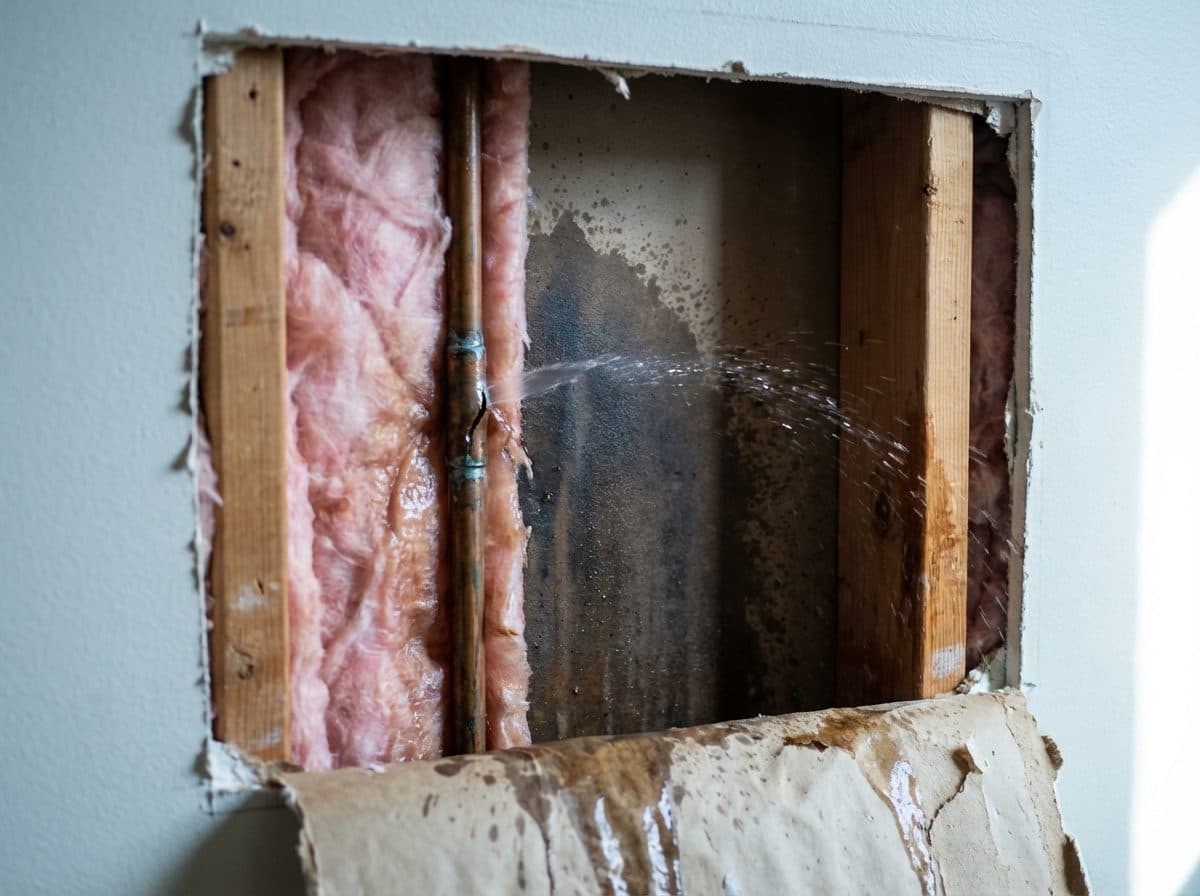
How do I unfreeze frozen pipes without bursting them?
Open the faucet, warm the pipe from the faucet end backward, never use a flame. How to find the frozen section, how long it takes, and what if it splits.
Read the answer
What is a puff back, and why is the soot everywhere?
A puffback is a furnace or boiler misfire that blows oily soot through the house in seconds. Why wiping it makes it permanent, and what cleanup involves.
Read the answer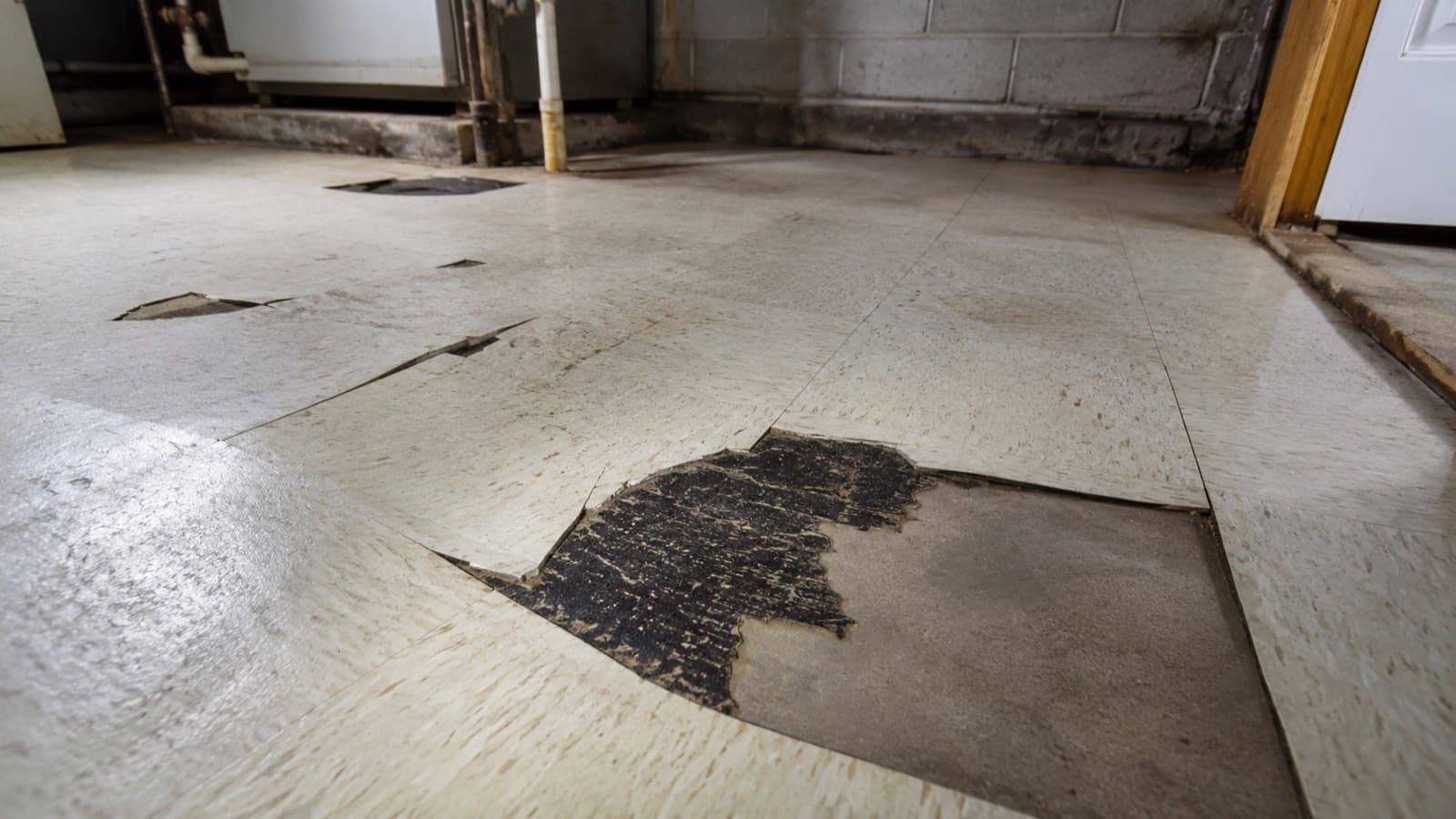
Do I have asbestos in my house, and does it have to come out?
Where asbestos actually hides in older New England homes, how to recognise it, and why leaving it alone is often the right answer. Plus what removal really costs.
Read the answer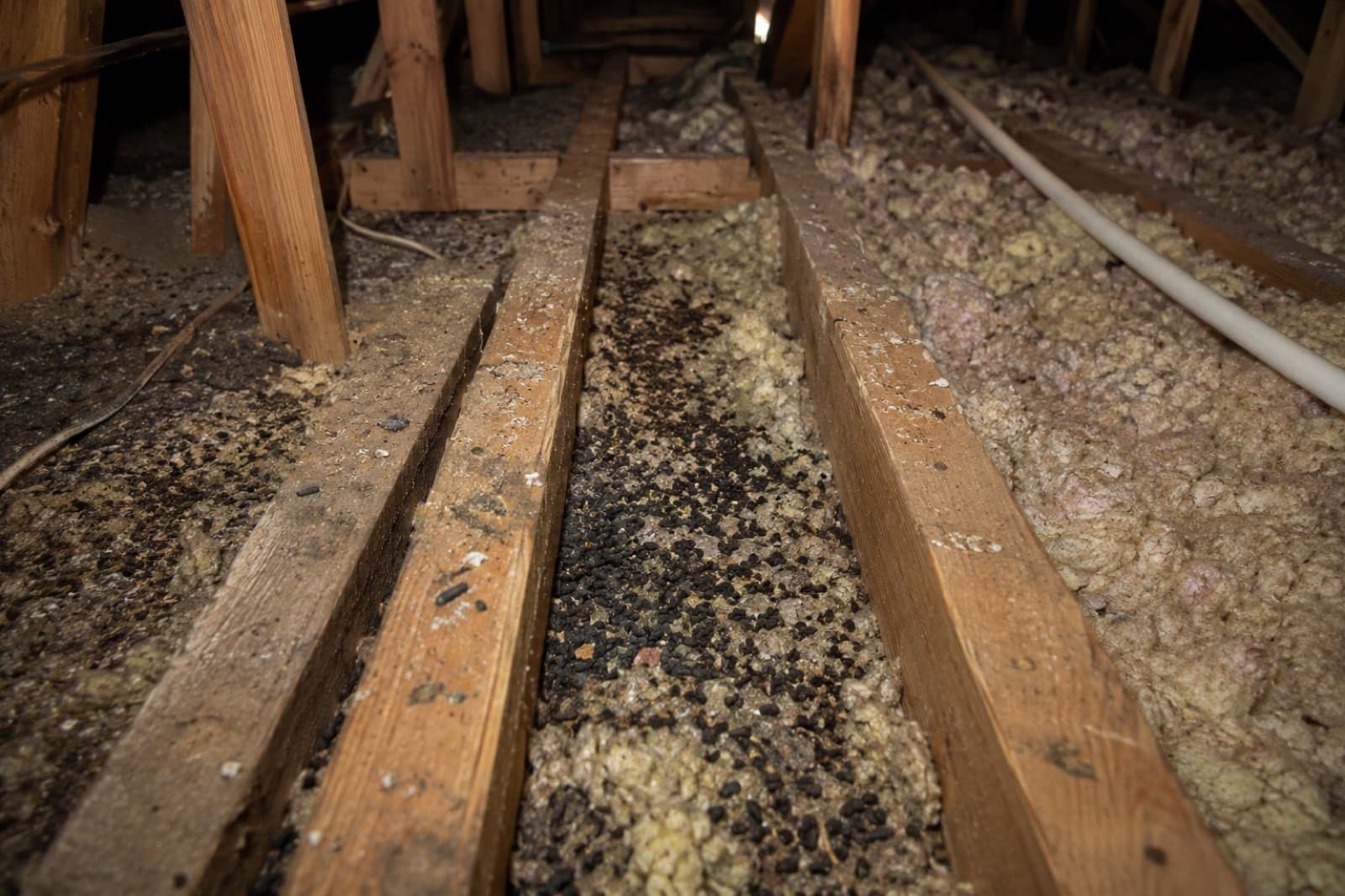
Does my attic insulation need topping up, or taking out?
How to tell whether your attic needs more insulation or a full removal, what contamination changes, what it costs, and which rebates are actually still available.
Read the answer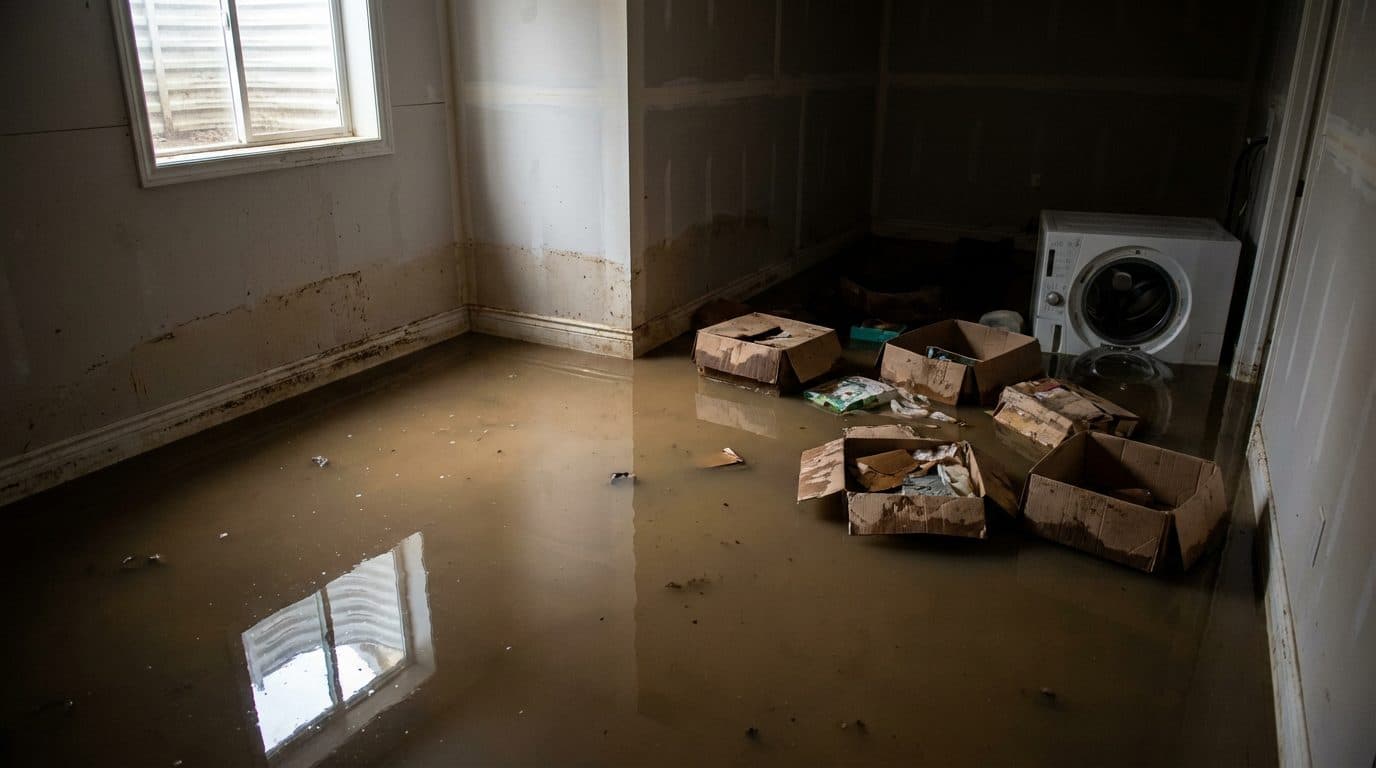
What happens during biohazard cleanup, and will insurance pay?
What biohazard cleanup involves after a death, a trauma, or a sewage backup. Who is allowed to do it, what it costs, and what homeowners insurance usually covers.
Read the answer
How does a hoarding cleanup actually work, and what does it cost?
What a hoarding cleanup involves, why consent matters more than speed, what it costs by severity level, and how to help without making things worse.
Read the answer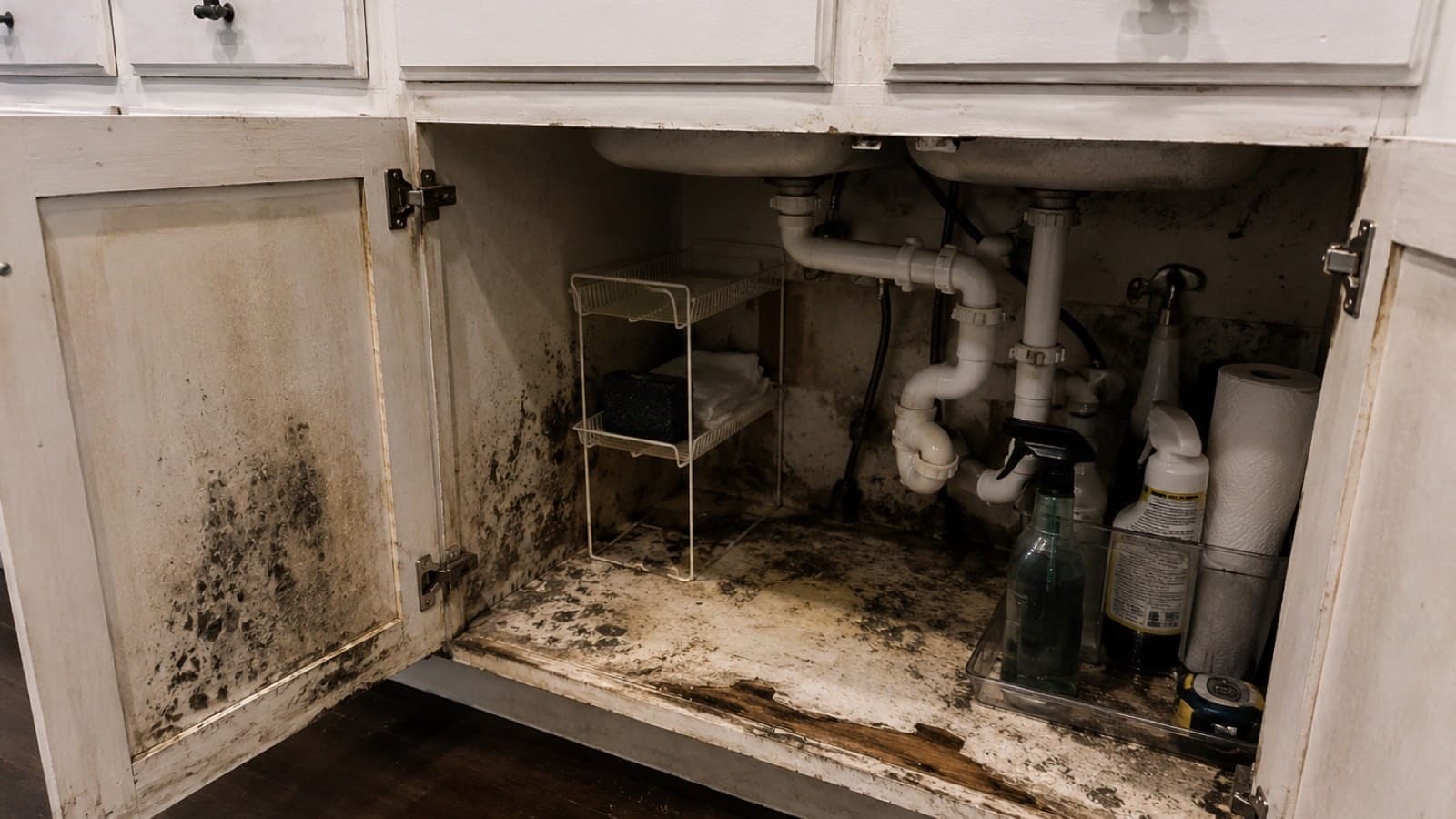
How can I tell if I actually have a mold problem?
What actually indicates mold in a building: the smell, the staining, the moisture, and the seasonal pattern. Plus the four cases where you do not need anyone.
Read the answer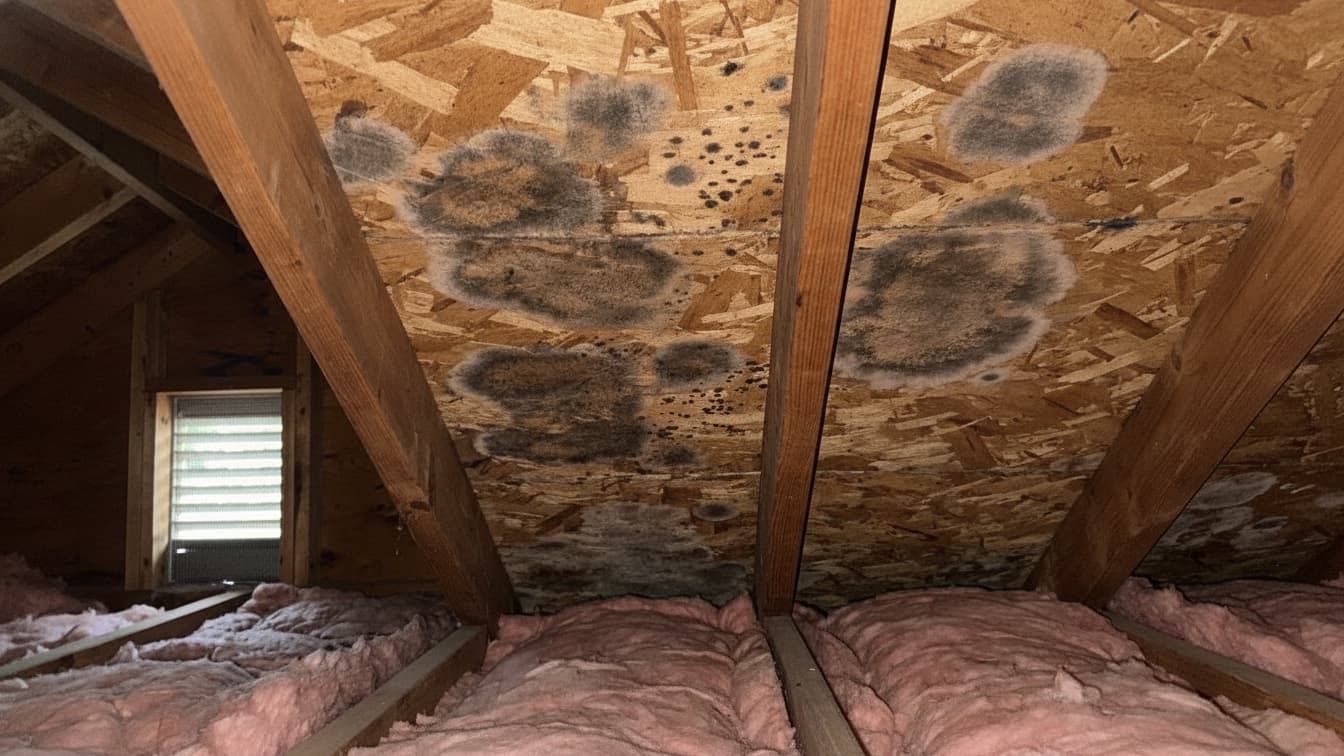
What does mold remediation really cost, and when is it a DIY job?
Real numbers: $1,500 to $4,500 single-area, $3,000 to $8,000 basement or single room, $8,000 to $25,000+ whole-home. And the mold the EPA says you can handle yourself.
Read the answer
What does fire and smoke damage restoration cost in Connecticut?
Real Connecticut numbers: $1,500 to $8,500 smoke and puffback cleanup, $8,500 to $45,000 contained fire, $45,000 to $150,000+ major structural. What moves the number.
Read the answer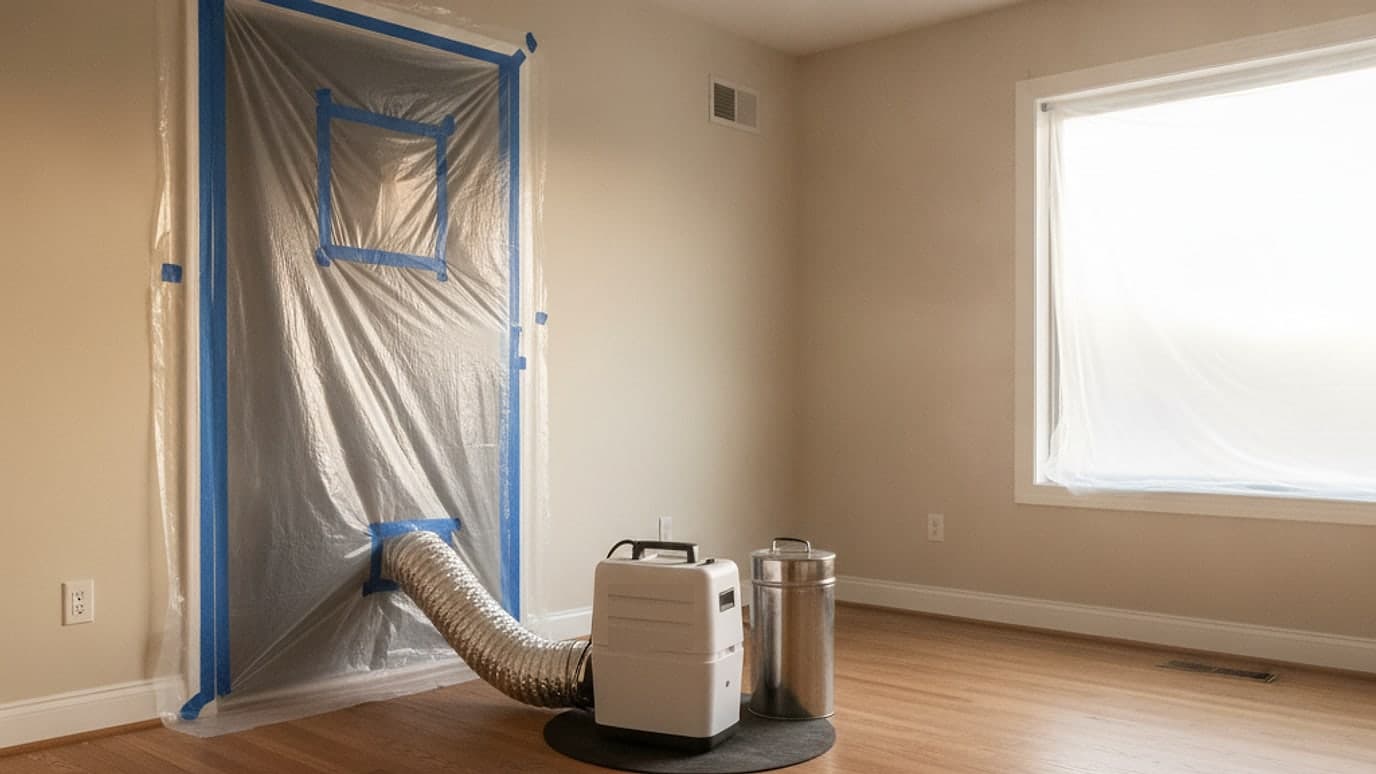
What does odor removal cost, and what actually gets rid of the smell?
What odor removal actually costs, with our own rates: chlorine dioxide gas at $0.99 a square foot, hydroxyl at $175 a day, thermal fogging, ozone, sealing. Which method suits which odor, and why source removal comes first.
Read the answer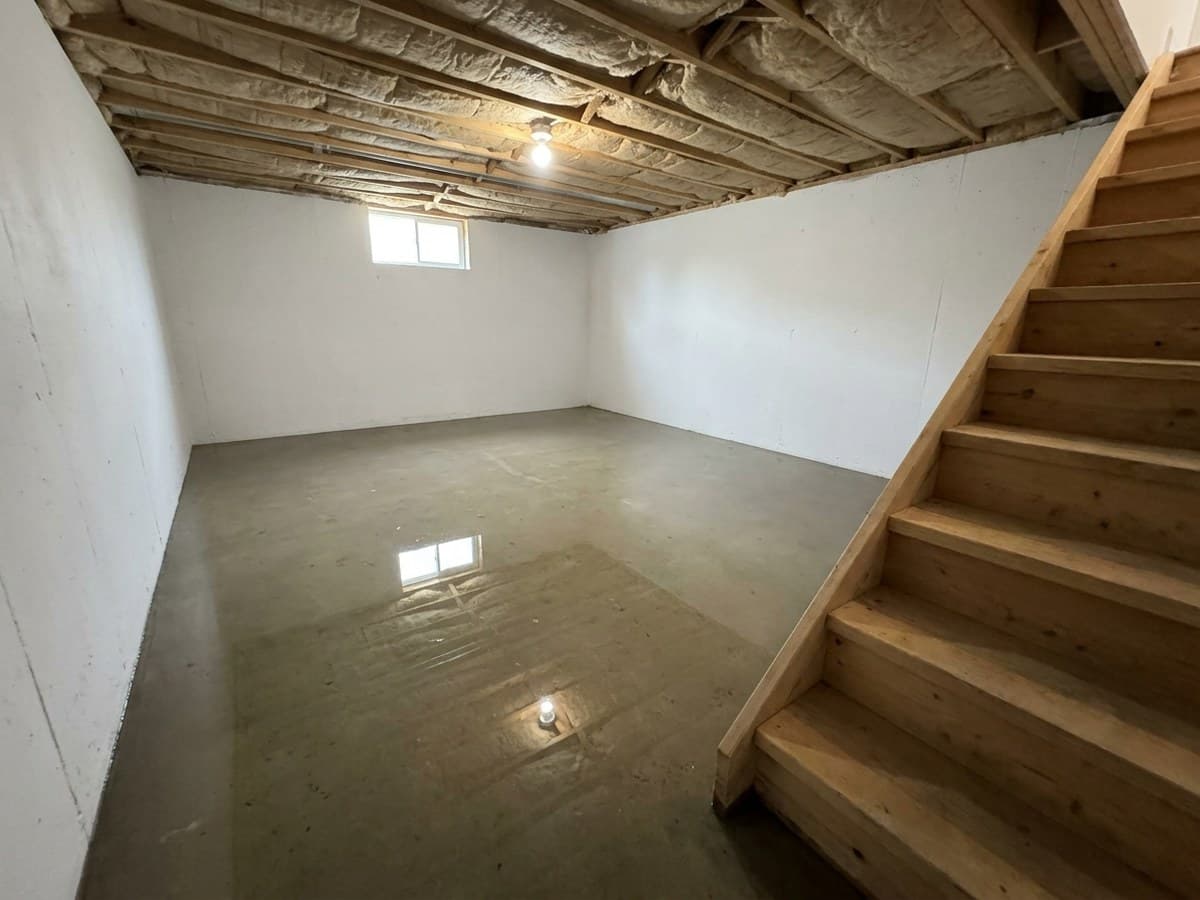
What does water damage restoration actually cost in Connecticut?
Real Connecticut numbers: $1,500 to $4,500 clean water, $2,500 to $8,500 gray, $7,500 to $50,000+ sewage. What moves a job inside those ranges.
Read the answerWhat causes a water heater to fail, and what will insurance cover?
A water heater does not break suddenly. It finishes a process that began years earlier. Here is how it runs, and what your policy actually covers.
Read the answer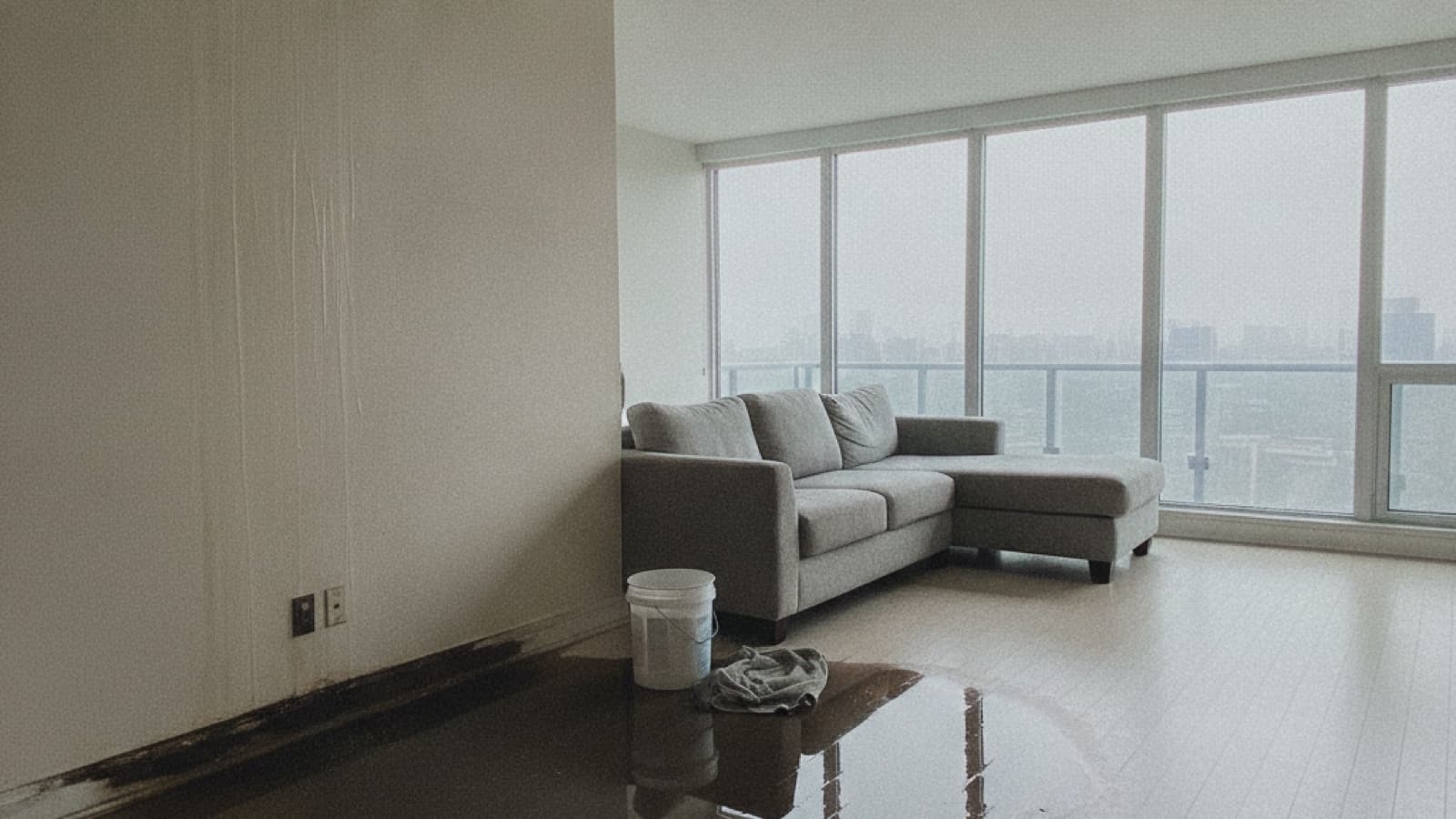
Who pays when water damage comes from another condo unit?
Your ceiling is coming down and the leak started upstairs. Most owners assume the neighbor pays. In a Connecticut condo, two statutes say otherwise.
Read the answer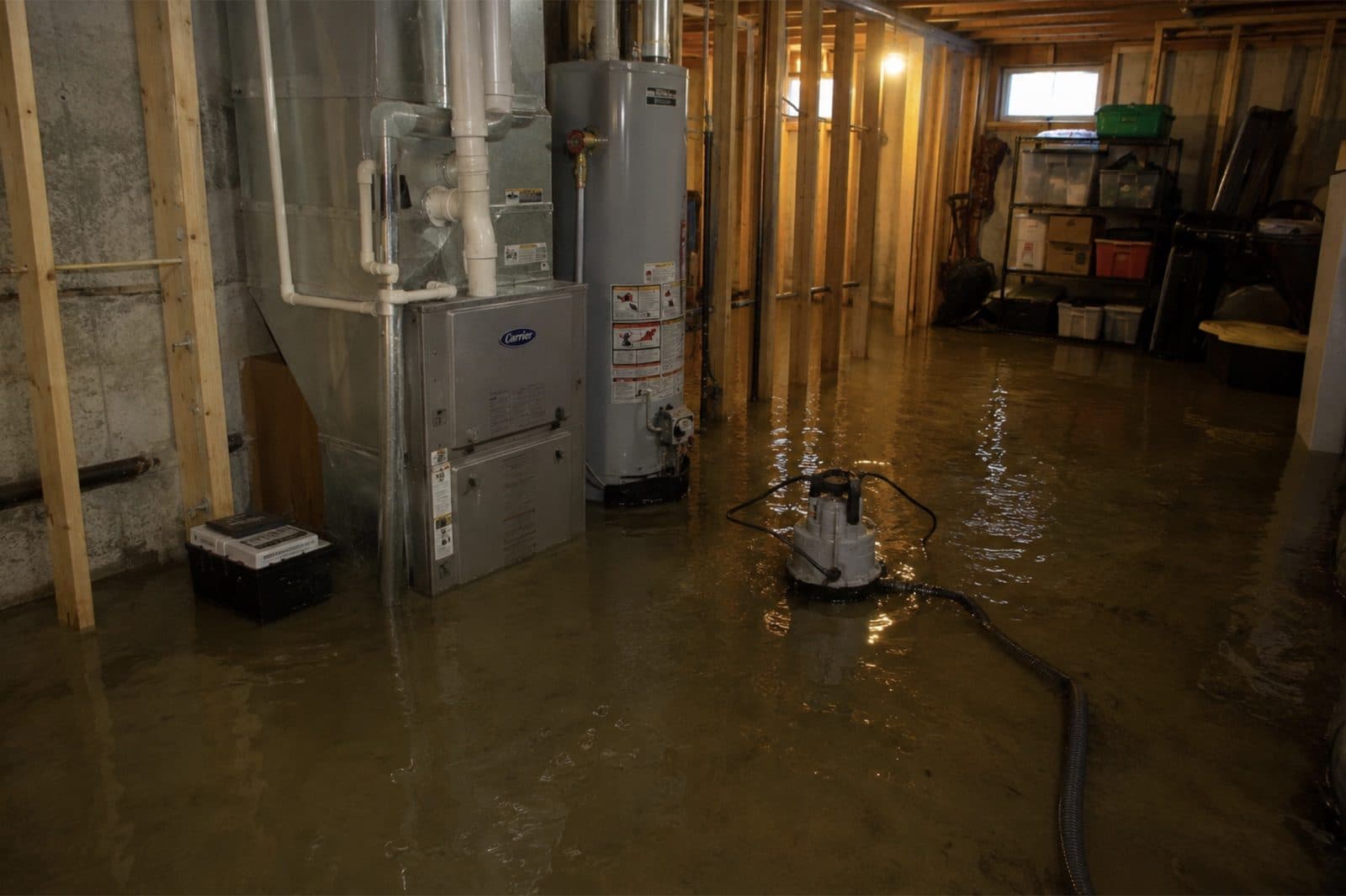
What should I do in the first 48 hours after a flood?
Floodwater is not rainwater that happened to get inside. Here is the full cleanup sequence for a Connecticut home, what to photograph before you pump, what has to be thrown away no matter how it looks, and the narrow window where drying decides everything.
Read the answer
Can my insurance company choose my restoration contractor?
No. The choice of restoration contractor belongs to the homeowner, in Connecticut and everywhere else. Here is what a carrier’s recommendation actually is, what Connecticut law guarantees you from any contractor you hire, and the five questions worth asking before you sign anything.
Read the answer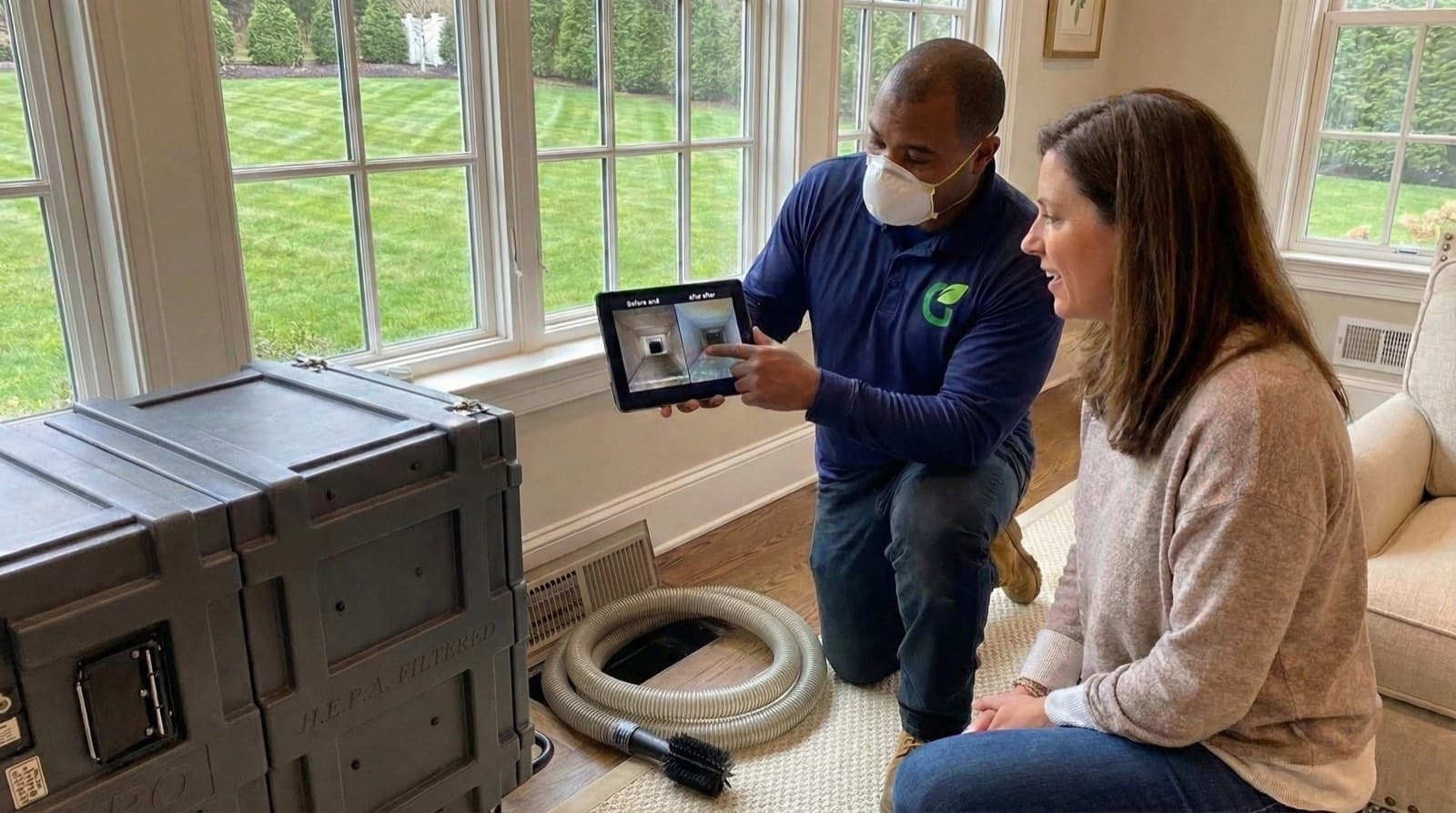
What does air duct cleaning really cost, and do I even need it?
A full NADCA-standard air duct cleaning in Connecticut runs $1,299 to $2,000 per HVAC system, flat. Here is exactly what that buys, why the $400 figure you saw online describes a different service, and when you should not pay anyone at all.
Read the answer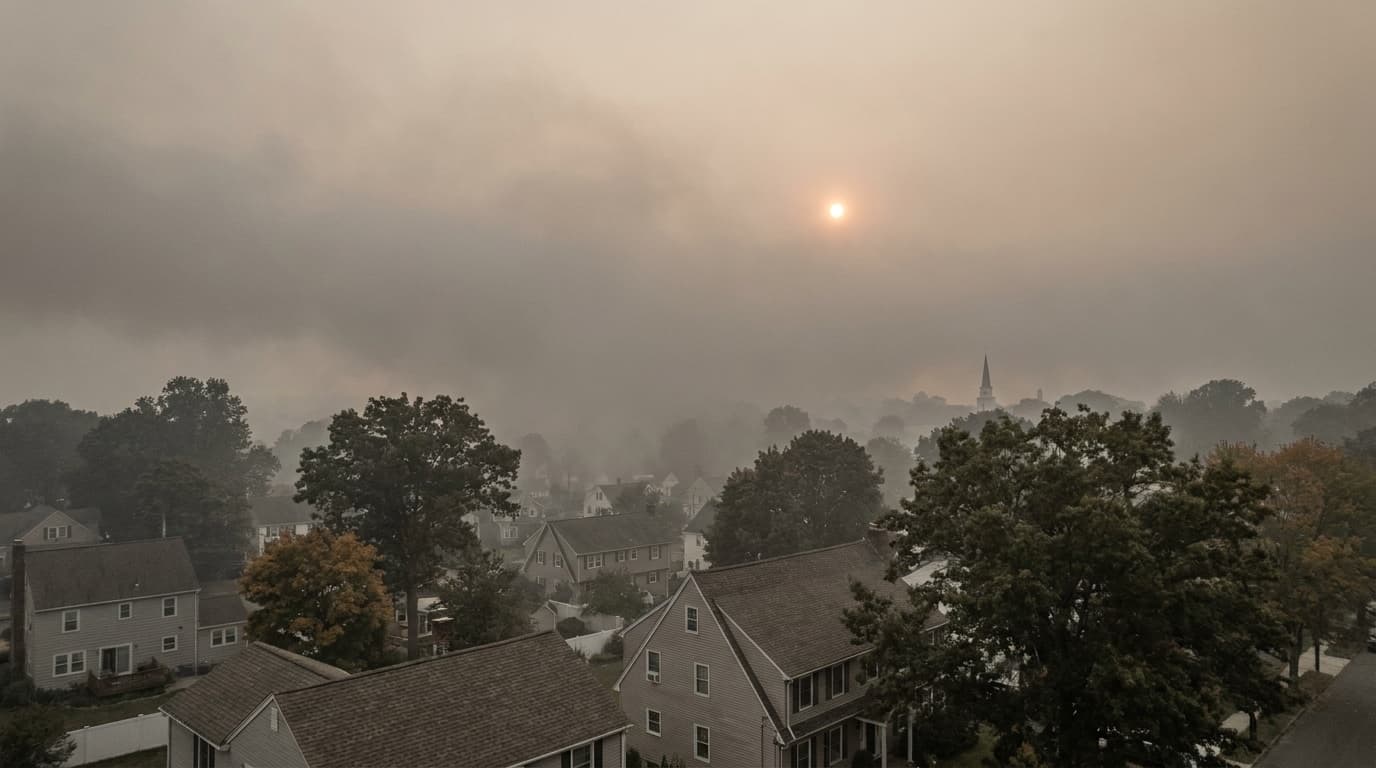
What should Connecticut homeowners do about wildfire smoke?
Smoke season is no longer an anomaly in the Northeast. Here is what fine particulate actually does inside a house, the under fifty dollar fixes that handle most of it, and the narrow set of cases where a restoration company is genuinely worth calling.
Read the answer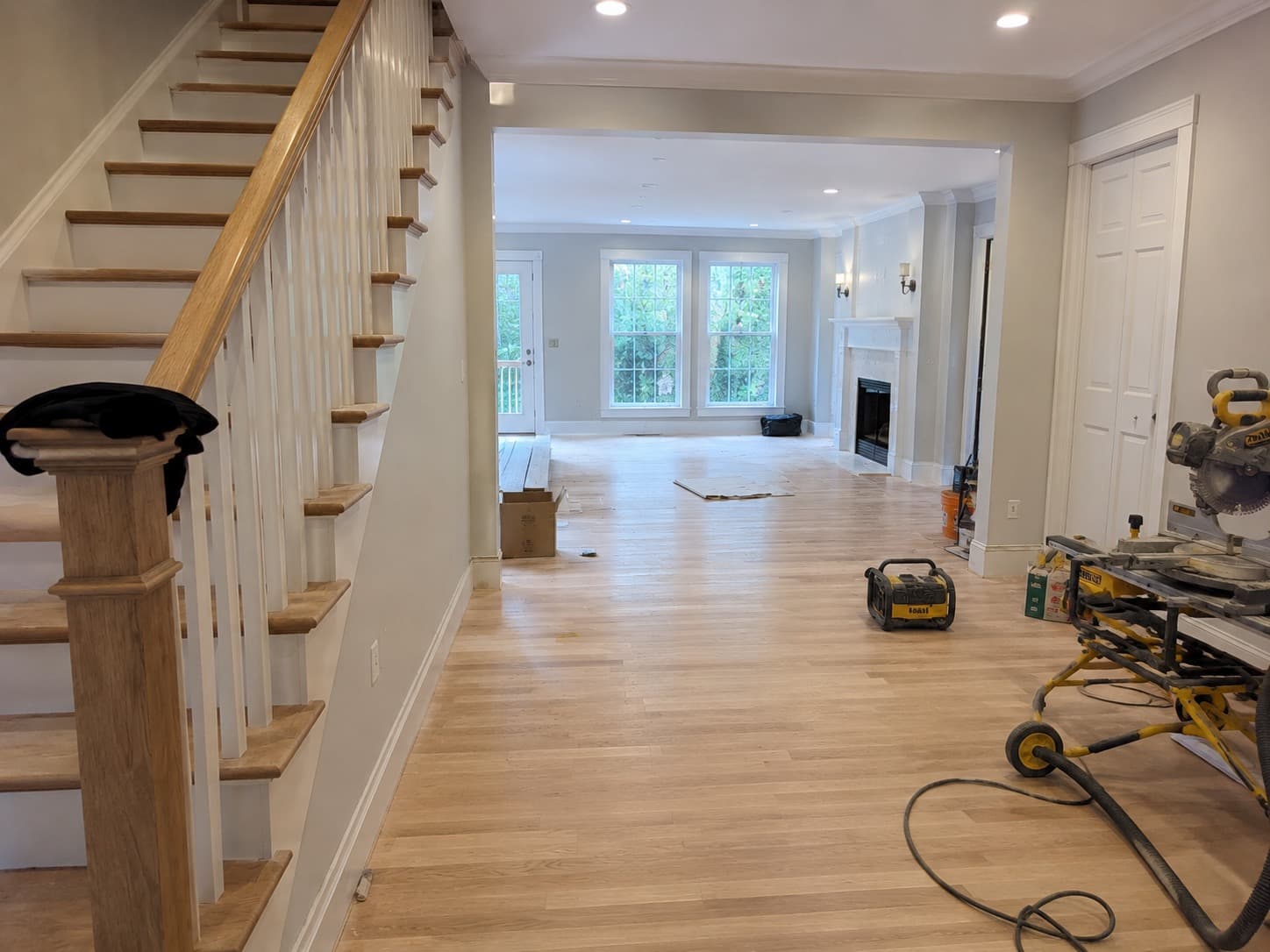
How does reconstruction work after the water is gone?
Mitigation dries the house out. Reconstruction puts it back together. Here is how the rebuild phase is scoped, priced in Xactimate, and paid by your insurance carrier after water, fire, or mold damage.
Read the answer
Also Worth Reading
More Guides
Deeper reading on the same jobs, the same costs, and the same insurance rules.
- Water Damage or Mold in a Rental: What a Tenant Can Do
- Is Sump Pump Failure Or Basement Flooding Covered By Homeowners Insurance?
- What To Do After A House Fire: The First 48 Hours
- What Is That Smell in My House?
- How to Get Smoke Smell Out of a House
- Why Does My Basement Smell Musty?
- Cat and Dog Urine Smell Removal That Actually Works
- New Connecticut Mold Law: What Changes October 1, 2026
- How to Prevent Mold Growth After Water Damage
- 7 Warning Signs of Hidden Water Damage in Your Home
- Navigating Fire Damage Insurance Claims: Expert Tips
- What Your Homeowners Insurance Actually Covers
- Documenting Damage for an Insurance Claim: Field Checklist
- Mold and Insurance: When It's Covered and When It's Not
- The Ultimate Guide to Crawl Space Moisture Control
- Storm Season Prep: Protecting Your Connecticut Home
- 5 Health Benefits of Professional Air Duct Cleaning
- Black Mold Removal: When to DIY vs. Call Professionals
Have a question these do not answer?
Call and ask. If the honest answer is that you do not need us, that is the answer you will get.
(833) 800-0474
