The bottle in the medicine cabinet is a real disinfectant, which is exactly why this question keeps getting a half-right answer. Isopropyl alcohol does kill fungal cells on contact. It also evaporates in under a minute, leaves nothing behind, and cannot reach a single millimeter below a surface. Those four facts together decide every case.
So the useful question is not whether alcohol kills mold. It is whether the material you are about to spray can hold a colony inside it. Glass, glazed tile, sealed metal, and hard plastic cannot. Drywall paper, framing lumber, plywood, ceiling tile, carpet backing, and insulation all can, and on those the visible patch is the top of something larger.
Below is what alcohol does at a cellular level, why the weaker bottle is the stronger disinfectant, a surface-by-surface table of where it is reasonable and where it is cosmetic, an honest comparison against vinegar, peroxide, and bleach, and the point at which a spray bottle stops being the right instrument.
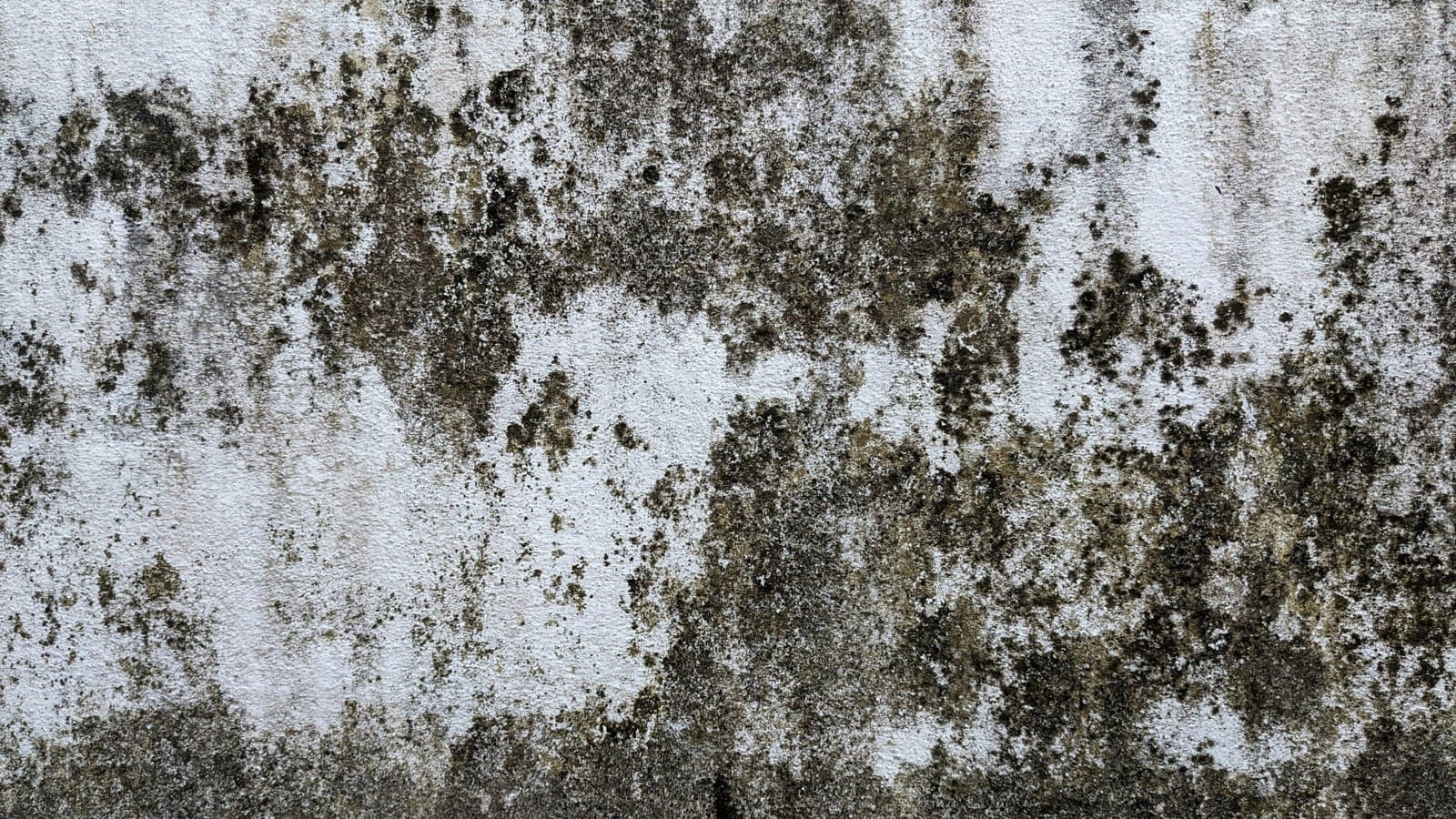
Does Rubbing Alcohol Kill Mold, Or Only Clean The Surface?
Alcohol is a genuine disinfectant. What it is not is a remediation method, and almost all of the confusion lives in that gap.
Where rubbing alcohol is a reasonable tool, where it is cosmetic, and what to do instead.
Glazed tile, glass, sealed stone
- Does alcohol work
- Yes, on light surface growth
- Why
- Nothing porous for a colony to root into, so wiping takes the growth and the residue together
- Better approach
- Detergent and water first, alcohol second, then keep the surface dry
Finished metal, hard plastic, laminate
- Does alcohol work
- Yes
- Why
- Alcohol evaporates without swelling or staining, and leaves no water behind in the material
- Better approach
- Same order, and check the seams where laminate meets its substrate
Painted drywall with a light surface film
- Does alcohol work
- Sometimes
- Why
- Intact paint is a barrier, so growth may be sitting on the coating rather than in the board
- Better approach
- Clean it, then watch the same spot for three weeks. Regrowth means moisture inside the wall
Bare drywall, paper facing, ceiling tile
- Does alcohol work
- No
- Why
- Paper is food, and growth roots through it, so surface contact never reaches the colony
- Better approach
- Remove and replace the affected material once the moisture source is corrected
Framing lumber, plywood, OSB, subfloor
- Does alcohol work
- No
- Why
- Hyphae run into the grain well below anything a wipe or a spray can touch
- Better approach
- HEPA vacuum, then abrasive cleaning or professional removal under containment
Carpet, upholstery, fiberglass insulation
- Does alcohol work
- No
- Why
- Alcohol cannot penetrate backing or batt, and it damages some fibers and adhesives
- Better approach
- Discard the material. Soft porous goods with rooted growth are not cleaned in place
| Surface | Does alcohol work | Why | Better approach |
|---|---|---|---|
| Glazed tile, glass, sealed stone | Yes, on light surface growth | Nothing porous for a colony to root into, so wiping takes the growth and the residue together | Detergent and water first, alcohol second, then keep the surface dry |
| Finished metal, hard plastic, laminate | Yes | Alcohol evaporates without swelling or staining, and leaves no water behind in the material | Same order, and check the seams where laminate meets its substrate |
| Painted drywall with a light surface film | Sometimes | Intact paint is a barrier, so growth may be sitting on the coating rather than in the board | Clean it, then watch the same spot for three weeks. Regrowth means moisture inside the wall |
| Bare drywall, paper facing, ceiling tile | No | Paper is food, and growth roots through it, so surface contact never reaches the colony | Remove and replace the affected material once the moisture source is corrected |
| Framing lumber, plywood, OSB, subfloor | No | Hyphae run into the grain well below anything a wipe or a spray can touch | HEPA vacuum, then abrasive cleaning or professional removal under containment |
| Carpet, upholstery, fiberglass insulation | No | Alcohol cannot penetrate backing or batt, and it damages some fibers and adhesives | Discard the material. Soft porous goods with rooted growth are not cleaned in place |
What Isopropyl Alcohol Does To A Fungal Cell
Alcohol dissolves the lipid membrane around a cell and denatures the proteins inside it. Anything it fully wets, for long enough, dies. That is a real effect and it is why isopropyl sits in medical settings. The limits are equally real: it works only where it makes wet contact, it has no residual activity once it evaporates, and it does not lift the residue it leaves behind.
Killing Is Not The Same As Removing
This is the part most cleaning advice skips. A dead colony is still organic material sitting on your wall, and EPA guidance is explicit that killing mold is not sufficient because dead mold still has to be physically removed. EPA notes mold exposure is associated with respiratory symptoms in sensitive individuals, and that holds whether the growth is active or not. The wiping matters more than the spraying.
Is 70 Percent Or 91 Percent Isopropyl Alcohol Better On Mold?
Higher is not stronger here. The weaker bottle is the better disinfectant, and the reason is the water in it.
Why Seventy Percent Wins
The thirty percent water is doing work. It slows evaporation so the surface stays wet long enough for the alcohol to act, and it helps carry the alcohol through the cell wall rather than fixing proteins on the outside of it. A 91 to 99 percent solution flashes off in seconds, which shortens contact time to almost nothing. This is standard disinfection practice, not a household folk rule.
What Contact Time Means With A Spray Bottle
One pass with a cloth is not disinfection. The surface has to stay visibly wet for several minutes, which on a vertical wall means spraying, letting it sit, and re-wetting as it dries at the edges. If the patch is dry thirty seconds after you spray it, nothing useful happened. That single detail explains most reports that alcohol did not work.
Where Does Isopropyl Alcohol Work, And Where Does It Fail?
The dividing line is porosity, not the size of the patch.
Hard And Nonporous Is A Reasonable Job
Shower glass, glazed tile faces, window frames, sealed countertops, appliance housings, and plastic trim all qualify. Growth on these is genuinely sitting on top, so cleaning removes it and alcohol handles what the cloth left. This is the category where a homeowner with a bottle and a roll of paper towel gets a real result that lasts, provided the room dries between uses.
Porous Material Gives You A Cosmetic Result
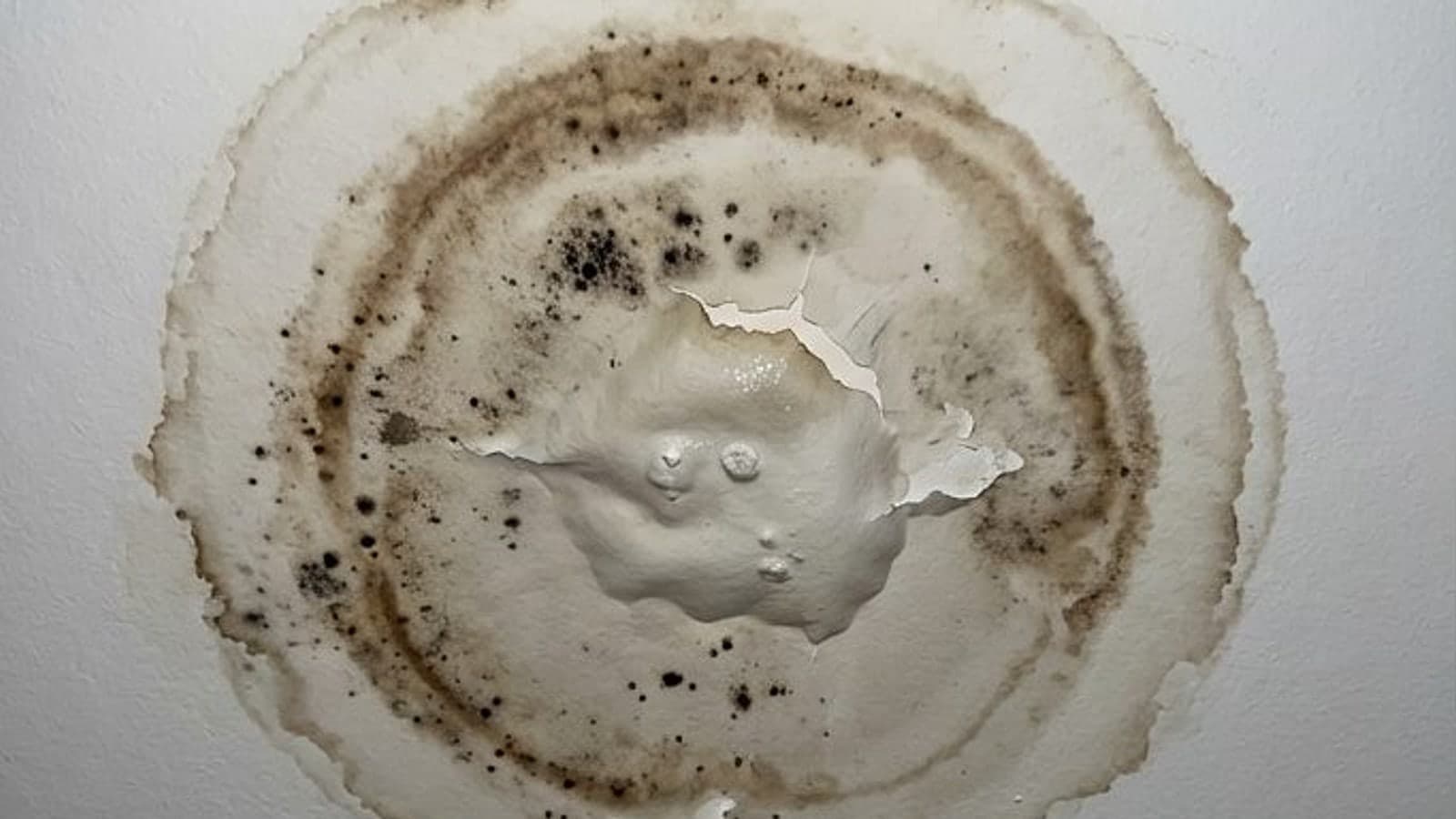
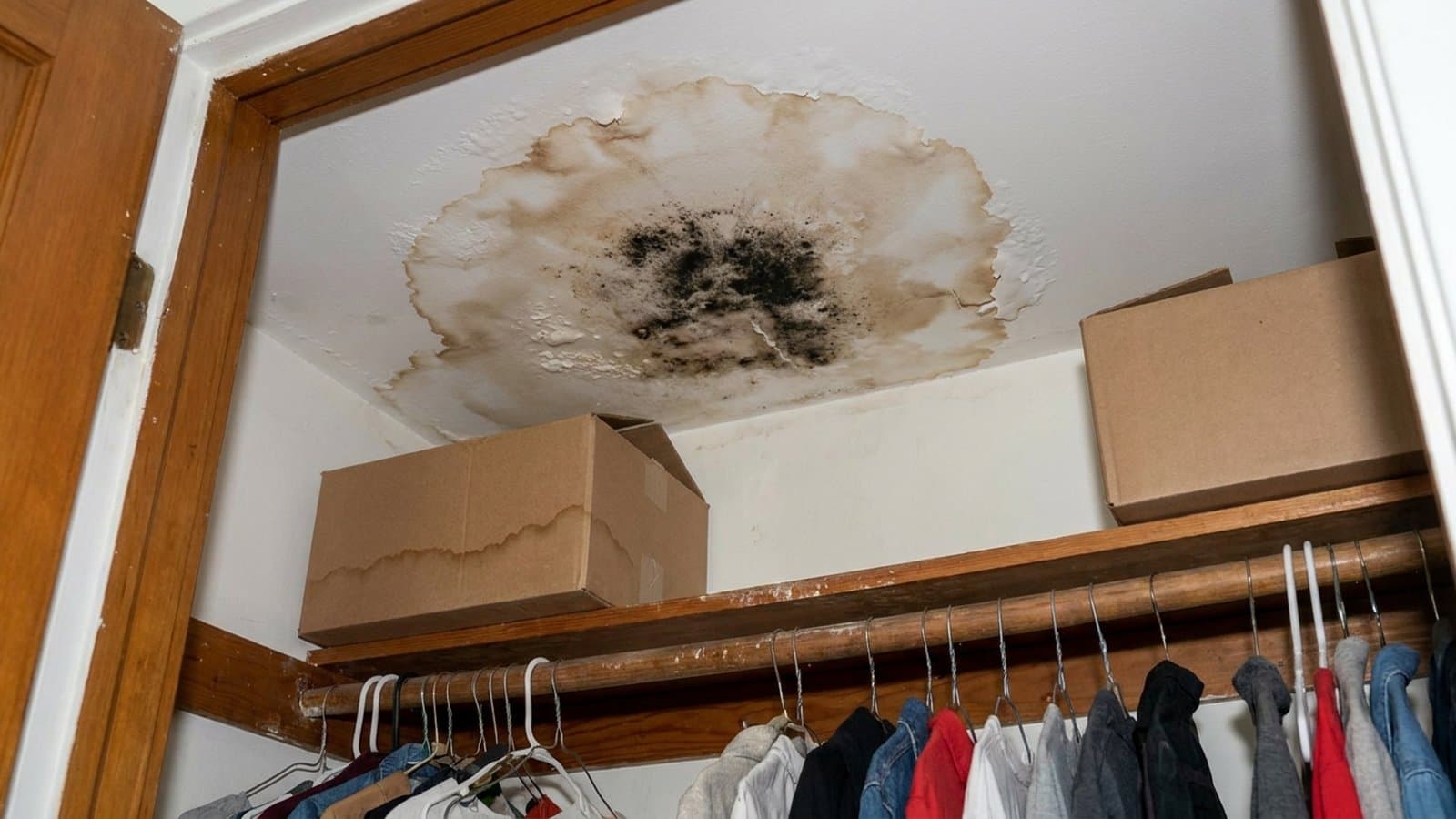
On drywall paper, bare wood, ceiling tile, and fabric, a colony extends into the material as a network of filaments. Spraying the face kills the visible top layer and leaves the rest. The patch pales for a week or two, then returns in the same outline, which is the clearest sign that the growth was never on the surface to begin with.
"Alcohol is a surface tool. If a material can absorb water, it can hold a colony, and nothing you spray on the outside reaches what is growing on the inside."
How Do You Use Rubbing Alcohol On A Mold Spot Safely?
Three conditions come before the bottle: under roughly ten square feet, on a hard surface, with the moisture source already fixed.
Ventilate And Protect Yourself First
Isopropyl is flammable and its vapor is heavier than air, so it pools low in a bathroom or a basement. Open a window, run an exhaust fan, and keep it away from pilot lights, water heaters, space heaters, and anything that sparks. Wear an N95, nitrile gloves, and eye protection, because disturbing growth is what puts spores in the air.
The Order That Actually Matters
Clean before you disinfect. HEPA vacuum the area if you have one, or wipe with detergent and water, so the residue leaves the room rather than being killed in place. Then apply alcohol and keep the surface wet for several minutes. Then dry it completely. Never dry brush or scrape a colony, because that aerosolizes the highest concentration of spores in the whole process.
What Never To Mix It With
Do not combine isopropyl with bleach or any chlorine product. The reaction produces chloroform and other irritants, and it is a genuine hazard in an unventilated bathroom. Do not mix it with ammonia cleaners either, and do not store an alcohol and peroxide blend in a sealed container. One product at a time, rinsed and dried between, is the only safe sequence.
What Works Better Than Rubbing Alcohol On Mold?
Every household agent has one narrow window where it is the right choice. This is the honest comparison, including the one that wins most often.
Household agents compared on the surfaces they are actually suited to.
Detergent and water
- Best used on
- Any washable hard surface
- Real limitation
- No residual activity, and it does nothing about the moisture source
- Verdict
- The default. Physical removal is the point, not the kill
Isopropyl alcohol at 70 percent
- Best used on
- Glass, tile, sealed metal, plastic, appliance housings
- Real limitation
- Flammable, evaporates fast, never reaches porous material
- Verdict
- A good spot tool on nonporous surfaces, used after cleaning
White vinegar
- Best used on
- Grout, glazed tile, shower fixtures
- Real limitation
- Slow, strong odor, and it can etch natural stone and soften some grout
- Verdict
- Reasonable on tile. Not for wood or drywall
Hydrogen peroxide at 3 percent
- Best used on
- Light growth on hard surfaces and some colorfast fabrics
- Real limitation
- Bleaches color, degrades in light, needs minutes of dwell time
- Verdict
- Useful, but spot test on an unseen area first
Household bleach
- Best used on
- Nonporous surfaces only
- Real limitation
- Mostly water, so it drives moisture into porous material while chlorine stays on top
- Verdict
- Not for wood or drywall, and never mixed with another cleaner
EPA registered antimicrobial
- Best used on
- Whatever the product label lists
- Real limitation
- Only valid when used exactly as labeled, including the full dwell time
- Verdict
- The right tool when a product is genuinely called for
| Agent | Best used on | Real limitation | Verdict |
|---|---|---|---|
| Detergent and water | Any washable hard surface | No residual activity, and it does nothing about the moisture source | The default. Physical removal is the point, not the kill |
| Isopropyl alcohol at 70 percent | Glass, tile, sealed metal, plastic, appliance housings | Flammable, evaporates fast, never reaches porous material | A good spot tool on nonporous surfaces, used after cleaning |
| White vinegar | Grout, glazed tile, shower fixtures | Slow, strong odor, and it can etch natural stone and soften some grout | Reasonable on tile. Not for wood or drywall |
| Hydrogen peroxide at 3 percent | Light growth on hard surfaces and some colorfast fabrics | Bleaches color, degrades in light, needs minutes of dwell time | Useful, but spot test on an unseen area first |
| Household bleach | Nonporous surfaces only | Mostly water, so it drives moisture into porous material while chlorine stays on top | Not for wood or drywall, and never mixed with another cleaner |
| EPA registered antimicrobial | Whatever the product label lists | Only valid when used exactly as labeled, including the full dwell time | The right tool when a product is genuinely called for |
Why The Standing Recommendation Is Just Detergent And Water
EPA guidance for routine cleanup of hard surfaces is detergent and water, and it is not a compromise answer. Removal is the objective, disinfection is secondary, and a surfactant plus mechanical scrubbing removes more biological material than any spray does. It also carries no fumes, no flammability, and no risk of a bad chemical combination in a small room.
When Does A Spray Bottle Stop Being The Right Tool?
There is a size, a location, and a material past which cleaning agents are the wrong instrument. The list is short and it is worth knowing before you buy a second bottle.
The Ten Square Foot Line
EPA guidance uses roughly ten square feet, about a three by three foot patch, as the point where a homeowner should bring in help rather than clean it themselves. Below that line, with the water source already fixed and the surface hard, cleaning it yourself is entirely reasonable. Above it, the volume of material being disturbed changes what the job requires.
The Signals That Say Stop Cleaning
A musty odor that returns when the heat or air conditioning runs. Growth reappearing in the same outline within weeks. Anything visible on framing, behind a baseboard, or inside a wall cavity. Growth within a few feet of an HVAC return, because that distributes spores through the house. Health questions belong with a physician, not with a cleaning product label.
What Professional Removal Costs Instead
In Connecticut and Massachusetts a small single-area project runs 1,500 to 4,500 dollars, a basement or single room runs 3,000 to 8,000 dollars, and whole-home work runs 8,000 to 25,000 dollars or more, roughly 14 to 28 dollars per square foot. The full derivation is in our mold remediation cost guide, and the scope of the work itself is described on our mold remediation page. If you are unsure whether the growth is even mold, our is white mold dangerous guide covers identification, and independent mold inspection and air testing settles it with lab results.
And When The Moisture Came First
Most growth we are called to started as a water event that dried slowly, which is why the durable fix is upstream of the wall. If a leak, an appliance failure, or a storm put water into the building, that is a water damage restoration problem before it is a cleaning problem. Local scope and pricing for the mold side sits on pages such as Stamford mold remediation.
Need Restoration Services?
60-minute response across CT, NY & MA. Licensed, insured, free inspections.
Questions Homeowners Ask
Does rubbing alcohol kill mold on walls?+
On a painted wall with an intact coating and a light surface film, often yes, because the growth is sitting on the paint rather than in the board. On bare drywall or paper facing, no. The paper is food and the colony roots through it, so a surface spray never reaches what is actually growing.
Is 70 percent or 91 percent isopropyl alcohol better for mold?+
Seventy percent. The water content slows evaporation so the surface stays wet long enough to act, and it helps the alcohol pass through the cell wall instead of fixing proteins on the outside. A 91 percent solution flashes off in seconds, which leaves almost no contact time on a vertical surface.
How long does rubbing alcohol need to sit on mold?+
Long enough to stay visibly wet for several minutes, which usually means spraying, waiting, and re-wetting the edges as they dry. A single wipe is not disinfection. If the area is dry half a minute after you spray it, the contact time was never achieved and the result will look like the product failed.
Can you mix rubbing alcohol and bleach to clean mold?+
No. Alcohol combined with chlorine bleach produces chloroform and other irritants, and a small unventilated bathroom is the worst possible place for that reaction. Use one product at a time, rinse and dry between, and never combine alcohol with ammonia cleaners either. There is no cleaning benefit that offsets the hazard.
Does rubbing alcohol kill mold spores in the air?+
No. Spraying a room does nothing useful for airborne spores, which settle and resuspend continuously in every building. Airborne concentrations drop when the source is removed and the moisture feeding it is corrected, and during professional work when the area is held under negative pressure with HEPA filtration.
Will rubbing alcohol remove a mold stain from wood?+
Usually not. Staining in wood is pigment left in the grain, and it commonly remains after all the growth is gone. A stain on finished trim may lift with cleaning, while discoloration in raw lumber generally needs sanding or an encapsulating coating once the material is dry and the growth has been removed.
Is rubbing alcohol safe on painted surfaces and finished wood?+
Test an unseen corner first. Alcohol softens some latex paints, lacquers, and shellac finishes, and it can leave a dull patch on a satin sheen. It is safest on glass, glazed tile, sealed metal, and hard plastic. Apply with a cloth rather than soaking the surface, and dry it immediately afterward.
When should I stop cleaning mold myself and call a professional?+
Above roughly ten square feet, on porous material such as framing or bare drywall, within a few feet of an HVAC return, or when growth returns in the same outline after cleaning. A musty smell that comes back with the heating or cooling system is the other clear signal that the source is inside the assembly.