Here are the numbers first. Crawl space encapsulation in Connecticut runs 6,000 to 9,000 dollars for a clean, dry crawl space of 1,000 to 1,500 square feet. When the scope also has to include mold remediation, interior drainage, replacing failed insulation or a dehumidifier, which describes most of the crawl spaces we actually inspect, the project lands between 12,000 and 18,000 dollars, and shoreline homes and large footprints run above that. A vapor barrier by itself, with no vent sealing and no dehumidifier, is 2.50 to 3.00 dollars per square foot, so roughly 2,500 to 3,000 dollars for a 1,000 square foot space.
Those are the same ranges published on our crawl space encapsulation page, and they are built from the Connecticut quotes we wrote in 2026, not from a national cost calculator. National sites will tell you the average is 15,000 dollars or that it can reach 30,000. Neither number is wrong for the house it describes. Both are useless for yours until you know which of the six parts your crawl space needs, and which it does not.
This article walks through what each part costs, what moves a project from the bottom of its range to the top, why the cleanup is a separate line and comes first, when a barrier alone is the honest answer, and the one situation where encapsulating would be a mistake.
The Three Numbers, And What Each One Buys
Encapsulation is priced by what the crawl space needs, not by square footage alone. A small, badly damaged crawl space costs more than a large, clean one.
Barrier Only: $2.50 To $3.00 Per Square Foot
A professionally installed vapor barrier is a reinforced liner across the dirt floor, seams taped, fastened at the wall. It stops ground moisture from evaporating into the crawl space. It does nothing about the humid summer air coming through open foundation vents, which in Connecticut is most of the moisture in a vented crawl space.
This is the right scope for a crawl space that is dry, has no odor upstairs, no mold on the framing, and just has bare dirt under the house. It is also the scope some contractors sell as "encapsulation" at encapsulation prices. Ask what happens to the vents and whether a dehumidifier is included; if the answer is nothing and no, you are being quoted a barrier.
Full System, Clean And Dry: $6,000 To $9,000
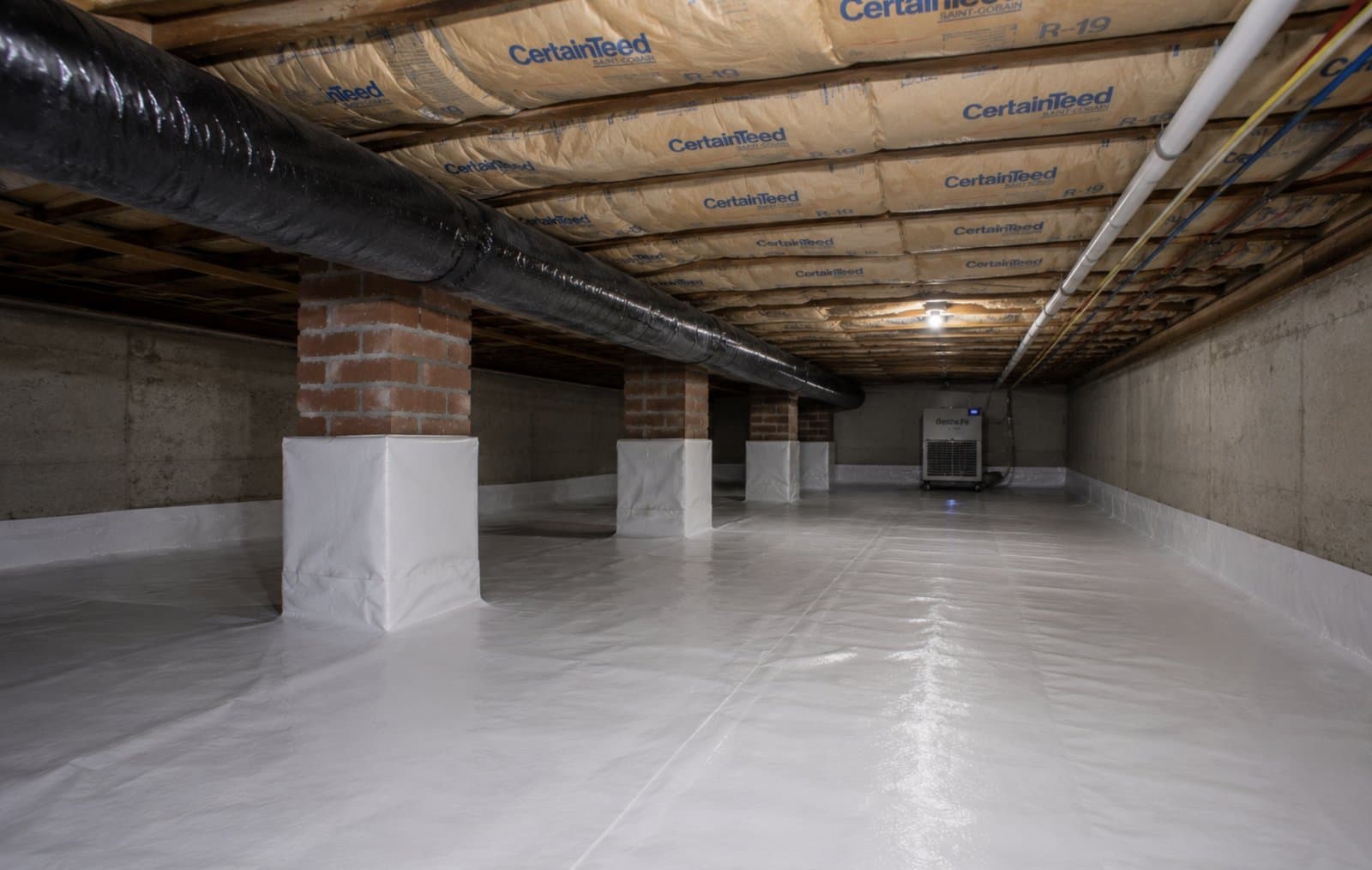
This is the complete system on a crawl space that needs no repair first: the 20 mil liner on the floor and up the walls with every pier wrapped, insulated covers on the foundation vents, the rim joist and every pipe and wire penetration air sealed, foundation walls insulated, and a crawl space rated dehumidifier sized to the square footage and drained. Sealed, insulated and dehumidified, the crawl space becomes conditioned space and the humidity holds under 55 percent.
A 1,000 square foot crawl space with good access sits at the bottom of the range. Fifteen hundred square feet with a lot of piers and ductwork to work around sits at the top. The dehumidifier alone is 800 to 1,500 dollars of that number depending on the unit the square footage calls for.
Full System With Repairs: $12,000 To $18,000 And Up
Most of the crawl spaces we are called to are not clean and dry, which is why the owner is calling. Mold on the joists has to be remediated under containment before the liner goes in. Fallen fiberglass, debris and rodent waste have to come out. Water entering at the footing needs an interior drain and a sump pump. Each of those is real work with its own line, and together they are what carry a project from 9,000 to 18,000 dollars.
The plus sign exists because the range is honest. A large shoreline crawl space in Fairfield or New Haven County with a high water table, drainage, full remediation and a big dehumidifier genuinely exceeds 18,000, and a quote that pretends otherwise gets corrected on site.
What Moves The Price Inside Those Ranges
Six things decide where your project lands. The inspection measures all six before anything is quoted.
Condition Before Square Footage
A clean 1,500 square foot crawl space is cheaper to encapsulate than a moldy 800 square foot one. Square footage sets the liner and insulation quantity; condition sets the labor. The first question on the inspection is not how big, it is what has to happen before the liner can go down.
Mold Remediation
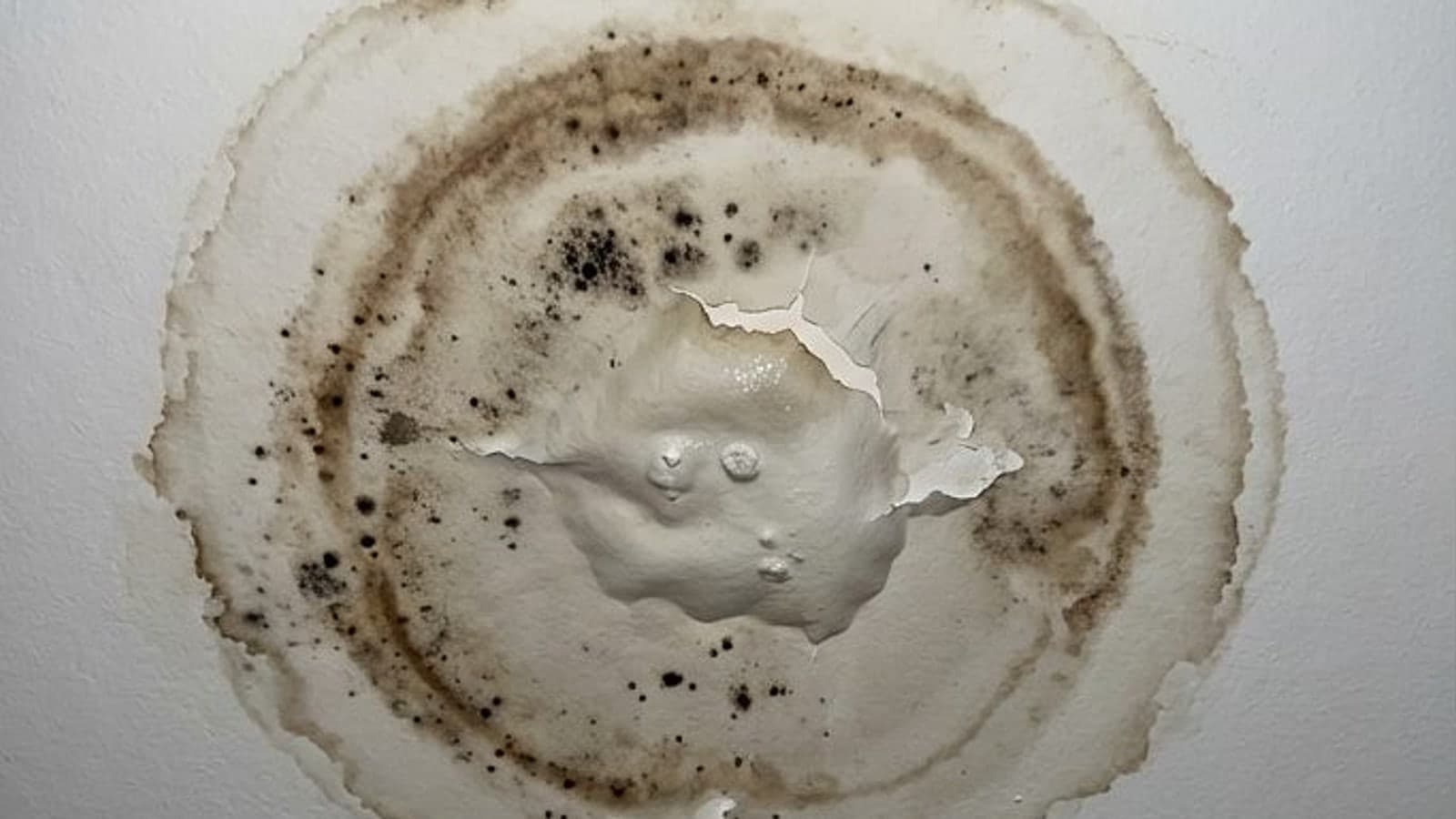
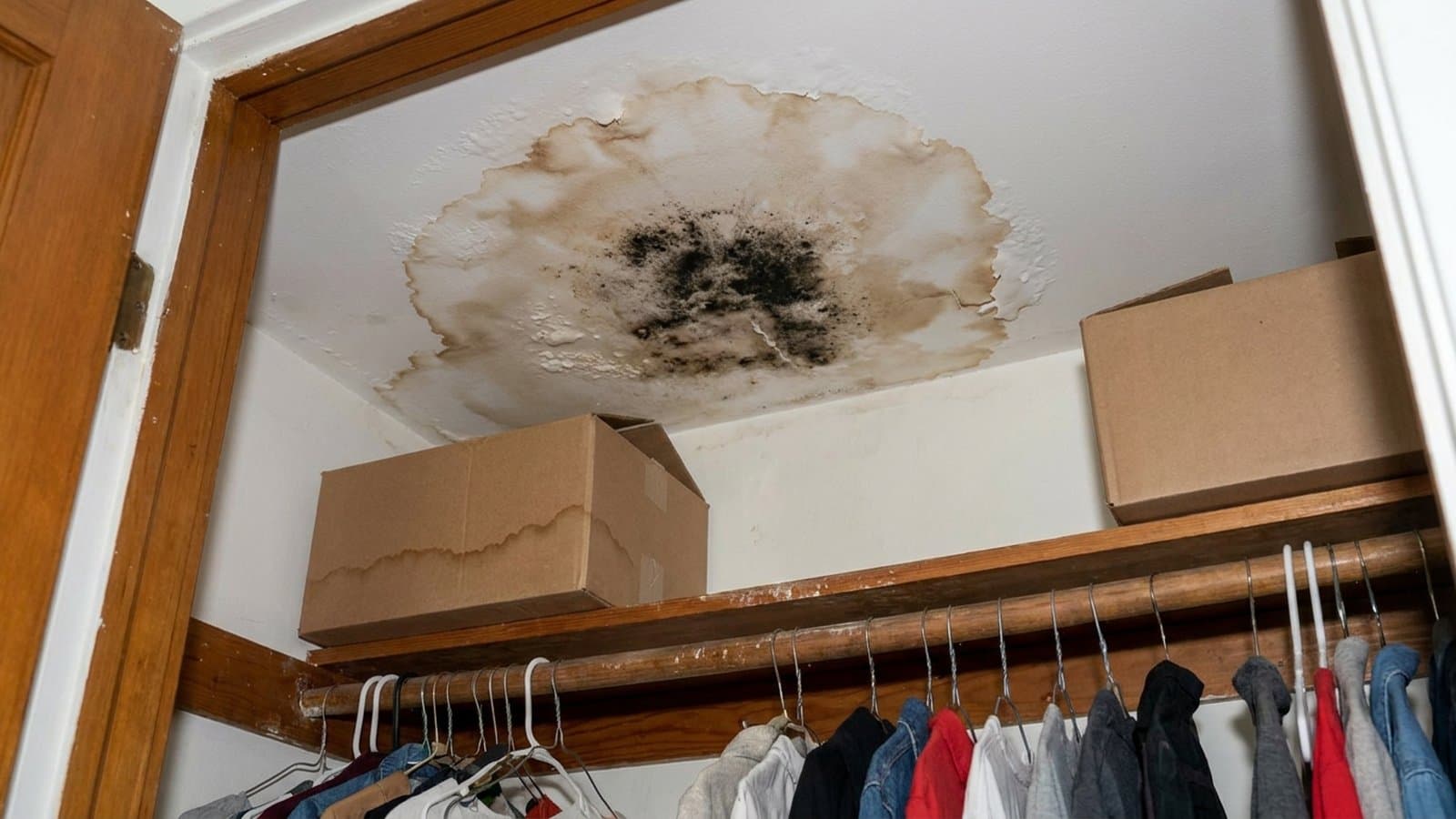
Staining on the joists and subfloor means the humidity has sat above 60 percent long enough for growth. That is remediated to the IICRC S520 standard, under containment with HEPA filtration, by our own crews, and it is never covered over. It is quoted on its own line following the ranges on our mold remediation pages. Sealing a crawl space with active mold in it is the most expensive mistake in this trade, because the whole system comes back apart to fix it.
Drainage And Sump
If water pools on the floor or enters through the wall, an interior drain to a sump pump is added before the liner. This is the single largest optional line, and it is never optional when water enters. A liner over standing water puts the water on top of the plastic with nowhere to go.
Insulation Removal And Replacement
Wet fiberglass between the joists comes out during cleanup; it is a moisture sponge and a rodent nest. In an encapsulated crawl space the insulation moves to the foundation walls, which is a different product and a different quantity. Homes with a lot of old batting pay more for the removal and less for the wall insulation.
Access And Obstructions
A crawl space with 30 inches of clearance and a hatch inside the house goes fast. Eighteen inches, an exterior hatch, ductwork on the floor and a forest of piers each slow the crew down, and labor is the cost. The inspection photographs the access so the quote is not a guess.
The Dehumidifier
A crawl space rated unit sized to the square footage and drained to a condensate line or pump. It is 800 to 1,500 dollars of the project and it is the part cut-price installs leave out to hit a number. Without it, a sealed crawl space in a Connecticut summer still climbs above 60 percent and the liner is protecting nothing.
"The liner is the cheapest part of the job. Everything that has to happen before it goes down is where the money is, and that is the part you do not skip."
Why The Cleanup Is Its Own Line, And Comes First
Encapsulation quotes that bundle the cleanup are how homeowners pay for the same work twice.
Two Jobs, One Written Scope
Crawl space cleanup and remediation is work our own IICRC certified crews do: insulation removal, debris and rodent waste out, mold remediated, the space sanitized and dried. The encapsulation system is installed after that, on a clean and dry floor. On our quotes those are separate lines on one written scope, so you can see exactly what the cleanup costs and exactly what the system costs, and so that a cleanup you have already paid for, or done yourself, never reappears inside an encapsulation price.
The crawl space cleanup page carries the cleanup ranges. For many dry crawl spaces with a rodent or insulation problem, that cleanup plus a dehumidifier is the whole job, and the inspection says so.
What Our Own 2026 Jobs Looked Like
A Greenwich sunroom crawl space that needed the old insulation out, the joists treated and a full liner with sealed vents is documented in our Greenwich encapsulation case study. A Norwalk crawl space that only needed the fallen insulation removed and the space cleaned is in the Norwalk cleanup case study, and a Stamford crawl space with a rodent problem is in the Stamford rodent cleanup case study. Three crawl spaces, three different scopes, three different prices. That is the point.
Vapor Barrier Or Full Encapsulation: How To Decide
The most common question we get, and the one with the most honest answer.
When A Barrier Is Enough
The crawl space is dry, the humidity reads under 60 percent in August, there is no odor on the first floor, no mold on the framing, no condensation on the ducts, and the floors above are not cold. You have bare dirt and you want ground moisture stopped. A barrier, 2.50 to 3.00 dollars per square foot, does that.
When You Need The System
Musty air upstairs that comes and goes with the weather. Sweating ductwork or pipes in summer. Fiberglass hanging or fallen. Any staining on the joists. Cold floors and heating bills that do not match the house. Any one of those means the problem is the air coming through the vents, and a barrier on the floor does not touch it. The vents get sealed, the rim joist gets sealed, the dehumidifier goes in, and the crawl space becomes part of the house.
When To Wait
Standing water on the floor, or water that comes in with every heavy rain. Encapsulating that crawl space without drainage first is worse than doing nothing, because the liner traps the water. The honest scope is drainage and a sump, dry the space, then seal it. Anyone who quotes a liner over a wet floor is quoting a job they will be back to redo.
Energize CT, Smart-E, And Insurance
Encapsulation is a home improvement, and Connecticut has real programs for it. Insurance is a different question.
Energize CT And The Smart-E Loan
Crawl space air sealing and insulation can qualify for Energize CT Home Energy Solutions incentives, which begin with a home energy assessment. The CT Green Bank Smart-E loan covers crawl space encapsulation, dehumidifiers and insulation with low interest terms up to 20 years and no down payment. We provide the documentation both programs ask for as part of the close-out, and the walkthrough humidity reading is part of that record.
What Insurance Does And Does Not Cover
The encapsulation system is an improvement to the house, not a repair of a covered loss, so it is not an insurance item. The sudden water or mold event that damaged the crawl space in the first place may be covered under your policy, and the cleanup and remediation of that event is documented to the IICRC standard and submitted directly to your carrier. Your carrier decides under your policy. We are not licensed public adjusters and do not negotiate claims.
Questions Connecticut Homeowners Actually Ask
Short answers to the questions that likely brought you here.
How Much Does Crawl Space Encapsulation Cost In Connecticut?
Six thousand to 9,000 dollars for a clean, dry crawl space of 1,000 to 1,500 square feet. Twelve thousand to 18,000 dollars and up when mold remediation, drainage, insulation replacement or a dehumidifier are in the scope. A barrier alone is 2.50 to 3.00 dollars per square foot. The inspection is free and the quote is written and itemized.
Is Crawl Space Encapsulation Worth It?
If the crawl space is sending musty air, moisture or cold up into the house, yes, because those problems do not have another fix. If the crawl space is dry and quiet, a barrier or nothing at all is the better answer, and the inspection will say so. The system pays back in the mold and rot it prevents and the heating it saves; how fast depends on how bad the crawl space was.
How Long Does It Take?
Cleanup and remediation take a day, sometimes two. The encapsulation takes one to three days depending on square footage, access and whether drainage is part of it. Most Connecticut projects finish within a week of the cleanup.
Do I Need A Permit?
Requirements vary by town. A liner, vent covers and insulation usually do not need one; the electrical outlet for the dehumidifier or a sump pump may, and a licensed electrician pulls it when it does. We confirm with your building department as part of the scope.
What Does The Inspection Cost?
Nothing. A technician walks the crawl space with a moisture meter and thermal camera, logs the humidity, photographs the problems, and you get a written scope with each part priced. If the honest answer is a cleanup and a dehumidifier, or a barrier, or nothing, that is the answer you get.