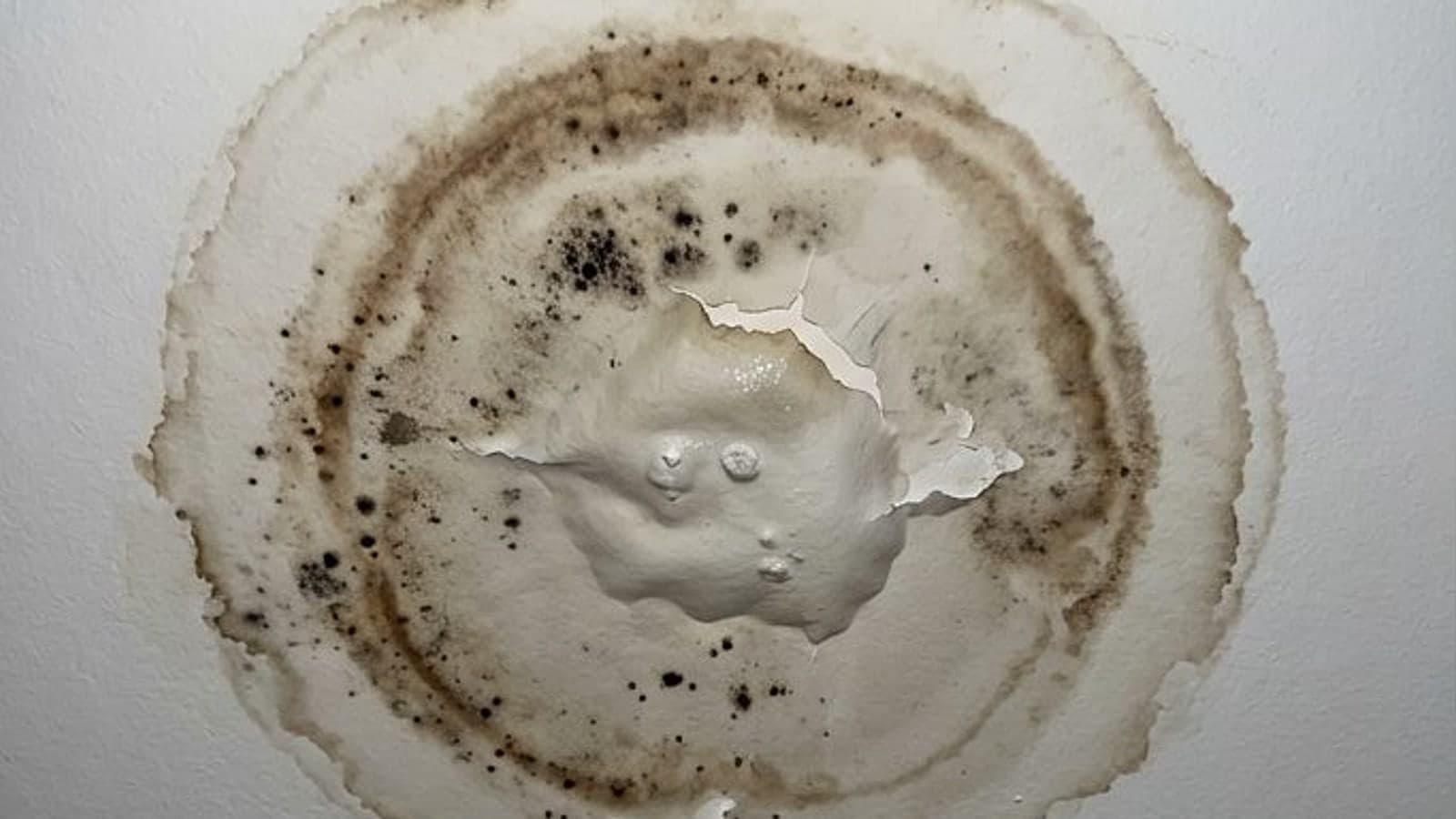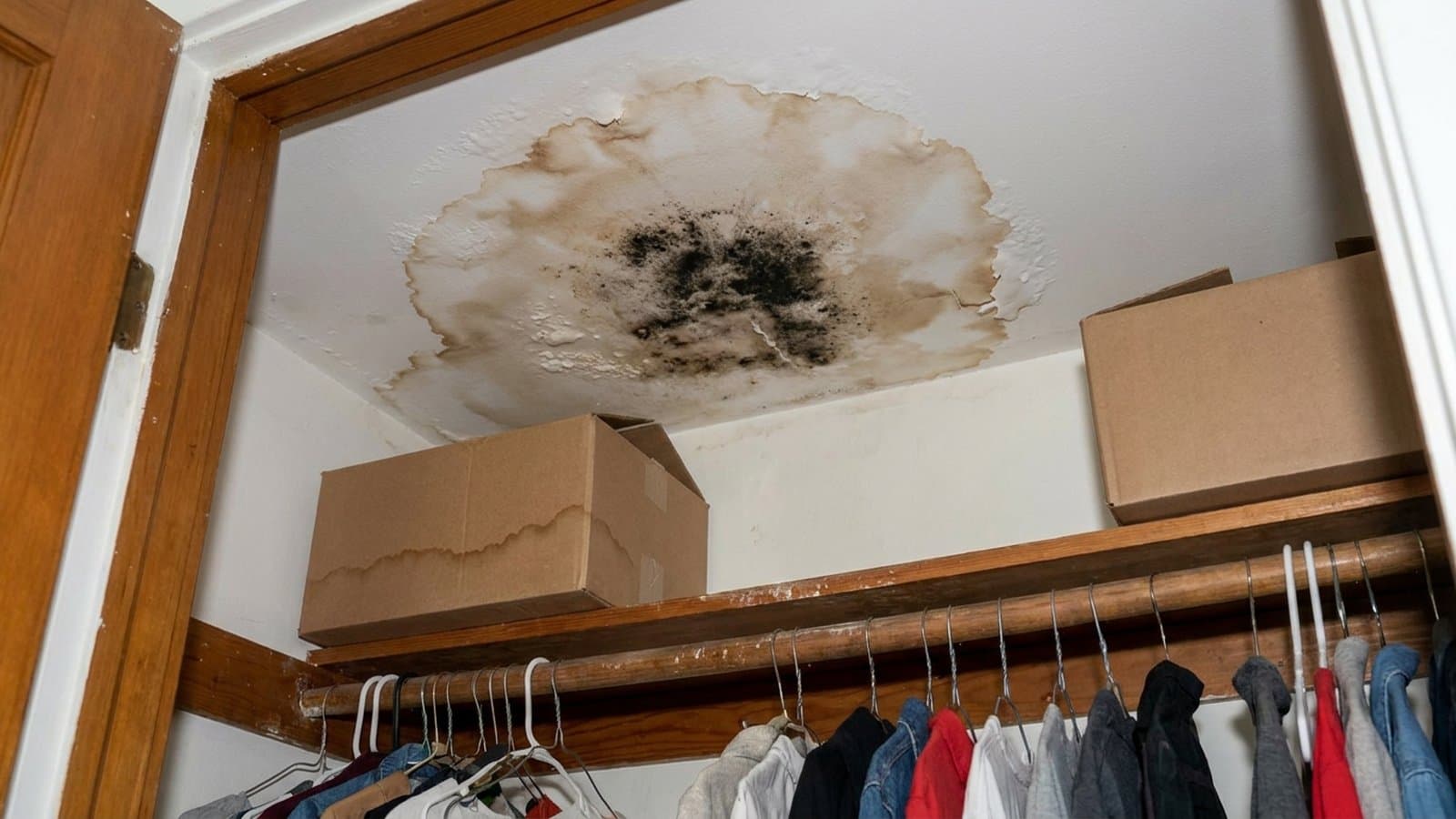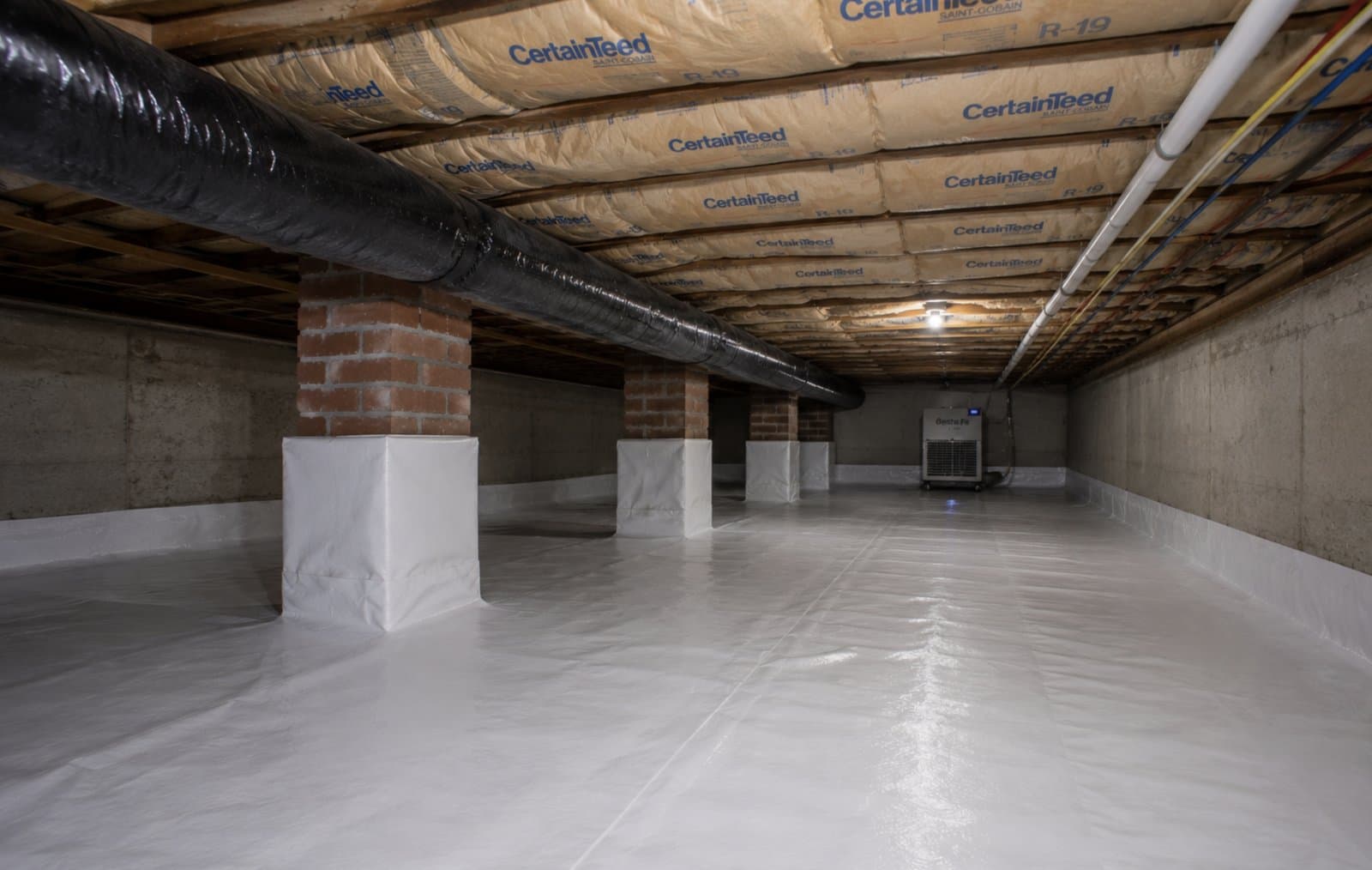
Here are the numbers first. Mold remediation in Connecticut and Massachusetts typically runs 1,500 to 4,500 dollars for a small single-area project, 3,000 to 8,000 dollars for a basement wall, crawl space section, or single room with containment, and 8,000 to 25,000 dollars or more for whole-home or structural projects. Priced by area, most jobs work out to 14 to 28 dollars per square foot of affected surface. Those are the same ranges we publish on our town pages, because mold pricing is where this industry is at its least transparent and scare-quotes do their best work.
Mold has a pricing problem the other restoration trades do not: fear. A homeowner who finds black staining behind a bookcase can be quoted 900 dollars or 19,000 dollars for the same wall depending on who answers the phone, and both quotes arrive wrapped in urgency. The honest fix is published numbers, a defined process under the IICRC S520 standard, and a clear statement of the one thing a remediation company should never sell you, which we cover below.
This article walks through what each tier actually buys, what moves a project inside its range, how testing and clearance work when they are done honestly, what your insurance typically does and does not cover, and, first things first, the mold the EPA says you can clean yourself.
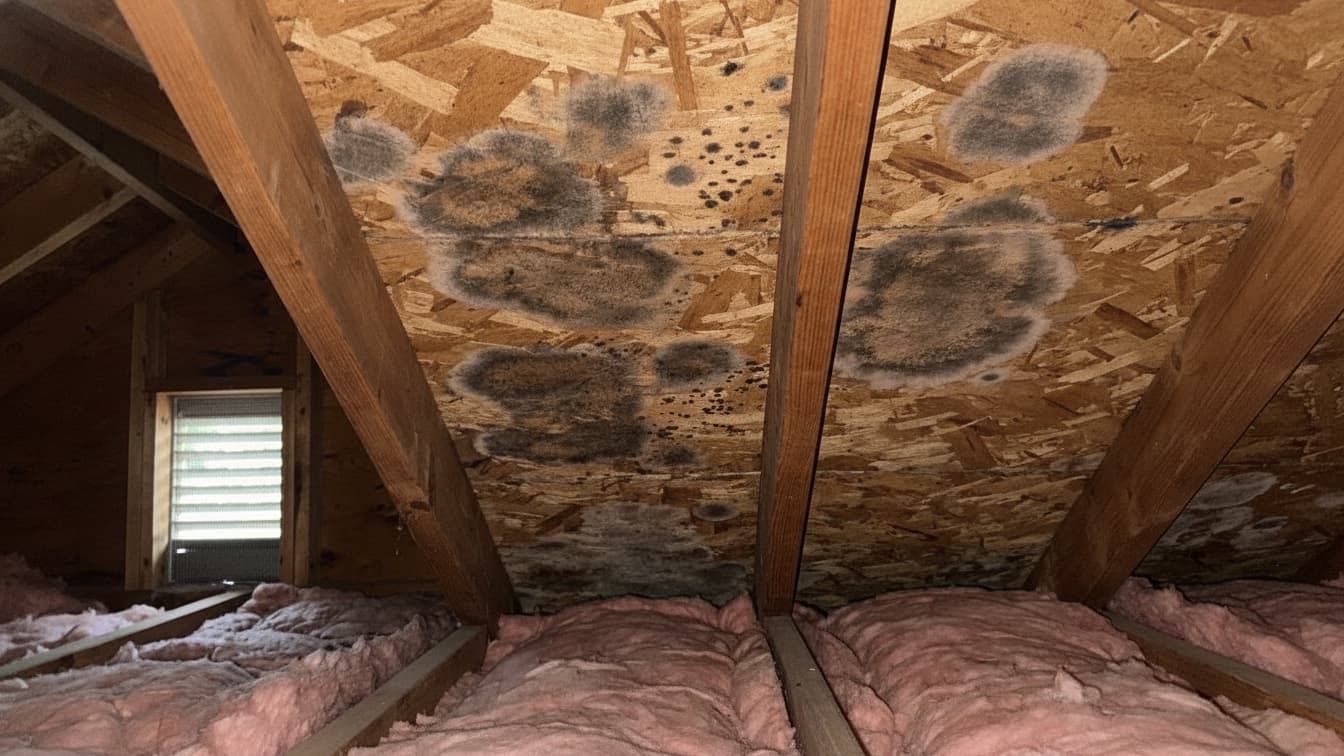
The Mold You Should Not Pay Anyone To Remove
This section comes first on purpose. A meaningful share of mold calls do not need a remediation company, and the dividing line is published by the EPA.
The EPA Ten Square Foot Guideline
The U.S. Environmental Protection Agency advises that mold patches smaller than about ten square feet, roughly a three foot by three foot area, can generally be cleaned up by the homeowner. Surface mold on bathroom grout, a small patch on a windowsill from winter condensation, mildew on a painted wall that wipes away with detergent: these are maintenance, not remediation. Fix the moisture source, clean the surface, keep the area dry, and save your money.
What that guideline assumes is that the mold you can see is the mold there is. The reason professionals exist is that mold frequently is not a surface problem: it grows inside wall cavities, under flooring, and above ceilings, wherever moisture went.
The Signals That It Is Bigger Than It Looks
A musty smell with no visible source. Mold returning to the same spot after cleaning, which means the moisture behind it was never fixed. Staining that follows the line of a wall cavity, ceiling joist, or baseboard. Any mold appearing after a water loss that was dried casually. Growth across more than ten square feet, or in HVAC ductwork, which moves spores to every room on the loop.
Those cases need scoping, containment, and controlled removal, because disturbing a large colony without containment spreads it. That is where the tiers below apply.
"If it is under ten square feet and the moisture source is fixed, the EPA says you can clean it yourself. We tell callers that every week. The jobs we charge for are the ones where the visible patch is the smallest part of the problem."
The Three Tiers, And What Each One Buys
Remediation is priced by the area under containment and what has to come out. Most projects compute to 14 to 28 dollars per square foot of affected surface.
Small, Single Area: $1,500 To $4,500
One defined area past the DIY line: a bathroom wall, a window frame assembly, an attic patch over a bathroom fan, a closet corner. The work is containment of the area, HEPA-filtered air scrubbing, removal or treatment of affected material, HEPA vacuuming, and application of an EPA-registered antimicrobial, all to the IICRC S520 standard.
The floor of this tier exists because the setup is the same whether the patch is ten square feet or forty: containment, negative air, protective equipment, and disposal do not scale down below a certain point.
Basement, Crawl Space, Or Single Room: $3,000 To $8,000
The most common real remediation project in our books: a basement wall run, a crawl space section, or one full room with contents. Containment gets bigger, more material comes out, drying and antimicrobial treatment cover assemblies rather than patches, and the moisture source, a grading problem, a slow leak, ventilation, has to be identified or the mold returns.
Most of the mold projects we quote in Connecticut and Massachusetts land in this range, which is why it is the featured tier on our town pages.
Whole-Home Or Structural: $8,000 To $25,000 And Up
Multiple rooms, structural framing, or HVAC involvement. This tier usually follows a water loss that went untreated, long-term humidity in a closed-up house, or a slow leak inside a wall that ran for a season. Work proceeds room by room under containment, and the range is wide because the variable is how much of the building the moisture reached.
The plus sign is honest: a large colonial with mold through the framing and duct system genuinely exceeds 25,000 dollars. If a project is quoted there, the scope should show exactly which rooms and assemblies put it there, line by line.
Testing, Clearance, And The Honest Line Between Them
This is where mold pricing gets abused, so here is exactly how it should work.
When Testing Is Worth Paying For
Air and surface sampling with laboratory analysis answers specific questions: is there a hidden source behind this wall, is the spore load in this room elevated, did that musty smell come from active growth. In Connecticut and Massachusetts we offer testing as its own service, typically 300 to 800 dollars plus per-sample lab fees, when the answer would actually change the plan.
What we do not do is bundle testing and remediation into one quote. A company that tests, interprets its own results, and then quotes its own remediation from them is grading its own homework at every step. Testing that recommends remediation should stand on its own, and you should be free to take the lab report anywhere.
Clearance Is Not Ours To Sell
Post-remediation verification, the clearance test that says the containment worked and spore levels are back to normal, is how you know the job succeeded. We do not sell it, on purpose. Clearance is performed by an independent third party, so the party verifying the work is not the party that did the work. Our job is to build to the S520 standard and stand behind the result when an independent assessor checks it.
When you compare quotes, ask each company who performs their clearance. The answer tells you more than the price does.
A Note For New York Readers
New York regulates mold work differently. Article 32 of the New York Labor Law requires a licensed mold assessor, separate from the remediation contractor, to define the project and verify it afterward, with a written remediation plan in between. That structure adds real cost, which is why our Westchester and New York City town pages publish their own, higher ranges rather than the Connecticut and Massachusetts numbers in this article. The two-party separation Article 32 mandates is the same honesty principle described above, written into law.
"A company that tests the air, reads its own results, quotes its own remediation, and then passes its own clearance is grading its own homework four times. Somewhere in that chain, someone independent should be checking the work."
The Insurance Reality For Mold
Mold is the most misunderstood corner of homeowners insurance, and the difference is worth real money.
Covered Mold Versus Excluded Mold
Standard homeowners policies generally treat mold as covered when it results from a sudden and accidental water loss the policy already covers: the burst pipe you found on Tuesday that produced mold by Friday. Mold from long-term conditions, chronic humidity, a leak that ran for months, ground seepage, is generally excluded, on the reasoning that maintenance was available. Many policies also cap mold remediation at a sublimit, commonly 5,000 or 10,000 dollars, even when the cause is covered.
The practical meaning: the speed at which a water loss gets dried is also the difference between an insured mold claim and an out-of-pocket project. We wrote about that failure mode in our water damage cost guide, and a large share of our whole-home mold tier began exactly there.
What We Do On A Mold Claim
We document the loss and its apparent moisture source with photographs, moisture readings, and a written IICRC S520 scope, and we submit that documentation directly to your insurer. Where a sublimit applies, the scope shows your adjuster exactly what falls inside and outside it.
We are not licensed public adjusters and do not negotiate claims on your behalf. Coverage decisions belong to your carrier under your policy. Your deductible is between you and your insurer, and we work with your deductible, not around it.
Questions Homeowners Actually Ask
Short answers to the exact questions that likely brought you here.
How Much Does Mold Remediation Cost In Connecticut Or Massachusetts?
Small single-area projects typically run 1,500 to 4,500 dollars, basement or single-room projects 3,000 to 8,000 dollars, and whole-home or structural projects 8,000 to 25,000 dollars and up. By area, most jobs work out to 14 to 28 dollars per square foot of affected surface. These are the same ranges published on our town pages.
Why Do Mold Quotes Vary So Wildly?
Because the trade is unregulated in Connecticut and Massachusetts and fear does the selling. Two protections work: published prices you can compare against, and the testing and clearance separation described above. A quote should name the containment area, what comes out, the standard followed, and who independently verifies the result.
Can I Just Clean Mold Myself?
Under roughly ten square feet with a fixed moisture source, the EPA says generally yes. Detergent, drying, and keeping the area dry beat any product marketing. Past that size, inside wall cavities, in HVAC systems, or when it keeps coming back, disturbing it without containment spreads spores, and professional scoping is the cheaper path in the end.
Does Homeowners Insurance Cover Mold Remediation?
Frequently yes when the mold resulted from a sudden, covered water loss, and frequently no for long-term moisture, with sublimits common either way. Your carrier decides under your policy; what you control is documentation and speed. We document to the IICRC S520 standard and submit directly to your insurer. We are not licensed public adjusters and do not negotiate claims.
What Does The Assessment Cost?
Nothing. Assessment is free, in person, with moisture readings and a written scope. If the honest answer is the EPA guideline and a bottle of detergent, that is the answer you get.
Want A Number For Your House?
The instant estimate calculator prices your specific scope from the same published ranges in this guide.