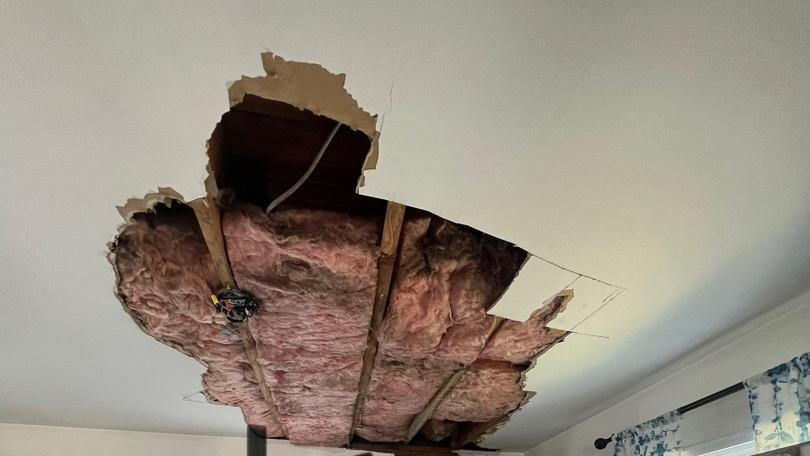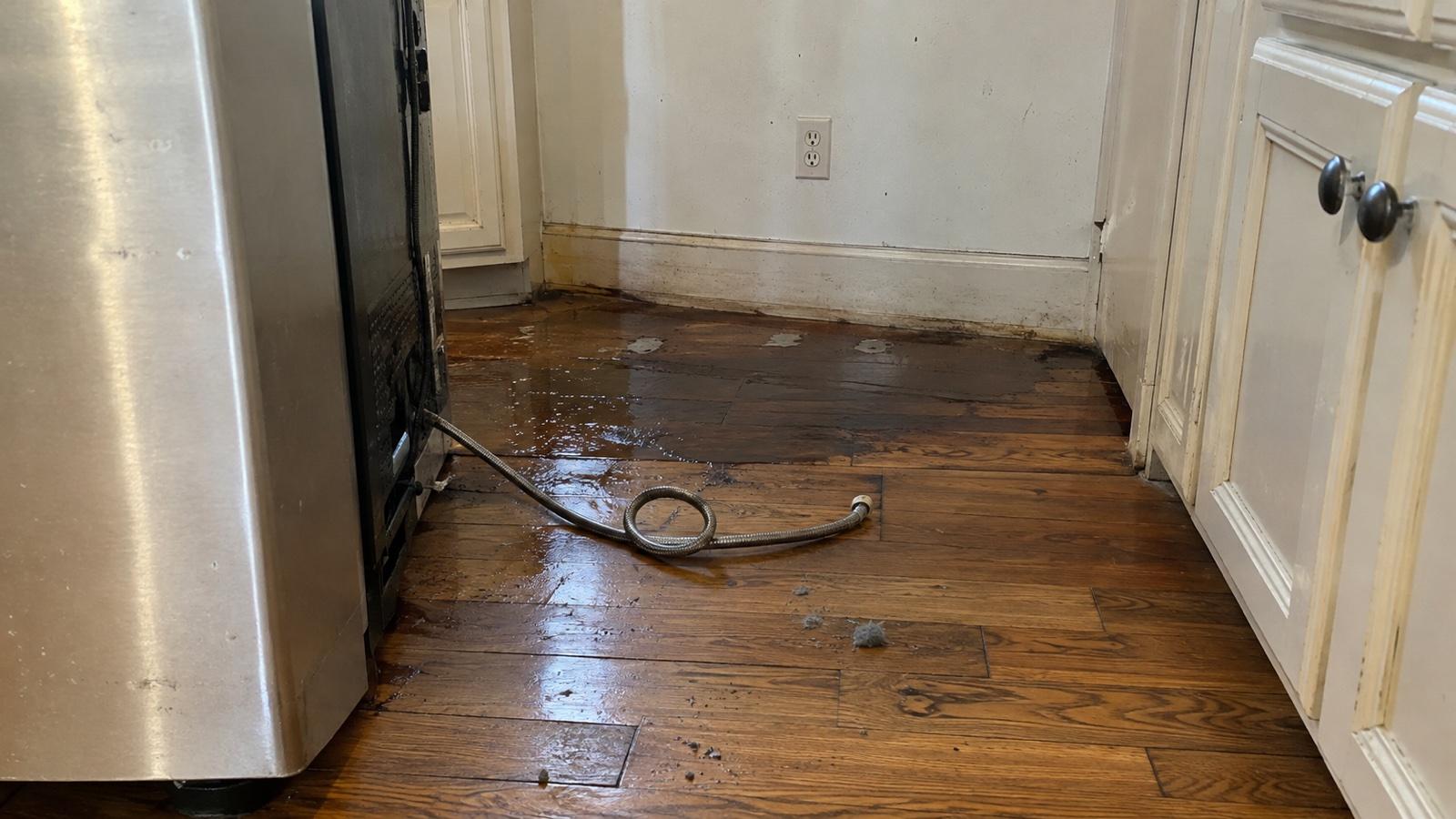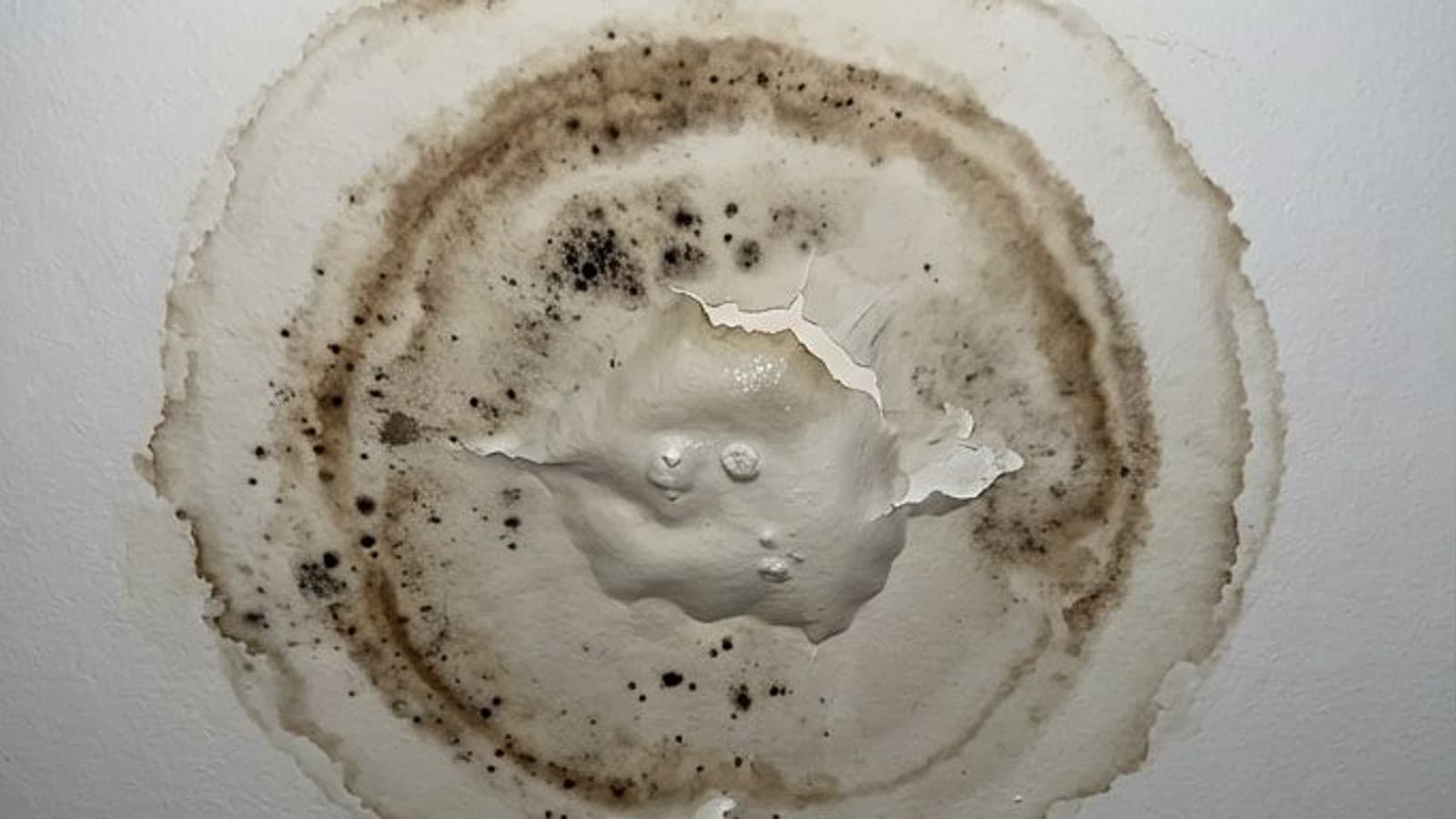
Most of the rodent calls we get start the same way. Someone goes into the attic for the holiday boxes, or a plumber opens the crawl space hatch, and the insulation is covered in small dark pellets. Sometimes the first sign is a smell in the upstairs hallway in warm weather. The pest company has usually been out already. The mice are handled, and nobody has dealt with what they left behind.
That is the part this guide covers. We do not trap or exterminate. That is the pest company's job, and they should finish it before any cleanup starts. Our work is everything after: getting the droppings, urine and nesting out of the house, removing the insulation that cannot be saved, disinfecting the wood, and sealing the gaps so the next family of mice cannot walk back in.
The numbers below come from our own work. Across more than 50 rodent cleanup quotes we wrote in Connecticut and Westchester in 2025 and 2026, from a basement stairwell in Coventry to whole attics in Stamford and Norwalk, the prices and the scope decisions follow a clear pattern.
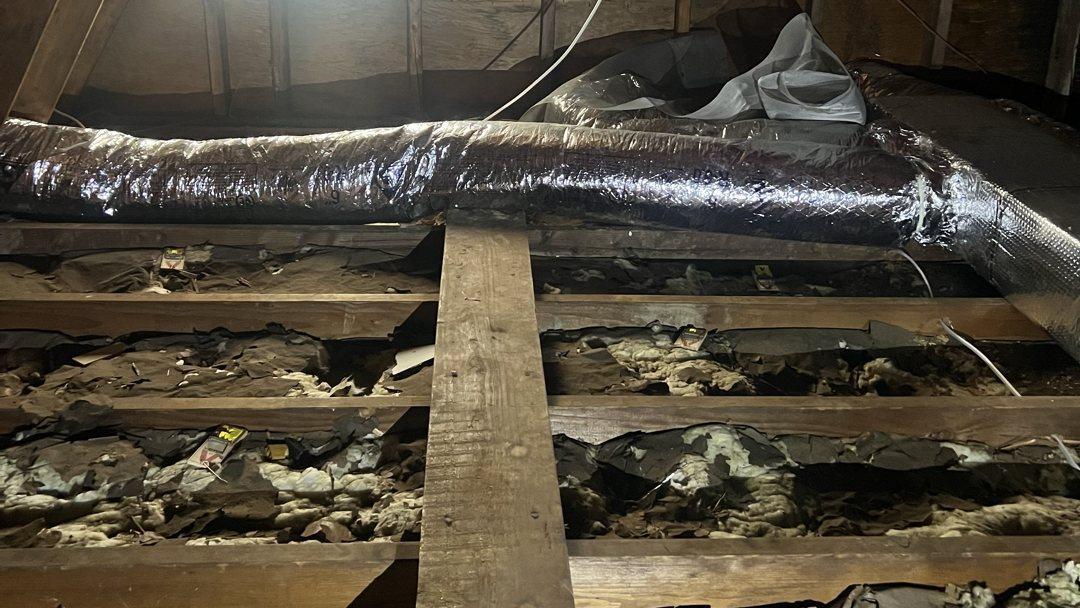
Found Mouse Droppings? What To Do Today
The first rule is the one most people break: no broom and no vacuum. Dry cleanup turns droppings and dried urine into dust you breathe.
The CDC sequence for cleaning a small area of rodent droppings.
1
- What to do
- Open the space up and leave it for 30 minutes. In an attic, open the hatch and any gable vent you can reach.
- Why
- Fresh air dilutes anything already floating in the space before you start moving material.
2
- What to do
- Put on rubber, latex, vinyl or nitrile gloves.
- Why
- Droppings and urine are never handled bare handed, even when they look old and dry.
3
- What to do
- Spray the droppings, urine stains and any nest with a household disinfectant or 1 part bleach to 10 parts water. Let it soak for 5 minutes.
- Why
- Soaking keeps the material wet so it cannot turn to dust when you pick it up.
4
- What to do
- Wipe everything up with paper towels, bag it, seal the bag, and put it in the outside trash.
- Why
- Paper towels go out with the waste. Rags and sponges spread contamination.
5
- What to do
- Disinfect the surface once more, then wash your gloved hands, remove the gloves, and wash your hands again.
- Why
- The surface under the droppings is contaminated too, and so are the outside of your gloves.
| Step | What to do | Why |
|---|---|---|
| 1 | Open the space up and leave it for 30 minutes. In an attic, open the hatch and any gable vent you can reach. | Fresh air dilutes anything already floating in the space before you start moving material. |
| 2 | Put on rubber, latex, vinyl or nitrile gloves. | Droppings and urine are never handled bare handed, even when they look old and dry. |
| 3 | Spray the droppings, urine stains and any nest with a household disinfectant or 1 part bleach to 10 parts water. Let it soak for 5 minutes. | Soaking keeps the material wet so it cannot turn to dust when you pick it up. |
| 4 | Wipe everything up with paper towels, bag it, seal the bag, and put it in the outside trash. | Paper towels go out with the waste. Rags and sponges spread contamination. |
| 5 | Disinfect the surface once more, then wash your gloved hands, remove the gloves, and wash your hands again. | The surface under the droppings is contaminated too, and so are the outside of your gloves. |
When To Stop And Call Someone
The CDC sequence is written for a few droppings on a hard floor. It does not fit droppings mixed into loose-fill insulation, where you cannot soak and wipe anything. Stop if the droppings run through the insulation, if you find nests, if the space smells of urine, or if the area is bigger than a closet floor. The CDC itself says heavy infestations need additional precautions.
Are Mouse Droppings In The Attic Dangerous?
They are a real health concern, not a panic. The risk comes from breathing dust from dried droppings, urine and nesting, which is why the way you clean matters more than how old the droppings are.
Hantavirus, Plainly
Hantavirus is the reason the CDC says never to sweep or vacuum droppings. People catch it by breathing in dust from the droppings, urine or nests of infected rodents, mainly deer mice and white-footed mice, which are common in New England woods and fields. Cases are rare in the United States, and most have been in western states. Rare is not the same as zero, and the precaution costs nothing. If anyone develops fever and muscle aches within a few weeks of disturbing droppings, tell a doctor about the exposure.
Old Mouse Droppings In The Attic
Old, dry droppings are not automatically safe. Dry material breaks into dust more easily than fresh material, which is why the CDC sequence starts by wetting everything. The age of the droppings also tells you little about the insulation underneath, which has often been soaked with urine for years.
The Smell Is Part Of The Problem
Mouse urine soaks into insulation, the paper facing on batts and the wood below it. In summer the attic heats up, and the smell comes down through recessed lights, the attic hatch and gaps around pipes and wires. Air fresheners and ozone machines do not fix it. The smell ends when the soaked material is gone and the wood is cleaned, which is what our odor removal work is built around.
Does The Insulation Have To Come Out?
Not always. The decision comes down to whether the droppings sit on top of the insulation or live inside it.
How we decide between cleaning in place and removing the insulation.
A few droppings on top of clean batts, no nests, no smell
- Usual call
- Clean in place
- Why
- HEPA vacuuming and disinfection of the surface is enough. The insulation still works.
Droppings mixed through loose-fill or blown-in insulation
- Usual call
- Remove
- Why
- You cannot separate droppings from loose fibers. Everything in the affected bays comes out.
Tunnels, nests, chewed paper facing, matted or flattened batts
- Usual call
- Remove
- Why
- Mice nest inside insulation. Once it is tunneled and packed down it no longer insulates either.
Yellow or brown urine stains, or a smell in warm weather
- Usual call
- Remove, then treat the wood
- Why
- Urine soaks through to the joists and the ceiling below. The smell only ends with the source gone.
Contamination in one corner of an otherwise clean attic
- Usual call
- Remove that section only
- Why
- Partial removal is common and keeps the cost down. We do not tear out clean insulation to pad a job.
| What we find | Usual call | Why |
|---|---|---|
| A few droppings on top of clean batts, no nests, no smell | Clean in place | HEPA vacuuming and disinfection of the surface is enough. The insulation still works. |
| Droppings mixed through loose-fill or blown-in insulation | Remove | You cannot separate droppings from loose fibers. Everything in the affected bays comes out. |
| Tunnels, nests, chewed paper facing, matted or flattened batts | Remove | Mice nest inside insulation. Once it is tunneled and packed down it no longer insulates either. |
| Yellow or brown urine stains, or a smell in warm weather | Remove, then treat the wood | Urine soaks through to the joists and the ceiling below. The smell only ends with the source gone. |
| Contamination in one corner of an otherwise clean attic | Remove that section only | Partial removal is common and keeps the cost down. We do not tear out clean insulation to pad a job. |
Why Topping Up Is The Wrong Fix
Blowing new insulation over a contaminated layer buries the droppings and the smell instead of removing them, and it gives the next mice a fresh nest on top. Our guide to when attic insulation needs replacing, not topping up covers that decision for the whole attic, including the rebates that apply to the new insulation.
What A Professional Rodent Cleanup Includes
Every rodent job we quote runs in the same order, whether it is an attic, a crawl space or an unfinished basement ceiling.
Protection First
The crew works in Tyvek suits, gloves and respirators, and the droppings and urine are treated as a biological hazard from the first minute. Surfaces are misted with disinfectant before anything is vacuumed, so nothing goes airborne dry. Where the work area opens into the living space, we put up plastic sheeting and set the area under negative air with HEPA filtration so dust moves away from the house, not into it.
Removal And Cleaning
Contaminated insulation is removed, bagged in sealed heavy plastic bags, and hauled away. Droppings, nests and debris come out with industrial HEPA vacuums. The joists, rafters, subfloor and any concrete floor are HEPA vacuumed, then cleaned, and a plant-based antimicrobial is applied to the cleaned surfaces. In an attic we also look along the duct runs, because mice chew flex duct and nest in it.
Sealing The Way In
Once the space is clean we seal the gaps the mice used: gaps around pipes, wires and vents, sill plates and openings at the eaves. A mouse fits through a gap about the size of a dime, so this step is what keeps the cleanup from becoming a repeat job. If the pest company is still trapping, we wait until activity has stopped before new insulation goes in.
New Insulation, When It Is Needed
If insulation came out, new insulation goes in after the space is clean, dry and quiet. In attics that is usually blown-in to R-49, and in crawl spaces it is often the moment to look at a sealed crawl space encapsulation instead of new batts in a vented space. Every job ends with photos of the finished space for your records.
Attic Versus Crawl Space
The cleanup is the same. What the space does afterwards is different.
Attics
Attic jobs are mostly about the insulation. Mice get in at the eaves, along the roofline and through gaps where wires and pipes pass, and they nest in the warm insulation over the bedrooms. Expect the insulation in affected areas to come out, and expect the smell in the house to end once it does. Details by town are on our attic cleanup and insulation page, including Stamford, Norwalk and Greenwich.
Crawl Spaces
Crawl space jobs are usually rodents plus moisture. Mice nest in the fiberglass between the joists, and the same damp air that makes the space comfortable for them rots the insulation and the wood. We clean first, then deal with the moisture, because new insulation in a damp vented crawl space fails again. Our crawl space cleanup page covers the moisture side.
What Rodent Cleanup Costs
These are our own numbers, from more than 50 rodent cleanup quotes we wrote in Connecticut and Westchester in 2025 and 2026.
What our rodent cleanup quotes came to, by size of job. Your written quote after the free assessment is the price that counts.
Small area: under a basement stair, one closet, one ceiling bay
- Typical range
- Under $2,000
- Example from our work
- Rodent cleanup and insulation replacement under the basement stairs in Coventry, CT
One space cleaned and disinfected: attic section, crawl space or basement ceiling
- Typical range
- $3,500 to $8,000
- Example from our work
- Most of our jobs. Half of all our rodent quotes landed in this range, and the middle quote was about $5,400
Whole attic or several spaces, insulation removed
- Typical range
- $7,000 to $12,000
- Example from our work
- Attic insulation removal and rodent cleanup in Norwalk, CT, and a basement plus attic cleanup in New Fairfield, CT
Whole attic cleaned with new insulation installed
- Typical range
- $10,000 to $15,000
- Example from our work
- Stamford, CT attic: rodent-damaged insulation out, HEPA cleaning and treatment of about 1,200 square feet, new R-30
| Job | Typical range | Example from our work |
|---|---|---|
| Small area: under a basement stair, one closet, one ceiling bay | Under $2,000 | Rodent cleanup and insulation replacement under the basement stairs in Coventry, CT |
| One space cleaned and disinfected: attic section, crawl space or basement ceiling | $3,500 to $8,000 | Most of our jobs. Half of all our rodent quotes landed in this range, and the middle quote was about $5,400 |
| Whole attic or several spaces, insulation removed | $7,000 to $12,000 | Attic insulation removal and rodent cleanup in Norwalk, CT, and a basement plus attic cleanup in New Fairfield, CT |
| Whole attic cleaned with new insulation installed | $10,000 to $15,000 | Stamford, CT attic: rodent-damaged insulation out, HEPA cleaning and treatment of about 1,200 square feet, new R-30 |
What Moves The Price
Square footage first, then how much insulation comes out, then access. A walk-up attic with a floor is faster than a low attic you crawl through on the joists, and a 3 foot crawl space is slower and harder on the crew than an open basement. Entry-point sealing and new insulation are priced as their own lines, so you can see what each part costs and decide.
A Note On Cheap Quotes
A price far below these ranges usually means one of three things: the insulation stays in, nothing is disinfected, or nobody seals the entry points. Ask any company you call what happens to the insulation, what they treat the wood with, and whether sealing is included. Our written quote answers all three, and it is the only price that binds either of us.
Does Homeowners Insurance Cover Rodent Damage?
Usually not. Most standard homeowners policies exclude damage caused by rodents, insects and other vermin, because insurers treat it as preventable maintenance.
The Exceptions Worth Knowing
Coverage can apply when the rodent damage leads to a separate kind of loss. A mouse that chews through a water line can leave you with water damage your policy may cover, even though the chewing itself is excluded. A fire started by chewed wiring may be handled as a fire claim, depending on the policy. If a storm tears open the roof and animals move in through the opening, the storm damage may be part of the claim and some policies extend to what followed. Every policy is different, so read yours or ask your agent.
What We Do And Do Not Do
When a claim is involved, we document it with photographs and a written scope and submit that documentation directly to your insurer. We are not licensed public adjusters and do not negotiate claims on your behalf. Coverage decisions belong to your carrier, and your deductible is between you and your insurer.
Need Restoration Services?
60-minute response across CT, NY & MA. Licensed, insured, free inspections.
Rodent Cleanups We Have Done
Real jobs, real photos. Each one shows what we found and what we did.
Crawl Space Jobs
Greenwich crawl space rodent cleanup, Stamford crawl space rodent cleanup, Bedford, NY crawl space rodent cleanup and New Milford crawl space rodent cleaning.
Basement And Ceiling Jobs
Norwalk basement rodent cleanup, Warren rodent contamination ceiling cleanup and rodent odor removal in a New Canaan laundry room, where the smell was the first sign.
Questions Homeowners Ask
Who cleans up mouse droppings?+
Two different companies usually handle a mouse problem. A pest control company traps the mice and stops the activity. A restoration company like Green Restoration cleans up what they left: droppings, urine-soaked insulation and nests, then disinfects the wood and seals the entry points. We do not trap or exterminate, so the pest work should be finished first.
Can I vacuum mouse droppings?+
Not with a household vacuum, and do not sweep them either. Both turn dried droppings and urine into dust you can breathe. CDC guidance is to soak droppings with disinfectant or a bleach and water mix for 5 minutes, then wipe them up with paper towels. Professional crews use HEPA-filtered industrial vacuums after misting the surfaces, which is a different tool.
Are old mouse droppings in the attic dangerous?+
They can be. Dry, old droppings break into dust more easily than fresh ones, which is why the CDC says to wet everything before cleanup. Hantavirus cases are rare in the United States, but the virus spreads by breathing dust from infected droppings, urine and nests, so old droppings get the same careful handling as new ones.
Do I need to replace insulation after mice?+
If the droppings are only on top of clean batts, the surface can often be cleaned in place. If droppings are mixed into loose-fill insulation, if there are tunnels or nests, or if the insulation is stained or smells of urine, it has to come out. Partial removal of only the affected area is common.
How much does rodent droppings cleanup cost?+
In our Connecticut and Westchester work, most rodent cleanups run $3,500 to $8,000, and the middle of more than 50 quotes was about $5,400. A small area under a stair can run under $2,000. A whole attic with insulation removed and new insulation installed runs $10,000 to $15,000. Your written quote after a free assessment is the real price.
Does homeowners insurance cover mouse droppings cleanup?+
Usually not. Most standard policies exclude damage caused by rodents and other vermin. Coverage may apply when the rodents cause a separate loss, such as a chewed water line that leaks or chewed wiring that starts a fire, depending on the policy. Check your own policy. We are not licensed public adjusters and do not negotiate claims.
How do I get rid of mouse urine smell in the walls or attic?+
The smell comes from urine soaked into insulation, paper facing and wood, so it lasts until that material is gone. Air fresheners and ozone machines cover it for a while at best. Removing the soaked insulation, cleaning the wood and treating it with an antimicrobial is what ends it.