Most attics in this part of the country are underinsulated, and most of them can simply be topped up. That is the cheap, boring, correct answer, and it applies more often than anything else on this page.
The reason this article exists is the other case. Sometimes adding insulation on top of what is there traps a problem instead of fixing one. Rodent contamination, a roof leak, or insulation that has been compressed and wet for years all fall into that category. Blowing new material over any of them buys you a warmer attic and a worse building.
Here is how to tell which situation you are in, before anyone quotes you for either.
Start By Looking, Not Buying
Four things tell you almost everything, and you can check three of them from the hatch with a flashlight.
How Deep Is It
Current guidance for our climate zone puts attic insulation around R-49 to R-60. In loose-fill terms that is roughly fourteen to twenty inches, depending on material.
If your joists are visible, you are nowhere near it. Standard framing is around five and a half to nine and a quarter inches deep, so insulation level with the top of the joists is often less than half of target. Seeing the tops of your joists across the whole attic is the single most common finding we have.
Is It Flat, Or Is It Patchy
Insulation should be an even blanket. Trenches, craters, and areas pushed aside usually mean somebody has been up there working, or something has been living there.
Compressed insulation is a real loss, not a cosmetic one. Loose-fill and batt insulation work by holding still air. Squash it and the R-value drops roughly in proportion to the thickness you lost. Boxes stored on top of attic insulation are quietly costing you money every winter.
Is It Stained, Or Does It Smell
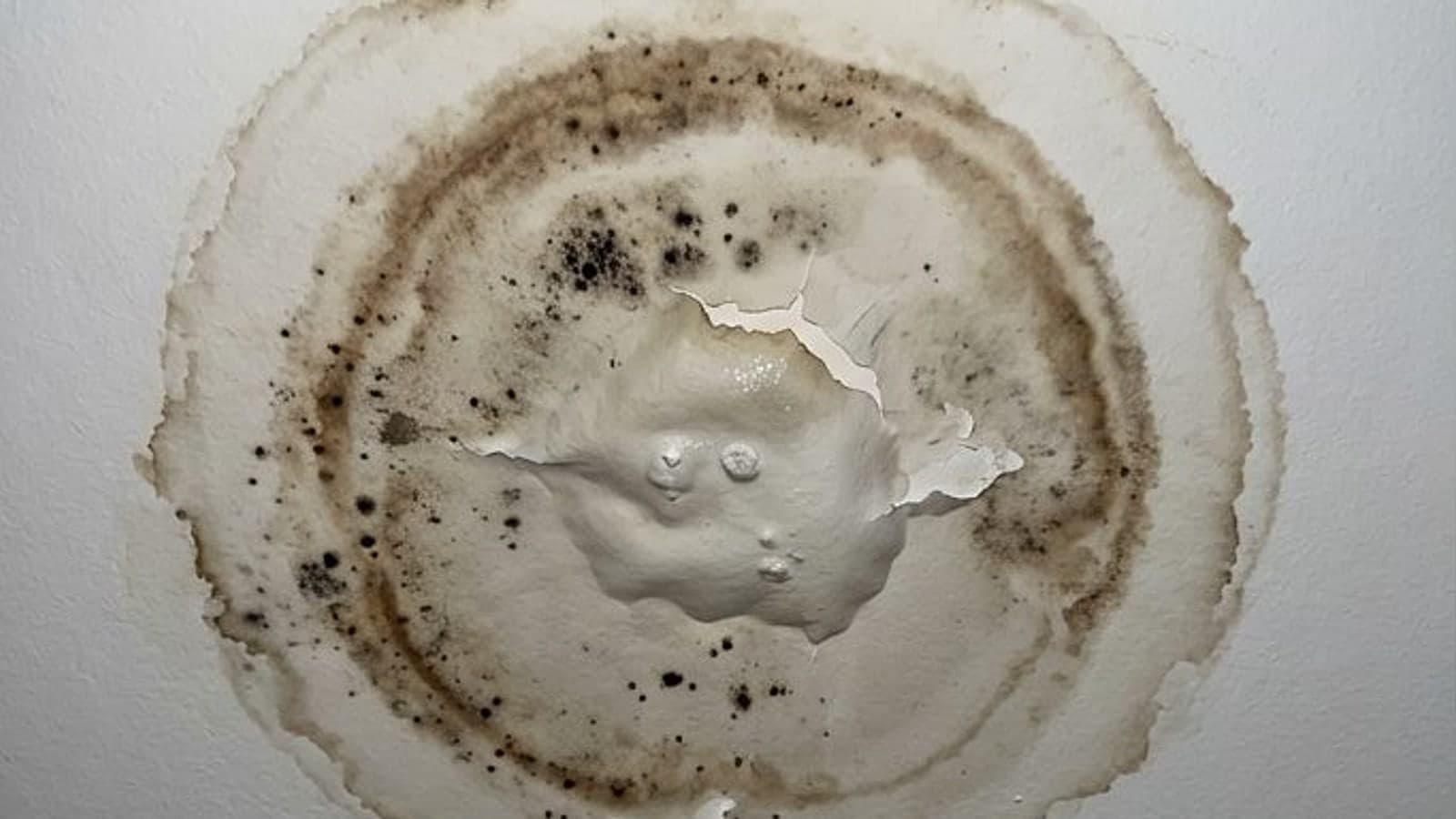
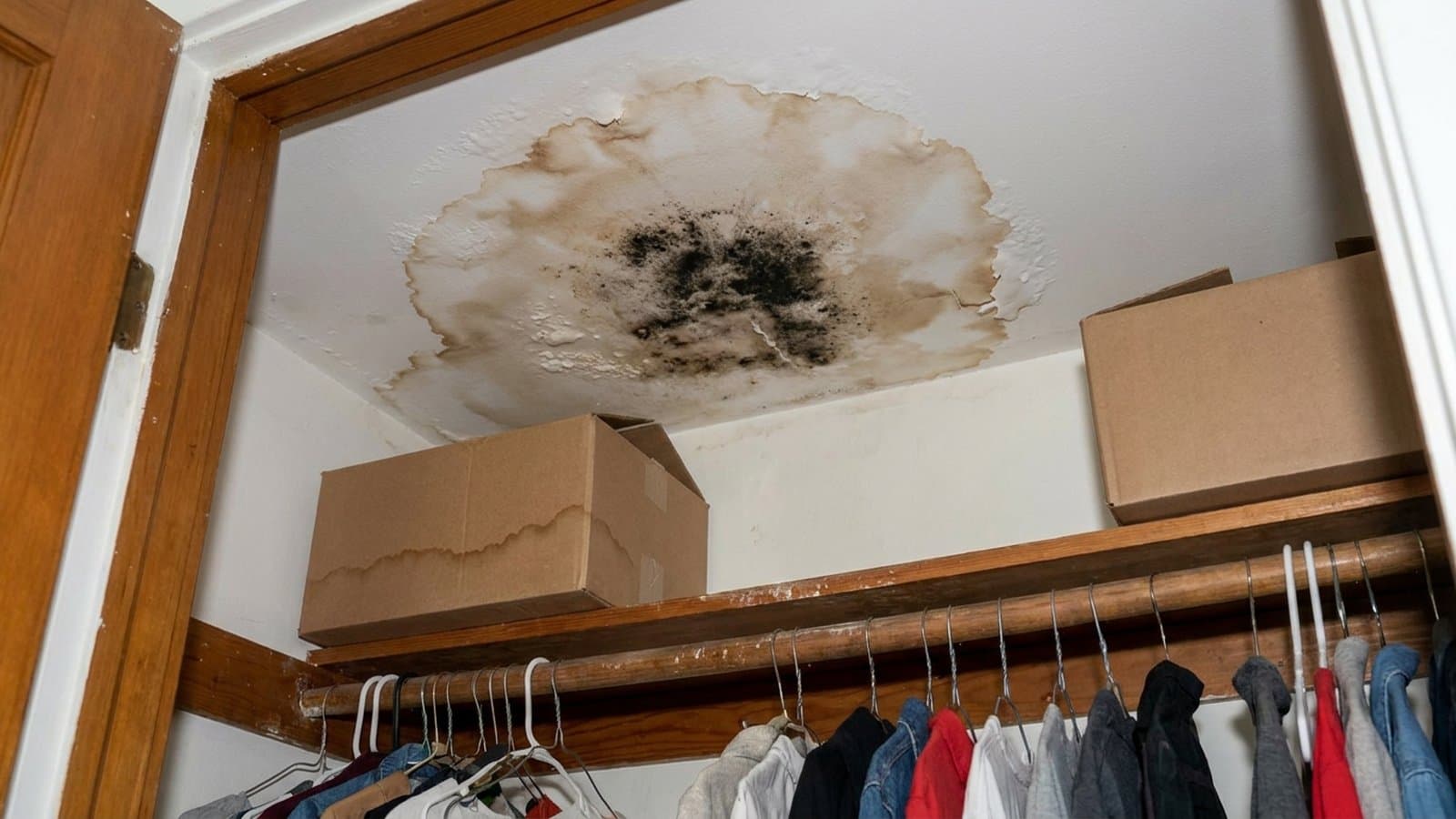
Dark staining on the underside of the roof sheathing, rusty nail tips, or a damp smell all point at moisture rather than insulation. Fix the moisture first. Insulating over an active leak or a ventilation problem just hides it until the sheathing goes soft.
Ammonia smell is different and more specific. That is usually urine, which means the next section applies to you.
Is Anything Living Up There
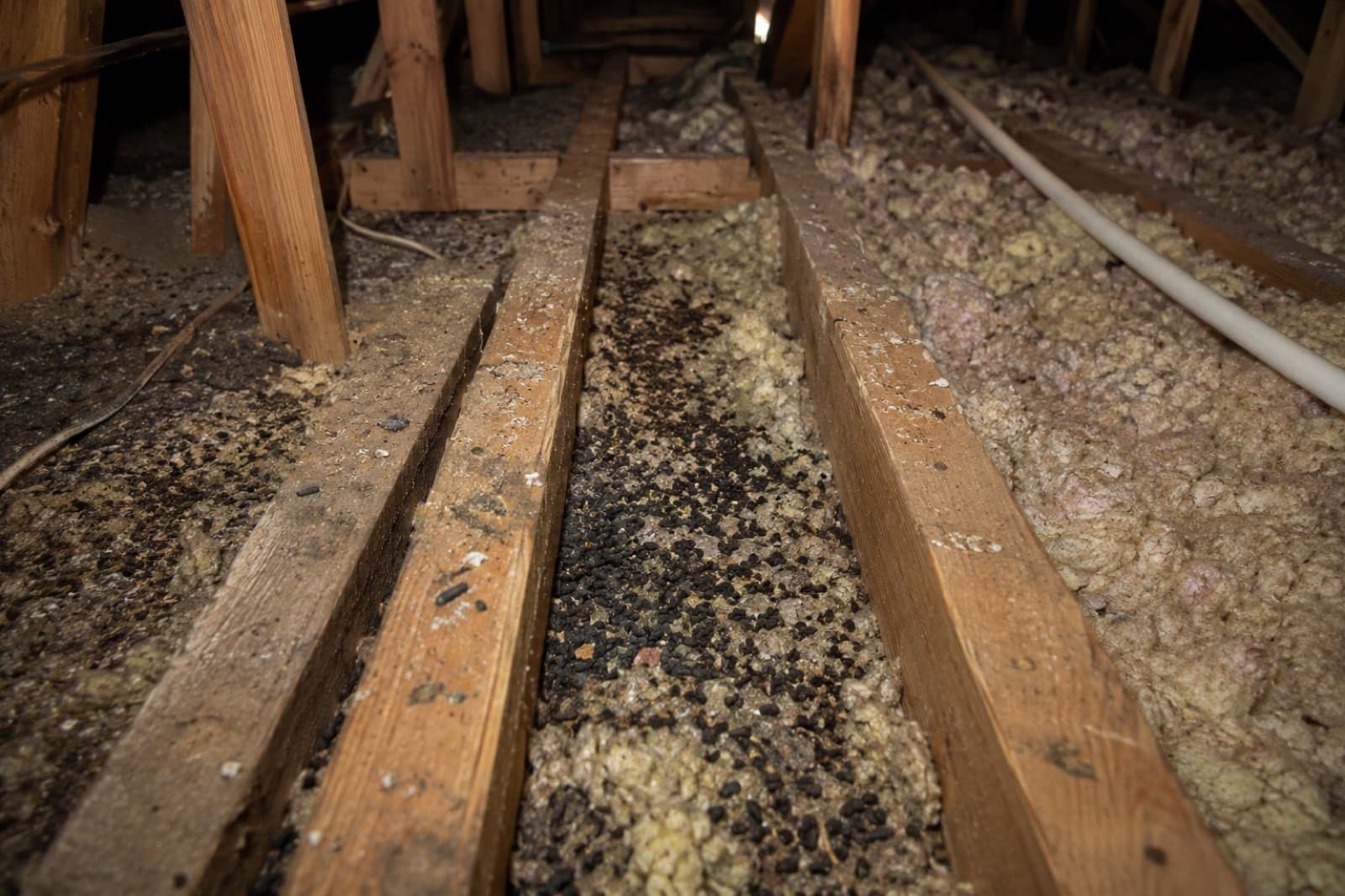
Droppings, tunnels through the insulation, chewed paper facing, shredded material gathered into nests, and a distinct smell in warm weather are the signs. Mice and squirrels are the usual tenants in New England attics. Bats are a separate and more regulated situation.
This is the finding that changes the whole job, so it gets its own section below.
Topping Up Versus Taking It Out
The honest rule is that most attics get topped up and a minority need clearing first.
When Adding On Top Is Fine
Existing insulation is dry, uncontaminated, and reasonably even, and there is no active roof leak. In that case adding loose-fill over what is already there is entirely standard and is the cheapest way to reach target R-value.
One technical note. Do not add a second vapour barrier. If you are laying batts over existing insulation, they should be unfaced, or the facing should be slashed. A second barrier traps moisture between layers, which is the one way this simple job goes wrong.
When It All Has To Come Out
Rodent contamination is the clearest case. So is insulation that has been repeatedly wet, insulation that is matted flat, and insulation that is full of construction debris from an old project.
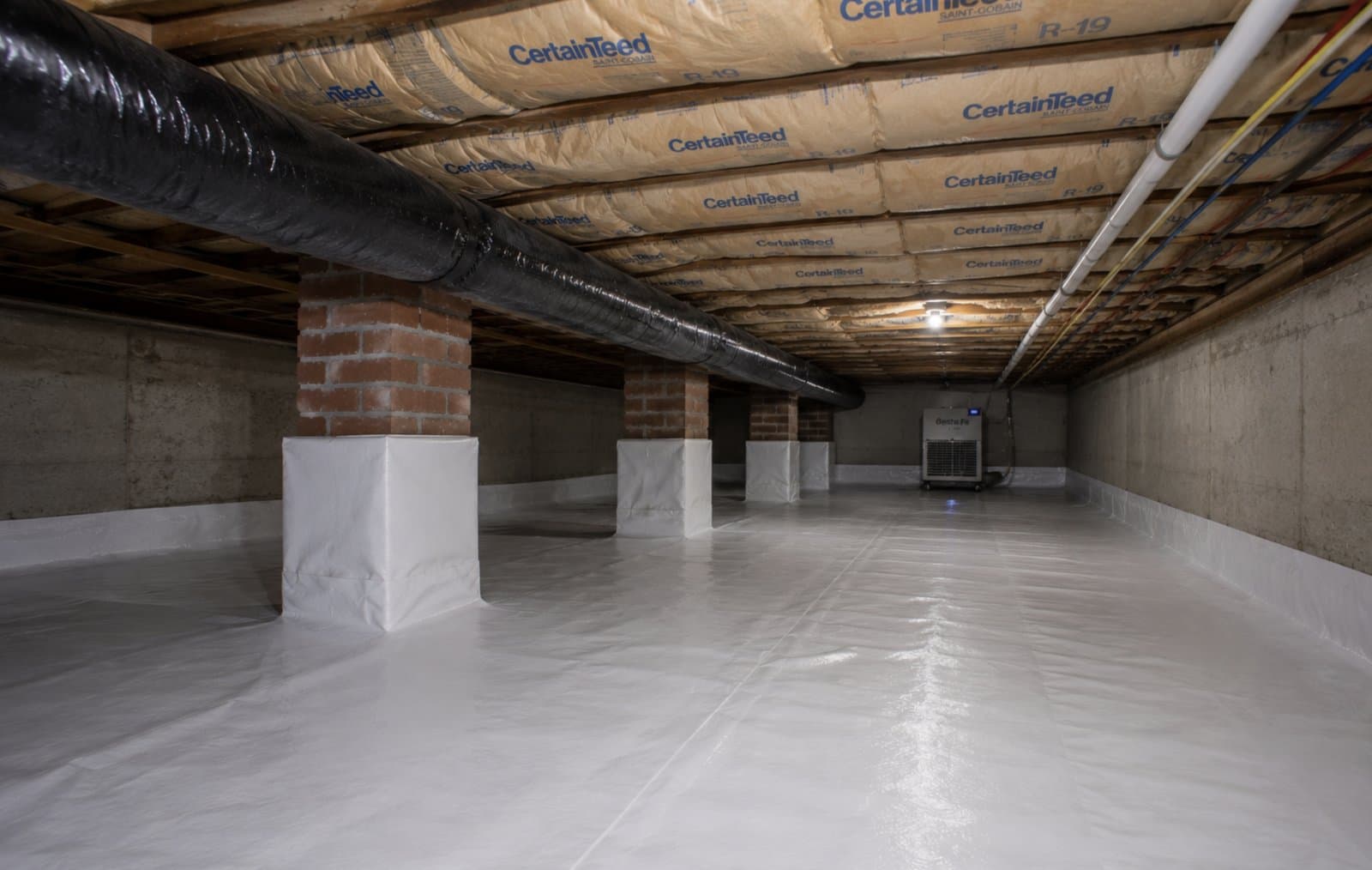
The second reason for removal is less obvious and often more valuable: you cannot air-seal what you cannot see. The gaps that actually drive heat loss, around top plates, wire penetrations, plumbing stacks, chimney chases and recessed lights, are buried under existing insulation. Clearing the attic is what makes proper air sealing possible, and air sealing usually does more for comfort than the R-value does.
The Vermiculite Exception
If the existing material is loose grey-brown pebbles rather than fibre, stop. That is vermiculite, and it is treated as potentially asbestos-containing.
Do not remove it, disturb it, or let anyone blow insulation over it while working in it. That situation needs testing and, if it is positive, licensed handling, which is a different trade from insulation entirely.
What Contamination Actually Changes
This is the part that explains why two quotes for the "same" attic can differ by several thousand dollars.
It Becomes A Cleanup Before It Is An Insulation Job
A contaminated attic is handled as a cleanup with an insulation project on the end of it, not the other way around. The material comes out into sealed bags rather than being raked to the hatch, because the point is to avoid pushing dust through the rest of the house.
Crews work in disposable coveralls and respirators for the same reason. Then the deck gets HEPA vacuumed and treated with an EPA-registered antimicrobial before anything new goes down.
And Sealing The Entry Comes First
New insulation over an unsealed entry point is a way to pay twice. Whatever got in will get back in, and the second cleanup costs the same as the first.
The entry work is not glamorous: soffit gaps, ridge vents, gable louvres, roofline junctions and utility penetrations. It should be identified and closed before new material is installed, and it should be itemised on the quote so you can see it happened.
What It Costs
Real numbers from our published pricing, for Connecticut, Massachusetts and New York work.
The Ranges
Attic insulation work runs about $2 to $7 per square foot depending on scope.
An insulation refresh, meaning adding material to an attic that is clean and dry, typically runs $1,200 to $4,000. Cleanup plus re-insulation, the common case where old material comes out and new goes in, runs $3,000 to $7,000. A full decontamination with re-insulation, meaning heavy rodent contamination and a complete rebuild of the attic floor, runs $6,000 to $15,000.
Removal on its own, if you are pairing it with someone else’s insulation install, runs $1,000 to $4,000.
What Moves The Number
Access first. A pull-down stair in a hallway is straightforward. A small hatch in a closet, or a low roof pitch where nobody can stand, adds hours to every phase.
Then square footage, then depth of existing material, then whether contamination is present. Knob-and-tube wiring, if you still have it, has to be addressed before insulation is placed over it, and that is an electrician’s job rather than ours.
Rebates, And One That Has Ended
Programmes are state-specific. What applies to you depends on which state the house is in, not which state you live in.
Connecticut
Energize CT runs the Home Energy Solutions programme, with an income-eligible version called HES-IE. The assessment identifies air leakage and insulation deficiencies, and insulation improvements carry a substantial incentive.
The practical sequence matters: the assessment generally comes first, and the incentive attaches to work done afterwards. Doing the work first and asking about rebates later is how people miss them.
Massachusetts And New York
Massachusetts homes go through Mass Save, which offers a no-cost home energy assessment and significant insulation incentives, again tied to doing the assessment first.
New York homes work through NYSERDA programmes and utility offerings, with income-tier options that can cover a large share of the cost. Availability and amounts change, so confirm current terms with the programme rather than with any contractor, including us.
The Federal Credit Has Ended
The federal 25C energy efficiency home improvement credit expired on 31 December 2025. It is no longer available for work performed after that date.
We mention it because plenty of contractor pages still advertise it in the present tense. If someone quotes you a price that assumes a federal tax credit on this year’s work, that quote is built on something that no longer exists.
Questions Homeowners Ask
The ones that come up on nearly every attic visit.
Can I Just Add More Myself?
If the attic is clean, dry and uncontaminated, yes. Rented blowers are widely available and the work is not technical. Two cautions: do not block the soffit vents at the eaves, and do not bury recessed lights unless they are rated for contact.
The part homeowners usually skip is the air sealing underneath, which is where most of the benefit is. If you are only going to do one, seal first.
Will This Actually Lower My Bill?
Going from a genuinely underinsulated attic to target level makes a noticeable difference, particularly in comfort and in how long the heat runs on the coldest nights.
We do not publish a percentage, because honest savings depend on your fuel, your system, your air leakage and how you heat the house. Anyone quoting you a precise savings figure before seeing the attic is guessing.
How Long Does It Take?
A straightforward top-up is usually a single day. A cleanup and re-insulation is commonly one to two days. A full decontamination on a large or difficult attic can run longer.
This is scheduled work, so it is booked rather than dispatched. If the attic has an active roof leak, though, deal with the roof first, on its own timeline.
Do I Need To Leave The House?
For a straightforward install, no. For a contaminated attic removal, we would rather you were out for the working portion of the day, mostly to keep the hatch area undisturbed while material is being bagged and carried out.
Households with respiratory sensitivities, infants, or anyone immunocompromised should plan to be elsewhere during a contamination cleanup. That is a comfort and dust precaution, not a claim about any specific health outcome.