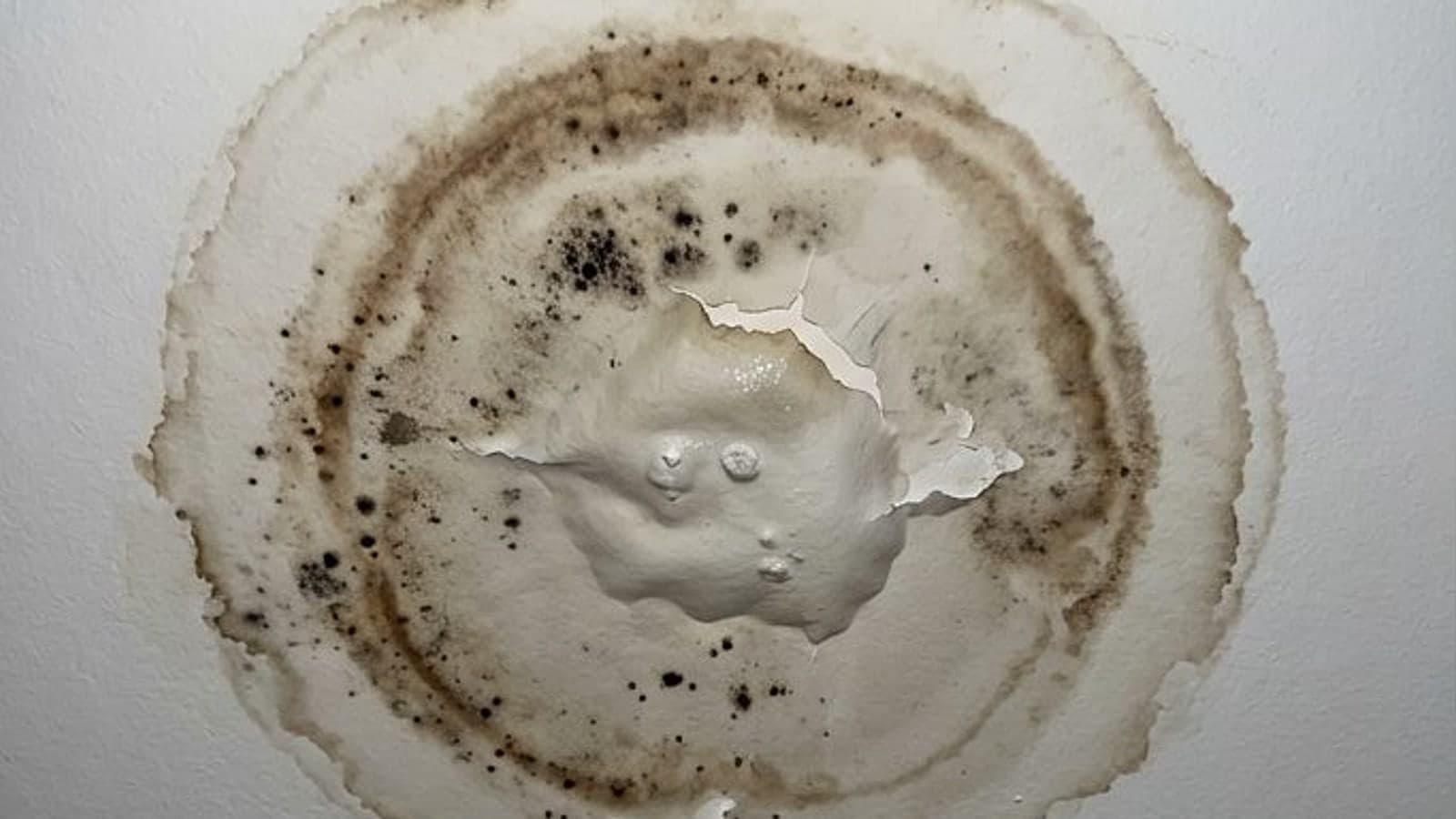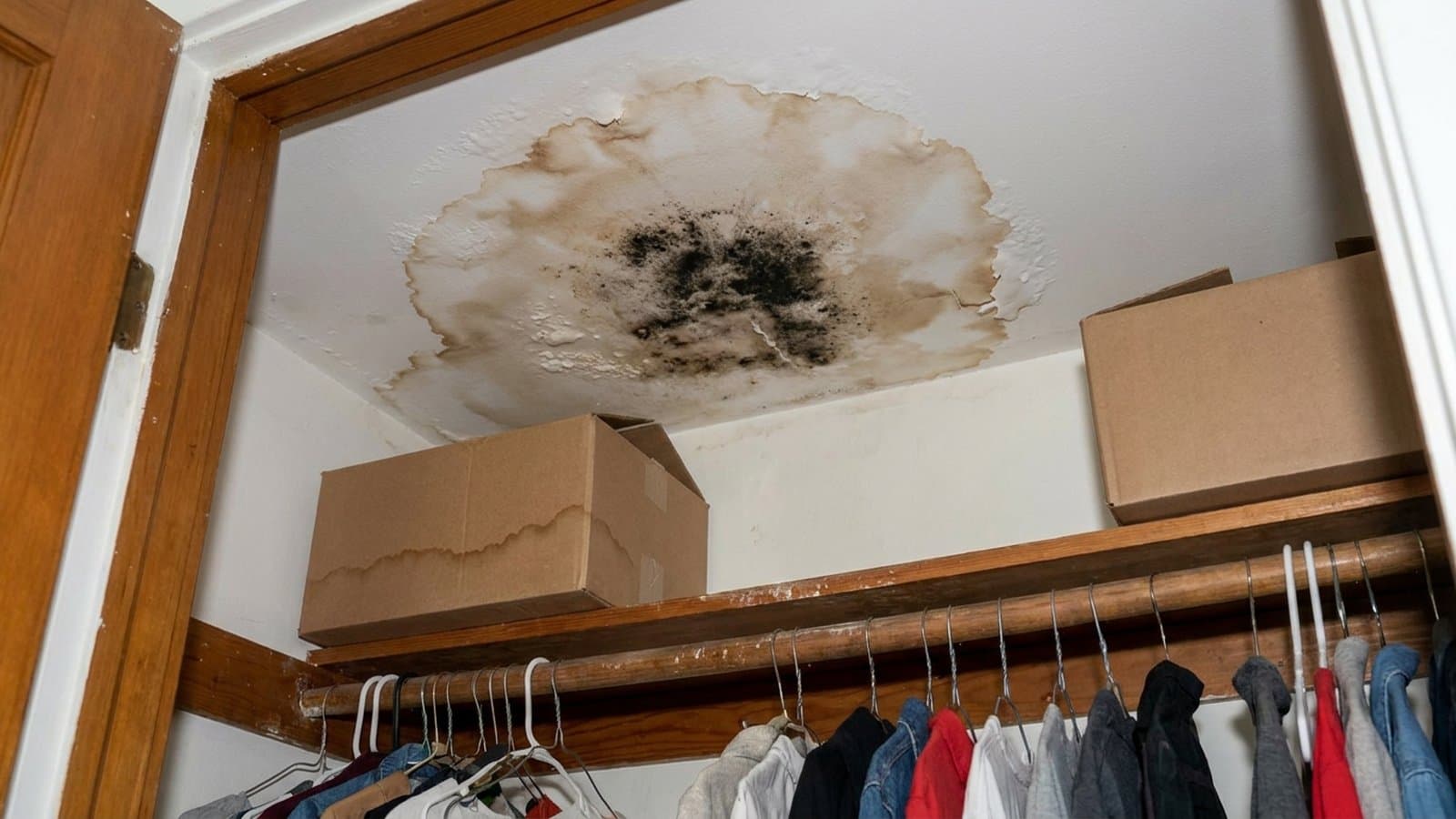
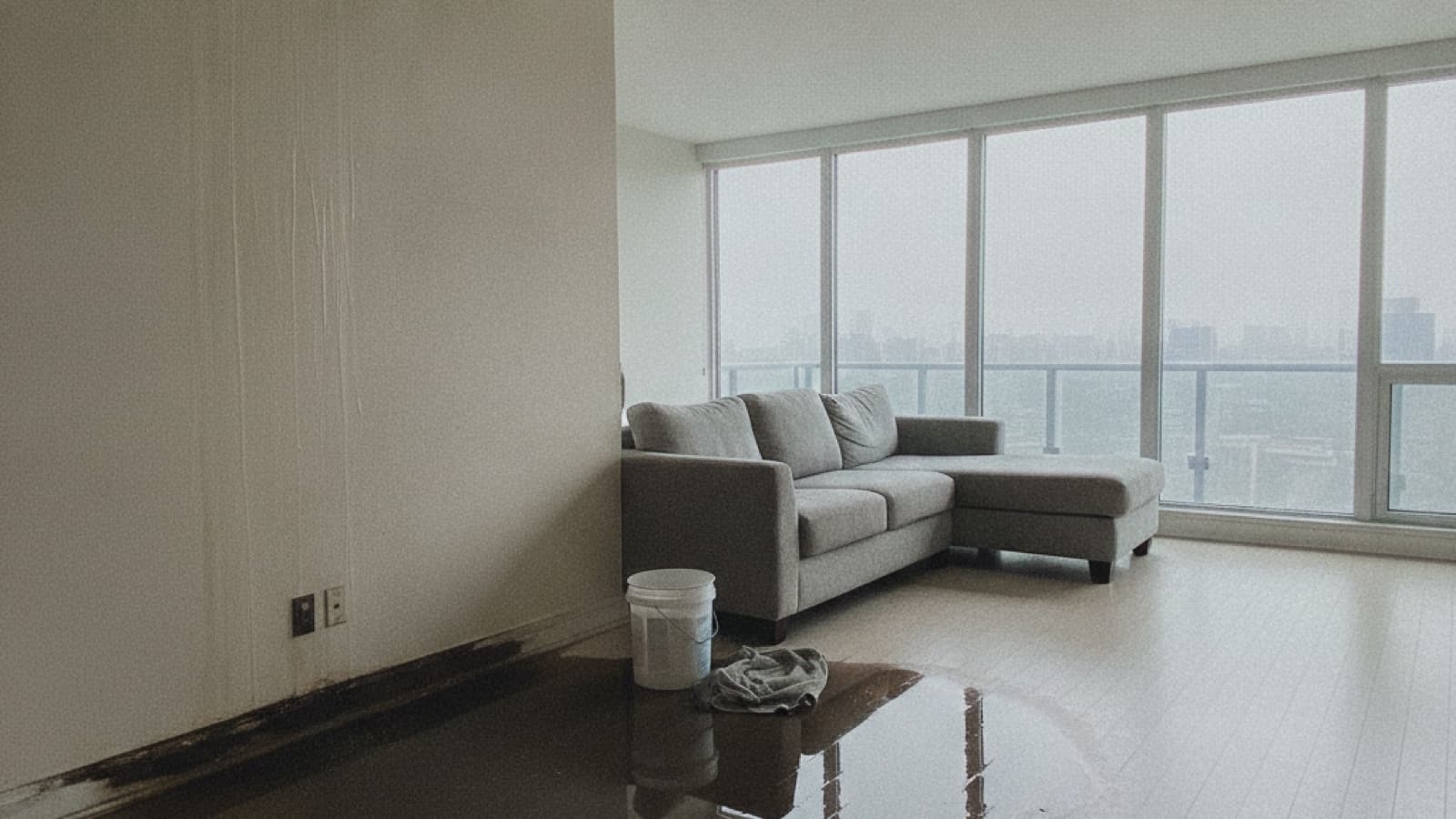
The call usually comes in some version of the same sentence. Water is coming through the ceiling, it is clearly from the unit upstairs, and the caller wants to know how fast they can make their neighbor pay for it.
The honest answer is that in a Connecticut condominium, the question is not really about your neighbor. Ownership in a common interest community changes who is responsible for what, and it changes it in a way that surprises almost everyone the first time. In a single family house, water from someone else’s property is a liability question. In a condominium, it is mostly an insurance and governance question, and it is governed by your association’s declaration and by two sections of state law that most owners have never read.
This article explains what those two sections actually say, why the neighbor whose water heater died usually does not end up personally paying, what your own policy is for, what to do in the first 48 hours, and where the line sits between a restoration company’s job and a lawyer’s.
One thing before we start: your association’s declaration is the controlling document and every one is different. Nothing here is legal advice, and nothing here can tell you how your specific loss will come out. What it can do is let you read your own documents knowing what you are looking for.
Why This Is Not A Normal Neighbor Dispute
The instinct is that whoever leaked, pays. In a condominium that instinct is usually wrong, and understanding why saves months of pointless argument.
You Do Not Own What You Think You Own
A condominium unit is generally the airspace and finishes inside your boundaries. The structure between units, the pipes running through the walls, the roof, and the building shell are common elements owned collectively by every owner including you.
That single fact reorganizes everything. When water crosses from one unit into another, it usually travels through common elements on the way. The damage is not simply one owner’s property hitting another owner’s property. It is a building event inside a shared structure, and the association has a role in it whether anyone wants it to or not.
The Association Usually Insures More Than Owners Expect
Under Connecticut General Statutes Section 47-255, the association is required to carry property insurance on the common elements. In buildings with horizontal or vertical unit boundaries, which describes most stacked condominiums, that insurance is written to include the units themselves, and improvements and betterments installed by unit owners, unless the declaration limits that authority or the executive board decides not to insure improvements and betterments.
So the master policy frequently reaches further into your unit than owners assume. Whether it reaches your specific kitchen cabinets is a declaration question, and it is the first thing worth checking rather than assuming.
Where The First Argument Usually Starts
Associations and owners commonly disagree about where the master policy stops and the owner’s policy begins. The shorthand people use is bare walls coverage versus all in coverage, and it describes how deeply into the unit the association’s policy is written.
This is not a question anyone can answer for you from the outside, and it is not a question the person on the phone at 11pm can answer either. It is answered by reading your declaration alongside the master policy’s actual terms. If you own in a condominium and have never done that, do it on a calm day rather than a wet one.
"In a house, water from someone else’s property is a liability question. In a condominium, it is mostly an insurance and governance question."
The Two Statutes That Decide It
Almost every argument in a Connecticut condo water loss comes down to these two sections, and they do different jobs. Owners routinely blend them together and reach the wrong conclusion.
Section 47-255: The Deductible Is Everybody’s Problem
Connecticut General Statutes Section 47-255, at subsection (h)(1), states that the cost of repair or replacement in excess of insurance proceeds and reserves, regardless of whether that excess results from the application of a deductible under the insurance coverage, is a common expense.
Read that again, because it is the part that shocks people. A common expense is shared across all owners according to their allocated interests. If the association’s master policy carries a 25,000 dollar deductible and a loss runs through it, the default rule is that the deductible is spread over the ownership, not billed to whoever happened to be standing nearest the leak. That is the starting position under the statute.
Section 47-257: The Narrow Door To Charging One Unit
The power to push that cost onto a single unit does not live in 47-255. It lives in Connecticut General Statutes Section 47-257.
That subsection provides that where a common expense is caused by the wilful misconduct, failure to comply with a written maintenance standard promulgated by the association, or gross negligence of a unit owner, a tenant, or a guest or invitee of either, the association may, after notice and hearing, assess the portion of that common expense in excess of insurance proceeds, whether that portion results from a deductible or otherwise, exclusively against that owner’s unit.
Three things in that sentence do most of the work. The door exists, so a chargeback is genuinely possible. It requires notice and a hearing, so it is a process and not a line item that simply appears on a statement. And the standard is high.
Why Ordinary Bad Luck Usually Does Not Qualify
This is the point the whole article turns on. The statutory standard is wilful misconduct, gross negligence, or violation of a written maintenance standard. It is not ordinary negligence, and it is certainly not simple bad luck.
A twelve year old water heater that corroded through and let go is, in the ordinary case, none of those three things. It is an appliance reaching the end of its service life. Nobody did anything wilful, and absent a written association standard requiring owners to replace water heaters at a stated age, there was no promulgated rule to violate.
So the common and deeply counterintuitive result is this: the neighbor whose heater failed is commonly not the one who personally pays for your ceiling, the master policy responds according to the declaration, and the deductible lands as a common expense on the ownership. That is the default the statutes set, not a prediction about your loss. Owners who spend six months trying to make the upstairs neighbor pay are often arguing for a result the statute does not provide.
The picture changes when facts change. A written maintenance standard that the owner ignored, a shutoff valve left open after a known problem, a repair the owner was told to make and did not, or conduct a board could characterize as gross negligence, all move the analysis toward the 47-257(e) door. Whether any given set of facts gets through that door is exactly the kind of question that belongs with a lawyer, not a contractor.
"The standard is wilful misconduct, gross negligence, or breaking a written maintenance standard. A heater that simply died of old age is usually none of the three."
What Your Own Policy Is Actually For
The unit owner policy is the most misunderstood document in condominium ownership, and it is the one that quietly determines how bad your year is.
The Gap It Exists To Fill
A unit owner policy, commonly an HO-6, generally covers your personal belongings, the portions of the interior your declaration leaves to you, your liability, and additional living expense if the unit becomes uninhabitable. It exists precisely because the master policy has a boundary, and that boundary runs somewhere through your home.
The practical trap is that owners insure to the wrong boundary. Someone whose declaration leaves finishes to the owner, but who carries a thin policy because they assumed the association covers everything, discovers the gap at the worst moment.
Loss Assessment Coverage, The Line Nobody Reads
Since the statute makes the deductible and the excess a common expense, and a common expense gets allocated to owners, your share can come to you as a special assessment. Many unit owner policies offer loss assessment coverage for exactly that exposure, often at a low default limit that has not been revisited in years.
Against master policy deductibles that have climbed steeply, a default loss assessment limit set a decade ago may be badly undersized. This is a five minute conversation with your agent, and it is the single most useful thing most condo owners could do this week. Ask what your loss assessment limit is and what your association’s master deductible is, and compare the two numbers.
Open Your Own Claim Anyway
Owners often wait, on the theory that this is the association’s loss and opening a claim would be premature. Notice requirements in your own policy do not pause while a building sorts out responsibility.
Reporting a loss to your carrier is not the same as conceding it is yours. It preserves your position, starts the clock properly, and puts an adjuster on the file who can tell you where your coverage actually sits. Whether to pursue it is a later decision, and one you make with better information.
The First 48 Hours, In Order
The legal framework resolves over weeks. The building damage does not wait for it, and the decisions in the first two days shape both.
Stop It, Then Document Before Anyone Cleans
Get the water stopped, which in a stacked building usually means the source unit or a building shutoff, and that often means the association or property manager rather than you personally. If ceiling material is sagging and holding water, stay out from under it.
Then photograph everything before a single towel comes out. Wide shots that establish the room, close shots of every affected surface, the ceiling, the walls, the flooring, and your belongings. Photograph the water at its furthest extent. Note the time you discovered it. This record takes ten minutes, it is free, and it is the only version of the scene that will ever exist.
Notify The Association In Writing, The Same Day
A phone call to a property manager is not a record. Email is. Send a written notice the same day describing what happened, when you discovered it, and what is affected, and keep the sent copy.
This matters for a reason beyond tidiness. If the loss eventually goes down the 47-257(e) road, that path runs through notice and a hearing, and a documented timeline is what such a process runs on. It also protects you, because the same standard that could be applied to a neighbor could be applied to you if the next failure starts in your unit.
Start Drying Immediately, And Do Not Wait For The Coverage Answer
This is the part where owners lose real money out of a good intention. They wait for the association, the master policy, and their own carrier to sort out who is responsible before letting anyone touch the unit.
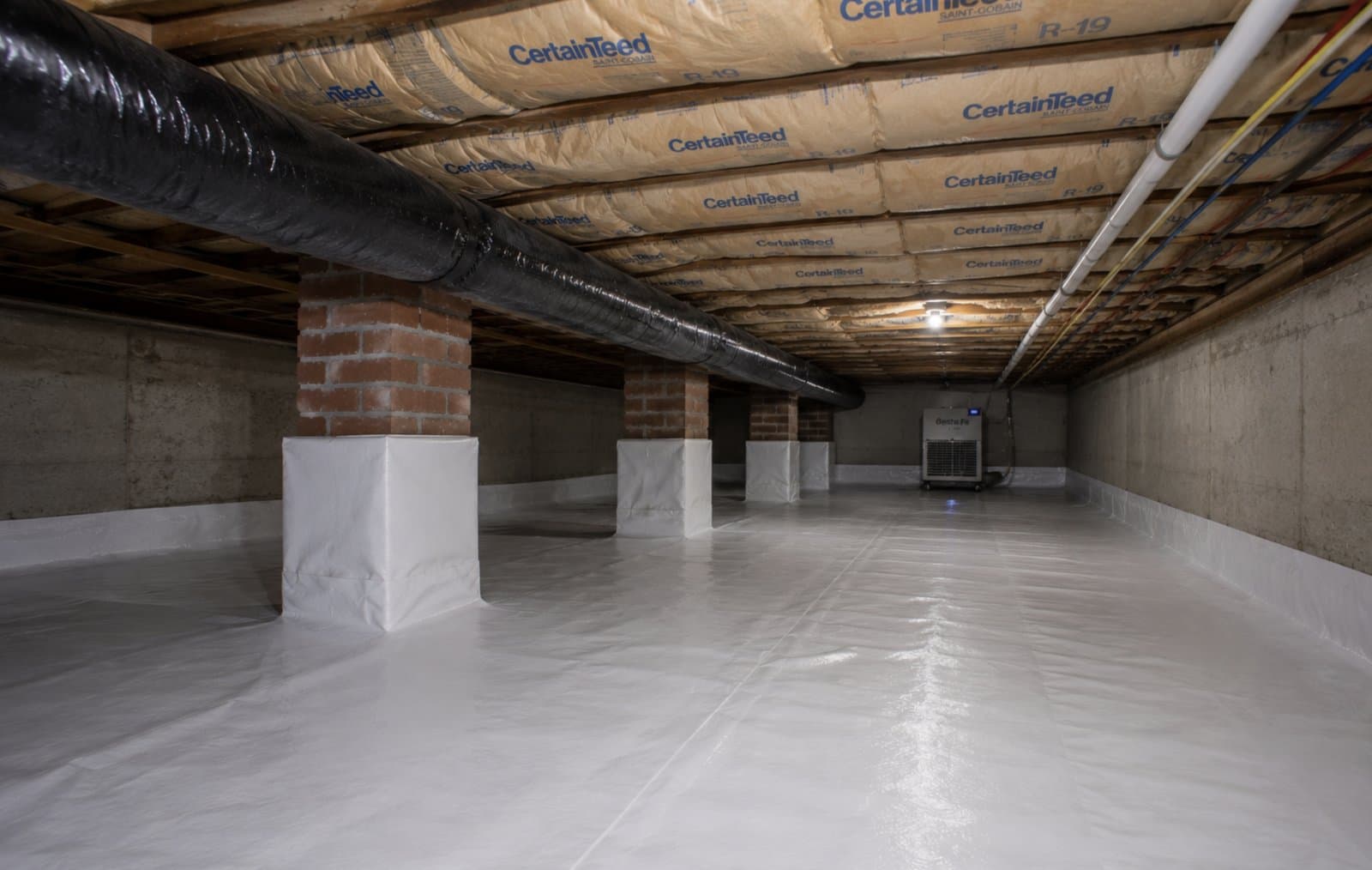
Wet building materials in a heated building begin supporting microbial growth in a matter of days, not weeks. A ceiling assembly and a wall cavity that sit wet for a week while three parties exchange emails produce a remediation project on top of a drying project. Nearly every policy also asks the insured to take reasonable steps to prevent further damage, so waiting is not the conservative choice it feels like.
Mitigation and coverage are two separate tracks. Dry the building now, document it properly, and let the coverage question run on its own schedule.
Know Which Questions Are Not Ours
We are a restoration company. We dry buildings, we document losses to IICRC S500 standard, and we submit our scope and supporting documentation directly to the insurer. We are not licensed public adjusters and do not negotiate claims on your behalf.
What your declaration covers, whether a chargeback under 47-257(e) is defensible, and how to respond to a special assessment are questions for your agent, your association’s counsel, or your own attorney. Anyone in a work shirt offering you confident answers about your legal position is telling you something about themselves, not about your claim.
"Mitigation and coverage are two separate tracks. Dry the building now, and let the coverage question run on its own schedule."
How A Multi-Unit Loss Actually Runs
Drying one condominium unit is a different job from drying a house, and the differences are worth knowing before you are in one.

The Water Is Almost Never Only In Your Unit
Water that entered from above has travelled through a floor and ceiling assembly to reach you, and assemblies hold water in places no surface inspection finds. It moves along joist bays and drops where the framing lets it, which is why the wet ceiling patch in your living room can sit well away from the bathroom it came from.
Proper drying means finding the actual extent with moisture meters and thermal imaging rather than treating the stain as the boundary. In practice that frequently means the source unit, your unit, and sometimes a neighbor on your own floor are all part of one drying environment, even though three different owners are involved.
Access Is The Real Constraint
The technical work is routine. The coordination is not. A single loss can require the source unit owner, you, the association, a property manager, and two or three carriers to agree on access and scope, and equipment cannot be placed in a unit nobody will open.
This is where multi-unit losses are actually won or lost, and it is why we would rather talk to the property manager early than late. Delay here is not administrative, it is drying time, and drying time is the whole job.
One Set Of Records For Everyone
A multi-unit loss can end up with several carriers looking at the same water from different directions. Documentation that is consistent across all of the affected space serves everyone in that situation, including the owner who was not at fault and needs the file to show it.
We photograph and take moisture readings across the whole affected area, keep drying until materials reach a documented dry standard rather than a set number of days, and give every party the same record. We are not deciding who pays. We are making sure the people who decide are all looking at the same facts.
Questions Connecticut Condo Owners Actually Ask
Short answers to the exact questions that likely brought you here. Your declaration controls, and none of this is legal advice.
My Upstairs Neighbor’s Pipe Flooded My Unit. Do They Pay?
Usually not personally, which surprises most owners. Under Connecticut General Statutes Section 47-255(h)(1) the cost above insurance proceeds, including the deductible, is a common expense shared by all owners. Section 47-257(e) lets the association charge it to one unit only where the loss was caused by wilful misconduct, gross negligence, or failure to comply with a written maintenance standard, and only after notice and a hearing. An appliance or pipe that failed with age typically meets none of those. Whether your facts do is a question for counsel.
Who Pays The Association’s Deductible?
By default all owners do, as a common expense allocated by interest, and your share can arrive as a special assessment. That is why loss assessment coverage on your own unit owner policy matters, and why the limit is worth checking against your association’s actual master deductible. Those two numbers have drifted apart badly at a lot of associations.
Should I Call My Own Insurance If It Was Not My Fault?
Yes, report it. Reporting preserves your rights under your own policy and puts an adjuster on the file who can tell you where your coverage sits. It is not an admission that the loss is yours. Notice deadlines in your policy do not wait while the building decides who is responsible.
Can The Association Make Me Pay For Damage My Water Caused?
Only through the door Section 47-257(e) opens, and only after notice and a hearing. The association would need the loss to have been caused by wilful misconduct, gross negligence, or your failure to comply with a written maintenance standard it had promulgated. If you receive a notice of hearing on a chargeback, that is the moment to speak with an attorney, not after the assessment is levied.
How Fast Do I Need To Start Drying?
Immediately, and independent of the coverage question. Wet materials in a heated building begin supporting growth within days, and most policies ask the insured to take reasonable steps to prevent further damage. Waiting for three parties to agree on responsibility routinely converts a drying job into a remediation job at several times the cost.
Does This Apply In Westchester Or Massachusetts?
No. Sections 47-255 and 47-257 are Connecticut law. New York and Massachusetts govern condominiums under their own statutes, and the allocation rules differ. The practical guidance holds everywhere we work, document before cleaning, notify in writing, report to your own carrier, and start drying, but the specific statutory rules described here are Connecticut’s. We serve Westchester County and Western Massachusetts as well, and in those states the same questions go to local counsel.