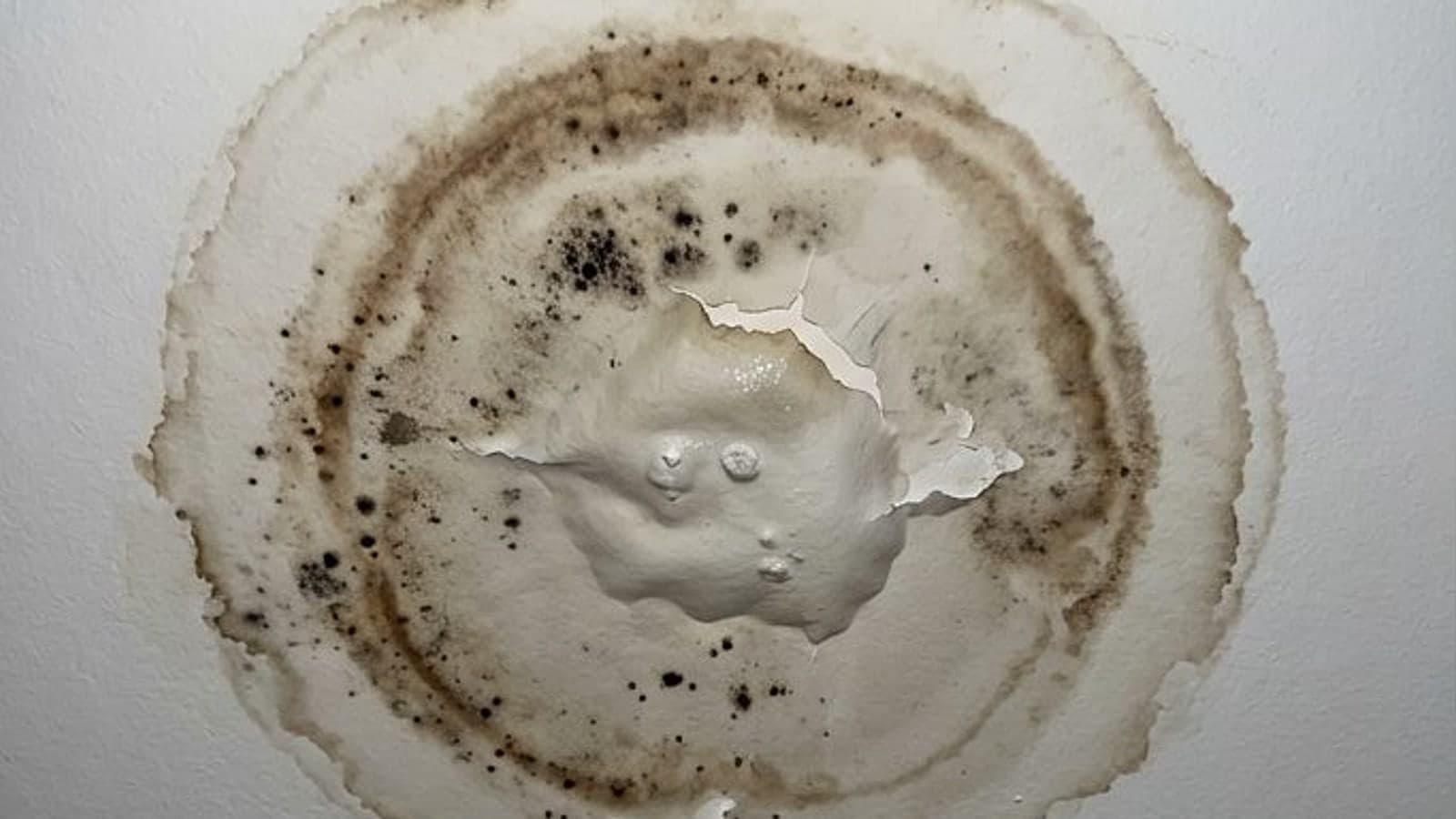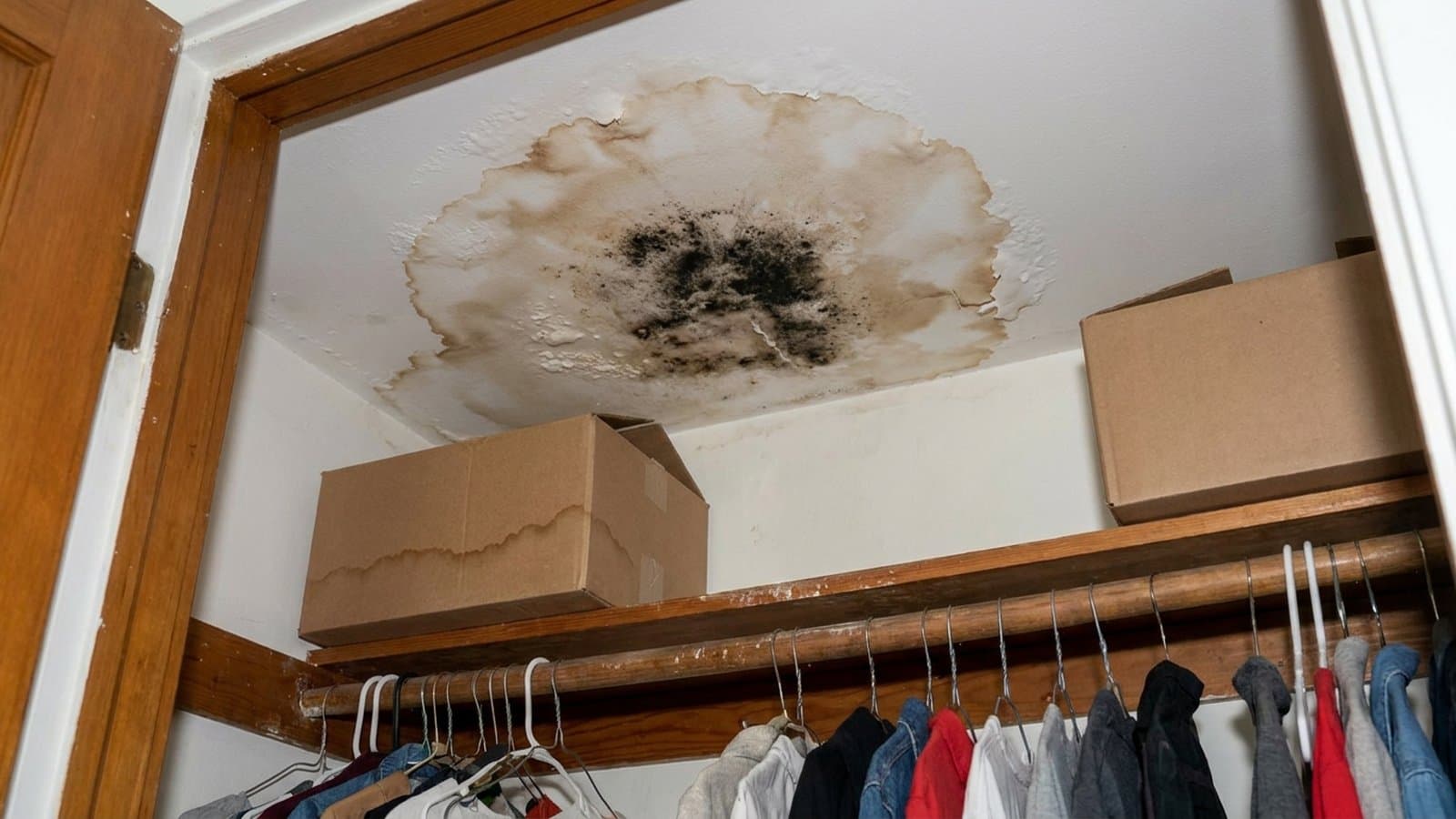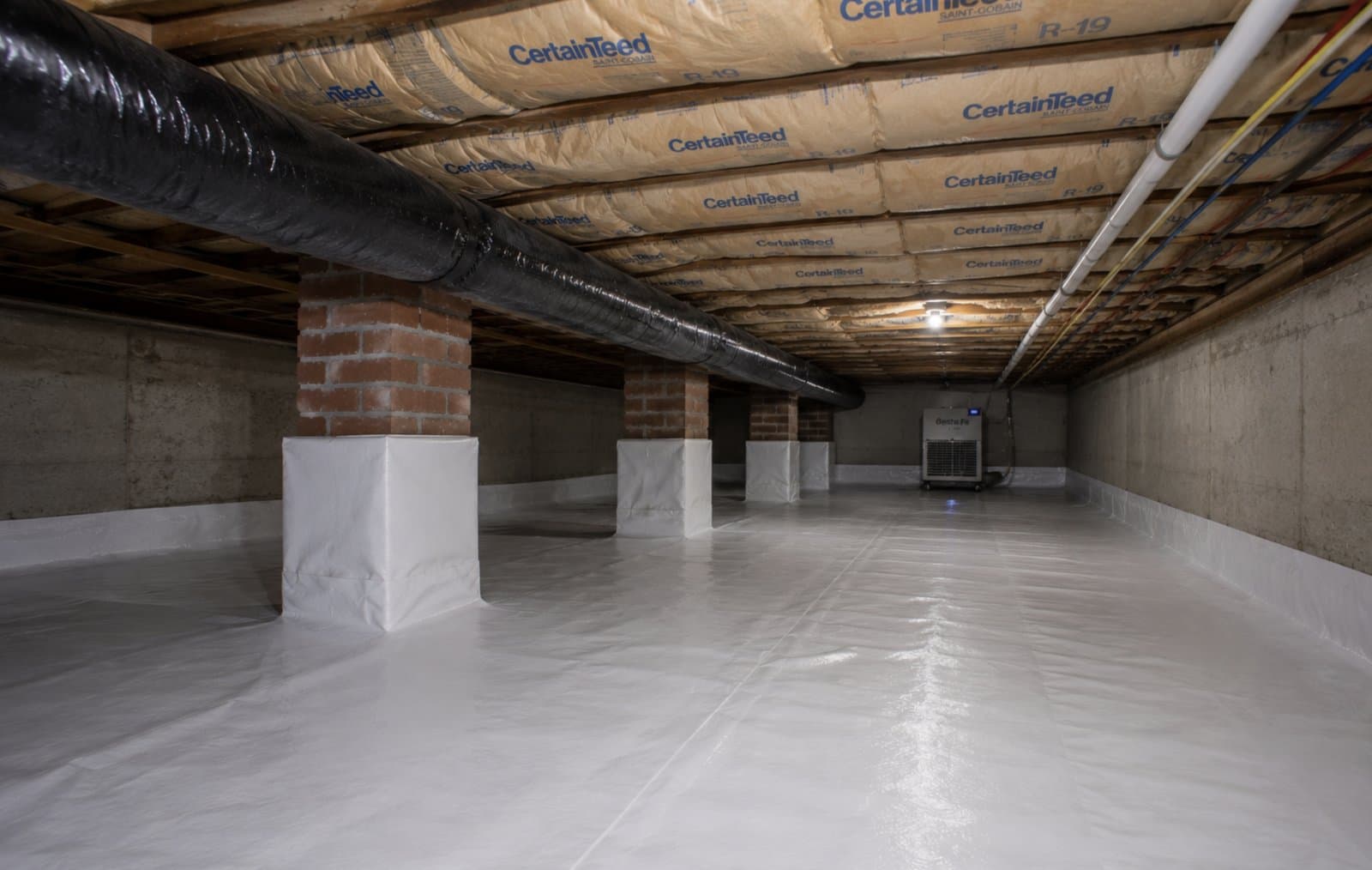
Here are the numbers, before anything else. Water damage restoration in Connecticut typically runs 1,500 to 4,500 dollars for a Category 1 clean water loss, 2,500 to 8,500 dollars for a Category 2 gray water loss, and 7,500 to 50,000 dollars or more for a Category 3 sewage or storm water loss. Those are the same ranges we publish on every one of our Connecticut town pages, because a price you only learn after a stranger is standing in your flooded basement is not a price, it is an opening position.
If you searched for this article, you have probably also seen pages saying the average water damage repair costs 1,300 or 3,800 dollars. Those numbers are not lies. They are averages built mostly from small, partial jobs, and they describe a different scope of work than a full restoration. The gap between the internet average and a real quote is the single biggest source of sticker shock in this trade, and it deserves a real explanation.
This article walks through what each category actually means, what moves a job from the bottom of its range to the top, how the insurance math works against these numbers, and, because it is the question that matters most, the losses where the honest answer is that you do not need a restoration company at all.
The Three Numbers, And What Each One Buys
The industry prices water losses by contamination category, defined in the IICRC S500 standard. The category is not about how much water there is. It is about what is in it.
Category 1: Clean Water, $1,500 To $4,500
Category 1 is water from a sanitary source: a burst supply line, an ice maker line, a water heater letting go, rainwater coming in above grade. The work is extraction, structural drying with air movers and dehumidification sized to the space, moisture readings until materials hit a documented dry standard, and usually modest material removal.
A single-room clean water loss caught quickly sits at the bottom of the range. A clean water loss that ran for hours and reached three rooms sits at the top. The water itself is the cheap part; the hours it ran before someone closed a valve are what you are paying for.
Category 2: Gray Water, $2,500 To $8,500
Category 2 is water with significant contamination that is not sewage: washing machine and dishwasher discharge, toilet overflow without solids, sump pump failure, and most flooded basement scenarios. Most Connecticut water claims we handle settle in this range, which is why it is the featured tier on our town pages.
Gray water changes the work in two ways. Porous materials that clean water might have dried in place, carpet pad, some drywall, now generally come out. And the job adds cleaning and application of EPA-registered antimicrobials before drying, because the contamination cannot be left inside a wall assembly. More removal, more labor, more equipment days.
Category 3: Black Water, $7,500 To $50,000 And Up
Category 3 is grossly contaminated water: sewage backups, surcharged municipal drains, river and storm surge flooding, and any gray water loss that sat long enough to degrade. This is where the wide range lives, and the width is honest, because the variable is how much of the building the water touched.
Category 3 work is demolition plus restoration. Contaminated drywall, insulation, carpet, and often cabinetry come out to a defined cut line. The structure gets cleaned, treated, dried to standard, and verified before anything goes back. A contained sewage backup in one basement corner lands near 7,500. A whole finished lower level under storm water for a weekend is how the number reaches five figures, and the plus sign on 50,000 exists because multi-room Category 3 losses with reconstruction genuinely exceed it.
"The water itself is the cheap part. The hours it ran before someone closed a valve are what you are paying for."
Why The Internet Told You $1,300
The published averages are not wrong. They are answering a different question than the one you are asking.
Averages Are Built From Small Jobs
National cost sites aggregate every job that gets called water damage repair: a fan rental, a one-room carpet dry-out, a handyman patching one ceiling. Those small partial jobs vastly outnumber full restorations, so they pull the average down toward them. The average is dominated by jobs that are not your job.
When your loss actually is small, the average is roughly right, and the honest move is to treat it as a small job. The section at the end of this article is about exactly that. The problem is using a small-job average to judge a quote for a flooded finished basement, which is a different product.
What The Low Quote Leaves Out
A quote far below these ranges is usually describing extraction and fans, without the parts that make a loss actually resolved: moisture mapping of walls and assemblies, removal of materials that cannot dry, antimicrobial treatment where category requires it, dehumidification sized to the volume rather than one unit by the stairs, daily readings, and documentation your insurer will accept.
The expensive version of a cheap dry-out arrives months later as a mold remediation project inside the walls that never actually dried. We wrote about that failure mode in our mold articles, and a large share of our mold work begins exactly this way.
Nobody Publishes Prices, Which Is Why Averages Thrive
Restoration companies almost never publish numbers, which leaves aggregator averages as the only thing a homeowner can find. We publish ours, on this page and on every Connecticut town page we operate, and they are the same numbers in both places on purpose. Exact tiers vary slightly by market, and your own town page shows the local ranges, but the Connecticut baseline is what you see here.
What Moves A Job Inside Its Range
Two identical pipes can fail in two identical houses and produce a $2,000 job in one and an $8,000 job in the other. These are the variables that decide it.
Duration Before Someone Stopped It
The single biggest variable. Water that ran for twenty minutes wets a floor. Water that ran overnight wets the floor, the walls to a height you can measure, the assemblies inside them, and the level below. Duration decides how many rooms, how much material removal, and how many days of drying, which is to say it decides most of the invoice. It is also, separately, the fact your insurance claim will turn on.
What The Water Reached
Bare concrete tolerates a wetting; a finished basement does not. Carpet and pad, engineered flooring, drywall, insulation, and built-ins each add removal and replacement scope. Plaster on lath, common in Connecticut pre-war stock, dries slower than drywall and needs gentler handling, which adds equipment days. A basement used for storage adds contents handling on top of structure.
Category Drift Over Time
Water degrades where it stands. A clean water loss left untreated for days can become a gray water job, and gray left long enough is treated as black. This is the quiet reason fast response is a cost decision and not just a comfort one: the same gallons get more expensive to remediate the longer they sit. It is also why we dispatch in 60 minutes, that speed protects the category, and the category sets the price.
"The same gallons get more expensive the longer they sit. Speed protects the category, and the category sets the price."
The Insurance Math Against These Numbers
Most Category 1 and 2 losses in Connecticut end up as insurance claims. How the numbers above interact with your policy is worth understanding before you are standing in the water.
Sudden And Accidental Versus Gradual
Standard homeowners policies generally respond to sudden and accidental discharge, the burst pipe, the appliance failure, the water heater that let go, and generally exclude gradual seepage and long-term leaks, on the reasoning that you had an opportunity to catch them. Flooding from rising water is its own exclusion and lives under separate flood coverage, which we covered in our flood article.
What this means against the ranges above: the same 6,000 dollar Category 2 loss can be a covered claim or an out-of-pocket bill depending on how the water arrived and how long it had been arriving. Duration shows up twice in this article, once in the price and once in the coverage, and that is not a coincidence.
Your Deductible Sits At The Bottom Of These Ranges
Connecticut homeowner deductibles commonly run 1,000 to 2,500 dollars, which happens to sit at or just below the bottom of the Category 1 range. That geometry produces a real decision on small covered losses: a 2,000 dollar job against a 1,500 dollar deductible recovers 500 dollars and registers a claim. Whether that trade is worth it is a conversation for you and your agent, not for us. What we owe you is a documented scope accurate enough that you can make it with real numbers.
Your deductible is between you and your insurer. We work with your deductible, not around it, and anyone offering to make a deductible disappear is describing insurance fraud.
What We Do And Do Not Do On A Claim
We document the loss to IICRC S500 standard, photographs, moisture readings, category determination, and a written scope, and we submit that documentation and our scope directly to your insurer. Your adjuster gets a file complete enough to evaluate without anyone playing courier.
We are not licensed public adjusters and do not negotiate claims on your behalf. Coverage decisions belong to your carrier under your policy, and disputes belong with a licensed public adjuster or an attorney. Our job is to make the record so complete the file speaks for itself.
When You Should Not Pay Anyone
This is the section the aggregator sites cannot write, because it costs them the lead. Some water losses genuinely do not need a restoration company.
The Losses That Are A Shop Vac And A Fan
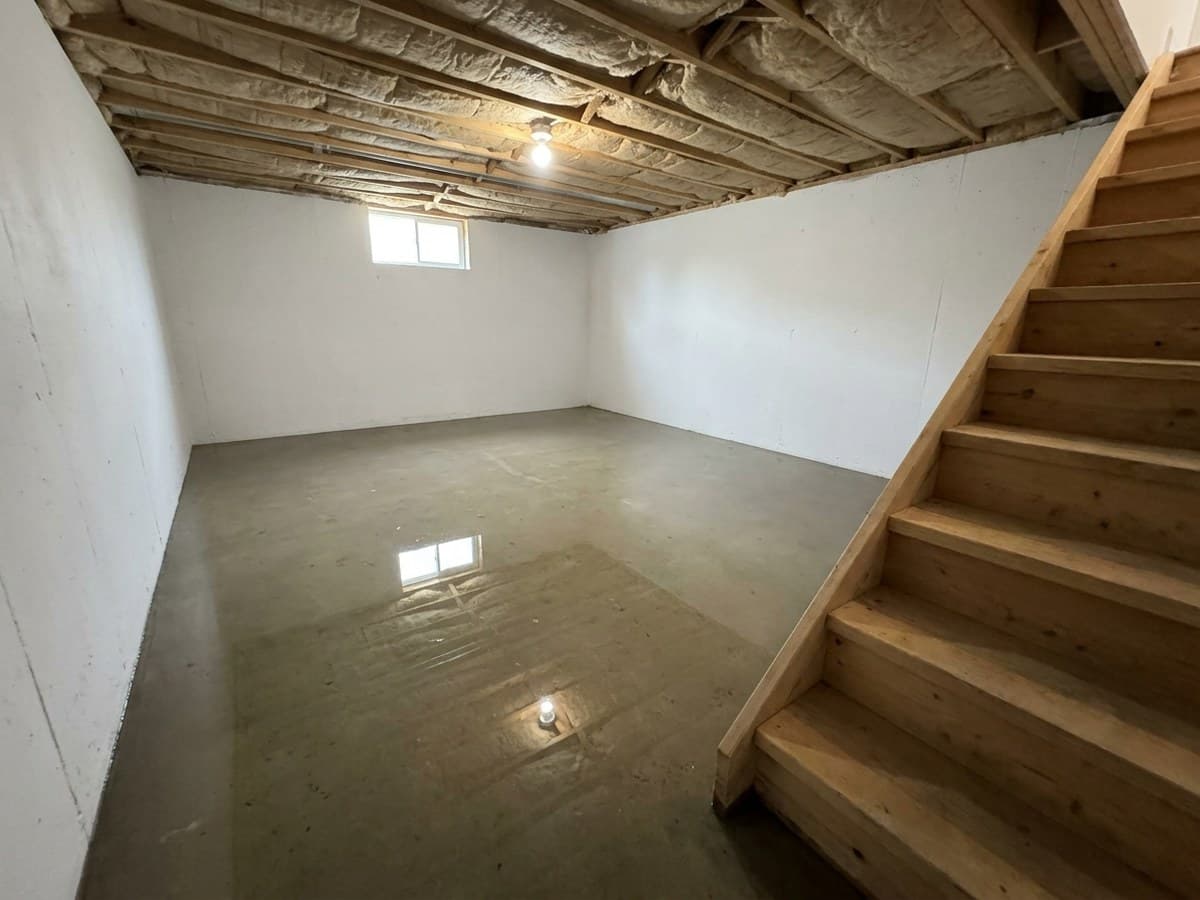
Clean water, on a sealed hard surface, caught immediately, in a space with airflow: mop it, run a fan, done. A dishwasher that overflowed onto tile while you were home, a bathtub that ran over for two minutes, rainwater that came under a door onto concrete. Bare concrete in an unfinished basement tolerates a wetting better than any finished assembly, and a floor drain nearby makes it a plumbing event, not a restoration event.
The honest dividing line is absorption. If the water stayed on surfaces that do not hold it, and you got it up the same day, you do not need us, and a company that quotes a flooded-basement price for a mopping job is telling you who they are.
The Signals That It Stopped Being Simple
Water reached carpet, drywall, or wood flooring and sat. A musty smell that arrives a day or two later. Baseboards or floorboards changing shape. A wet spot on a ceiling below the loss. Any amount of sewage. Any loss where you cannot see the full extent, which is most losses inside walls.
Those are the cases where drying is a measured process with a defined endpoint, and where the 1,500 to 8,500 dollar ranges above buy something real: the difference between a building that dried and a building that just looks dry. A free assessment settles which side of the line you are on, and roughly a third of the water calls we take end with us telling the caller they can handle it themselves.
"Roughly a third of the water calls we take end with us telling the caller they can handle it themselves."
Questions Connecticut Homeowners Actually Ask
Short answers to the exact questions that likely brought you here.
How Much Does Water Damage Restoration Cost In Connecticut?
Category 1 clean water losses typically run 1,500 to 4,500 dollars, Category 2 gray water 2,500 to 8,500 dollars, and Category 3 sewage or storm water 7,500 to 50,000 dollars and up. Most Connecticut claims settle in the Category 2 range. The category, the duration the water ran, and what it reached are what place a job inside its range. These are the same ranges published on our town pages.
Why Do Online Averages Say $1,300 To $3,800?
Because those averages are dominated by small partial jobs, fan rentals, single-room dry-outs, one-ceiling patches, which outnumber full restorations. For a genuinely small loss the average is about right, and you may not need a restoration company at all. For a flooded finished basement it describes a different product.
Does Homeowners Insurance Cover Water Damage Restoration?
Frequently yes for sudden and accidental discharge, a burst pipe or failed appliance, and generally no for gradual leaks and for flooding from rising water, which needs separate flood coverage. Your carrier decides under your policy; what you control is the quality of the record they decide from. We document to IICRC S500 standard and submit directly to your insurer. We are not licensed public adjusters and do not negotiate claims.
Is A Flooded Basement Expensive To Fix?
It depends almost entirely on finish and contamination. Storm water on bare concrete with a floor drain can be a few hundred dollars of pumping or nothing at all. The same water across a carpeted, finished lower level is a Category 2 or 3 loss in the 2,500 to 8,500 dollar range or beyond, because finished materials hold water and contamination that concrete does not.
What Does An Estimate Cost?
Nothing. Assessment is free, in person, with moisture readings, and it comes with a written scope and the category determination that drives everything above. If the honest answer is that you can handle it with a fan and a wet vac, that is the answer you get.
Want A Number For Your House?
The instant estimate calculator prices your specific scope from the same published ranges in this guide.