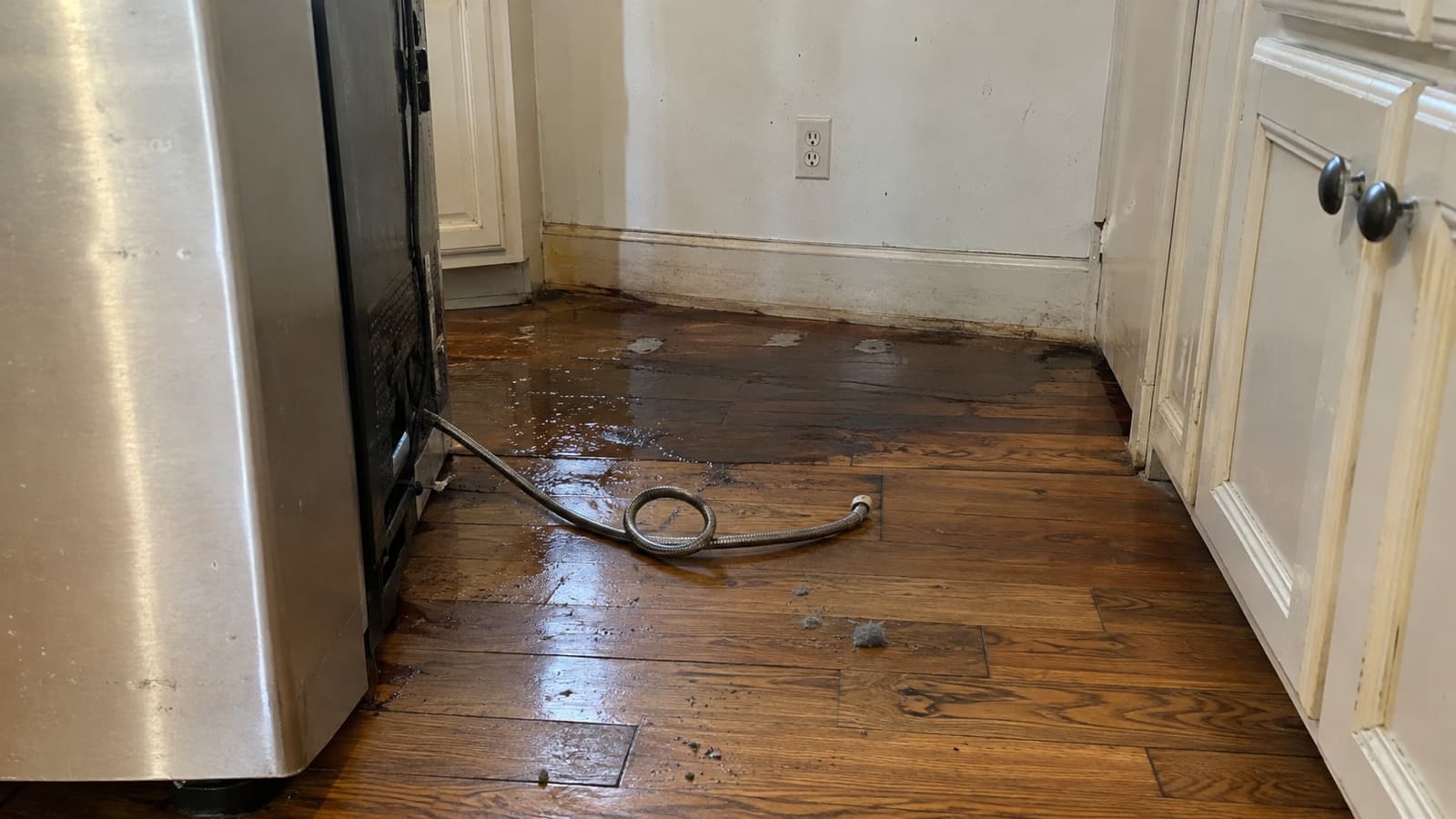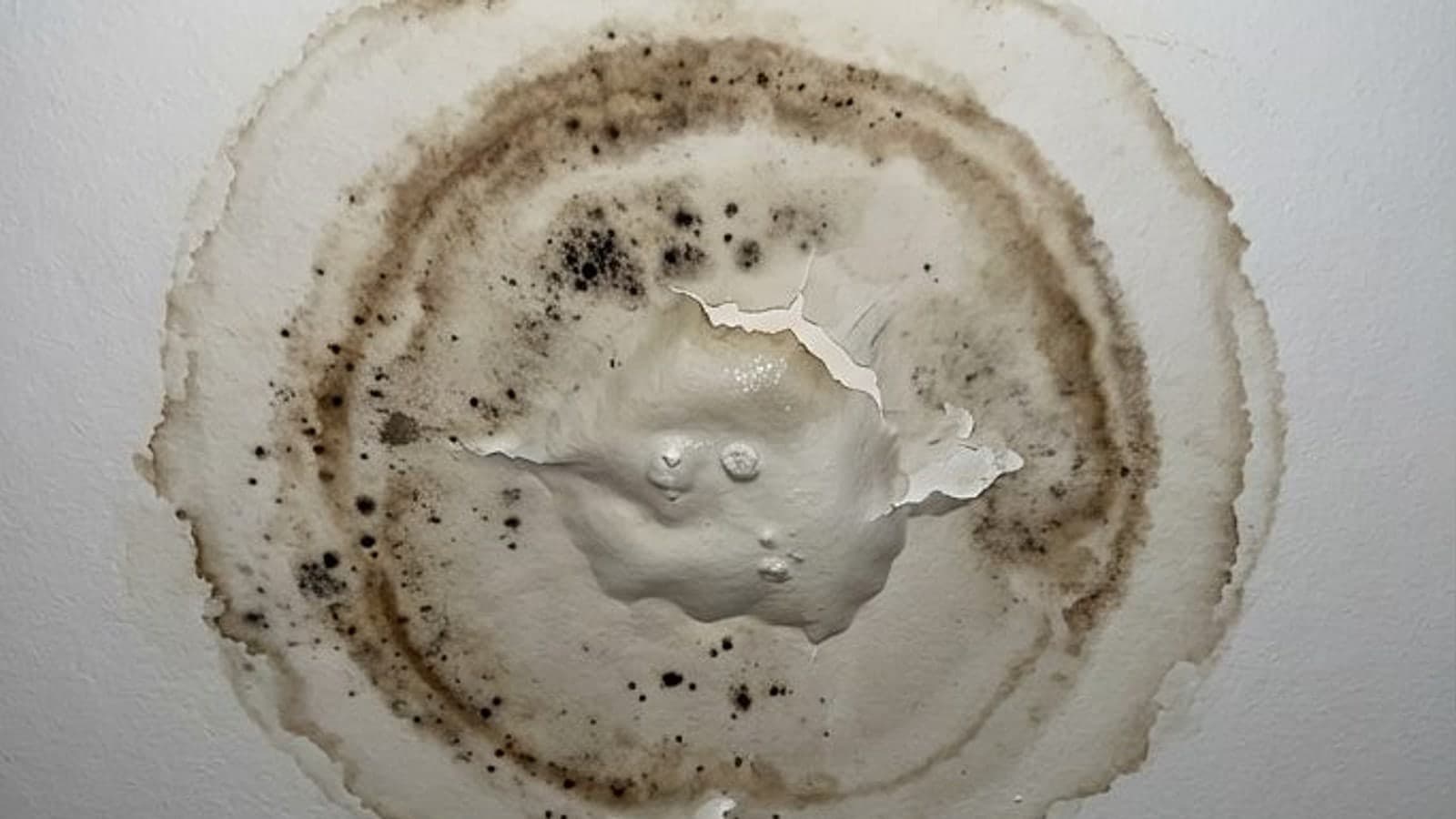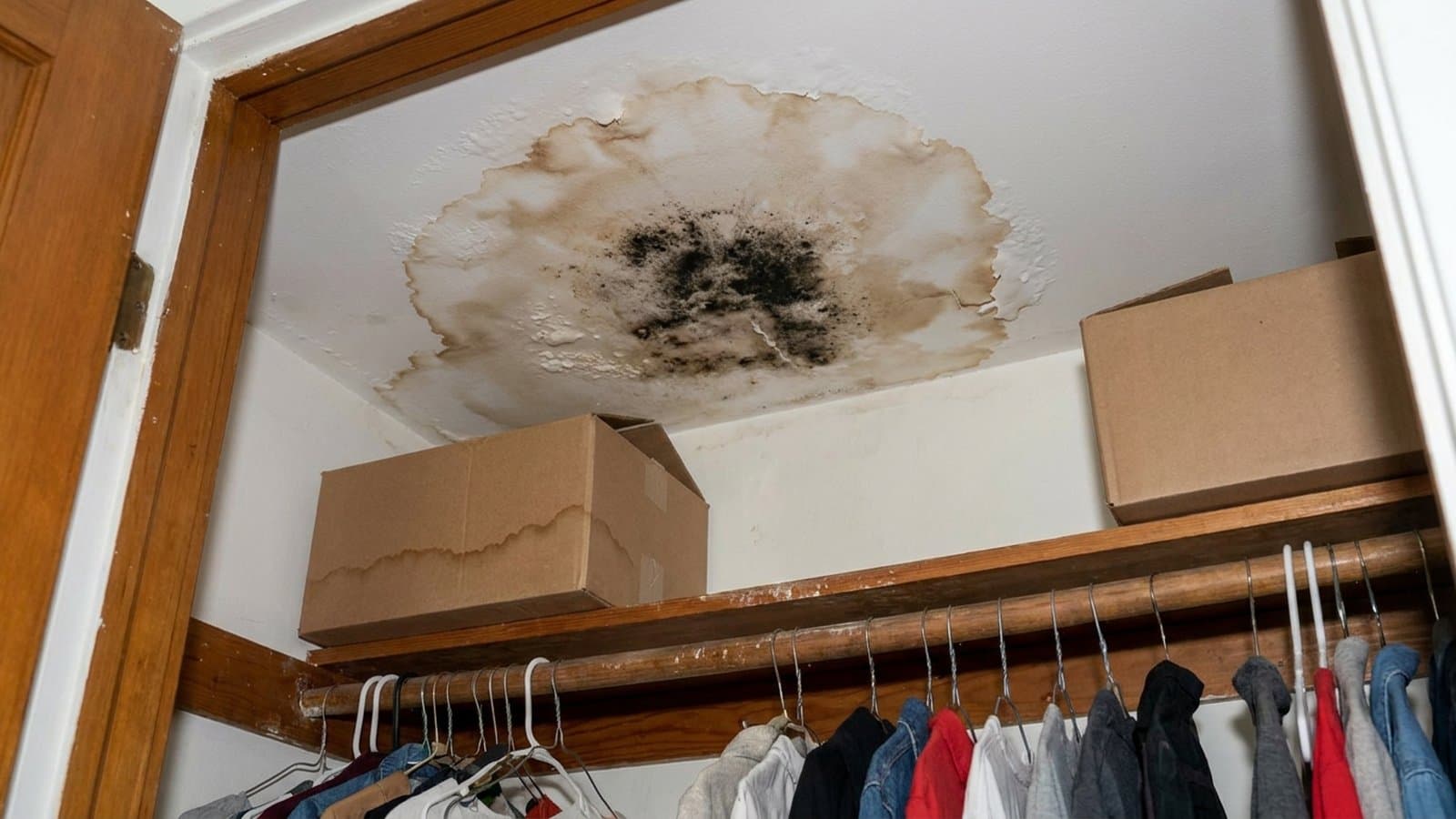
A standard homeowners policy in Connecticut, New York or Massachusetts does not cover water that backs up through a sewer or drain or comes in through a failed sump pump, and it does not cover flood from outside the house at all. Both can be added: backup and sump overflow through an endorsement, flood through a separate flood policy. Sudden water from inside the house, a burst pipe or a failed supply line, is usually covered.
That one paragraph settles most of the calls we get after a wet basement. The rest of this guide explains the three kinds of water a policy recognizes, what the backup endorsement actually pays, why it matters whether the pump failed or the power did, and what to do in the first two days so the loss stays small and the claim stays intact.
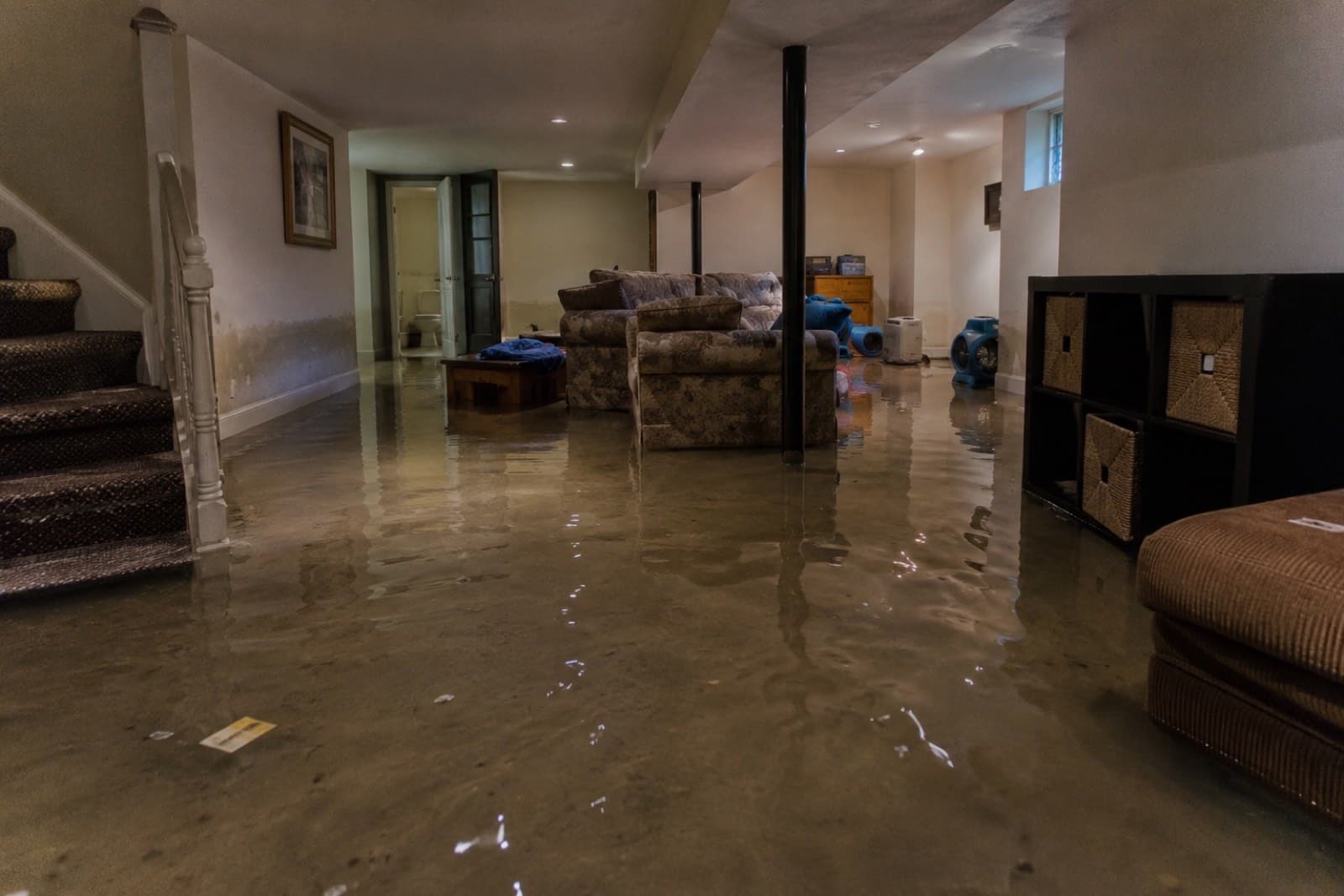
The Three Kinds Of Water, And What Each One Means For Coverage
Insurers do not ask how much water there was. They ask where it came from. The same wet carpet can be fully covered, covered up to a small cap, or excluded entirely depending on the answer.
Sudden Water From Inside The House
A supply line that lets go, a pipe that bursts in a cold snap, a washing machine hose that splits, a water heater that ruptures. These are the classic sudden and accidental losses, and standard policies generally cover the water damage that follows, including drying, removal of ruined materials and the rebuild. The appliance or pipe that failed is often treated as wear and tear and not replaced, but the damage it caused is.
The condition attached to this coverage is speed. Policies expect the homeowner to stop the water and start drying promptly, which is why the first 48 hours section below matters for the claim and not only for the house.
Backup And Sump Overflow
Water that comes up through a floor drain, a sewer line or a sump pit is a different category. Standard Connecticut HO-3 and HO-5 policies, and the equivalent forms sold in New York and Massachusetts, exclude water that backs up through sewers or drains or overflows from a sump. A failed sump pump, a pump that could not keep up, and a pump that stopped because the power went out during a storm all fall here.
This is the gap most basements actually have. It is fixable with an endorsement, described in the next section, and it is the first thing worth checking on a declarations page.
Surface Water And Flood
Rain that pools against the foundation and comes in through a window well or a door, a stream that rises into the yard, tidal water along the shoreline: this is flood in policy language, and homeowners policies exclude it completely. Flood is covered only by a separate flood policy, most often through the National Flood Insurance Program, sometimes through a private carrier.
A flood policy has its own rules for basements. NFIP coverage in a basement is limited to structural elements and essential equipment such as the furnace, water heater and electrical panel; finished walls, flooring and stored contents below grade are generally not covered. A finished lower level in a flood zone is therefore exposed on two fronts and worth a conversation with an agent before the season, not after.
"The carrier is not judging the water. It is judging the path the water took into the house."
The Endorsement Most Basements Actually Need
Water backup and sump discharge or overflow coverage is an add-on, and it comes with a cap that is usually smaller than a finished basement.
What It Adds Back
The endorsement restores coverage for water that backs up through sewers or drains and for overflow from a sump, including a pump that failed mechanically or lost power. It sits on top of the base policy for a modest premium, which is why agents recommend it for any house with a basement, and why so many homeowners only learn it exists after the first backup.
How The Caps Work
Carriers cap this coverage. Large national carriers commonly write $5,000 limits, with buy-up tiers to $25,000 or more available through high-value carriers. The cap applies to the whole loss, drying and repairs and contents together, so a finished lower level with carpet, drywall, a media room and stored belongings can exceed a $5,000 limit in the first day.
On a declarations page the line reads something like Water Back Up and Sump Discharge or Overflow, followed by the limit. If the line is missing, the coverage is missing. If the limit is $5,000 and the basement is finished, a buy-up is usually the cheapest insurance decision on the page.
Why It Matters Whether The Pump Failed Or The Power Did
Homeowners often assume a storm makes any basement water a flood claim. Policies read it more narrowly than that.
Water That Came Through The Sump Pit
If groundwater rose, the pump could not keep up or lost power, and the water entered the basement through the sump pit or a floor drain, that is backup and overflow. It is paid under the endorsement, not under flood coverage, even though a storm caused it. The same is true of a pump that simply wore out on a dry day.
Water That Came Through The Walls Or Doors
If the same storm pushed surface water through a window well, under a door or through the foundation wall, that is flood, and only a flood policy responds. Many basement losses are a mix of both, which is one reason documentation matters: photographs of where the water entered, taken before cleanup, are what an adjuster uses to sort the two.
A battery backup pump or a water-powered backup pump does not change the coverage picture, but it removes the most common cause of the loss, a pump that stopped when the power did.
What To Do In The First 48 Hours
The first two days decide how much of the basement is saved and whether the claim holds together.
Safety, Source, Photographs
Do not step into standing water while the electricity to that area is on; if the panel is in the basement and the water is anywhere near it, wait for an electrician. Stop the source where you can: shut the main if the water is from a supply line, and keep everyone away from a sump pit that is still overflowing. Then photograph everything before anything is moved or pumped: the water line on the walls, where the water came in, the pump itself, the contents.
Report, Then Start Drying The Same Day
Call the insurer or agent the same day and get a claim number. Do not wait for an adjuster to visit before drying starts; policies expect prompt mitigation, and materials that stay wet past 24 to 48 hours are where mold starts. Extraction, air movers and dehumidifiers running within the day is what keeps a wet basement from becoming a mold job.
Green Restoration documents the loss either way: moisture readings, photographs of the entry point and the damage, and a written scope that we submit to your insurer with the supporting documentation. We work with insurance, but we are independent and not on any insurer's panel. We are not licensed public adjusters and do not negotiate claims on your behalf.
New York And Massachusetts
The forms are the same. The local details differ.
Westchester And New York City
Policies sold in New York follow the same standard forms and the same three-way split. In co-ops and condos the added question is which policy responds, the building master policy or the unit owner policy, and where the water originated. Our condo water damage guide covers that division in detail.
Western Massachusetts
The Connecticut River valley towns carry real surface-water exposure in spring and after heavy rain, and flood policies are the only coverage for water that comes in from outside. For basements with a sump, the backup endorsement is the same product under the same name. Our Western Massachusetts team documents losses the same way our Connecticut crews do.
Questions Homeowners Ask
Does homeowners insurance cover basement flooding from rain?+
Not on a standard policy. Rain that enters through the sump pit or a drain is backup and overflow, which needs the water backup endorsement. Rain that enters through windows, doors or the foundation wall is flood, which needs a separate flood policy. Neither is covered by the base policy alone.
Is sump pump failure covered by homeowners insurance?+
Only with a water backup and sump discharge or overflow endorsement, and only up to its limit. A pump that failed mechanically and a pump that stopped when the power went out are treated the same way.
How much does the water backup endorsement pay?+
Large carriers commonly write $5,000 limits, with buy-up tiers to $25,000 or more through high-value carriers. The limit covers drying, repairs and contents together, so a finished basement can exceed a $5,000 cap quickly.
Does flood insurance cover a finished basement?+
Only partly. NFIP coverage below grade is limited to structural elements and essential equipment such as the furnace, water heater and electrical panel. Finished walls, flooring and stored contents in a basement are generally not covered. Ask the agent about private flood options if the lower level is finished.
Will the insurer pay if the loss could have been prevented?+
Coverage assumes reasonable maintenance and prompt action after a loss. Water damage from a known problem left unrepaired, or mold that grew because wet materials sat for days, can be questioned. Stopping the source and starting drying the same day protects both the house and the claim.