A water heater almost never fails the way people describe it afterward. Homeowners say it burst, or it went, or it just let go overnight. What actually happened is that a process which began somewhere between five and ten years earlier reached its end, quietly, in a corner of the basement nobody had looked at closely in years.
That matters for two reasons. The first is that the process leaves warning signs, and they are cheap to check. The second is that how your heater failed, slowly or suddenly, is the single biggest factor in whether your insurance company pays for the damage it caused. Those two facts are connected, and most homeowners learn about the connection at the worst possible moment.
This article covers how a tank actually dies, what forty or fifty gallons plus an open supply line does to a finished basement, how carriers separate a covered loss from an excluded one, what our part of the work involves, and the situations where you need a plumber and nothing more.
How A Water Heater Actually Dies
Failure runs in a sequence. Each stage sets up the next, and the whole chain is invisible from the outside until the last step.
Stage One: The Anode Rod Gives Up
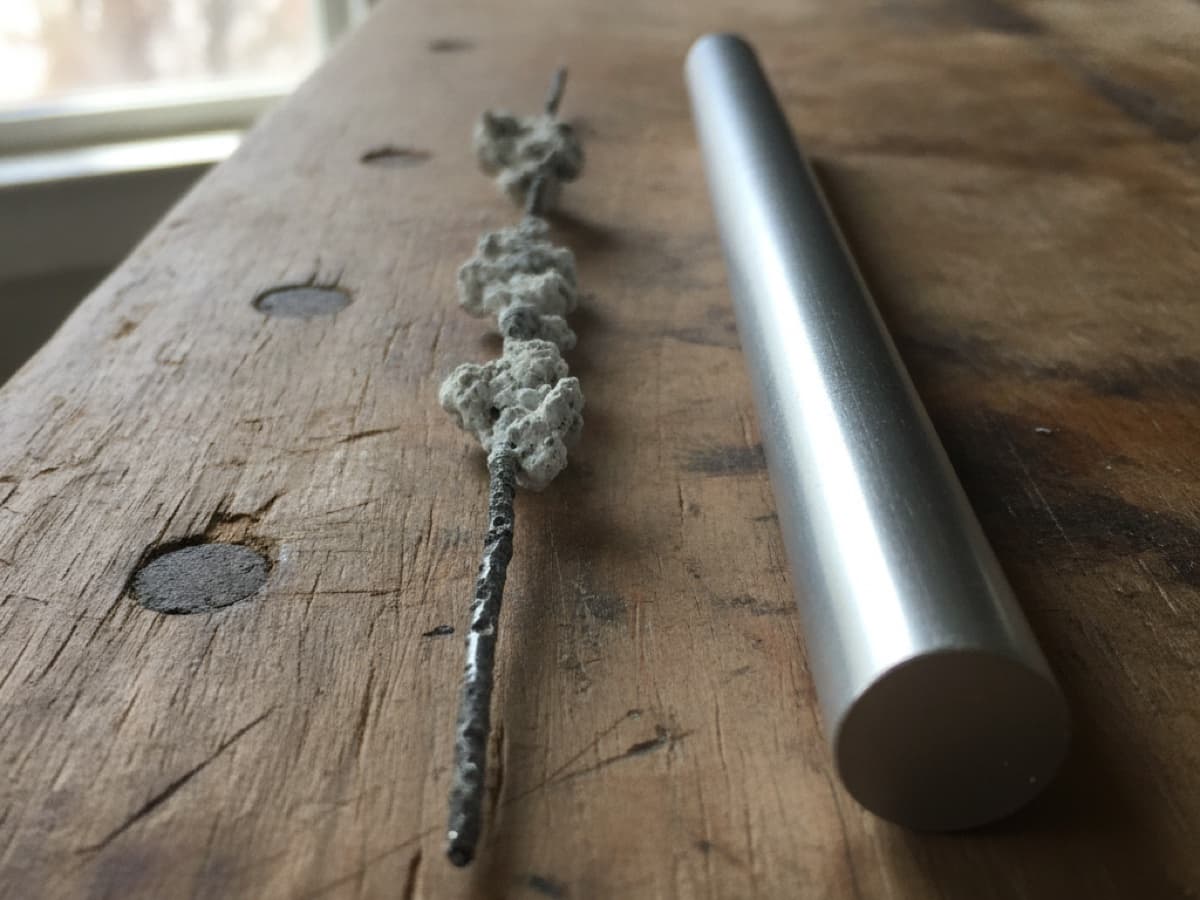
Inside every tank hangs a sacrificial anode rod, usually magnesium or aluminum. Its entire job is to corrode so the steel tank does not. It is a component designed to be destroyed, and it works well right up until it is gone.
Most rods are consumed in roughly five years, faster in homes with a water softener, and almost nobody replaces one. Replacing a rod is a modest plumbing task. Once it is gone, the tank has lost its protection and the clock on the steel starts running. There is no external symptom at this stage, which is exactly why it gets skipped.
Stage Two: Scale Insulates The Bottom
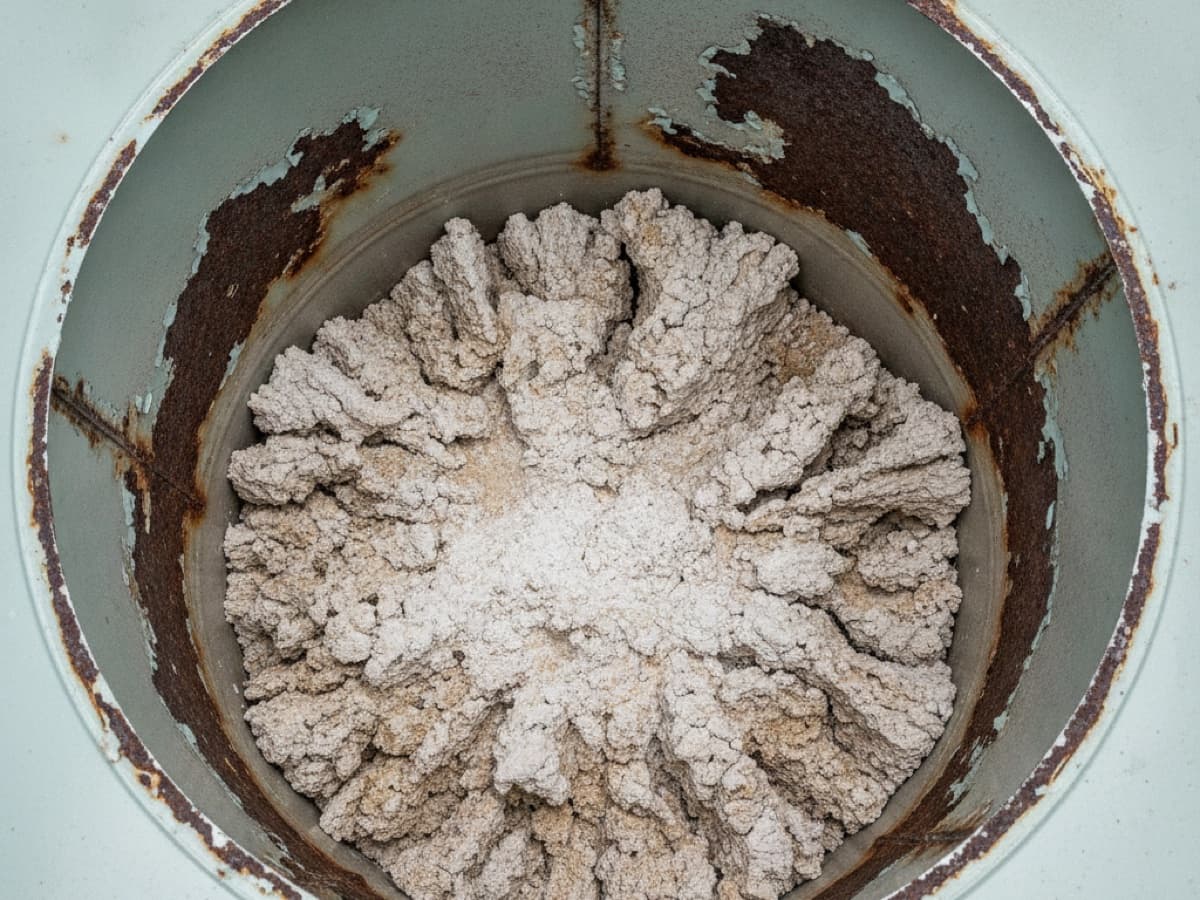
Hard water leaves calcium carbonate on the bottom of the tank, and it accumulates in a layer that acts as insulation. The burner or element below now has to drive heat through a crust, so the steel at the bottom runs hotter than it was designed to run.
That overheating damages the glass lining that separates water from steel. Once the lining is compromised, the bare steel is exposed to hot water with no anode left to protect it. The audible version of this stage is the popping or rumbling some heaters develop, which is water flashing to steam under the sediment layer. If your heater has started making noise it did not used to make, that is the sound of stage two.
Stage Three: Two Different Endings
From here it ends one of two ways, and the difference matters enormously later.
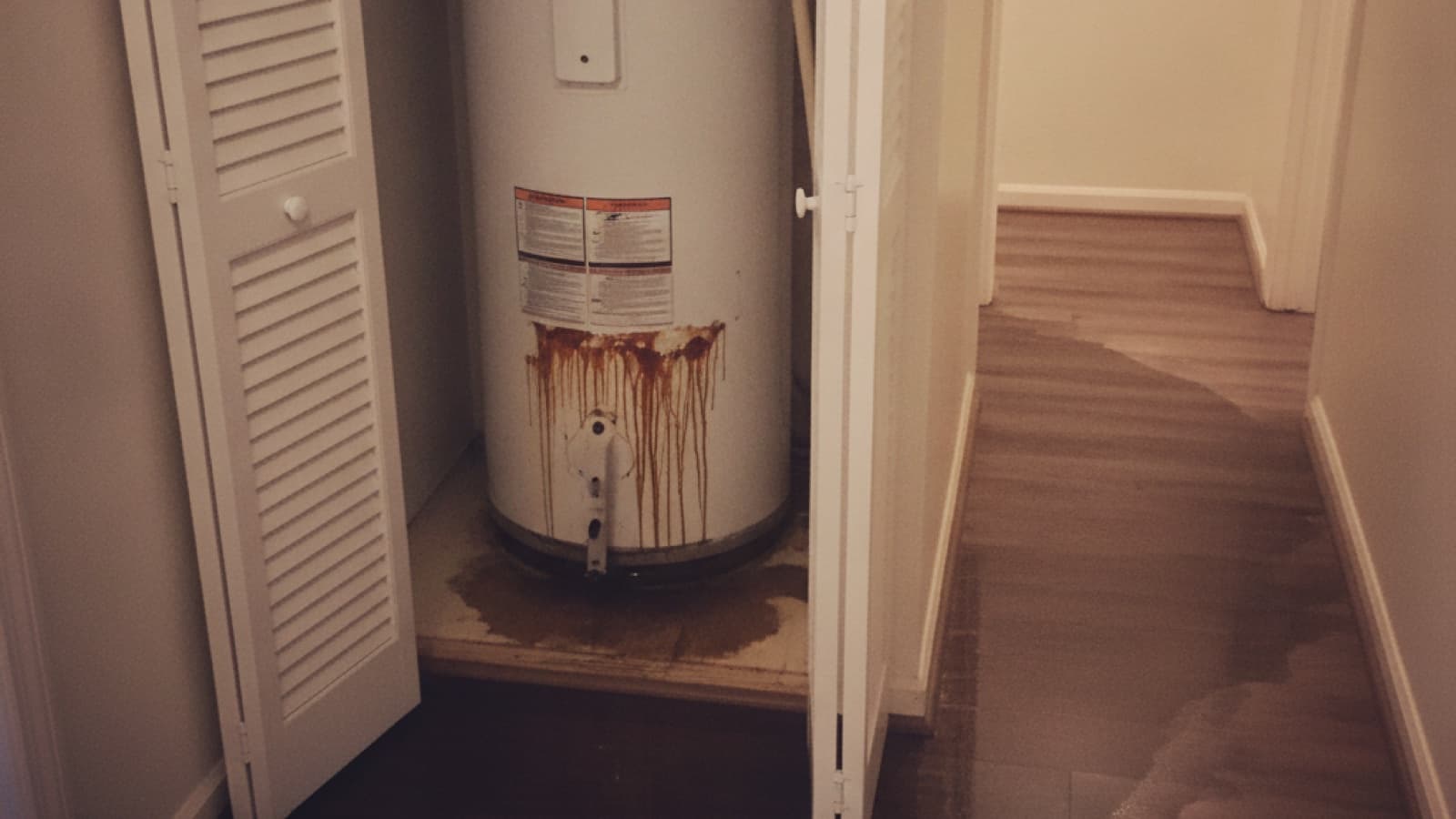
The common ending is a slow leak. Corrosion works through the tank wall or the bottom seam and water begins to seep, first as a damp ring, then a puddle, then a steady weep. Roughly speaking this is an age failure, and it announces itself gradually.
The less common ending is a rupture, where the tank fails structurally and releases its contents fast. Ruptures are usually pressure events rather than pure corrosion: a temperature and pressure relief valve that has seized, a supply pressure well above the 40 to 60 PSI a residential system wants, or thermal expansion with nowhere to go. Municipal supply can arrive at 80 PSI or higher, and a tank already thinned by a decade of corrosion is a poor container for it.
Across the industry, about 69 percent of water heater failures present as either a slow leak or a sudden burst. Those are not two rare edge cases. They are the two normal ways this appliance ends its life.
"A component designed to be destroyed, and it works well right up until it is gone. Almost nobody replaces one."
What Forty Gallons Actually Does
The tank volume is the part people picture. It is not the part that causes the damage.
The Tank Empties, Then Keeps Going
A standard residential heater holds forty to fifty gallons, and if that were the whole event it would be a mopping job. It is not, because the cold supply line stays open and keeps feeding the tank. Until somebody closes that valve, the failure is not a spill of forty gallons. It is a continuous flow at household supply pressure for however many hours it runs.
This is why the same failure produces wildly different outcomes. A tank that lets go at 7am with people home is a bad morning. The identical tank letting go on the first evening of a week away is a different category of loss entirely. The variable is not the heater. It is how long the water ran.
Where The Water Goes
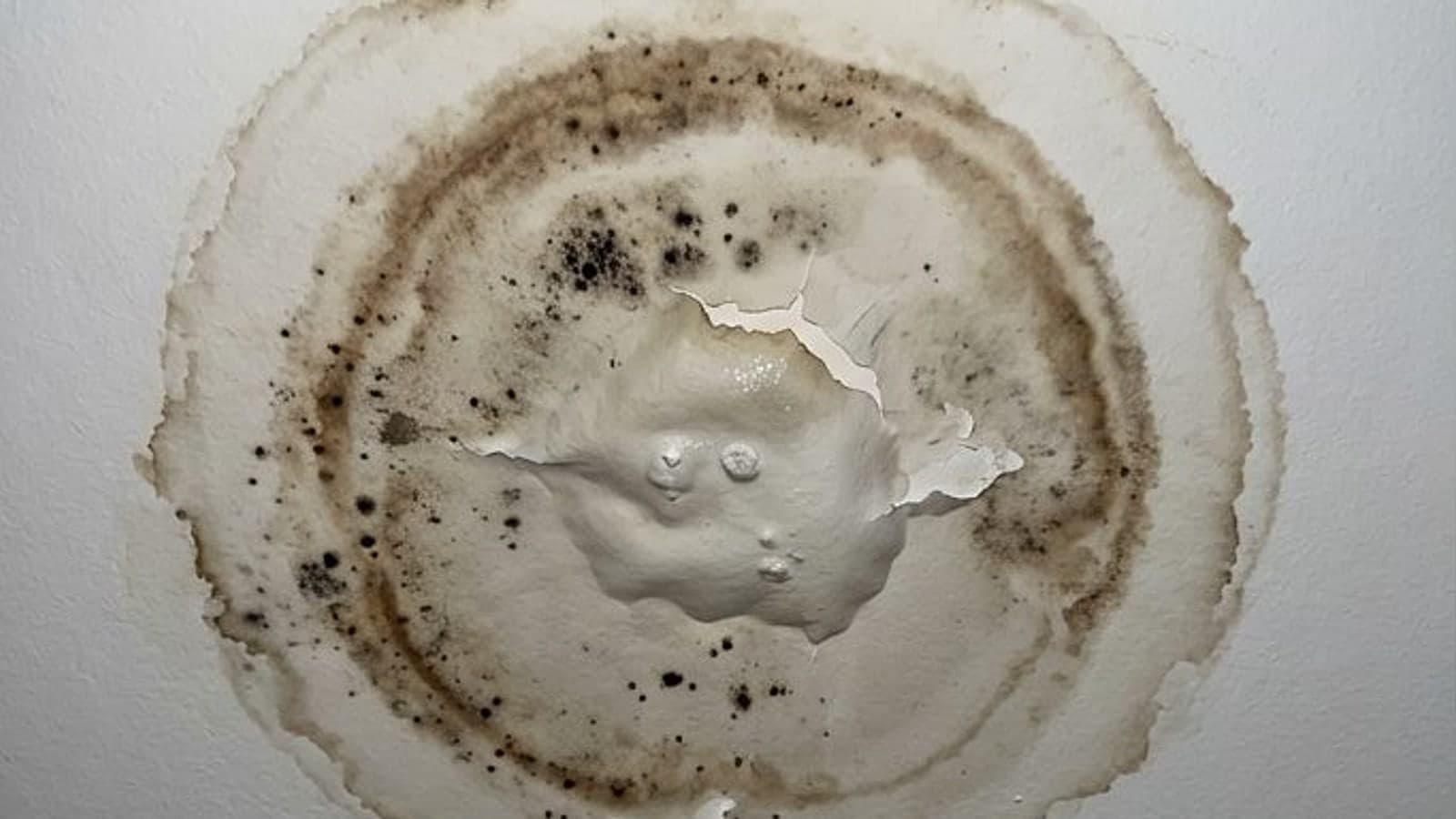
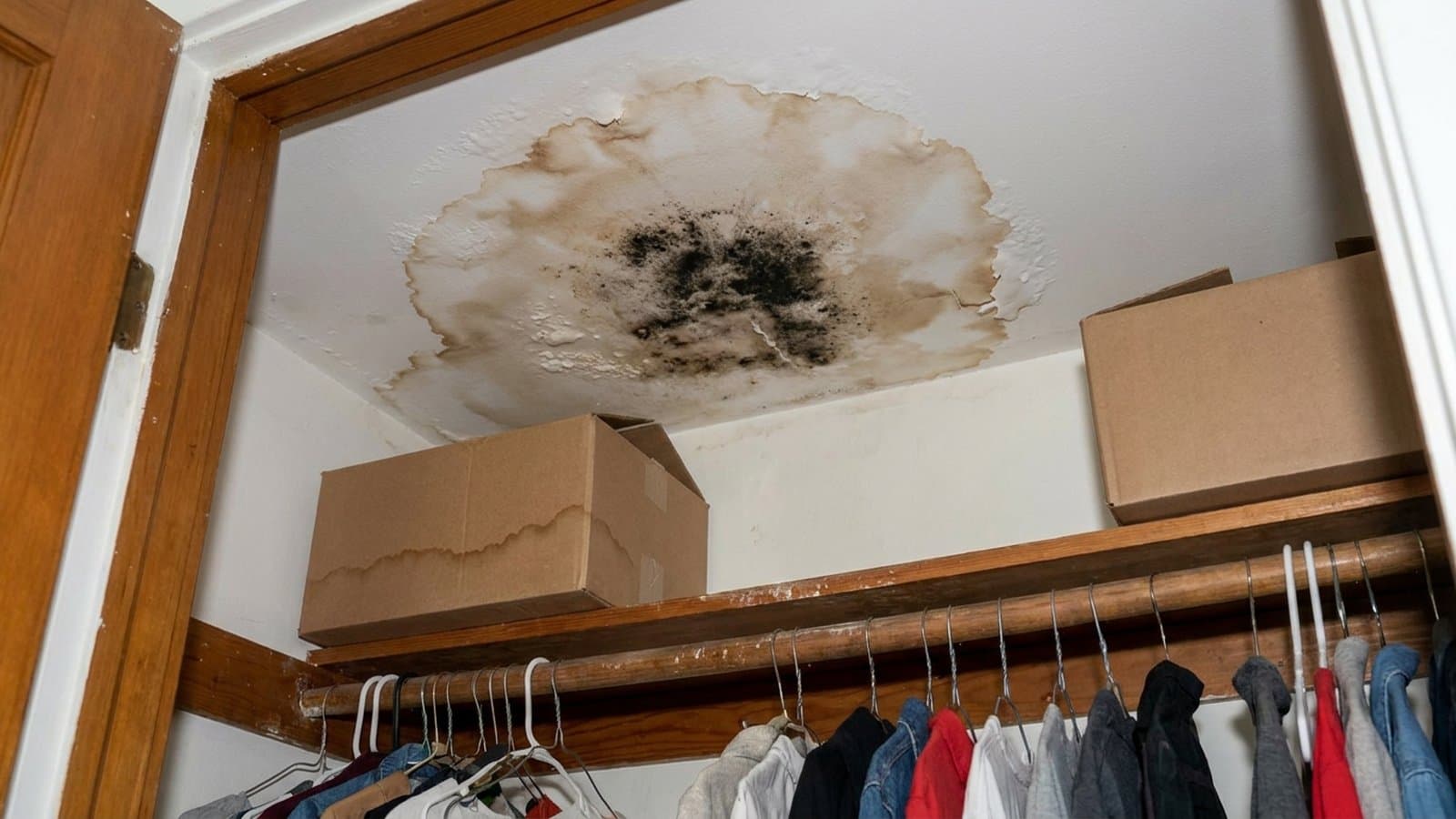
Water leaves the utility area immediately and moves along the paths the building gives it: under the slab edge, along joist bays, into the base of finished walls, under flooring, and through any penetration in the floor system. Drywall wicks upward well past the visible waterline. Carpet and pad hold water and hide it. Engineered flooring absorbs it at the seams and cups or delaminates days later.
In a finished basement, which is where most of these heaters live, the material that suffers first is almost always the wall base and the flooring assembly, and both hold moisture long after the surface feels dry to the hand. That is the part homeowners consistently underestimate, because a floor can feel dry while the assembly underneath it is saturated.
The Numbers On Real Outcomes
Not every failure is a catastrophe, and it is worth being honest about the distribution. Somewhere around half to sixty percent of water heater failures cause little or no property damage beyond replacing the unit. Roughly a quarter to thirty percent do moderate damage in the range of a few thousand dollars. Fifteen to twenty percent go past eight thousand.
The average water heater claim runs about 4,400 dollars, and the property damage typically adds more than three thousand on top of the cost of the heater itself. Replacing the appliance is the small number: roughly 800 to 1,800 dollars installed for a conventional tank, more for tankless. What determines which group you land in is almost entirely the duration of the flow and what was finished around it.
The Clock That Starts Immediately
Wet building materials in a heated basement begin supporting microbial growth quickly, and the useful mental model is days, not weeks. That is the real reason drying is urgent, and it is why extraction on day one costs less than remediation on day ten.
The EPA notes that mold exposure is associated with respiratory symptoms in sensitive individuals, and we will not tell you more than that about health, because that is a conversation for your physician. What we can tell you is the building science: a wall cavity that stays wet does not recover on its own, and the cost curve of a water loss bends sharply upward once growth begins.
The Sentence In Your Policy That Decides Everything
This is the part of the subject that costs homeowners real money, and it is genuinely counterintuitive. Read this section even if you skip the rest.
The Tank And The Damage Are Two Different Questions
Homeowners tend to ask one question: is my water heater covered? The policy asks two, and separates them.
The heater itself, when it fails because it is twelve years old and finally rusted through, is generally not covered. That is wear and tear, and wear and tear is excluded in a standard homeowners policy. You are buying a new heater.
The water damage that failure caused to your floors, walls, and belongings is a separate question, and it is frequently covered, because most policies respond to sudden and accidental discharge of water from a plumbing or appliance system. So the common and confusing outcome is this: your insurer declines the appliance and pays for the basement. Both of those decisions are consistent with the same policy.
Sudden And Accidental, Versus Gradual
The words that carry the weight are sudden and accidental. A tank that ruptures overnight fits that description cleanly. A tank that has been weeping into the floor for six weeks does not, and gradual or long term seepage is one of the most common reasons a water claim gets denied. The reasoning an adjuster applies is that you had a reasonable opportunity to notice and address it.
This is why a damp ring around the base of your heater is not a minor housekeeping detail. It is the beginning of the version of this event that your policy may not respond to. The homeowner who photographs that ring and calls a plumber that week is in a materially better position than the one who wipes it up and waits.
What Actually Helps Your Claim
Three things, all free, all done in the first hour.
Photograph the scene before anyone moves anything, including the base of the heater, the water at its furthest extent, and the affected rooms. Note the time you discovered it and the time you shut the supply valve, because duration is the fact the file turns on. Keep the failed heater, or at least keep it accessible, until your carrier has told you they do not need it. A unit hauled away by a plumber on day one is evidence you no longer have.
When you hire us, we document the loss to IICRC S500 standard, photographs, moisture readings, and a written scope, and we submit that documentation and our scope directly to your insurer. We are not licensed public adjusters and do not negotiate claims on your behalf. Coverage decisions belong to your carrier under your policy, and questions about what your policy covers go to your agent. Our job is to make the record complete enough that the file speaks for itself.
"Your insurer declines the appliance and pays for the basement. Both decisions come from the same policy."
What We Actually Do When You Call
Restoration is not mopping followed by fans. It is a measured process with a defined endpoint, and you should know what you are buying.
The First Hour
We dispatch in 60 minutes across our Connecticut, Westchester, and Western Massachusetts service areas. Before extraction begins we document: photographs of the loss in its found condition, moisture readings across affected and unaffected areas so there is a baseline, and a written scope. Documentation first is not paperwork for its own sake. Once we extract, the evidence of how far the water travelled is gone.
If the supply valve is still open when we arrive, that gets closed first. If you can safely reach it before we get there, close it yourself and note the time.
Extraction, Then Structural Drying
Standing water comes out with extraction equipment, and that part is visible and satisfying. The part that matters more is structural drying, which addresses the water that is inside materials rather than on top of them.
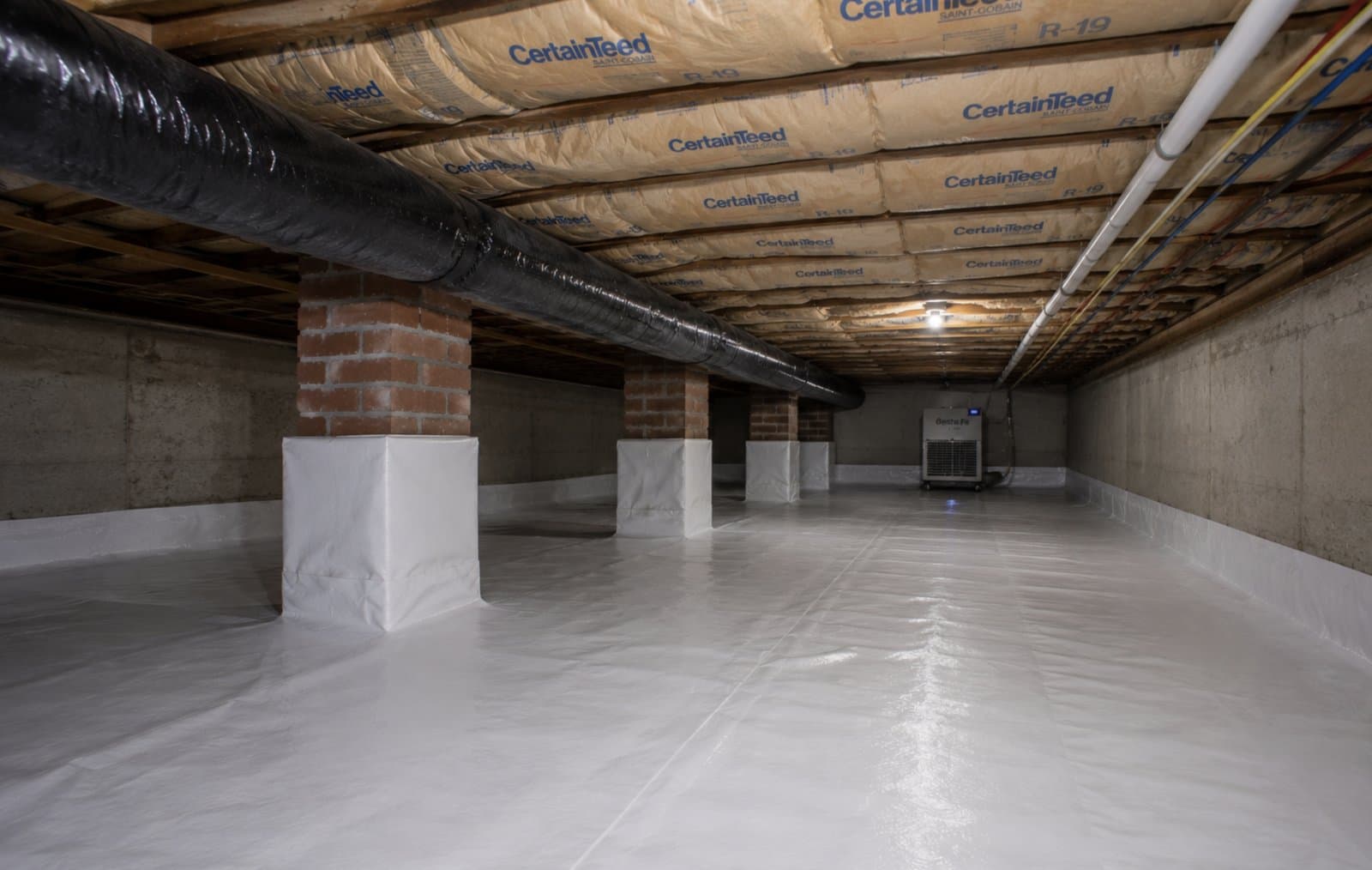
That means air movers and dehumidification sized to the affected volume, and in many basements it means controlled removal of wet material: carpet pad, the lower portion of drywall, or trim, so the cavity behind can dry. We take moisture readings daily and keep drying until materials reach a documented dry standard, not until the floor looks dry or a set number of days has passed. The readings are what end the job, and you get a copy of them.
The Green Part, Which Is Just Method
We use low-VOC, EPA-registered antimicrobials and HEPA filtration on these jobs, which matters most in a finished basement that a family goes back to using. The point is not the label. The point is that a space with children, pets, or anyone managing asthma should be safe to reoccupy quickly, and the products and filtration we choose are selected for that.
We do not apply antimicrobial treatment as an automatic line item on every job. On a clean water loss caught quickly, drying is the work and additional treatment may be unnecessary.
Reconstruction, When It Is Needed
If drying required opening walls or pulling flooring, the space needs to be put back. We handle reconstruction on the jobs we dry, which keeps one set of records and one accountable party across the whole loss rather than handing you off midway. Whether you use us for that part is your decision to make after the drying is done, not a condition of the mitigation.
When You Do Not Need Us
This section costs us calls, and it belongs here anyway. A great many water heater failures are a plumbing problem and nothing more.
The Cases That Are Just A Plumber
A heater in an unfinished utility area with a floor drain, discovered promptly, where the water stayed on bare concrete and went down the drain, is a plumbing job. Call a plumber, replace the unit, run a fan for a day, and you are done. Concrete tolerates a wetting far better than any finished assembly.
The same is true of a small weep caught at the damp-ring stage before it reached anything absorbent. That is a maintenance event. You do not need a restoration company for it, and any company that tells you otherwise while looking at a dry floor and a wet appliance is selling you something.
The honest dividing line is whether water reached materials that hold it: drywall, insulation, carpet and pad, wood flooring, cabinetry, or the underside of a floor system. If it did, drying is a measurable process and worth doing properly. If it did not, it is a mop and a fan.
The Maintenance That Prevents All Of This
Since we have already established that most of these failures are a slow process rather than an accident, the interventions are unglamorous and they work.
Check the anode rod at about five years and replace it if it is consumed. Flush the tank periodically to keep sediment from building into an insulating crust. Know where your cold supply shutoff is and confirm it actually turns, because a seized valve during a failure costs you hours. If the heater sits above or beside anything finished, a drain pan plumbed to a drain, or a simple water alarm on the floor, is inexpensive relative to a basement.
And if your unit is past twelve years and showing rust at the base, replacing it on your schedule costs 800 to 1,800 dollars. Replacing it on its own schedule costs that plus whatever the water reached.
"Replacing it on your schedule costs 800 to 1,800 dollars. Replacing it on its own schedule costs that plus whatever the water reached."
Questions Homeowners Actually Ask
Short answers to the exact questions that likely brought you here.
How Long Does A Water Heater Last?
A conventional tank heater lasts roughly 8 to 12 years, and a tankless unit 15 to 20. At any given moment about a quarter of the units in service are at or past the end of that range. Age alone is the strongest predictor of failure, which is why the replacement decision is better made on the calendar than on the floor.
Does Homeowners Insurance Cover A Water Heater Leak?
Usually the answer splits. The heater itself, failing from age and corrosion, is typically excluded as wear and tear, so you buy the new unit. The resulting water damage to floors, walls, and contents is frequently covered, because most policies respond to sudden and accidental discharge from a plumbing or appliance system. Gradual seepage that ran for weeks is the common exception and a frequent reason for denial. Your policy and your carrier decide, not us.
What Should I Do In The First Ten Minutes?
Close the cold water supply valve to the heater, and the main if you cannot find it. Kill power or gas to the unit. Do not walk into standing water in a basement with electrical outlets or panels at floor level until power to that area is off. Then photograph everything before you move anything, and note the time you found it. Call a restoration company and a plumber; they are different jobs and you need both.
How Much Does Water Heater Water Damage Cost To Fix?
The average claim runs about 4,400 dollars, with property damage typically exceeding three thousand on top of the appliance. Around half of failures cause minimal damage, roughly a quarter land in the low thousands, and fifteen to twenty percent exceed eight thousand. The single largest variable is how long the water ran before someone closed the valve.
My Neighbor’s Water Heater Flooded My Unit. Who Pays?
That is a genuinely different question with a different answer, because in a condominium the association’s declaration and Connecticut’s Common Interest Ownership Act govern it rather than ordinary neighbor liability. The short version is that the cost above insurance proceeds is usually treated as a common expense shared by all owners, and charging it to the unit where the failure happened requires a narrow standard that ordinary age-related failure does not meet. We wrote a separate article on exactly that situation.
Is It Worth Replacing Before It Fails?
If the unit is past twelve years and sits anywhere near finished space, yes, and the arithmetic is not close. If it is eight years old, sitting on bare concrete beside a floor drain in an unfinished basement, you can reasonably run it and watch it. Check the anode rod, watch the base for rust, and replace it when the evidence says to rather than on a salesperson’s schedule.