Two rules do most of the work here. Open the faucet before you apply any heat, and work from the faucet end backward toward the frozen section. A thawing ice plug needs somewhere for meltwater and trapped pressure to go. Heat applied to the middle of a blocked run, with both ends closed, is how a frozen pipe becomes a split pipe.
The third rule gets broken every winter. Never use an open flame. Not a propane torch, not a blowtorch, not a salamander heater aimed at a wall. Thawing pipes with a torch is a well documented cause of structure fires, because the flame reaches the dust and old insulation inside the wood framed cavity while the operator watches the pipe.
This article covers how to find which pipe is frozen, the thawing sequence, how long it takes, what to do if the pipe has already burst, where freezes happen in Connecticut houses, and how to stop it happening again. Inland Connecticut is the relevant climate: Litchfield County and the northwest corner run colder than the shoreline, and a cold snap that inconveniences Stamford empties the phone lines in Torrington.
How Do You Know Your Pipes Are Frozen?
The first sign is almost always a faucet that gives you nothing, or a thin dribble, while other fixtures run normally.
The Signs, In The Order They Appear
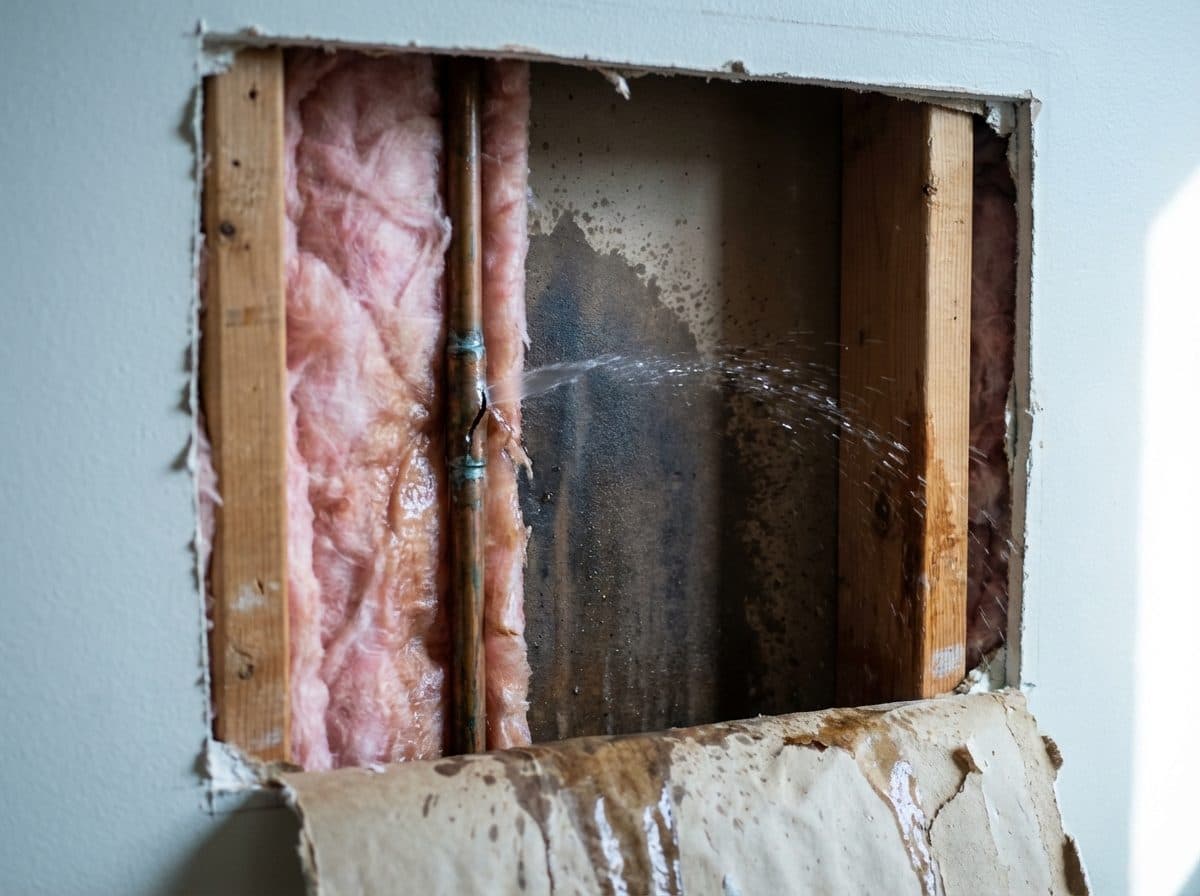
No water or a trickle from one fixture on a freezing morning is the classic presentation. One fixture puts the freeze on that branch; the whole house puts it near where the supply enters. Frost on an exposed pipe confirms it, and a bulge means ice has already stretched the metal.
Finding The Frozen Section
Work backward from the dead fixture toward the water heater. The freeze is almost always where the run leaves conditioned space: a crawl space, the rim joist, an exterior wall cavity, an unheated garage, or an attic. An infrared thermometer finds it faster than a hand does.
How To Unfreeze A Frozen Pipe, Step By Step
The sequence below is the whole method. It is deliberately slow, because every fast method carries a fire or burst risk.
What is safe to thaw a pipe with, and what is not. Everything in the second block is a documented cause of house fires or burst pipes.
Hair dryer, medium heat, kept moving
- Safe to use
- Yes
- Notes
- The standard tool. Never operate it while standing in water, and keep the cord clear of any wet floor.
Heating pad or electric heat tape wrapped around the pipe
- Safe to use
- Yes
- Notes
- Slower and very controllable. Heat tape is also the correct permanent fix for a pipe that freezes repeatedly.
Towels soaked in hot water, wrapped and replaced as they cool
- Safe to use
- Yes
- Notes
- Works where nothing else will reach. Slow, but it cannot overheat anything.
Portable space heater warming the whole space
- Safe to use
- Yes, with clearance
- Notes
- The right approach for a run inside a wall or under a floor. Keep it well clear of anything combustible and never leave it unattended.
Incandescent lamp placed near an exposed run
- Safe to use
- Yes, with care
- Notes
- Useful in a crawl space or cabinet. Keep the bulb away from insulation and anything that can char.
Propane torch, blowtorch, or any open flame
- Safe to use
- Never
- Notes
- A documented cause of structure fires. The flame reaches dust, old insulation, and framing inside the cavity while you are watching the pipe.
Kerosene or propane salamander heater aimed at a wall
- Safe to use
- Never
- Notes
- Fire risk plus carbon monoxide in an enclosed space. Neither is worth a thawed pipe.
Charcoal or fuel-burning stove indoors
- Safe to use
- Never
- Notes
- Carbon monoxide. This one kills people rather than buildings.
Boiling water poured over a pipe
- Safe to use
- Not advised
- Notes
- Thermal shock can split old copper and open soldered joints, and it puts water where you are working with electricity.
| Method | Safe to use | Notes |
|---|---|---|
| Hair dryer, medium heat, kept moving | Yes | The standard tool. Never operate it while standing in water, and keep the cord clear of any wet floor. |
| Heating pad or electric heat tape wrapped around the pipe | Yes | Slower and very controllable. Heat tape is also the correct permanent fix for a pipe that freezes repeatedly. |
| Towels soaked in hot water, wrapped and replaced as they cool | Yes | Works where nothing else will reach. Slow, but it cannot overheat anything. |
| Portable space heater warming the whole space | Yes, with clearance | The right approach for a run inside a wall or under a floor. Keep it well clear of anything combustible and never leave it unattended. |
| Incandescent lamp placed near an exposed run | Yes, with care | Useful in a crawl space or cabinet. Keep the bulb away from insulation and anything that can char. |
| Propane torch, blowtorch, or any open flame | Never | A documented cause of structure fires. The flame reaches dust, old insulation, and framing inside the cavity while you are watching the pipe. |
| Kerosene or propane salamander heater aimed at a wall | Never | Fire risk plus carbon monoxide in an enclosed space. Neither is worth a thawed pipe. |
| Charcoal or fuel-burning stove indoors | Never | Carbon monoxide. This one kills people rather than buildings. |
| Boiling water poured over a pipe | Not advised | Thermal shock can split old copper and open soldered joints, and it puts water where you are working with electricity. |
Step One: Open The Faucet
Open both the hot and cold handles on the affected fixture. That gives melting water somewhere to go rather than building pressure behind the ice plug, and the first dribble tells you the plug has opened. Leave it open for the entire process.
Step Two: Apply Heat From The Faucet End Backward
Start at the fixture and move toward the frozen section, never the reverse. Heat the middle of the plug first and the meltwater is trapped between two plugs, with nowhere to go except into the pipe wall. Keep the heat moderate, because thermal shock splits old copper and opens soldered joints.
Step Three: Keep Going Until Full Flow Returns
A dribble means the plug has begun to open, not that it has cleared. Continue until the fixture runs at full pressure, then let it run several minutes. Leave a slow drip for the rest of the cold spell.
Step Four: Check For Damage Before You Walk Away
A frozen pipe has been under stress, and splits do not always announce themselves. With the water flowing, look along the thawed run with a flashlight for weeping or drips at joints. Check the ceiling below it an hour later and again the next morning.
How Long Does It Take To Unfreeze A Pipe?
For an accessible pipe with direct heat, usually 30 minutes to a few hours. Inside a wall, most of a day.
What Sets The Time
Three things. How long the pipe has been frozen. Where it is, because an exposed basement pipe takes direct heat and a pipe inside an insulated wall only gets what conducts through drywall. And the outdoor temperature.
Will Frozen Pipes Thaw On Their Own?
Yes, once the surrounding temperature rises above freezing. That is not a plan: if the pipe cracked while frozen, the ice is plugging its own hole and the water starts when the ice goes, usually with nobody home.
What If The Pipe Already Burst?
The moment you see water, or a thawing pipe starts running where it should not, the sequence changes.
The First Ninety Seconds
Shut off the main water supply. In most Connecticut houses it is where the supply enters the basement, near the meter. Then open the lowest faucets to drain the system away from the break. If water is near panels, outlets, or appliances, kill those circuits before you walk in.
What A Burst Actually Costs
A split frozen pipe is priced as a burst pipe. Our published range runs from about 1,500 dollars for a single room extraction and dry out to 15,000 dollars or more for multi floor losses. That is a Category 1 loss at 1,500 to 4,500 dollars, or the Category 2 range of 2,500 to 8,500 dollars if the water ran long or traveled through building materials. Emergency burst pipe repair and water damage restoration cover the rest.
Why Drying Is Not Optional
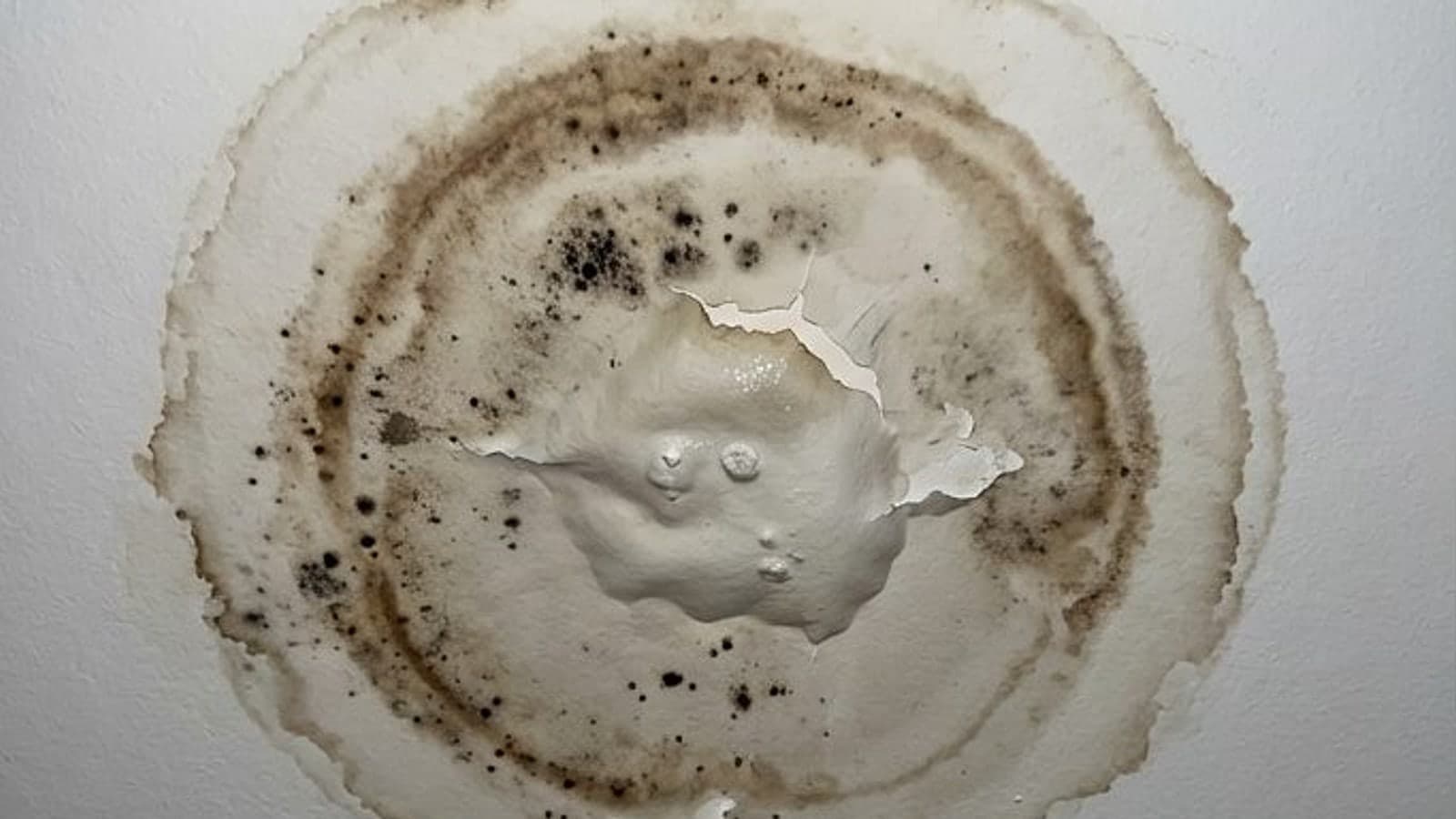
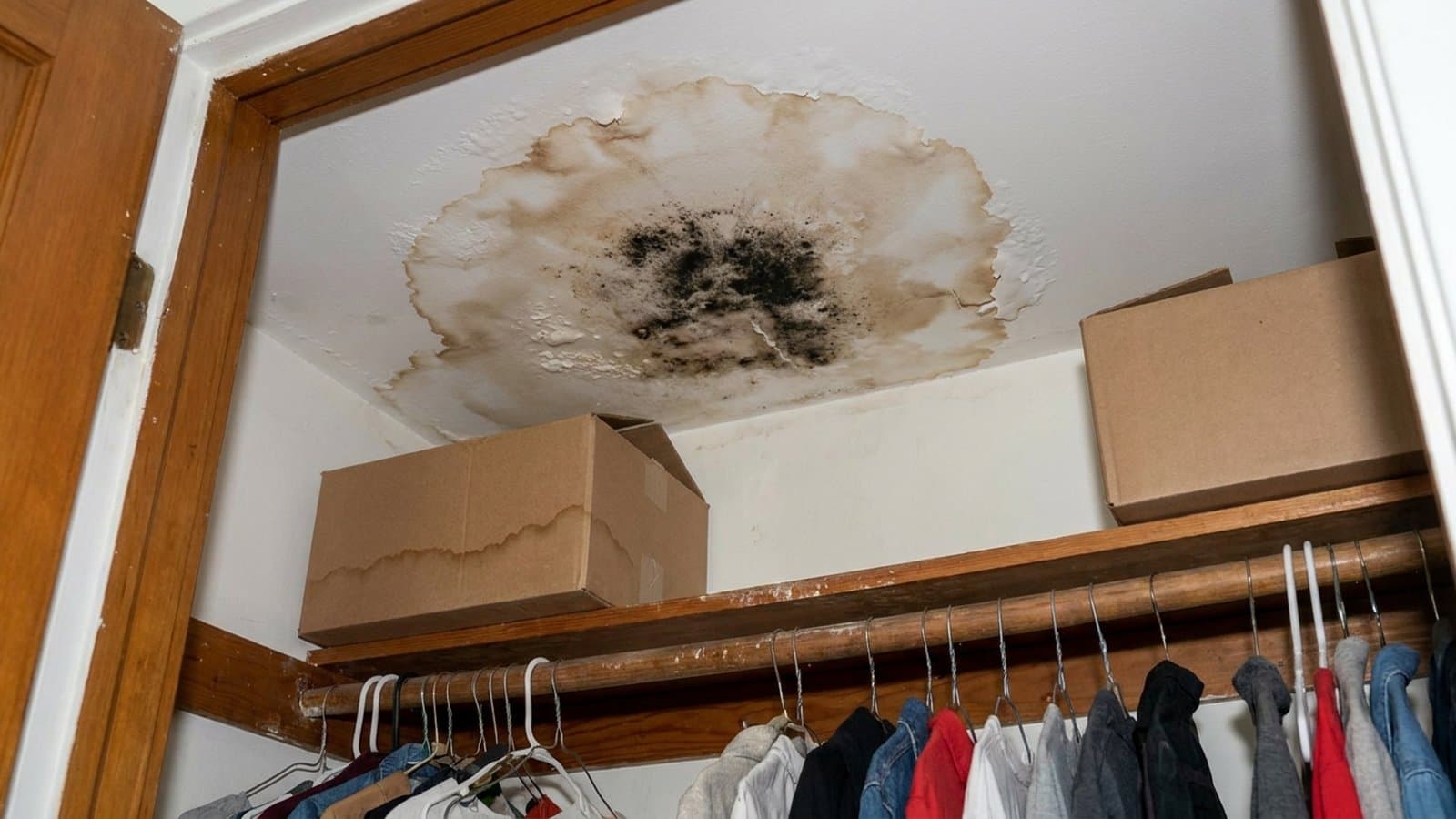
Mold can begin colonizing wet organic material within roughly 24 to 48 hours, and a burst supply line in January puts water into wall cavities, under flooring, and into insulation, none of which dries itself in a closed-up winter house. Structural drying means extraction, air movers, and dehumidification. We target a 60-minute response on emergency calls across our Connecticut, New York, and Massachusetts service areas.
"The ice is plugging the crack. That is the part people do not expect. The pipe fails while it is frozen and stays quiet, then delivers the entire failure the moment it thaws, usually with nobody home."
Where Pipes Freeze In Connecticut Homes
Freezes are a geography problem inside the house. Five locations account for nearly everything we attend.
Freeze risk by location, and the countermeasure that actually works in each one.
Crawl space and rim joist
- Why it freezes
- Effectively at outdoor temperature, and the leakiest part of most envelopes
- What works
- Seal and insulate the space itself, or run heat tape on the lines, or both. Pipe wrap alone is not enough.
Under a kitchen sink on an exterior wall
- Why it freezes
- Coldest cavity in the house, with a closed cabinet door blocking room heat
- What works
- Open the cabinet doors during a cold snap. Costs nothing and works.
Attic-routed supply or heating lines
- Why it freezes
- Unconditioned space above the insulation, common in additions and second floor laundries
- What works
- Insulate on the warm side of the pipe and add heat tape. Worst-case failure, because water passes through every ceiling below.
Unheated attached garage
- Why it freezes
- Utility sinks, laundry, and supply runs in a space that is outdoors for practical purposes
- What works
- Heat tape, or reroute. Keep the door closed during cold snaps.
Exterior hose bibs
- Why it freezes
- A hose left connected traps water in the bib and the pipe behind it
- What works
- Disconnect hoses in autumn and close the interior shutoff for the bib if one exists.
| Location | Why it freezes | What works |
|---|---|---|
| Crawl space and rim joist | Effectively at outdoor temperature, and the leakiest part of most envelopes | Seal and insulate the space itself, or run heat tape on the lines, or both. Pipe wrap alone is not enough. |
| Under a kitchen sink on an exterior wall | Coldest cavity in the house, with a closed cabinet door blocking room heat | Open the cabinet doors during a cold snap. Costs nothing and works. |
| Attic-routed supply or heating lines | Unconditioned space above the insulation, common in additions and second floor laundries | Insulate on the warm side of the pipe and add heat tape. Worst-case failure, because water passes through every ceiling below. |
| Unheated attached garage | Utility sinks, laundry, and supply runs in a space that is outdoors for practical purposes | Heat tape, or reroute. Keep the door closed during cold snaps. |
| Exterior hose bibs | A hose left connected traps water in the bib and the pipe behind it | Disconnect hoses in autumn and close the interior shutoff for the bib if one exists. |
Crawl Spaces And Rim Joists
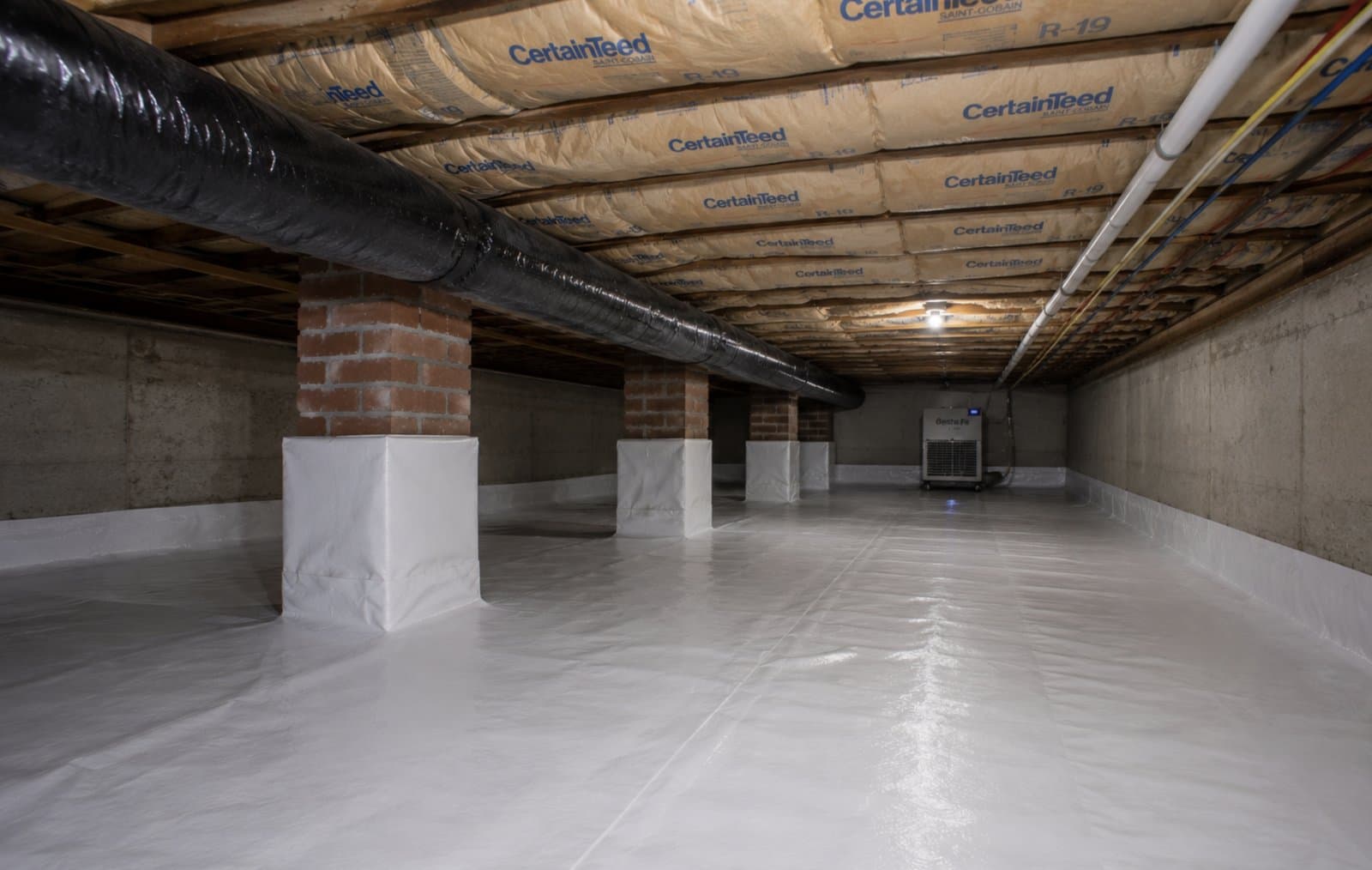
The most common freeze location in this region, and the least often addressed. A vented crawl space with supply lines in it sits at outdoor temperature, and pipe insulation slows heat loss rather than adding heat.
Exterior Wall Runs, Especially Under Kitchen Sinks
A kitchen sink on an outside wall is a standard freeze point: the lines run up through the coldest cavity in the house, behind a closed cabinet door that blocks room heat. Opening those doors during a cold snap is the cheapest countermeasure here.
Attic-Routed Lines
More common in additions, converted spaces, and second floor laundries than people expect, and the worst case when it fails, because water from an attic passes through every ceiling below. Any attic supply line needs insulation on the warm side and, in inland Connecticut, usually heat tape.
Garages And Hose Bibs
An unheated attached garage with a laundry, utility sink, or supply run through it is effectively outdoors. A hose left connected over winter traps water in the bib and the pipe behind it, so the freeze happens inside the wall. Disconnect hoses in autumn.
The Inland Connecticut Factor
Freeze risk is not uniform here: the shoreline runs warmer than the interior and the northwest corner colder than either. Local context is on our Danbury water damage, Torrington water damage, and Litchfield water damage pages.
How Do You Keep Pipes From Freezing Again?
A pipe that froze once will freeze again in the same place, because the reason it froze has not changed.
Before The Cold
Disconnect and drain garden hoses and close interior bib shutoffs. Insulate any pipe in an unheated space and add heat tape to anything that has frozen before. Find your main shutoff now and confirm it turns.
During A Cold Snap
Let a cold water tap furthest from the main drip slowly. Keep the thermostat at the same temperature day and night, because the overnight setback is when the freeze happens. If you leave for more than a day or two in winter, do not drop the heat below 55 degrees.
A Note On Empty And Seasonal Properties
Seasonal houses, rentals between tenants, and properties on the market are overrepresented in freeze losses, because nobody is there to notice a heating failure. If a property will be unoccupied through a Connecticut winter, winterize it: shut the main, drain the lines, and add antifreeze to traps.
Need Restoration Services?
60-minute response across CT, NY & MA. Licensed, insured, free inspections.
Does Insurance Cover Frozen Pipe Damage?
Frequently yes, with one exception that catches people out every winter.
The Usual Position, And The Exception
Water damage from a burst pipe is generally treated as a sudden and accidental event, so most freeze bursts in an occupied, heated house are covered, subject to your deductible. The exception: many policies exclude freeze damage in a property that was unoccupied when the pipe froze unless reasonable care was taken. We are not licensed public adjusters and do not negotiate claims on your behalf.
Questions Homeowners Ask
How do you unfreeze pipes?+
Open the faucet the pipe feeds so meltwater and pressure have somewhere to go. Then apply heat starting at the faucet end and working backward toward the frozen section, using a hair dryer on medium, a heating pad, or hot wet towels. Continue until full pressure returns, not just a dribble.
How long does it take for pipes to unfreeze?+
An accessible pipe receiving direct heat usually opens in 30 minutes to a few hours. A pipe inside a finished exterior wall can take six to twelve hours, and there is no safe way to speed that up.
Can I use a hair dryer to thaw a frozen pipe?+
Yes. A hair dryer on medium and kept constantly moving is the standard tool. Never operate it while standing in water, and keep the cord away from any wet floor. Work from the faucet end backward toward the frozen section, because trapped meltwater between two ice plugs is what splits pipes.
Why should you never use a blowtorch on a frozen pipe?+
Because it is a documented cause of structure fires. Pipes run through wood framed cavities containing dust and old insulation, and a flame directed at a pipe reaches all of it while the operator watches the pipe. The same applies to salamander heaters aimed at a wall.
Will frozen pipes thaw on their own?+
They will once the surrounding temperature stays above freezing, but waiting is a poor plan. If the pipe split while frozen, the ice is plugging its own crack, and the water starts the moment it thaws, typically with nobody home. Thawing deliberately means you find a split while you can still close a valve.
How do I know which pipe is frozen?+
Usually one fixture gives no water while the rest of the house runs normally, which puts the freeze on that branch. Follow that pipe backward toward the water heater and look at the coldest part of the run: a crawl space, rim joist, exterior wall cavity, garage, or attic.
What should I do if a frozen pipe bursts?+
Shut off the main water supply immediately, in most Connecticut houses where the supply enters the basement near the meter. Then open the lowest faucets to drain remaining water away from the break. If water is near electrical panels or appliances, shut off those circuits before entering the room, and stay out from under any sagging or dripping ceiling.
How much does frozen pipe water damage cost to repair in Connecticut?+
A split frozen pipe is priced as a burst pipe: about 1,500 dollars for a single room extraction and dry out, up to 15,000 dollars or more for multi floor losses. A clean supply line burst is a Category 1 loss at 1,500 to 4,500 dollars, moving into the Category 2 range of 2,500 to 8,500 dollars if the water ran long or traveled through building materials.