After a house fire the first two days decide more than most people expect. Wait for the fire department to release the structure before anyone goes in, call your insurer the same day, secure the openings, and leave the soot alone until it can be removed properly. Here is the order that protects your family, your claim and what can still be saved.
This guide is written for the night of the fire and the two days after it. It covers the hazards that remain after the flames are out, the calls that need to happen first, what to document, what not to touch, and what a restoration crew actually does when it arrives, so nothing done in the confusion of the first day makes the next month harder.
Before Anyone Goes Back In
The fire being out does not make the house safe. The structure, the wiring, the gas line and the air all need clearing first.
Wait For The Release
The fire department or fire marshal decides when a structure can be re-entered, and their word comes before the insurer, the restoration company or anyone else. Fires weaken framing, floors and roof decking in ways that are not visible from the doorway, and hot spots can reignite hours later.
Once released, go in during daylight, with a flashlight, and only as far as needed to retrieve essentials: medication, documents, pets, keys. Do not turn utilities back on yourself. Water, gas and electricity are restored by the utility or a licensed trade after inspection, not by flipping the main.
What Is Still In The Air
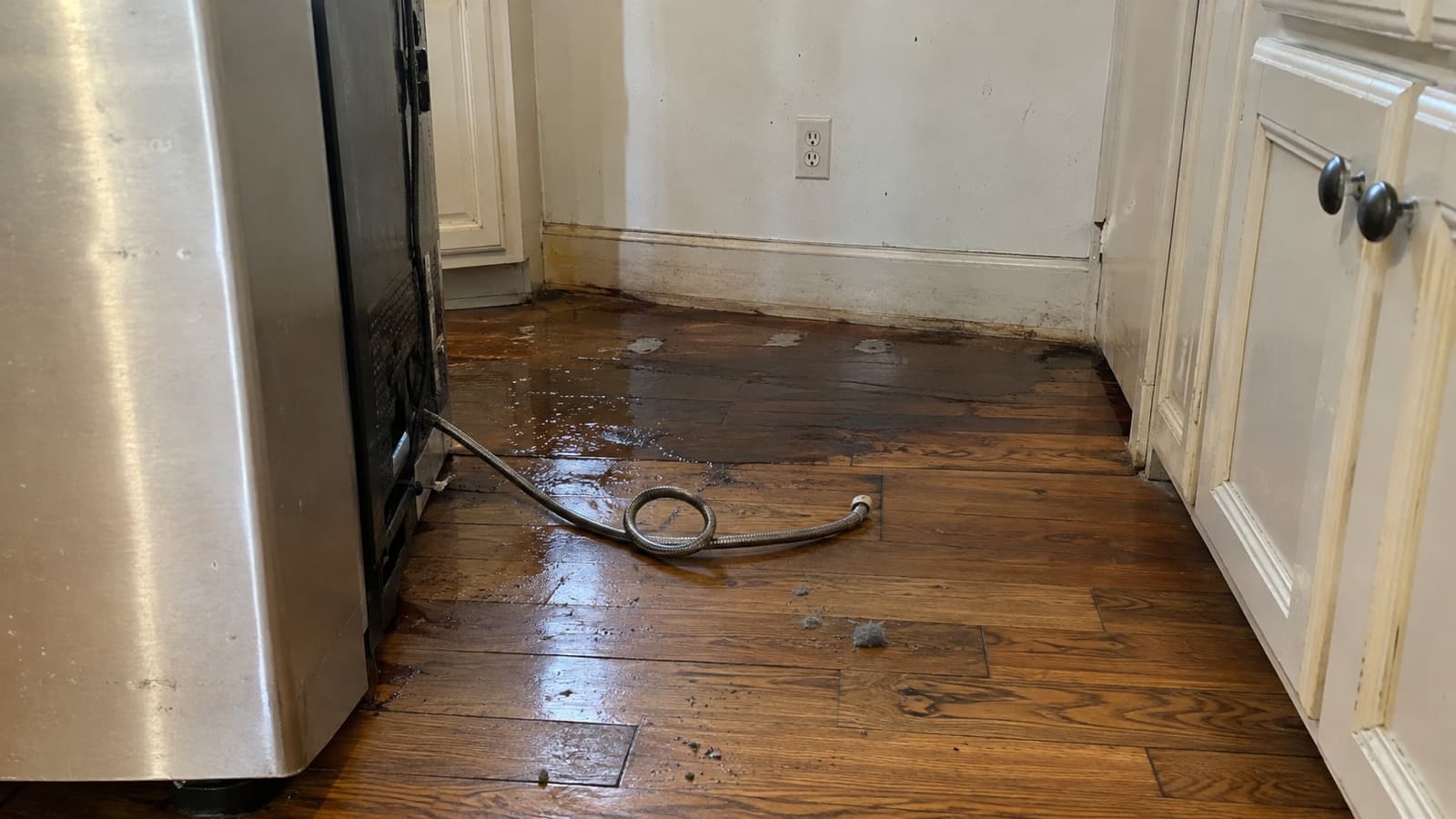
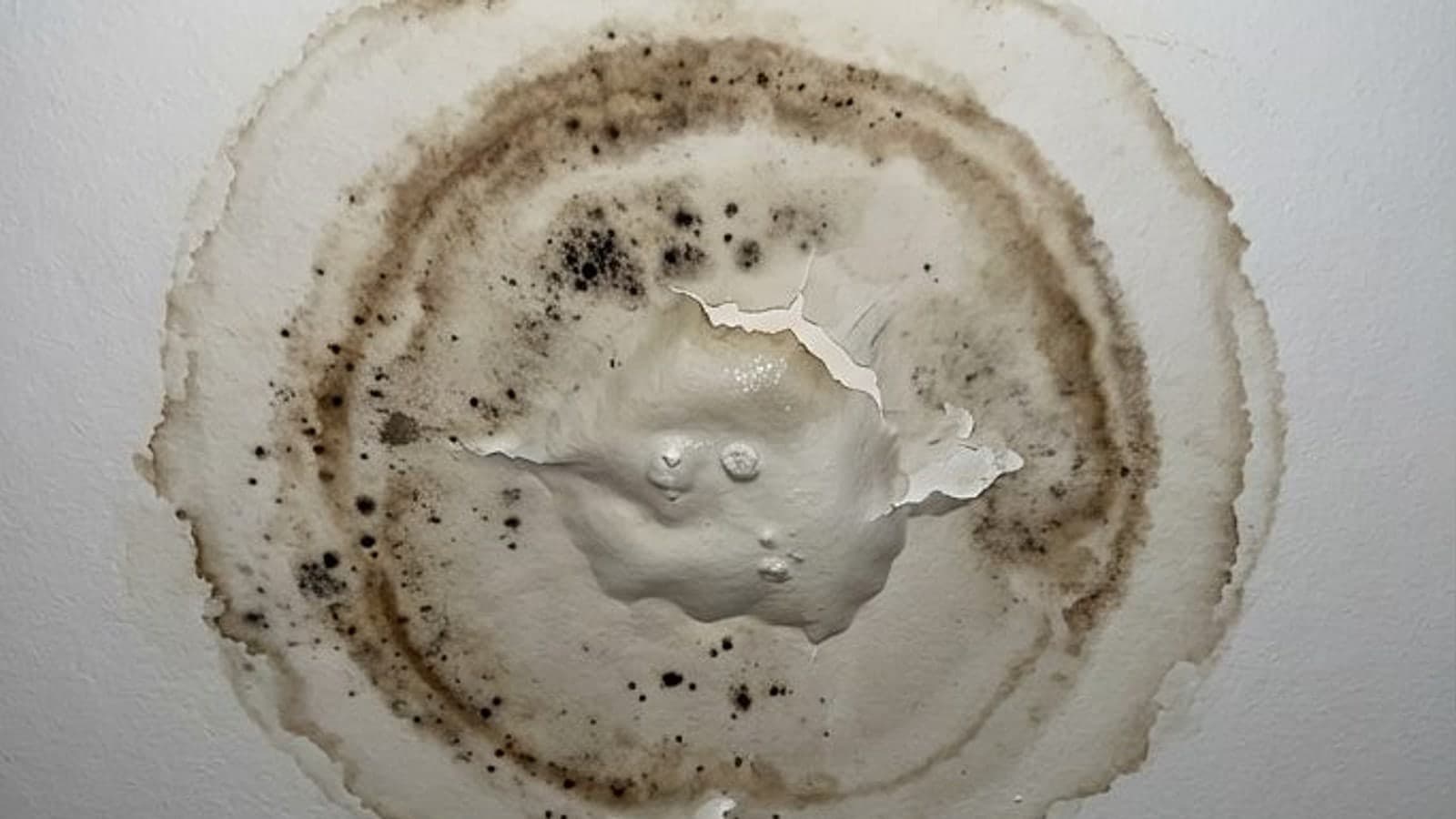
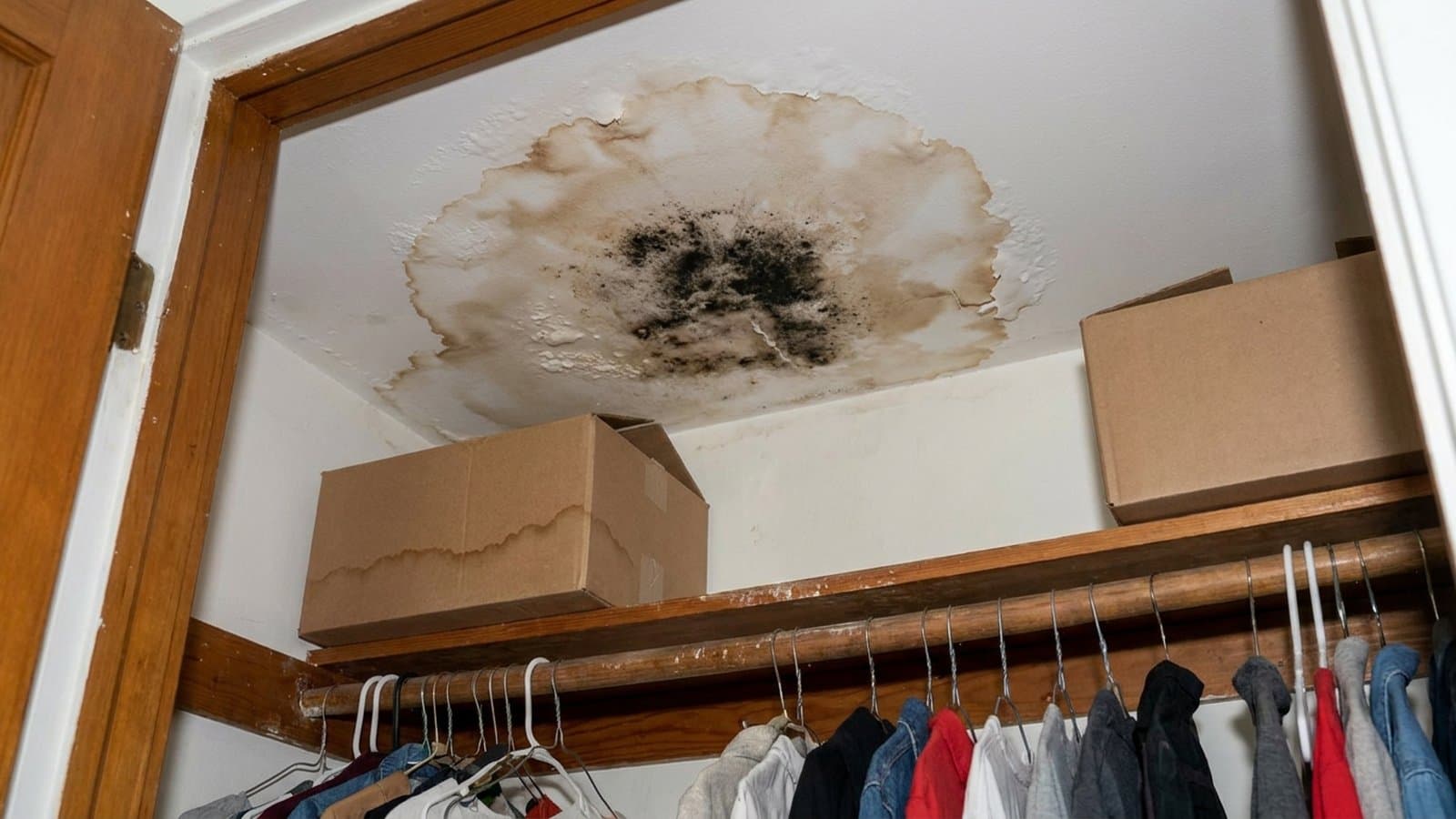
Smoke residue keeps releasing odor and irritants for days, and the water used to put the fire out starts the clock on mold in anything porous. Limit time inside, keep children and anyone with a respiratory condition out, and do not run the heating or cooling system, which would pull soot through the ducts into every room.
The First Calls
Two calls the same day, before anything is cleaned or thrown away.
Your Insurer
Call the carrier or agent and open the claim. Write down the claim number and the name of the adjuster assigned. Ask two questions on that first call: what the policy provides for temporary housing, and whether the carrier requires anything specific before cleanup starts. Most policies cover alternative housing while the home is uninhabitable, and the sooner that is confirmed, the sooner a hotel or rental stops coming out of pocket.
Keep every receipt from the first night onward: lodging, meals, clothing, pet boarding. They are part of the claim.
A Restoration Company You Choose
Emergency board-up and a roof tarp are the first physical work, and they matter for the claim as much as the house, since an open structure invites weather, theft and further damage the policy expects you to prevent. You are free to choose the contractor. Companies that arrive unasked at fire scenes are a known pattern; do not sign anything on the sidewalk. Our guide on choosing your own contractor after an insurance loss explains what a carrier can and cannot require.
"Nothing gets thrown away on the first day. Everything gets photographed."
Secure And Document
The photographs taken before cleanup are the record of the loss. There is one chance to make it.
Board-Up And Tarp
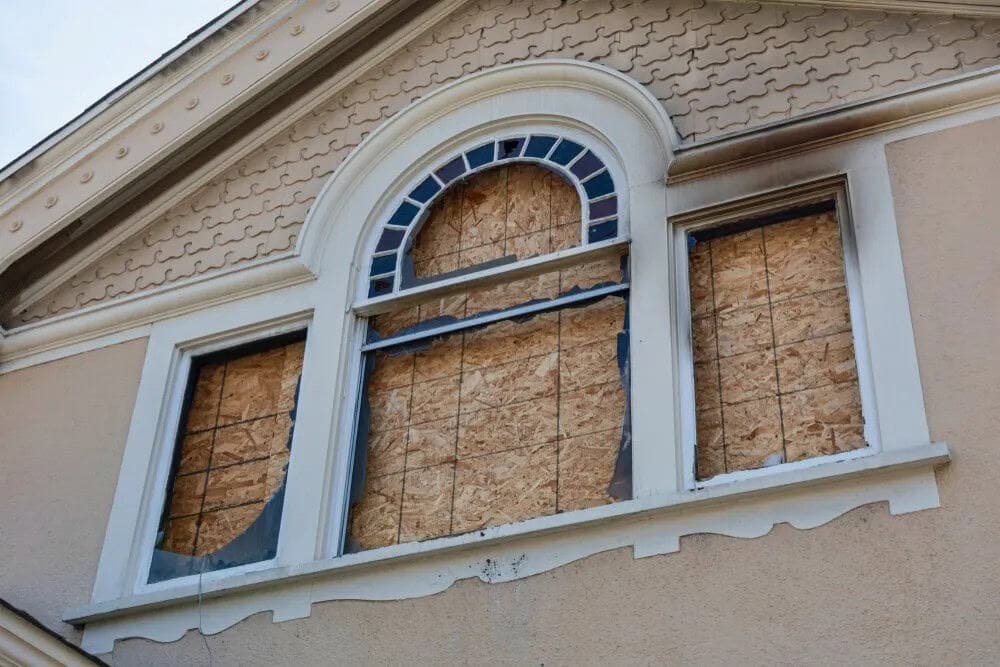
Broken windows, a breached roof and a door forced by the fire crew are closed the same day with plywood and roof tarps. This is standard emergency work, it is billed to the claim in almost every case, and it should be photographed before and after like everything else.
Photograph Everything, Then Inventory
Walk every room and photograph walls, ceilings, floors, contents and the source area before anything is moved. Then start a simple inventory: item, room, approximate age, approximate cost. Number the items and match them to the photographs. Receipts, manuals and old photos of the rooms help establish what was there; a clear picture of an item in your home before the fire is often enough. Our documentation checklist for insurance claims lays out the full list.
What Not To Touch
Most of the damage that becomes permanent after a fire is done by well-meaning cleanup in the first days.
Do Not Wipe The Soot
Soot is oily and acidic. Wiping it with a cloth or a household cleaner smears it into paint, plaster and wood grain and sets the stain. Dry soot removal with the right sponges and HEPA vacuuming has to come first, followed by the correct wet cleaning for each surface. Leave walls, ceilings and furniture as they are until that starts.
Do Not Run The HVAC, The Electronics Or The Washer
The air handler moves soot into every duct and room it reaches; it stays off until the ducts are inspected and cleaned. Electronics that were in the smoke are inspected before they are powered, since residue conducts and corrodes. Smoke-damaged clothing and linens washed in a home machine set the odor into the fabric; they are cleaned by a contents process instead.
Food, Medicine And Cosmetics
Discard food that was exposed to heat, smoke or firefighting water, including sealed cans and jars that were near the fire and anything in a refrigerator or freezer that lost power. The same applies to medicine and cosmetics. Photograph them before they go out, since they are part of the contents claim.
What A Restoration Crew Actually Does
The work runs in an order, and the order is what separates a home that smells like the fire for years from one that does not.
Assessment, Containment, Water First
The crew documents the loss, sets containment so soot does not spread into clean areas, and deals with the water from the fire hoses before anything else, because wet framing and drywall begin to grow mold within days. Extraction, air movers and dehumidifiers run while the soot work is planned.
Soot, Smoke Residue And Odor
Smoke residue is removed surface by surface under the IICRC S700 standard for fire and smoke restoration, with different methods for drywall, wood, glass, metal and fabric. Odor is treated at the source, then with hydroxyl, ozone or thermal fogging depending on the material and whether the space is occupied. Contents are cleaned off site or on site depending on scope. What the process costs, by scope, is in our fire damage restoration cost guide.
How Long It Takes
Small contained fires typically take 7 to 14 days. Mid-scale fires with structural damage take 3 to 6 weeks. Total-loss structural fires with a full rebuild can take 2 to 6 months, with the schedule driven by insurance approval, permits and material lead times. For most small kitchen and contained fires, families stay in the home behind HEPA-filtered containment; structural fires, smoke in the HVAC system and whole-home restoration mean temporary relocation during demolition and major reconstruction.
Green Restoration submits our scope of work and supporting documentation directly to your insurer. We are not licensed public adjusters and do not negotiate claims on your behalf.
Questions Homeowners Ask
Can I stay in my home after a small fire?+
Often yes. For small kitchen and contained fires, the work area is sealed behind HEPA-filtered containment and the rest of the house stays livable. Structural fires, smoke that reached the HVAC system, and whole-home restoration mean relocating during demolition and major reconstruction. Most policies cover alternative housing while the home is uninhabitable.
Should I clean the soot myself?+
No. Soot is oily and acidic, and wiping it smears it into paint, plaster and wood and sets the stain. Dry removal with the right sponges and HEPA vacuuming has to come before any wet cleaning. Leave surfaces alone until that starts.
Does insurance pay for a hotel after a fire?+
Most homeowners policies include coverage for additional living expenses while the home is uninhabitable. Confirm it on the first call to the carrier and keep every receipt from the first night onward.
How long does fire damage restoration take?+
Small contained fires typically take 7 to 14 days, mid-scale fires with structural damage 3 to 6 weeks, and total-loss fires with a full rebuild 2 to 6 months. Insurance approval, permits and material lead times drive the schedule.
Will the smoke smell ever go away?+
Yes, when the residue is removed rather than covered. Odor that lingers for years is almost always residue left in ducts, insulation, wall cavities or contents. Source removal first, then hydroxyl, ozone or thermal fogging, is the sequence that clears it. Our odor removal cost guide lists the methods and what each one costs.