A new smell in a house is information. Most people either ignore it or spray something at it, and both responses skip the useful step, which is working out what the smell is made of and therefore what is producing it.
The categories matter more than the descriptions. Some smells are a life safety issue and the correct response is to leave the building and call from outside. Some are telling you about water and growth inside an assembly you cannot see. Some are simply unpleasant and will respond to cleaning. Sorting a smell into the right group in the first minute is the whole game.
This guide is arranged by what you are actually smelling. Start with the table, find the closest match, then read the section it points to.
Smell To Cause, At A Glance
Find the closest description. The urgency column is the part to read first.
Common household odors, their usual causes, and how quickly each needs a response.
Rotten eggs or sulphur
- Usual cause
- Natural gas leak. Utilities add this scent deliberately so a leak is detectable.
- Urgency
- Leave now. Call the gas utility or 911 from outside.
Burning plastic or electrical
- Usual cause
- Overheating wiring, outlet or appliance.
- Urgency
- Shut off the circuit if you can do it safely. Leave and call the fire department if you cannot find it.
Smoke with no fire
- Usual cause
- Furnace or boiler puffback, or a heating system fault.
- Urgency
- Same day. Shut the system down and have it inspected.
Musty, earthy, like a damp cellar
- Usual cause
- Mold or bacterial growth on damp material.
- Urgency
- This week. It means active moisture.
Sewage or a foul drain smell
- Usual cause
- Dried out drain trap, or a broken vent or sewer line.
- Urgency
- Days. A dried trap is trivial. A broken line is not.
Sweet, heavy, worsening over days
- Usual cause
- A dead animal in a wall, floor or duct.
- Urgency
- Days. It resolves eventually but the source should come out.
Ammonia, sharp
- Usual cause
- Pet urine, usually in carpet pad or subfloor.
- Urgency
- Not urgent. Cleaning question.
Fuel oil or kerosene
- Usual cause
- Weeping oil tank or line.
- Urgency
- Days. Have the tank inspected. A leak becomes an environmental matter.
Stale cigarette smoke
- Usual cause
- Tar residue on surfaces and in the HVAC system from prior occupants.
- Urgency
- Not urgent. Cleaning question, usually a large one.
Rancid or sour, in the kitchen
- Usual cause
- Food debris in the disposal, dishwasher filter or under an appliance.
- Urgency
- Not urgent.
| What it smells like | Usual cause | Urgency |
|---|---|---|
| Rotten eggs or sulphur | Natural gas leak. Utilities add this scent deliberately so a leak is detectable. | Leave now. Call the gas utility or 911 from outside. |
| Burning plastic or electrical | Overheating wiring, outlet or appliance. | Shut off the circuit if you can do it safely. Leave and call the fire department if you cannot find it. |
| Smoke with no fire | Furnace or boiler puffback, or a heating system fault. | Same day. Shut the system down and have it inspected. |
| Musty, earthy, like a damp cellar | Mold or bacterial growth on damp material. | This week. It means active moisture. |
| Sewage or a foul drain smell | Dried out drain trap, or a broken vent or sewer line. | Days. A dried trap is trivial. A broken line is not. |
| Sweet, heavy, worsening over days | A dead animal in a wall, floor or duct. | Days. It resolves eventually but the source should come out. |
| Ammonia, sharp | Pet urine, usually in carpet pad or subfloor. | Not urgent. Cleaning question. |
| Fuel oil or kerosene | Weeping oil tank or line. | Days. Have the tank inspected. A leak becomes an environmental matter. |
| Stale cigarette smoke | Tar residue on surfaces and in the HVAC system from prior occupants. | Not urgent. Cleaning question, usually a large one. |
| Rancid or sour, in the kitchen | Food debris in the disposal, dishwasher filter or under an appliance. | Not urgent. |
The One Rule Worth Memorising
Rotten eggs means leave. Do not switch lights on or off, do not use the phone inside, do not look for the source. Get out and call the gas utility or 911 from outside. That smell is added to natural gas specifically so untrained people can detect a leak, and it is the only smell on this list where investigating it yourself is the wrong move.
Musty And Earthy: Moisture And Growth
The most common persistent household smell, and the one most likely to be telling you about damage inside a wall or floor.
What You Are Smelling
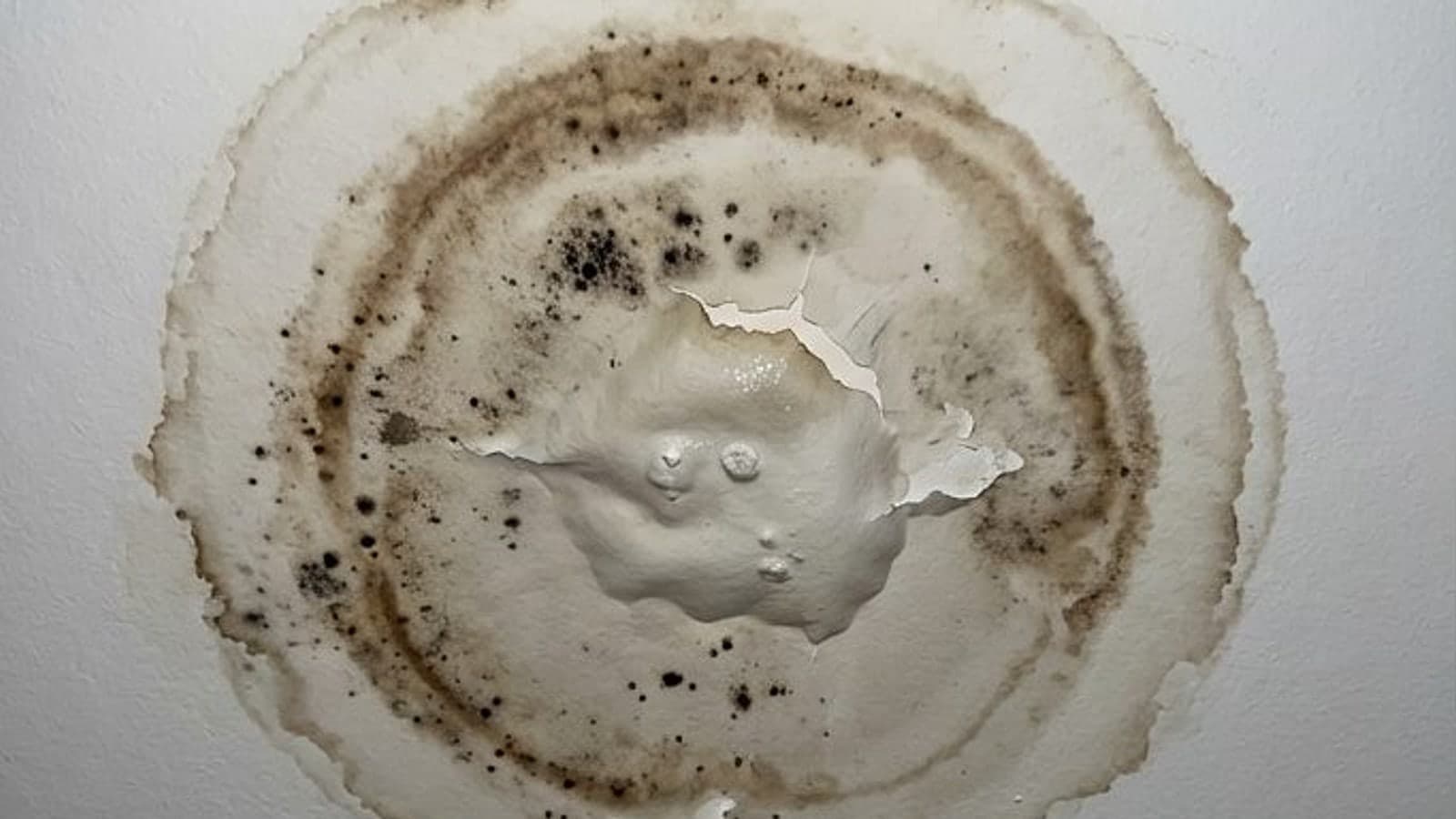
Microbial volatile organic compounds released by mold and bacteria digesting damp material. It follows that the smell means something is growing right now, on something wet right now. It also explains why the smell rises and falls with humidity and weather, because growth does.
Where To Look
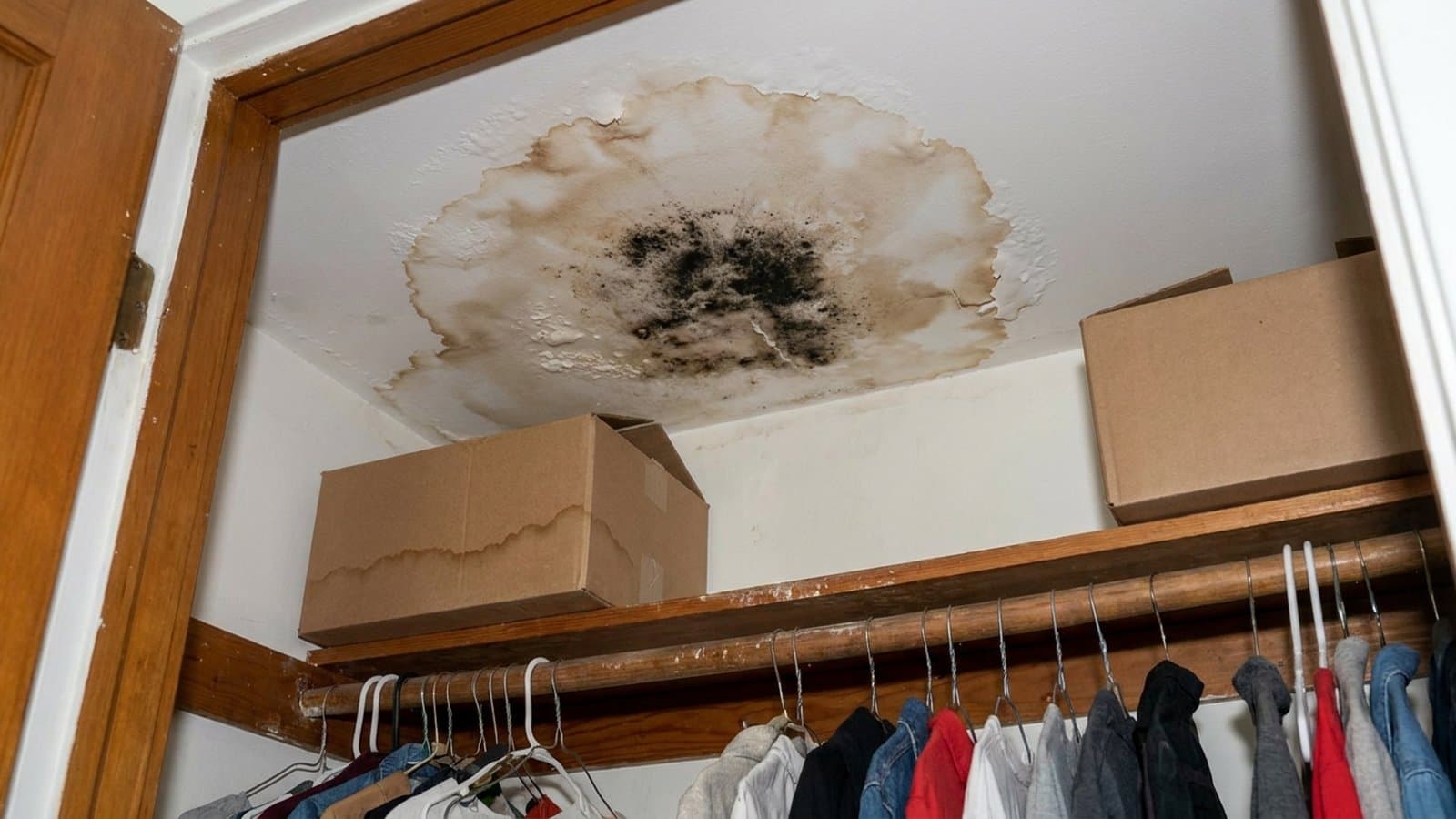
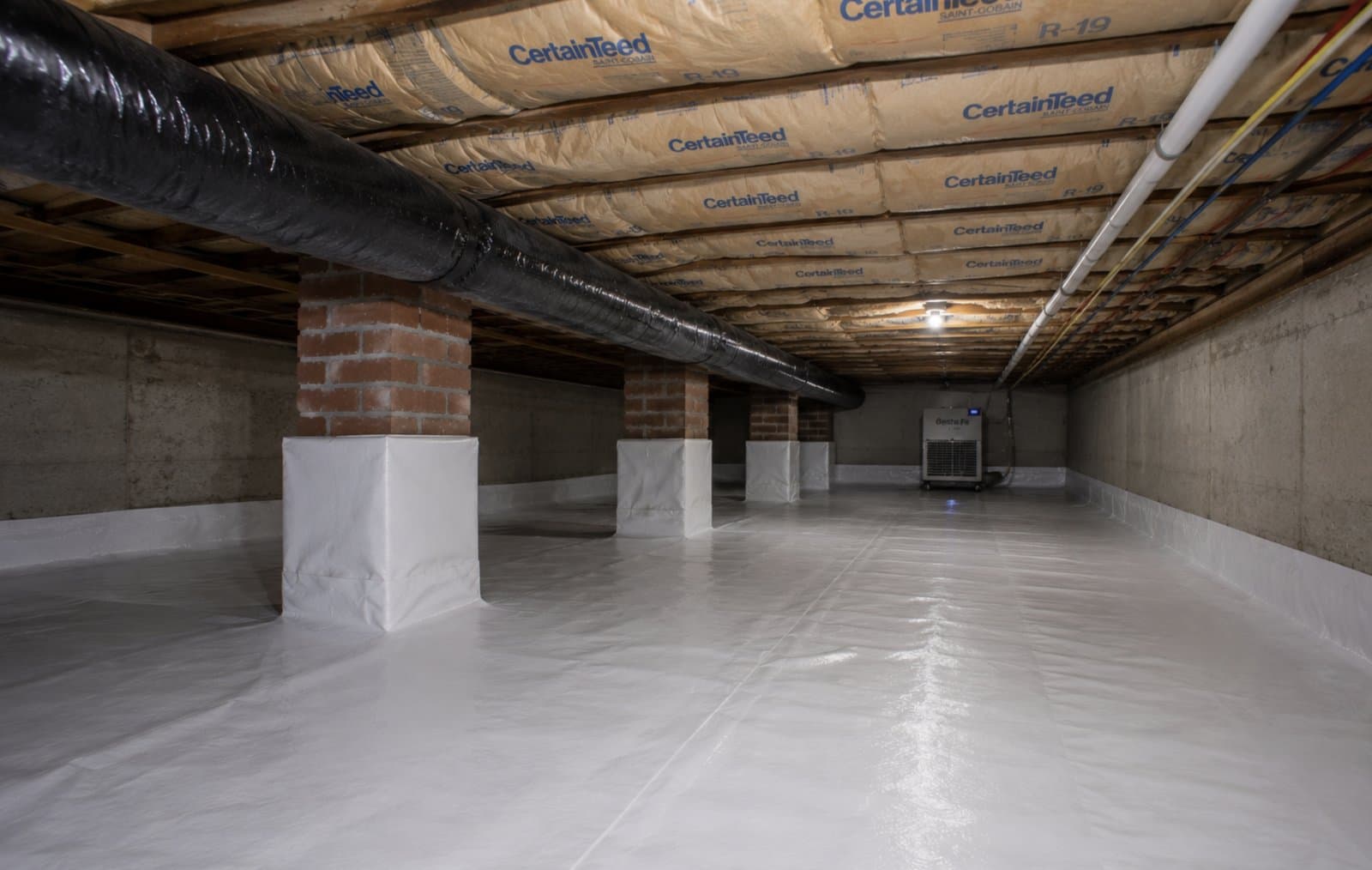
Basements and crawl spaces first, because they are cool, humid and full of cellulose. Then under sinks, behind the washer, around the water heater and at any ceiling stain. The smell is usually strongest within a foot or two of the growth. EPA notes mold exposure is associated with respiratory symptoms in sensitive individuals, so it is worth finding rather than covering.
What To Do
Find the water before touching the growth, because removing growth without fixing the moisture just resets the clock. Our guide to why a basement smells musty walks through the six usual sources and how to tell them apart, and our mold removal page covers what remediation involves once the area is beyond a small hard surface.
Smoke With No Fire
If the house smells like smoke and nothing is burning, the two usual explanations are a heating system fault and residue from a past event.
An Oily Black Film Appeared
That is a puffback, a furnace or boiler misfire that pushes atomised fuel and soot through the building, often through the ductwork. The residue is oily rather than dry and it smears badly when wiped, so cleaning it the obvious way makes the job substantially larger. Shut the system down and read our guide to puffbacks, then have the unit serviced before any cleaning starts. Our puff back cleanup page covers the restoration side.
The Smell Returns Seasonally
Odor from a past fire or from years of indoor smoking absorbs into paint, wood, insulation and textiles, then re-releases as temperature and humidity rise. That is why a house can smell fine in winter and like an ashtray in July. Our guide to getting smoke smell out of a house covers where it hides and what removes it, and our smoke and soot cleanup page covers the professional scope.
Regional Smoke From Outside
Wildfire smoke enters through the envelope and the HVAC system and deposits the same residues at a lighter scale. Filtration and cleaning normally resolve it. We covered the Connecticut version in our guide to wildfire smoke in Connecticut homes.
Sewage And Drain Smells
Usually trivial, occasionally serious, and easy to tell apart with a bucket of water.
Try The Free Fix First
Every drain has a trap holding water that blocks sewer gas. In a guest bathroom, floor drain or utility sink that goes unused for weeks, that water evaporates and the barrier disappears. Pour a few litres of water down every drain in the affected area, including floor drains, and wait a day. A surprising share of sewage smells end there.
When It Is Not The Trap
A smell that persists after refilling the traps points at a broken vent stack, a failed wax ring under a toilet, or a compromised sewer line. Those are plumbing repairs. If a line has actually backed up into the building, the water is Category 3 contaminated and the cleanup is not a mop and bucket job. Our sewage cleanup page covers what that work involves.
Sweet And Heavy: Something Died
Unmistakable once you have met it, and it follows a predictable arc.
What To Expect
The smell builds for a week or two, peaks, then slowly fades over several weeks as the remains dry. A mouse behind a wall is a nuisance. Something larger in a crawl space, duct or attic is a genuinely difficult smell that will not be waited out comfortably.
Finding It
The smell is strongest at the source, so work from room to room narrowing it down, then check the obvious cavities. Flies gathering at a specific spot on a wall or ceiling is the most reliable indicator. In ductwork the smell arrives everywhere at once when the system runs, which points at the ducts rather than at any one room.
Why Removal Matters
Waiting it out leaves residue that keeps attracting insects and can leave a persistent odor in the surrounding material. Removal, cleaning of the affected area and treatment of the surrounding surfaces is the complete fix. Where the animal died in an accessible cavity this is straightforward. In a duct or a sealed assembly it is not.
The Smells That Mean Call Someone Else
Three smells where a restoration company is the wrong first call, and we would rather say so than take the appointment.
Rotten Eggs
Gas utility or 911, from outside the building. Not us, not a plumber, not later.
Burning Electrical Or Hot Plastic
Kill the circuit if you can identify it safely. If you cannot find it, call the fire department. Odor work happens after a building is confirmed electrically safe, never as a substitute for confirming it.
Fuel Oil
An oil tank technician. Tanks weep at seams and fittings and the smell travels the whole house. A confirmed leak becomes an environmental remediation matter with its own reporting requirements, and it needs to be scoped correctly from the start.
When A Smell Becomes A Restoration Job
Three tests. If a smell passes any of them, cleaning is no longer the answer.
It Comes Back With Weather
This is the test Green Restoration applies first. A smell that returns on humid or hot days is being released from inside a material rather than sitting on a surface. Surface cleaning has already been tried by definition, since the smell went away and returned. That is absorbed odor and it needs treatment of the material itself.
You Cannot Find It
A smell with no findable source is usually inside an assembly, in the ductwork, or under flooring. At that point the work is diagnostic rather than janitorial, and moisture meters and thermal imaging find in an hour what a week of looking will not.
It Followed Water Or Fire
Any odor that appeared after a leak, flood, backup, fire or puffback is part of a loss and should be scoped as one. Treating the smell alone leaves the damage that produced it, which is the version of this job that gets paid for twice. Our odor removal page covers how we sequence the work.
Questions Homeowners Ask
What does it mean if my house smells musty but I cannot see mold?+
It means growth is likely on a surface you are not looking at, which is normal because growth starts on the hidden face of materials. The back of drywall against a cool foundation wall, the underside of carpet pad, the inside of stored cardboard, the joist bay above a crawl space. The smell is a set of microbial compounds released by active growth, so it indicates present moisture rather than a past event, and the moisture is what to hunt first.
Why does my house smell like sewage only sometimes?+
Intermittent sewage smell usually points to a drain trap that dries out between uses, most often in a guest bathroom or a floor drain, letting sewer gas through until the trap is refilled. It can also follow wind or barometric conditions if a vent stack is blocked or damaged. Refill every trap with water first, since that fix is free and resolves a large share of cases, and call a plumber if it persists.
What smell means a gas leak?+
Rotten eggs or sulphur. Natural gas has no smell of its own, so utilities add a scent specifically so leaks can be detected by smell. If you notice it, leave the building immediately without operating light switches or phones inside, and call the gas utility or 911 from outside. This is the one household smell you should never investigate yourself.
How do I find a dead animal smell in my walls?+
Work room to room narrowing down where it is strongest, then check accessible cavities, crawl spaces and attics. Flies collecting at one spot on a wall or ceiling is the most reliable pointer. If the smell arrives in every room at once whenever the heating or cooling runs, the source is likely in the ductwork rather than in any single room.
Why does my house smell bad only when the heat is on?+
Heat drives absorbed odor out of the ductwork, the coil and the blower, so an existing smell becomes noticeable when the system runs. Dust burning off a heat exchanger at the first use of the season is normal and passes within an hour or two. A smell that is oily, or that arrives with a black film on surfaces, suggests a combustion problem such as a puffback and the system should be shut down and inspected.
Can a smell in the house be dangerous?+
Some are. Rotten eggs indicates a gas leak and requires immediate evacuation. A burning electrical smell can precede a fire. Note that carbon monoxide has no smell at all, which is exactly why detectors are required, so a lack of odor is not evidence of safe air. Most other household smells are livability and property problems rather than emergencies, and any specific health concern belongs with a physician.
Do air purifiers get rid of house smells?+
A purifier with a substantial activated carbon stage reduces the airborne portion of an odor while it runs, and carbon rather than HEPA is the part that captures odor compounds. It cannot reach anything absorbed into building materials, and it does nothing about the moisture, leak or residue producing the smell. Useful support, never a diagnosis.
How long should I wait before calling someone about a smell?+
Immediately for rotten eggs or a burning electrical smell, and from outside the building. Same day for a smoke smell with no fire, since that can indicate a heating system fault. Within a week for musty or sewage smells, because both indicate a defect that gets more expensive the longer it runs. Ordinary cooking, garbage and pet smells are cleaning questions with no clock on them.