People in this region spend roughly ninety percent of their time indoors, and EPA has found that indoor levels of some pollutants can run two to five times higher than outdoor levels. That combination is why indoor air quality is worth attention at all. It is also why the usual first purchase, a filter or a purifier, tends to produce a smaller improvement than expected.
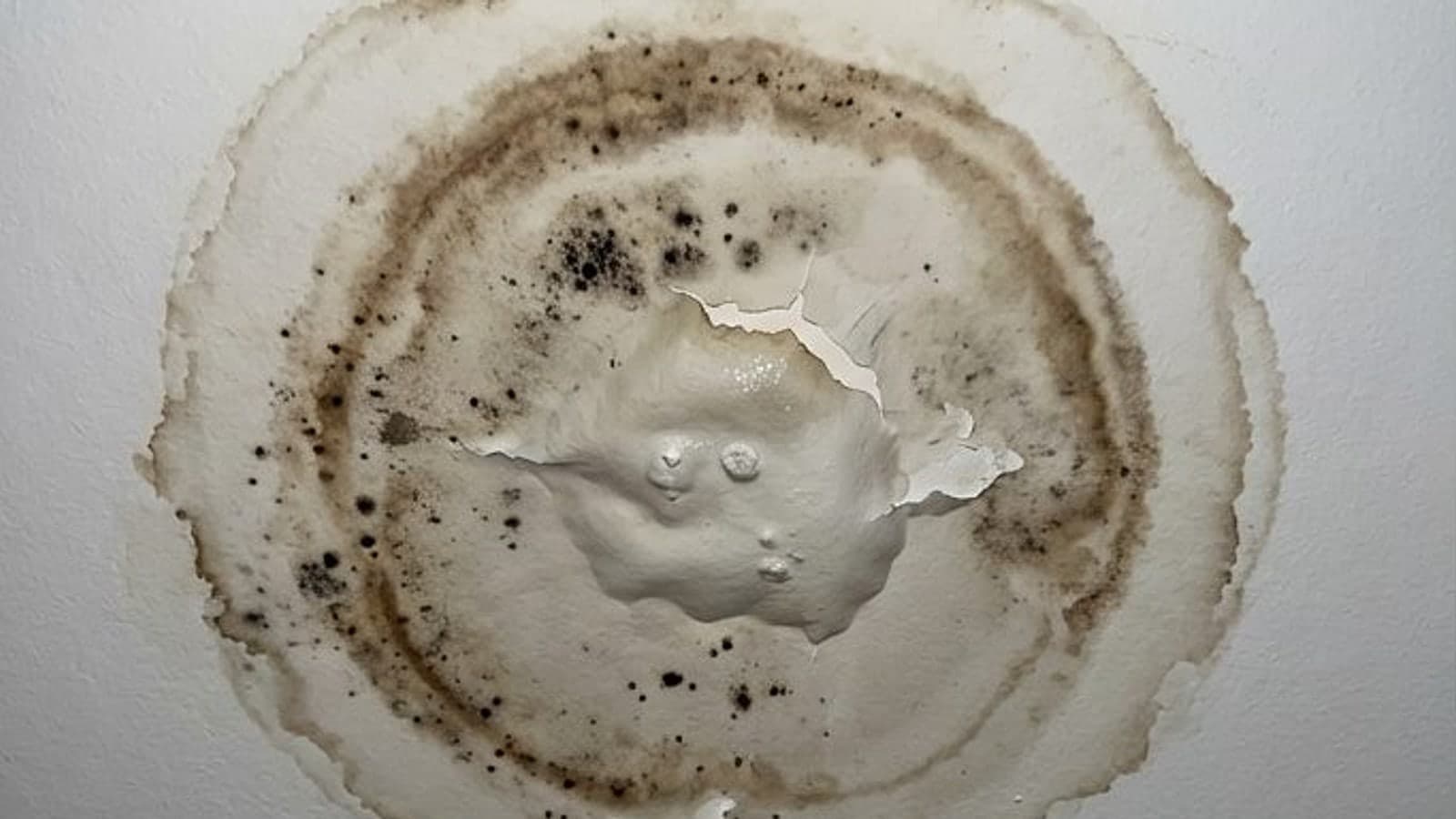
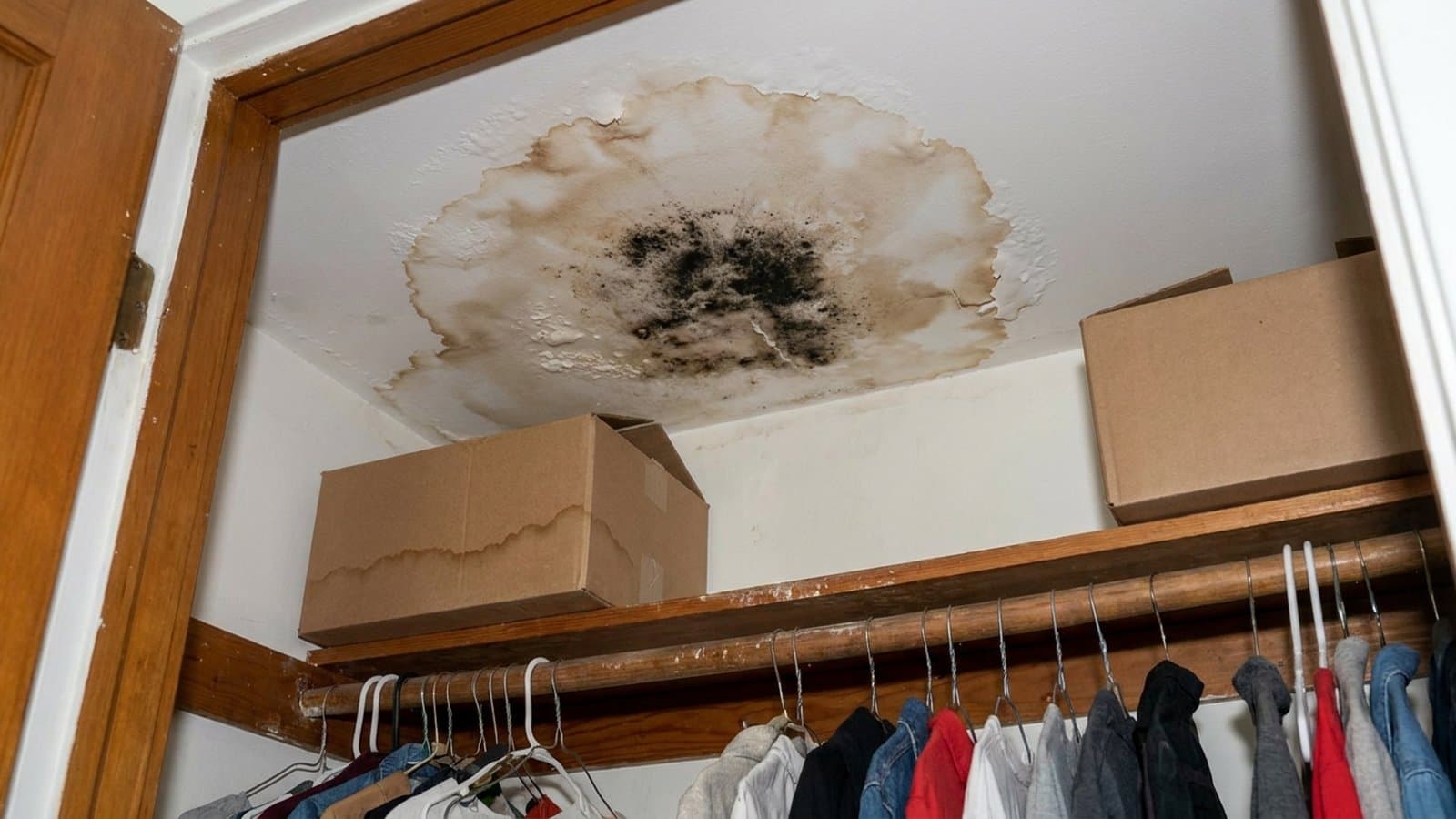
The reason is simple once you see it. Almost nothing in a house is permanently airborne. Dust mite debris sits in mattresses, upholstery, and carpet. Dander settles into the same materials. Pollen arrives on clothing and shoes and stays where it lands. Mold grows on a wet surface and releases spores when it is disturbed or when air moves across it. Filtration removes what is in the air at that moment. It does not touch the reservoir producing it.
So the useful order is reservoir first, then transport, then filtration. This guide covers what actually makes indoor air worse in a New England house, how spores get from a basement or a crawl space into a bedroom, which allergens respond to what, what a filter rating genuinely buys, and where duct work fits, which is a narrower place than most advertising suggests.
What Actually Makes Indoor Air Worse Than Outdoor Air?
Four categories cover almost everything, and only one of them arrives from outside.
Moisture, Which Sits Behind Most Of It
Humidity is the master variable. Above roughly sixty percent relative humidity, mold grows on ordinary building materials, and above about fifty percent dust mites can maintain their water balance and multiply. Hold a house between thirty and fifty percent and both populations fall without any product being purchased. That single band does more for indoor air than any device on the market.
Outdoor Air Arriving Uninvited
Pollen, regional smoke, and road particulate enter through open windows and through unintentional leakage around windows, doors, and the attic hatch. During a regional smoke episode the correct response inverts, and our wildfire smoke guide covers that case. The rest of the year, sealing and filtering the intentional paths does more than closing everything.
How Do Mold Spores Move Through A House?
Three routes, and two of them are why a problem in a basement is reported as a smell in a bedroom.
The Stack Effect
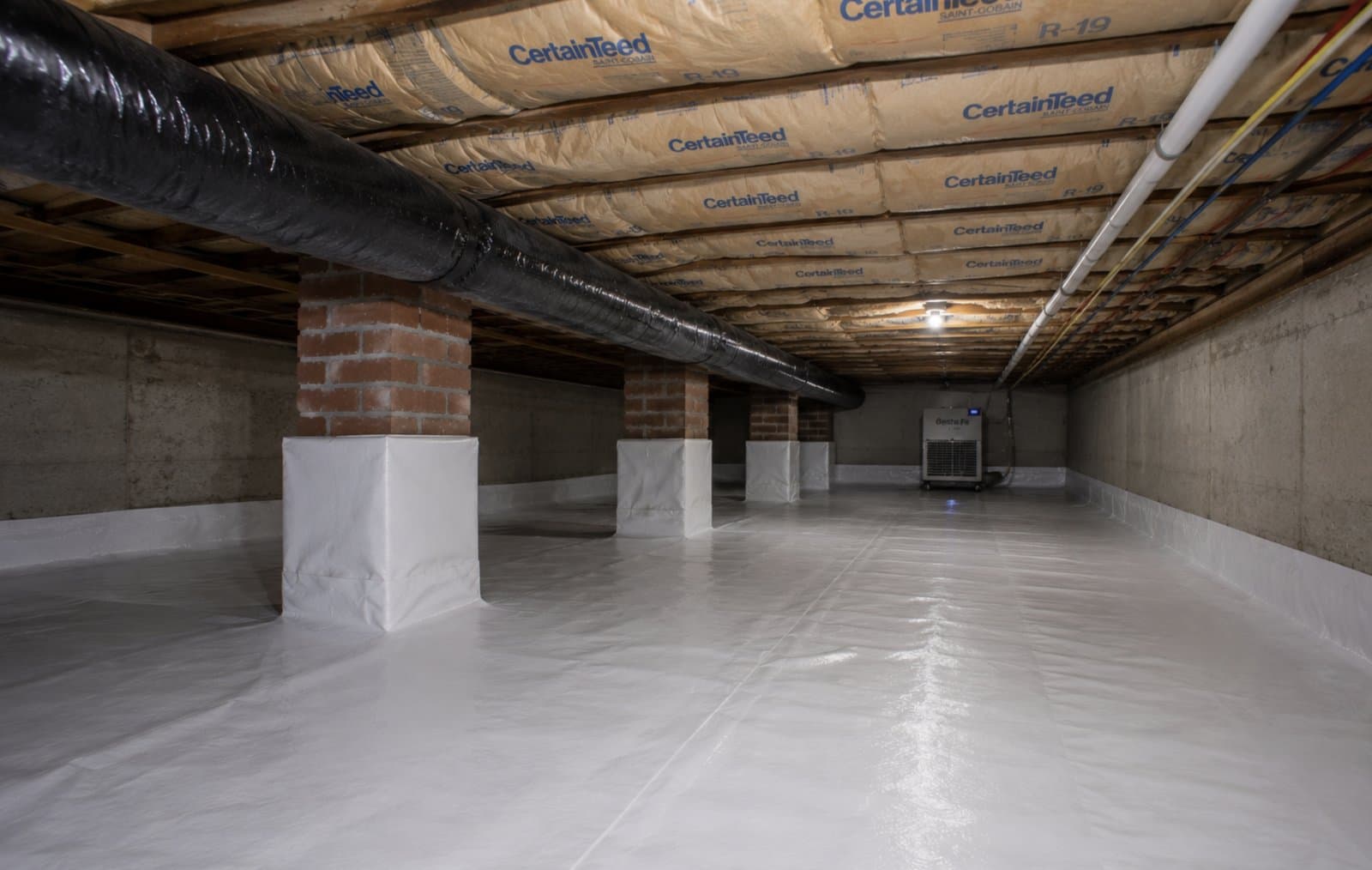
Warm air rises and leaves through the upper part of a house, which pulls replacement air in at the bottom. In a Connecticut winter that pull comes from the basement or the crawl space through every floor penetration, so air that has passed over damp framing ends up in living space. The smell arrives upstairs precisely because the source is downstairs.
The Duct System
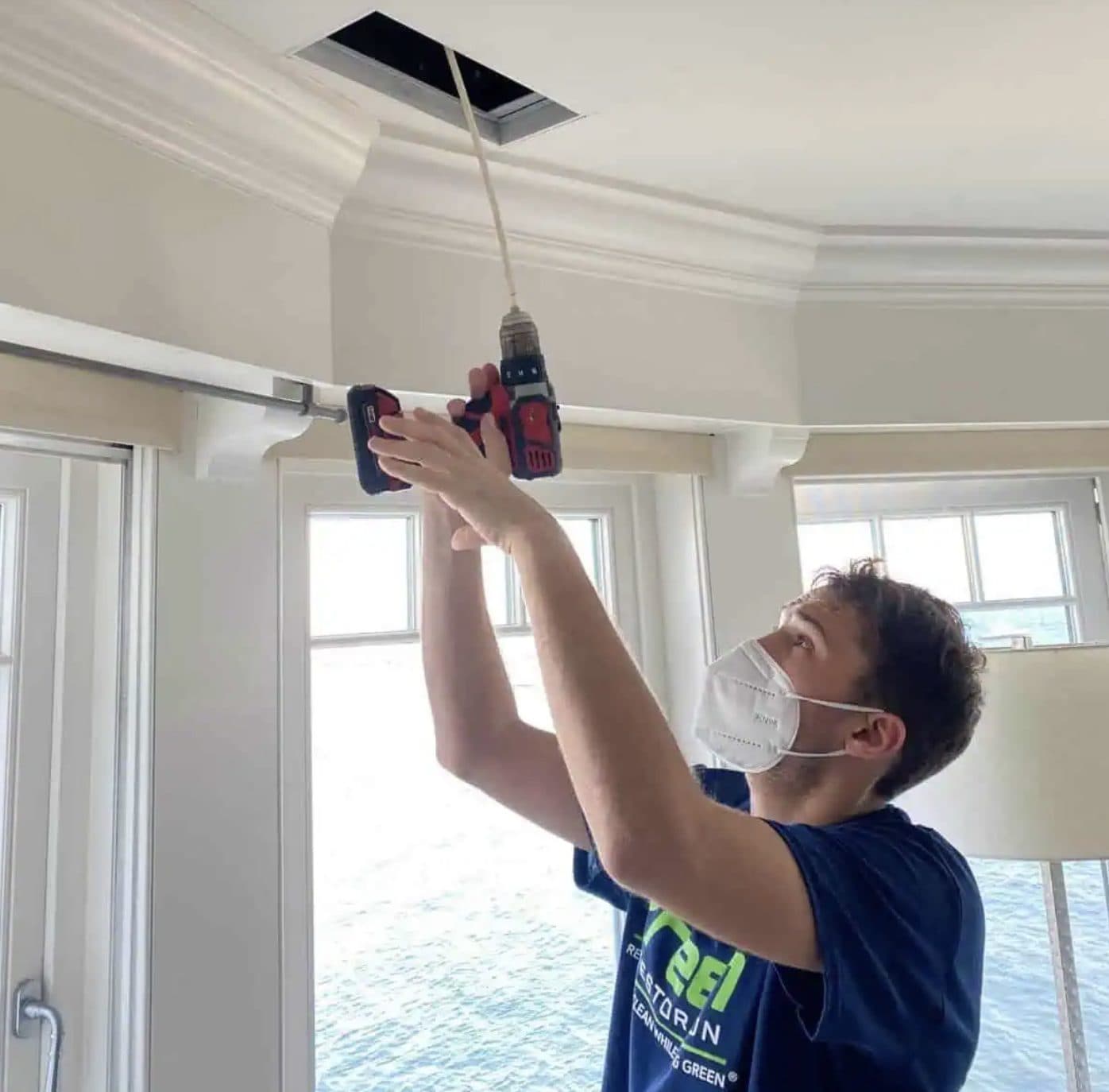
Supply and return ducts that run through a basement, crawl space, or attic are usually not airtight, so an unconditioned space and the living area share air whenever the system runs. A return leak in a damp basement is the most efficient spore distribution system a house can have. This is the strongest single argument for sealing ducts, and it is a different job from cleaning them.
Disturbance
Growth that is undisturbed releases relatively little. Dry brushing it, sanding it, pulling insulation, or opening a wall releases a great deal at once, which is exactly why professional removal is done inside containment held under negative air pressure with HEPA filtration. EPA notes mold exposure is associated with respiratory symptoms in sensitive individuals, and the moment of disturbance is when exposure is highest.
"A house is one air space with walls in it. That is why a crawl space problem gets reported as a bedroom smell, and why filtering the bedroom never solves it."
What Are The Most Common Household Allergens?
Five, with very different reservoirs, which is why one remedy never covers them all.
Where each household allergen actually lives, what reduces it, and what does not.
Mold spores
- Where it lives
- On wet or damp material: framing, drywall paper, subfloor, stored cardboard
- What reduces it
- Removing the growth and correcting the moisture, then HEPA cleaning the space
- What does not
- Spraying the air, ozone devices, or running a purifier while the surface stays wet
Dust mite debris
- Where it lives
- Mattresses, pillows, upholstery, carpet, in the top layers of soft goods
- What reduces it
- Humidity below about 50 percent, hot washing bedding, encasements, HEPA vacuuming
- What does not
- Air filtration alone, since the reservoir is in the material rather than the air
Pet dander
- Where it lives
- Soft furnishings, bedding, and settled dust throughout the house
- What reduces it
- HEPA vacuuming, washing, keeping bedrooms clear of soft goods, higher rated filters
- What does not
- Occasional deep cleans with no change to where the animal sleeps
Pollen
- Where it lives
- Carried in on clothing and pets, settling into carpet and upholstery
- What reduces it
- Closing windows in season, shoes off, washing bedding, filtration during peaks
- What does not
- Duct cleaning, which does not affect what is arriving on clothing each day
Cockroach and rodent allergen
- Where it lives
- Kitchens, wall voids, attics and crawl spaces with nesting material
- What reduces it
- Pest control first, then removal of contaminated material under proper protocols
- What does not
- Cleaning surfaces while the food or moisture supply remains available
Combustion particulate
- Where it lives
- Airborne, generated at the source and then settling on surfaces
- What reduces it
- Venting range hoods outdoors, maintaining appliances, filtration during and after
- What does not
- Recirculating hoods, which move particulate around the room rather than out of it
| Allergen | Where it lives | What reduces it | What does not |
|---|---|---|---|
| Mold spores | On wet or damp material: framing, drywall paper, subfloor, stored cardboard | Removing the growth and correcting the moisture, then HEPA cleaning the space | Spraying the air, ozone devices, or running a purifier while the surface stays wet |
| Dust mite debris | Mattresses, pillows, upholstery, carpet, in the top layers of soft goods | Humidity below about 50 percent, hot washing bedding, encasements, HEPA vacuuming | Air filtration alone, since the reservoir is in the material rather than the air |
| Pet dander | Soft furnishings, bedding, and settled dust throughout the house | HEPA vacuuming, washing, keeping bedrooms clear of soft goods, higher rated filters | Occasional deep cleans with no change to where the animal sleeps |
| Pollen | Carried in on clothing and pets, settling into carpet and upholstery | Closing windows in season, shoes off, washing bedding, filtration during peaks | Duct cleaning, which does not affect what is arriving on clothing each day |
| Cockroach and rodent allergen | Kitchens, wall voids, attics and crawl spaces with nesting material | Pest control first, then removal of contaminated material under proper protocols | Cleaning surfaces while the food or moisture supply remains available |
| Combustion particulate | Airborne, generated at the source and then settling on surfaces | Venting range hoods outdoors, maintaining appliances, filtration during and after | Recirculating hoods, which move particulate around the room rather than out of it |
The Humidity Dependent Two
Dust mites and mold both depend on moisture, which is what makes humidity control the highest-leverage single action in a house. Mites do not drink, they absorb water from the air, so sustained relative humidity below about fifty percent limits them. Mold needs a wet surface rather than just humid air, which is why finding the surface matters more than treating the room.
Do Air Purifiers Actually Help?
Yes, within a narrow and specific job description. The disappointment comes from expecting a different job.
What A HEPA Unit Does Well
True HEPA media captures 99.97 percent of particles at 0.3 micron, which covers mold spores, dander, and pollen comfortably. In one room, sized to that room, running continuously, a portable unit measurably lowers airborne particulate. Bedrooms are the highest-value placement because that is where the most consecutive hours are spent.
What It Cannot Do
It does not touch what is bound in a mattress, a carpet, or a wall cavity, so it does not reduce dust mite exposure meaningfully. It does not remove moisture, so it does not slow growth. And it treats one room, not a house, unless the whole building is running through it. A purifier beside a damp wall is filtering the output of a source that is still running.
The Devices To Be Careful With
Ozone generators are sold as air cleaners and ozone is a lung irritant, so devices that intentionally produce it do not belong in occupied space. Ionizers can generate ozone as a byproduct and can make fine particles settle onto surfaces rather than removing them. If a device works by adding something to the air rather than removing something from it, read carefully before running it where people sleep.
What Do Filters And Duct Cleaning Change?
Filter rating is a real lever with a real constraint. Duct cleaning is worth doing for specific reasons and is oversold for general ones.
Filter ratings and what each one is actually for.
MERV 8
- What it captures
- Larger dust, most pollen, some mold spores
- Where it fits
- The common builder default in residential systems
- The caution
- Adequate baseline, limited effect on fine particulate
MERV 11
- What it captures
- Finer dust, most dander, more of the spore range
- Where it fits
- A reasonable upgrade for most homes with allergy concerns
- The caution
- Confirm the equipment tolerates the extra restriction
MERV 13
- What it captures
- Fine particulate including much of the smoke range
- Where it fits
- The usual practical ceiling for residential equipment
- The caution
- Higher static pressure. Verify the system before fitting it
True HEPA
- What it captures
- 99.97 percent of particles at 0.3 micron
- Where it fits
- Portable room units and dedicated bypass systems
- The caution
- Not a drop-in filter for a standard residential air handler
| Rating | What it captures | Where it fits | The caution |
|---|---|---|---|
| MERV 8 | Larger dust, most pollen, some mold spores | The common builder default in residential systems | Adequate baseline, limited effect on fine particulate |
| MERV 11 | Finer dust, most dander, more of the spore range | A reasonable upgrade for most homes with allergy concerns | Confirm the equipment tolerates the extra restriction |
| MERV 13 | Fine particulate including much of the smoke range | The usual practical ceiling for residential equipment | Higher static pressure. Verify the system before fitting it |
| True HEPA | 99.97 percent of particles at 0.3 micron | Portable room units and dedicated bypass systems | Not a drop-in filter for a standard residential air handler |
Choosing A Filter Rating
Higher rated media captures smaller particles and also restricts airflow more. Residential equipment varies in how much static pressure it tolerates, and fitting a filter the system cannot pull through reduces airflow, hurts efficiency, and can freeze a coil. Check the equipment before jumping to the highest rating available, and change filters on schedule, because a loaded filter restricts far more than a clean one of the same rating.
When Duct Cleaning Is The Right Call
There are four honest reasons: visible growth inside the ducts or on the coil, rodent or insect infestation, construction dust or a fire or flood event that put debris into the system, and a system that has never been cleaned and is visibly loaded at the registers. A full NADCA standard cleaning in Connecticut runs 1,299 to 2,000 dollars per HVAC system, with a typical single-system home at 1,399. The detail is in our air duct cleaning cost guide, and the service on our air duct cleaning page.
When It Is Not
Duct cleaning does not address pollen arriving on clothing, dust mites living in a mattress, or a moisture source inside a wall. If ducts are cleaned while a damp crawl space still feeds the return, the system reloads. The order is source, then sealing, then cleaning. The dryer vent is a separate line worth checking at the same time, for lint and moisture reasons rather than allergen ones.
How Do You Fix The Source Instead Of The Symptom?
Five moves in order, cheapest first. Almost every house we work in gets most of its improvement from the first two.
The Order That Works
First, hold thirty to fifty percent relative humidity everywhere, with a dehumidifier and a drain in the basement through summer. Second, vent moisture and combustion outdoors: bath fans, the range hood, and the dryer, none of them terminating in an attic or a soffit. Third, find and correct any wet surface. Fourth, seal the paths between unconditioned spaces and living space. Fifth, then filter.
Where The Services Fit
If there is a wet surface with growth on it, that is mold remediation work, priced at 1,500 to 4,500 dollars for a small single area and 3,000 to 8,000 dollars for a basement or single room in Connecticut and Massachusetts. If the problem is settled dust, dander, and household allergens rather than growth, that is allergen removal. If you want to know which one you are dealing with before spending anything, indoor air quality testing with a paired outdoor control runs 425 to 650 dollars for a single room.
And If You Would Rather Measure First
Our companion guide on how to test the air quality in your home covers which home tests are valid, which are not, and what each number should read before anyone is paid to sample anything. On insurance, where an air quality problem follows a covered water or fire event we document the loss and submit the scope directly to your insurer. We are not licensed public adjusters and do not negotiate claims on your behalf.
Need Restoration Services?
60-minute response across CT, NY & MA. Licensed, insured, free inspections.
Questions Homeowners Ask
What is the single biggest thing I can do for indoor air quality?+
Hold relative humidity between thirty and fifty percent throughout the year. Above sixty percent mold grows on ordinary building materials, and above about fifty percent dust mites can maintain their water balance and multiply. Nothing else available to a homeowner affects two major allergen sources at once the way that band does.
Do air purifiers help with mold?+
A true HEPA unit removes spores that are airborne in the room it is running in, which is useful during and after remediation. It does not remove moisture and does not reach growth on a surface or inside a wall, so running one beside a damp wall filters the output of a source that is still producing.
What MERV filter should I use at home?+
MERV 11 is a reasonable upgrade for most homes and MERV 13 is the usual practical ceiling in residential equipment. Higher ratings restrict airflow more, so check what your air handler tolerates before fitting one, and change filters on schedule since a loaded filter restricts far more than a clean one.
Does duct cleaning improve indoor air quality?+
It helps for four specific reasons: visible growth in the ducts or on the coil, rodent or insect activity, construction or fire and flood debris in the system, and a system never cleaned and visibly loaded. It does not address pollen carried in on clothing, mites in a mattress, or moisture inside a wall.
Are ozone generators safe for cleaning household air?+
Ozone is a lung irritant, so devices that intentionally produce it are not appropriate in occupied space. Some ionizers generate it as a byproduct and can cause fine particles to settle on surfaces rather than removing them. Prefer devices that capture particles in media over devices that add something to the air.
Why does my house smell musty when the heat or air conditioning runs?+
Because the system is moving air from somewhere damp. Ducts running through a basement, crawl space, or attic are rarely airtight, so a return leak in a humid space distributes that air through the house whenever the fan runs. The fix is at the damp space and the duct seal, not at the register.
Can I reduce dust mites without replacing carpet and mattresses?+
Yes. Keep relative humidity below about fifty percent, use zippered encasements on mattress and pillows, wash bedding hot on a regular cycle, and HEPA vacuum soft surfaces. Bedrooms are where the exposure hours are, so effort concentrated there produces more benefit than the same effort spread across the house.
Do I need testing before deciding what to fix?+
Not always. Visible growth with a moisture source, or a hygrometer holding above sixty percent, already tells you what to do. Sampling earns its cost when the source is disputed, when a transaction or claim needs a third-party record, or when a documented before and after comparison is wanted.