Here are our own numbers first. Chlorine dioxide gas treatment runs $0.99 per square foot. Ozone and hydroxyl building deodorization runs $0.21 per square foot. Hot thermal fogging runs $0.06 per cubic foot. Odor blocking encapsulation runs $1.34 per square foot for one coat. A hydroxyl generator on site is $175 per day. Most whole-house odor projects that follow a smoke or soot event land between $1,500 and $8,500, and a single room treated on its own usually falls between $450 and $1,500. Those are line items we actually bill in Connecticut and Westchester, not industry averages.
Odor is the part of restoration where homeowners get sold the most and told the least. The reason is that a smell is invisible, so nobody can point at the thing they are paying to remove. That gap gets filled with equipment names, and equipment names are not a method. A generator running in an empty room is not a plan.
This article is the plan. It covers what actually creates each type of odor, the eight treatment methods worth knowing including chlorine dioxide gas, which of them belong on which problem, and what each one costs at our rates. It also covers the single most important rule in this work, which is that no gas, no generator and no fog fixes an odor whose source is still in the building.
The Rule That Decides Everything: Source First
Every legitimate odor protocol starts the same way, and it is not with a machine.
An Odor Is A Material Problem Before It Is An Air Problem
Smell is airborne molecules leaving a physical source. Urine salts in a subfloor, soot bonded to a wall, decomposing tissue in a wall cavity, sewage in a carpet pad, a wet mass of insulation growing mold. As long as that source is present it keeps releasing, which means any air treatment is fighting a supply that never stops.
This is why a room can smell fine the afternoon a machine is removed and smell exactly the same a week later. Nothing was removed. The air was treated and the air was replaced.
So the sequence is always the same. Find the source. Remove or clean the source. Clean the surfaces around it. Only then treat the residual odor in the structure and the air. Anyone who proposes to solve a strong odor with equipment alone, without opening anything or removing anything, is selling you the last step of a five step job.
What Source Removal Costs
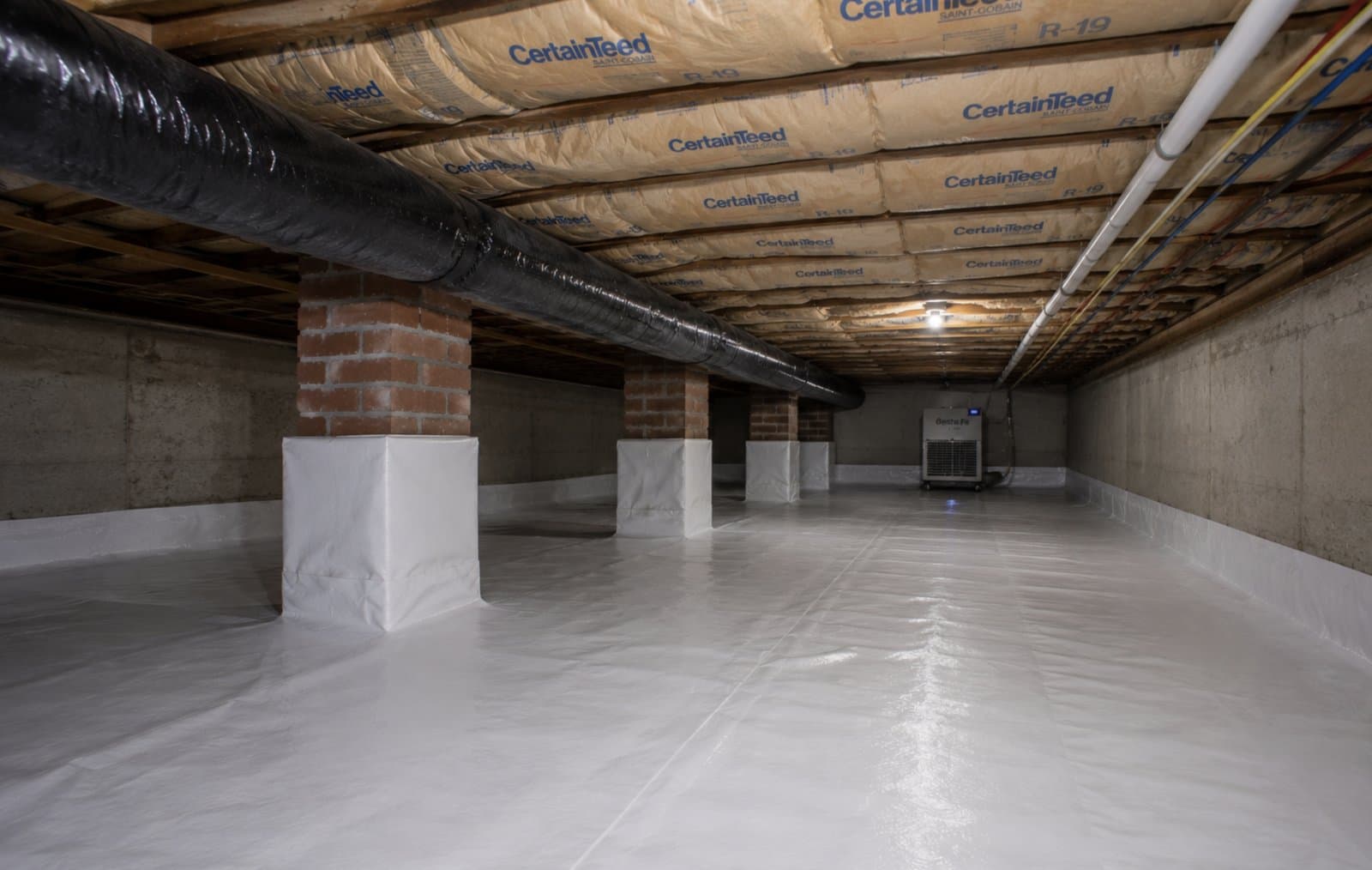
It varies by what the source is, and it is usually the largest line on the invoice. On a real Westport crawl space we cleaned last month, removing and bagging animal waste and contaminated debris ran $6.45 per square foot across 433 square feet, which came to $2,792.85. The chlorine dioxide gas treatment that followed it was $1,245. The removal cost more than twice the gas.
On a smoke job in Madison, cleaning soot from 2,825 square feet of walls by HEPA vacuum and dry chemical sponge ran $2.50 per square foot, or $7,062.50, while the hydroxyl deodorization that followed was $175 per day.
That ratio is the honest shape of odor work. The treatment is the visible, technical sounding part. The cleaning is the part that actually removes the odor.
Chlorine Dioxide Gas, In Plain Terms
The most misunderstood method in the trade, and the one worth understanding properly, because for some odors nothing else reaches.
What It Is And Why It Reaches Where Cleaning Cannot
Chlorine dioxide, written ClO2, is a true gas at room temperature. That is the entire point of it. Because it is a gas rather than a spray or a fog of liquid droplets, it expands to fill the volume it is released into and penetrates porous and hidden material the way air does: into wall cavities, under subfloor, into framing, behind cabinets, into the pores of concrete block, through the layers of a mattress.
Despite the name it is chemically unrelated to chlorine bleach and does not behave like it. It works by oxidation, breaking down the odor causing compounds themselves rather than covering them with a fragrance. When it has done that, it dissipates. It leaves no film and no residue to wipe off.
The practical consequence is the useful part. For odors that have soaked into building materials, chlorine dioxide reaches sources that no amount of surface cleaning can, because you cannot scrub the inside of a stud bay.
What It Requires, And Why That Matters To You
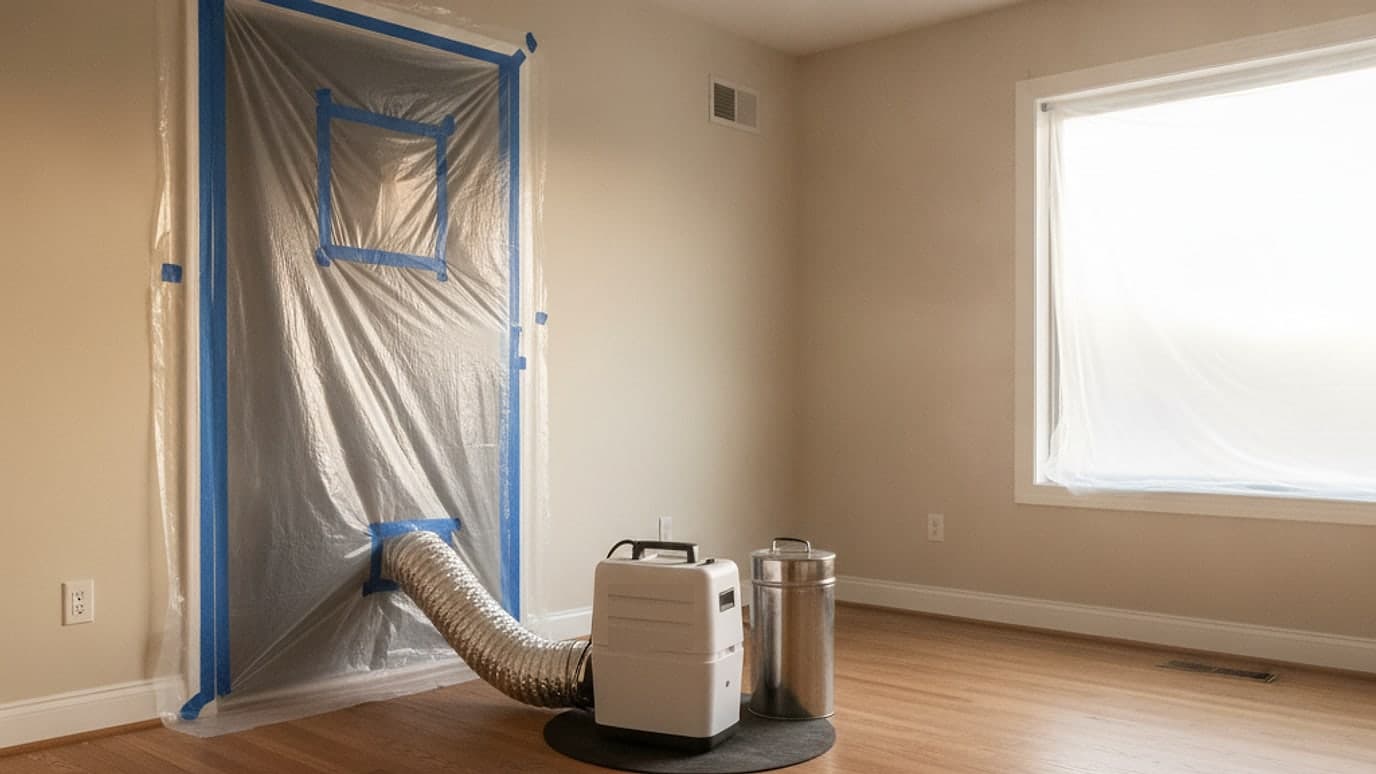
Chlorine dioxide is an unoccupied structure treatment. People, pets and plants come out for the duration. The building is sealed, the HVAC is shut down and addressed, gas is generated and held at concentration for a set period, and the structure is then ventilated and tested before reoccupancy. Treatment plus ventilation typically means the property is unavailable for most of a day, sometimes overnight on a larger structure.
That requirement is not a formality and it is the main reason the method is not appropriate everywhere. In an occupied apartment, a running business, or a home where somebody has nowhere else to be, hydroxyl is the correct choice instead, even though it works more slowly.
It also demands preparation. Anything sensitive to oxidation comes out or gets protected. The seal has to be real or the gas simply leaves. A crew that shows up, sets a canister down and leaves is not performing this treatment, they are venting it to the outdoors.
What Chlorine Dioxide Costs At Our Rates
Our chlorine dioxide vapor treatment is $0.99 per square foot. Where it is added onto a full disinfection and cleaning scope, it runs $0.75 per additional square foot, because the preparation and containment are already being done and paid for once.
On a defined space we often price it as a flat figure instead. The Westport crawl space treatment was $1,245 for the full crawl. For a 1,200 square foot floor of a house, the per foot rate puts the gas treatment near $1,190 before the cleaning that precedes it.
Compared with the alternatives that is not the expensive part of the job. It reads expensive because it is the line with the chemistry name on it. The removal above it on the invoice is almost always larger.
When It Is The Right Call, And When It Is Not
It is the right call for odor that has penetrated building materials and survived cleaning: heavy pet urine that reached subfloor and framing, decomposition after a dead animal, sewage that soaked porous structure, protein and grease odor from a kitchen fire, heavy nicotine in a whole house, and animal waste in a crawl space or attic.
It is the wrong call for a light surface smell that a proper cleaning removes, for any occupied space that cannot be vacated, and as a substitute for removing material that should come out. Using gas so that contaminated insulation can stay in the ceiling is not a treatment plan, it is a shortcut with a chemistry name.
The Other Methods, And What Each Is Actually For
There are seven other tools worth knowing. Each solves a different problem, and using the wrong one is the most common reason an odor comes back.
Hydroxyl Generators: $175 Per Day
Hydroxyl generators produce hydroxyl radicals using ultraviolet light. The reason they matter is that they are safe to run in occupied space, which no other oxidative method on this list is. People and pets can remain in the building while treatment runs.
The tradeoff is time. Hydroxyl works more slowly and less aggressively than ozone or chlorine dioxide, so instead of one sealed day you are looking at several days of continuous running, sometimes a week on a stubborn odor. Our rate is $175 per unit per day, and a real Madison smoke job ran three unit days at $525 total.
This is the right choice for occupied homes, light to moderate smoke odor, ongoing treatment during a longer restoration, and anywhere the family cannot leave.
Ozone: Part Of Our $0.21 Per Square Foot Deodorization
Ozone, written O3, is a strong oxidizer and it is effective on smoke and organic odor. It is also strictly an unoccupied structure treatment. People, pets and plants come out, and the space is ventilated before anyone returns. The United States Environmental Protection Agency is explicit that ozone generators should not be used in occupied spaces.
It has a second cost that is rarely mentioned at sale. Ozone attacks rubber and some plastics and elastomers over repeated or extended exposure, which can mean rubber seals, certain electronics, some artwork and some fabrics. On a house full of contents that is a real consideration, and it is one of the reasons we frequently choose chlorine dioxide or hydroxyl instead.
We bill ozone and hydroxyl building deodorization together at $0.21 per square foot, which makes it the cheapest treatment line here by a wide margin. Cheap is not the same as correct, and the material sensitivity is the reason.
Thermal Fogging: $0.06 Per Cubic Foot
Thermal fogging heats a deodorizing solution into a dense fog of very fine particles that behaves somewhat like smoke: it travels the same paths the original smoke travelled, into the same cracks and cavities, and pairs with the odor molecules there.
It is specifically a fire and smoke tool, and the logic is that it mimics the behaviour of what caused the problem. It is an unoccupied treatment, and it is normally one stage of a fire job rather than the whole odor answer.
Our rate is $0.06 per cubic foot, which is priced by volume rather than by floor area because it fills a space. A 1,500 square foot floor with eight foot ceilings is 12,000 cubic feet, which puts the fogging line near $720.
Odor Blocking Encapsulation And Sealing: $1.34 Per Square Foot
Some surfaces hold odor permanently and cannot be replaced economically: charred framing, smoke stained subfloor, roof decking that took heavy smoke. Sealing them with an odor blocking coating locks the residual odor into the material so it stops releasing into the air.
Our odor control encapsulation is $1.34 per square foot for one coat. On a real Woodbridge fire job, odor blocking smoke sealer was applied across framing, stud walls and floor underlayment at $2.05 per square foot in the fire specific formulation, one of the largest groups of line items in a $37,458.70 project.
The critical honesty here is sequencing. Sealing over an unclean surface traps the residue but not the problem, and it makes the surface underneath permanently unreachable. Sealing is the last step after cleaning, never a replacement for it.
Dry Ice And Soda Blasting: $11.89 Per Square Foot
For heavy char and deeply embedded smoke residue on framing, blasting removes the affected surface layer itself rather than cleaning it. Dry ice blasting uses frozen carbon dioxide pellets that sublimate on impact and leave no secondary waste to collect beyond the removed residue.
Our dry ice blasting is $11.89 per square foot, and on the Woodbridge fire the soda blasting of heavy smoke and char in the main attic carried a $1,500 minimum charge. This is the most expensive method per square foot on the list, and it is reserved for surfaces where nothing else works and replacement would cost more.
HVAC Treatment And Duct Cleaning
This is the step most often skipped, and skipping it is the most common reason a treated house smells again in a fortnight. Ductwork moves air from every room to every other room, so it also moves odor, and it holds residue on the inside of the duct surfaces where no room treatment reaches.
On any odor event that ran while the system was operating, the system is part of the source. Our HVAC antimicrobial disinfection treatment is $175.99, air duct cleaning for contamination is $1,590 per unit, cleaning and disinfecting an HVAC system is $1,750 per unit, and Benefect antimicrobial cold fogging of an HVAC system is $375.
If a proposal treats the living space and does not mention the system, ask why.
Contents, Carpet And Air Filtration
Odor lives in soft contents as much as in structure. Carpet cleaning and deodorizing with heavy staining is $0.74 per square foot, and area rug cleaning and deodorizing is $475 for up to 100 square feet. Where contents cannot be saved, biohazard waste disposal is $175 per load.
For ongoing air quality during and after treatment, an air purifier for odor and chemical control is $1,279 as a unit. Activated carbon filtration of this kind is an adjunct to a finished job, not a treatment method in its own right, and it should never be sold as the solution.
Odor By Type: What It Is, And Which Method It Needs
Matching method to odor is most of the skill. Here is how the common ones behave.
Smoke And Fire Odor, Including Puffback
Smoke particles are extremely fine and carry an oily residue that bonds to porous surfaces and works its way into cavities. A furnace puffback coats a house in that residue without anything burning. Protein fires from cooking leave the most stubborn odor of all and often the least visible residue.
Protocol: HEPA vacuum and chemical sponge cleaning, HVAC cleaning, thermal fogging or hydroxyl, sealing of surfaces that hold residue, and blasting only where char is heavy. Whole projects in this family run $1,500 to $8,500 where nothing structural burned.
Pet Urine, Especially Cat
Urine is the hardest common household odor, and the reason is chemistry. It soaks through carpet into pad, subfloor and sometimes framing, and it crystallises into uric acid salts that are not water soluble. That is why a cleaned carpet smells again on the first humid day: moisture reactivates salts that cleaning did not dissolve.
Protocol: locate the full extent under ultraviolet light, remove pad and often carpet, treat or remove subfloor, then chlorine dioxide gas for what soaked into structure. Surface cleaning alone is the method that fails here most reliably.
Dead Animal And Decomposition
Decomposition odor comes from a source that is usually inside a wall, under a floor, or in a duct run, and it releases heavily until the source is removed and the fluids it left are cleaned. Time alone does reduce it eventually, but the residue and the staining remain.
Protocol: locate and remove the source, clean and disinfect the contaminated area, dispose of affected material, then chlorine dioxide gas because the odor has almost always penetrated the cavity. This is the classic case for gas rather than surface treatment.
Sewage And Septic
Sewage is Category 3 water under the IICRC framework, which means it is treated as grossly contaminated rather than merely smelly. The odor is a symptom, and the contamination is the job.
Protocol: contain, extract, remove porous material that absorbed it, clean and disinfect hard surfaces, then treat residual odor in structure. Odor treatment on a sewage event without the removal and cleaning is not a shortcut, it is skipping the actual work.
Musty And Mold Odor
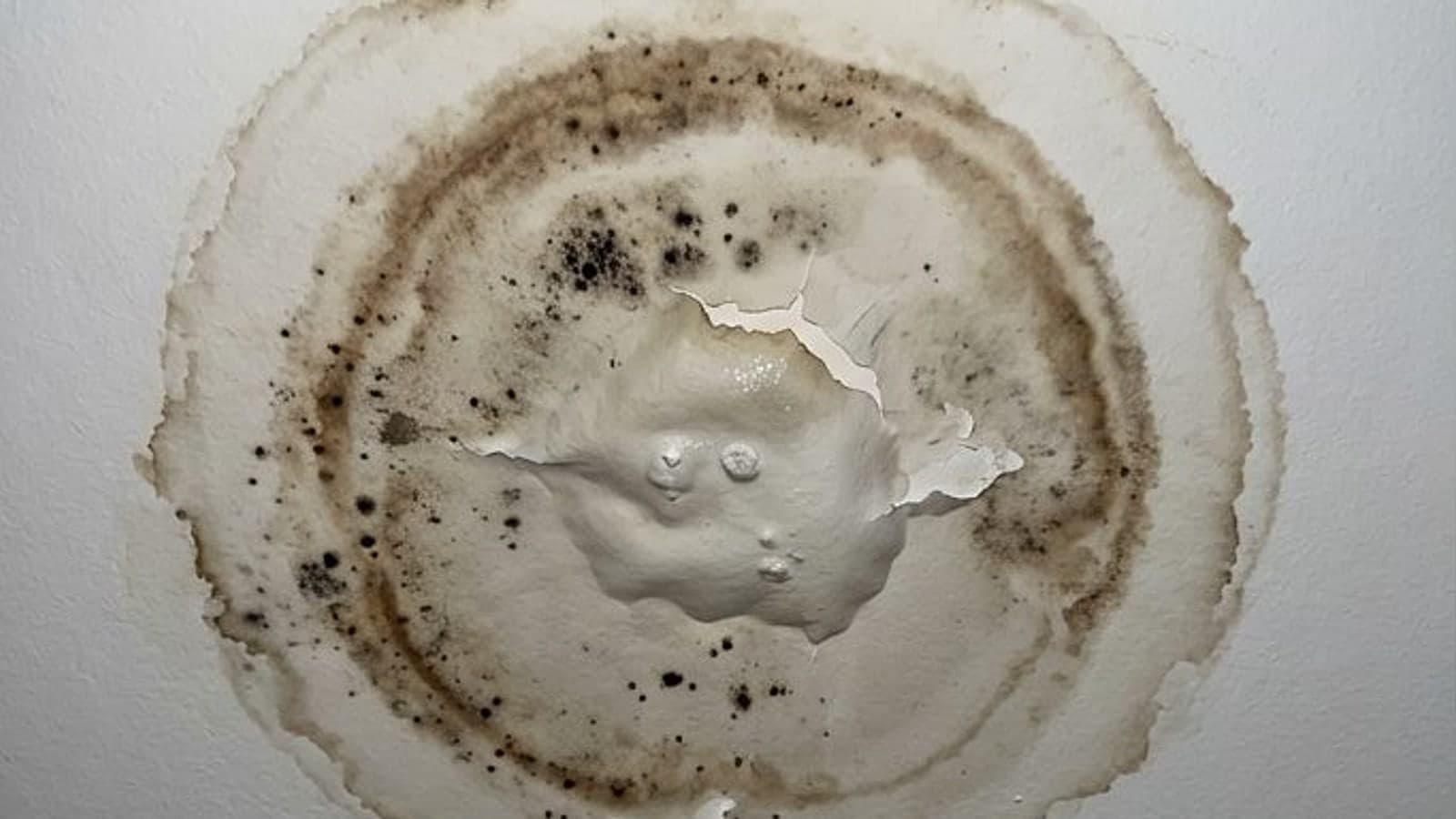
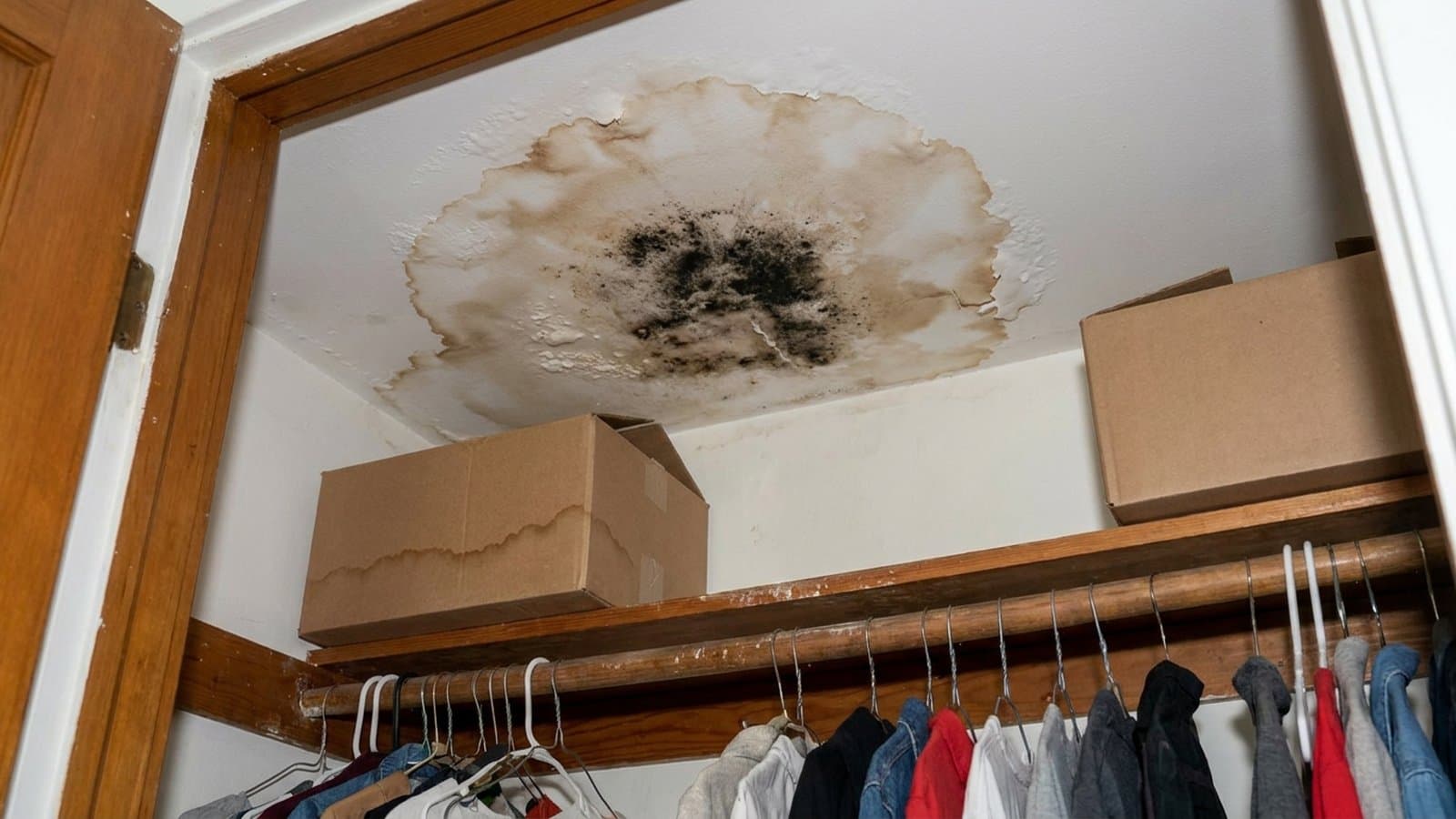
That characteristic damp basement or crawl space smell comes from compounds released by active microbial growth. It is a signal that there is moisture and growth somewhere, which is why it is the one odor where the correct first response is an inspection rather than a treatment.
Protocol: find and fix the moisture source, remediate the growth, then treat any residual odor. Deodorizing a musty basement while it is still wet gets you a basement that smells better and is still wet.
Nicotine, Cooking Grease, Skunk And Vehicles
Nicotine leaves a sticky film on every surface in a house including inside cabinets and on ceilings, so it is a cleaning job first and a sealing job second, with gas treatment for what reached the structure. Heavy cooking odor behaves similarly and concentrates in kitchen surfaces and ductwork.
Skunk is an oily compound that clings and reactivates with moisture, which is why it seems to return on damp days. Vehicle interiors are a small sealed volume and respond well to gas treatment; our complete car disinfection is $299 for a sedan or mid size vehicle.
What It Costs In Connecticut And Westchester
Whole project figures, consistent with the ranges we publish on our pricing page.
The Realistic Ranges
A single room treated on its own, where the source is straightforward and cleaning is limited, typically runs $450 to $1,500. A whole home smoke odor project including HVAC work typically runs $2,500 to $8,000. The broader smoke, soot and puffback family, where nothing structural burned, runs $1,500 to $8,500.
Above that you are no longer in an odor project. A contained fire with smoke through the house runs $8,500 to $45,000, because the odor work is one component of a restoration.
Our real closed examples sit inside these ranges. The Westport crawl space animal waste project with chlorine dioxide came to $7,946.37 including the removal. The Madison smoke cleaning project came to $9,752.50 across 2,825 square feet of wall surface.
What Actually Moves The Number
Four things, in order of weight. First, how much material has to be removed, because removal is the largest line and the least avoidable. Second, square footage and volume, since most treatment lines are priced per square or cubic foot. Third, whether the HVAC system was running during the event, which can turn a one room problem into a whole house problem. Fourth, whether the structure can be vacated, because that decides whether the fast methods are even available to you.
What does not move the number much is the treatment chemistry itself. At $0.21 to $1.34 per square foot, every treatment method on this page is a minority of a typical invoice.
Insurance
Where the odor follows a covered event, a fire, a puffback, a sudden sewage backup, the odor work is normally part of that claim rather than a separate purchase, and we document the scope so it can be submitted with the rest of the loss. Where the odor is the result of gradual conditions, long term pet damage or an ongoing moisture problem, it is usually treated as maintenance and excluded.
We work with insurers and we are independent of them. We are not on any insurer panel, which means the scope we write is the scope we believe the building needs.
How To Read An Odor Proposal
Four questions that separate a real protocol from equipment rental with a markup.
The Four Questions
First, what is the source, and what does this proposal do about it? If the answer is only a machine, the odor is coming back.
Second, what happens to the HVAC system? If it is not mentioned on an event that spread through the house, it has been missed.
Third, which method, and why that one for this odor? A contractor who cannot say why hydroxyl rather than gas, or why sealing after cleaning rather than instead of it, is choosing by what is in the van.
Fourth, what has to happen before anyone returns to the building? Ozone and chlorine dioxide are unoccupied treatments. If nobody has raised that, either the method is not what you were told, or the safety step is being skipped.
What We Will Not Tell You
We will not tell you that an odor treatment carries a guarantee against the smell returning, because if the source or the moisture that caused it is still present, it will return, and no chemistry changes that.
We do not sell testing and remediation on the same quote, and we do not issue clearance on our own work. Where independent verification matters, that belongs with a third party, and we will say so.
Questions Homeowners Ask
What is chlorine dioxide gas odor removal, and how much does it cost?+
Chlorine dioxide, or ClO2, is a true gas that fills a sealed structure and oxidises odor causing compounds inside porous materials that cleaning cannot reach, such as wall cavities, subfloor and framing. It leaves no residue and is chemically unrelated to chlorine bleach. Our rate is $0.99 per square foot, or $0.75 per additional square foot when added to a full cleaning and disinfection scope. A defined space is often priced flat instead: a recent full crawl space treatment in Westport was $1,245.
Is chlorine dioxide safe, and do we have to leave the house?+
Yes, you have to leave. Chlorine dioxide is an unoccupied structure treatment. People, pets and plants come out, the building is sealed, the HVAC is shut down, the gas is held at concentration, and the structure is ventilated and tested before anyone returns. Expect the property to be unavailable for most of a day, sometimes overnight on a larger building. If you cannot vacate, hydroxyl is the correct alternative because it can run safely in occupied space.
Which is better for odor, ozone or hydroxyl?+
Neither is better in general; they solve different constraints. Ozone is faster and stronger but is strictly an unoccupied treatment, and over repeated or extended exposure it degrades rubber, some plastics and some fabrics. Hydroxyl is safe to run with people and pets present but works more slowly, typically over several days rather than one sealed session. Occupied home, choose hydroxyl at $175 per day. Vacatable structure with a heavy odor, ozone or chlorine dioxide will finish faster.
How much does odor removal cost in Connecticut?+
A single room treated on its own typically runs $450 to $1,500. A whole home smoke odor project including HVAC work typically runs $2,500 to $8,000, and the broader smoke, soot and puffback family runs $1,500 to $8,500 where nothing structural burned. At the line level our rates are $0.99 per square foot for chlorine dioxide, $0.21 per square foot for ozone and hydroxyl deodorization, $0.06 per cubic foot for thermal fogging, and $1.34 per square foot for odor blocking encapsulation.
Why does pet urine odor come back after the carpet is cleaned?+
Because cleaning removes what is soluble and urine is not. Urine crystallises into uric acid salts that water based cleaning does not dissolve, and those salts sit in the carpet pad, the subfloor and sometimes the framing. Humidity reactivates them, which is why the smell returns on the first damp day. The fix is to map the full extent under ultraviolet light, remove the pad and usually the carpet, treat or remove affected subfloor, then use chlorine dioxide gas for what soaked into the structure.
Can odor be removed without removing any material?+
Sometimes, and only when the source is gone or was never absorbed. Light residual smoke on hard surfaces, or a lingering smell after the cause has been removed, can be treated in place. When the source itself is still in the building, such as contaminated insulation, saturated carpet pad or a dead animal in a cavity, no gas, generator or fog will resolve it. Treating around a source that stays in place is the single most common reason an odor returns.
Does the HVAC system need to be treated too?+
If the system was running during the event, yes. Ductwork moves air between every room, so it distributes odor and holds residue on interior duct surfaces that no room level treatment reaches. This is the most commonly skipped step and the most common reason a treated house smells again within a couple of weeks. Our HVAC disinfection treatment is $175.99, cleaning and disinfecting a system is $1,750 per unit, and air duct cleaning for contamination is $1,590 per unit.
Do you guarantee the odor will not come back?+
No, and we will not claim otherwise. If the source is fully removed and the moisture or condition that caused it is corrected, the odor does not return. If the moisture path, the entry point or the contaminated material is still there, it will, and no treatment chemistry changes that. What we do is document the scope, name what we removed and treated, and tell you plainly what remains outside our scope and still needs addressing.
Do you serve Westchester County as well as Connecticut?+
Yes. We work across Connecticut and Westchester County, New York, and Western Massachusetts. Odor work in older Westchester housing stock tends to involve plaster, deep wall cavities and original ductwork, which is exactly the profile where gas treatment earns its place over surface methods. Call (833) 800-0474 for an on site assessment.