Most homeowners learn the hard way that an insurance claim has two very different halves. The first is mitigation, the emergency work that stops the damage and dries the structure out. The second is reconstruction, the rebuild that puts your home back the way it was. Knowing how the reconstruction phase is scoped, priced, and paid is the difference between a home that is fully restored and one that is left half finished.
This guide explains how reconstruction works after water, fire, or mold damage, how insurance carriers estimate the rebuild in Xactimate, and what terms like ACV, RCV, recoverable depreciation, and supplements actually mean for your payout. Green Restoration handles both mitigation and reconstruction across Connecticut, Westchester County, and Massachusetts, so we see exactly where rebuild claims succeed and where they stall.
Mitigation vs. Reconstruction: Two Phases, Two Estimates
Before the rebuild begins, it helps to understand why your claim is usually split into two separate scopes and two separate estimates.
Mitigation: The Emergency Phase
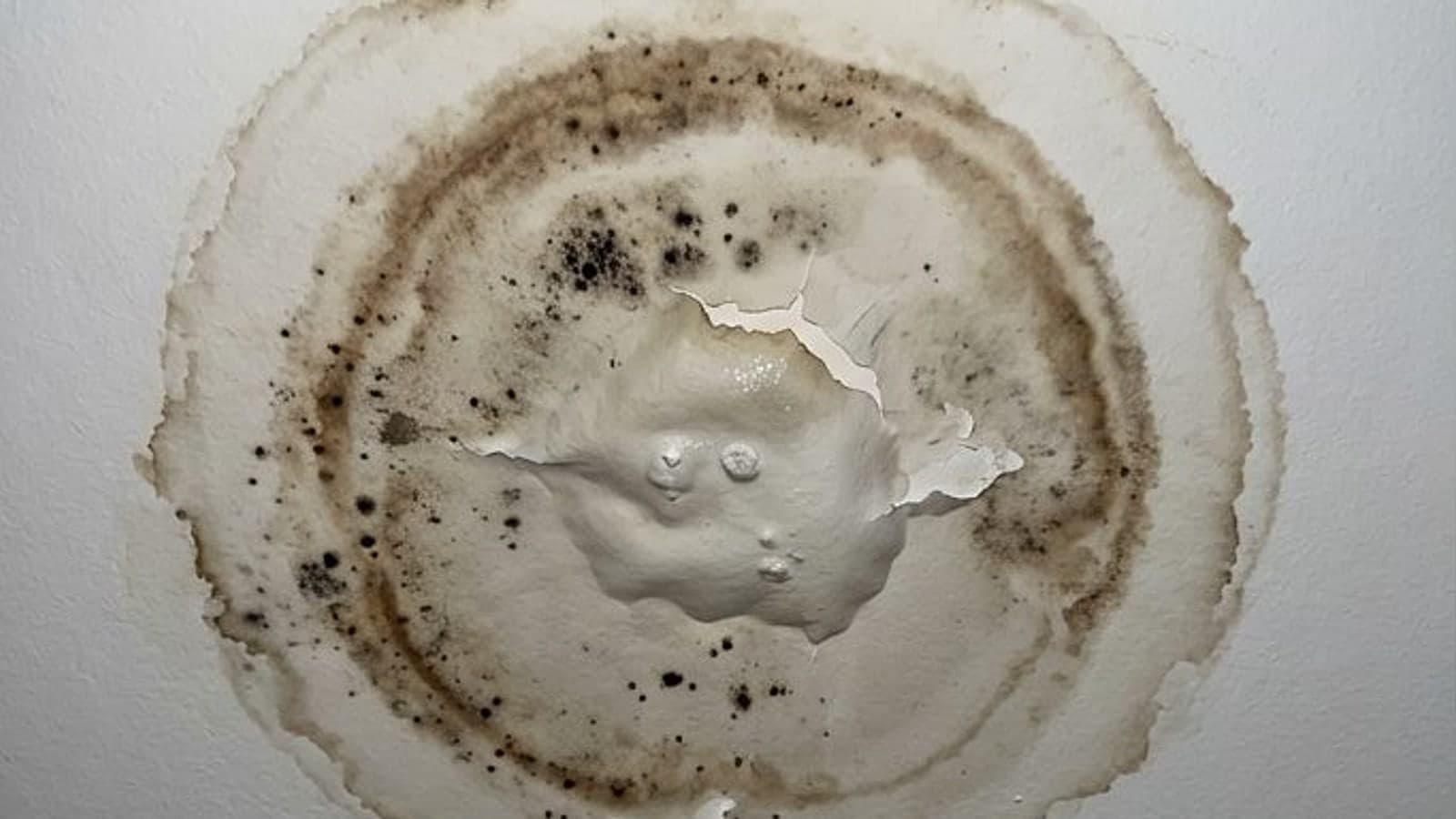
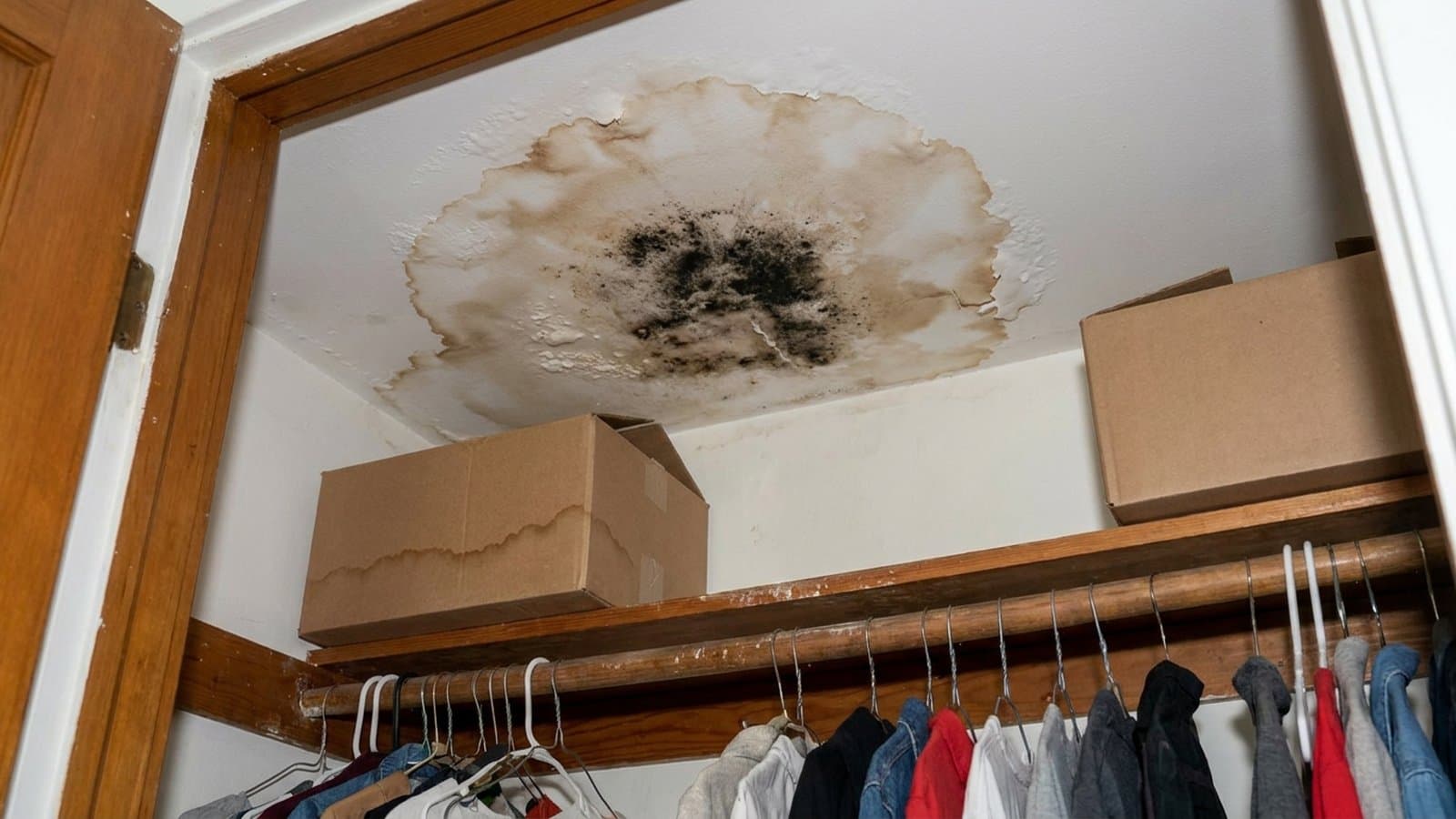
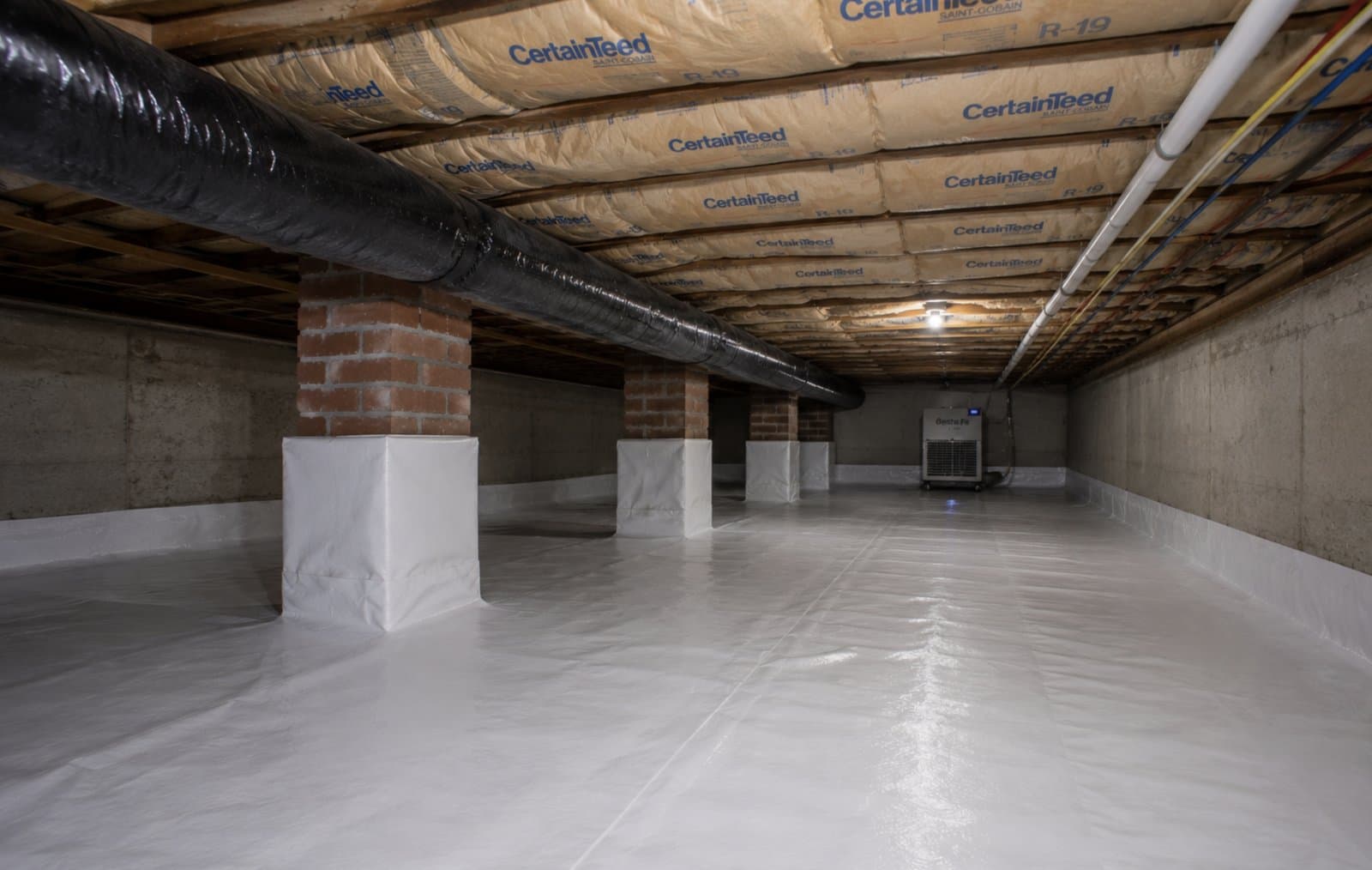
Mitigation is the emergency response: water extraction, structural drying, controlled demolition of unsalvageable materials, soot and smoke cleanup, mold containment and remediation, and antimicrobial treatment. Its job is to stop the loss from spreading and protect what can be saved. Mitigation is billed on its own line-item estimate, often as the first payment your carrier issues.
Reconstruction: The Rebuild Phase
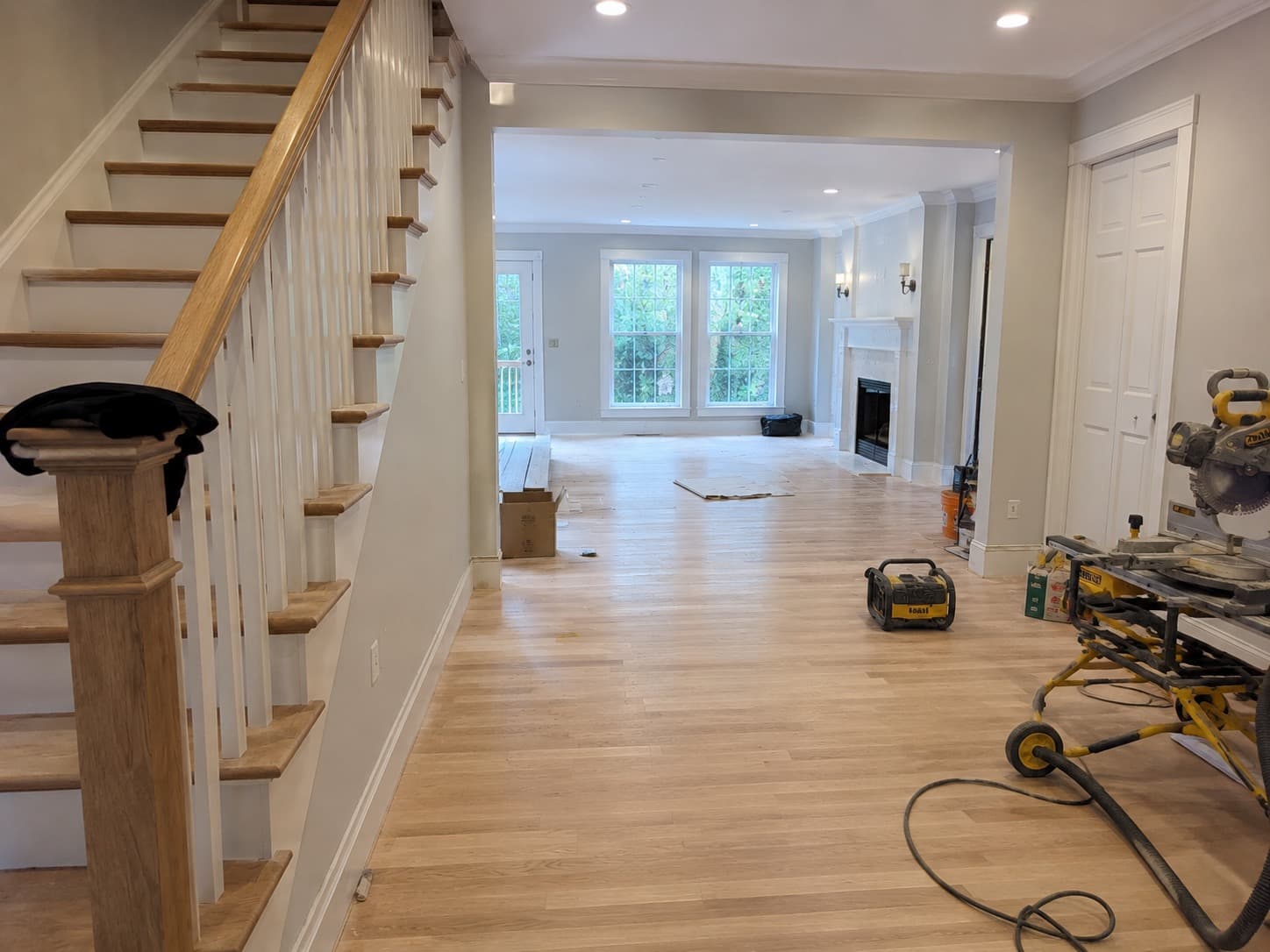
Reconstruction begins where mitigation ends. Once the structure is dry, clean, and cleared to IICRC standards, the rebuild restores everything that was removed or damaged: drywall, insulation, flooring, trim and baseboard, paint, cabinetry, doors, and fixtures. The goal is to return the property to its pre-loss condition.
Why Carriers Split the Claim
Carriers separate the two phases because they are priced and verified differently. Mitigation is time sensitive and measured in equipment days and labor hours, while reconstruction is measured in installed materials and finished square footage. Each phase gets its own scope of work, its own estimate, and often its own adjuster review.
What Reconstruction Actually Includes
The rebuild scope covers far more than drywall and paint. A complete reconstruction estimate restores every building component affected by the loss.
Structural and Surface Rebuild
Typical reconstruction line items include hanging and finishing new drywall, replacing insulation, installing subfloor and finished flooring, rebuilding trim, baseboard, and crown molding, priming and painting, and reinstalling cabinets, countertops, doors, and millwork. Hardwood floor refinishing and staircase rebuilds are common in older Connecticut and Westchester homes.
Matching and Continuity
Insurance owes a reasonable match of quality and finish. When damaged flooring, trim, or cabinetry cannot be matched to the undamaged areas, the reconstruction scope may extend repairs into adjoining rooms so the finished result is uniform. Matching disputes are one of the most common reasons a rebuild estimate gets supplemented.
Code Upgrades and Ordinance or Law
Many policies include Ordinance or Law coverage, which pays for code-required upgrades triggered during the rebuild, such as updated electrical, plumbing, or insulation that current building code now requires. These upgrades are easy to miss on a first estimate and frequently need to be added by supplement.
"The rebuild is where most of the claim money lives. A detailed, code-aware reconstruction scope is what turns a partial payout into a fully restored home."
How Insurance Prices Reconstruction with Xactimate
Almost every carrier in the country prices restoration reconstruction using Xactimate, the industry-standard estimating platform. Understanding how it works helps you read your own estimate.
Line-Item Scope of Work
Xactimate breaks the rebuild into individual line items, each with a unit price tied to current local labor and material costs in your ZIP code. A complete scope of work lists every task, from drywall hung per square foot to baseboard installed per linear foot, so nothing is left to guesswork.
Replacement Cost Value (RCV)
RCV is the full cost to rebuild with new materials of like kind and quality, with no deduction for age or wear. This is the number your reconstruction scope should be built on when you carry a replacement cost policy.
Actual Cash Value (ACV)
ACV is RCV minus depreciation. On the first reconstruction payment, many carriers release the ACV amount and hold back the depreciated portion until the work is verified complete.
The Reconstruction Estimate and Scope of Work
A strong reconstruction estimate is detailed, photo documented, and written in the same Xactimate format your adjuster uses. That alignment is what gets a rebuild approved without months of back and forth.
Building the Scope
We document the pre-loss condition, measure every affected room, and write a line-item Xactimate scope that mirrors the mitigation paperwork. Photographs, moisture logs, and material samples support each line so the adjuster can verify the rebuild without a second inspection.
Supplements
A supplement is an addition to the original estimate for work that was not visible or not included the first time, such as hidden subfloor damage found after demolition or a code upgrade discovered mid-rebuild. Supplements are a normal, expected part of reconstruction, not a sign that something went wrong.
Need Restoration Services?
60-minute response across CT, NY & MA. Licensed, insured, free inspections.
ACV, RCV, Depreciation, and Your Deductible
The money mechanics of a reconstruction claim confuse most homeowners. Here is how the dollars actually flow.
Recoverable Depreciation
When your policy is replacement cost, the depreciation withheld on the first payment is recoverable. Once the reconstruction is finished and documented, you submit the completed invoice and the carrier releases the held-back depreciation. Skipping this final step leaves real money unclaimed.
How Your Deductible Applies
Your deductible applies once to the claim, not once per phase. It is subtracted from the combined mitigation and reconstruction payout. Your deductible is between you and your insurer, and we work with your deductible, not around it.
When Depreciation Is Not Recoverable
If your policy is actual cash value rather than replacement cost, depreciation is not recoverable and comes out of your pocket as part of the rebuild budget. Knowing which policy you carry before reconstruction starts prevents budget surprises.
One Company From Mitigation to Rebuild
Hiring a single licensed restoration contractor to handle both the drying and the rebuild keeps your claim consistent and your timeline short.
Why Single-Vendor Matters
When the same team that documented the mitigation also writes the reconstruction scope, nothing falls through the cracks between phases. The moisture readings, demolition photos, and material lists carry straight into the rebuild estimate, which prevents the gaps that carriers question.
Licensed, Insured, and Code-Compliant
Reconstruction is licensed contracting work. Green Restoration carries Connecticut Home Improvement Contractor registration (HIC.0702252 / HIC.0668405) and rebuilds to current code. We submit our scope of work and supporting documentation directly to your insurer. We are not licensed public adjusters and do not negotiate claims on your behalf.
Common Reconstruction Claim Pitfalls
Most underpaid rebuilds share the same handful of problems. Knowing them in advance protects your payout.
Underpaid or Incomplete Scope
First estimates often miss line items: detach and reset of fixtures, full-wall paint rather than patches, or matching into adjoining rooms. A line-by-line review against the mitigation scope catches these before the rebuild starts.
Missed Code Upgrades
Ordinance or Law items are frequently left off until an inspector flags them. Identifying code-driven upgrades early keeps the project on schedule and on budget.
Leaving Depreciation Unclaimed
On replacement cost policies, the held-back depreciation is only released after the work is documented as complete. Many homeowners never file the completion paperwork and forfeit it. A contractor who closes the claim properly recovers it.