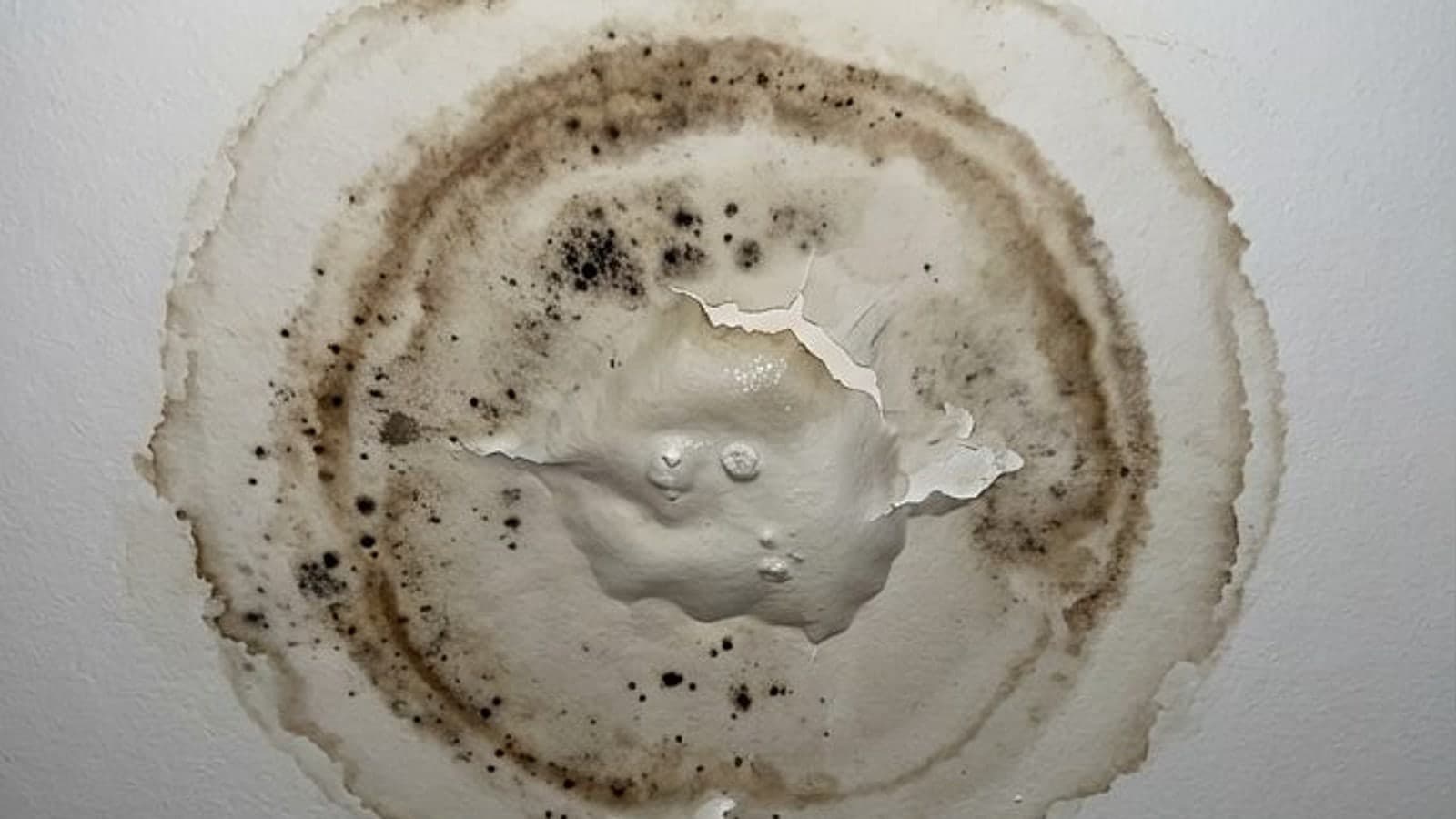
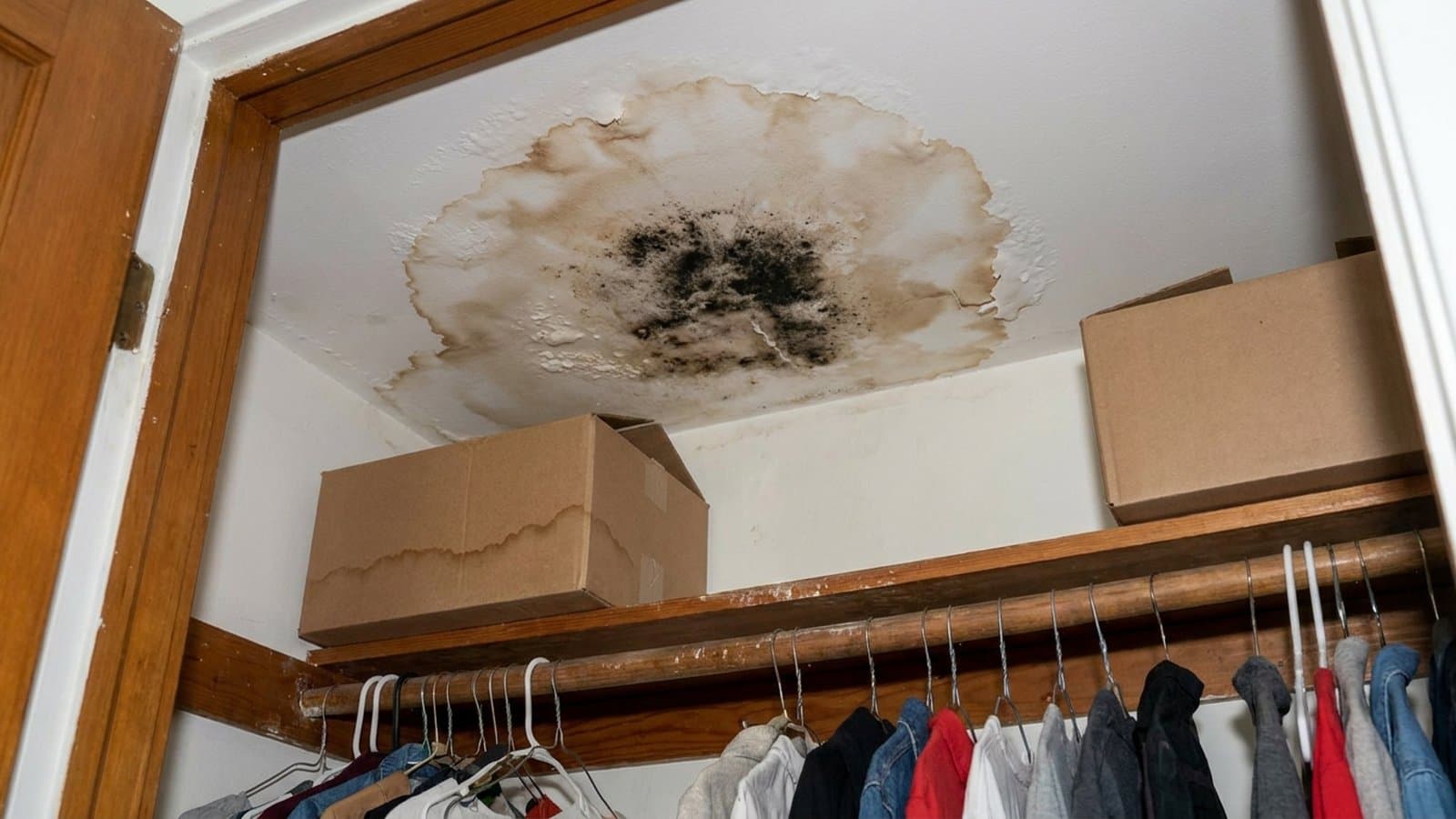
Renting changes the mold question in one specific way. In a house, finding the water and fixing it are the same decision. In an apartment the growth is on your side of the wall and the cause is almost always on the other side of it, in a riser, a roof, a shared bath stack, or the unit above yours. That single split explains why tenant mold reports so often stall.
It also explains why the useful move is documentation rather than argument. Neither Connecticut nor New York sets a numerical limit for mold in indoor air, and the Connecticut Department of Public Health says plainly that there are no state or federal standards for airborne mold levels. So no lab report produces a number that says a unit failed. What produces action is a clear, dated record of a visible condition and a written notice that the landlord received it.
One line before anything else: nothing here is legal advice. Obligations, notice requirements, and remedies turn on your lease and your municipality, and a housing attorney or your local health department is the right place for a decision about your unit. What this guide can do is tell you what the published rules actually say, what to record, and what a competent remediation scope looks like when it arrives.
Who Is Responsible For Mold In A Rented Apartment?
The answer usually follows the water, and in a multi-unit building the water is nearly always a building system rather than a tenant behavior.
The Split That Frames Most Cases
Building systems belong to the owner: roofs, exterior walls, windows, plumbing risers, shared waste stacks, and the ventilation serving the unit. Housekeeping belongs to the occupant: running the bath fan, not blocking vents, reporting a leak promptly. Growth traced to a roof leak, a failed riser, or the unit above generally points to the owner side of that line, though the lease and the facts control in any specific case.
Why Condition Matters More Than Species
Tenants often want a lab result naming the mold. It rarely changes anything. EPA does not recommend routine sampling to decide whether to clean, because the response is the same regardless of species, and no agency publishes an acceptable indoor level to test against. EPA notes mold exposure is associated with respiratory symptoms in sensitive individuals, and health questions belong with a physician rather than with a lab report.
What Does Connecticut Require Of Landlords?
Connecticut has no mold-specific landlord statute. It has a general duty to maintain rental premises in a fit and habitable condition, and a new contractor certification rule that takes effect October 1, 2026.
The Duty, In Plain Terms
Connecticut General Statutes section 47a-7 requires a landlord to comply with applicable building and housing codes materially affecting health and safety and to keep the premises in a fit and habitable condition, including maintaining the plumbing and the common areas. Mold is not named in the statute. The water intrusion, roof defect, or plumbing failure that produced it generally is the code condition at issue.
What The State Health Department Publishes
The Connecticut Department of Public Health issues guidance for residents on mold and moisture and states there are currently no state or federal standards for airborne mold levels. Its consistent recommendation is to find and correct the moisture source and remove the growth, rather than to test first. That guidance is the reference point most Connecticut municipal health departments work from.
A New Contractor Rule Arrives October 1, 2026
Public Act 26-100 changes the hiring side. As of October 1, 2026, any contractor holding itself out for residential mold remediation in Connecticut must attest to certification by the IICRC, NORMI, or another approved body on its Home Improvement Contractor registration, and every mold remediation job in the state must follow the ANSI IICRC S520 standard. Our guide to the new Connecticut mold law covers what it means for anyone hiring.
What Do New York State And New York City Require?
New York is the more prescriptive of the two states, and the rules split between a statewide licensing law and a New York City housing law.
Where a rental mold report goes, by jurisdiction, and what each office is actually responding to.
Connecticut town or city
- Who takes housing complaints
- Municipal health department, or the regional health district covering your town, often with the building official
- What the rule turns on
- Fit and habitable premises under Conn. Gen. Stat. 47a-7, plus local housing code
- What to have ready
- Dated photos, written notice to the landlord, and the date of the first report
New York City
- Who takes housing complaints
- HPD, reported through 311
- What the rule turns on
- Local Law 55 indoor allergen hazards, and the housing maintenance code
- What to have ready
- Photos, the notice you sent, and the square footage of the affected area
Westchester and the rest of New York State
- Who takes housing complaints
- City or town building and code enforcement, and the county or local health department
- What the rule turns on
- State multiple dwelling and property maintenance rules, with Article 32 governing who may do the work
- What to have ready
- Photos, written notice, and the assessor report if one exists
Western Massachusetts
- Who takes housing complaints
- Local board of health
- What the rule turns on
- State Sanitary Code 105 CMR 410, which addresses dampness and weathertight conditions
- What to have ready
- Photos, written notice, and a record of the conditions in the unit
| Where you rent | Who takes housing complaints | What the rule turns on | What to have ready |
|---|---|---|---|
| Connecticut town or city | Municipal health department, or the regional health district covering your town, often with the building official | Fit and habitable premises under Conn. Gen. Stat. 47a-7, plus local housing code | Dated photos, written notice to the landlord, and the date of the first report |
| New York City | HPD, reported through 311 | Local Law 55 indoor allergen hazards, and the housing maintenance code | Photos, the notice you sent, and the square footage of the affected area |
| Westchester and the rest of New York State | City or town building and code enforcement, and the county or local health department | State multiple dwelling and property maintenance rules, with Article 32 governing who may do the work | Photos, written notice, and the assessor report if one exists |
| Western Massachusetts | Local board of health | State Sanitary Code 105 CMR 410, which addresses dampness and weathertight conditions | Photos, written notice, and a record of the conditions in the unit |
Article 32 Licensing, Statewide
New York State licenses mold assessors, mold remediation contractors, and mold abatement workers under Article 32 of the Labor Law, administered by the Department of Labor. The licensing rules apply to mold projects covering more than ten square feet, with exemptions that include a property owner working on their own property. The structural point is separation: the company that assesses a mold condition may not also remediate it on the same property, which removes the incentive to find more work than exists.
What That Means When You Hire In New York
Ask any contractor working a New York unit for its Article 32 license number and verify it through the New York State Department of Labor licensed mold contractor search tool, and expect the assessment and the remediation to come from two different companies. In Westchester and the rest of the state, mold assessment and mold remediation are performed by NYS-licensed Article 32 contractors. We help New York customers arrange that licensed team, the customer retains the licensed firms directly, and the project follows the scope written by the independent licensed assessor. Clearance always comes from the assessor rather than the remediation firm, because New York bars a licensee from performing both the assessment and the remediation on the same property.
New York City Adds Local Law 55
In New York City the Asthma-Free Housing Act, Local Law 55 of 2018, requires owners of buildings with three or more apartments, and of homes where the owner knows a tenant has asthma, to inspect units for indoor allergen hazards including mold at least once a year and at turnover, to correct what they find, and to use safe work practices. In buildings with ten or more units, mold covering ten square feet or more must be assessed and remediated by separate NYS-licensed Article 32 professionals. Tenants report conditions through 311 to the Department of Housing Preservation and Development.
How Should A Tenant Document Mold In An Apartment?
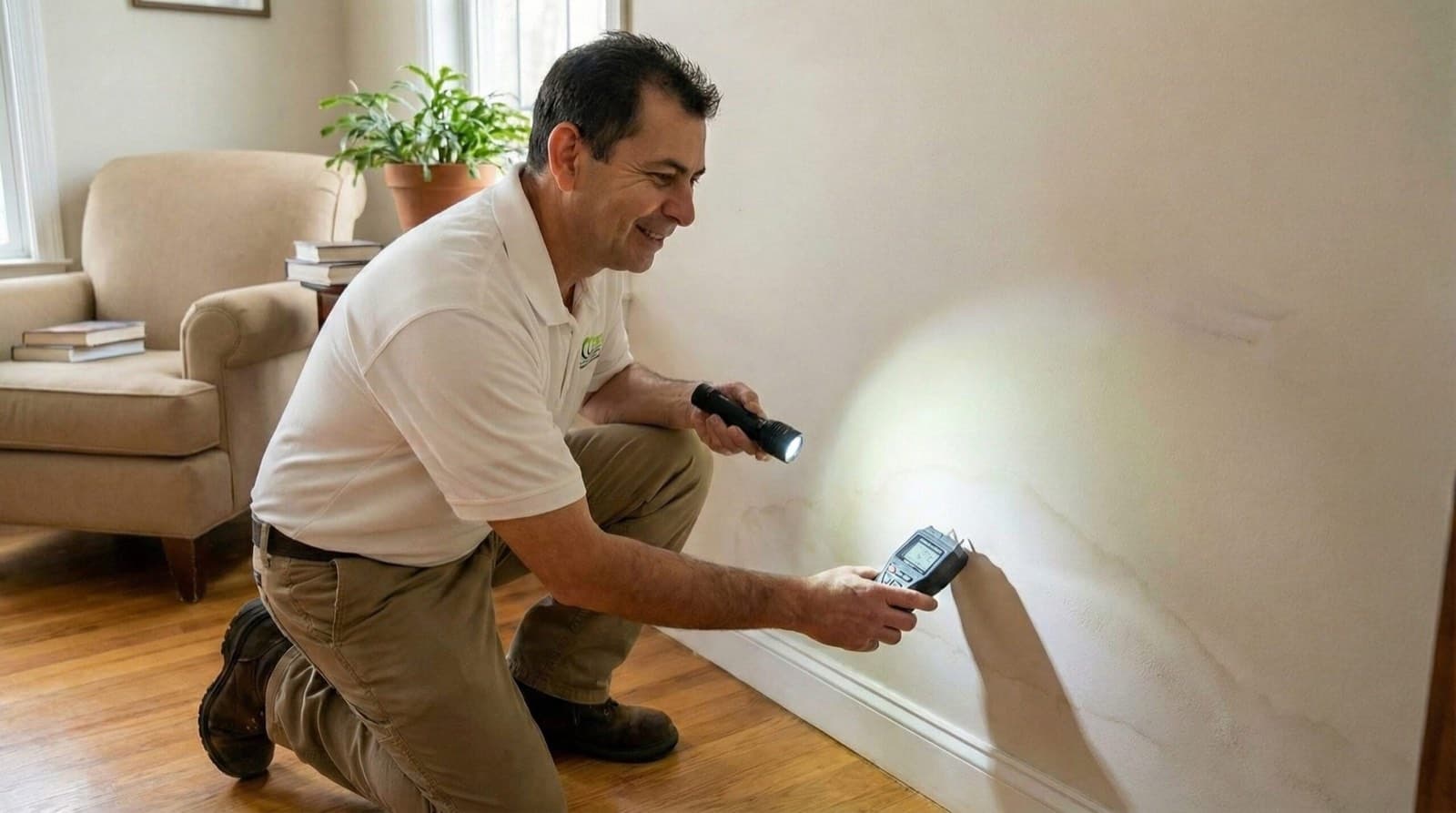
Do this before the first phone call. A complete record takes about twenty minutes and it is the difference between a repaint and an inspection of the assembly.
The tenant record that actually gets used, and what each item is for.
Location and extent
- How
- Wide, mid and close photos with an object for scale
- Why it matters
- Area drives the response, and in New York City it drives which procedures apply
Date first noticed
- How
- A dated note or the photo timestamp
- Why it matters
- Establishes how long the condition has existed before and after notice
Written notice and any reply
- How
- Email or text, kept in a single thread
- Why it matters
- Shows the report was received, which is the fact many disputes turn on
Moisture conditions
- How
- Hygrometer reading, a note on whether the surface is cool or damp
- Why it matters
- Separates a leak from a ventilation problem, which changes who fixes what
| What to capture | How | Why it matters |
|---|---|---|
| Location and extent | Wide, mid and close photos with an object for scale | Area drives the response, and in New York City it drives which procedures apply |
| Date first noticed | A dated note or the photo timestamp | Establishes how long the condition has existed before and after notice |
| Written notice and any reply | Email or text, kept in a single thread | Shows the report was received, which is the fact many disputes turn on |
| Moisture conditions | Hygrometer reading, a note on whether the surface is cool or damp | Separates a leak from a ventilation problem, which changes who fixes what |
Photograph It Properly
Take one wide shot that locates the wall, then a mid shot, then a close shot. Put something for scale in the mid shot, a ruler or a sheet of paper, so the area can be estimated later. Photograph the ceiling above, the floor below, and any window or pipe near the growth.
Put The Notice In Writing
Email creates a timestamp, a text message creates a timestamp, and a letter sent with tracking creates a receipt. Describe the location, the approximate area, the date you first noticed it, and any water event you know of. Keep the tone factual. Ask for the moisture source to be identified. Keep a copy of everything you send and everything you receive.
What Should Happen When A Remediation Company Arrives?
Whether the landlord hires them or you do, competent work looks the same and it is easy to check from the doorway.
They Look For Water Before They Look At Mold
A real assessment starts with a moisture meter and a thermal scan of the surrounding surfaces, not with a quote for cleaning. In a multi-unit building it should include the assembly the unit shares with its neighbors, because a stain on your bedroom wall and a shower on the other side of it are usually the same problem. In Connecticut, our mold inspection and air testing works this way. In New York, that assessment comes from a NYS-licensed Article 32 mold assessor who is independent of the firm that performs the remediation.
The Scope Is Written Before Anything Is Torn Out
Under IICRC S520 the work area is isolated with sheeting and held under negative air pressure with HEPA filtration, porous material with rooted growth is removed rather than treated, and the space is dried to a documented standard before rebuild. That scope should exist on paper first, with photographs. Our mold remediation page describes the sequence as we perform it in Connecticut, and pages such as Stamford mold remediation cover the local scope. For Westchester, our White Plains page explains how a licensed Article 32 team is arranged.
What Renters Insurance Does And Does Not Reach
A renters policy covers your belongings, not the building, and mold coverage within it is usually narrow and tied to a sudden covered event rather than to a long-standing condition. Additional living expense provisions may apply if a unit becomes uninhabitable, subject to the policy. We document a loss with photographs, moisture readings, and a written scope and submit it directly to the insurer. We are not licensed public adjusters and do not negotiate claims on your behalf, and we do not advise on liability between a tenant and an owner.
While The Repair Is Being Arranged
Keep the affected area ventilated and do not disturb the growth, since dry brushing puts the highest concentration of spores into the room. Small hard-surface patches such as a bathroom ceiling are covered in our bathroom mold guide, and if the growth is pale rather than dark, our white mold guide covers identification. Where a leak from another unit is the source, that is water damage restoration work first.
Need Restoration Services?
60-minute response across CT, NY & MA. Licensed, insured, free inspections.
What If The Landlord Does Not Respond?
This is the point where the published routes matter more than anything a contractor can tell you, and where a housing attorney is genuinely the right call.
Keep Adding To The Record
A stalled report is still a report, and the record keeps working while nothing else does. Photograph the same locations on the same day each month, note any change in extent, and keep every reply in one thread.
The Escalation Route As Published
The route is the same in outline in every state this guide covers: written notice to the owner or managing agent, then a complaint to the office named in the table above, then an inspection that can produce an order to correct a code condition. What follows from a non-response is a legal question that depends on the lease and the jurisdiction, and it belongs with a housing attorney or a tenant advocacy service, not with us.
Questions Homeowners Ask
Is a landlord required to remove mold in Connecticut?+
Connecticut has no mold-specific landlord statute. Conn. Gen. Stat. 47a-7 requires landlords to comply with codes materially affecting health and safety and to keep premises fit and habitable, and the water intrusion or plumbing defect behind growth is generally the code condition at issue. Separately, as of October 1, 2026, Public Act 26-100 requires residential mold remediation contractors to hold IICRC or NORMI certification and follow the ANSI IICRC S520 standard. How the landlord duty applies to a specific unit is a question for a housing attorney or your local health department.
Does New York require a license to remediate mold in an apartment?+
Generally yes when you hire a contractor. Article 32 of the New York State Labor Law licenses mold assessors, remediation contractors, and abatement workers for mold projects covering more than ten square feet. Exemptions include a property owner working on their own property and certain building staff working on property their employer owns. Where licensed work applies, the company that performs the assessment may not also perform the remediation on the same property, so a compliant hired job involves two separate firms.
How do I report mold in a New York City apartment?+
Through 311, which routes housing complaints to the Department of Housing Preservation and Development. Local Law 55 of 2018 requires owners of buildings with three or more apartments to inspect for and correct indoor allergen hazards including mold, and in buildings with ten or more units, mold covering ten square feet or more must be handled by separate NYS-licensed Article 32 professionals.
Should I get an air test before reporting mold to my landlord?+
Usually not first. No state or federal standard sets an acceptable airborne mold level, so a result produces no pass or fail, and EPA does not recommend routine sampling to decide whether to clean. Dated photographs, a written notice, and a record of the moisture conditions do more. Testing is useful later, when extent or a dispute makes a third-party record valuable.
Who pays for mold remediation in a rental unit?+
It generally follows the source. Growth traced to a building system such as a roof, riser, or the unit above sits with the owner, while damage traced to occupant behavior can be argued the other way. Allocation between a tenant and an owner is a legal question governed by the lease and local law, and a housing attorney is the right place for it.
Can a tenant hire their own mold inspector?+
Yes, and an independent assessment is often what moves a stalled report, because it records moisture readings and affected materials in a form a housing inspector and an insurer both recognize. In New York the assessor must be licensed under Article 32 and must not be the company that later performs the work.
Does renters insurance cover mold in an apartment?+
A renters policy covers personal property rather than the building, and mold provisions within it are usually narrow and tied to a sudden covered event rather than a long-standing condition. Additional living expense terms may apply if a unit becomes uninhabitable. Coverage decisions belong to your carrier under your policy.
What should I avoid doing while waiting for a landlord repair?+
Do not dry brush, sand, or scrape growth, which releases the highest concentration of spores of anything in the process, and do not paint over it, which changes nothing underneath. Keep the area ventilated, keep using the exhaust fan, and keep adding dated photographs to the record you have already started.