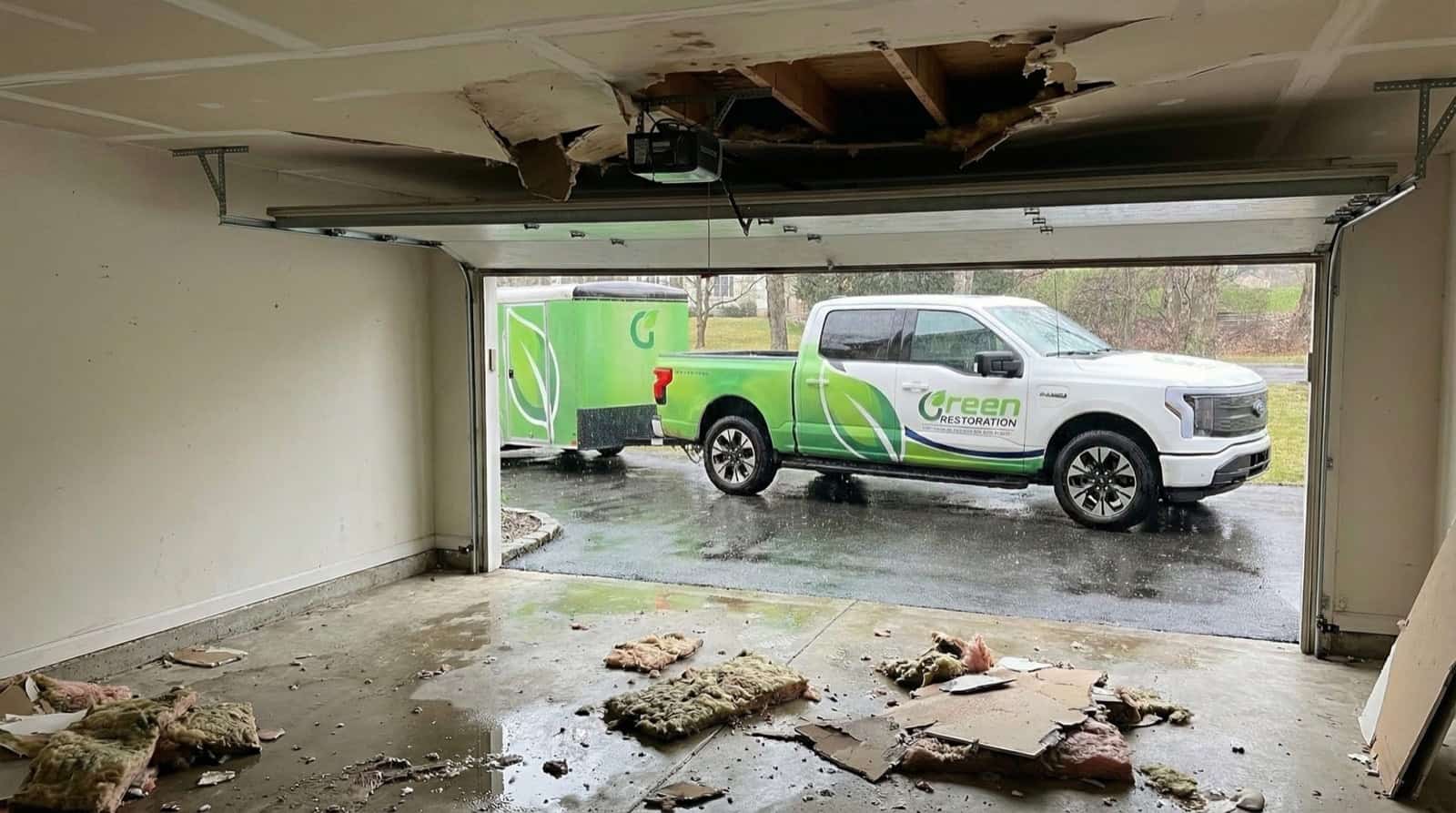
Water Damage Restoration In Georgetown, CT
IICRC-Certified Norwalk River Flood And Burst Pipe 60-Minute Response, Direct Insurance Billing, 24/7
 IICRC Certified
 Eco-Friendly Solutions For Healthier Spaces
Reviewed by Marvin Riveira·Licensed & Insured In CT·Owner-Operated
What Is IICRC S500 Water Damage Restoration?
Water damage restoration is the IICRC S500-2021 documented process of extracting standing water, classifying the loss by category (clean, gray, black) and class (1 through 4), then drying the structure to equilibrium moisture content within a defined psychrometric window using commercial LGR dehumidifiers, axial air movers, and Tramex meter verification across every previously affected substrate.
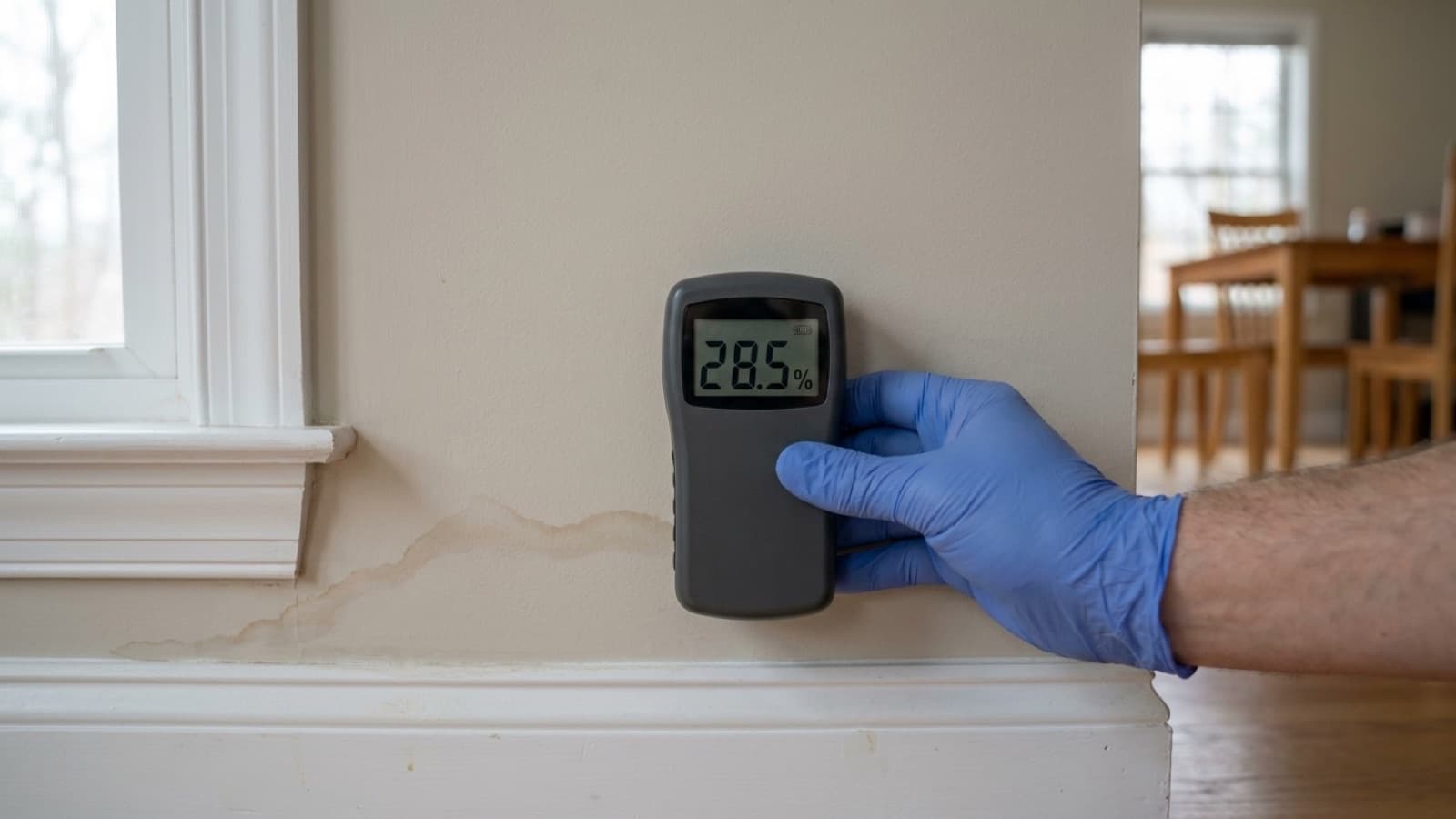
In Georgetown, CT, Green Restoration sequences the restoration: 60-minute dispatch, FLIR thermal imaging and Tramex CME 5 mapping, truck-mounted extraction, controlled drying to S500 § 12 benchmarks, antimicrobial application per S520-2024, and a carrier-ready scope file with daily moisture logs. Cutting steps drives mold colonization risk, claim denial risk, and reinjury rework within weeks.
- IICRC S500-2021 aligned
- ASTM E1745 vapor retarder spec
- ASHRAE 160 humidity targets
- Carrier-grade documentation
Why Georgetown Sits in Climate Zone 5A
IECC International Energy Conservation Code
IECC Climate Zone 5A across most of Connecticut. Coastal towns sit in Zone 5A while the inland NW Corner edges into Zone 6A.
Connecticut adopts the 2021 IECC under the State Building Code, requiring documented psychrometric drying logs and Class I or II vapor retarder per ASTM E1745 after Category 2 or Category 3 water restoration.
Conditions from the National Weather Service and Open-Meteo.
Georgetown Emergency Utility Lines
Stopping water at the source is step 1 of any water-damage scope. Use these verified Georgetown lines while our IICRC crew is en route.For life-threatening emergencies (active fire, gas odor, electrical shock), call 911 first.
Water Authority
Aquarion Water Co
(800) 732-9678
24/7 emergency. Request curb-stop shutoff if your main valve fails.
Source: aquarionwater.com
Gas Leak
Eversource Gas (Yankee Gas)
(877) 944-5325
If you smell gas, leave immediately, call 911 first, then this line from a safe location.
Source: eversource.com
Electric Emergency
Eversource Electric
(800) 286-2000
Submerged outlets or wet panel: cut breaker, then call to confirm service drop is safe.
Source: eversource.com
Police (Non-Emergency)
Georgetown Police
(203) 834-6260
Sewer-backup Cat-3 claims sometimes need a police report. Call dispatch.
Source: wiltonct.gov
Numbers verified against public utility and municipal sources. Green Restoration is not affiliated with these agencies. We provide these as a courtesy resource alongside our IICRC water-damage response.
Complete Water Damage Restoration
From emergency water extraction to structural drying and full reconstruction, we handle every type of water damage in Georgetown and Fairfield County.
Emergency Water Extraction
A Georgetown call gets truck-mounted Hydramaster extraction on site inside the hour. Standing water leaves before it can wick into subfloors and wall cavities, from Main Street to Old Mill Road.
Burst Pipe Cleanup
Frozen splits, supply-line failures, and angle-stop ruptures in Georgetown homes get rapid extraction, structural drying, and EPA-registered antimicrobial treatment per IICRC S500, with plaster-on-lath in pre-1955 homes handled with care.
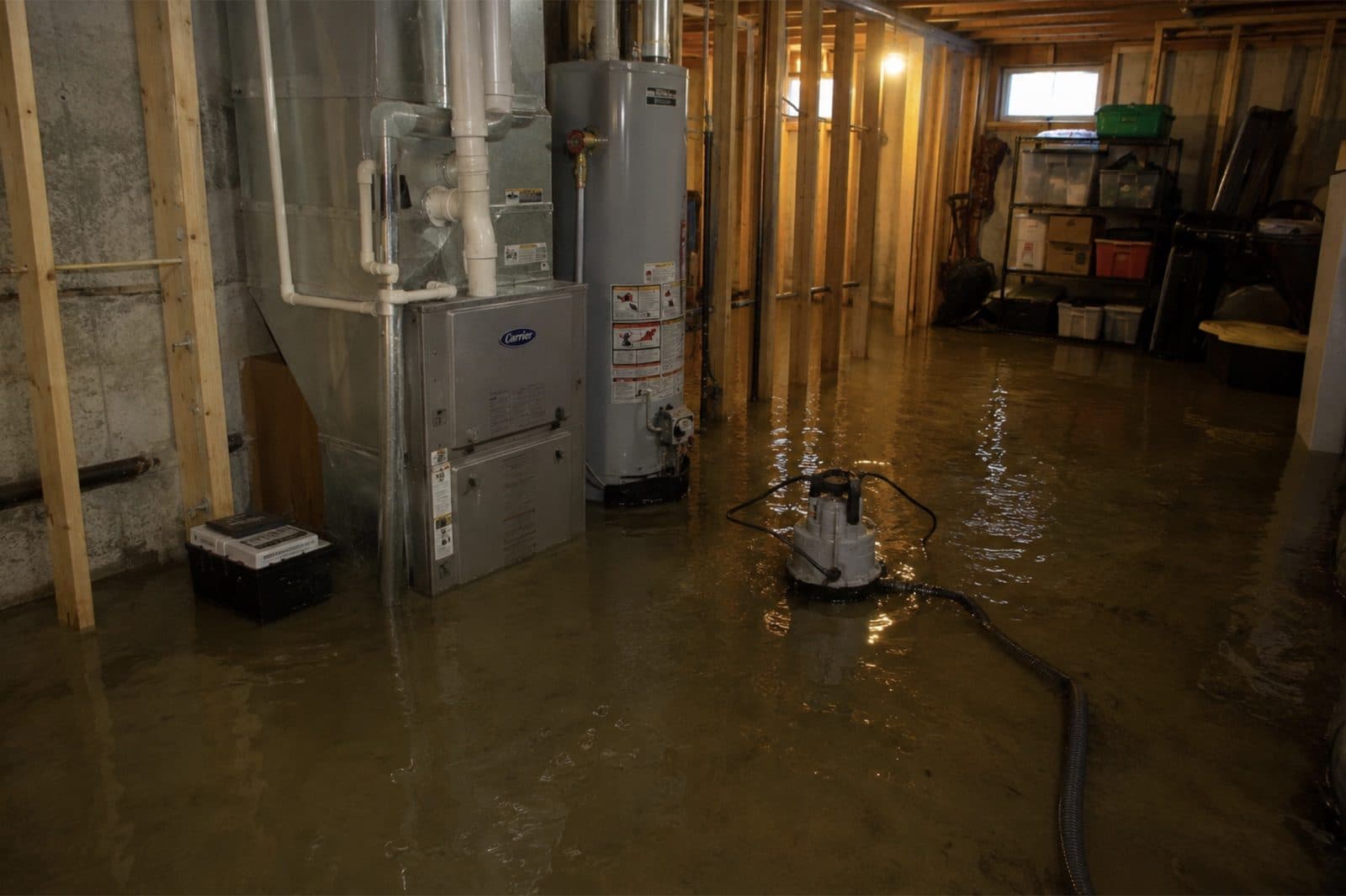
Flooded Basement Cleanup
A flooded basement in Main Street gets pumped, extracted, and LGR-dried on one visit, documented end to end for the claim.
Additional Water Damage Services
Storm & Flood Damage
Flood response in Georgetown is built for Fairfield County weather: fast extraction, staged drying, and an S500 scope your adjuster can approve on first read.
Sewage & Backwater Cleanup
Backups are handled as the Category 3 losses they are: containment first, then removal and antimicrobial treatment per S500, documented for the Georgetown claim.
Structural Drying & Dehumidification
Phoenix and LGR dehumidifiers staged on psychrometric calculations dry Georgetown framing, subfloors, and plaster cavities to verified moisture targets, not guesses.
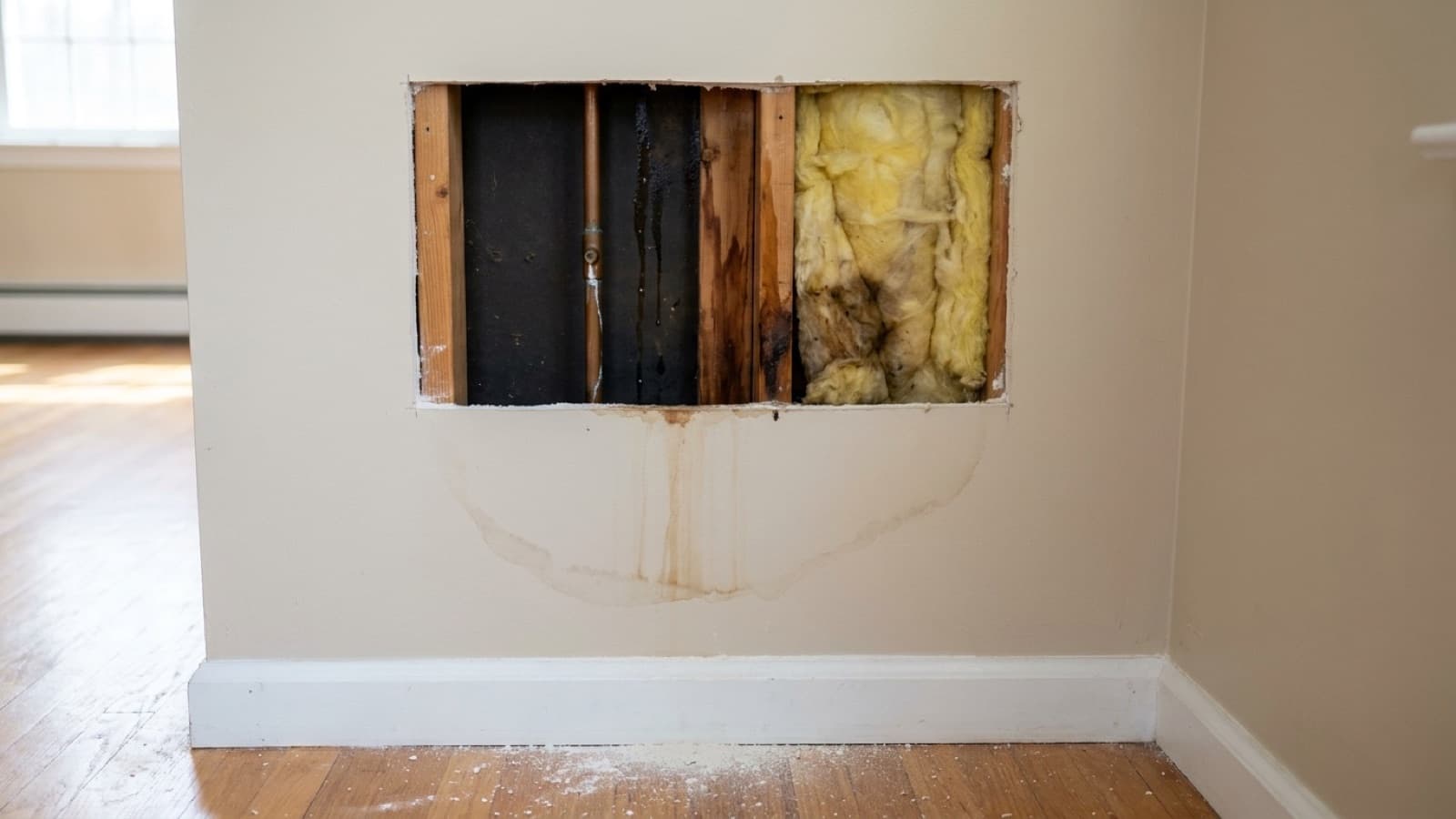
Ceiling, Wall & Floor Restoration
In Main Street and Old Mill Road homes the finishes are worth saving, so restoration leans on mat-drying and plaster preservation over demolition.
Mold Remediation (Post-Water)
When a Georgetown water loss sat too long, S520-aligned remediation follows: containment, source correction, antimicrobial treatment, and moisture documentation for the insurer.
Commercial Water Damage
Georgetown commercial losses get after-hours containment staging, tenant coordination, and documentation built for commercial policies, so business interruption stays short.
Appliance Leak Cleanup
A failed supply line behind a Georgetown refrigerator is small until it is not; mapping, drying, and documentation close it out properly.
Roof Leak & Storm Intrusion Cleanup
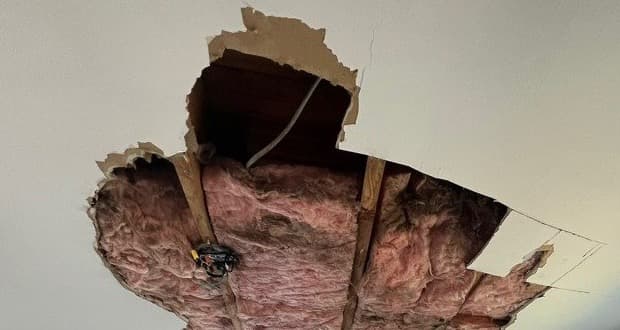
Roof intrusion over Old Mill Road means drying the cavity, preserving the ceiling where possible, and documenting the source for both the claim and the roofer.
Water Heater Failure Cleanup
Tank ruptures and T&P discharges flood Georgetown utility areas fast; submersible extraction, drying, and documentation run the same day.
Don't Wait For Water Damage To Get Worse. Every Minute Counts.
Call Now For Same Day Emergency Service Across Georgetown And Fairfield County.
Green Restoration of Fairfield County in Georgetown
Green Restoration of Fairfield County handles water damage restoration in Georgetown, CT, where work runs from Norwalk River floodplain Class 4 drying to historic mill-building masonry cavities that hold water long after the visible wet line dries. Owner-operated crews extract the water and dry the structure to IICRC S500 standards with documented moisture logs, under IICRC Certified Firm #70236106. Call (203) 674-9573.
Why Choose Us In Georgetown
Owner-led service with 60-minute response, direct insurance billing, and eco-friendly methods across Georgetown.
60-Minute Emergency Response
IICRC-certified crews arrive within 60 minutes, day or night, every day of the year.
Owner-Operated Local Crew
Every job is personally overseen, from first call to final moisture reading.
Direct Insurance Billing
We bill State Farm, Liberty Mutual, USAA, Farmers, AIG, Chubb, and Safeco directly.
EPA-Registered Antimicrobials
EPA-registered antimicrobials and Safer Choice cleaning products applied per IICRC S500 and S520 standards.
What Untreated Water Damage Costs Your Georgetown Property
Untreated water damage in a Georgetown home becomes mold colonization within 24 to 48 hours, hardwood cupping within 12 hours, and plaster delamination within 72 hours. A $4,500 same-day extraction can become a $25,000 plaster and finish-floor rebuild after 48 hours. The earlier we measure, the smaller the rebuild.
local river corridor Drainage Corridor
Primary Flood Risk Path
Georgetown water damage scope often centers on local river corridor drainage. Properties in the flood-mapped corridor require NFIP coverage in addition to standard homeowner policy. Documented historic high-water events along this corridor inform every scope.
Aging Plumbing And Supply Lines
Pre-1970 Galvanized Failures
Older Georgetown housing stock relies on original galvanized and early copper supply lines that are at or past their nominal service life. Exterior wall freeze events and corroded union failures are the most common emergency calls.
Sump Pump Failure During Storms
Float Switch And Battery Backup
Georgetown basements with sump systems flood fastest when the float switch fails during peak rainfall or power loss. A battery backup is the primary mitigation against noreaster-pattern flooding.
Plaster-On-Lath And Period Construction
Extended Drying Timelines
Pre-1955 Georgetown homes feature plaster-on-lath walls and original hardwood floors that extend drying timelines to 7 to 10 days versus 4 to 6 days for post-1965 drywall construction. Specialty plasterer coordination is built into every scope.
Ice Dam And Storm Intrusion
Roof Cavity Saturation Risk
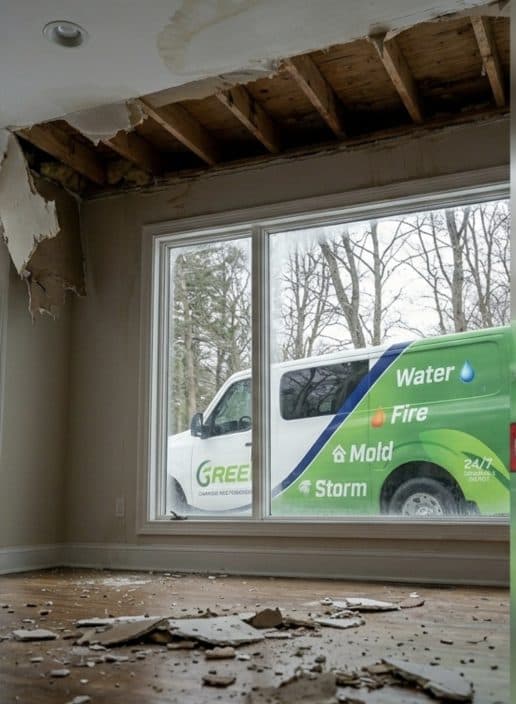
Snowtober and noreaster ice dams force meltwater under roofing material into attic assemblies and through original rafter joints into upper-floor ceilings. The full extent identified by FLIR is typically six to ten times the visible ceiling stain area.
Insurance Coverage Documentation
NFIP And Standard Policy Scope
We document the loss mechanism precisely from the initial inspection so your Chubb, PURE, AIG Private Client, State Farm, Travelers, Liberty Mutual, or Allstate adjuster can make an accurate coverage determination on the first review.
Why Georgetown Properties Need Professional Water Damage Restoration
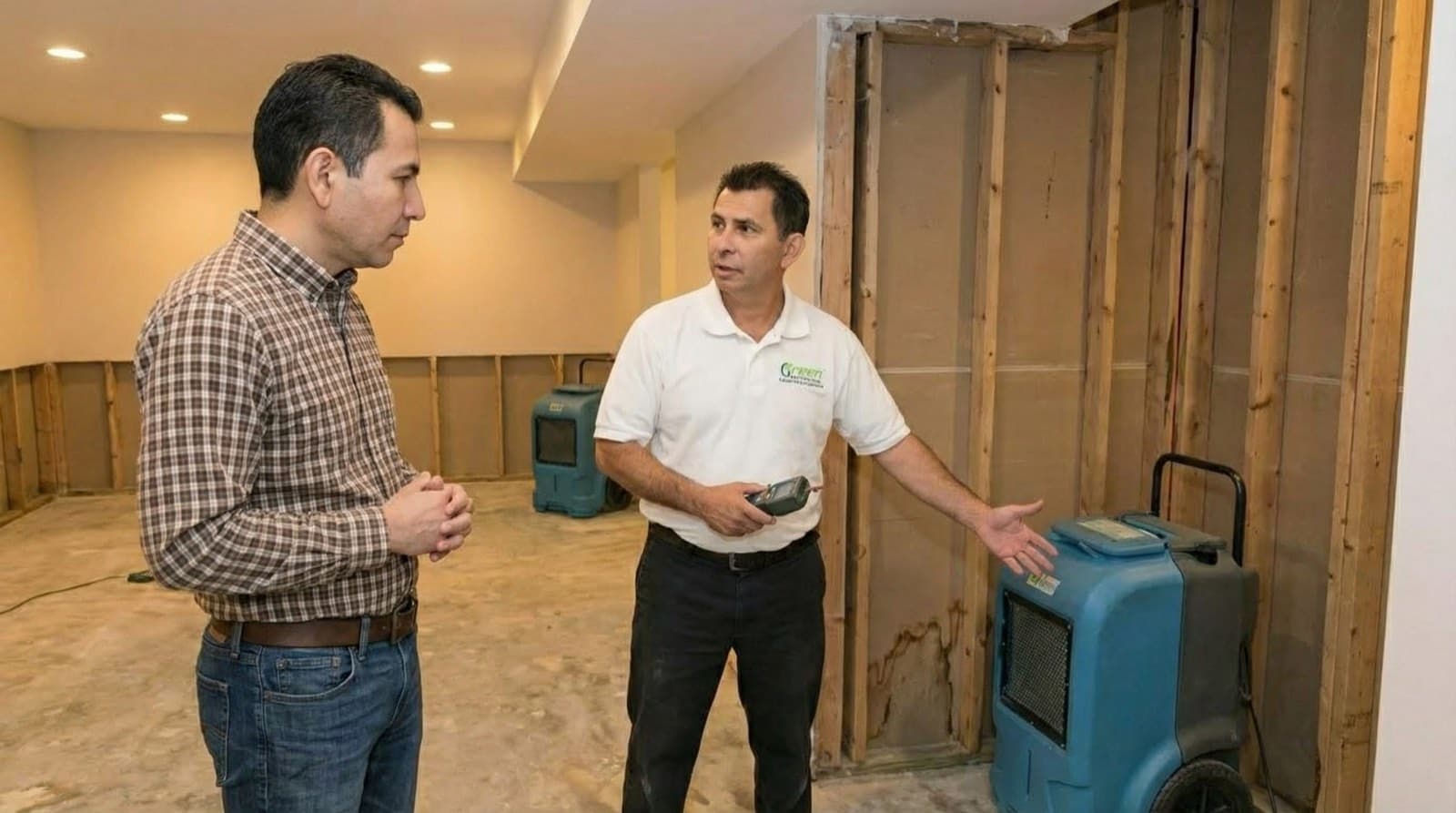
Professional water damage restoration in Georgetown means IICRC S500-2021 extraction, cavity drying with calibrated psychrometrics, and a carrier-ready scope file built for Chubb, PURE, AIG Private Client, State Farm, Travelers, Liberty Mutual, and Allstate. DIY drying with household fans accelerates mold growth in cavities common to Georgetown construction.
NFIP And Standard Policy Documentation
Georgetown properties near the flood-mapped corridor may qualify for NFIP coverage rather than standard homeowner policy. We document the loss mechanism precisely from the initial inspection so your adjuster can make an accurate coverage determination on first review.
Storm Response During Active Events
Sump-pump failures typically occur during the peak of a noreaster when response times are compressed. We maintain staging capacity across Georgetown and arrive during the active storm event rather than waiting for it to end, deploying submersible backup while managing extraction.
Period-Material Drying Protocols
Pre-1955 Georgetown homes with plaster-on-lath construction require estate-scale drying approach. We do not apply standard post-1980 drying protocols to a pre-1955 plaster-on-lath home. Cavity mapping, equipment staging, and drying-timeline justification are built into every scope.
Subfloor Saturation Detection
Slow appliance line failures behind kitchen cabinets often go undetected for days. By the time visible water appears at the baseboard, the subfloor sheathing has been saturated for an extended period. Our FLIR thermal inspection identifies the full extent on the initial visit.
The Water Damage We See Most in Georgetown
Georgetown sits along the Norwalk River, which runs through the old mill village and drives the floodplain along its banks, so we classify every loss under the IICRC S500 standard and document it for your insurer. These are the water-damage patterns we see most often around the village.
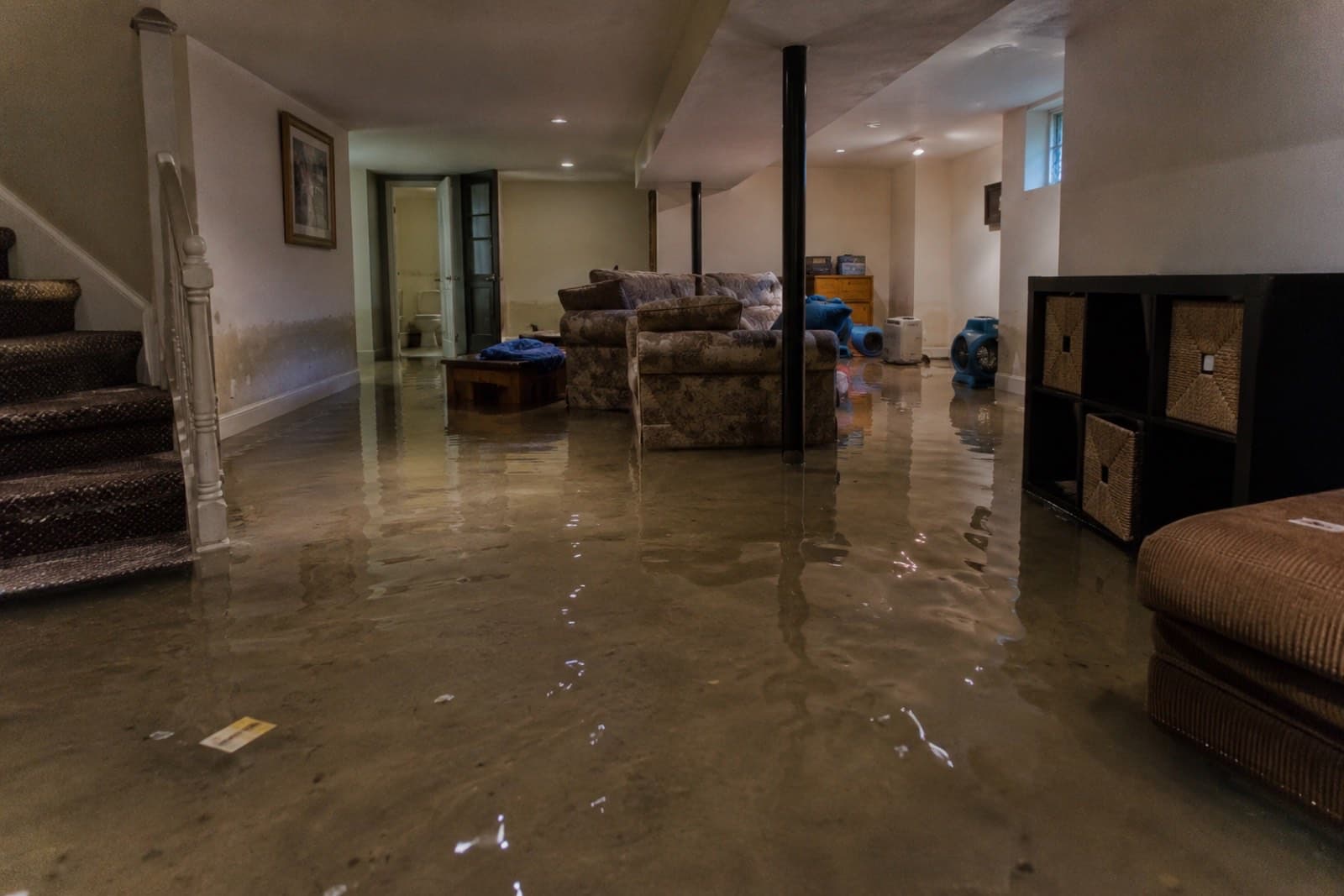
Flooded Basement, Fully Dried
In Georgetown, this usually traces to the Norwalk River floodplain.
A failed sump pump, a burst supply line, or storm-driven groundwater can leave inches of standing water sitting against framing, drywall, and stored belongings. The longer it sits, the further moisture wicks up the walls and the faster the Category of the water deteriorates.
Our IICRC-certified technicians classify the water under IICRC S500, then pull the standing water down to the slab with truck-mounted and submersible extraction. We open wet wall cavities, set air movers and LGR dehumidifiers for structural drying, and apply an antimicrobial per IICRC S520 where Category 2 or 3 water is involved.
We take daily Tramex moisture readings and dry the assembly to the ANSI/IICRC dry standard, not to a calendar. Every reading, photo, and scope line is documented for your insurer so the claim moves on facts, not guesswork.
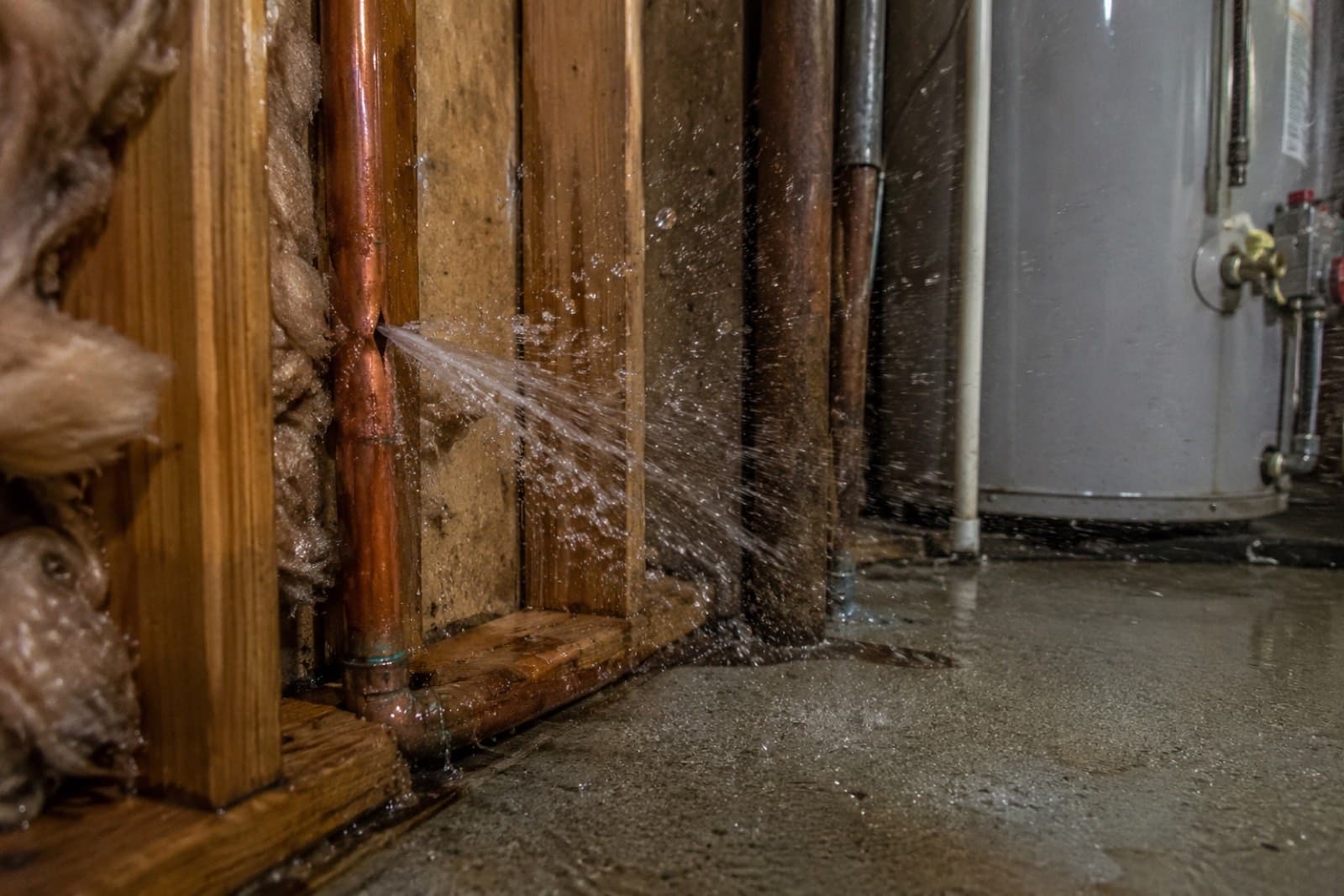
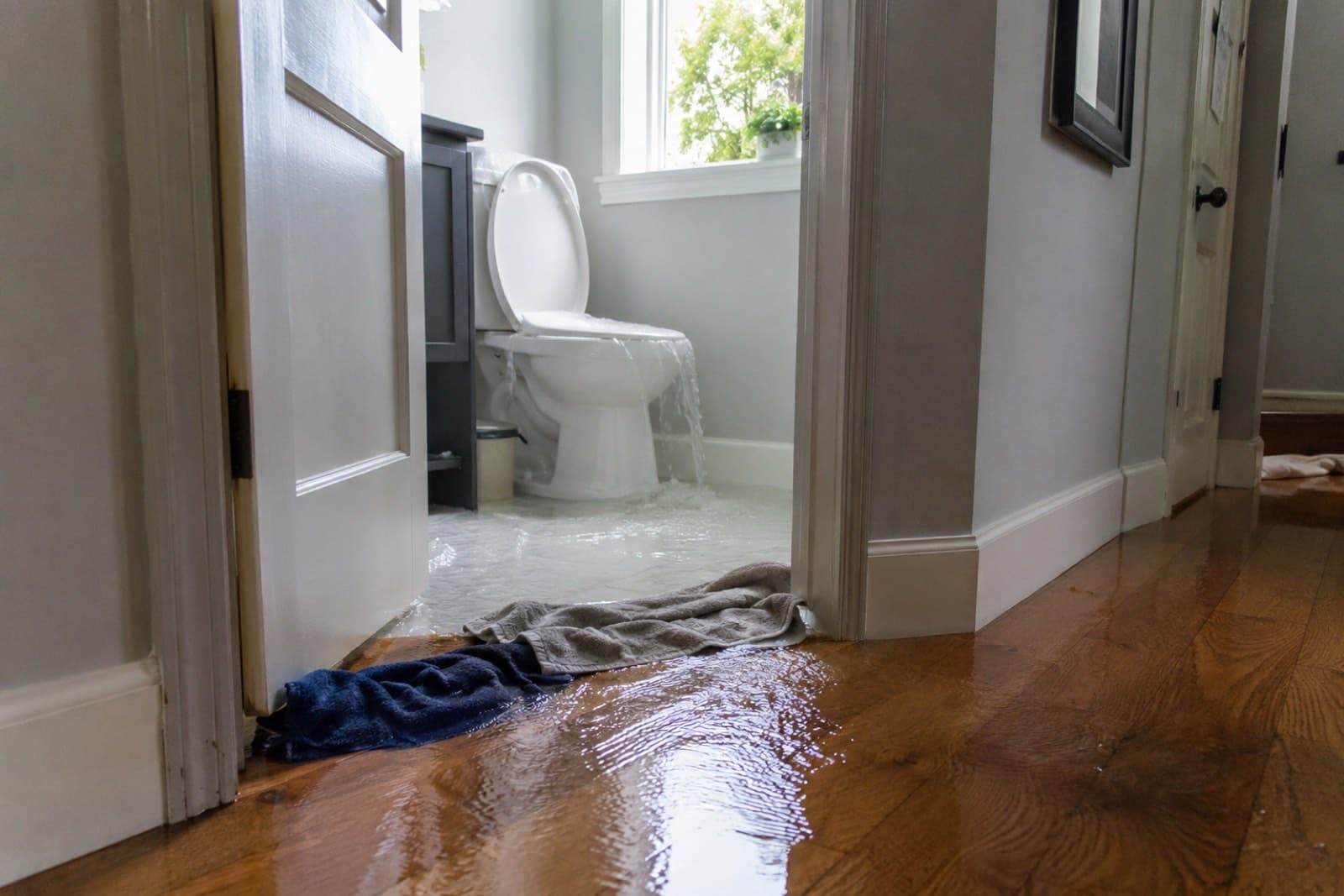
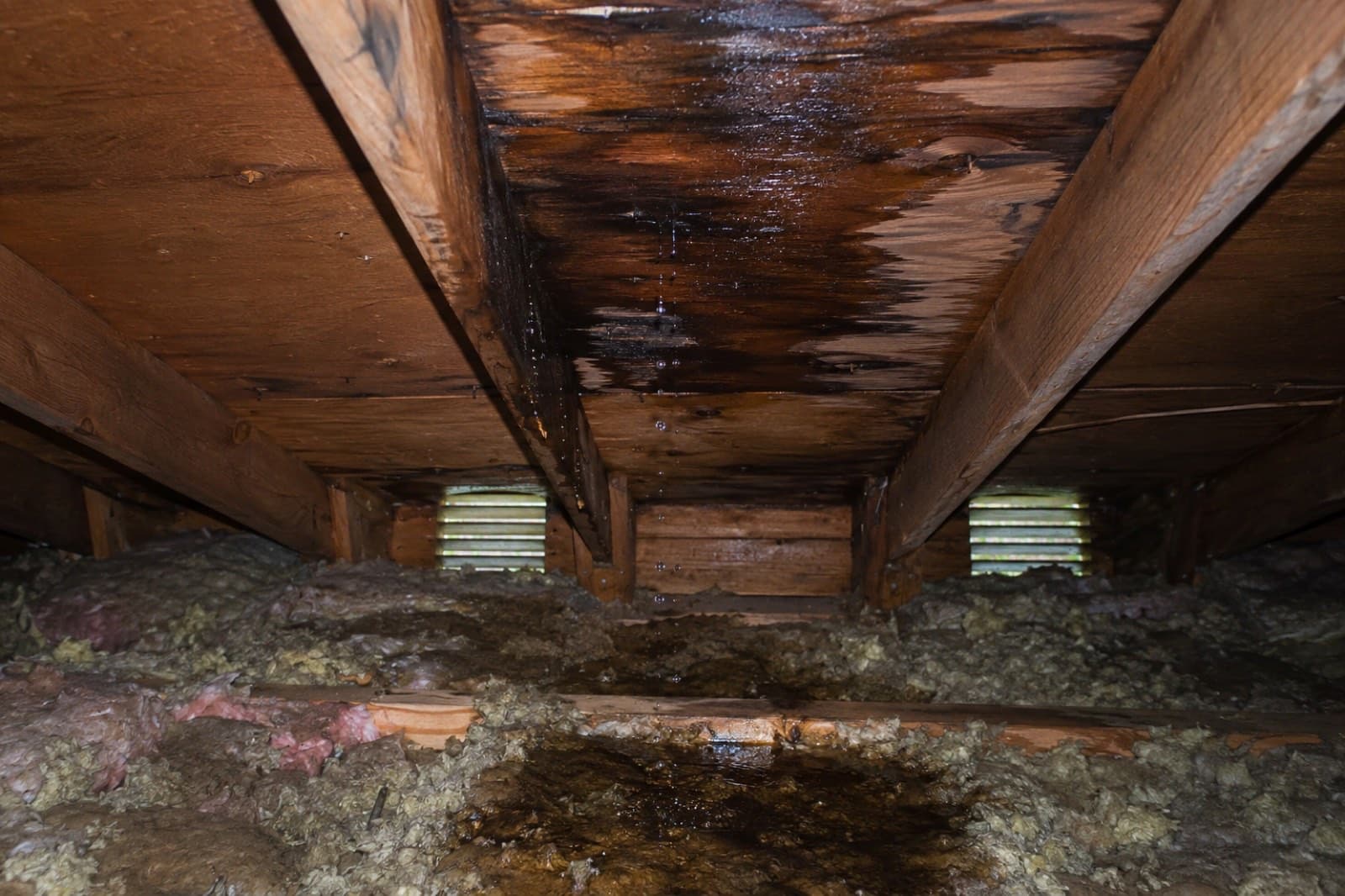
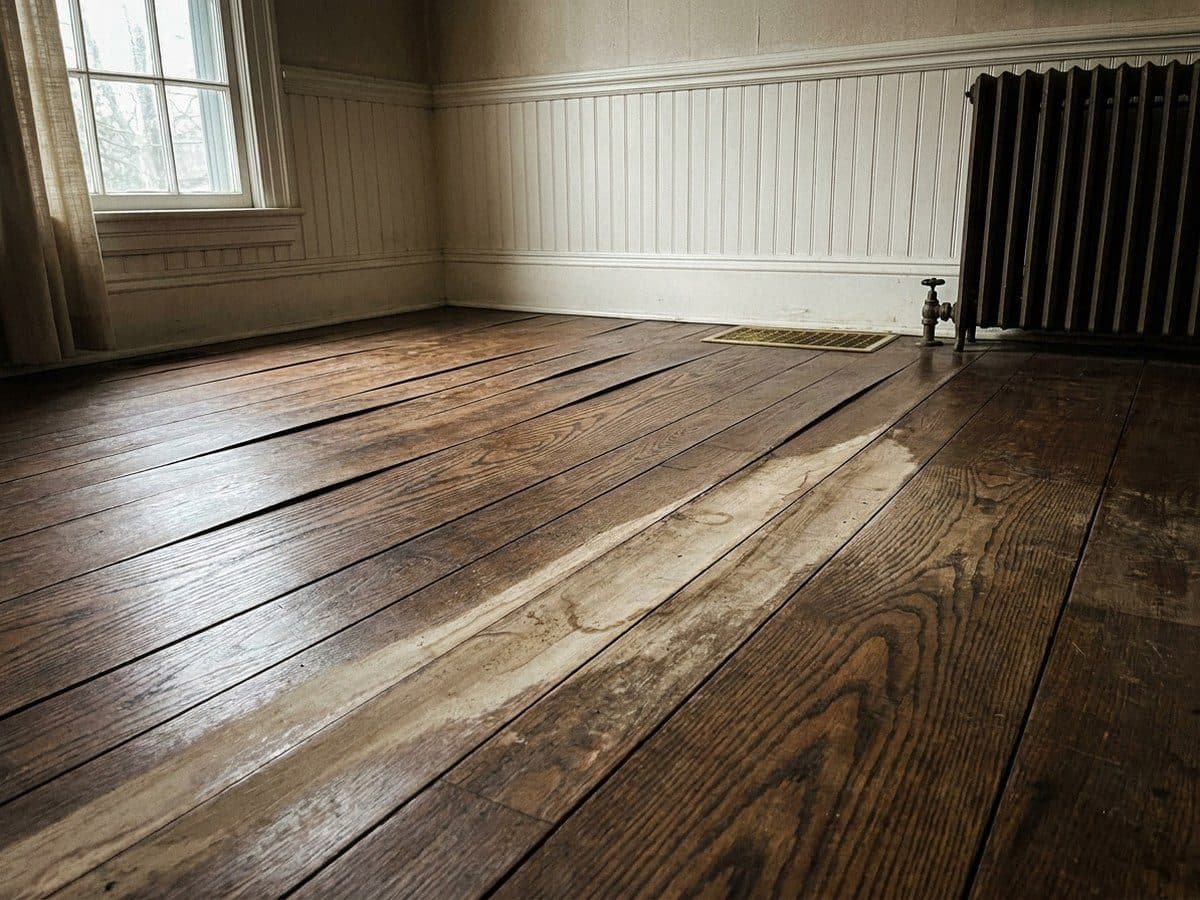
Scenario 1 of 5: Basement Flooding
What To Do After Water Damage In Georgetown, CT
Acting quickly after water damage can save thousands in restoration costs. Follow these steps while waiting for our IICRC-certified team to arrive within 60 minutes.
What To Do Immediately
Locate your main water valve and turn it off immediately. In older Georgetown homes, the shutoff is typically near the original supply riser in the basement or mechanical room.
Switch off breakers for any rooms with standing water before entering a Georgetown basement. Pre-1970 homes with knob-and-tube remnants create elevated electrical risk during water events.
Take timestamped photos and video of all visible damage from multiple angles before any cleanup begins. Your Chubb, PURE, State Farm, Travelers, Liberty Mutual, or Allstate adjuster will require this to process your claim.
Georgetown basements flood fastest when the sump pump float switch fails during peak rainfall. A battery backup gives 6 to 12 hours of protection during power outage.
Use acid-free buffering under wooden furniture on period hardwood floors. Move electronics, archived documents, and valuables to a dry upper floor before our crew arrives.
Contact our IICRC-certified team for professional water extraction. We respond to Georgetown addresses within 60 minutes, 24/7, with FLIR thermal imaging on every truck.
What NOT To Do
Improper airflow spreads contaminants and accelerates mold growth in wall cavities common to Georgetown construction. Wait for professionals with commercial HEPA filtration.
Standard vacuums are not designed for water. You risk electrocution and permanent motor damage. Only truck-mounted extractors safely remove water.
Opening the wrong panel destroys irreplaceable finishes while leaving saturated cavities intact in adjacent sections. Always FLIR-map the full moisture boundary first.
Cavity moisture from groundwater or supply-line events retains for 7 to 10 days after visible surface appears dry. Enclosing walls early causes chronic mold.
Mold colonization begins within 24 to 48 hours. Every hour of delay increases restoration costs and Category escalation risk.
Uncontrolled airflow in dense plaster cavities without proper psychrometric calculation traps moisture behind the finish and extends the mold-growth window.
Our Water Damage Restoration Process In Georgetown, CT
From the first call to final walkthrough, every step is documented, insured, and owner-supervised.
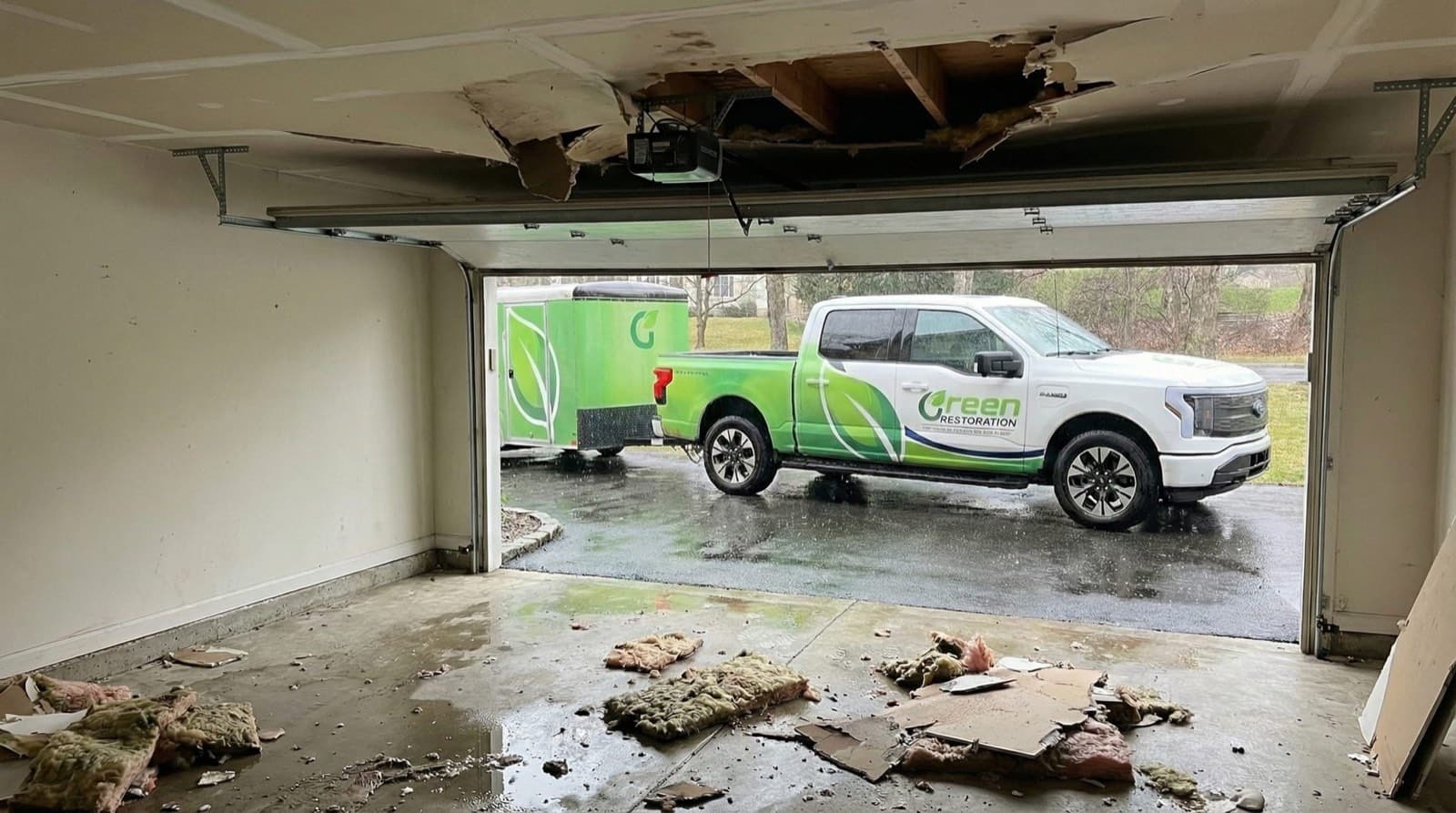
Water Damage Restoration Coverage In Georgetown, CT
Documented water damage restoration for Georgetown, CT (a village in Redding) along the Norwalk River corridor. Emergency water removal with hourly response 24/7. According to Green Restoration project records, floor assemblies and subfloor in Georgetown are monitored separately from wall cavities, because the two dry at different rates in Pre-1970 construction.
Green Restoration provides certified water damage restoration in Georgetown, CT (a Connecticut village within Redding, ZIP 06829), serving Main Street, Old Mill Road, Norwalk River Corridor, Georgetown Green, Wilton Road, Redding Road, Portland Avenue, Branchville Road, Mountain Road, and Cannondale Border from Stamford. With direct access via Route 7 and Route 107, our IICRC-certified technicians arrive within 60 minutes of your call. We handle Norwalk River corridor flooding, burst pipes, and historic mill-era plaster restoration.
According to Green Restoration field documentation, Georgetown losses tied to the local river corridor are scoped by water category before any equipment is placed, because the category decides containment and what material has to come out.
As a locally owned company based in Stamford, we know what Georgetown properties face: 1955 Gilbert and Bennett Factory Pond dam collapse legacy (9-foot wall of water, Kearn General Store washout), Norwalk River flood-mapped exposure, Class 4 historic masonry-and-timber mill structures, and Redding parent-municipality governance. Our crews provide IICRC-standard documentation that adjusters from Chubb, PURE Insurance, AIG Private Client, State Farm, Travelers, Liberty Mutual, and Allstate require. We are not licensed public adjusters and do not negotiate claims on your behalf.
See typical Georgetown water damage pricing in 60 seconds. Category 1 to 3.
Water Emergency In Georgetown?
Call now for immediate dispatch, 24/7/365.
(203) 674-9573IICRC Certified · Licensed & Insured · All Insurance Accepted
All Towns Served By Green Restoration Of Fairfield County From Stamford For Emergency Water Damage Restoration, Burst Pipe Cleanup, Storm Flood Response & 24/7 Dispatch Across Fairfield County, CT.
Why Georgetown Water Damage Is Different
Local drainage, housing stock, and foundation construction shape every restoration scope.
Free On-Site Assessment
Not sure what you are dealing with in Georgetown?
We establish the scope on site, before anything is quoted.
(203) 674-9573How Georgetown Geography Shapes A Restoration Scope
Georgetown water damage restoration is the rapid extraction, structural drying, and antimicrobial treatment of homes affected by Norwalk River floodplain Class 4 drying, historic mill-building masonry cavities, flood-mapped certificate-of-occupancy compliance. According to Green Restoration documentation records, cavity drying in Georgetown construction requires daily Tramex CME 5 readings until IICRC S500-2021 dry standard is confirmed at every monitoring point.
24/7 Water Damage Response In Georgetown, CT
Our certified restoration crew dispatches to Georgetown emergencies around the clock from Stamford. Most calls are on site within the hour.
Springdale, Glenbrook, and Newfield 1950s ranches share plaster-on-lath wall cavities that trap moisture against wood strips. We dry with commercial LGR dehumidifiers, document daily Tramex CME 5 readings, and salvage original plaster where possible.
Shippan Point, Cove Road, and Westover waterfronts share Long Island Sound storm-surge exposure. We pump, extract, sanitize, and dry fieldstone foundations, documenting Category 3 black-water mitigation per IICRC S500 protocol for your adjuster.
Our Stamford team dispatches across Fairfield County with Hydramaster CDS truck-mounted extractors, Phoenix Axial dehumidifiers, and submersible pumps for 60-minute emergency response.
We submit IICRC S500 documentation, daily moisture logs, photo evidence, and itemized estimates directly to State Farm, Travelers, Liberty Mutual, USAA, Allstate, and Chubb. We are not licensed public adjusters and do not negotiate claims on your behalf.
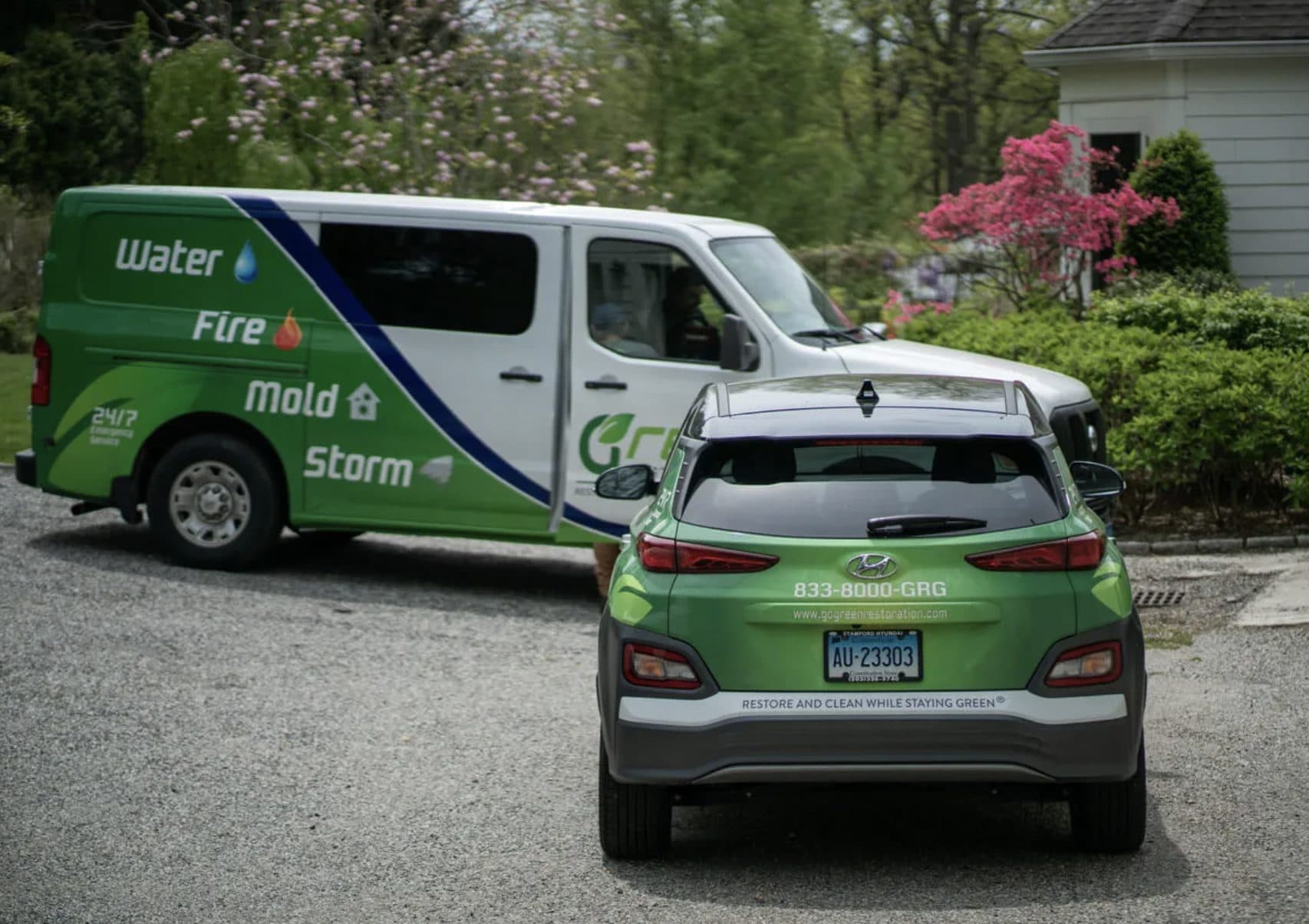
About Green Restoration In Georgetown, CT
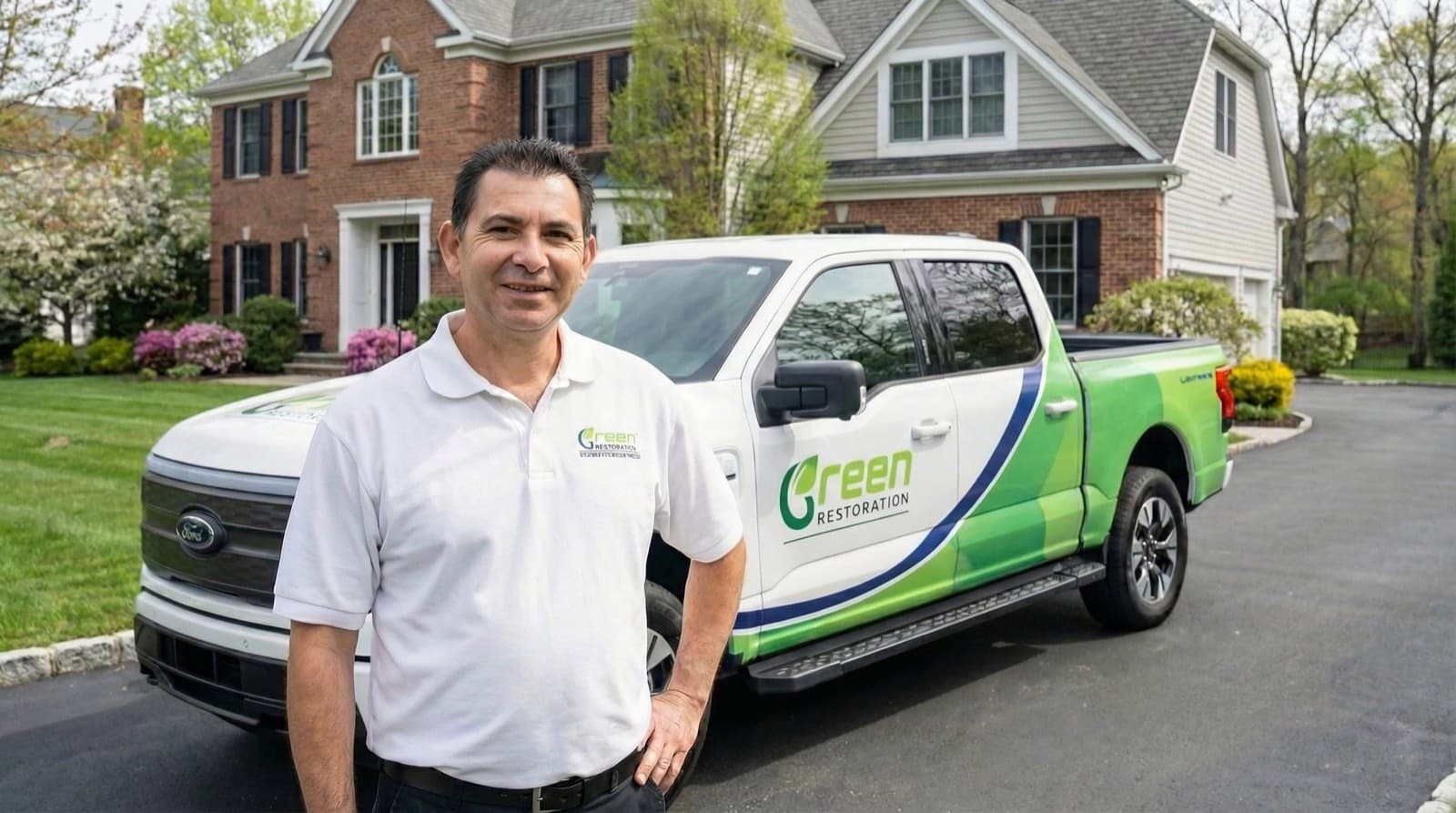
Your Georgetown Water Damage Specialists Since 2014
Green Restoration delivers IICRC-aligned water damage cleanup across Georgetown. Marvin is the local independent owner of a team with 35 combined years of restoration industry experience. According to Green Restoration documentation records, cavity drying in Georgetown construction requires daily Tramex CME 5 readings until IICRC S500-2021 dry standard is confirmed. We are not licensed public adjusters and do not negotiate claims on your behalf.

“As the local co-owner of a team with 35 combined years in restoration, I personally walk every Georgetown property before scope is signed. I measure cavity moisture, not just surface readings.”
Trusted by Families in Georgetown &
Fairfield County
4.9 out of 5, Rated by your neighbors on Google
We discovered mold when removing our pellet stove and called Green Restoration for help. David was very communicative and helpful throughout the entire process. He did the job thoroughly and professionally. Highly recommended!
David Woolner
Mold RemediationI had a fantastic experience with Green Restoration. From start to finish, the team was professional, thorough, and extremely knowledgeable. David came for the initial inspection and took the time to explain the entire process.
Annmarie Gieparda
Mold RemediationWe had mold due to a water leak in our half finished basement. David and his crew did a great job, we were very satisfied. I would highly recommend Green Restoration to anyone.
Tanya
Water DamageI needed my entire condo completely cleaned after a soot blow back. Green Restoration was top shelf! So thorough and professional. Thank you so much!
Jacki Hornish
Fire & Soot CleanupHow Much Does Water Damage Restoration Cost In Georgetown, CT?
Pricing depends on IICRC S500 water category. Most Georgetown mill-village riverfront claims settle in the Category 2 range of $2,500 to $8,500. See typical ranges below.
Category 1 · Clean Water
$1,500 to $4,500
Burst supply line, ice maker leak, appliance overflow, rainwater intrusion
Category 2 · Gray Water
$2,500 to $8,500
Washing machine, dishwasher, toilet overflow (no solids), aquarium
Category 3 · Black Water
$7,500 to $50,000+
Sewer backup, groundwater flooding, contaminated standing water
Priced by IICRC S500 water category. Read the full water damage cost guide.
Final cost depends on water category, affected square footage, drying duration, Norwalk River floodplain Class 4 drying, historic mill-building masonry cavities, floodplain certificate-of-occupancy compliance. Use the calculator above for a personalized Georgetown estimate.
Georgetown Water Damage Restoration FAQs
Clear, honest answers about emergency water removal, structural drying, insurance documentation, and restoration costs in Georgetown, CT.
Georgetown CT is a distinct community entirely separate from Georgetown DC and Georgetown SC. Georgetown CT is a census-designated place (CDP) within the Town of Redding in Fairfield County, Connecticut. It has its own ZIP code (06829), its own village character centered on the historic Georgetown Green and former Gilbert & Bennett wire mill complex, and its own USGS-mapped Norwalk River watershed. When calling Green Restoration for service, specifying Georgetown CT and your Redding township address ensures our crew maps correctly to the Norwalk River Road corridor rather than routing to a similarly named location in another state.
Georgetown sits at the confluence of two Norwalk River tributaries inside a narrow glacial valley, which funnels runoff from Redding's upland terrain into the village center faster than most towns its size would experience. That geography was catastrophic in August 1955: the Gilbert & Bennett Factory Pond dam failed and sent a documented 9-foot wall of water through the village, destroying the Kearn General Store and flooding every mill-era structure along the river corridor. Today, USGS stream gauges on the Norwalk River track that same watershed, and FEMA flood maps identify the floodplain parcels most at risk.
For a Category 1 clean-water pipe break in an uphill home, our crews typically resolve extraction and structural drying in 3 to 5 days. For a Category 2 or Category 3 event triggered by river overflow, where IICRC S500-2021 §5.3 contamination protocols apply, the remediation timeline extends to 7 to 14 days depending on building materials. Georgetown's converted mill lofts at Georgetown Green Mill present Class 4 drying challenges because the original 19th-century masonry retains moisture far longer than modern wood-frame construction.
On August 19, 1955, Hurricane Diane dropped unprecedented rainfall across Fairfield County. The dam holding Factory Pond behind the Gilbert & Bennett wire mill complex in Georgetown failed under the surge, releasing an estimated 9-foot wall of water through the village center. The Kearn General Store and adjacent mill structures were inundated within minutes. The event reshaped how Connecticut managed dam safety and flood zoning in the Norwalk River watershed. Today, Georgetown's remaining mill-era buildings, including the Georgetown Green Mill loft conversion, carry that structural legacy: stone and brick foundations that absorbed historic flood moisture and require Class 4 drying protocols when water intrusion occurs.
Georgetown Green Mill lofts present Class 4 drying conditions under IICRC S500-2021 §12 because the original 19th-century masonry, granite block foundations, brick perimeter walls, and concrete slab floors, has extremely low permeance. Standard LGR dehumidifiers achieve adequate drying in wood-frame construction in 3 to 5 days. In a masonry mill loft, the same scope typically requires 7 to 12 days, often supplemented by desiccant dehumidifiers capable of operating at lower vapor pressure differentials. Green Restoration uses real-time dataloggers to track grain-per-pound reduction in each affected room so your Chubb or PURE Insurance adjuster has objective documentation of drying progress rather than estimated timelines.
Standard homeowner policies (Chubb, PURE Insurance, AIG Private Client, State Farm, Travelers, Liberty Mutual, Allstate) cover sudden and accidental water damage from internal sources like burst pipes and appliance failures. They do not cover ground-level flooding from the Norwalk River or Factory Pond Brook overbank events. Flood coverage for the Georgetown parcels shown on the FEMA flood map requires a separate National Flood Insurance Program (NFIP) policy or an excess flood endorsement through a private carrier. Green Restoration works with both NFIP and private flood adjusters and documents our scope to match each policy's covered peril language.
The FEMA flood map designates Special Flood Hazard Areas with a 1% annual chance of flooding, commonly called the 100-year floodplain. In Georgetown CT, the parcels shown on the FEMA flood map run along the Norwalk River corridor from the Georgetown Green Mill site downstream toward Cannondale. Properties in a mapped Special Flood Hazard Area require flood insurance if they carry a federally backed mortgage, and they face Certificate of Occupancy requirements that affect how restoration work is permitted and documented.
Green Restoration's project managers are familiar with Georgetown's FEMA flood map parcel boundaries and can coordinate with your insurer and the Redding Building Department to ensure restoration work meets compliance requirements.
Yes. Georgetown CT is within Green Restoration's Fairfield County service territory, dispatched from Stamford. Our 60-minute response applies to Georgetown addresses, including properties along Norwalk River Road, Redding Road, and Georgetown Road. For after-hours emergencies, a sump failure at midnight or a pipe burst discovered on a Sunday morning, our 24/7 dispatch connects you directly to on-call crew. Call (203) 674-9573 at any hour. We carry IICRC-certified technicians on every response vehicle along with extraction equipment, air movers, and dehumidifiers sufficient to begin drying during the initial visit.
The Norwalk River originates in Ridgefield and flows south through Georgetown before continuing to Cannondale in Wilton and ultimately to Norwalk Harbor. Georgetown sits at the narrowest point of the valley, where the river channel is constricted by the historic mill district. Heavy rainfall in the Ridgefield uplands reaches Georgetown within 2 to 4 hours, meaning flash flood events can exceed USGS gauge thresholds before local residents have time to move belongings to higher floors. Green Restoration monitors USGS real-time stream data during active storm events and pre-positions crews when gauge readings indicate flooding is likely in the Georgetown village corridor.
More Green Restoration Services in Georgetown
The same local Green Restoration team covers all of these across Georgetown. One number for every emergency and every cleanup.

