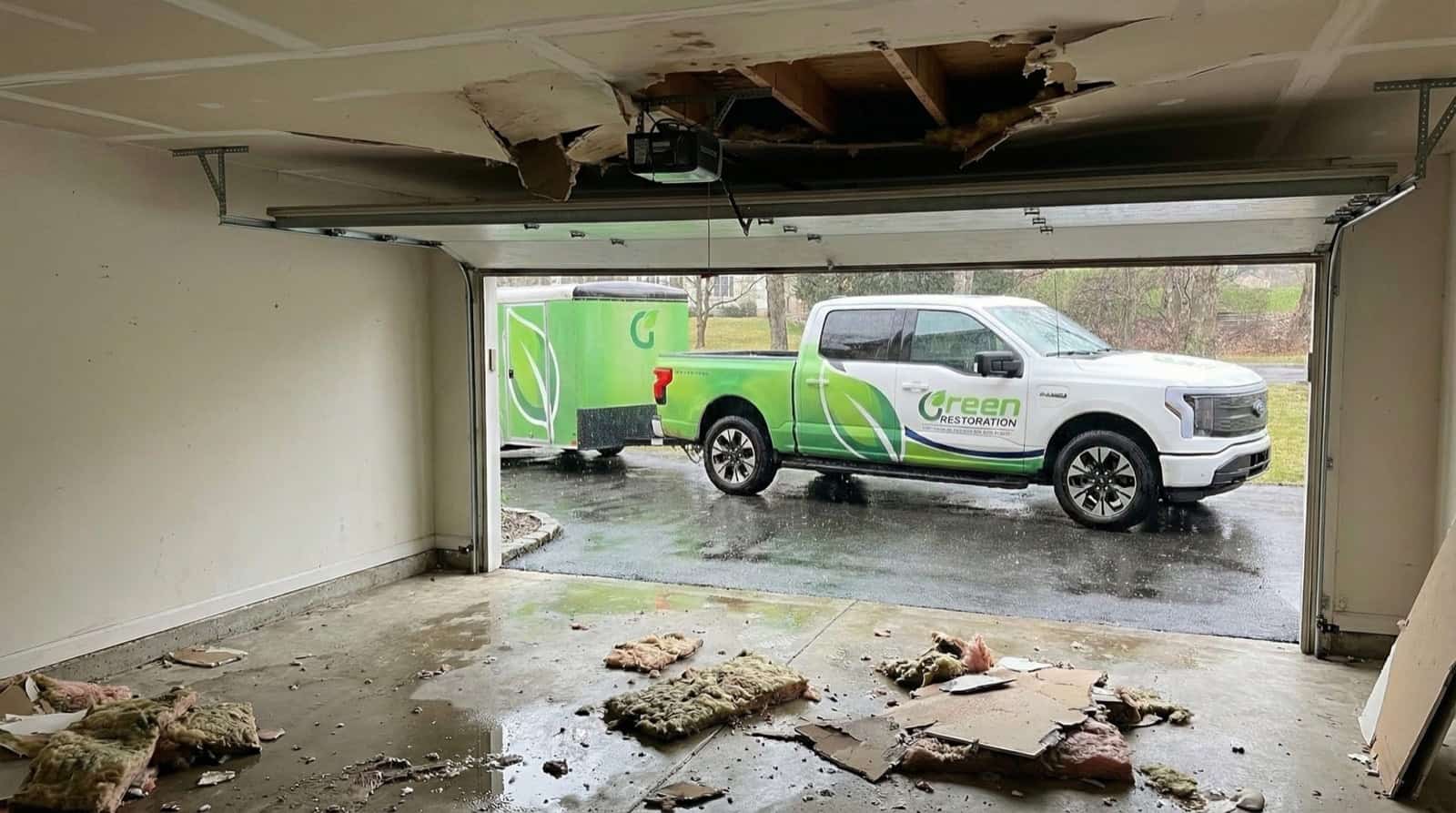
Water Damage Restoration In Staten Island, NY
Sandy Surge & Septic Cat-3 Cleanup Rapid Local Dispatch, Direct Insurance Billing, 24/7
 IICRC Certified
 Eco-Friendly Solutions For Healthier Spaces
Reviewed by Green Restoration's IICRC-Certified Team·Licensed & Insured·IICRC Certified Firm
What Is IICRC S500 Water Damage Restoration?
Water damage restoration is the IICRC S500-2021 documented process of extracting standing water, classifying the loss by category (clean, gray, black) and class (1 through 4), then drying the structure to equilibrium moisture content within a defined psychrometric window using commercial LGR dehumidifiers, axial air movers, and Tramex meter verification across every previously affected substrate.
In Staten Island, NY, Green Restoration sequences the restoration: 60-minute dispatch, FLIR thermal imaging and Tramex CME 5 mapping, truck-mounted extraction, controlled drying to S500 § 12 benchmarks, antimicrobial application per S520-2024, and a carrier-ready scope file with daily moisture logs. Cutting steps drives mold colonization risk, claim denial risk, and reinjury rework within weeks.
- IICRC S500-2021 aligned
- ASTM E1745 vapor retarder spec
- ASHRAE 160 humidity targets
- Carrier-grade documentation
Why Staten Island Sits in Climate Zone 4A
IECC International Energy Conservation Code
IECC Climate Zone 4A covers all five NYC boroughs. Slightly milder than upstate winters, with humid Atlantic summers and elevated coastal moisture from the East River, Long Island Sound, and Atlantic Ocean.
NYC adopted the 2020 NYCECC and 2022 NYC Building Code, requiring Class I or II vapor retarder per ASTM E1745 across basement and crawl space assemblies after Category 2 or Category 3 water restoration. NYC DOB filings coordinate as part of the scope on reconstruction.
Conditions from the National Weather Service and Open-Meteo.
Documented Water Damage Restoration For Staten Island Homes, Victorians, And New-Construction East Shore Properties
A 5-stage IICRC S500-2021 process: rapid local bridge dispatch, FLIR moisture mapping, truck-mounted extraction, psychrometric drying, and a carrier-ready scope file.
Emergency Water Extraction
Truck-mounted Hydramaster extractors staged for Staten Island emergency dispatch. We pull standing water from Tottenville oceanfront crawl spaces, St. George Victorian basements, and New Dorp post-war ranch slabs so framing and finishes have a fighting chance. Crews stage for storm response for Sandy-zone storm response.
Burst Pipe Cleanup
Frozen and burst pipes in 1880s-1920s St. George and Stapleton Victorians with original galvanized supply lines, post-war Dongan Hills ranch homes, and 1990s-2020s new-construction east shore properties in Annadale, Eltingville, and Huguenot. Rapid extraction, structural drying, and EPA-registered antimicrobial treatment per IICRC S500. Direct billing to State Farm, Travelers, Allstate, Liberty Mutual, and Chubb.
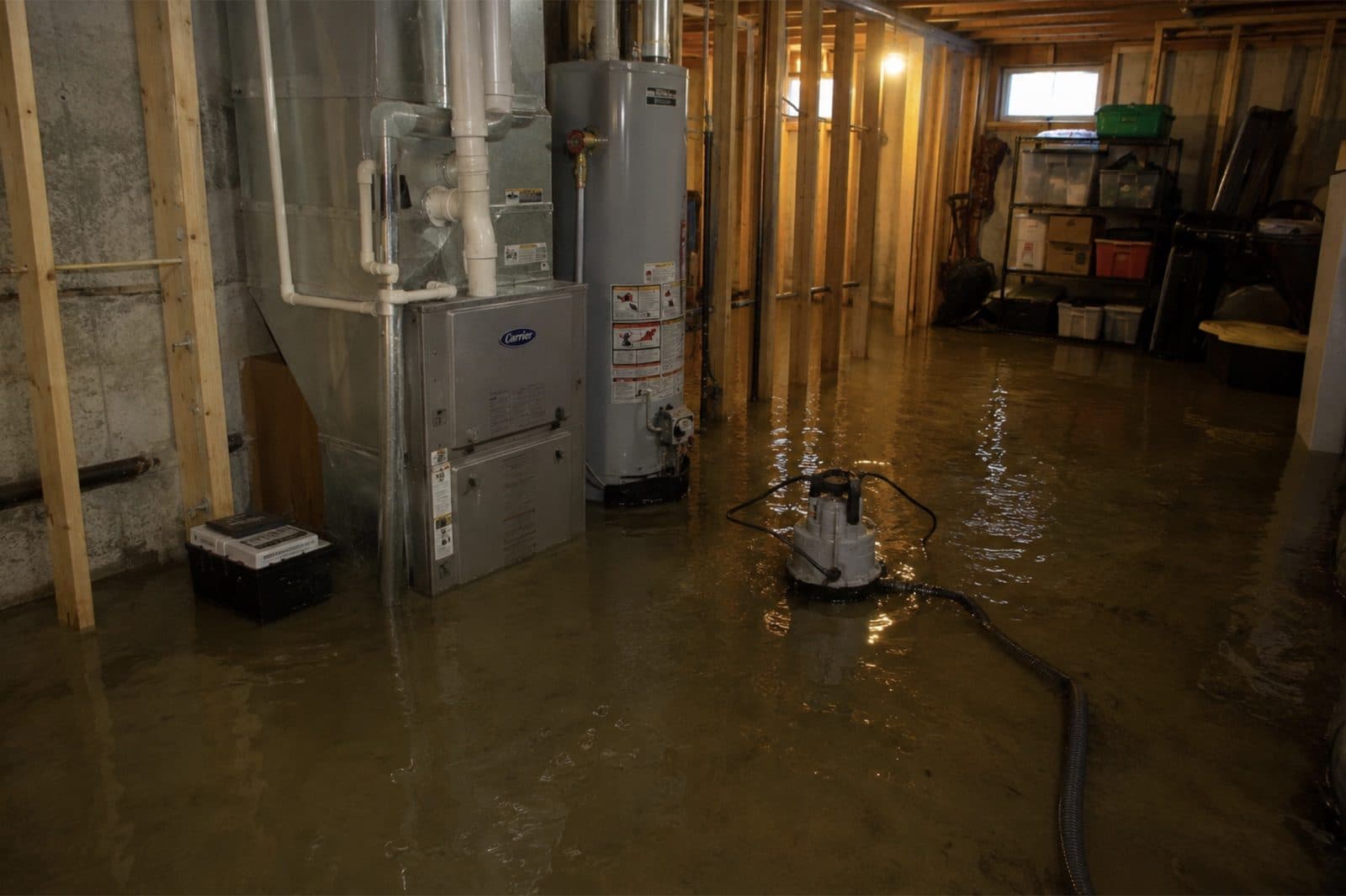
Flooded Basement Cleanup
Submersible pumps, truck-mounted extraction, and LGR dehumidifiers staged for Staten Island basements. Victorian fieldstone basements in St. George, Stapleton, and Tompkinsville see chronic seepage; post-war Grasmere and Dongan Hills slabs flood during heavy rain. We pump fast and document loss for your carrier per IICRC S500 protocol.
Additional Water Damage Services
Storm & Flood Damage
Hurricane Sandy 2012 storm surge flooded Tottenville, Annadale, Eltingville, Great Kills, Midland Beach, and South Beach up to fourteen feet, leaving more than twenty-three Staten Island fatalities. The south shore mapped coastal flood zones absorb the heaviest tidal surge of any NYC borough. We respond per IICRC S500 Category 3 saltwater protocols with sheetrock removal to four feet above the highest waterline.
Sewage & Backwater Cleanup
Category 3 sewage backup from semi-rural Charleston and Pleasant Plains well-water septic-sewer systems, plus Staten Island combined sewer overflow during heavy rain. HEPA containment, bulk material removal, and EPA-registered antimicrobial protocols per IICRC S500. Worker PPE on every job. Common across low-elevation south shore blocks where septic systems surcharge in 1.5-inch-per-hour rain events.
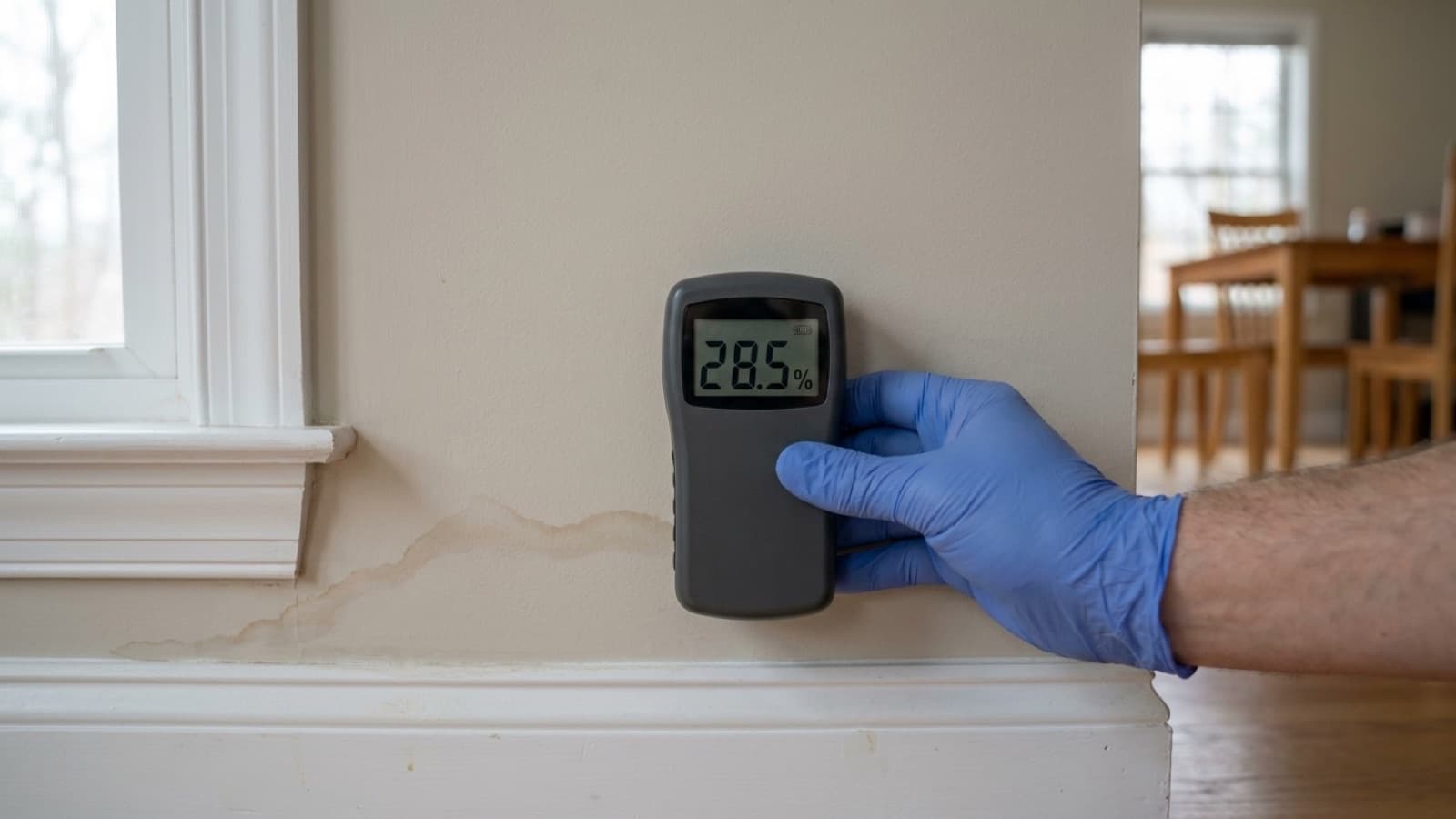
Structural Drying & Dehumidification
Phoenix Axial dehumidifiers, refrigerant LGRs, and air movers calibrated by psychrometric calculation to dry framing, subfloors, and Victorian plaster cavities to under fourteen percent moisture. Staten Island 1880s-1920s St. George Victorians and 1990s-2020s new-construction east shore stud bays each need different drying setpoints. Sandy-exposed Tottenville framing extends drying cycles for chloride flushing.
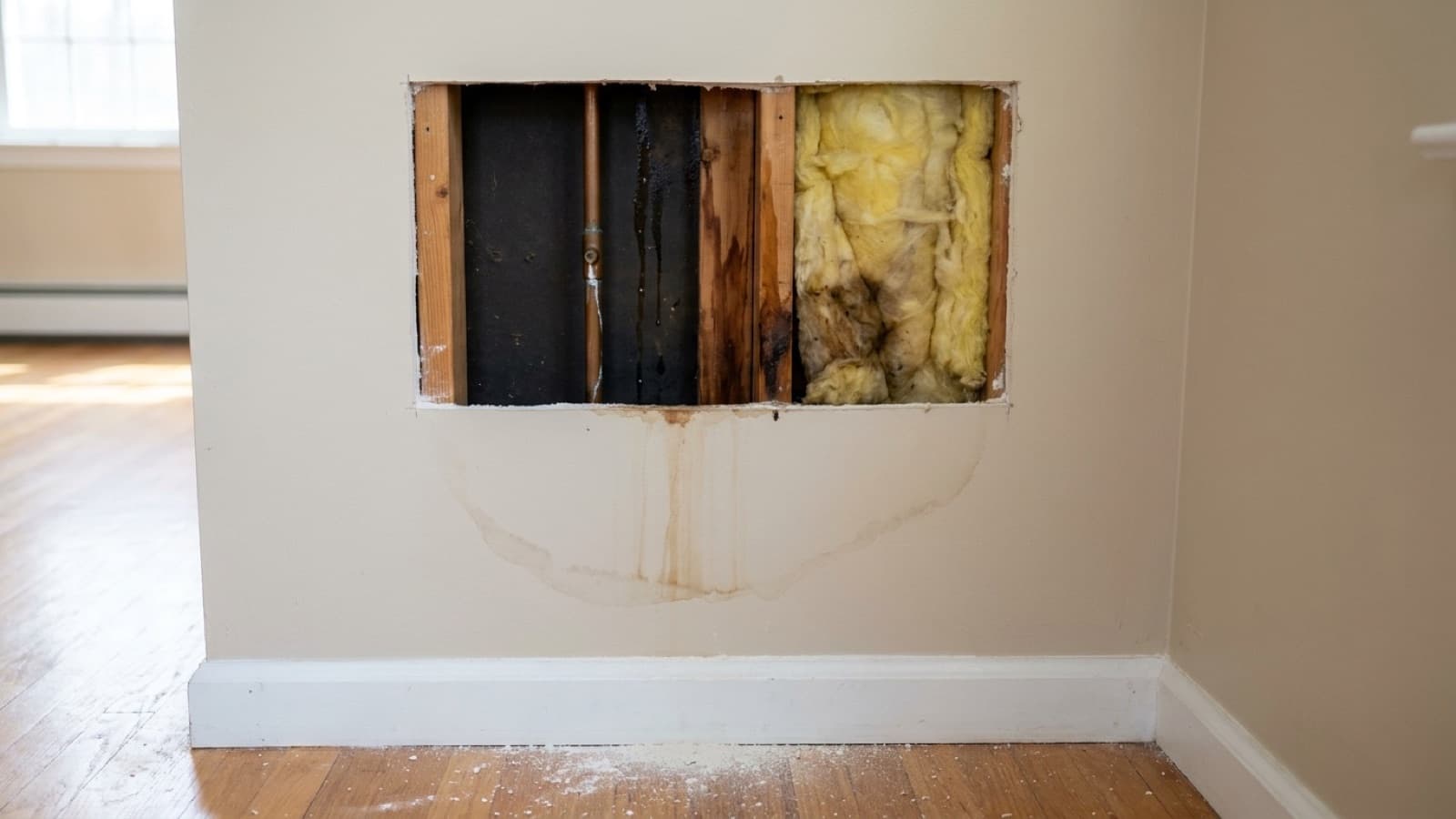
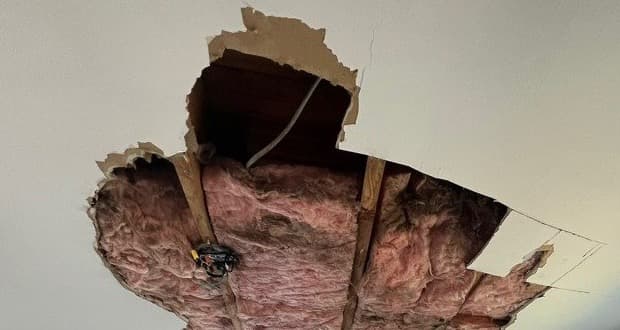
Ceiling, Wall & Floor Restoration
Targeted controlled cuts, Victorian plaster preservation in St. George and Stapleton historic district homes, and finish-floor mat-drying for original heart-pine planks. Most Staten Island projects save the original wood floor without sanding or replacement when extraction begins inside the IICRC S500 mat-drying window. New-construction east shore drywall scopes are simpler than Victorian plaster repairs.
Hurricane Sandy Surge & Beach Bungalow Restoration
Tottenville, Midland Beach, South Beach, Great Kills, Annadale, and Eltingville oceanfront bungalows took Hurricane Sandy storm surge of up to fourteen feet in 2012. We pump Category 3 saltwater, dry stud cavities and bead-board interiors per IICRC S500, and document salt deposition for FEMA NFIP and standard-carrier coordination. Saltwater requires different antimicrobial protocols than freshwater.
Victorian & Historic Stock Restoration
St. George, Stapleton, and Tompkinsville carry the densest 1880s-1920s Victorian housing stock in NYC outside the brownstone belt. Plaster-on-lath wall systems, original galvanized supply risers, and fieldstone basement foundations each require slow drying with controlled airflow to protect period finishes. Documented daily for your homeowner carrier and historic-district board where applicable.
New Construction East Shore Cleanup
Annadale, Eltingville, Huguenot, and Charleston new-construction homes built 1990 to 2024 use modern drywall, dimensional lumber, and slab-on-grade or full-basement foundations. Failure modes differ from Victorian stock: PEX manifold leaks, water-heater failures, and slab seepage during heavy rain. Faster drying timelines, simpler demolition scopes, and direct insurance billing.
North Shore Industrial Saltwater Cleanup
Mariners Harbor, Port Richmond, and West Brighton properties along the Kill Van Kull industrial corridor see brackish saltwater intrusion during nor'easters and king tides. Different antimicrobial protocols than south shore oceanfront because Kill Van Kull water carries industrial residue alongside chloride. IICRC S500 Category 3 documentation handles both contamination layers.
Semi-Rural Septic & Well-Water Cleanup
Charleston, Pleasant Plains, and parts of Richmond Town operate on private septic systems and well water rather than NYC public infrastructure. Septic surcharge during heavy rain creates Category 3 black-water events in basements and crawl spaces. We document the loss per IICRC S500 and coordinate with septic and well-water contractors where source repair is required.
Don't Wait For Water Damage To Get Worse. Every Minute Counts.
Call Now For Same Day Emergency Service Across Staten Island From St. George Through Tottenville.
Green Restoration, New York City in Staten Island
Green Restoration, New York City handles water damage restoration in Staten Island, NY, where Mariners Harbor, Port Richmond and West Brighton properties along the Kill Van Kull industrial corridor see brackish saltwater intrusion, and St. George holds Victorian fieldstone basements. Our crews extract the water and dry the structure to IICRC S500 standards with documented moisture logs, under IICRC Certified Firm #70236106. Call (347) 783-6383.
More Green Restoration Services in Staten Island
The same local Green Restoration team covers all of these across Staten Island. One number for every emergency and every cleanup.
Why Choose Us In Staten Island
Rapid local bridge dispatch. IICRC-aligned crews respond to Staten Island emergencies across St. George, Tottenville, Annadale, Midland Beach, and beyond. Sandy-zone storm crews staged for storm response during tropical cyclones.
60-Minute Emergency Response
IICRC-certified crews arrive within 60 minutes, day or night, every day of the year.
Owner-Operated Local Crew
Every job is personally overseen, from first call to final moisture reading.
Direct Insurance Billing
We bill State Farm, Liberty Mutual, USAA, Farmers, AIG, Chubb, and Safeco directly.
EPA-Registered Antimicrobials
EPA-registered antimicrobials and Safer Choice cleaning products applied per IICRC S500 and S520 standards.
What Untreated Water Damage Costs Your Staten Island Property
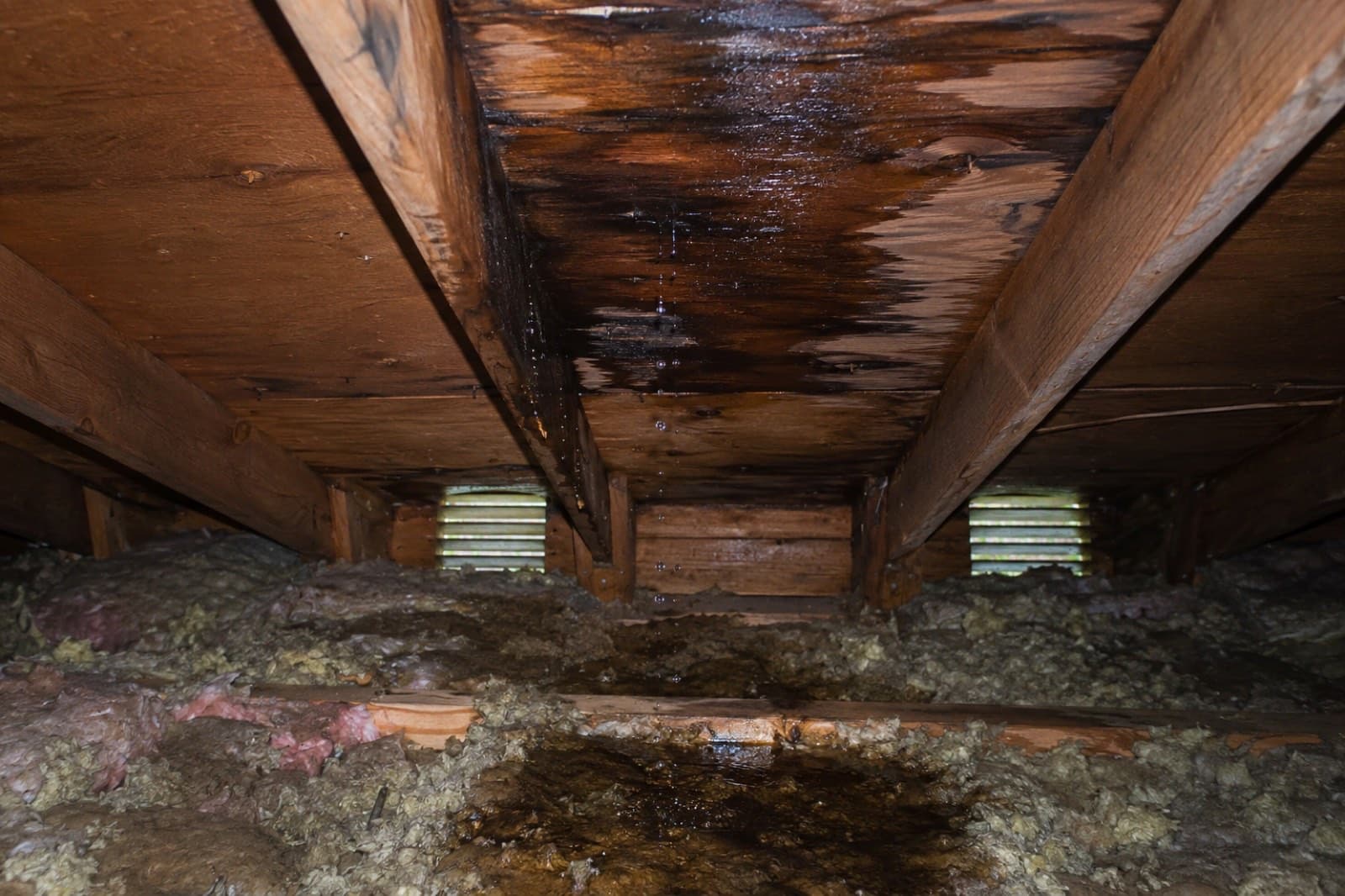
Untreated water damage in a Staten Island Victorian or new-construction home becomes mold colonization within 24 to 48 hours, hardwood cupping within 12 hours, and Victorian plaster delamination within 72 hours. A $4,500 same-day extraction can become a $25,000 plaster and finish-floor rebuild after 48 hours. Tottenville and Midland Beach Hurricane Sandy saltwater jobs escalate fastest because chloride does not dry out.
Mold Growth Within 48 Hours
Spreading Behind Victorian Plaster And Modern Drywall
Mold spores activate within 24 to 48 hours behind plaster-on-lath walls common in St. George, Stapleton, and Tompkinsville Victorians, and behind modern drywall in Annadale and Eltingville new construction. Tottenville and Midland Beach saltwater-saturated cavities support rapid colonization. Per EPA guidance, mold exposure is associated with respiratory symptoms in sensitive individuals.
Cupping And Warping Floors
Original Heart-Pine And Quartersawn Oak
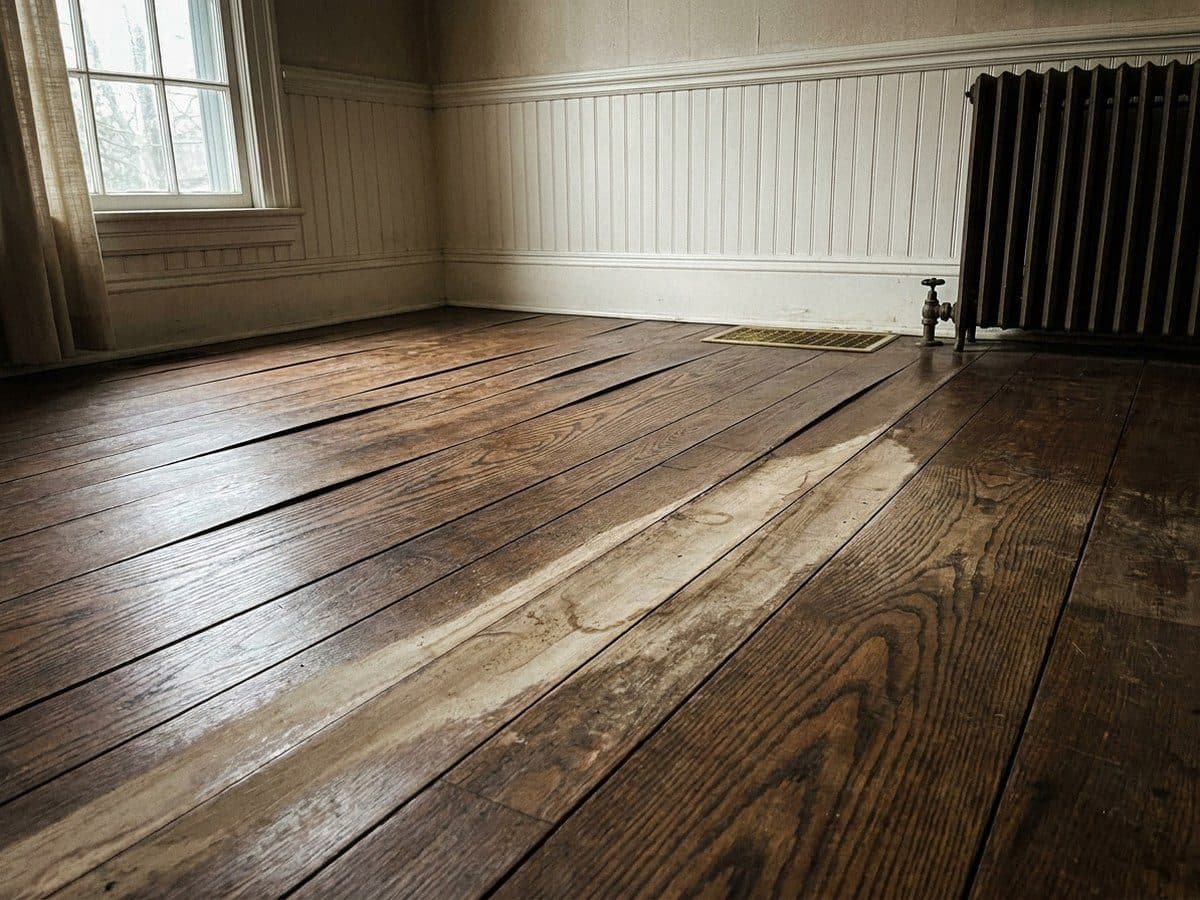
St. George, Stapleton, and Tompkinsville Victorians often carry original quartersawn oak parquet and heart-pine planks. Hardwood cups and buckles when moisture sits more than a few hours. Without rapid mat-drying, salvage windows close and refinishing becomes plank-by-plank replacement. In Tottenville oceanfront bungalows, original heart-pine planks are even more vulnerable to chloride deposition.
Victorian Plaster Delamination
1880s-1920s St. George And Stapleton Stock
Plaster-on-lath wall systems common in 1880s-1920s St. George, Stapleton, and Tompkinsville Victorians delaminate within 72 hours of water intrusion. Original horsehair-mortar plaster and decorative ceiling medallions require slow controlled drying to preserve. Aggressive air movement common in modern drywall jobs accelerates failure on Victorian stock and triggers full plaster replacement.
Hurricane Sandy Pattern Holds
Tottenville, Annadale, And Midland Beach
Hurricane Sandy October 29, 2012, drove a fourteen-foot storm surge into Tottenville, Annadale, Eltingville, Great Kills, Midland Beach, and South Beach with more than twenty-three Staten Island fatalities concentrated in these neighborhoods. Saltwater intrusion damages framing for years if not properly remediated. Future tropical cyclones with similar tracks will repeat this exact pattern across the same FEMA AE and VE flood zones.
Semi-Rural Septic Surcharge
Charleston, Pleasant Plains, And Richmond Town
Charleston, Pleasant Plains, and parts of Richmond Town operate on private septic systems rather than NYC public sewer infrastructure. Heavy rain surcharges the septic into basements as Category 3 black-water, requiring HEPA containment, Tyvek PPE, and EPA-registered antimicrobial. Modern Charleston new construction sees this pattern repeat during every two-inch-per-hour rain event.
Restoration Costs Escalate Daily
Every Hour Increases The Bill
A $3,500 same-day water extraction can become a $15,000 plaster and millwork rebuild after 48 hours, and a $25,000 multi-room reconstruction after a week. Insurance adjusters from State Farm, Travelers, Allstate, Liberty Mutual, and Chubb document the response timeline closely, and delays can directly reduce your approved claim payout on a Staten Island loss.
The Water Damage We See Most in Staten Island
In Staten Island, the worst losses come from Atlantic storm surge pushing across the south shore FEMA AE and VE zones, the same corridor Hurricane Sandy hit. Every job is classified under the IICRC S500 standard and documented for your insurer.
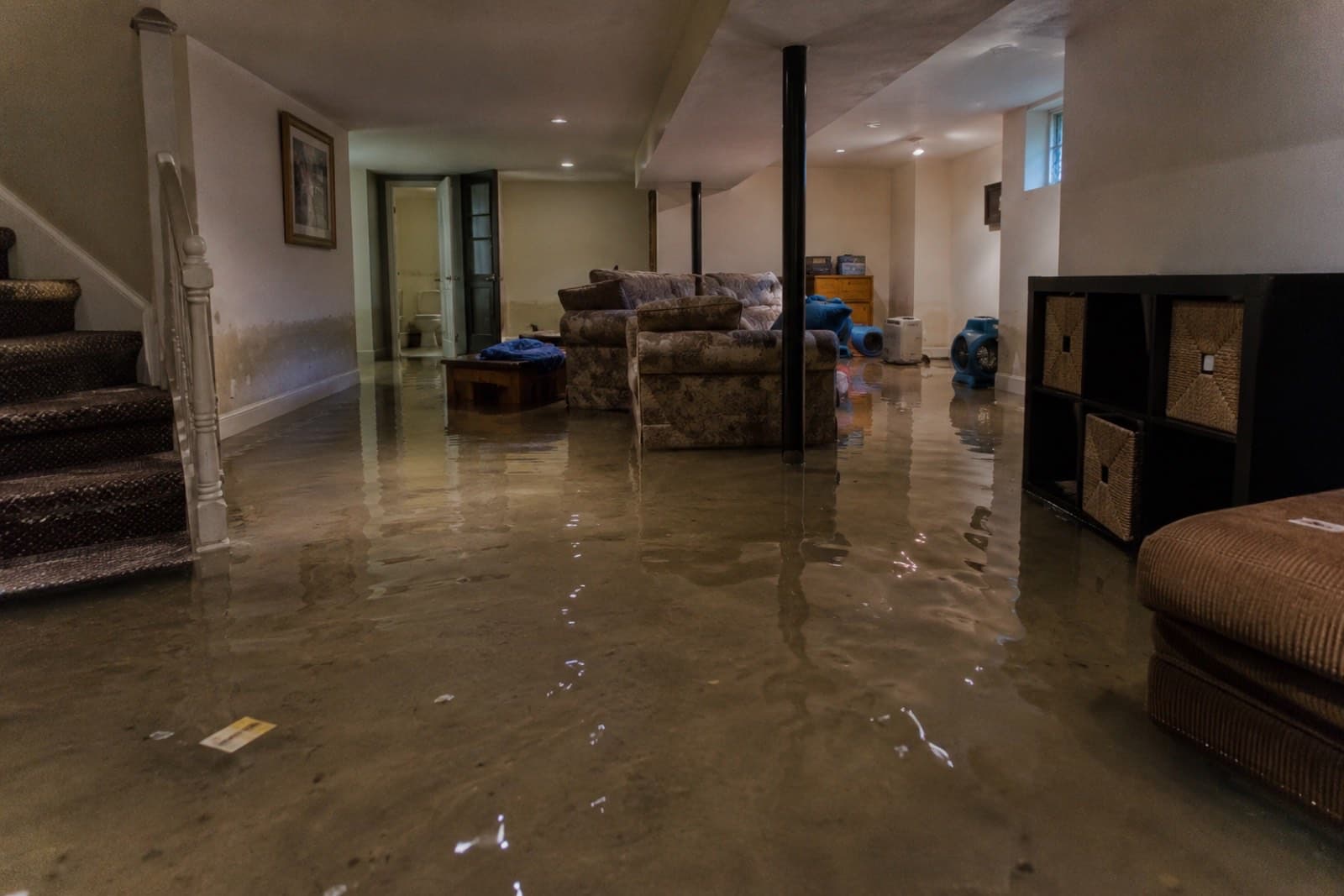
Flooded Basement, Fully Dried
In Staten Island, south shore storm surge off Lower New York Bay is the usual culprit.
A failed sump pump, a burst supply line, or storm-driven groundwater can leave inches of standing water sitting against framing, drywall, and stored belongings. The longer it sits, the further moisture wicks up the walls and the faster the Category of the water deteriorates.
Our IICRC-certified technicians classify the water under IICRC S500, then pull the standing water down to the slab with truck-mounted and submersible extraction. We open wet wall cavities, set air movers and LGR dehumidifiers for structural drying, and apply an antimicrobial per IICRC S520 where Category 2 or 3 water is involved.
We take daily Tramex moisture readings and dry the assembly to the ANSI/IICRC dry standard, not to a calendar. Every reading, photo, and scope line is documented for your insurer so the claim moves on facts, not guesswork.
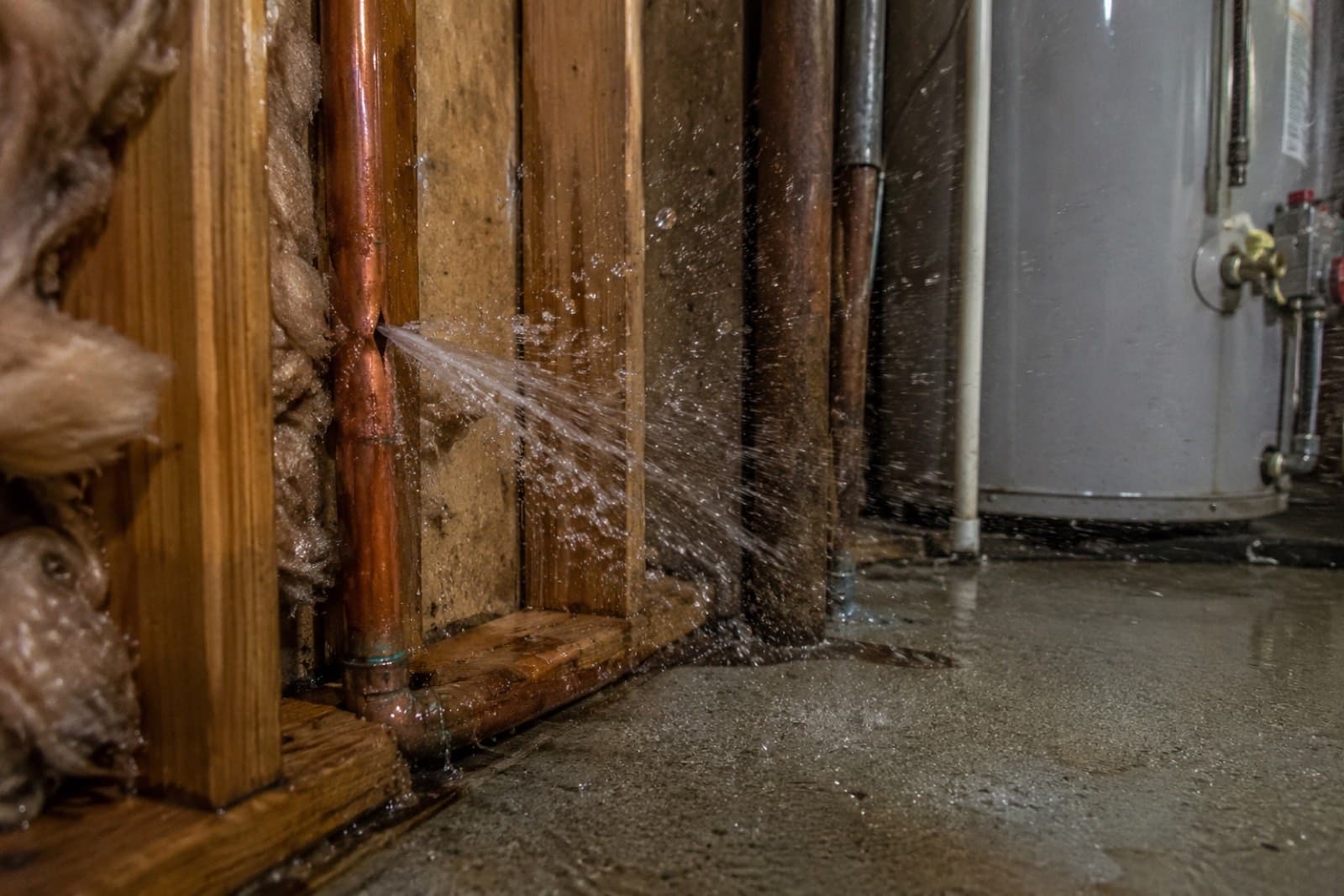
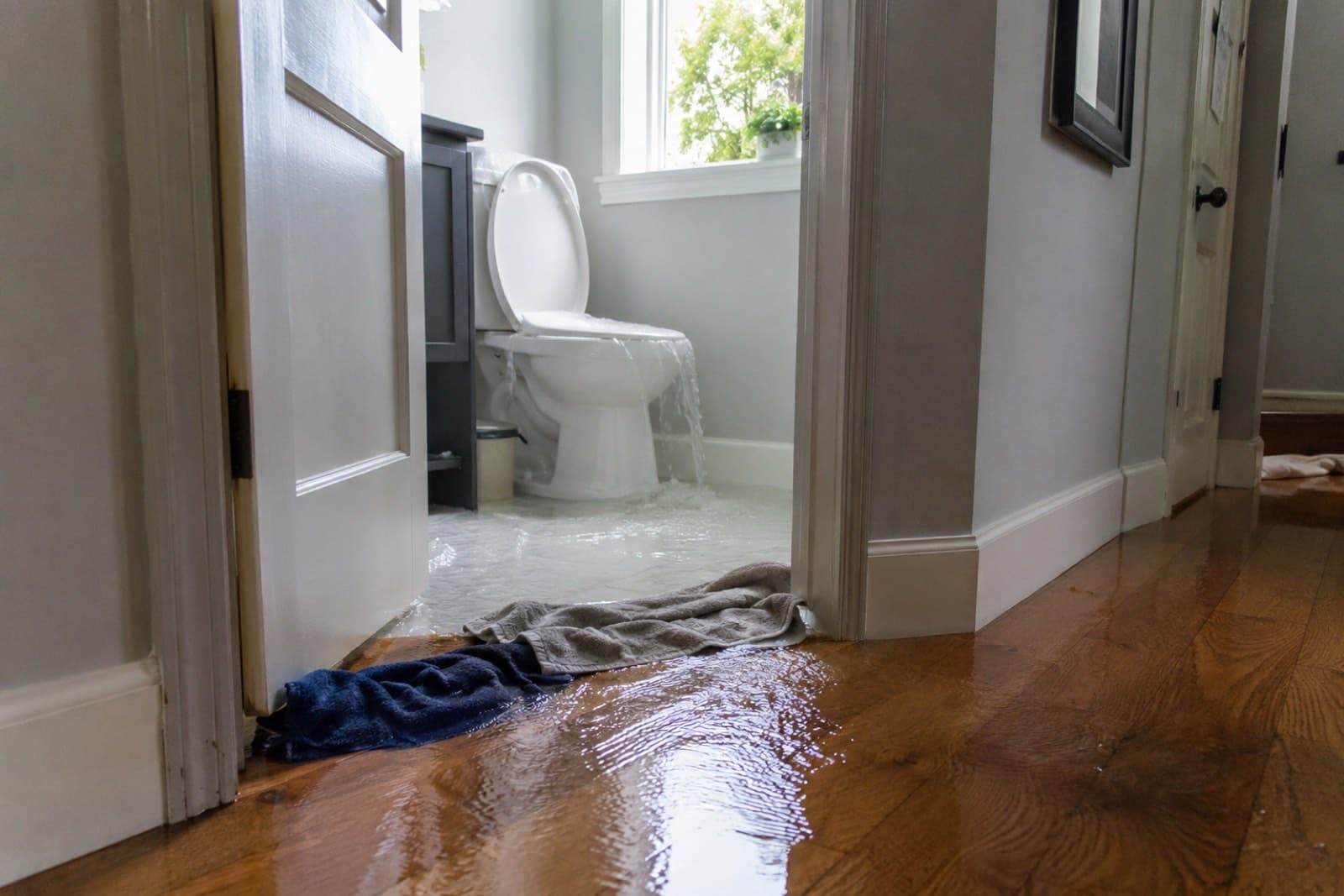
Scenario 1 of 5: Basement Flooding
Our Water Damage Restoration Process In Staten Island, NY
From the first call to final walkthrough, every step is documented, insured, and owner-supervised.
Water Damage Restoration Coverage In Staten Island, NY
Documented water damage restoration for Staten Island homes, Victorians, new-construction east shore properties, and Sandy-zone south shore bungalows. Emergency water removal, structural drying, and complete rebuild across all twenty Staten Island neighborhoods.
Green Restoration provides certified water damage restoration in Staten Island, NY, serving St. George, Tottenville, Great Kills, New Dorp, Eltingville, Annadale, Huguenot, Charleston, Tompkinsville, Stapleton, Port Richmond, West Brighton, Mariners Harbor, Princes Bay, Pleasant Plains, Richmond Town, Todt Hill, Grasmere, Dongan Hills, and South Beach. IICRC-certified crews dispatch via the Verrazzano-Narrows or Goethals Bridge, typically inside 75 to 110 minutes off-peak and 110 to 150 minutes at weekday peak. We handle Hurricane Sandy storm-surge saltwater on the south shore, Victorian basement seepage on the north shore, new-construction PEX manifold leaks on the east shore, and semi-rural septic surcharge in Charleston and Pleasant Plains.
We submit IICRC S500-2021 documentation directly to State Farm, Travelers, Allstate, Liberty Mutual, USAA, Chubb, and other major NY carriers, and we coordinate with NFIP carriers on Tottenville, Midland Beach, and South Beach storm-surge claims. We are not licensed public adjusters and do not negotiate claims on your behalf. Fully insured.
We pull your address ZIP and flood zone, dispatch the closest Staten Island-route crew, and time the arrival window with traffic on the Verrazzano-Narrows Bridge from Brooklyn or the Goethals and Outerbridge Crossings from NJ. The lead tech meets you with moisture meters, FLIR thermal imaging, and the Category and Class classification your adjuster will need on the loss report.
Within the first 60 minutes we extract standing water with truck-mounted vacuums, set LGR dehumidifiers, build HEPA containment around contaminated zones, document the scope with timestamped photos for your carrier, and walk you through what your policy will and will not cover. No deposit required to start mitigation on an emergency claim.
- • Tottenville coastal Sandy-zone storm surge
- • Great Kills basement flooding from heavy rain
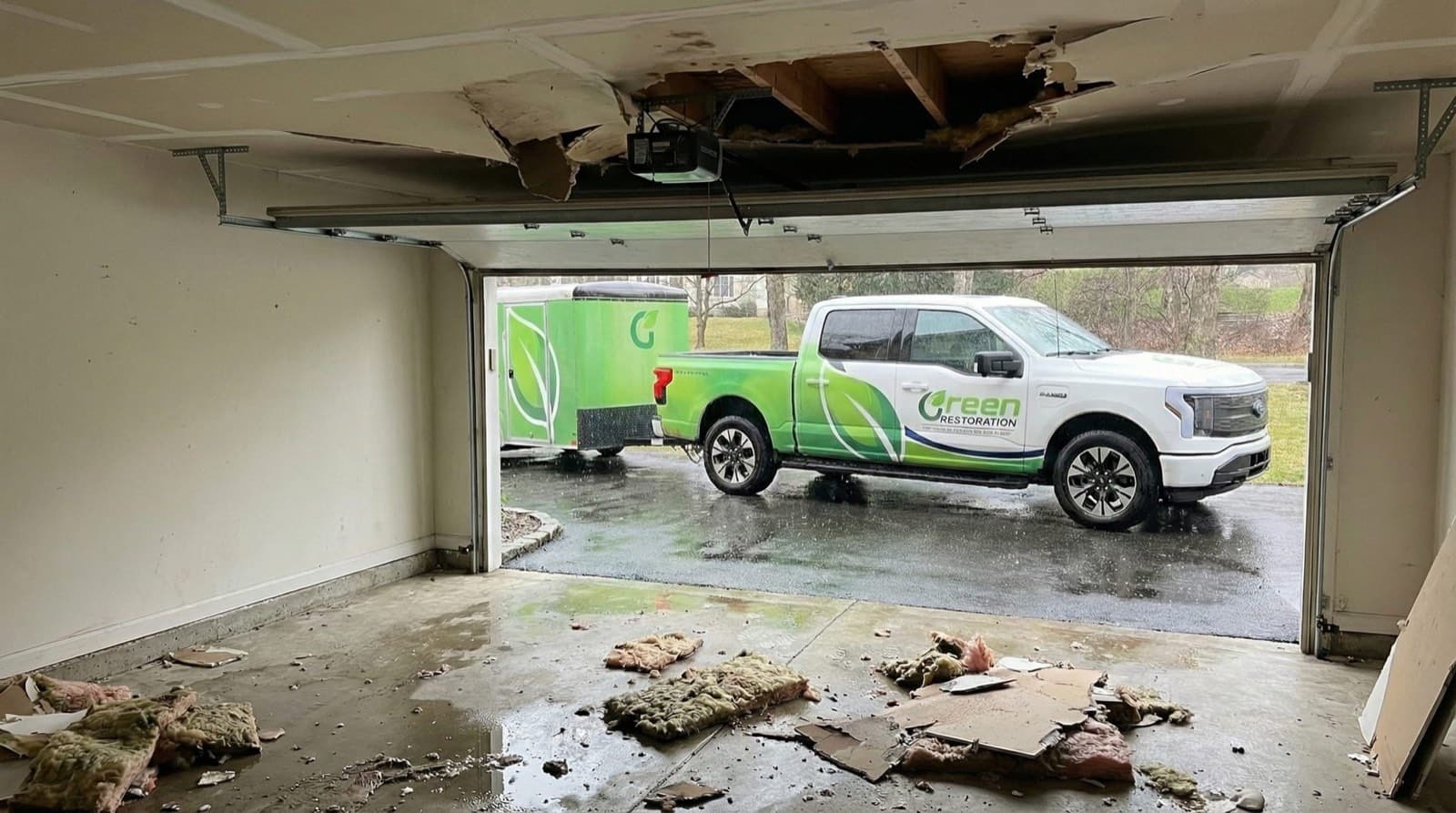
- • New Dorp pre-1980 ranch roof leak
- • St. George Victorian foundation seepage
- • Eltingville post-war split-level pipe burst
- • Annadale wooded property well-water intrusion
- • Huguenot beach saltwater corrosion
- • Stapleton mixed-use stack cascade
Water Emergency In Staten Island?
Call now for immediate dispatch, 24/7/365. Sandy-zone crews staged at Mamaroneck during storms.
(347) 783-6383IICRC Aligned · Fully Insured · All Insurance Accepted
Staten Island And Surrounding NYC Boroughs Served By Green Restoration For Emergency Water Damage Restoration, Hurricane Sandy Storm Surge Response, Burst Pipe Cleanup & 24/7 Dispatch From St. George To Tottenville.
Looking To Get An Instant Cost Estimate?
Why Staten Island Water Damage Is Different
Hurricane Sandy storm-surge zones, Victorian historic stock, new construction belts, and semi-rural septic surcharge zones shape every restoration scope.
Free On-Site Assessment
Not sure what you are dealing with in Staten Island?
We establish the scope on site, before anything is quoted.
(347) 783-6383How Staten Island geography shapes a restoration scope
Staten Island water damage restoration is the rapid extraction, structural drying, and antimicrobial treatment of homes, Victorians, new-construction east shore properties, and oceanfront beach bungalows affected by burst pipes, Hurricane Sandy storm surge, semi-rural septic surcharge, or Atlantic flooding across St. George, Tottenville, Great Kills, New Dorp, Eltingville, Annadale, Huguenot, Charleston, Tompkinsville, Stapleton, Midland Beach, and South Beach. The 1880 to 2024 building stock carries 1880s-1920s Victorians in the north shore historic district, post-war ranch and split-level stock through mid-island, 1990s-2020s new construction lining the east shore, and oceanfront bungalows from Tottenville through Midland Beach.
According to Green Restoration's IICRC S500-2021 documentation, scope decisions on Staten Island depend on the housing era and the specific flood corridor (Hurricane Sandy storm surge on the south shore vs semi-rural septic surcharge in Charleston) more than on the visible water volume. Knowing the difference matters when scoping an emergency.
24/7 Water Damage Response In Staten Island, NY
Our IICRC-aligned restoration crew dispatches rapidly and crosses the Verrazzano-Narrows or Goethals Bridge for Staten Island emergencies, including Hurricane Sandy storm-surge response on the south shore, Victorian basement seepage on the north shore, new-construction PEX leaks on the east shore, and semi-rural septic surcharge in Charleston and Pleasant Plains. Off-peak dispatch is typically 75 to 110 minutes; weekday peak is 110 to 150 minutes. Sandy-zone storm crews stage for storm response during tropical cyclones.
Hurricane Sandy October 2012 storm surge of up to fourteen feet flooded the entire Staten Island south shore through Tottenville, Annadale, Eltingville, Great Kills, Midland Beach, and South Beach, with more than twenty-three Staten Island fatalities. We pump Category 3 saltwater, remove salt-deposited sheetrock and insulation to four feet, dry to S500 standard, and coordinate FEMA NFIP and standard-carrier documentation.
St. George, Stapleton, Tompkinsville, and West Brighton carry 1880s-1920s Victorian housing stock with plaster-on-lath wall systems, original galvanized supply risers, and fieldstone basement foundations vulnerable to slow-drying water intrusion. We salvage original plaster, dry studs slowly to protect period interior finishes, and coordinate with historic-district boards where applicable.
Annadale, Eltingville, Huguenot, and Charleston were built out 1990 to 2024 with modern drywall, PEX manifolds, and slab-on-grade or full-basement foundations. PEX manifold leaks, water-heater failures, and slab seepage drive distinct failure modes. Faster drying timelines, simpler demolition scopes, and direct insurance billing on modern east shore stock.
Our local crews dispatch across the Verrazzano-Narrows Bridge for south shore and east shore properties, and the Goethals Bridge for north shore and west shore. This is the longest dispatch window of any NYC borough due to bridge geometry. Off-peak dispatch typically reaches St. George, New Dorp, and Annadale in 75 to 110 minutes; peak weekday dispatch in 110 to 150 minutes. Sandy-zone storm response crews stage for storm response during tropical cyclones.
About Green Restoration In Staten Island, NY
Your Staten Island Water Damage Specialists Since 2014
Green Restoration delivers IICRC-aligned water damage cleanup for the 1880s-1920s Victorians, post-war ranch stock, new-construction east shore properties, and Hurricane Sandy zone south shore beach bungalows that span Staten Island from St. George through Tottenville. An 1880 to 2024 mixed-stock building inventory, sharp coastal-to-semi-rural gradient, low-elevation south shore in FEMA AE and VE zones, and semi-rural Charleston septic systems combine to make Staten Island water losses unique.
According to Green Restoration's IICRC documentation logs, a Hurricane Sandy-style south shore storm-surge loss typically requires sheetrock and insulation removal to four feet above the highest waterline plus chloride flushing of framing before drying targets are reached, and Green Restoration states that Tottenville saltwater intrusion requires 10 to 14 day extended drying cycles. Our technicians focus on rapid water removal, accurate moisture mapping with Tramex and FLIR equipment, and controlled structural drying to stop secondary damage and stop mold colonization within the first 48 hours.
“Staten Island calls route to our dispatcher 24/7 on (347) 783-6383. When the call is a Tottenville homeowner with Hurricane Sandy-style storm surge across the entire ground floor, or a St. George Victorian owner with a galvanized supply line burst through plaster-on-lath walls, the dispatcher says: do not move anything, take photos, stay out of standing water until power is confirmed off, and crews will cross the bridge as fast as traffic allows. During nor’easters and tropical cyclones we stage our crews for storm response for fastest possible deployment. Every Staten Island project walks before scope is signed.”
Staten Island Emergency Utility Lines
Stopping water at the source is step 1 of any water-damage scope. Use these verified Staten Island lines while our IICRC crew is en route.For life-threatening emergencies (active fire, gas odor, electrical shock), call 911 first.
Water Authority
NYC DEP (311)
311
NYC Department of Environmental Protection handles water and sewer. Dial 311 for water main breaks, sewer backups, and curb-stop requests.
Source: nyc.gov
Gas Leak
National Grid NYC
(718) 643-4050
Serves Queens, Brooklyn, and Staten Island gas. If you smell gas, leave immediately, call 911 first, then this line from a safe location.
Source: nationalgridus.com
Electric Emergency
Con Edison
(800) 752-6633
Submerged outlets or wet panel: cut breaker, then call to confirm service drop is safe.
Source: coned.com
Police (Non-Emergency)
NYPD (311)
311
NYPD dispatches via 311 for non-emergency. Dial 911 for crimes in progress, fires, or medical emergencies. Tottenville, Annadale, Eltingville Sandy-zone Cat-3 storm-surge claims often need a police report.
Source: nyc.gov
Numbers verified against public utility and municipal sources. Green Restoration is not affiliated with these agencies. We provide these as a courtesy resource alongside our IICRC water-damage response.
Trusted by Families in Staten Island &
New York City
4.9 out of 5, Rated by your neighbors on Google
We discovered mold when removing our pellet stove and called Green Restoration for help. David was very communicative and helpful throughout the entire process. He did the job thoroughly and professionally. Highly recommended!
David Woolner
Mold RemediationI had a fantastic experience with Green Restoration. From start to finish, the team was professional, thorough, and extremely knowledgeable. David came for the initial inspection and took the time to explain the entire process.
Annmarie Gieparda
Mold RemediationWe had mold due to a water leak in our half finished basement. David and his crew did a great job, we were very satisfied. I would highly recommend Green Restoration to anyone.
Tanya
Water DamageI needed my entire condo completely cleaned after a soot blow back. Green Restoration was top shelf! So thorough and professional. Thank you so much!
Jacki Hornish
Fire & Soot CleanupHow Much Does Water Damage Restoration Cost In Staten Island, NY?
Pricing depends on IICRC S500 water category. Most Staten Island claims settle in the Category 2 range of $2,500 to $8,500. Tottenville and Midland Beach Hurricane Sandy saltwater jobs run higher because salt-deposited materials must be removed.
Category 1 · Clean Water
$1,500 to $4,500
Burst supply line, ice maker leak, appliance overflow, rainwater intrusion
Category 2 · Gray Water
$2,500 to $8,500
Washing machine, dishwasher, toilet overflow without solids, aquarium
Category 3 · Black Water
$10,000 to $75,000+
Hurricane Sandy storm surge saltwater, septic surcharge, contaminated standing water
Final cost depends on water category, affected square footage, drying duration, Victorian plaster versus modern drywall demolition, hardwood salvage scope, and chloride flushing on Hurricane Sandy saltwater jobs. Use the calculator above for a personalized Staten Island estimate.
Staten Island Water Damage Restoration FAQs
Clear, honest answers about emergency water removal, structural drying, Hurricane Sandy insurance documentation, and Victorian historic stock restoration costs in Staten Island, NY.
We dispatch rapidly and cross into Staten Island via the Verrazzano-Narrows or Goethals Bridge. This is the longest dispatch window of any NYC borough due to bridge geometry. Typical arrival is 75 to 110 minutes off-peak and 110 to 150 minutes during weekday peak. We cover St. George, Tottenville, Great Kills, New Dorp, Eltingville, Annadale, Huguenot, Charleston, Tompkinsville, Stapleton, Port Richmond, West Brighton, Mariners Harbor, Princes Bay, Pleasant Plains, Richmond Town, Todt Hill, Grasmere, Dongan Hills, and South Beach. Trucks roll with Hydramaster CDS-4.8 extractors, Phoenix Axial dehumidifiers, and FLIR thermal imaging so extraction begins on arrival. During nor’easters and tropical cyclones we stage our crews for storm response for Hurricane Sandy zone storm response. Call (347) 783-6383 any hour.
Staten Island water damage cost depends on IICRC S500 water category. Category 1 clean-water burst pipe or appliance leaks in a single St. George Victorian or Annadale new-construction room run $1,500 to $4,500. Category 2 gray-water washing machine, dishwasher, or toilet overflow scope runs $2,500 to $8,500, where most Staten Island claims settle. Category 3 black-water from Hurricane Sandy-style storm surge in Tottenville, Annadale, Midland Beach, and South Beach south shore FEMA AE and VE zones runs $10,000 to $75,000+ because saltwater requires sheetrock and insulation removal to four feet above the highest waterline plus chloride flushing of framing.
Semi-rural Charleston and Pleasant Plains septic surcharge events run $7,500 to $25,000. Final cost depends on affected square footage, Victorian plaster versus modern drywall demolition, HVAC contamination, and finish restoration scope. We provide a written estimate on-site after Tramex CME 5 moisture meter readings confirm the full scope.
Most New York homeowner policies cover sudden and accidental water damage such as burst pipe repair or appliance failures, and standard policies usually cover sump-pump failure when the cause is a sudden mechanical breakdown. Hurricane Sandy storm surge along the Staten Island south shore in Tottenville, Annadale, Eltingville, Great Kills, Midland Beach, South Beach, and Oakwood Beach was a flood event and required National Flood Insurance Program (NFIP) coverage. The 2012 surge reached up to fourteen feet across these neighborhoods with more than twenty-three Staten Island fatalities. Properties in FEMA AE and VE zones typically carry both standard homeowner and NFIP policies after 2012.
North shore Kill Van Kull industrial-corridor properties in Mariners Harbor and Port Richmond may need flood coverage during nor’easters as well. We submit IICRC S500 documentation directly to State Farm, Travelers, Allstate, Liberty Mutual, USAA, Chubb, and other major NY carriers. We are not licensed public adjusters and do not negotiate claims on your behalf.
Most Staten Island projects take 4 to 6 days for structural drying, verified by daily moisture meter readings per IICRC S500-2021 Section 12. St. George, Stapleton, and Tompkinsville Victorians with plaster-on-lath walls often extend to 7 to 10 days because dense wall cavities need slower, more controlled drying. Annadale, Eltingville, and Huguenot new-construction homes built 1990 to 2024 typically dry in 4 to 6 days with modern drywall and dimensional lumber. Tottenville and Midland Beach Hurricane Sandy storm-surge saltwater jobs run 10 to 14 days because salt deposition requires sheetrock and insulation removal to four feet, not just drying. Reconstruction timelines vary, but we begin coordinating repairs before drying is complete so total displacement stays short.
The five most common causes we see across Staten Island are, in order, Hurricane Sandy-style storm surge into the south shore FEMA AE and VE zones across Tottenville, Annadale, Eltingville, Great Kills, Midland Beach, South Beach, and Oakwood Beach during tropical cyclones, frozen and burst supply lines in 1880s-1920s St. George, Stapleton, and Tompkinsville Victorians with original galvanized plumbing, semi-rural septic surcharge in Charleston, Pleasant Plains, and parts of Richmond Town during high-intensity rain, PEX manifold leaks and slab seepage in 1990s-2020s Annadale, Eltingville, Huguenot, and Charleston new construction, and Kill Van Kull industrial-corridor brackish saltwater intrusion in Mariners Harbor, Port Richmond, and West Brighton during nor’easters and king tides.
Before we arrive, shut off the water supply at the main valve if the source is a burst pipe, turn off electricity to affected areas at the breaker panel if you can do so safely, and move antiques, electronics, and important documents to a dry upper floor. For Hurricane Sandy-style storm surge events on the south shore, do not return to the property until local emergency services confirm structural safety and standing water has receded. Place aluminum foil under wooden furniture legs to prevent staining transfer to original hardwood floors common in St. George and Stapleton Victorians and Tottenville beach bungalows.
Take timestamped photos of all visible damage before any cleanup begins. Do not use household fans, as improper airflow accelerates mold growth in Victorian plaster cavities and saltwater-saturated south shore framing before our equipment arrives.
The two relevant industry standards are IICRC S500-2021 for general water damage restoration and IICRC S520-2024 for mold remediation when colonization has already begun. A Tottenville or Midland Beach saltwater storm-surge loss triggers Category 3 protocols under S500 because Atlantic seawater carries pathogenic contamination plus chloride deposition. Saltwater also typically triggers S520 mold protocols if remediation begins more than 48 hours after the surge event, because chloride-saturated cavities support rapid colonization. For mold remediation jobs of 10 square feet or more, New York Article 32 mold rules require an independent assessor on remediation jobs. Green Restoration provides remediation services and coordinates with a state-licensed assessor where Article 32 applies. We do not perform mold assessments in New York to keep the assessor and remediator roles separate as required by law.
Staten Island is served by Green Restoration. Our local New York crews dispatch crossing the Verrazzano-Narrows Bridge for the south shore and east shore, and the Goethals Bridge for north shore and west shore properties. Our technicians on the truck are IICRC Water Restoration Technicians (WRT) with Applied Structural Drying (ASD) certification, and on Category 3 sewage and Tottenville storm-surge jobs an Applied Microbial Remediation Technician (AMRT) is added to the crew. You will know the lead technician's name on the first call. Call (347) 783-6383 any hour for emergency dispatch.

