Water Damage Mitigation and Reconstruction in a Columbia Home
 1 / 4
1 / 4Technician in Tyvek PPE running a ULV fogger inside 6-mil containment during a Columbia, CT water damage job
What Happened
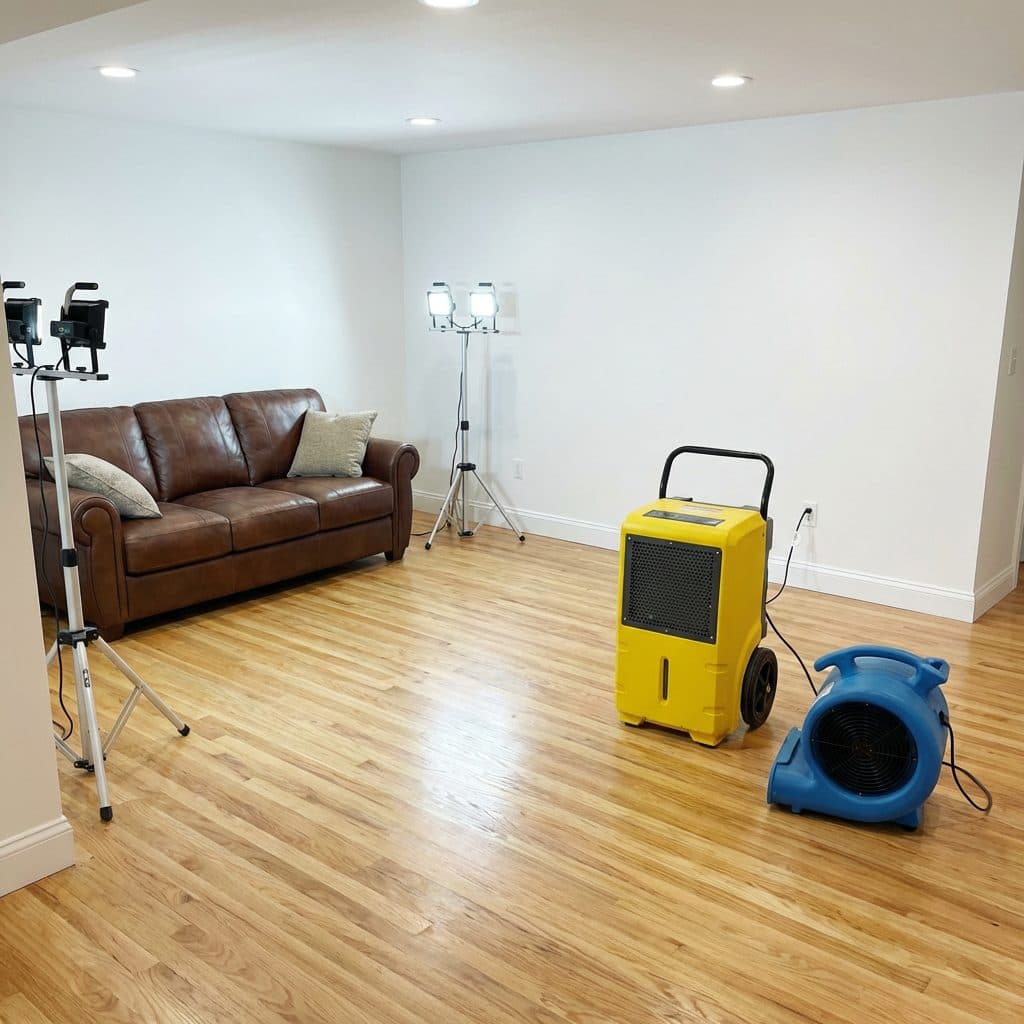
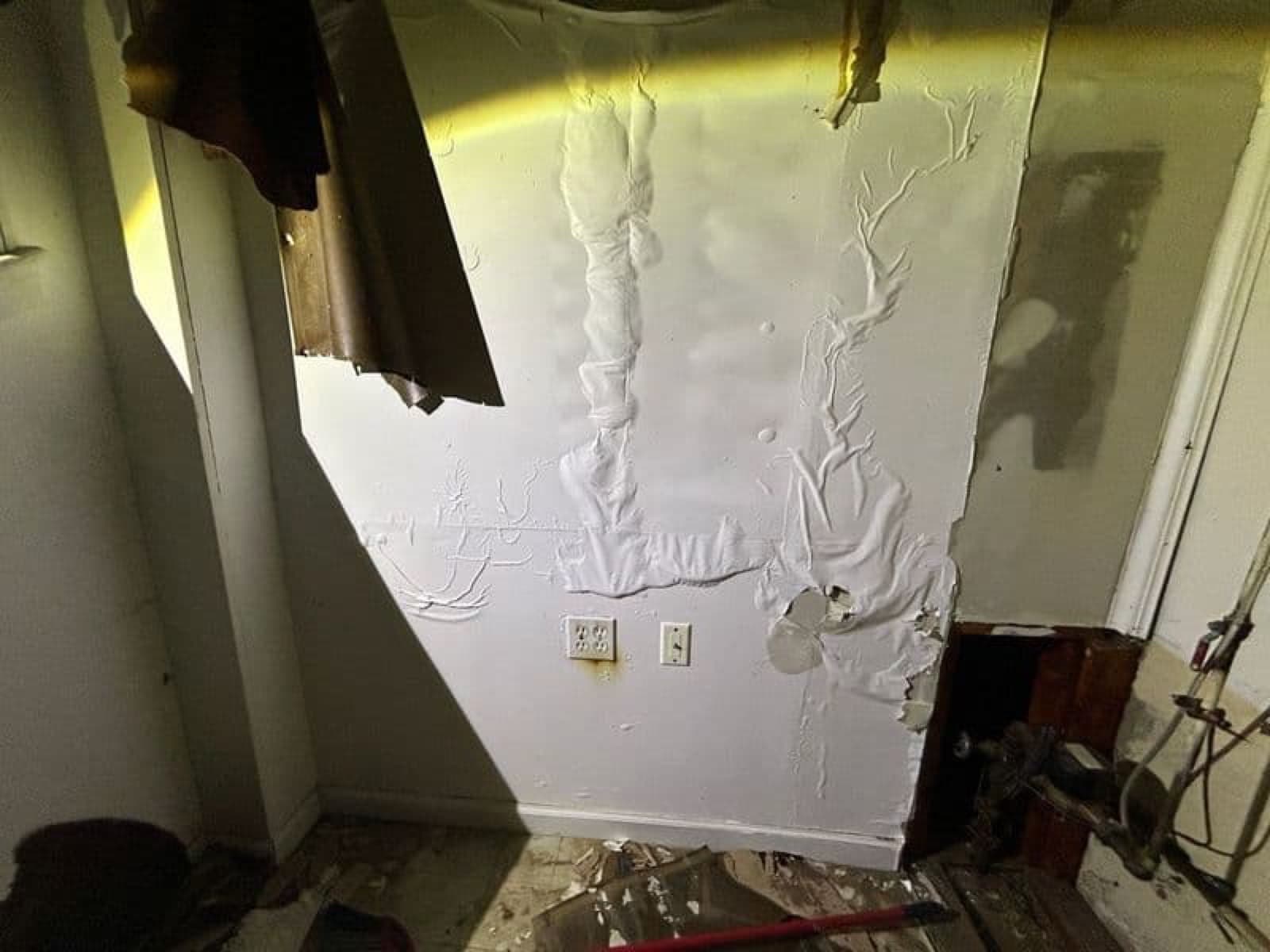
A Columbia, CT home took on water damage that reached the flooring, drywall, and the subfloor beneath. Green Restoration sealed the affected area under 6-mil plastic containment and worked in full Tyvek suits and N95 respirators, then HEPA vacuumed the space and carried out a controlled tear-out of the saturated drywall and carpet down to the subfloor. Every affected surface was fogged with a plant-based, low-tox anti-microbial applied by a ULV cold fogger to sanitize inaccessible areas, and LGR dehumidifiers were set to bring the indoor humidity and material moisture back to safe levels. Once the structure was dry and clean, the crew rebuilt it: new drywall, a fresh high-density carpet and pad, base trim reset, and a full post-construction cleaning so the space was ready to use again. One team handled it from mitigation through reconstruction, to ANSI/IICRC S500 practice.
Scope of Damage
Drywall & Flooring
ModerateWater-affected drywall and carpet removed and bagged, with the assembly taken back to a clean, dry subfloor before any rebuild.
Subfloor & Affected Cavity
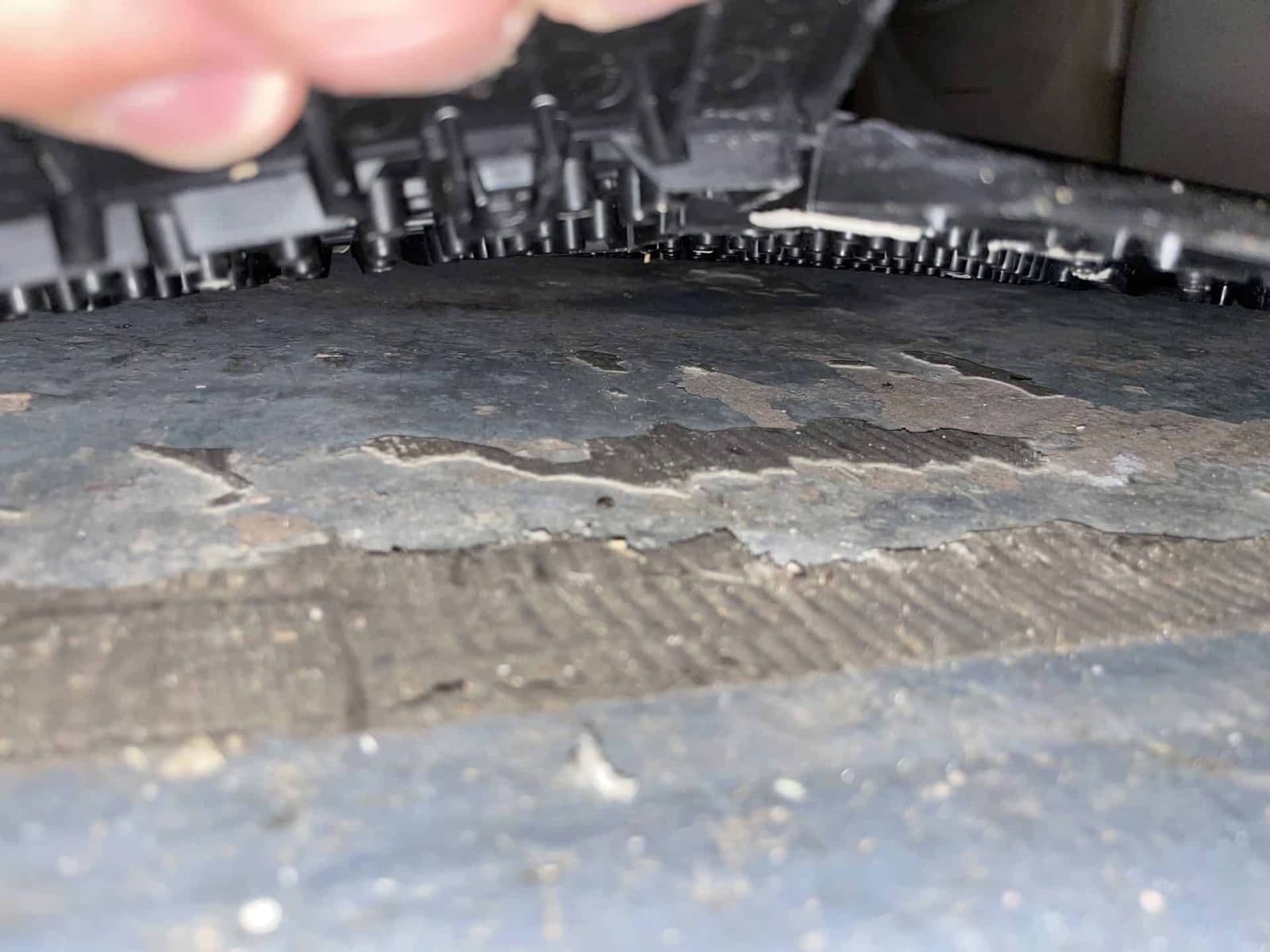
ModerateExposed subfloor and wall cavity HEPA vacuumed, fogged with a plant-based anti-microbial, and dried with LGR dehumidifiers to safe moisture levels.
Adjacent Areas
LightThe work zone sealed under 6-mil containment with the rest of the home protected while the crew worked in full PPE.
How We Solved It
- 1
Containment & PPE
6-mil plastic containment sealed the work area and the crew worked in Tyvek suits and N95 respirators so nothing spread to the rest of the home.
- 2
HEPA Cleaning
Detailed HEPA vacuuming across the affected area to capture debris and fine particulate before removal.
- 3
Controlled Tear-Out
Saturated drywall and carpet removed, bagged, and prepared for disposal, taking the assembly down to the subfloor.
- 4
Plant-Based Anti-Microbial Fog
A plant-based, low-tox anti-microbial applied with a ULV cold fogger to sanitize surfaces and inaccessible areas without harsh chemicals.
- 5
Structural Drying
LGR dehumidifiers set to bring the indoor relative humidity and material moisture back to safe levels.
- 6
Reconstruction & Cleanup
New drywall, high-density carpet and pad, and base trim installed, followed by a full post-construction cleaning so the room was ready to re-occupy.
Tools & Equipment Used
Questions Homeowners Ask
What did this Columbia water damage project involve?
Hospital-grade containment and PPE, detailed HEPA vacuuming, a controlled tear-out of saturated drywall and carpet, a plant-based anti-microbial fog applied by a ULV cold fogger, LGR dehumidifier drying, and full reconstruction with new drywall, carpet, and trim, all to ANSI/IICRC S500 practice.
Why contain the area and wear full PPE for water damage?
Water-damaged materials can carry contaminants and, if left, support microbial growth. Sealing the work area under 6-mil containment and working in Tyvek suits and respirators keeps particulate and any contaminants out of the rest of the home while the affected material is removed and the space is dried.
What is the plant-based anti-microbial you used?
A low-tox, plant-based anti-microbial applied with a ULV cold fogger. It sanitizes surfaces and hard-to-reach areas without relying on harsh chemicals, which fits how Green Restoration works and is easier on the home and the people in it.
Do you handle both the water mitigation and the reconstruction?
Yes. One Green Restoration crew took this Columbia home from containment and drying through the rebuild, new drywall, high-density carpet and pad, base trim, and a full post-construction clean, so there was no gap or hand-off between drying the home out and putting it back together.
Does homeowners insurance cover water damage in Connecticut?
It depends on the cause. Sudden, accidental water events such as a burst pipe or appliance failure are often covered, while slow, long-term leaks are usually treated as gradual damage and excluded. We document the loss and our scope so you can review it with your agent. We work with insurance, but Green Restoration is independent and not on any insurer's panel.
How fast should water damage be handled?
Quickly. The longer water sits, the further it wicks into drywall, flooring, and the subfloor and the sooner microbial growth can start, usually within a day or two. Prompt containment, extraction, and drying limits how much has to be removed and rebuilt. Green Restoration responds across eastern CT 24/7.
Does water damage lead to mold?
Very often, and fast. Wet drywall, carpet, and framing can grow mold within 24 to 48 hours, which is why water damage and mold go hand in hand. On this Columbia job we contained the area, removed the saturated materials, fogged every surface with a plant-based anti-microbial to stop mold at the source, and dried the structure to safe moisture levels so mold could not take hold before the rebuild.