Multi-Area Mold Remediation in a Norwalk Residence
 1 / 5
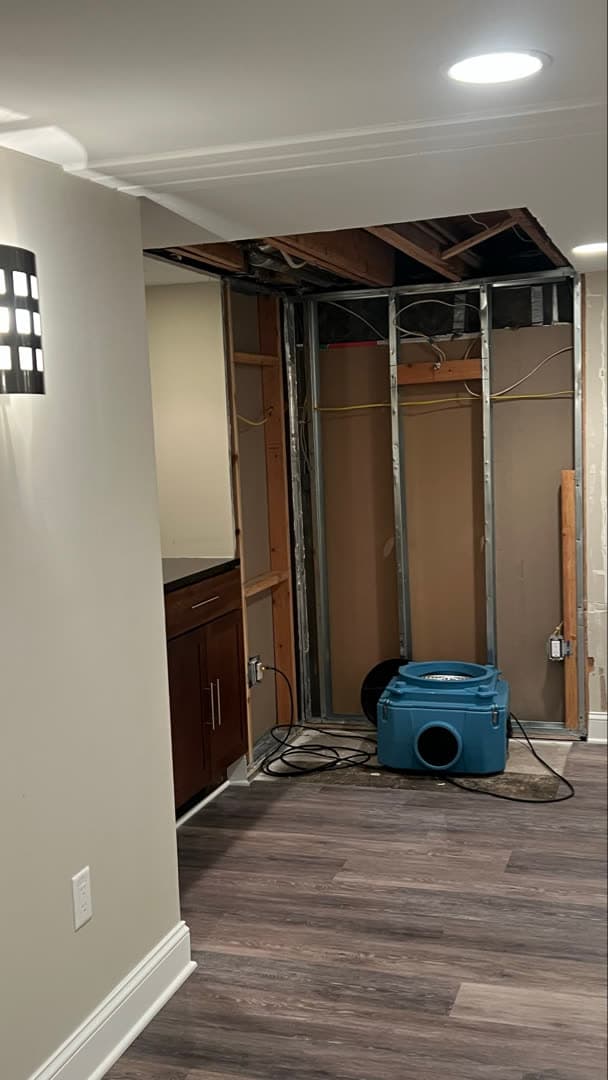
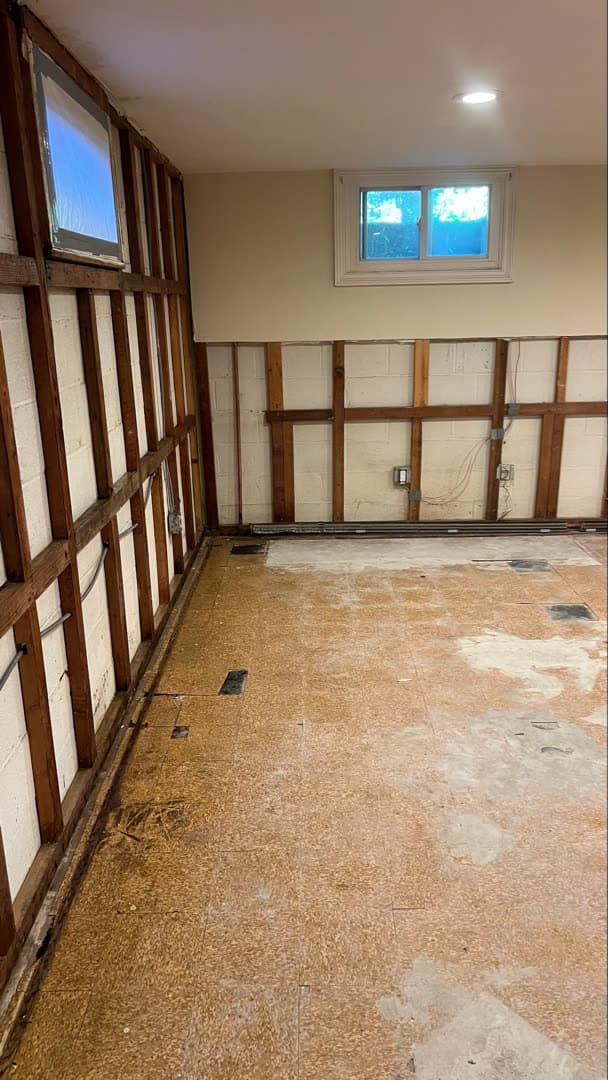
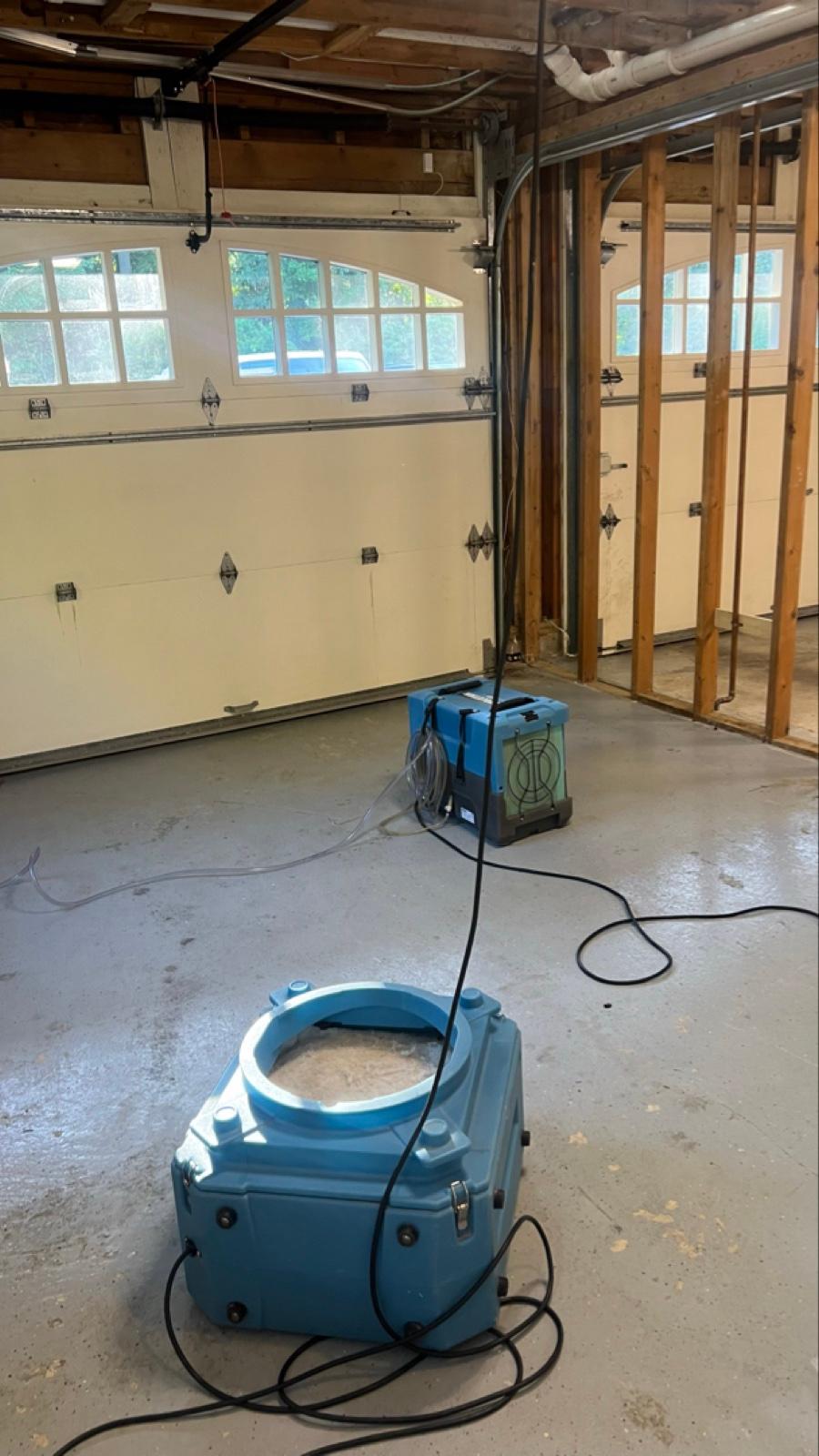
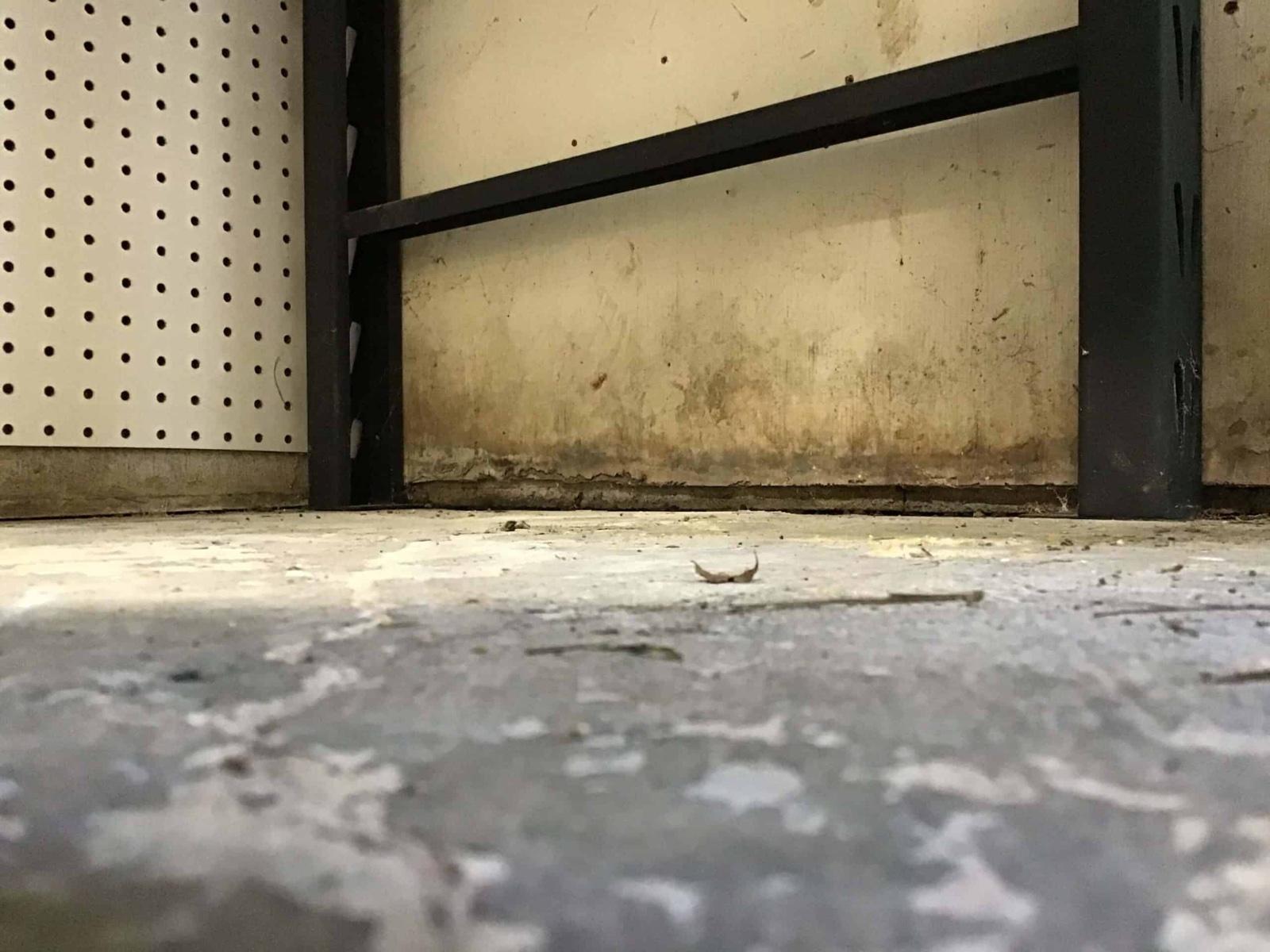
Mold remediation project documentation in Norwalk, CT, photo 1
What Happened
A Norwalk homeowner found dark staining on the ceiling of a bedroom closet that shared a chase with the upstairs bathroom. The exhaust fan had been venting into the chase instead of outdoors, loading the cavity with humid air after every shower. Green Restoration contained the closet and chase, removed the colonized ceiling drywall, cleaned the framing to ANSI/IICRC S520-15 practice, and coordinated re-routing of the exhaust duct to the exterior before closing up.
Scope of Damage
Closet Ceiling
SevereCeiling drywall colonized where humid exhaust air condensed. Removed and bagged out under containment.
Chase Framing
ModerateSurface growth on studs and blocking inside the chase. HEPA vacuumed and treated in place.
Bedroom
LightNo growth found outside the closet. Precautionary HEPA cleaning of adjacent surfaces before containment came down.
How We Solved It
- 1
Source Diagnosis
The exhaust duct was traced into the chase with a borescope, confirming years of humid air discharge as the moisture source.
- 2
Containment & Negative Air
The closet and chase opening sealed behind poly with a HEPA air scrubber running negative pressure.
- 3
Removal & Cleaning
Colonized ceiling drywall removed. Chase framing HEPA vacuumed and treated with a plant-based antimicrobial.
- 4
Duct Correction
The bathroom exhaust was re-routed to terminate outdoors so the chase would stay dry, coordinated with an HVAC contractor before closing.
- 5
Verification & Close-Up
Work area verified clean and dry before containment teardown. New drywall installed by the finish contractor.
Tools & Equipment Used
Marvin on This Job
How did you find out the bath fan was venting into the closet chase?
The staining was on the ceiling of a closet that shared a chase with the upstairs bathroom. We ran a borescope into the chase and followed the exhaust duct, and it was venting into the cavity instead of going outside. So every shower for years had been blowing warm wet air into that closet ceiling.
What did fixing the fan duct involve?
We coordinated an HVAC contractor to re-route the exhaust so it ends outdoors, and we kept our containment up until that was done and the cavity was dry. It is the piece that matters most. Everything else we did would not last without it.
What happens if you clean the mold but leave the fan venting there?
It comes back, and usually not slowly. You would be feeding the same cavity the same humid air every day, on freshly cleaned wood and new drywall. That is why I tell people that on a job like this, fixing where the air goes is part of the remediation, not an extra.
What should a Norwalk homeowner check about their bathroom fan?
Find out where it actually ends. Go outside and look for the vent cap on the roof or wall, or look in the attic and see if the duct is connected and runs to the outside. If the fan is noisy but the mirror still fogs, or there is staining on a ceiling or closet near the bathroom, have it looked at.
Questions Homeowners Ask
Why did a bathroom fan cause mold in a closet?
The fan discharged into a framed chase instead of terminating outdoors. Every shower pushed warm, humid air into the cavity, where it condensed on cooler framing and drywall. Over time that repeated wetting supported mold growth. It is one of the most common construction shortcuts we find in Norwalk homes.
Was the ductwork fixed as part of the remediation?
Yes. Remediation without source correction fails, so re-routing the exhaust duct to the exterior was built into the scope. Green Restoration coordinated the HVAC contractor and held the containment until the duct terminated outdoors and the cavity was verified dry.
Does insurance cover mold from improper venting in Connecticut?
Usually not. Growth caused by a construction defect or long-term condensation is generally treated as maintenance rather than a sudden covered loss. We still document the condition fully so you can discuss it with your carrier. We work with insurance, but Green Restoration is independent and not on any insurer's panel.
How much does a contained single-zone mold job cost in Norwalk?
Single-zone projects with one containment and limited demolition sit at the lower end of the residential range, typically a few thousand dollars. Larger multi-room losses cost more. Green Restoration provides a written scope and price after a no-cost inspection.
How long did the Norwalk project take?
Two days on-site for containment, removal, cleaning, and verification, plus the HVAC contractor visit for the duct re-route. Closet and chase projects are among the fastest mold jobs because the containment footprint is small.
How can homeowners prevent exhaust fan mold?
Confirm every bath fan terminates outside at a roof or soffit cap, not in an attic or chase. Run the fan for 20 minutes after showers, and check the termination point yearly for disconnected or crushed duct. If a ceiling near a bathroom stains, investigate early.
Norwalk is served by
Green Restoration of Fairfield County
Available 24 / 7 for emergency response