Multi-Area Mold Remediation in a Stamford Residence
 1 / 5
1 / 5Mold remediation project documentation in Stamford, CT, photo 1
What Happened
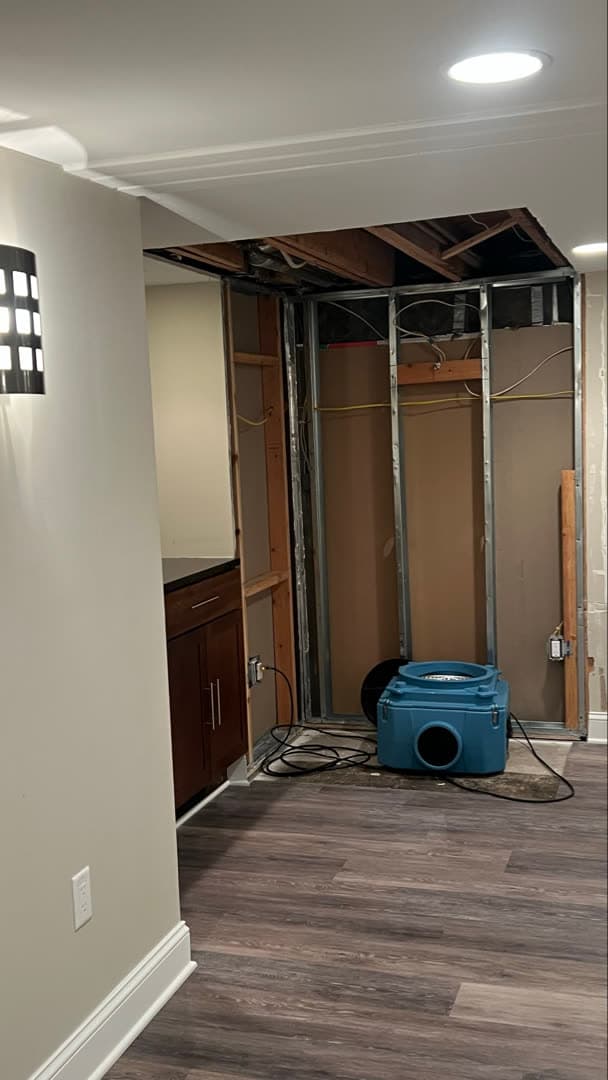
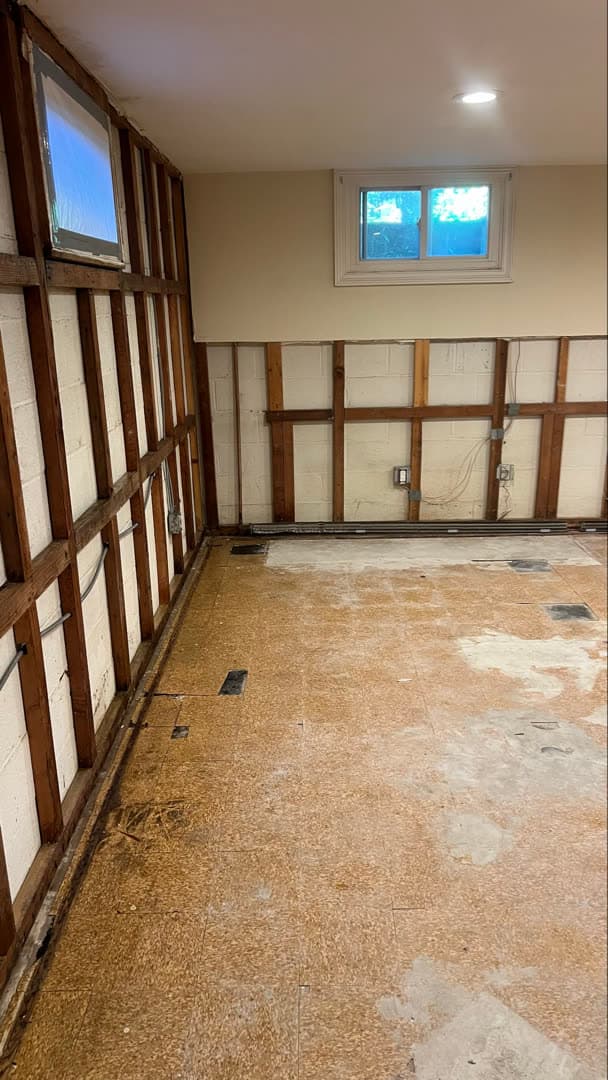
A general contractor renovating a Stamford townhouse bathroom opened the shower wall and found mold running through the cavity and into the adjacent hallway wall. Work stopped and Green Restoration was brought in the same week. We built containment around the bathroom and hallway, removed the affected drywall and insulation, cleaned the studs and sheathing to ANSI/IICRC S520-15 practice, and held containment until a third-party clearance let the renovation resume.
Scope of Damage
Shower Wall Cavity
SevereGrowth through the cavity behind the tile assembly, fed by years of slow grout and pan seepage. Drywall and insulation removed.
Hallway Wall
ModerateGrowth had crossed the shared stud bay into the hallway side. Affected board removed to the first clean bay.
Bathroom Subfloor
LightSurface staining at the pan corner. Cleaned, treated, and confirmed structurally sound for the rebuild.
How We Solved It
- 1
Renovation Pause & Assessment
Scope walked with the general contractor so remediation and rebuild schedules could interlock.
- 2
Containment & Negative Air
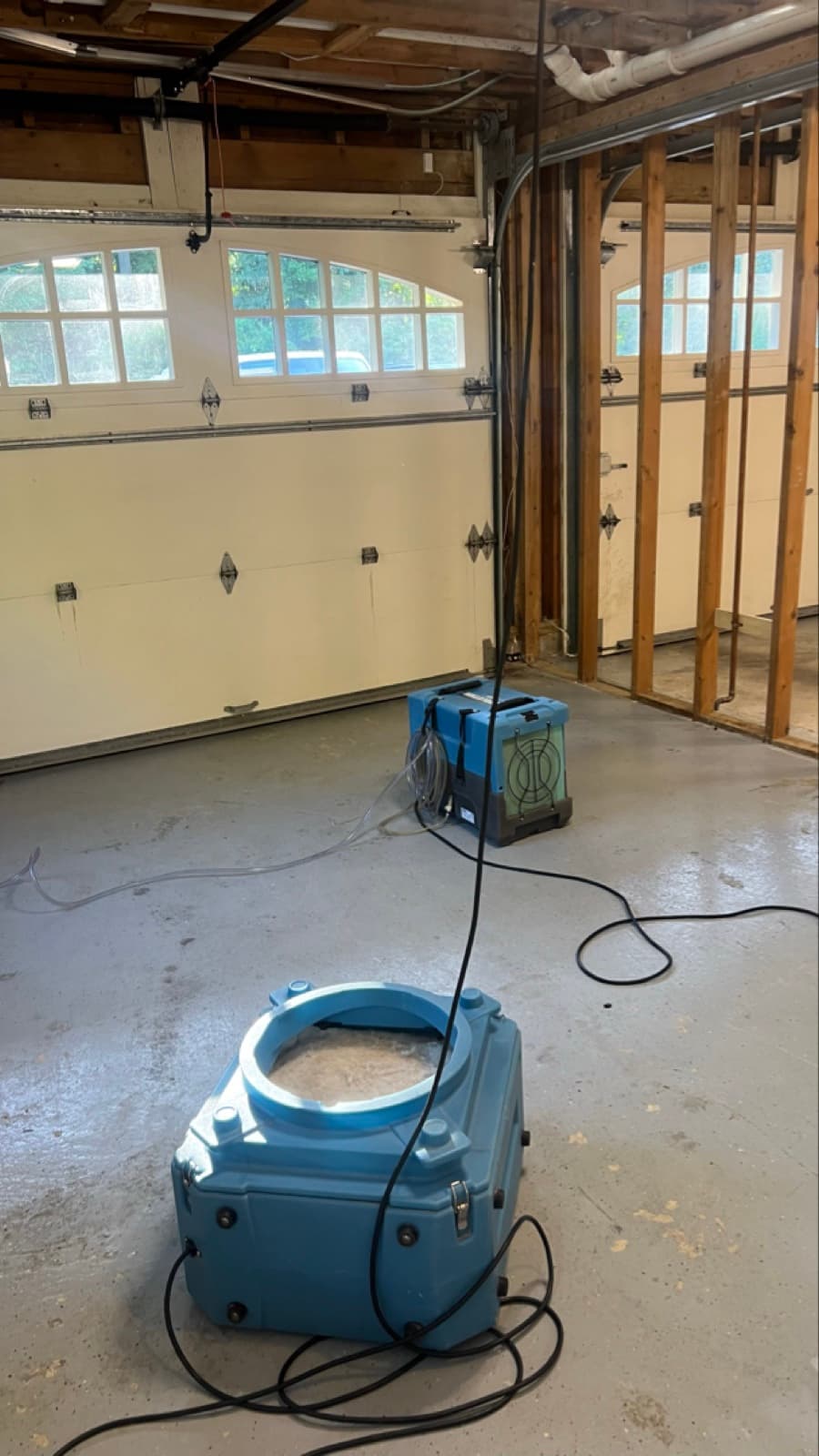
Bathroom and hallway sealed behind 6-mil poly with airlock entry. HEPA negative air ran for the duration.
- 3
Demolition & Bag-Out
Affected drywall, insulation, and the compromised tile backer removed and bagged out through the airlock.
- 4
Structural Cleaning
Studs, sheathing, and subfloor HEPA vacuumed and treated with an EPA-registered plant-based antimicrobial.
- 5
Third-Party Clearance
An independent hygienist sampled the work area. Containment held until the clearance passed, then the renovation resumed.
Tools & Equipment Used
Questions Homeowners Ask
What happens when a contractor finds mold mid-renovation?
Work in the affected area should stop so disturbance does not spread spores through the house. A remediation firm contains the zone, removes the growth, and clears the space, then the renovation resumes. In this Stamford project the pause cost five days, far less than remediating a whole floor after uncontained demolition.
How long did the Stamford townhouse project take?
Five days on-site, including the third-party clearance sampling at the end. Containment and demolition took two days, structural cleaning and treatment one, and the balance covered drying time and the independent clearance before rebuild.
What does mold remediation cost when found during a renovation?
Cavity projects with full containment and third-party clearance typically land in the middle of the residential range. Because the walls are already open, demolition costs are often lower than in an intact home. Green Restoration provides a written scope and price after inspection at no cost.
Does insurance cover mold found during a remodel in Connecticut?
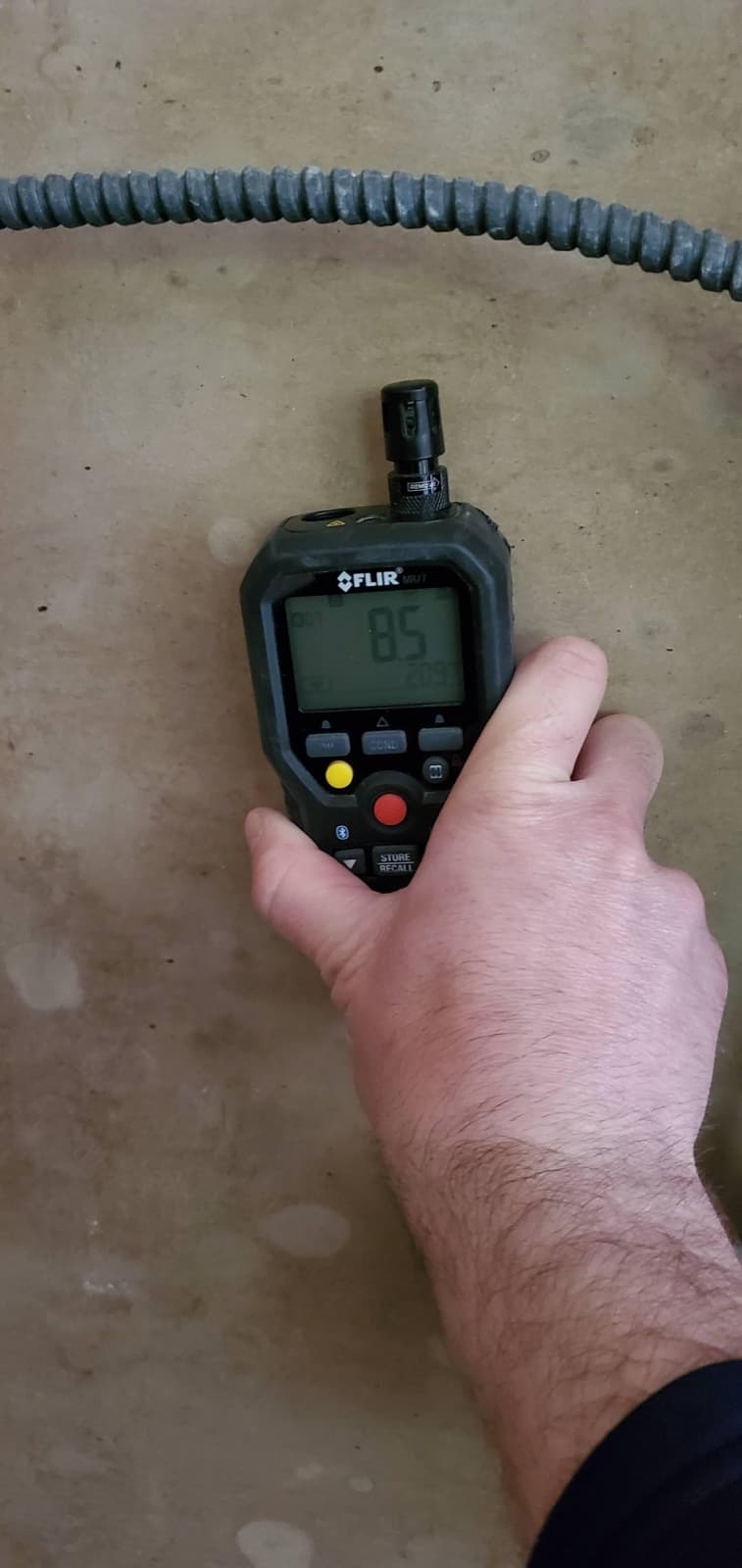
It depends on the cause. Growth traced to a sudden covered water loss may qualify, while long-term seepage, like a shower pan that leaked for years, is often excluded. We document cause, moisture readings, and scope so your carrier has a complete record. We work with insurance, but Green Restoration is independent and not on any insurer's panel.
What is third-party clearance and why use it?
An independent hygienist, not the remediation contractor, samples air and surfaces after the work and compares results to references. Containment stays up until the clearance passes. It gives homeowners and contractors an unbiased confirmation before walls are closed, which matters for resale documentation.
Could work continue in the rest of the townhouse?
Yes. Everything outside the containment stayed a normal job site. The renovation crew kept working in the kitchen and bedrooms while remediation ran behind the airlock, which is exactly why containment-first sequencing protects both schedule and budget.
Stamford is served by
Green Restoration of Fairfield County
Available 24 / 7 for emergency response