Mold Remediation in a Washington Residence
 1 / 5
1 / 5Mold Remediation project documentation in Washington, CT, photo 1
What Happened
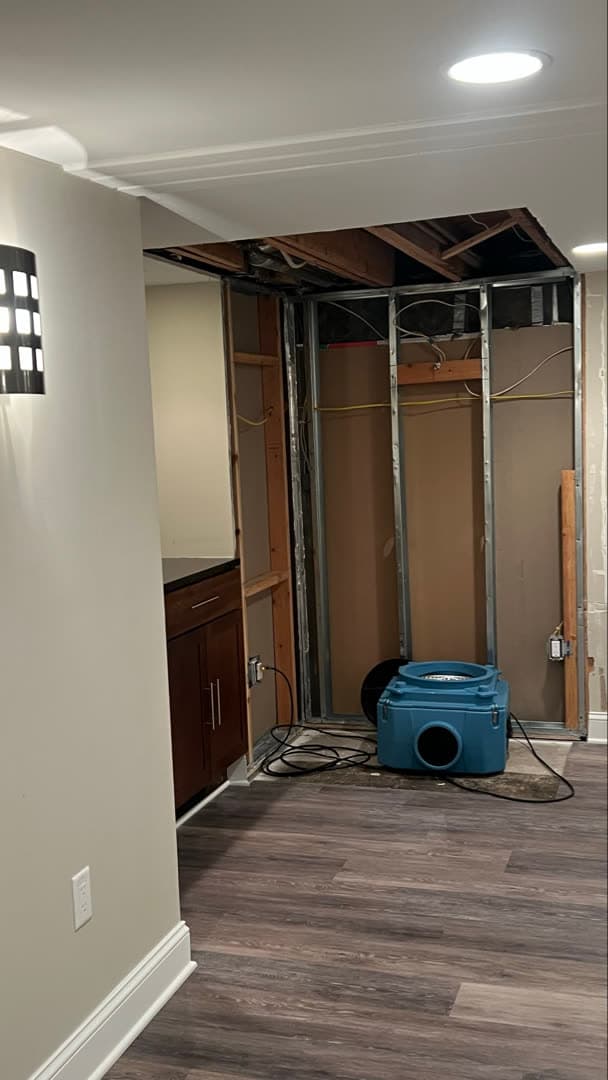
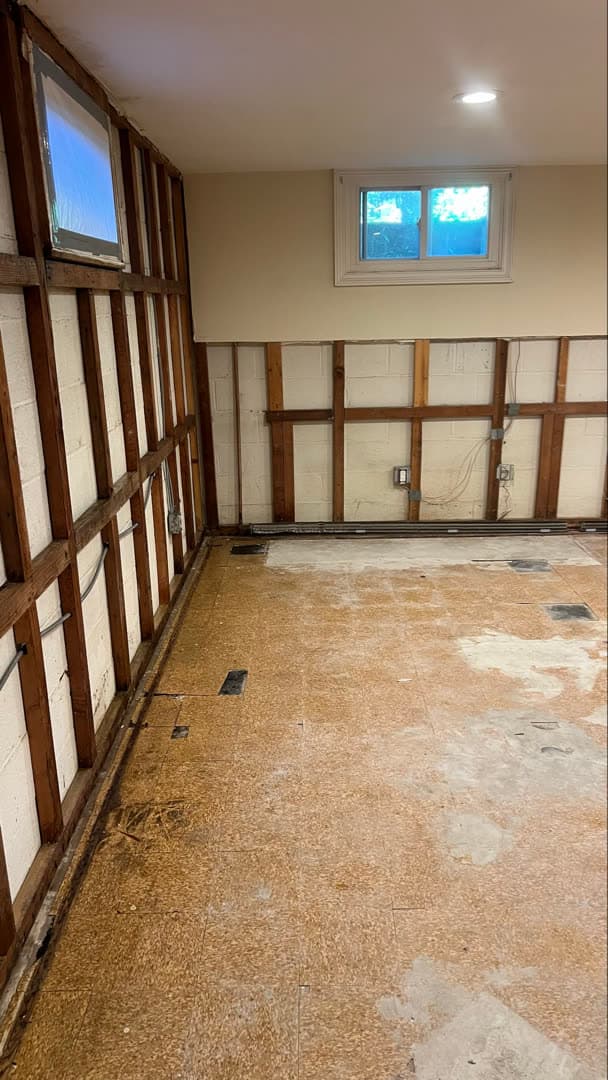
The owners of a Washington weekend home arrived for the holidays to find a film of mold across the lower level walls, leather furniture, and closet contents. The house had been closed since late summer with no dehumidification running. Green Restoration contained the lower level, HEPA cleaned the hard surfaces to ANSI/IICRC S520-15 practice, triaged the contents room by room, and set up humidity monitoring the owners can check remotely between visits.
Scope of Damage
Lower Level Walls & Trim
ModerateSurface film across painted walls, trim, and closet interiors. HEPA vacuumed, damp wiped, and treated.
Furnishings & Contents
ModerateLeather seating, wood furniture, and closet contents triaged room by room. Most pieces cleaned and returned.
HVAC Registers
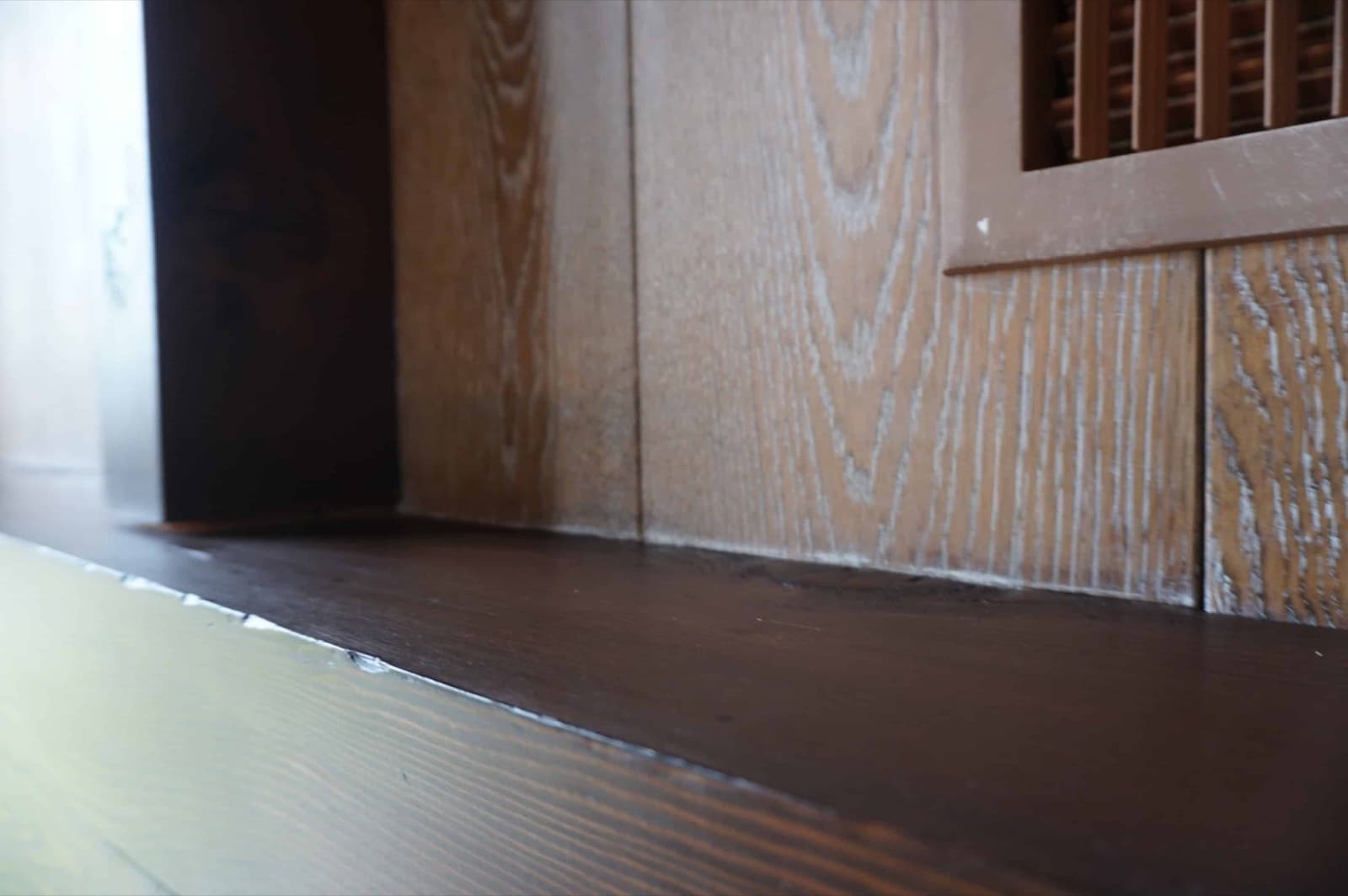
LightSupply registers cleaned and a fresh filter installed before the system was run again.
How We Solved It
- 1
Whole-Level Assessment
Every room on the lower level inspected and photographed so the owners had a complete record before cleaning began.
- 2
Containment & Negative Air
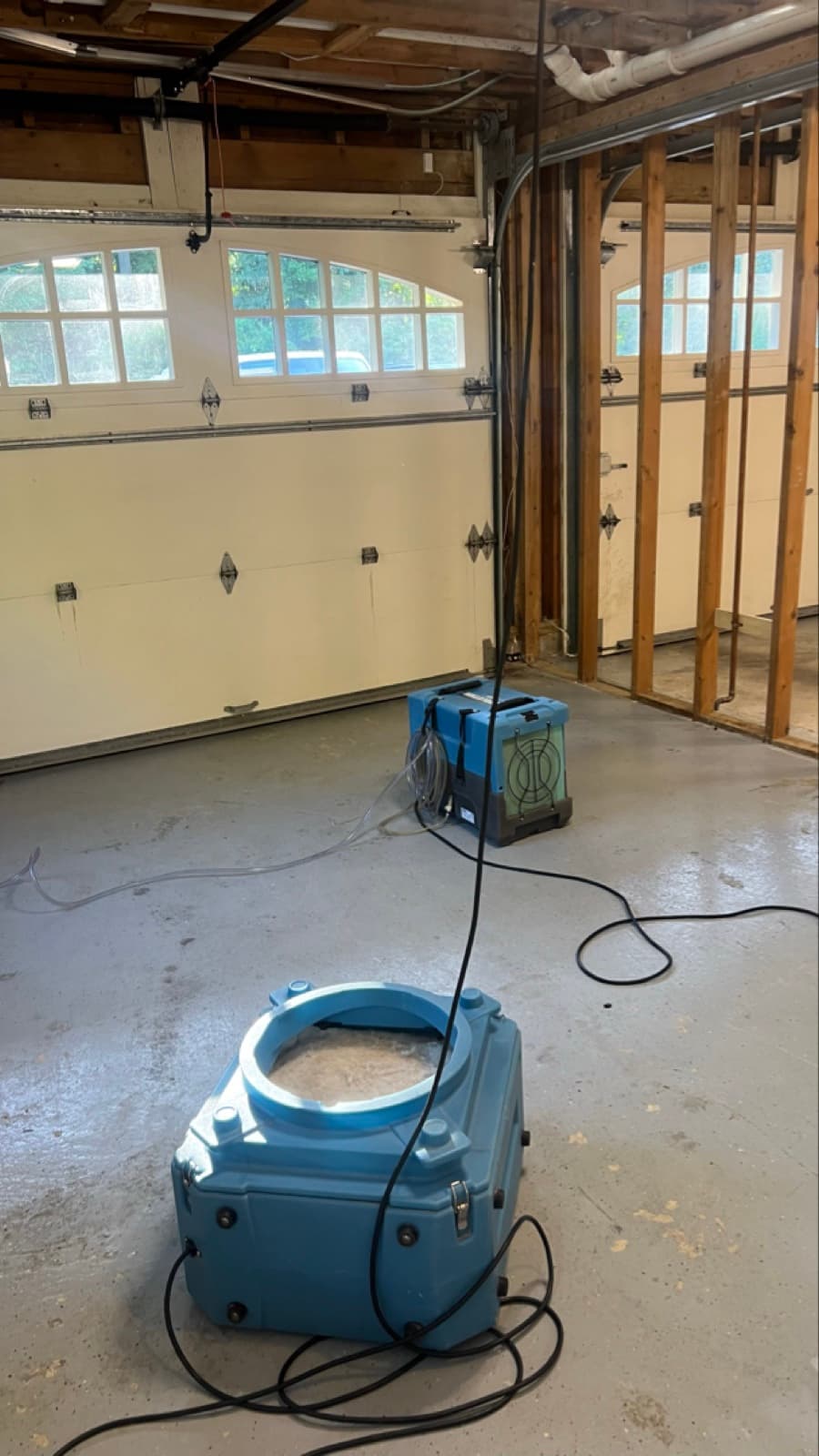
The lower level isolated from the main floor with poly at the stairwell and a HEPA air scrubber on negative pressure.
- 3
Surface Cleaning
Walls, trim, and closets HEPA vacuumed then treated with an EPA-registered plant-based antimicrobial.
- 4
Contents Triage
Furnishings sorted with the owners by phone: cleanable pieces treated on-site, compromised porous items documented and removed.
- 5
Remote Monitoring Setup
A dehumidifier on a drain line plus a connected humidity sensor, so the owners can watch conditions from out of state.
Tools & Equipment Used
Questions Homeowners Ask
Why do seasonal homes grow mold while closed up?
A closed house has no air movement, no cooling, and no dehumidification, so summer humidity settles on the coolest surfaces, usually the lower level. Given a few months, that sustained dampness supports the even film of growth we found in this Washington home. No leak is required.
What did the Washington cleanup involve?
Containment at the stairwell, HEPA vacuuming and antimicrobial treatment of every affected surface, and a room-by-room contents triage done with the owners by phone. The project closed with a dehumidifier on a drain line and a connected humidity sensor.
How long did the project take?
Four days on-site. Whole-level surface cleaning is methodical rather than demolition-heavy, so the schedule is driven by square footage and the volume of contents to evaluate rather than by drying time.
Does insurance cover mold in a vacant or seasonal home in Connecticut?
Usually not when the cause is ambient humidity over months, which carriers treat as gradual damage. Some policies also carry vacancy clauses that tighten coverage further. We document everything so you can review it with your agent. We work with insurance, but Green Restoration is independent and not on any insurer's panel.
Can furniture from a moldy room be saved?
Most of it, yes. Leather, finished wood, metal, and glass usually clean well with HEPA vacuuming and appropriate treatment. Upholstered and porous pieces get evaluated individually; items with established growth into the material are documented for the owner and removed.
How should owners protect a weekend home between visits?
Run a dehumidifier on a drain line year round, add a connected humidity and leak sensor you can check from your phone, and have someone walk the house monthly in the humid season. Holding the lower level under 60 percent relative humidity prevents a repeat.
Washington is served by
Green Restoration of Litchfield County
Available 24 / 7 for emergency response