Certified Mold Remediation Montague, MA
Five Villages, One Mill Town Cleared In 2026 Turners Falls, S520, ACAC, AMRT, WRT
 IICRC Certified
 Eco-Friendly Solutions For Healthier Spaces
Reviewed by David Megeneishvili·Fully Insured·IICRC AMRT + WRT
What Is IICRC S520 Mold Remediation?
Mold remediation is the IICRC S520-2024 documented process of source-cause moisture diagnosis, HEPA-filtered negative-air containment construction, condition-1 vs condition-2 vs condition-3 substrate triage, controlled removal of porous Condition 3 materials, antimicrobial application of EPA-registered formulations, HEPA post-cleaning, and ACAC-certified independent third-party clearance verification before any reconstruction.
In Montague, MA, remediation is sequenced strictly: identify and stop the moisture source, build containment with negative-air HEPA AFD machines and 6-mil poly barriers, remove visibly contaminated porous materials, decontaminate semi-porous surfaces per S520 § 12.2, antimicrobial mist treat, HEPA vacuum the work area, and only release containment after independent third-party air and surface sample clearance falls inside the Condition 1 envelope.
- IICRC S520-2024 aligned
- HEPA negative-air containment
- ACAC independent clearance
- EPA-registered antimicrobials
Why Montague Mold Jobs Run IICRC S520
Massachusetts has no mandatory mold licensing regime, but post-2020 building-code amendments require IICRC S520-aligned remediation scope, third-party clearance testing, and ASTM D7338 microbial sampling documentation on residential jobs over $15,000.
Green Restoration runs IICRC S520-2024 protocol with HEPA negative-air containment, ACAC-certified independent third-party clearance, and full chain-of-custody microbial documentation on every remediation.
Complete Mold Remediation In Montague, MA
Every five-village mold scope contained by S520 crews reaching Franklin County via I-91 and Route 2, same day.
Same-Day Mold Inspection And Air Sampling
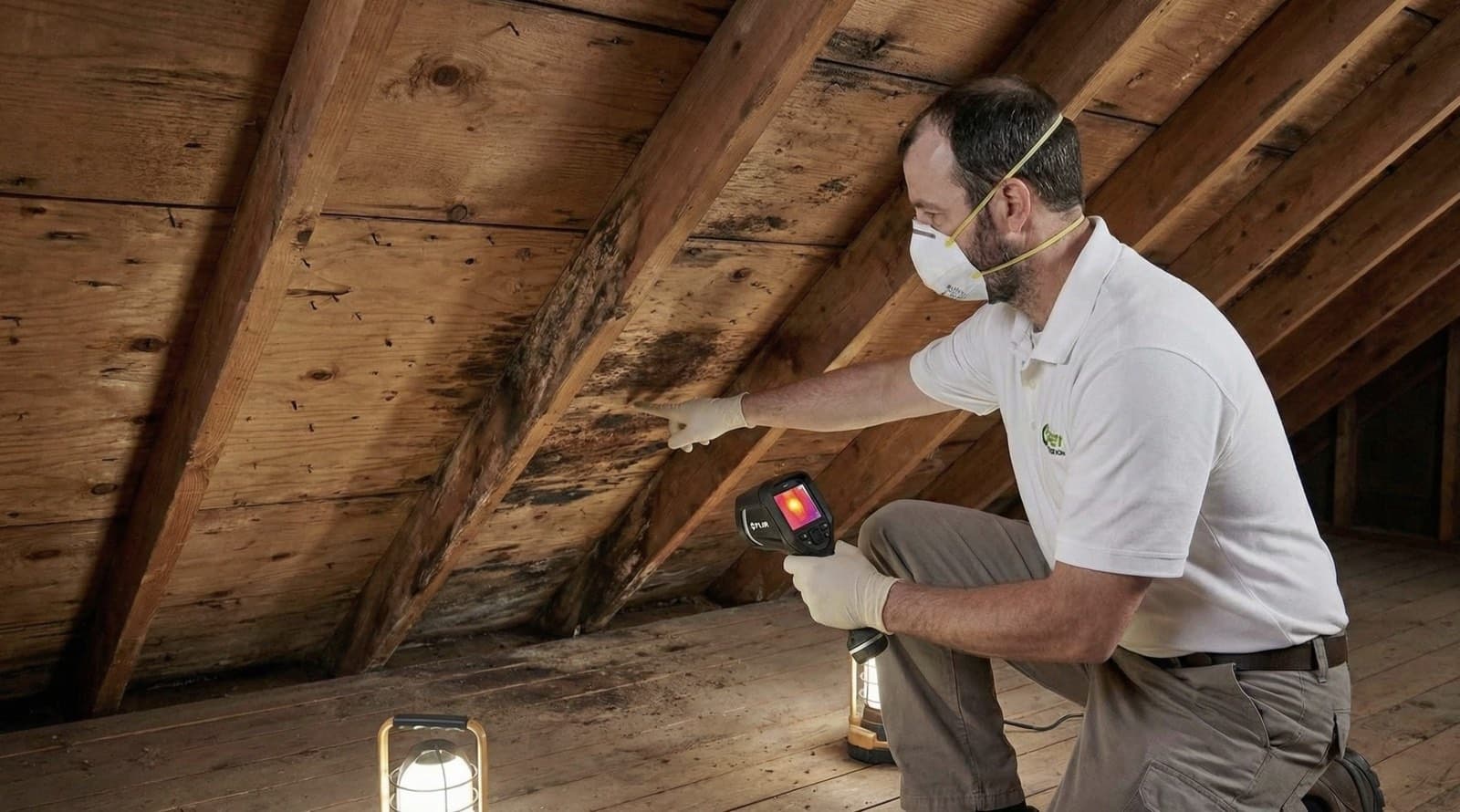
Island ground on the Patch and river damp through Turners Falls hide colonies behind mill-era plaster for months. Green Restoration deploys Tramex moisture meters and ACAC-certified cassettes same day across all five villages, mapping moisture migration through worker-housing cavities and Avenue A brick with thermal imaging before any wall opens.
IICRC S520, ACAC air sampling, five villages
Full Mold Remediation And Removal
The canal on one side and the Connecticut on the other keep Patch and riverfront cellars chronically damp, feeding wall colonies across Turners Falls. Green Restoration sets HEPA negative-air containment, removes affected materials per IICRC S520, applies EPA-registered antimicrobial to framing, and confirms outdoor-baseline spore counts before containment lifts in mill-worker homes and Avenue A blocks alike.
IICRC S520, Hospital-grade containment
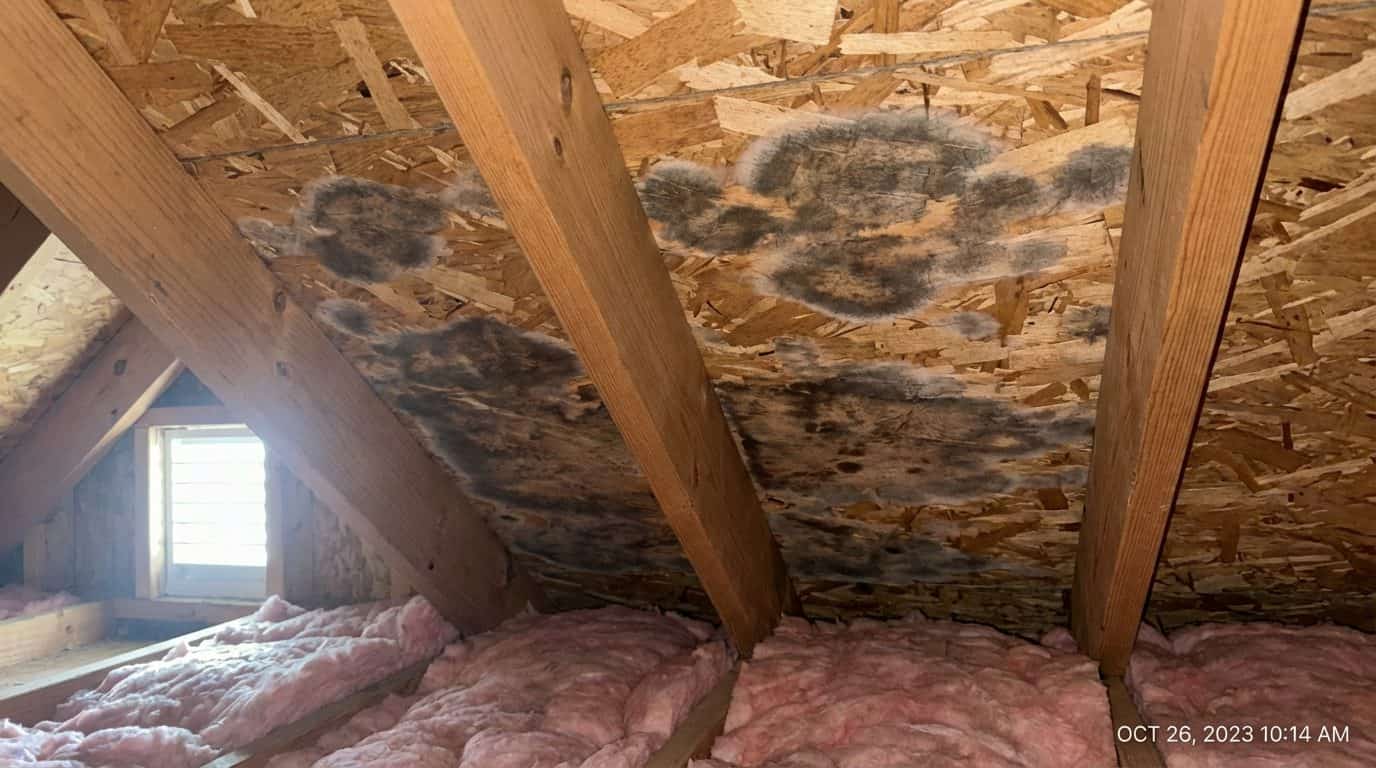
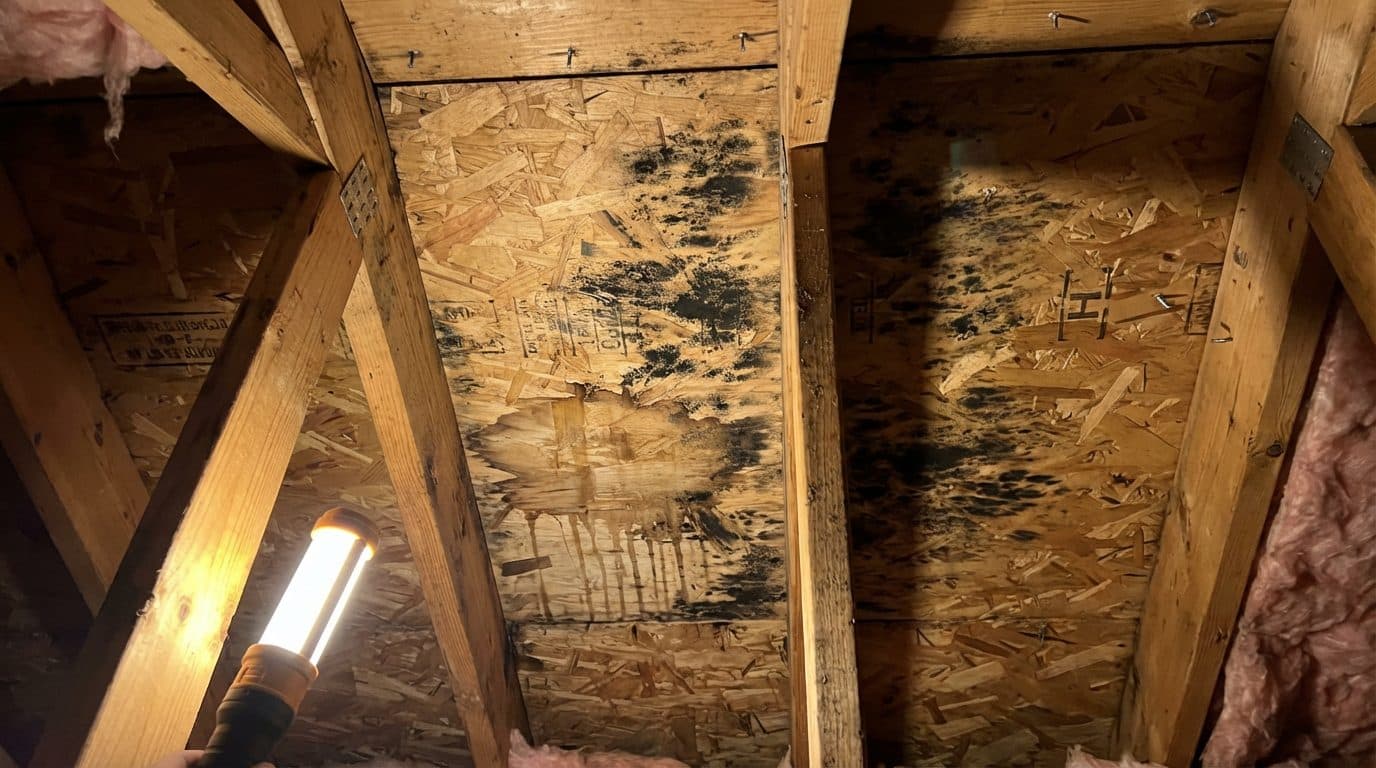
Attic Mold Cleanup
North-county winters load the steep rooflines of 1868 worker housing and Millers Falls village stock with ice dams, pushing meltwater into sheathing that feeds attic mold through spring. Green Restoration treats board and OSB sheathing per IICRC S520, corrects bath-fan terminations to the exterior, and replaces saturated insulation before close-up across Turners Falls and Montague Center attics.
Sheathing treatment, Ventilation corrected
Additional Mold Remediation Services In Montague
Black Mold (Stachybotrys) Remediation
Chronic seepage through stone foundations on the Patch island and in Montague Center's flood-plain cellars sustains the moisture dwell Stachybotrys needs. IICRC S520 double-poly containment with HEPA negative-air isolates the work zone, and post-remediation ACAC clearance sampling confirms spore counts at outdoor ambient before any village basement returns to use.
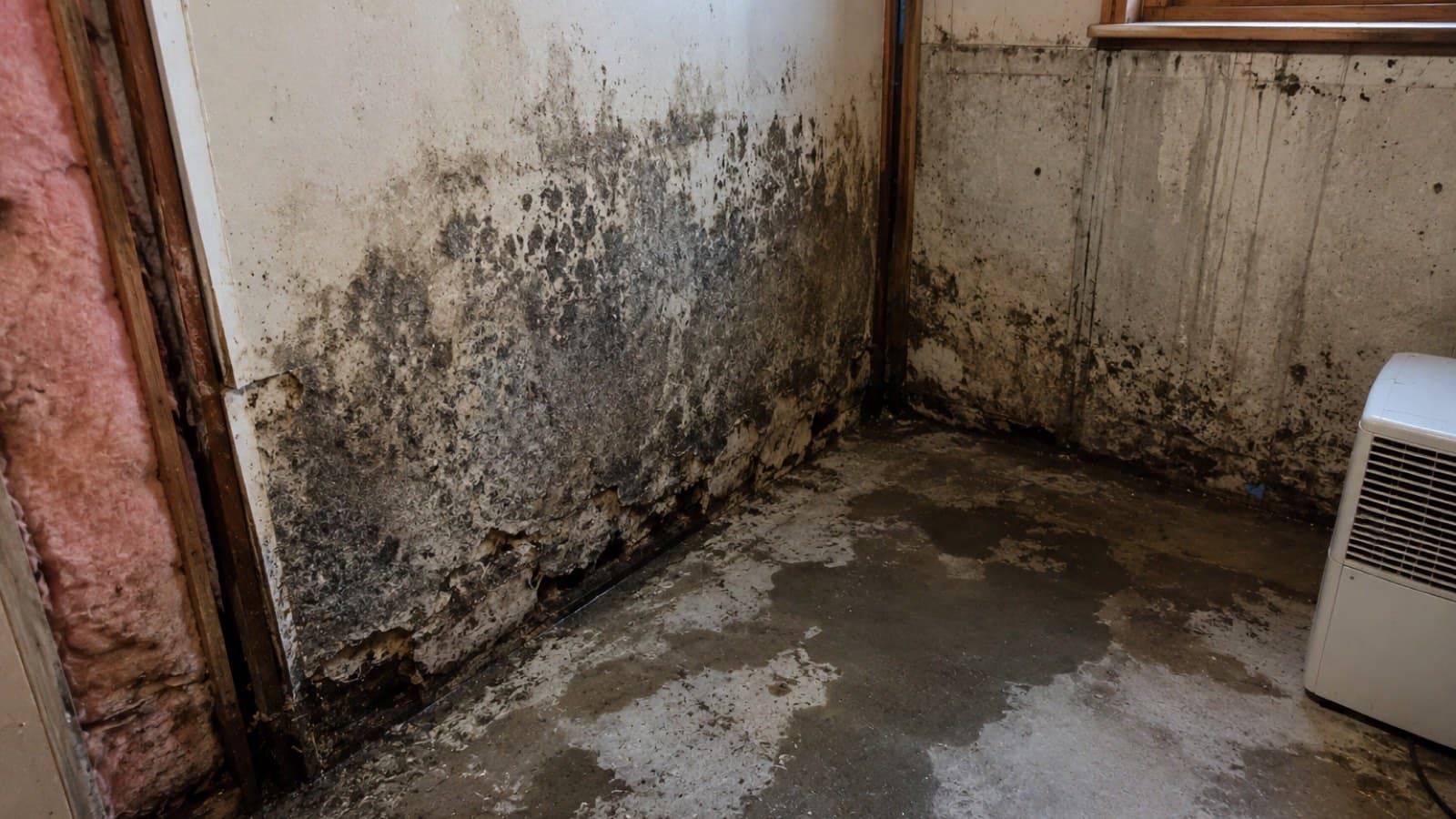
Basement And Stone Cellar Mold Cleanup
Capillary wicking through 19th-century stone foundations holds cellar humidity year-round from Montague Center's flood-plain soils to the Millers Falls riverbank. Green Restoration extracts affected material, dries structure to Tramex-verified 16% MC, corrects drainage and sump sources, and installs dehumidification across village cellars with full chain-of-custody documentation.
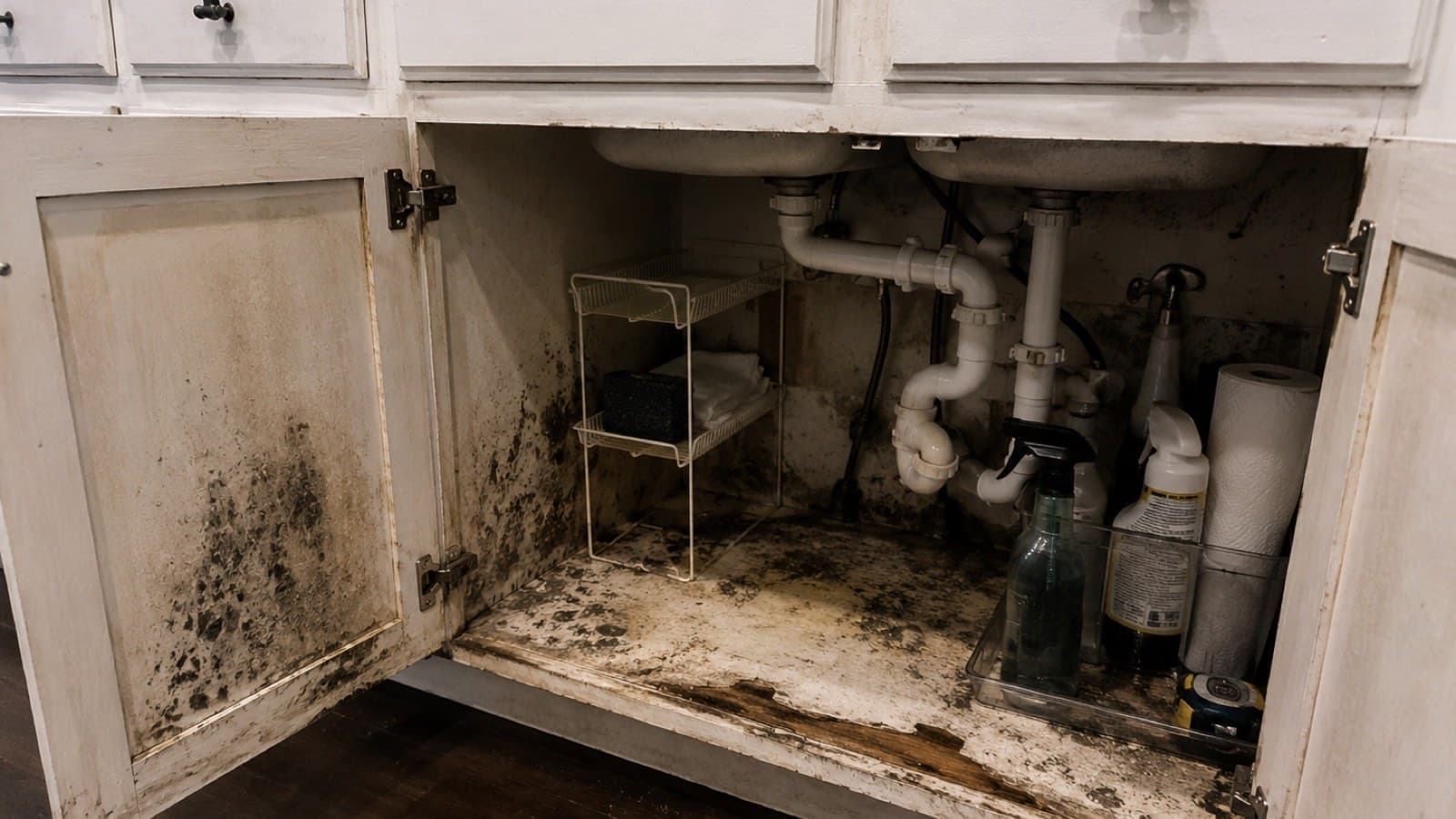
Bathroom And Kitchen Mold Removal
Bathrooms retrofitted into Montague's 1868-era worker housing often vent fans into ceiling cavities rather than outdoors, loading plaster assemblies with shower humidity. Green Restoration corrects every termination to exterior discharge, removes colonized tile backer and grout, treats substrate per IICRC S520, and rebuilds with mildew-resistant materials across Turners Falls and Millers Falls homes.
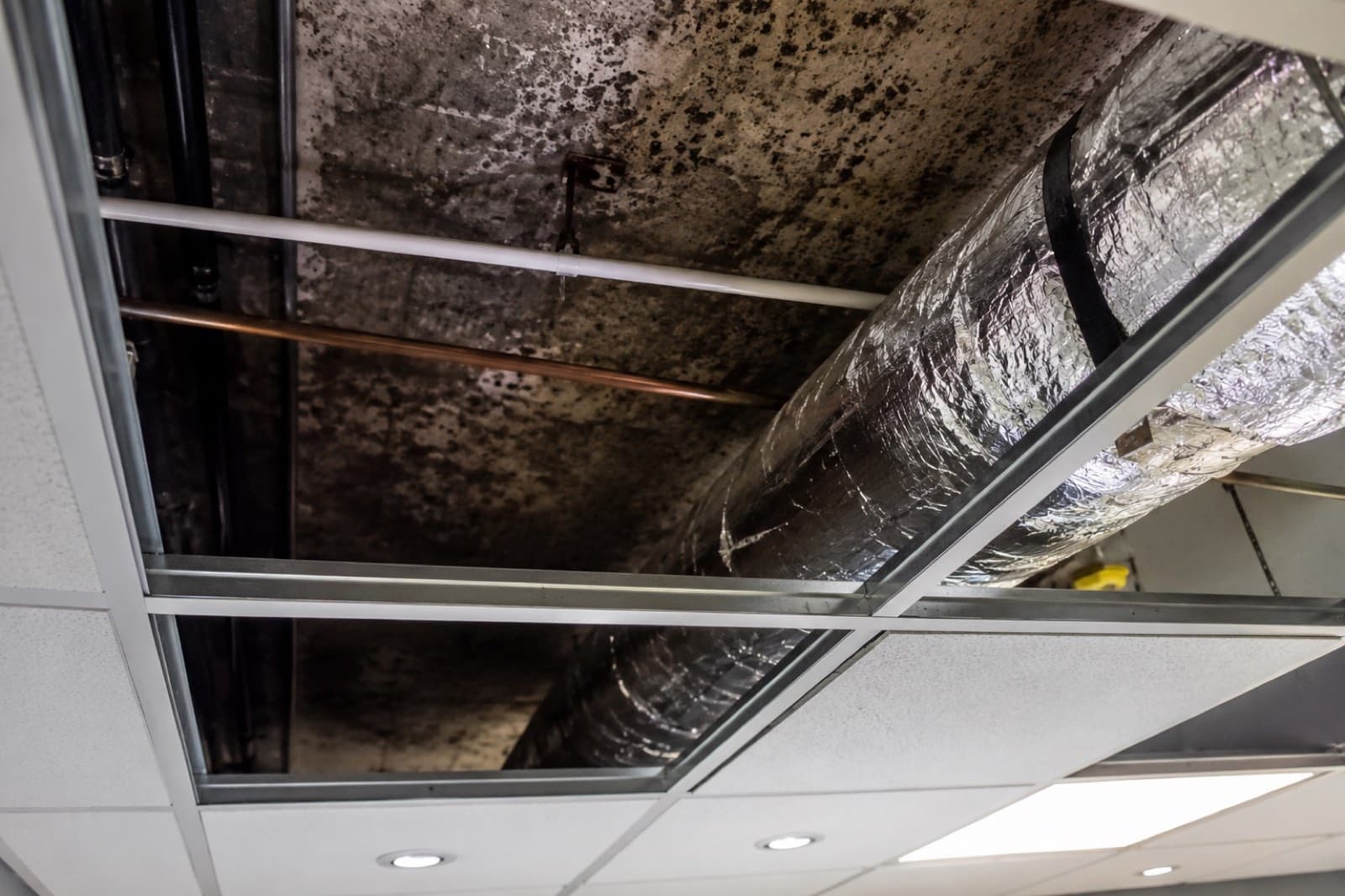
HVAC And Duct Mold Cleaning
Valley humidity condenses on cooling coils in village homes and Avenue A commercial spaces, seeding duct interiors that disperse spores through every register. Green Restoration cleans coils, sanitizes duct runs to NADCA ACR practice, and verifies air-handler cleanliness before return to service with fresh baseline air sampling across the mill town.
Crawlspace Mold Remediation
Lake Pleasant's former camp cottages and post-war homes across the villages draw ground moisture through exposed crawl-space soil into joists and subfloor. Green Restoration removes colonized wood per IICRC S520, applies antimicrobial treatment, installs 20-mil poly vapor barrier, and sizes dehumidification to hold below 60% RH, with annual Tramex checks confirming durable control.
Dry Ice CO2 Pellet Blasting
Mill-era plaster-on-lath cavities and Avenue A-era timber cannot take abrasive cleaning without losing original detail. Green Restoration applies dry ice CO2 pellet blasting per IICRC S520, sublimating directly to gas and lifting Stachybotrys off old-growth framing with zero secondary waste on Turners Falls Historic District projects.
Soda Blasting Mold Remediation
Worker-housing plaster and original millwork in Montague's 1868 planned village cannot survive conventional abrasive media without finish destruction. Green Restoration deploys FDA GRAS sodium bicarbonate soda blasting under IICRC S520 negative-air containment, lifting Penicillium and Cladosporium off cellulose substrate without scarring in Montague Center and Millers Falls homes.
Multi-Species Mold Identification
Stachybotrys chartarum, Aspergillus, Penicillium, Cladosporium, Alternaria, and Chaetomium each require different containment, antimicrobial selection, and clearance thresholds. Green Restoration commissions ACAC-certified lab speciation on every Montague remediation, matching IICRC S520 protocol to the confirmed genus across mill-era plaster walls, stone cellars, and lakeside cottages.
Post-Remediation Clearance Testing
After remediation in Patch-island basements and Avenue A blocks, Green Restoration commissions a third-party ACAC-certified sampler to collect spore trap cassettes for lab analysis. Results must confirm spore counts at or below outdoor baseline across affected zones, with documentation issued for Massachusetts carriers and Franklin County real estate transactions.

Mold In A Mill-Era Home Compounds Fast. Inspect It Today.
S520 Crews Reach All Five Montague Villages Same Day. Containment Built For Old Assemblies, Clearance Verified By Lab.
Green Restoration of Western Mass in Montague
Green Restoration of Western Mass handles mold remediation in Montague, MA, where the Connecticut River and the power canal run through Turners Falls, with the Patch island holding ground moisture from both sides, and the Millers River shaping Millers Falls. Owner-led crews set HEPA containment and remove affected porous materials to IICRC S520 standards, under IICRC Certified Firm #70236106. Call (833) 970-2121.
Why Choose Us In Montague
Owner-led mold remediation with same-day inspection, lab-verified clearance testing, and hospital-grade containment across all five Montague villages and Franklin County.
Five Villages, Same Day
Inspectors reach Turners Falls, the Patch, Millers Falls, Montague Center, and Lake Pleasant the day you call, carrying thermal imaging, Tramex meters, and ACAC sampling cassettes for plaster-era diagnostics.
Containment Built For Old Assemblies
Negative air, sealed transitions, and HEPA scrubbing engineered around mill-era plaster, Avenue A brick, and stone cellars, so spores never ride the cavities to clean rooms.
Botanical Antimicrobials, No Harsh Fumes
EPA-registered Benefect Decon-30 and Concrobium treat exposed framing and lath after removal, chosen for occupied homes and century-old wood alike.
Clearance A Buyer's Inspector Will Accept
Third-party ACAC sampling closes every job at or below outdoor baseline, documentation that holds up in Franklin County real estate files, not just insurance ones.
What Untreated Mold Costs Your Montague Home
Most Montague homeowners notice mold only when a musty cellar or a stained plaster ceiling forces the issue. Island ground, flood-plain soils, and north-county winters make it compound fast.
The Patch Holds Water On Both Sides
Island Ground Between Canal And River
The Patch neighborhood of Turners Falls sits on the island between the power canal and the Connecticut River, and its early-1900s worker homes stand on ground that stays damp from both directions. Cellar humidity there runs high in every season, and spores colonize damp parging and joists within 48 hours of any saturation event.
Mill-Era Plaster Hides Colonies For Years
The 1868 Planned Village And Its Worker Housing
Turners Falls was laid out in 1868 and built fast with plaster-on-lath worker housing around the Avenue A commercial spine. Water entering at flashing failures or sill penetrations travels the wall cavities unimpeded, growing mold on the back of plaster long before anything shows on the room side.
North-County Ice Dams Soak Attic Sheathing
Every Cold Snap Loads The Roofline
Montague runs on north-county winters, and ice dams on steep village rooflines push meltwater under shingles and into attic sheathing each year. The wet board and OSB sheathing then feeds attic mold through spring, discovered months later during fan or insulation work.
Flood-Plain Cellars In Montague Center
The 1754 Village On Agricultural Lowland
Montague Center stands on rich agricultural flood-plain soils by the town's own history, and the stone foundations under its Colonial and Greek Revival homes wick that ground moisture by capillary action year-round. A musty cellar smell in the Center is usually active surface colonization on framing, not just old-house character.
Mold History And A Clean Resale File
What A Buyer Can Ask, And What You Can Show
Massachusetts follows caveat emptor, so there is no general seller disclosure statute for mold, but a seller cannot conceal or misrepresent a known problem and must answer truthfully when a buyer asks, and licensed agents carry a broader Chapter 93A duty. Professional remediation with lab-verified clearance documentation is what lets you answer it cleanly, and it protects your Montague listing value, whether you are selling a Turners Falls worker home, an Avenue A block, or a Montague Center Greek Revival on the open market.
Seasonal Cottages Breed Closed-Up Mold
Lake Pleasant's Camp-Resort Stock
Lake Pleasant's small cottages date to the village's camp-resort era, and buildings that close up for weeks at a time hold humidity with no air movement to check it. Colonies establish on contents, ceilings, and wall surfaces between visits, and the discovery usually comes on opening day. Removal needs IICRC S520 containment, never a scrub and a coat of paint.
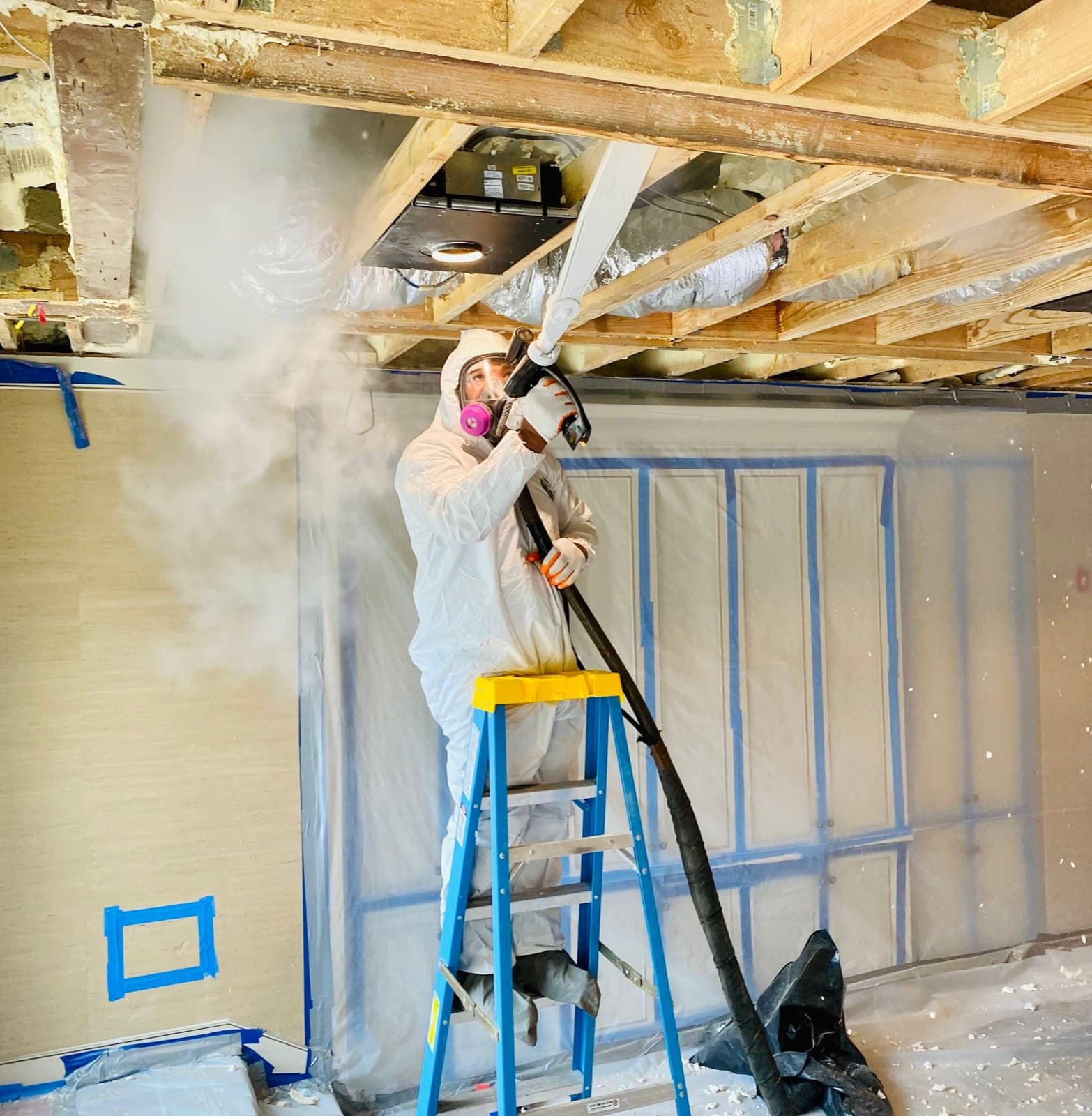
Why Montague Properties Need Professional Mold Remediation
Five-village conditions create mold pressure surface cleaning cannot solve. Hospital-grade containment with lab-verified clearance is the only durable fix.
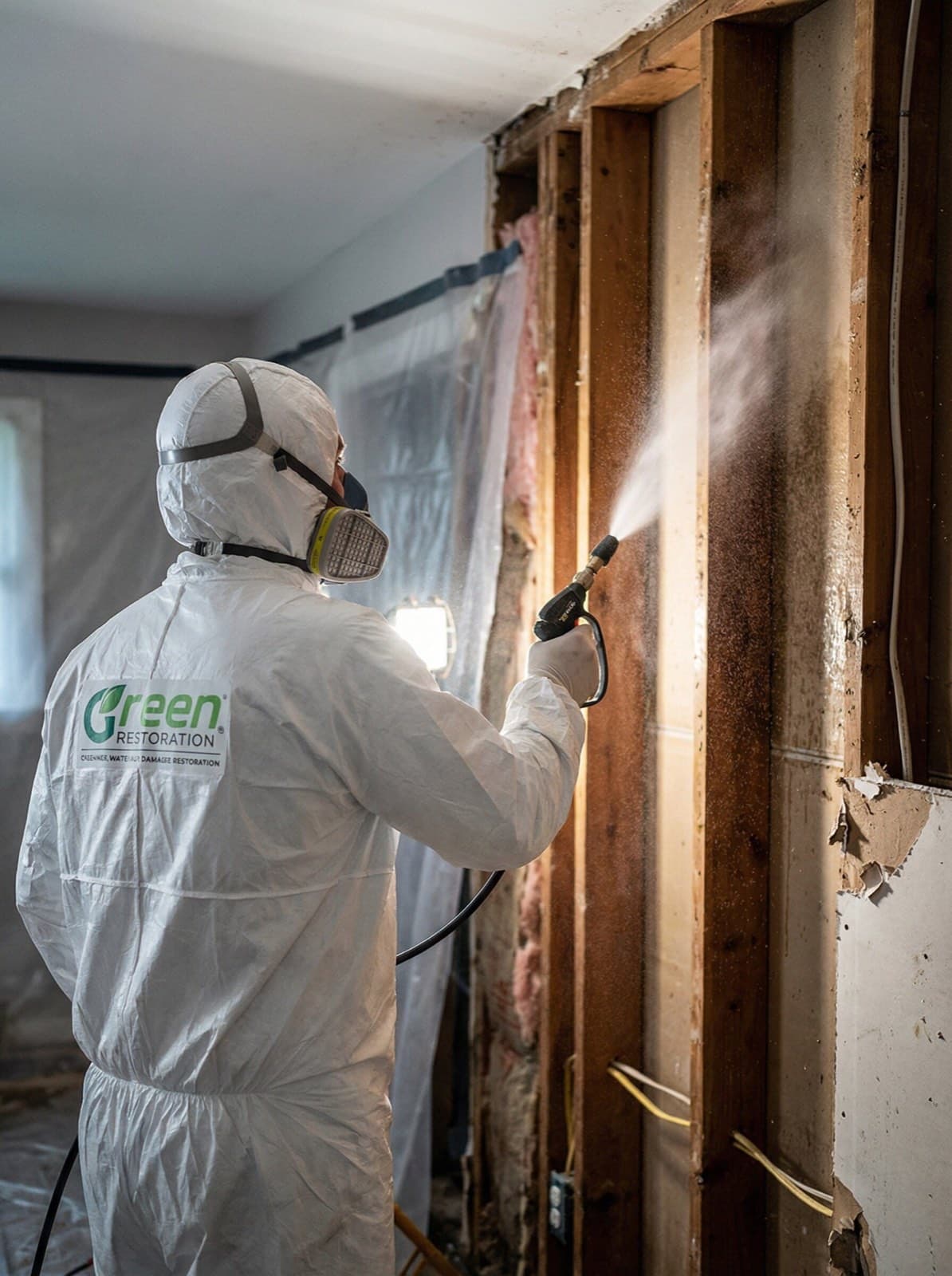
IICRC S520, AMRT, And WRT Certified Crews For The Mill Town
Every Green Restoration mold crew is IICRC S520 certified with hospital-grade containment protocol, and our owner carries IICRC AMRT (Applied Microbial Remediation Technician) and WRT (Water Restoration Technician) credentials. Worker-housing plaster in Turners Falls, Avenue A commercial brick, Montague Center stone cellars, and Lake Pleasant cottages each get containment engineered for the assembly, not a one-size seal.
Same-Day Inspection To All Five Villages
A technician reaches Montague the same day you call, via Interstate 91 and Route 2 from the Western Massachusetts base, whether you are in Turners Falls, on the Patch, in Millers Falls, Montague Center, Montague City, or at Lake Pleasant. Thermal imaging, moisture meters, and ACAC-certified air sampling kits come on the first visit, so the scope is documented before any pricing conversation starts.
Moisture Source Corrected, Not Just Covered
Mold returns when the leak, humidity, or ventilation problem survives the cleanup. We coordinate directly with roofers on ice-dam damage, plumbers on failed supply lines in plaster cavities, and HVAC contractors on condensing coils, so the root cause is fixed before any Montague wall closes, with the owner's AMRT and WRT training informing every source-correction call.
Lab-Verified Clearance You Can Hand Your Adjuster
Every Montague mold job closes with third-party air sampling and written clearance at or below outdoor baseline. The file includes scope, containment photos, lab reports, and the IICRC-standard documentation that carriers including Liberty Mutual, MAPFRE, Quincy Mutual, Travelers, Allstate, USAA, and Chubb work with for a clean approval across Franklin County.
The Mold We See Most in Montague
These are the mold problems we remediate most often, every job run to the IICRC S520 standard, contained with HEPA negative air, and cleared by independent ACAC air testing.
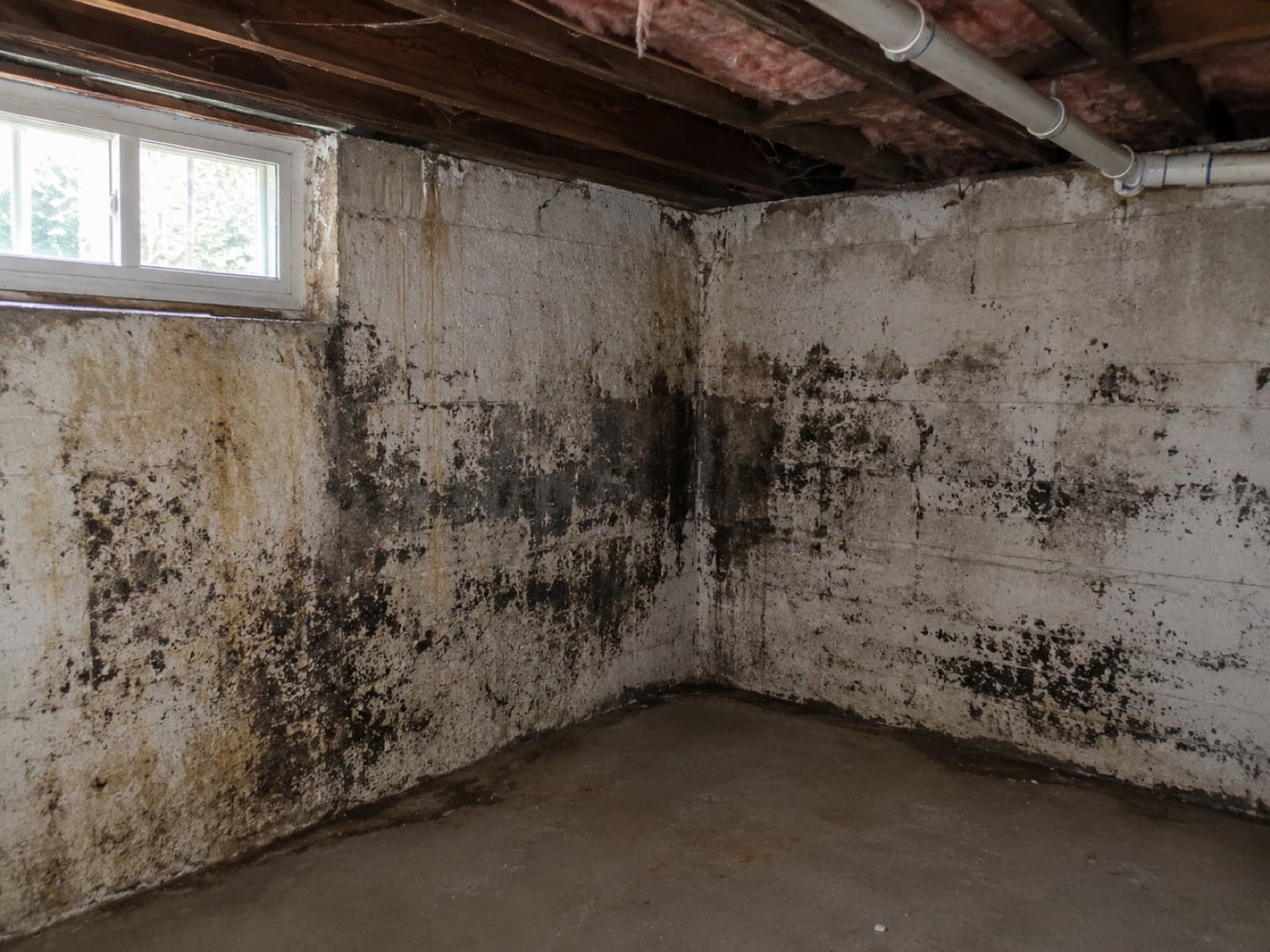
Patch Island Cellar Colonization, Cleared To Baseline
In Montague, island ground on the Patch keeps cellars damp from the canal side and the river side at once.
On the Patch, the island between the power canal and the Connecticut River, cellars hold ground moisture from both directions in every season. Joists, sill beams, and stored contents in the early-1900s worker homes grow colonies that a dehumidifier alone never resolves.
Containment seals the cellar from the living floors, negative air and HEPA scrubbing run for the duration, and colonized surfaces are treated or removed per IICRC S520 with the stone parging HEPA-cleaned rather than demolished. Drainage and sump corrections land before the equipment leaves.
Independent ACAC sampling confirms the cellar and the rooms above read at or below outdoor baseline, and the documented file covers scope, source correction, and lab results for the carrier and the next real estate transaction alike.
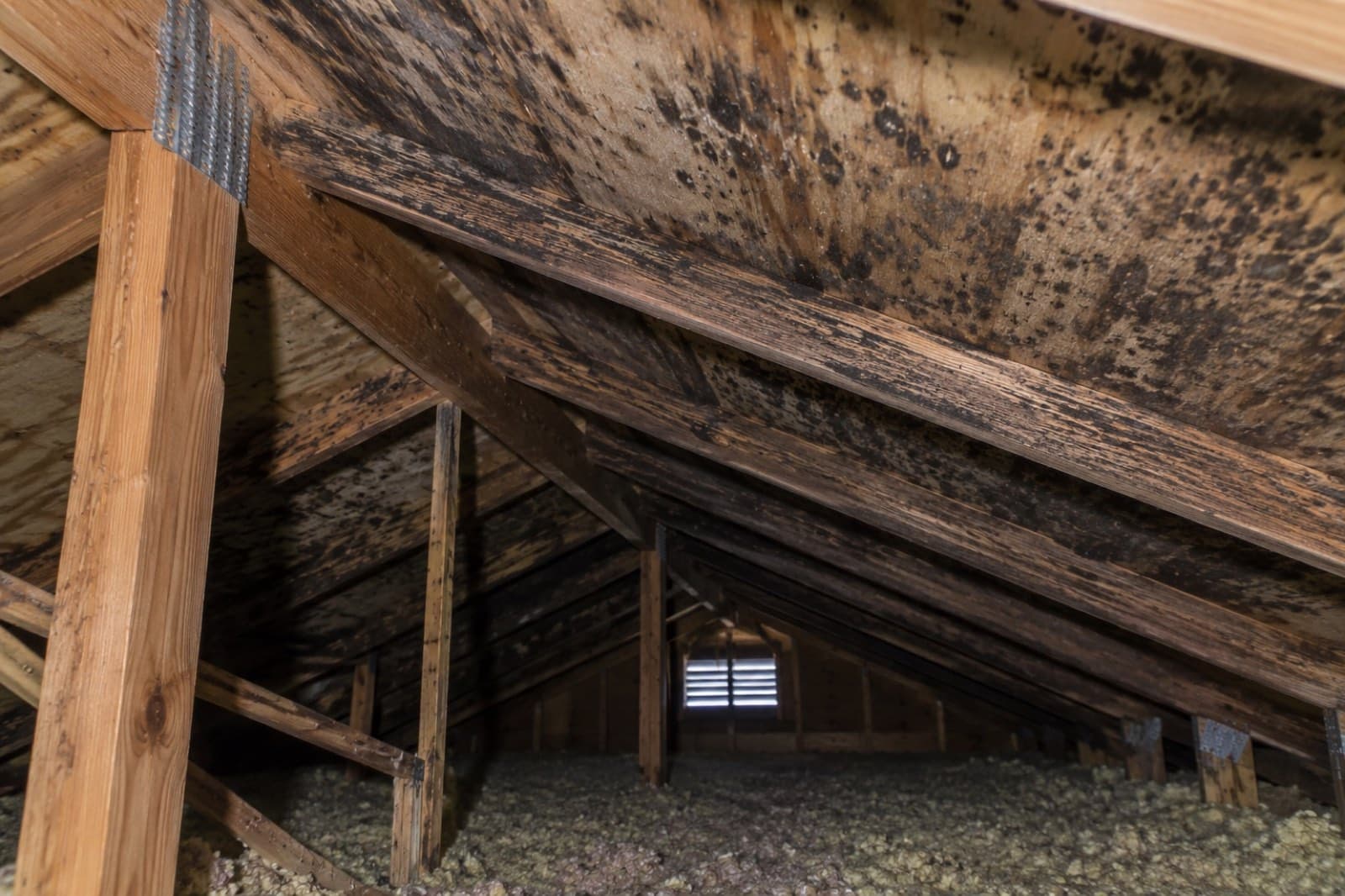
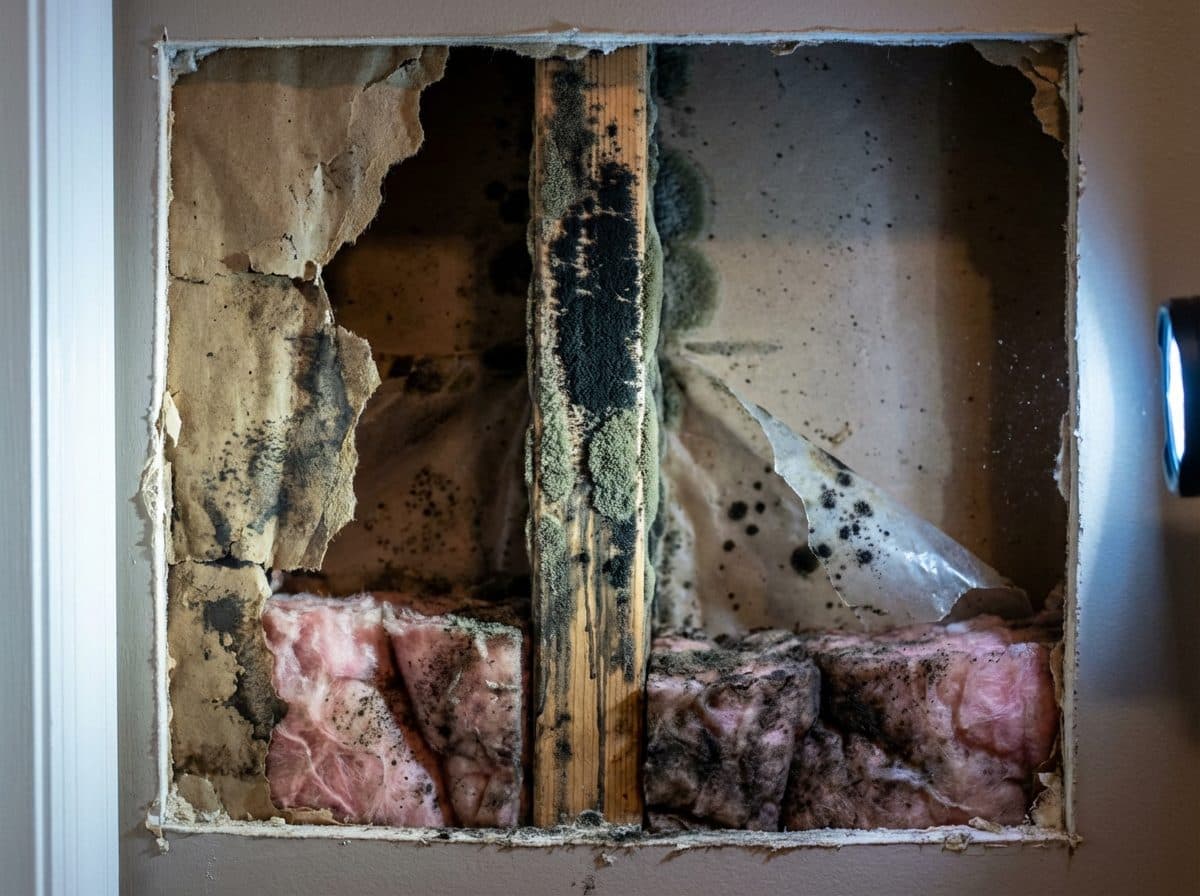
Scenario 1 of 5: Island-Ground Cellar Mold
What To Do When You Find Mold In Your Home
The first 24 hours matter. Follow these steps to contain the colony and protect your air quality while waiting for our IICRC S520 certified crew to arrive.
What To Do Immediately
EPA guidelines recommend professional remediation for any visible mold patch larger than a 3x3 square foot area. Anything more releases spores beyond safe DIY containment.
Close doors leading to the contaminated room and turn off HVAC immediately. Every minute of shared air movement spreads spores throughout the rest of your home.
Take timestamped photos of all visible mold and any related water damage before cleanup begins. Your insurance adjuster will need this for the claim file.
If you must enter the contaminated area before remediators arrive, wear an N95 respirator, nitrile gloves, and sealed eye protection. Skin and airway contact with active colonies is how symptoms start.
Mold needs water to grow. Fix the leak, correct the humidity, or remediate the flood before any cleanup attempt. Scrubbing without moisture correction guarantees regrowth.
Third-party post-remediation air sampling confirms spore counts are at or below outdoor baseline. Without it, you have no way to verify the work actually worked.
What NOT To Do
Bleach lifts color on drywall, carpet, and wood but does not kill mold at the root. The colony returns within weeks and the stain looks smaller only because the surface is lighter.
Central heating and cooling circulates spores through every duct run, colonizing rooms that were never affected. Shut the system off until professional containment is in place.
EPA guidelines require professional containment for anything larger than a 3x3 patch. Tearing out drywall without negative air pressure releases millions of spores instantly.
Even mildew-resistant primer cannot seal an active colony. The mold feeds on the paper backing of drywall and bleeds through within weeks, often worse than before.
A persistent musty smell without visible mold almost always means a hidden colony behind walls, under flooring, or in ductwork. Smell usually precedes visibility by months.
Disturbed mold releases millions of spores in seconds. Ripping carpet, pulling drywall, or breaking up tile without proper negative air pressure contaminates the entire home.
Our Mold Remediation Process In Montague, MA
From the first call to final walkthrough, every step is documented, insured, and owner-supervised.
Mold Remediation Coverage In Montague, MA
Full service mold inspection, containment, remediation, and lab-verified clearance testing for all five Montague villages. Same-day inspection response via I-91 and Route 2 from our Western Massachusetts base.
Green Restoration provides IICRC S520 certified mold remediation in Montague, MA, serving all five villages and the rest of Franklin County. Our certified technicians arrive same day with thermal imaging, moisture meters, and ACAC-certified air sampling kits, from initial inspection through hospital-grade containment and lab-verified clearance testing.
As a service-area business led by our owner across the Pioneer Valley, our crews know the specific mold conditions Montague properties face: island ground moisture on the Patch, 1868 mill-worker plaster cavities in Turners Falls, Avenue A commercial brick, flood-plain cellars in Montague Center, and closed-up seasonal humidity in Lake Pleasant cottages. We coordinate directly with adjusters from Liberty Mutual, MAPFRE, Quincy Mutual, Travelers, Allstate, USAA, Chubb, and all other major carriers, documenting scope from inspection through ACAC clearance for every claim across Montague and Franklin County.
Active Mold Exposure In Montague?
Same-day inspection dispatch, 24/7/365.
(833) 970-2121IICRC S520 · Fully Insured · All Insurance Accepted
All Of Franklin County Served By Green Restoration Of Western Mass For IICRC S520 Mold Inspection And Remediation.
Same-Day Mold Inspection In Montague, MA
IICRC S520 crews reach all five villages same day via I-91 and Route 2 in 2026, from Patch island cellars and Turners Falls worker-housing plaster to Avenue A commercial brick, ice-dam attic losses, and Lake Pleasant cottage reopenings, supervised under our owner's IICRC AMRT and WRT credentials. Green Restoration is not a licensed public adjuster and does not negotiate claims on your behalf.
Turners Falls' 01376 anchors the town, with Millers Falls (01349), Montague Center (01351), and Lake Pleasant (01347) completing the five villages. Same-day inspection reaches every one of them from our Western Massachusetts dispatch via Interstate 91 and Route 2.
Turners Falls was laid out in 1868 as a planned industrial village, and its defining stock is mill-worker housing around the brick Avenue A commercial spine, now a National Register historic district. Plaster-on-lath, stone foundations, and shared-wall blocks each demand their own IICRC S520 containment, drying, and clearance approach.
Mold risk in Montague tracks the Connecticut River and the power canal through Turners Falls, with the Patch island holding ground moisture from both sides, and the Millers River shaping Millers Falls. Scope sequencing prioritizes island and below-grade assemblies first because chronic damp drives most recurrence.
Montague runs on north-county winters, so ice dams load village rooflines with meltwater every year and spring thaw saturates flood-plain soils under Montague Center faster than they drain. That cycle feeds attic sheathing mold from above and cellar humidity from below, which is why containment and source correction here are planned around the season, not just the room.

About Green Restoration In Montague, MA

IICRC AMRT+WRT Certified
Montague gets the full IICRC S520 discipline with a five-village accent: spore sampling calibrated to plaster-era buildings, containment engineered for mill-worker housing and Avenue A brick, physical removal that respects historic-district fabric, and source correction that accounts for island ground, flood-plain cellars, and ice dams. Owner-operated under IICRC AMRT and WRT certified leadership, documented end to end for property owners and their carriers across Franklin County, without unnecessary steps or delays.

“As the local co-owner covering Montague and Franklin County, I bring 15 years of IICRC AMRT and WRT certified restoration experience to every property in the five villages, from Patch island cellars to Avenue A brick blocks. Every mold remediation project gets my direct oversight, from containment setup through ACAC clearance sampling. We work with property owners and insurers across Franklin County to document scope clearly and restore properties the right way, without unnecessary steps or delays.”
Trusted by Families in Montague &
Franklin County
4.9 out of 5, Rated by your neighbors on Google
Review part 1: inspection. While they did show up a few minutes late, they actually called ahead to inform me they were running late. Bonus point for communication.
Brian Preston
Mold InspectionGreat service! I used Green Restoration again for carpet and upholstery cleaning and they did a spectacular job! Both times their staff was very professional and they were very polite. The cost was average for what you get and the work was clean.
Angela Borowik
Carpet & Upholstery CleaningThank you!
Andriish Andiosh
Mold RemediationJeremy and William did an excellent job. They promised my house would look like they were never here and it was better than that. They were honest and very helpful. Melissa, the girl in the office, was also great to work with throughout the job.
Jeremy Robare
Restoration ServiceHow Much Does Mold Remediation Cost In Montague, MA?
Mill-town pricing runs on assembly age as much as square footage: stone cellars and plaster cavities carry the labor. Most Montague claims settle in the $3,000 to $8,000 band.
Small Project, Single Area
$1,500 to $4,500
One bathroom ceiling, a window return, an ice-dam attic patch caught early
Medium Project, Basement / Cellar
$3,000 to $8,000
A stone cellar or finished basement under containment, the common Montague job
Large Project, Whole-Home
$8,000 to $25,000+
Stachybotrys through plaster-era cavities, full attic sheathing, HVAC systems
Priced by scope under IICRC S520. Read the full mold cost guide.
Montague MA Mold Remediation FAQs
Clear 2026 answers on Montague mold conditions, insurance coverage, and lab-verified clearance testing.
Same-day mold inspection across all five Montague villages and the rest of Franklin County, 24/7. Crews come via Interstate 91 and Route 2 from the Western Massachusetts base with thermal imaging, moisture meters, and ACAC-certified air sampling, so scope is documented from the first visit, whether you are in Turners Falls, on the Patch, in Millers Falls, Montague Center, Montague City, or at Lake Pleasant. Call (833) 970-2121 any time, day or night.
Montague mold remediation typically runs $1,500 to $4,500 for single-area cleanup (a bathroom ceiling in a worker home, a window frame, a small attic patch), $3,000 to $8,000 for basement, stone-cellar, or single-room projects, which is where most five-village claims settle, and $8,000 to $25,000+ for whole-home Stachybotrys, multi-room containment in Avenue A commercial blocks, or HVAC remediation. Pricing depends on containment complexity, square footage, mold type, and whether plaster, drywall, insulation, or subfloor need replacement, and the housing era matters: mill-era plaster work runs different labor than post-war drywall.
Most Massachusetts homeowner policies cover mold remediation when it results from a covered water loss: a burst pipe inside mill-era plaster, a sump failure in a Montague Center cellar, an appliance leak, or a sudden ice-dam roof leak. Mold from long-term seepage, chronic cellar humidity, or gradual ground moisture typically requires a separate endorsement, and on the Patch island that distinction matters. Green Restoration submits to every major carrier directly with the IICRC S520 documentation, clearance test results, and lab-analyzed spore counts adjusters require, prepared under our owner's AMRT credential. We are not licensed public adjusters and do not negotiate claims on your behalf.
Most Montague projects run 3 to 7 days from containment setup to clearance testing. A single bathroom or kitchen wall finishes faster; larger projects with structural drying, whole-house HVAC work, or full stone-cellar Stachybotrys remediation extend to 10 days. The mill town's dominant plaster-and-masonry era adds drying time compared with drywall-era towns, and timelines also depend on whether source correction needs a roofer for ice-dam damage or a plumber before close-up.
Yes. Massachusetts allows combined mold assessment and remediation, so we perform both inspection and remediation in house with ACAC-certified air sampling. Pre-remediation sampling establishes baseline at your Montague property, post-remediation clearance testing confirms spore counts at or below outdoor baseline, and all lab results are delivered in writing for your file and your adjuster, whether the work is in a Turners Falls worker home, an Avenue A block, or a Lake Pleasant cottage.
Likely, in exactly the housing the mill town is known for. The 1868-era stock in Turners Falls is plaster-on-lath, so water entering at flashing failures or sill penetrations travels the wall cavities and grows colonies on the back of plaster for years before staining through. Stone cellars hide the same story below grade, and on the Patch the island ground keeps them damp from both sides. Thermal imaging and moisture meters find the temperature and moisture differentials behind finishes first, so the full scope is mapped with minimal destructive investigation, which in a historic-district home is the difference between opening one inspection port and losing a wall of original plaster.
Close off the affected area and leave the air alone: no box fans, no window units, no HVAC, because moving air spreads spores through plaster-era cavities faster than anything else. Do not bleach or scrub visible growth, since disturbing colonies releases spores. Photograph what you can see for the insurance file, note any musty-smell history for the inspector, and if the growth followed an ice dam, a wet cellar spring, or a cottage reopening at Lake Pleasant, say so on the call, because the likely source changes what equipment rides out on the truck. Then wait for the IICRC-certified crew to arrive with containment.
Green Restoration is IICRC S520 certified and owner-operated with IICRC AMRT and WRT certified leadership, serving all five Montague villages and the rest of Franklin County. We are equipped for what Montague specifically presents: island ground moisture on the Patch, mill-era plaster cavities, Avenue A commercial brick, flood-plain cellars in the Center, and closed-up seasonal humidity at Lake Pleasant. Hospital-grade containment, HEPA air scrubbers, and ACAC air sampling ride on every truck, with direct insurance billing and 24/7 availability at (833) 970-2121.
More Green Restoration Services in Montague
The same local Green Restoration team covers all of these across Montague. One number for every emergency and every cleanup.

