Certified Mold Remediation Buckland, MA
Wood Heat, Post-War Cellars And Hillside Seepage Cleared In 2026 Buckland Center To Four Corners, 01338 And 01370, S520, ACAC, AMRT, WRT
 IICRC Certified
 Eco-Friendly Solutions For Healthier Spaces
Reviewed by David Megeneishvili·Fully Insured·IICRC AMRT + WRT
What Is IICRC S520 Mold Remediation?
Mold remediation is the IICRC S520-2024 documented process of source-cause moisture diagnosis, HEPA-filtered negative-air containment construction, condition-1 vs condition-2 vs condition-3 substrate triage, controlled removal of porous Condition 3 materials, antimicrobial application of EPA-registered formulations, HEPA post-cleaning, and ACAC-certified independent third-party clearance verification before any reconstruction.
In Buckland, MA, remediation is sequenced strictly: identify and stop the moisture source, build containment with negative-air HEPA AFD machines and 6-mil poly barriers, remove visibly contaminated porous materials, decontaminate semi-porous surfaces per S520 § 12.2, antimicrobial mist treat, HEPA vacuum the work area, and only release containment after independent third-party air and surface sample clearance falls inside the Condition 1 envelope.
- IICRC S520-2024 aligned
- HEPA negative-air containment
- ACAC independent clearance
- EPA-registered antimicrobials
Why Buckland Mold Jobs Run IICRC S520
Massachusetts has no mandatory mold licensing regime, but post-2020 building-code amendments require IICRC S520-aligned remediation scope, third-party clearance testing, and ASTM D7338 microbial sampling documentation on residential jobs over $15,000.
Green Restoration runs IICRC S520-2024 protocol with HEPA negative-air containment, ACAC-certified independent third-party clearance, and full chain-of-custody microbial documentation on every remediation.
Complete Mold Remediation In Buckland, MA
S520 containment built for post-war basements, fieldstone cellars, wood-heated houses and hillside crawl spaces, reaching 01338 and 01370 the same day.
Same-Day Mold Inspection And Air Sampling
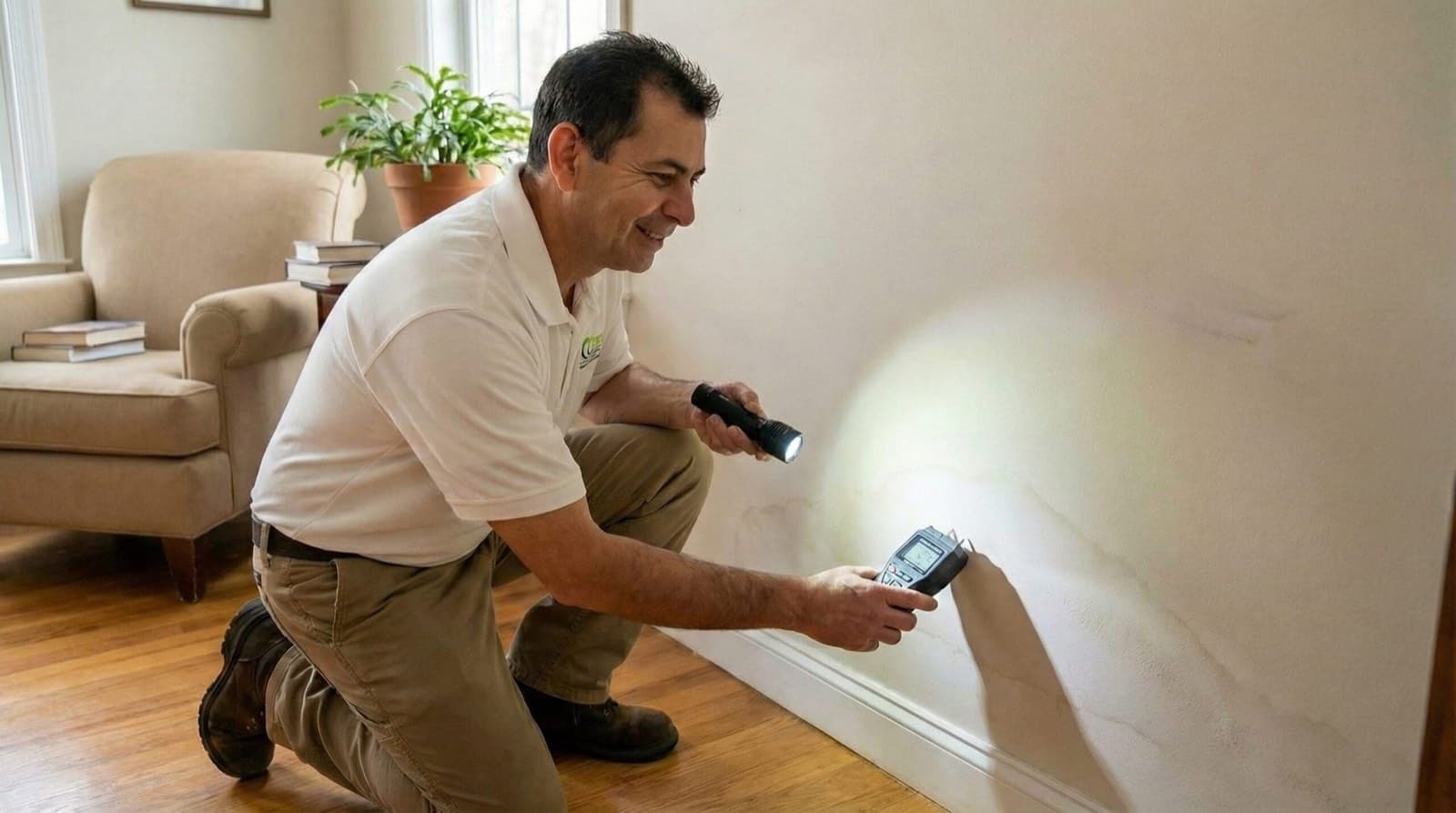
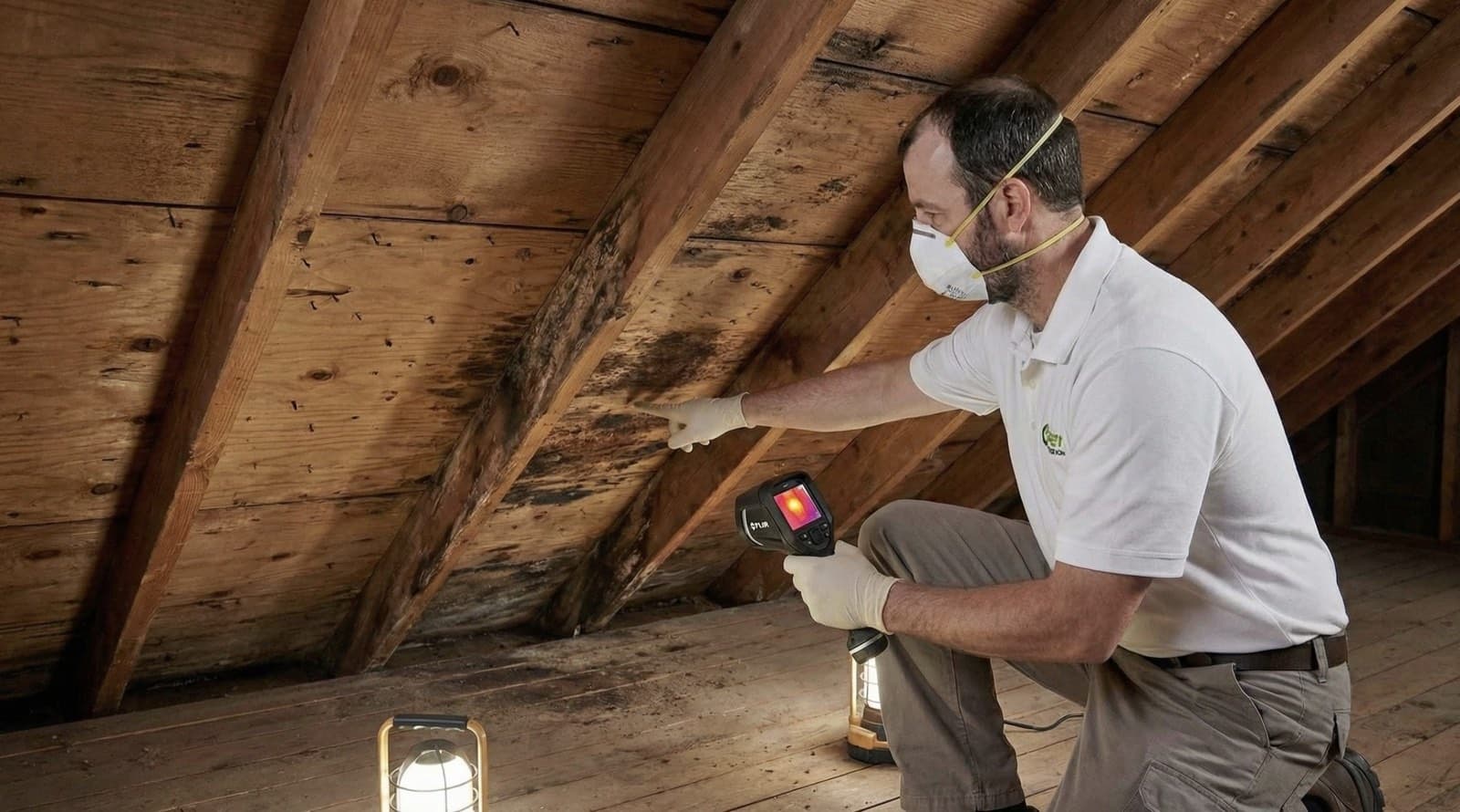
Buckland runs two ZIP codes and roughly twelve hundred feet of vertical rise, from the river terrace near four hundred feet up to Mary Lyon Hill at 1,608 feet, and a house at each end of that climb fails in a different way. Green Restoration reaches addresses in 01338 and 01370 the same day with Tramex meters, FLIR imaging and ACAC-certified cassettes, mapping where moisture actually travels through the site before anything is opened.
IICRC S520, ACAC air sampling, 01338 and 01370
Full Mold Remediation And Removal
The median Buckland house was built in 1950, which puts a genuine post-war layer alongside a pre-1940 core, and the two need opposite containment plans. Green Restoration sizes HEPA negative-air containment to whichever assembly is actually present, removes material under IICRC S520 while sparing what the meters clear, and verifies closing counts against the outdoor baseline taken on day one.
IICRC S520, Hospital-grade containment
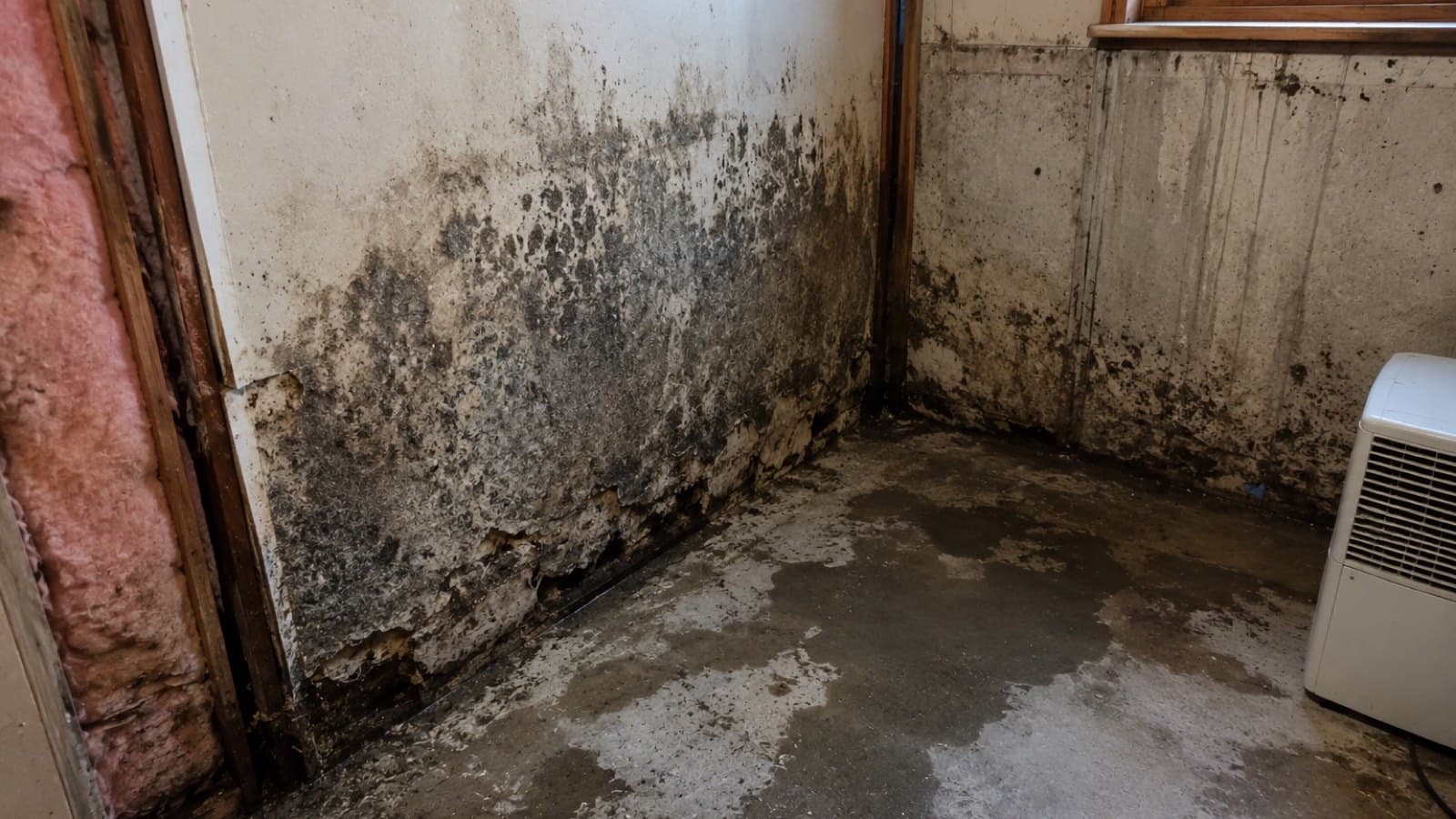
Post-War Basement Mold Cleanup
One hundred eleven Buckland homes went up in the 1950s, and that decade brought poured and block foundations, full basements with low headroom, and an oil-fired boiler standing in the same room somebody later finished. Green Restoration removes affected material, dries masonry to a metered content rather than a calendar date, corrects the drainage fault behind it, and sets dehumidification sized to a low basement on a slope.
Dehumidification, Source correction
Additional Mold Remediation Services In Buckland
Fieldstone Cellar And Antique Frame Mold
Forty-six percent of the housing here predates 1940, including the blocks packed onto the State Street and Conway Street terrace after the cutlery works crossed to the Buckland bank in 1851. Those cellars are fieldstone under post-and-beam framing, so containment is engineered around original material and the seal geometry follows what we open rather than what a drywall wall would allow.
Wood Heat And Cordwood Moisture Control
One Buckland home in four heats with wood, against roughly one in twelve across the river, and that changes the whole moisture picture. Cordwood stacked in a cellar or mudroom releases water indoors all winter, a drafting stove pulls the house into an unbalanced pressure regime, and the upstairs air goes bone dry over a cold damp basement. Green Restoration meters both levels, treats what is colonized per IICRC S520, and rebalances the humidity the stove is hiding.
Crawlspace Mold Remediation
Three quarters of Buckland housing is single-family detached on hillside lots, which produces partial basements, shallow crawl spaces and outbuildings dug to whatever depth the till over ledge allowed. Ground moisture rises through those floors year round. Green Restoration HEPA cleans and treats the framing per IICRC S520, seals the ground plane, and holds the space at a metered humidity the assembly can survive.
Black Mold (Stachybotrys) Remediation
The Deerfield River forms the north and east town lines, and on 28 August 2011 Tropical Storm Irene pushed the gage immediately upstream at Charlemont to 54,000 cubic feet per second, second only to the 1938 hurricane in a record that begins in 1914. Buildings that were wetted then can still carry Stachybotrys. Double-poly containment under negative air isolates the zone, removal and treatment follow IICRC S520, and clearance proves ambient counts before the space returns to use.
Attic Mold Cleanup
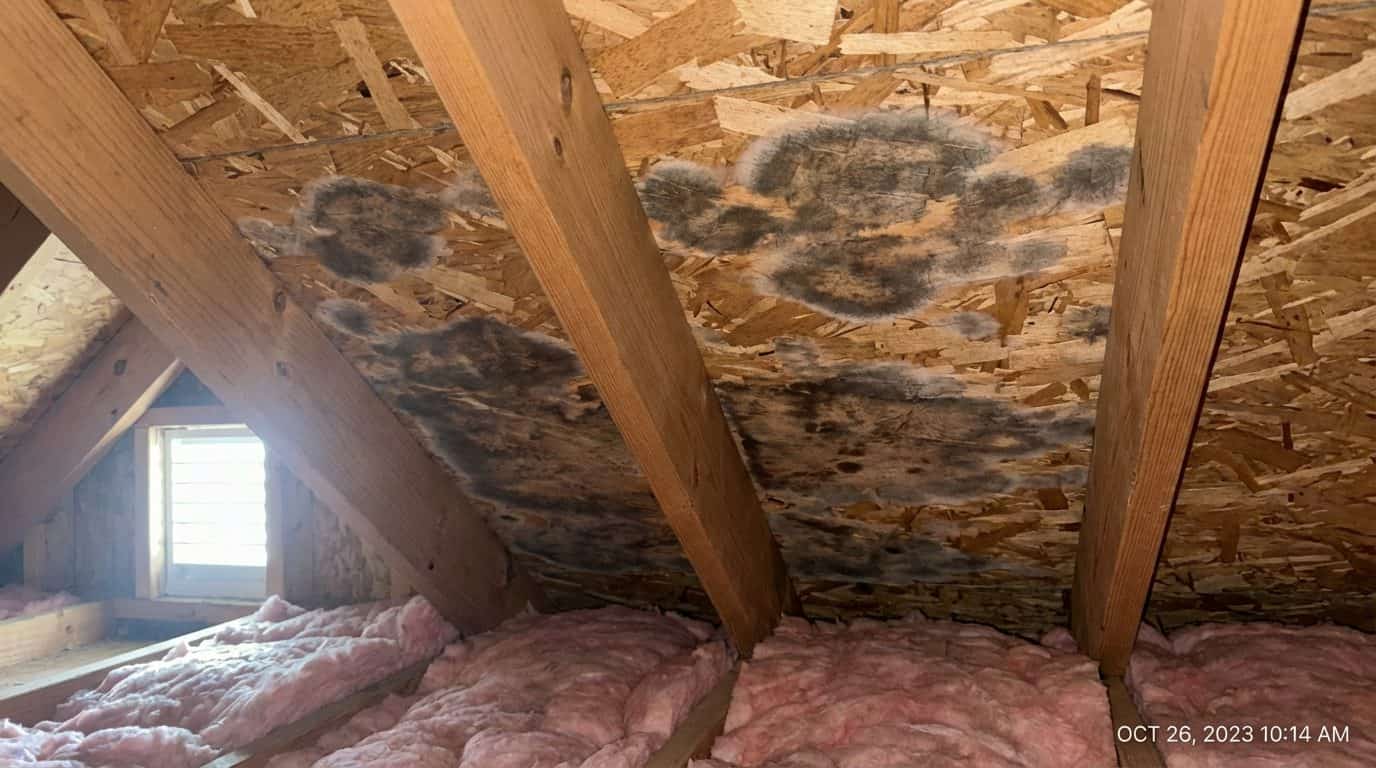
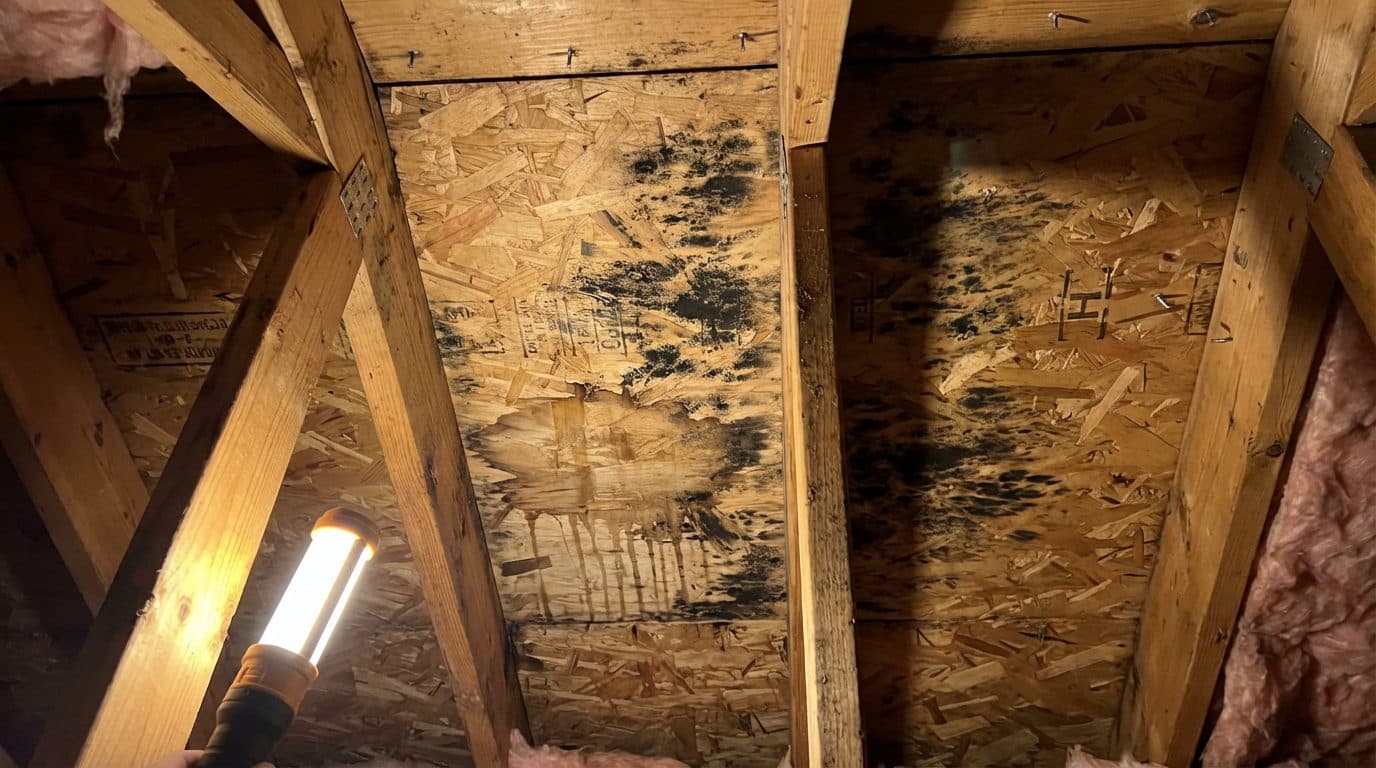
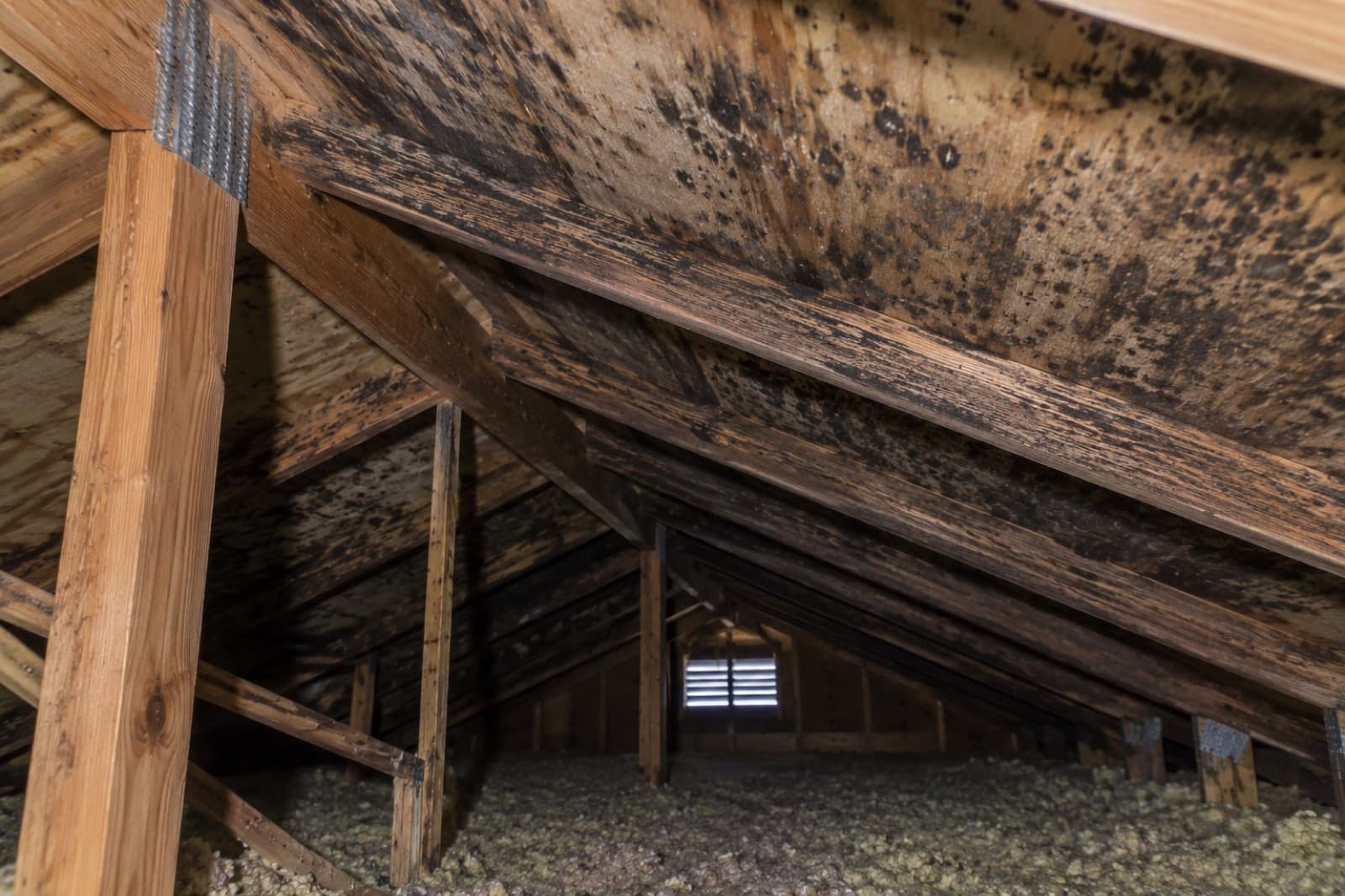
The Buckland gage measures about 56.75 inches of precipitation a year against roughly 51 on the Connecticut Valley floor at Greenfield, and the high farms toward Drake Hill and Moonshine Hill hold snow far longer than the village does. A roof that carries that snow over a warm ceiling plane builds the ice dam that stains sheathing from the eaves inward. Green Restoration treats sheathing and rafters per IICRC S520, corrects the bath fan and ventilation faults driving the cycle, and replaces saturated insulation before the attic closes.
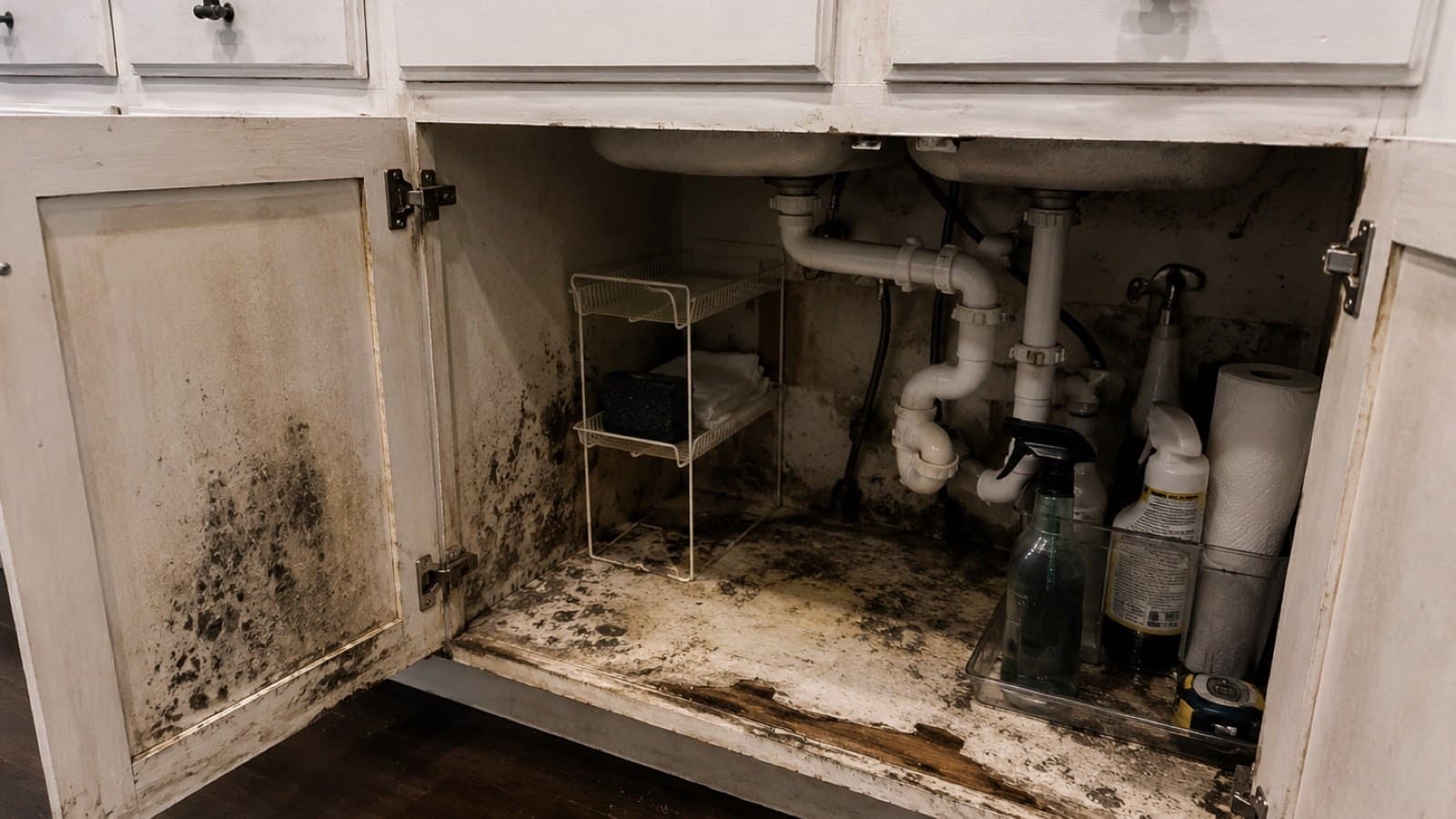
Bathroom And Kitchen Mold Removal
A 1950s bathroom cut into a post-war house was often given a fan that terminates in a joist bay or a roof cavity instead of outdoors, and a pre-war bathroom retrofitted into an antique frame may never have had one specified at all. Green Restoration re-terminates every fan to exterior discharge, strips colonized backer and grout, treats substrate per IICRC S520, and rebuilds in mildew-resistant materials.
Manufactured Home Mold Remediation
Buckland counts twenty-five manufactured homes, a real share of the housing here and a scope most remediation pages ignore. The moisture path is different: a torn belly wrap, open or missing skirting, and under-floor humidity that loads insulation from below rather than a wall from the side. Green Restoration works those assemblies per IICRC S520, restores the under-floor barrier, and closes with the same laboratory clearance a site-built house receives.
HVAC And Duct Mold Cleaning
No piped gas utility serves Buckland at all, so heating here is oil, wood, propane and electricity, and duct runs pushed through an existing house after the fact often cross an unconditioned bay where they sweat every heating season. Green Restoration cleans and treats the system to NADCA ACR practice, corrects the insulation and termination faults feeding the condensation, and samples the supply air afterward.
Post-Remediation Clearance Testing
Buckland has no municipal water department and no police department of its own, so the paper trail a buyer or an adjuster can be shown is thinner here than in a valley town, and the laboratory file carries that weight instead. Closing air samples are read by an independent laboratory against the day-one outdoor baseline, and the written result serves the insurance claim now and the disclosure conversation whenever the property next changes hands.

The Cellar Is Feeding The House. Get It Inspected Today.
S520 Crews Reach 01338 And 01370 Same Day. Containment Sized To Your Building, Clearance Verified By An Independent Laboratory.
Green Restoration of Western Mass in Buckland
Green Restoration of Western Mass handles mold remediation in Buckland, MA, where hillside seepage and post-war cellars run from the river terrace up through Buckland Center to Buckland Four Corners, and ice dam intrusion streaks attic roof sheathing above the Deerfield River valley. Owner-led crews set HEPA containment and remove affected porous materials to IICRC S520 standards, under IICRC Certified Firm #70236106. Call (833) 970-2121.
Why Choose Us In Buckland
Owner-led mold remediation with same-day inspection, laboratory-verified clearance, and containment sized to the building across Buckland Center, Buckland Four Corners and the village terrace.
Two ZIP Codes, One Dispatch
Inspectors reach 01338 on the hilltops and 01370 on the Buckland half of the village the day you call, carrying thermal imaging, Tramex meters and ACAC sampling cassettes ready for post-war basements and antique fieldstone cellars alike.
Containment Shaped To The Assembly
Negative air, sealed transitions and HEPA scrubbing arranged for a low 1950s basement finished around the boiler, a fieldstone cellar under post-and-beam framing, a hillside crawl space, or the under-floor cavity of a manufactured home.
Botanical Antimicrobials, No Harsh Fumes
EPA-registered Benefect Decon-30 and Concrobium treat exposed framing and lath after removal, chosen for occupied houses and for wood that has stood in these hills since long before 1950.
Clearance That Holds Up Later
Third-party ACAC sampling closes every project at or below outdoor baseline, producing the independent record a town with no municipal water department and no police force of its own otherwise cannot show a carrier or a buyer.
What Untreated Mold Costs Your Buckland Home
A 1950s basement layer sitting beside a pre-1940 fieldstone core, wood heat in one home out of four, and hillside water moving along the ledge: Buckland moisture starts out of sight and compounds in every one of those buildings.
One Town, Two Completely Different Cellars
A 1950 Median Over A Pre-1940 Core
Buckland is a two-speed housing town. Forty-six percent of the stock predates 1940 on fieldstone under post-and-beam framing, and a genuine post-war layer of one hundred eleven homes from the 1950s sits beside it on poured and block foundations with full basements and low headroom. The same musty note means two different problems, and guessing which one you have is how a small job becomes a large one.
One Home In Four Burns Wood
Cordwood, Stove Draft And A Cold Cellar
Two hundred eighteen of the eight hundred fifty-six occupied homes in Buckland heat with wood, a rate roughly three times what the town across the river carries. Cordwood stacked indoors gives up water all winter, a drafting stove pulls the house out of pressure balance, and the upstairs air runs bone dry above a cold damp basement. Dry occupied rooms over a wet cellar is exactly the case where nobody smells the problem until it is large.
The Water Arrives From Above, Not From The River
Clesson Brook, Clark Brook And Thin Till
Clesson Brook and Clark Brook drain north off the interior hills toward the Deerfield, and on the mid-slope bench at Buckland Center and Buckland Four Corners the ground is thin till over ledge. Water travels along the rock rather than down through it, so a foundation catches it as lateral seepage after storms and snowmelt. The uphill wall stays wet while the downhill side reads dry, which is why a single reading proves nothing here.
The Village Terrace Has Been Wetted Before
The Deerfield On The North And East Lines
On 28 August 2011 Tropical Storm Irene put three to ten inches of rain onto already saturated ground and drove the Deerfield to 54,000 cubic feet per second at Charlemont, second in a record that opens in 1914, and to a peak of record downstream. Contemporary reporting describes volunteers sweeping dried silt on the Buckland side and interiors left under wet clay-smelling mud. Buildings on the State Street and Conway Street terrace carry that history in their framing.
The High Farms Take More Weather
Roughly Eleven Percent More Rain Than The Valley
The rain gage inside Buckland averages about 56.75 inches a year against roughly 51 inches on the valley floor at Greenfield, and the high ground toward Mary Lyon Hill, Drake Hill and Moonshine Hill holds snow long after the village terrace is bare. Up there the mold driver is ice damming and roof and attic condensation rather than cellar groundwater, and the discovery usually arrives in April with the thaw.
Massachusetts Requires The Disclosure
Resale And Rental Turnover Both
Massachusetts follows caveat emptor, so there is no general seller disclosure statute for mold, but a seller cannot conceal or misrepresent a known problem and must answer truthfully when a buyer asks, and licensed agents carry a broader Chapter 93A duty. Professional remediation closed by laboratory clearance is what lets you answer that question cleanly, and in a town with no municipal water department and no police department of its own the laboratory file is the independent record a buyer can actually be shown.
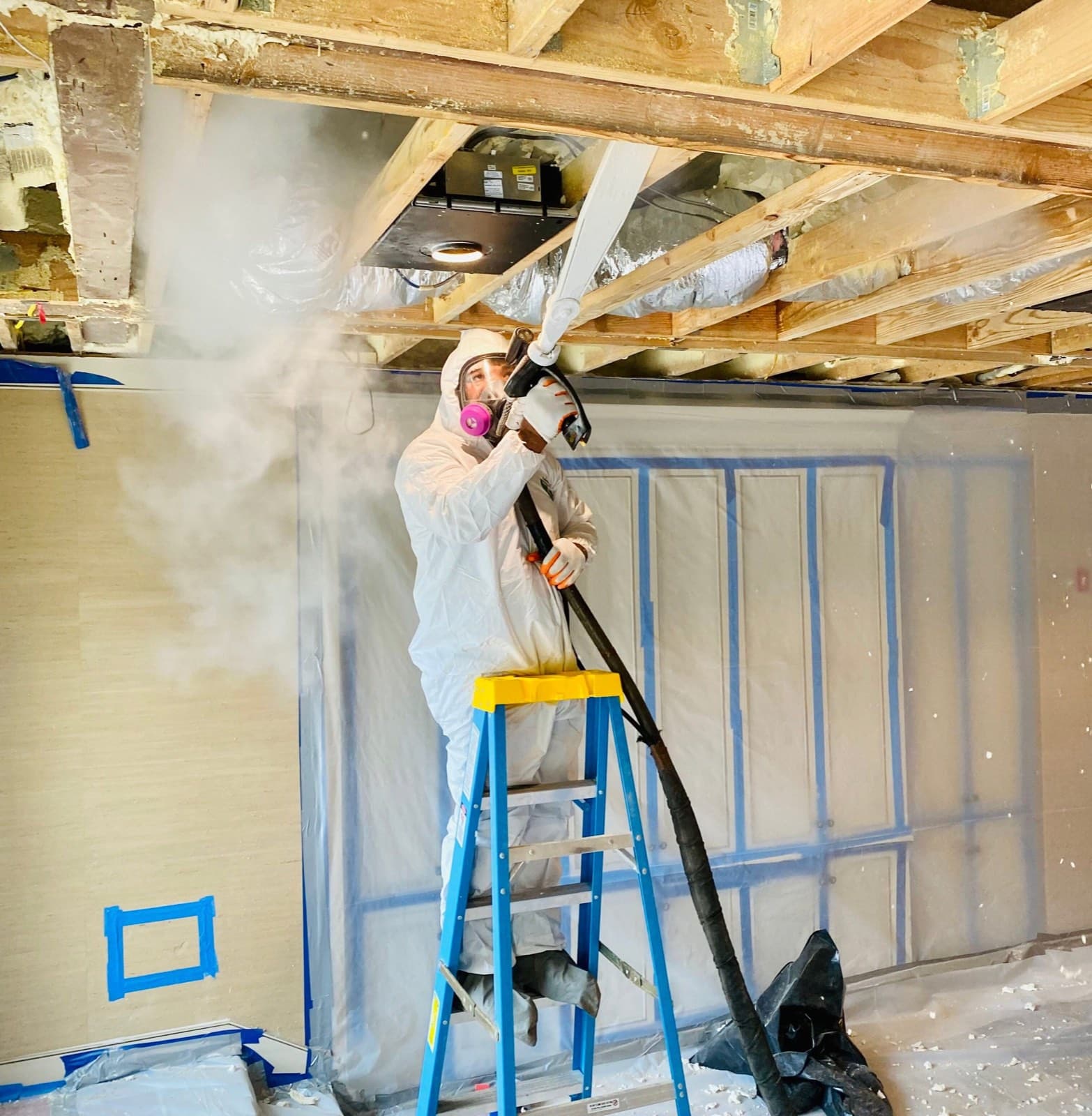
Why Buckland Properties Need Professional Mold Remediation
Post-war basements finished around an oil boiler, fieldstone cellars under antique frames, and a quarter of the town heating with wood put mold pressure on surfaces no cleaning product reaches. Hospital-grade containment closed by laboratory clearance is the only durable answer.
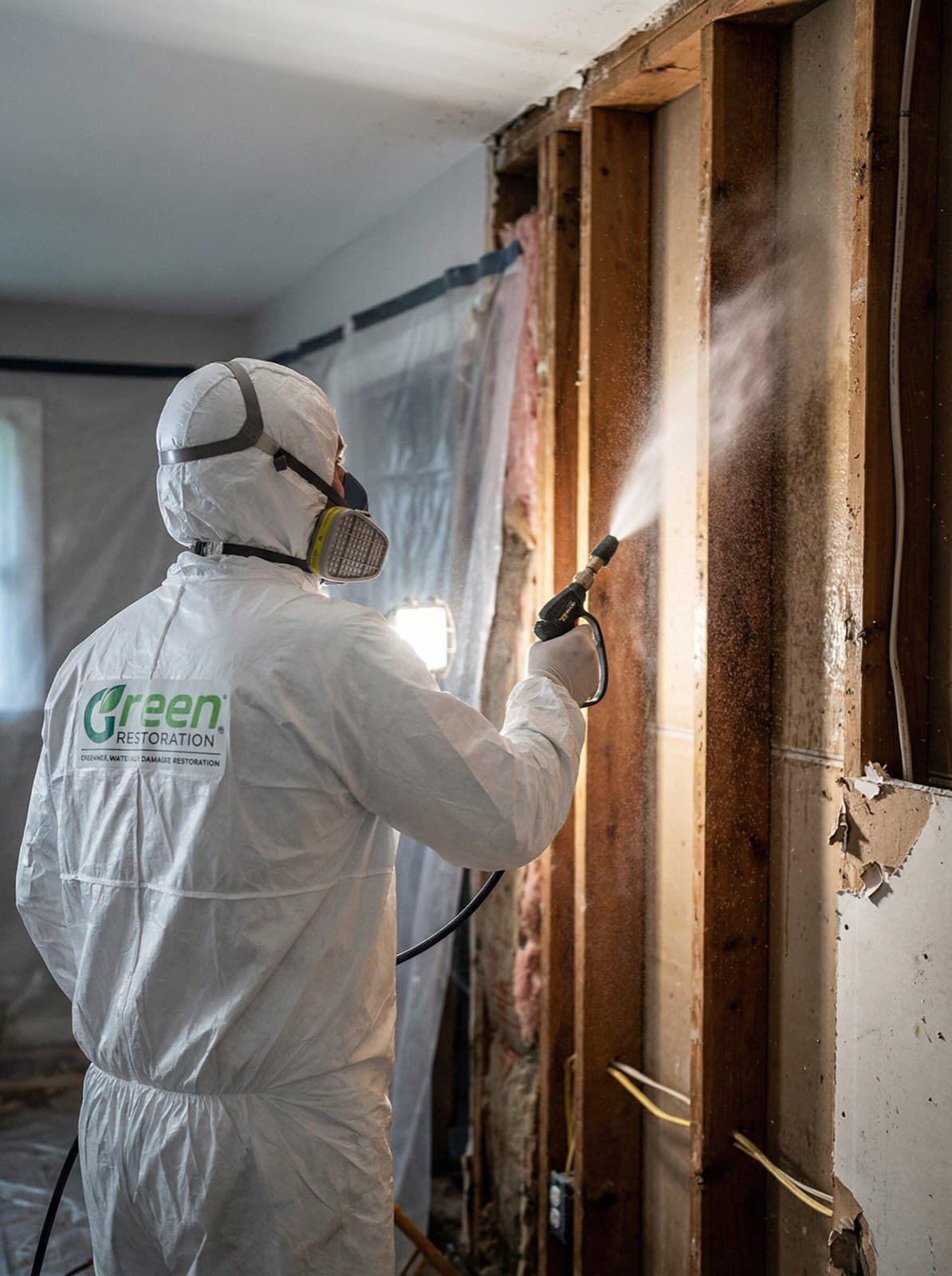
Containment Engineered For Two Building Eras At Once
Every Green Restoration mold crew holds IICRC S520 certification, and Buckland asks that certification two questions in the same town: how to protect original framing and fieldstone in the pre-1940 half, and how to work a 1950s full basement where a finished room shares the space with the original oil-fired boiler. The containment geometry changes accordingly, and our owner carries IICRC AMRT and WRT credentials behind every call.
Same-Day Inspection Across Two ZIPs And Twelve Hundred Feet Of Rise
Buckland runs on two ZIP codes, 01338 for the hilltop part of town and 01370 for the Buckland half of the village, and a technician reaches either the day you call, from the State Street and Conway Street terrace up through Buckland Center to Buckland Four Corners and out along Upper Street and Ashfield Road. Thermal imaging, moisture meters and ACAC air sampling ride along on that first visit, so a written scope exists before a price does.
Source Correction On Hill Town Terms
Here the moisture source is usually the site or the heating system rather than a single burst pipe: lateral seepage off thin till over ledge, roof water with no municipal storm system to inherit it, and the pressure and humidity swing a wood stove creates between a dry upstairs and a cold cellar. Grading, roof water, ventilation, flashing and stove-related humidity all get corrected on the property, because growth returns to whatever moisture the cleanup left alone.
Clearance Files That Serve Three Audiences
Every Buckland project closes with third-party ACAC air sampling at or below outdoor baseline, and the resulting file works for the carrier today and the closing table later. It contains scope, containment photography, laboratory reports and IICRC-standard documentation that adjusters at Liberty Mutual, MAPFRE, Quincy Mutual, Travelers, Allstate, USAA, and Chubb process without a second visit.
The Mold We See Most in Buckland
These are the mold problems we remediate most often, every job run to the IICRC S520 standard, contained with HEPA negative air, and cleared by independent ACAC air testing.
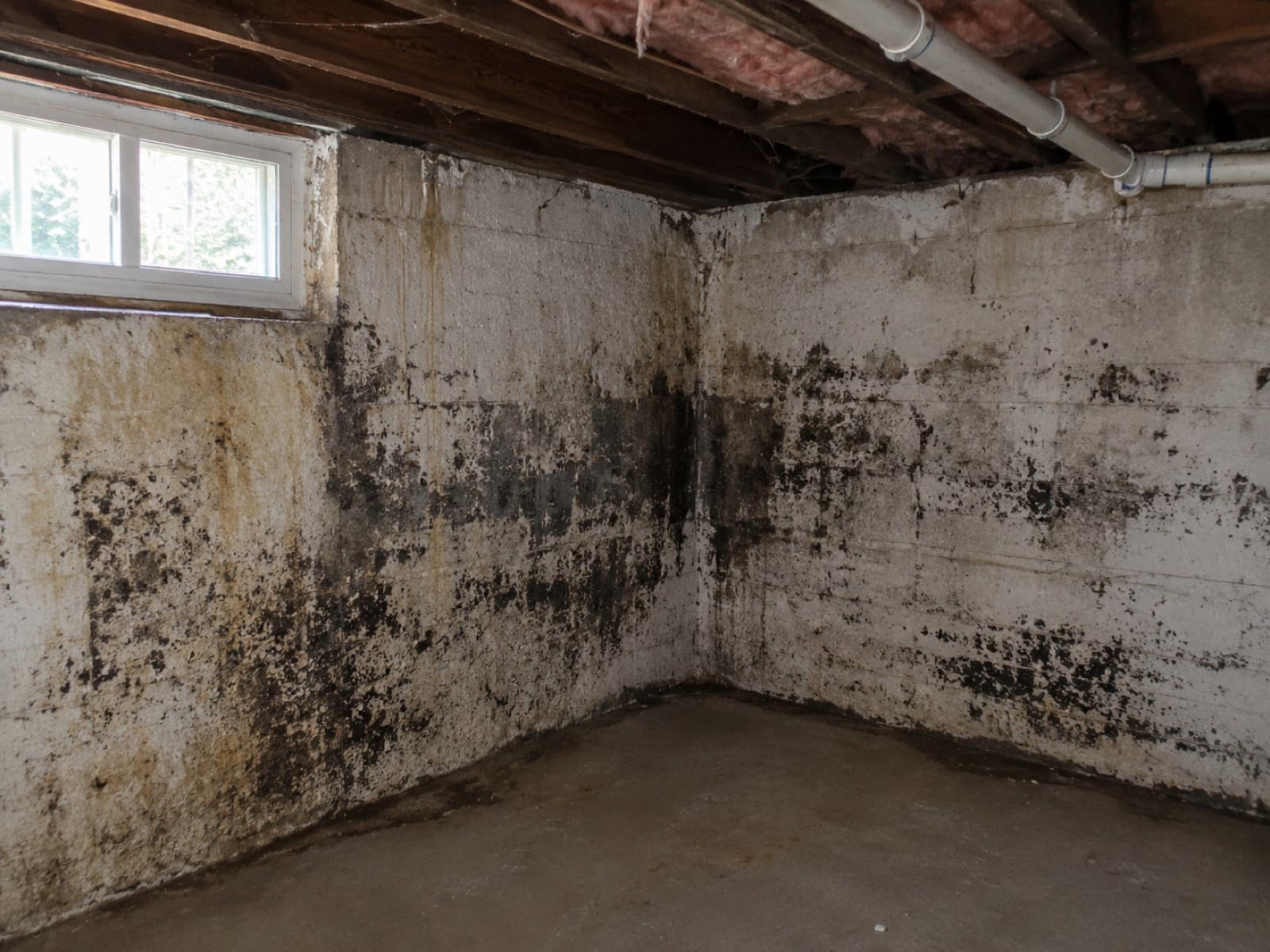
1950s Full Basement Returned To Baseline
In Buckland, a median build year of 1950 puts post-war block and poured basements beside a pre-1940 fieldstone core.
One hundred eleven Buckland homes went up in the 1950s, and the pattern repeats: poured or block walls, a full basement with low headroom, and a finished room added later around the original oil-fired boiler. Warm equipment, a cold wall and a low ceiling put the dew point right where the framing meets the masonry, and the finished surface hides it until the smell carries upstairs.
The level is isolated from the floors above and held under negative air with HEPA scrubbing. Colonized material is removed or treated per IICRC S520 with sound masonry left in place and HEPA cleaned, then grading, roof water and perimeter drainage are corrected on the property because no municipal storm system exists to take the load, and dehumidification is sized to a low basement on a slope rather than a flat lot.
Independent ACAC sampling reads the basement and the rooms above it at or below outdoor baseline, and the closing package, meaning scope, source correction and laboratory numbers, satisfies the carrier now and answers a buyer question later.
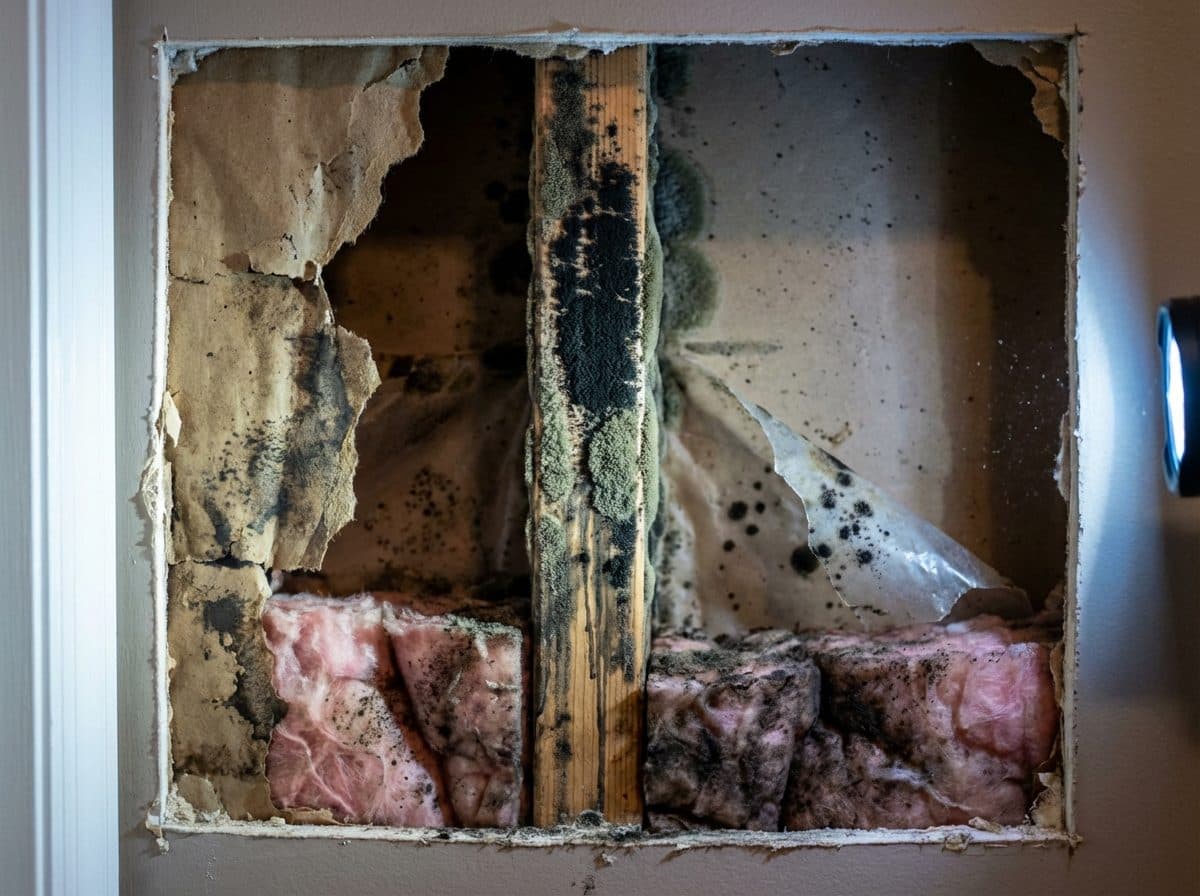
Scenario 1 of 5: The Post-War Basement Layer
What To Do When You Find Mold In Your Home
The first 24 hours matter. Follow these steps to contain the colony and protect your air quality while waiting for our IICRC S520 certified crew to arrive.
What To Do Immediately
EPA guidelines recommend professional remediation for any visible mold patch larger than a 3x3 square foot area. Anything more releases spores beyond safe DIY containment.
Close doors leading to the contaminated room and turn off HVAC immediately. Every minute of shared air movement spreads spores throughout the rest of your home.
Take timestamped photos of all visible mold and any related water damage before cleanup begins. Your insurance adjuster will need this for the claim file.
If you must enter the contaminated area before remediators arrive, wear an N95 respirator, nitrile gloves, and sealed eye protection. Skin and airway contact with active colonies is how symptoms start.
Mold needs water to grow. Fix the leak, correct the humidity, or remediate the flood before any cleanup attempt. Scrubbing without moisture correction guarantees regrowth.
Third-party post-remediation air sampling confirms spore counts are at or below outdoor baseline. Without it, you have no way to verify the work actually worked.
What NOT To Do
Bleach lifts color on drywall, carpet, and wood but does not kill mold at the root. The colony returns within weeks and the stain looks smaller only because the surface is lighter.
Central heating and cooling circulates spores through every duct run, colonizing rooms that were never affected. Shut the system off until professional containment is in place.
EPA guidelines require professional containment for anything larger than a 3x3 patch. Tearing out drywall without negative air pressure releases millions of spores instantly.
Even mildew-resistant primer cannot seal an active colony. The mold feeds on the paper backing of drywall and bleeds through within weeks, often worse than before.
A persistent musty smell without visible mold almost always means a hidden colony behind walls, under flooring, or in ductwork. Smell usually precedes visibility by months.
Disturbed mold releases millions of spores in seconds. Ripping carpet, pulling drywall, or breaking up tile without proper negative air pressure contaminates the entire home.
Our Mold Remediation Process In Buckland, MA
From the first call to final walkthrough, every step is documented, insured, and owner-supervised.
Mold Remediation Coverage In Buckland, MA
Inspection, containment, remediation, and laboratory-verified clearance across both Buckland ZIP codes: the village terrace on State Street and Conway Street, the hilltop town center at Buckland Center, the crossroads at Buckland Four Corners, and the farms out along Upper Street, Ashfield Road and Charlemont Road. Same-day inspection response from our Western Massachusetts base.
Green Restoration performs IICRC S520 certified mold remediation throughout Buckland, MA, a town that runs on two ZIP codes and is covered end to end: 01338 across the hilltop part of town and 01370 on the Buckland half of the village. Certified technicians arrive the same day carrying thermal imaging, moisture meters, and ACAC-certified air sampling kits, and stay with the property from the first inspection through hospital-grade containment to laboratory-verified clearance.
As a service-area business led by our owner across the Pioneer Valley, our crews know the moisture conditions specific to this town: a median build year of 1950 that puts poured and block basements from the post-war decade beside a pre-1940 fieldstone and post-and-beam core; wood heat in more than a quarter of occupied homes, with cordwood indoors and a drafting stove holding dry upstairs air over a cold cellar; lateral seepage off thin till over ledge on the bench at Buckland Center and Buckland Four Corners; the Clesson Brook and Clark Brook system draining north off the interior hills toward the Deerfield River, which forms the north and east town lines; and the village terrace that took silt and mud when Irene crested in August 2011.
Buckland has no piped gas utility and no municipal water department of its own. We coordinate directly with adjusters from Liberty Mutual, MAPFRE, Quincy Mutual, Travelers, Allstate, USAA, Chubb, and every other major carrier, documenting scope from inspection through ACAC clearance on each claim across Buckland and Franklin County.
Active Mold Exposure In Buckland?
Inspection dispatched same day, every day of the year.
(833) 970-2121IICRC S520 · Fully Insured · All Insurance Accepted
Green Restoration Of Western Mass Covers Every Franklin County Town For IICRC S520 Mold Inspection And Remediation.
Same-Day Mold Inspection In Buckland, MA
IICRC S520 crews cover both Buckland ZIP codes the same day in 2026, from low post-war basements and fieldstone cellars on the village terrace to wood-heated houses at Buckland Center, hillside crawl spaces toward Four Corners, manufactured homes and eave-line attic losses on the high ground, supervised under the IICRC AMRT and WRT credentials our owner holds. Green Restoration is not a licensed public adjuster and does not negotiate claims on your behalf.
Buckland is one town on two ZIP codes. 01338 covers the rural hilltop part of town, while the Buckland half of the village, including the town hall on State Street, carries a 01370 mailing address. Both are one dispatch, from the river terrace up through Buckland Center to Buckland Four Corners.
The median Buckland home dates to 1950, which is what separates this town from its neighbors. One hundred eleven homes went up in the 1950s on poured and block foundations with full basements, while forty-six percent of the stock predates 1940 on fieldstone under post-and-beam framing. Add twenty-five manufactured homes and 74.6% single-family detached, and one town needs several containment plans.
Two hundred eighteen of Buckland's roughly eight hundred fifty-six occupied homes heat with wood, and fuel oil covers most of the rest. No piped gas utility serves this town at all. Wood heat means cordwood moisture indoors, an unbalanced pressure regime while a stove is drafting, and very dry occupied air sitting over a cold damp cellar.
Buckland climbs roughly twelve hundred feet from a village terrace near four hundred feet to Mary Lyon Hill at 1,608 feet, the highest ground in either town on this stretch of the Deerfield. The gage inside Buckland averages about 56.75 inches of precipitation a year against roughly 51 on the valley floor at Greenfield, so the high farms hold snow, ice-dam and condense while the terrace deals with groundwater.

About Green Restoration In Buckland, MA

IICRC AMRT+WRT Certified
Buckland receives the full IICRC S520 discipline applied to a town that holds two building eras at once: spore sampling read against a real outdoor baseline, containment engineered for a low post-war basement finished around an oil boiler or for a fieldstone cellar under original post-and-beam framing, physical removal that spares material the meters clear, and source correction that takes hillside seepage off thin till, roof water with no municipal storm system behind it, and the humidity swing of a wood-heated house seriously. Owner-operated under IICRC AMRT and WRT certified leadership, documented end to end for property owners and their carriers across Franklin County, without unnecessary steps or delays.

“As the local co-owner covering Buckland and Franklin County, I bring 15 years of IICRC AMRT and WRT certified restoration experience to a town where a 1950s basement and a fieldstone cellar can sit two streets apart. Every mold project here gets my direct oversight, from containment setup through ACAC clearance sampling. We work with owners and insurers across Franklin County to document scope clearly and restore properties the right way, without unnecessary steps or delays.”
Trusted by Families in Buckland &
Franklin County
4.9 out of 5, Rated by your neighbors on Google
We had mold due to a water leak in our half finished basement. David and his crew did a great job, we were very satisfied. I would highly recommend Green Restoration to anyone.
Tanya M.
Mold RemediationReview part 1: inspection. While they did show up a few minutes late, they actually called ahead to inform me they were running late. Bonus point for communication.
Brian Preston
Mold InspectionThank you!
Andriish Andiosh
Mold RemediationHow Much Does Mold Remediation Cost In Buckland, MA?
Which half of the housing stock you own is what carries the labor here: a low 1950s basement finished around the boiler and a fieldstone cellar under an antique frame ask very different things of a containment plan. Most Buckland projects settle in the $3,000 to $8,000 band.
Small Project, Single Area
$1,500 to $4,500
A bathroom ceiling, a window return, or an eave-line attic patch caught early
Medium Project, Basement
$3,000 to $8,000
A basement or crawl space worked under containment, the common Buckland job
Large Project, Whole-Home
$8,000 to $25,000+
Stachybotrys through multiple rooms, full attic sheathing, or a duct system
Priced by scope under IICRC S520. Read the full mold cost guide.
Buckland MA Mold Remediation FAQs
Straight 2026 answers on Buckland post-war basements, fieldstone cellars, wood-heat humidity, insurance coverage, and laboratory-verified clearance.
Yes. Buckland is one town on two ZIP codes, 01338 across the hilltop part of town and 01370 on the Buckland half of the village, and both are one dispatch. A technician is routed the day you call, whether the address is on the State Street and Conway Street terrace, up at Buckland Center, out at Buckland Four Corners, or on a farm along Upper Street or Charlemont Road. The truck already carries thermal imaging, Tramex meters and ACAC-certified sampling cassettes, so a written scope exists before anyone leaves. (833) 970-2121 is answered day and night.
One contained area, meaning a bathroom ceiling, a window return or a patch of attic sheathing, runs $1,500 to $4,500. The common job in this town, a basement or crawl space worked under containment, lands between $3,000 and $8,000. Stachybotrys through several rooms, a full attic plane or a duct system reaches $8,000 to $25,000 and above. What moves the number here is which half of the housing stock you own: a 1950s full basement with low headroom and a boiler in the room prices differently from a fieldstone cellar under an antique frame, and the estimate itemizes that difference instead of hiding it in a lump sum.
It depends on what wet the building. A sudden covered event, meaning a split supply line, a failed appliance hose or an ice-dam leak, is what most Massachusetts policies respond to. Growth fed by a chronic condition, meaning lateral seepage through a hillside foundation or a cellar that has always been damp under a wood-heated house, usually needs its own endorsement, and in a town where the site and the heating system are often the source that line decides the outcome. Our files state cause plainly, with IICRC S520 scope, laboratory-analyzed spore counts and clearance results prepared under our owner AMRT credential. We are not licensed public adjusters and do not negotiate claims on your behalf.
Most run three to seven days, and a single room finishes faster. Two conditions stretch a Buckland schedule. Drying a foundation that keeps receiving water from the uphill side takes longer than drying a one-time spill, and a house partway up toward Mary Lyon Hill or Drake Hill can add staging time for equipment in winter. Whole-house and duct scopes reach ten days, and any project waiting on a roofer, a plumber or a chimney contractor to close the moisture path picks up their calendar as well.
Yes. Massachusetts permits one firm to inspect and remediate, and we do both. ACAC-certified sampling sets the pre-work baseline against outdoor air, closing samples prove the counts came back down, and the written laboratory result does real work afterward. Buckland has no municipal water department and no police department of its own, so the paper record standing behind a property here is thin, and the laboratory report is the independent document a buyer, a lender or a carrier can actually be shown.
It changes where the moisture sits. Two hundred eighteen of the roughly eight hundred fifty-six occupied homes in Buckland heat with wood, one house in four, and that carries three effects worth knowing. Cordwood stacked in a cellar or mudroom gives up water indoors through the whole heating season. A drafting stove pulls the house out of pressure balance, so damp cellar air moves upward instead of staying put. And the occupied rooms run very dry above a cold basement, which means the smell that would normally warn you never reaches the people living there. We meter both levels rather than the room where the complaint started.
Shut the room and leave the growth alone. No box fans, no dehumidifier aimed at it, no forced air, because moving air is how spores relocate through a house. Skip the bleach, which scatters what it does not reach. Photograph what is visible, note when the smell started and what the weather was doing, and tell us on the phone whether this followed snowmelt against an uphill foundation, an ice dam, a plumbing failure, or a cellar that has been damp under a wood stove for years. That answer decides what equipment rides on the truck.
Because one town here holds two building stories. The median Buckland house dates to 1950, so poured and block basements from the post-war decade sit alongside a pre-1940 fieldstone and post-and-beam core, with twenty-five manufactured homes and a scattering of hillside crawl spaces on top of that. Green Restoration is IICRC S520 certified and owner-operated under AMRT and WRT credentials, with containment shaped to the assembly actually present, removal that spares material the meters clear, and clearance read by an independent laboratory. HEPA scrubbers, negative air and ACAC sampling ride on every truck, with direct insurance billing and 24/7 availability at (833) 970-2121.

