A Three by Three Foot Attic Mold Area in Ridgefield, Caught Before It Spread
 1 / 5
1 / 5Sealed at the hatch before anyone went up. Everything the crew carries down passes through finished space, which is what the floor protection and the zipper door are for.
See How the Work Was Done
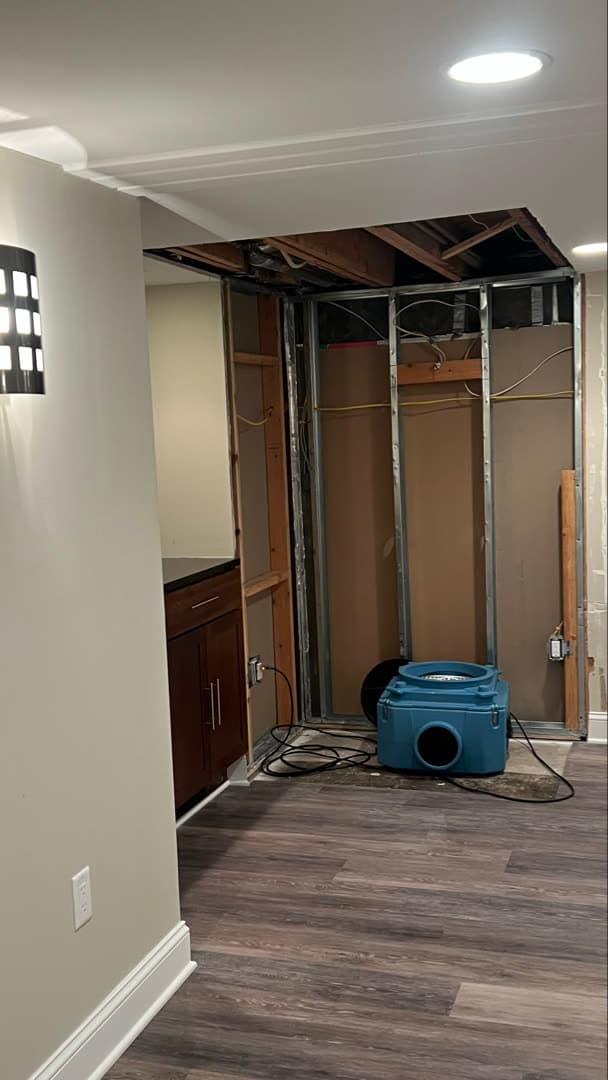
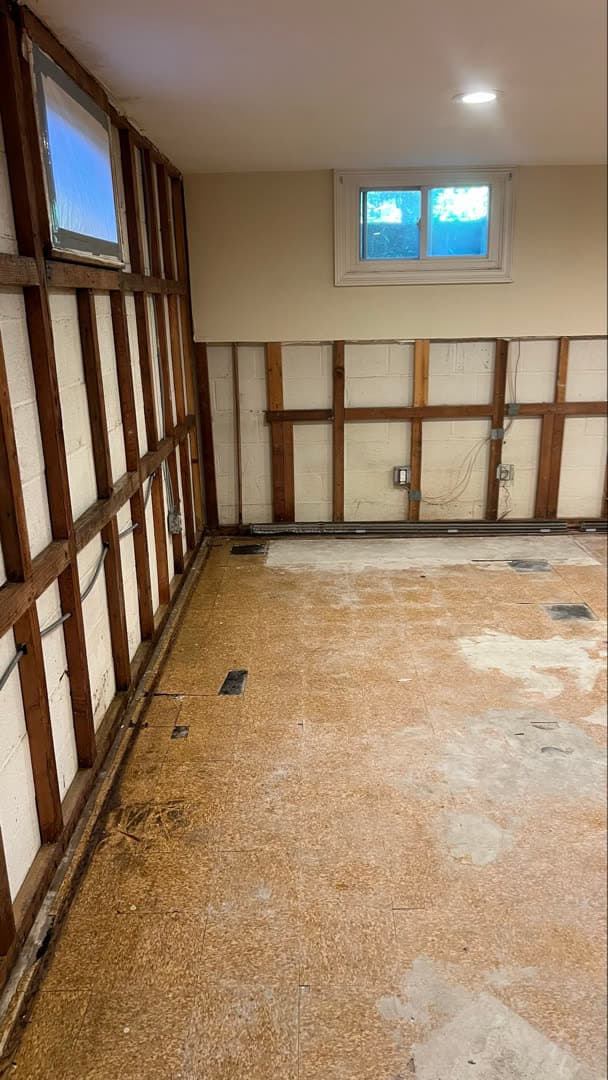
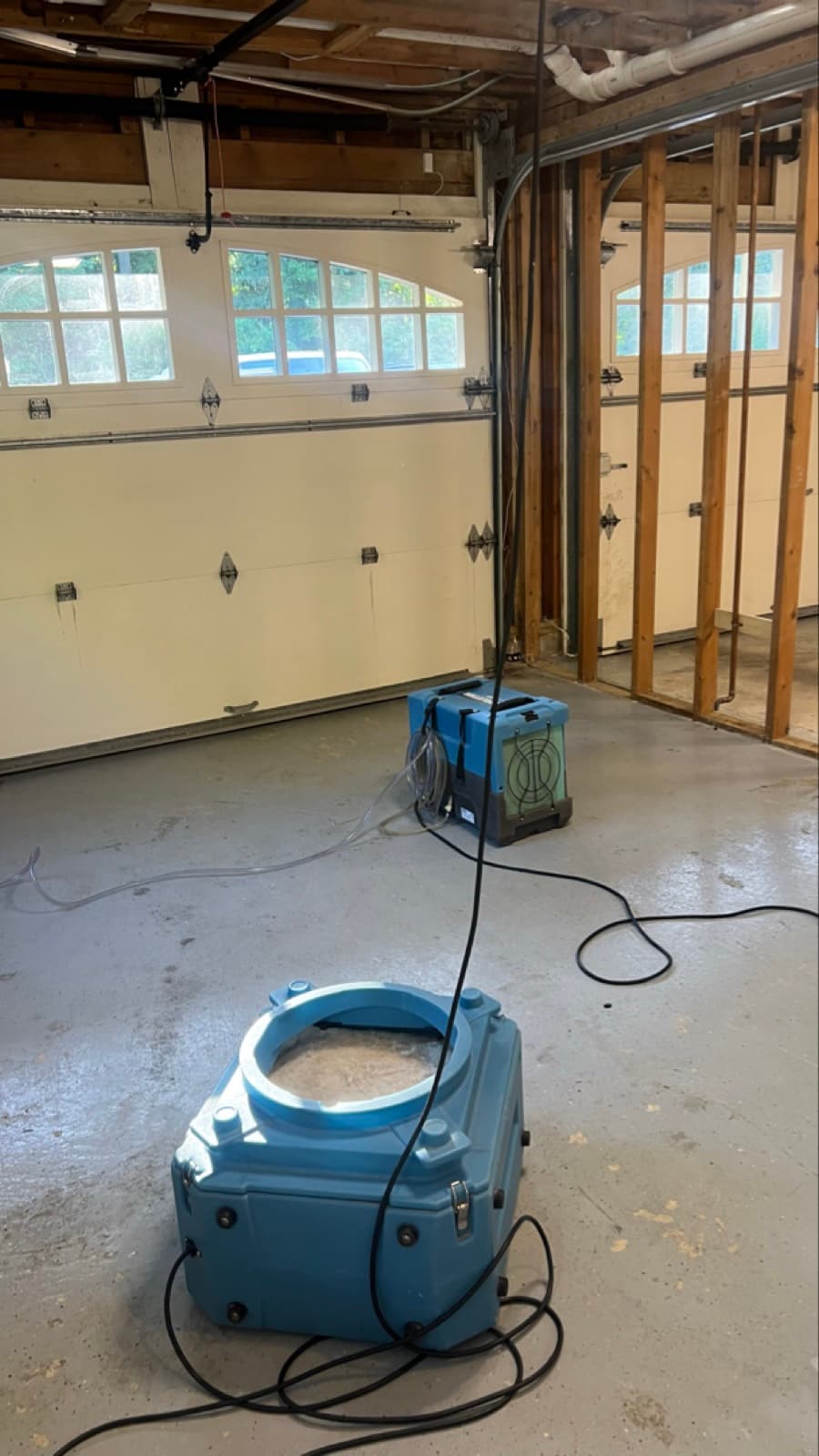
Real photos from this Ridgefield attic job: the hatch sealed first, the small affected area above a closet, insulation pulled back, and the joists cleaned and left bare.
What Happened
The instruction on this job described an area about four feet by four feet in the attic above a closet. The crew note written on completion put the treated area at about three by three, near the bathroom ceiling. Somewhere between nine and sixteen square feet of attic. It would fit under a dining table. The invoice for it came to $1,870.10, and the reason it is worth a page is the ratio between the size of the problem and the size of the response. Containment on this job covered 310 square feet with a zipper door installation and 32 square feet of floor protection at the access.
Two 24 hour negative air periods ran across the work. The antimicrobial agent covered 832 square feet. Every one of those numbers is an order of magnitude larger than the nine square feet that was actually affected, and none of them is padding. Containment is not sized to the damage. It is sized to the volume of air that has to be controlled while the damage is disturbed. An attic is a single connected air space, usually communicating with the rooms below through recessed lights, hatches and top plate penetrations. The moment a crew starts pulling insulation off a three by three foot patch, that patch stops being local.
What was actually done to the affected material is short, and that is the point. Insulation was torn out and bagged in confined space. The joist system there was HEPA vacuumed in detail and cleaned. Then the cleaned joist system was sealed with one coat of antimicrobial coating, and the wider area received a plant based antimicrobial agent across 832 square feet. Debris left in one pickup truck load. Total demolition: one small patch of insulation. The location is the interesting part diagnostically. Above a closet, adjacent to a bathroom ceiling. That is a moisture story rather than a roof story.
Bathrooms push warm wet air upward, and where that air meets a cold attic surface it condenses. Finding growth in that specific spot is common enough to be predictable. Nothing on this job investigated or corrected the source, and no ventilation work was sold, so the underlying moisture question remains open and belongs in a separate conversation. No testing, air sampling or clearance testing was performed, and no new insulation was installed. The attic was handed back with a small area cleaned, sealed and left bare.
Scope of Damage
Attic Above The Closet
LightThe affected area measured roughly three by three to four by four feet. Insulation over it was torn out and bagged in confined space.
Joist System At The Affected Area
LightHEPA vacuumed in detail, cleaned, then sealed with one coat of antimicrobial coating.
Surrounding Attic Air Space
LightTreated as the real work zone. 310 square feet of containment and 832 square feet of plant based antimicrobial, because an attic is one connected air space.
Bathroom Ceiling Adjacency
LightThe affected area sat next to a bathroom ceiling, which is a common condensation location. No source investigation or ventilation work was sold on this job.
How We Solved It
- 1
Protect The Access
32 square feet of floor protection where the crew and every bag would pass through finished space below.
- 2
Contain 310 Square Feet
Containment barrier with a zipper door installation, sized to the attic air volume rather than to the nine square feet of visible damage.
- 3
Two Negative Air Periods
Negative air scrubbers held the attic under negative pressure for two 24 hour periods, so disturbing the affected patch did not push material down through the ceiling penetrations.
- 4
Remove Only The Affected Insulation
Insulation over the affected area was torn out and bagged in confined space. Nothing beyond the affected patch was removed.
- 5
Vacuum And Clean The Joists
The joist system at the affected area was HEPA vacuumed in detail and cleaned before anything was sealed.
- 6
Seal, Then Treat Wider
One coat of antimicrobial coating on the cleaned joist system, then a plant based antimicrobial agent across 832 square feet of the surrounding area.
- 7
Single Debris Haul
One pickup truck load including dump fees. A small removal produces a small disposal, and the invoice shows it.
Tools & Equipment Used
Questions Homeowners Ask
Why build 310 square feet of containment for a three by three foot area?
Containment is sized to the volume of air that must be controlled, not to the size of the visible damage. An attic is a single connected air space that communicates with the rooms below through recessed lights, hatches and top plate penetrations. Disturbing a small patch without controlling that air is how a local problem stops being local.
What does a small attic mold job cost?
This Ridgefield project treated an area of about three by three feet for a total of $1,870.10, including 310 square feet of containment, a zipper door, two negative air periods, insulation removal, joist cleaning, antimicrobial coating and 832 square feet of antimicrobial agent. Most of the cost is air control rather than the removal itself.
Why does mold appear in an attic above a bathroom?
Bathrooms push warm moist air upward, and where that air reaches a cold attic surface it condenses. Growth directly above a bathroom ceiling or a closet adjacent to one is a common and fairly predictable pattern. It points at a moisture and ventilation question rather than a roof leak.
Was the cause of the moisture fixed on this job?
No. No source investigation and no ventilation work were sold or performed on this project, so the underlying moisture question remains open. Cleaning and sealing an affected area addresses the result. If the condition that created it is unchanged, it is reasonable to expect it to return, which is worth raising at the walkthrough.
Was the attic re-insulated after the removal?
No. Insulation over the affected patch was torn out and bagged, and no new insulation was installed. The area was handed back cleaned, sealed and bare. Re-insulation is a separate scope with its own line and was not part of this project.
Do you serve Ridgefield and Fairfield County?
Yes. Green Restoration serves Ridgefield and towns across Fairfield County for mold remediation, attic work, water damage and crawl space cleaning. Our crews are IICRC certified, licensed and insured, and BBB A+ Rated. Call (203) 674-9573 for a free estimate.
Ridgefield is served by
Green Restoration of Fairfield County
Available 24 / 7 for emergency response