An Exploratory Wall Opening in Shelton That Found Nothing
 1 / 2
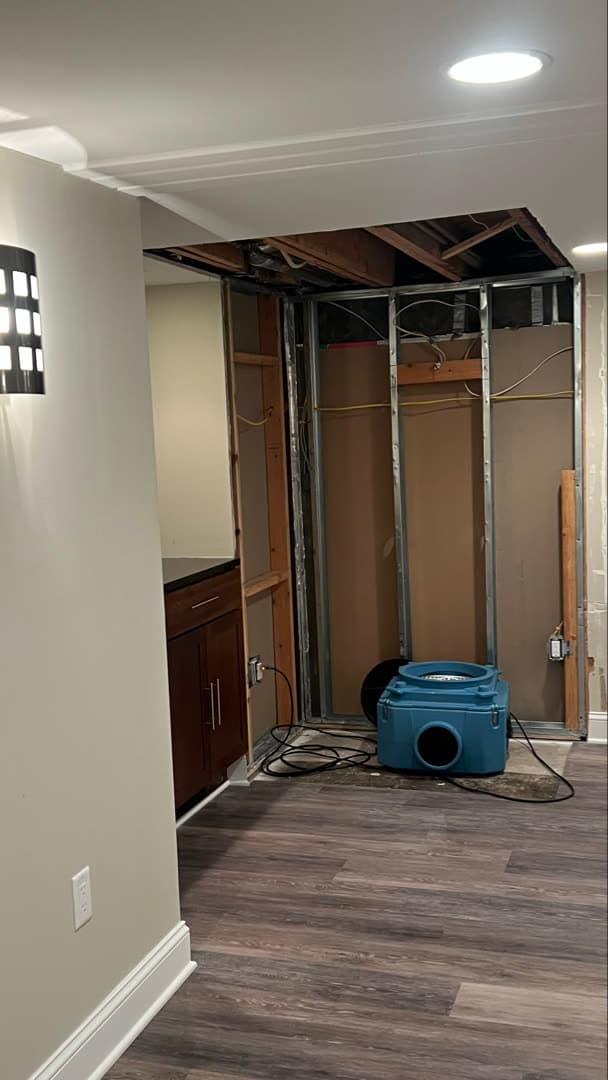
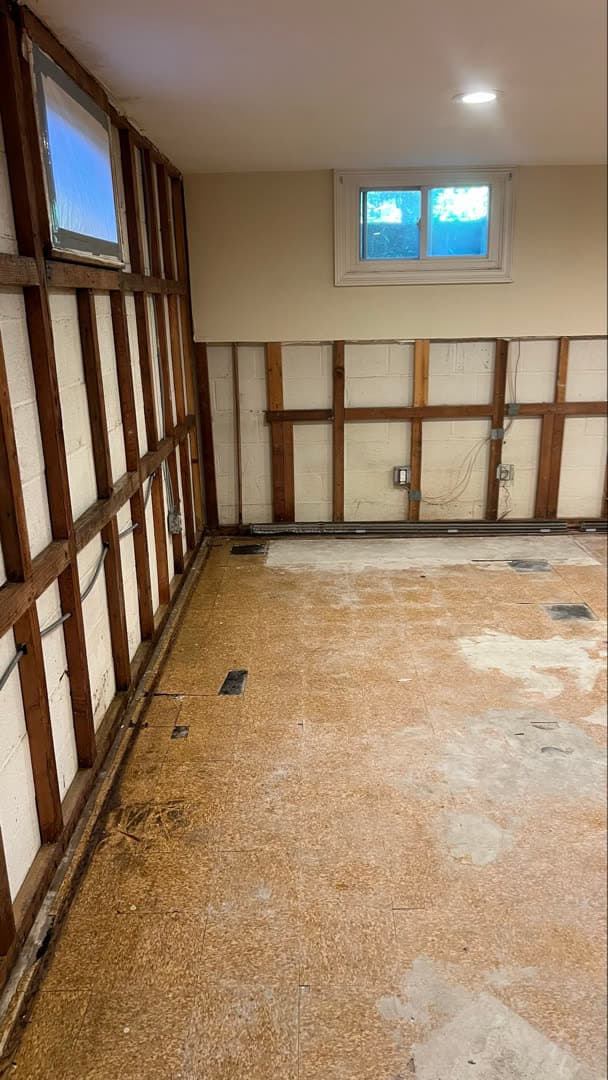
1 / 2The opening, lit and inspected. Insulation pulled back so the cavity behind it could actually be seen rather than guessed at. The finding recorded was no visual mold growth.
What Happened
A homeowner suspects mold behind a bathroom wall. There is a smell, or a stain, or a history of a leak. The only way to answer the question properly is to open the wall and look, and the only responsible way to open it is under containment, because if there is growth in that cavity, cutting into it without control is the single most effective way to distribute it through the house. That is what this job was. Two zipper containment doors, a negative air scrubber, floor protection, and one exploratory cut behind the bathroom wall. The crew note records the finding in plain language: no visual mold growth detected.
Nothing was there. What happened next is the part worth publishing. The opened area was HEPA vacuumed and treated with Benefect, and the job closed at $926.01. No remediation line was added. No containment upgrade, no demolition beyond the exploratory cut itself, no antimicrobial coating, no clearance testing. The scope stayed exactly the size of the question that was asked. It is worth being direct about why this page exists. A restoration company has an obvious commercial incentive to find something behind every wall it opens, and a homeowner has no practical way to check.
The protection against that is a contractor who will write no visual mold growth detected in their own notes and close the job at the cost of the investigation. An exploratory opening is a diagnostic, not a sales opportunity. If the answer is nothing, the invoice should say nothing, and this one does.
Scope of Damage
Wall Cavity Behind The Bathroom
LightOpened by exploratory cut and inspected. The crew recorded no visual mold growth detected. Nothing was removed beyond the exploratory opening itself.
The Opening
LightHEPA vacuumed and treated with Benefect before closing out, so the disturbed cavity was left clean rather than simply resealed.
How We Solved It
- 1
Contain Before Cutting
Two zipper containment doors and floor protection installed first. If there had been growth in that cavity, cutting into it without control would have been the fastest way to spread it.
- 2
Negative Air Running
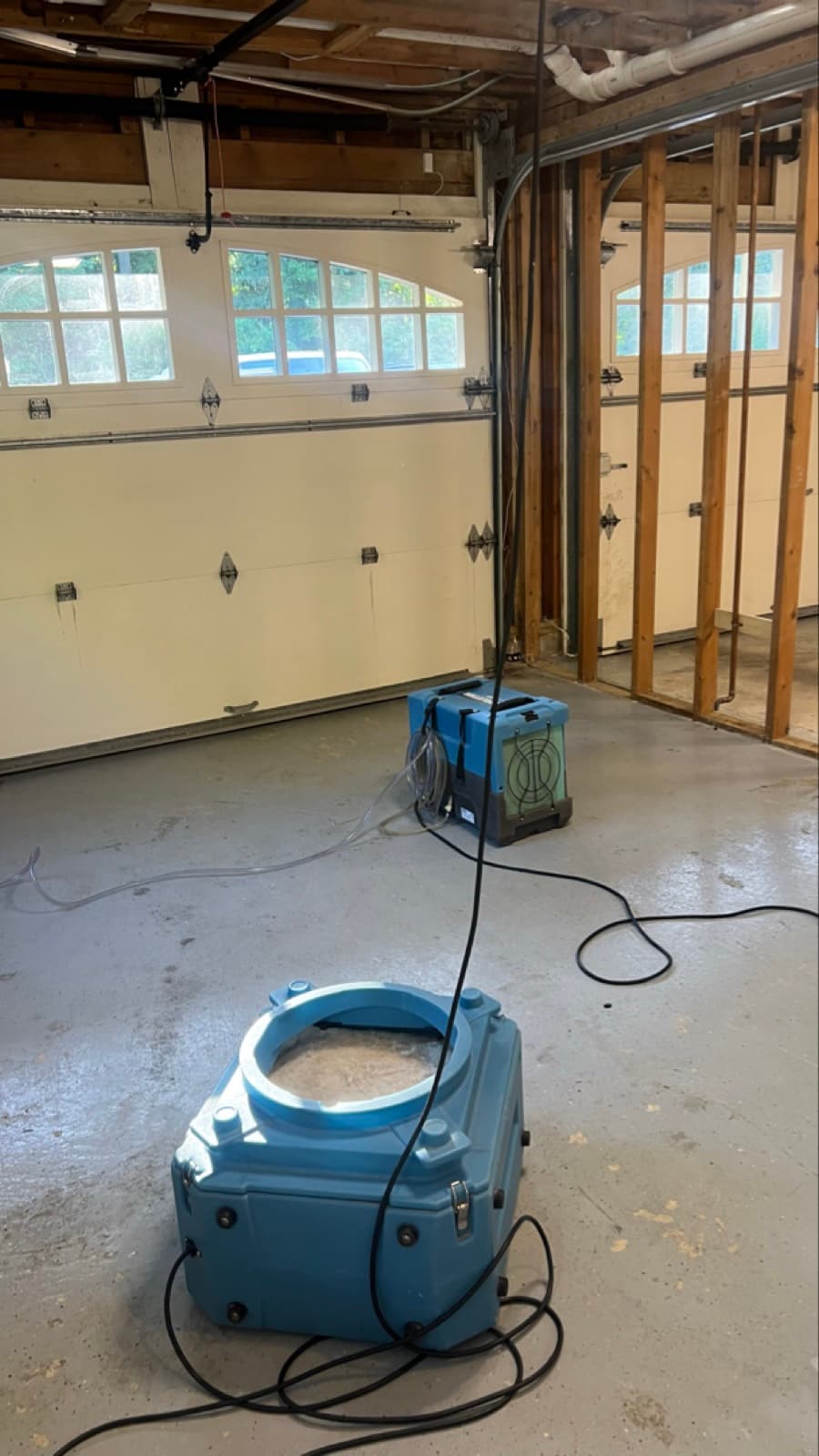
A negative air scrubber ran through the investigation, so anything released by the cut exhausted through a filter rather than into the room.
- 3
One Exploratory Cut
A single opening behind the bathroom wall, sized to answer the question rather than to start a demolition.
- 4
Record The Finding Honestly
The crew note reads: no visual mold growth detected. That is what was found and that is what was written down.
- 5
Clean And Close
The opening was HEPA vacuumed and treated with Benefect, then the job was closed at the cost of the investigation with no remediation added.
Tools & Equipment Used
Questions Homeowners Ask
Why open a wall if you are not sure there is mold behind it?
Because a cavity cannot be assessed from outside it. A smell, a stain or a leak history raises the question and only an opening answers it. On this Shelton job an exploratory cut was made behind a bathroom wall under containment, and the finding recorded by the crew was no visual mold growth detected.
Why is containment needed for an inspection that finds nothing?
Because you do not know it will find nothing until after you have cut. If growth is present in a cavity, cutting into it without containment and negative air is the most effective way to distribute it through the house. The containment is insurance against the outcome you cannot predict.
What does an exploratory opening cost?
This Shelton project closed at $926.01, covering protective equipment, a negative air scrubber, two zipper containment doors, floor protection and the exploratory cut with cleanup and bagging. No remediation was added because none was needed. An investigation should be priced as an investigation.
What is Benefect?
It is a botanical treatment used on cleaned surfaces. On this job the opened area was HEPA vacuumed and treated with it before closeout. Because the cut disturbs the cavity even when nothing is found, cleaning and treating the opening is part of closing it out properly rather than an extra sold on top.
What happens if an exploratory opening does find mold?
Then it becomes a scoped remediation with containment, removal, cleaning and treatment priced to what was found. The important part is the order: investigate first, scope second. A quote written before anyone has looked inside the wall is an estimate of a guess.
Do you serve Shelton and Fairfield County?
Yes. Green Restoration serves Shelton and towns across Fairfield County for mold inspection and remediation, water damage and crawl space cleaning. Our crews are IICRC certified, licensed and insured, and BBB A+ Rated. Call (203) 742-0492 for a free estimate.
Shelton is served by
Green Restoration of Stratford
Available 24 / 7 for emergency response