Under the Kitchen Sink in Simsbury, and Then the Basement Below It
 1 / 3
1 / 3Inside the sink base. A weeping connection puts water onto a particleboard floor that is hidden behind stored bottles, which is why these run for months before anyone notices.
What Happened
Under a kitchen sink is the least inspected square meter in most houses. It is dark, it is full of stored bottles, and a supply or waste connection can weep for months into a particleboard cabinet base without anyone noticing until the smell arrives or the floor of the cabinet gives. By then the damage has usually gone two directions: into the cabinet and the wall behind it, and downward into whatever sits below. This Simsbury scope reads exactly that way.
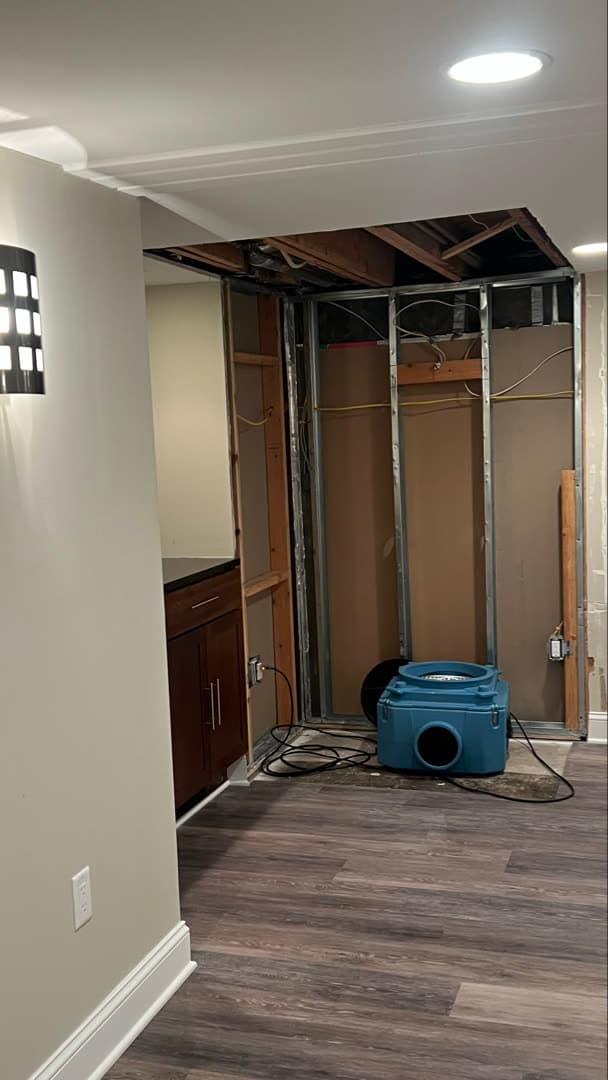
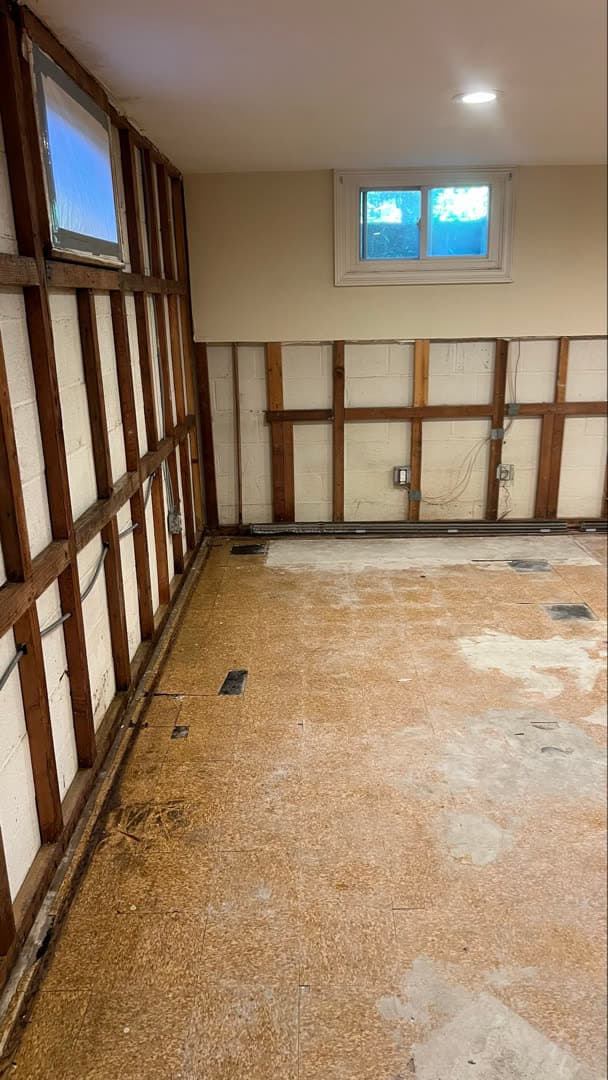
Upstairs, the lower base cabinetry was taken out, 40 square feet of drywall was removed and 30 square feet of insulation was torn out and bagged. 100 square feet was HEPA vacuumed in detail and visible mold was cleaned and removed. Downstairs, there is a separate line for cleaning and removing visible mold from the basement wall panels, priced on its own at $475 rather than folded into the kitchen work. That separation is the useful detail. It tells you the crew followed the water rather than stopping at the room where it was reported.
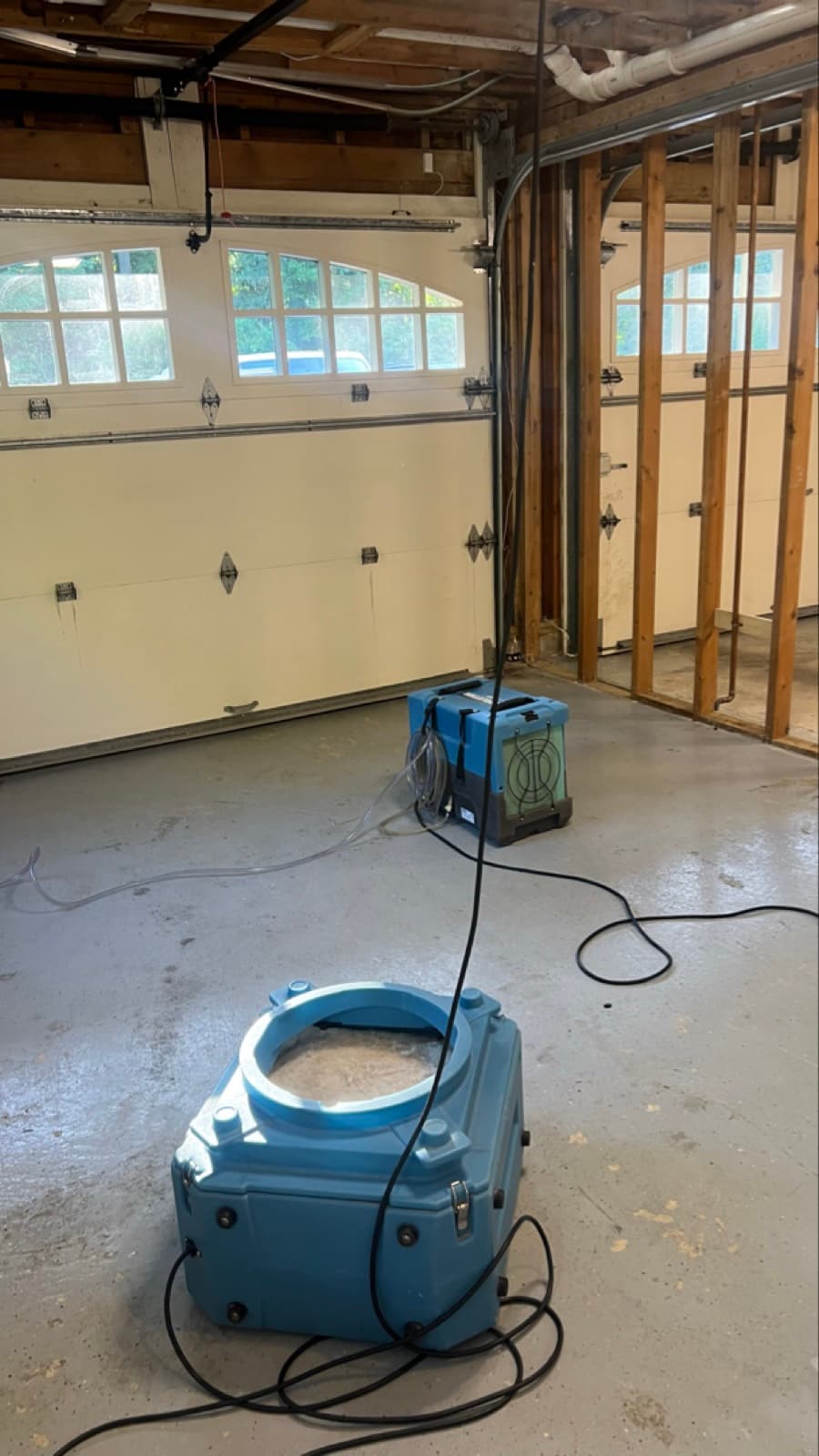
Protection was proportionate and specific: a zipper containment, floor protection, and contents covered with plastic, with one 24 hour negative air period across the work. A mobilization and demobilization charge appears as its own line, which is normal on a smaller job where travel and setup are a real share of the cost and honest estimates show it rather than burying it in a inflated labour rate. 300 square feet was treated with a plant based antimicrobial agent, and debris was hauled off the property. Nothing was rebuilt.
The cabinetry was not replaced, the drywall was not re-hung, and no plumbing repair was performed, which matters because the leak that caused this is a plumbing question and it sits outside a remediation scope. Cleaning and removing the affected material does not stop a connection that is still weeping. That repair should come first, then the rebuild.
Scope of Damage
Kitchen Sink Base Cabinetry
SevereLower base units removed. A slow leak into a particleboard cabinet base can run for months behind stored contents before it is noticed.
Kitchen Wall And Insulation
Moderate40 square feet of drywall removed and 30 square feet of insulation torn out and bagged behind the affected run.
Basement Wall Panels Below
ModerateCleaned and treated as their own separately priced line, because the water travelled down rather than staying in the room where it was reported.
How We Solved It
- 1
Contain And Cover
A zipper containment, floor protection and contents covered in plastic, in a kitchen that stays in use around the work.
- 2
Take Out The Cabinet Base
Lower base units removed to reach the leak path. There is no assessing a sink cabinet without emptying and removing it.
- 3
Open The Wall Behind
40 square feet of drywall and 30 square feet of insulation removed and bagged where the water had tracked.
- 4
Follow It Downstairs
Basement wall panels below the kitchen cleaned and treated as a separate scoped line rather than assumed to be unaffected.
- 5
Vacuum, Clean And Treat
100 square feet HEPA vacuumed in detail, visible mold cleaned and removed, and 300 square feet treated with a plant based antimicrobial agent.
- 6
Negative Air And Disposal
One 24 hour negative air period across the work, with all debris hauled off the property.
Tools & Equipment Used
Questions Homeowners Ask
How does a kitchen sink leak turn into a mold job?
Slowly and invisibly. A weeping supply or waste connection drips onto a particleboard cabinet base hidden behind stored contents. It stays damp, the wall behind it stays damp, and the water travels downward. By the time it is noticed the affected area is the cabinet, the wall and often the level below.
Why is the basement cleaning a separate line?
Because it is separate work in a separate space. On this project the basement wall panels below the kitchen were scoped and priced on their own at $475. A quote that stops at the room where the leak was reported has not followed the water.
Is the plumbing repaired as part of remediation?
No. No plumbing repair was sold or performed on this job. Remediation removes and cleans affected material; it does not fix the connection that is still leaking. The repair should come first, because rebuilding around an active leak simply restarts the process.
Was the kitchen rebuilt afterwards?
No. The cabinetry was not replaced and the drywall was not re-hung. The kitchen was handed back cleaned, treated and open. Rebuilding is a separate scope and should follow the plumbing repair rather than accompany the remediation.
What is a mobilization and demobilization charge?
It covers travel, setup and breakdown for the job. It appears as its own line here rather than being absorbed into an inflated hourly rate. On smaller projects it is a real share of the cost, and showing it separately is more honest than hiding it inside the labour.
Do you serve Simsbury and Hartford County?
Yes. Green Restoration serves Simsbury and towns across Hartford County for mold remediation, water damage mitigation and structural drying. Our crews are IICRC certified, licensed and insured, and BBB A+ Rated. Call (860) 222-9498 for a free estimate.
Simsbury is served by
Green Restoration of Hartford
Available 24 / 7 for emergency response