Mold Remediation Enfield, CT
Green Restoration, Hartford County, mold remediation in Enfield, call (860) 222-9498 IICRC S520 Containment • Lab-Verified Clearance
 IICRC Certified
 Eco-Friendly Solutions For Healthier Spaces
Reviewed by David Megeneishvili·Licensed & Insured In CT·IICRC AMRT + WRT
What Is IICRC S520 Mold Remediation?
Mold remediation is the IICRC S520-2024 documented process of source-cause moisture diagnosis, HEPA-filtered negative-air containment construction, condition-1 vs condition-2 vs condition-3 substrate triage, controlled removal of porous Condition 3 materials, antimicrobial application of EPA-registered formulations, HEPA post-cleaning, and ACAC-certified independent third-party clearance verification before any reconstruction.
In Enfield, CT, remediation is sequenced strictly: identify and stop the moisture source, build containment with negative-air HEPA AFD machines and 6-mil poly barriers, remove visibly contaminated porous materials, decontaminate semi-porous surfaces per S520 § 12.2, antimicrobial mist treat, HEPA vacuum the work area, and only release containment after independent third-party air and surface sample clearance falls inside the Condition 1 envelope.
- IICRC S520-2024 aligned
- HEPA negative-air containment
- ACAC independent clearance
- EPA-registered antimicrobials
Why Enfield Mold Jobs Run IICRC S520
Connecticut has no mandatory mold licensing regime, but IICRC S520-2024 is the de facto industry standard. CT § 20-427 still requires HIC registration for any remediation work over $200, with documented scope, antimicrobial application records, and clearance testing.
Green Restoration runs IICRC S520-2024 protocol with HEPA negative-air containment, ACAC-certified independent third-party clearance, and full chain-of-custody microbial documentation on every remediation.
Complete Mold Remediation In Enfield, CT
Mill-village cellars, brook-corridor crawls, and postwar ranches, all scoped and cleared by IICRC S520 crews working the 860 corridor.
Black Mold (Stachybotrys) Remediation
Stachybotrys shows up in Enfield where a Freshwater Brook cellar has taken repeat water and never dried between events. IICRC S520 double containment, HEPA negative air, and staged removal come before any clearance conversation. Mill-era wall columns in Thompsonville are opened floor by floor and metered to the 16% moisture-content threshold before the stack is closed.
Post-Remediation Clearance Testing
Independent ACAC-certified sampling compares the treated Enfield zone against an outdoor control drawn the same day. Cellar humidity on the brook corridors distorts an indoor-only reading, so the outdoor pairing is not optional here. Where a cellar and living space were both in scope they are cleared as separate zones, and every laboratory result is issued in writing.
Same-Day Mold Inspection And Air Sampling
Thermal imaging, Tramex metering, and sampling pumps go out the same day across Thompsonville, Hazardville, Scitico, and the Shaker Pines area. Whether an assembly dries in place or comes out is decided at the 16% moisture-content threshold, and the inspection report records that reading next to the drainage corridor the building actually sits in.
Additional Mold Remediation Services In Enfield
Full Mold Remediation And Removal
Containment, removal, antimicrobial treatment, and source correction follow IICRC S520 order. A Hazardville plaster column, a Scitico crawl, and an Enfield Center masonry cellar each demand a different sequence and a different containment shape. The water route, whether brook backwater or a failed cellar drain, is corrected before reconstruction, because an uncorrected route reseeds the same assembly.
HVAC And Duct Mold Cleaning
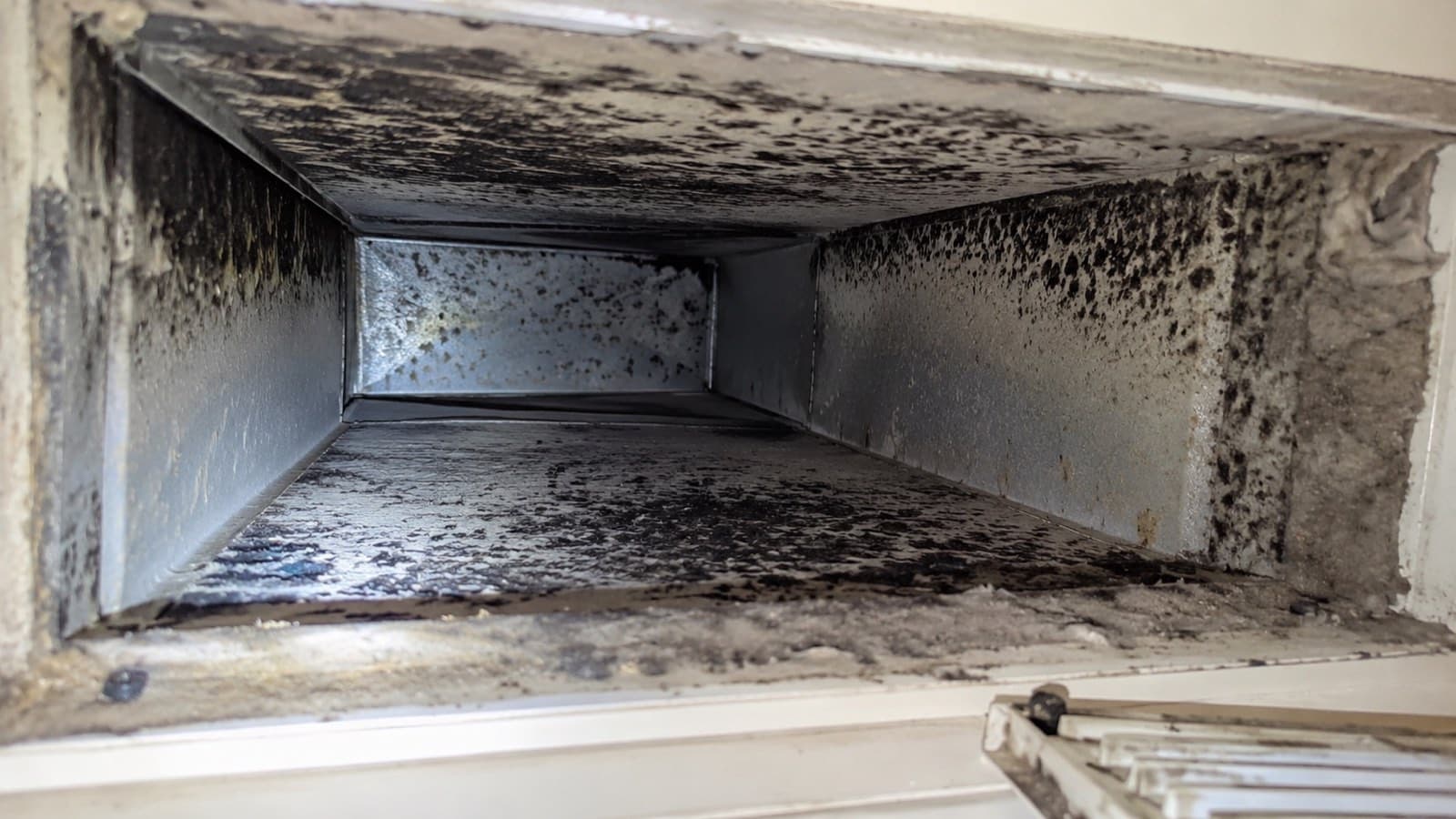
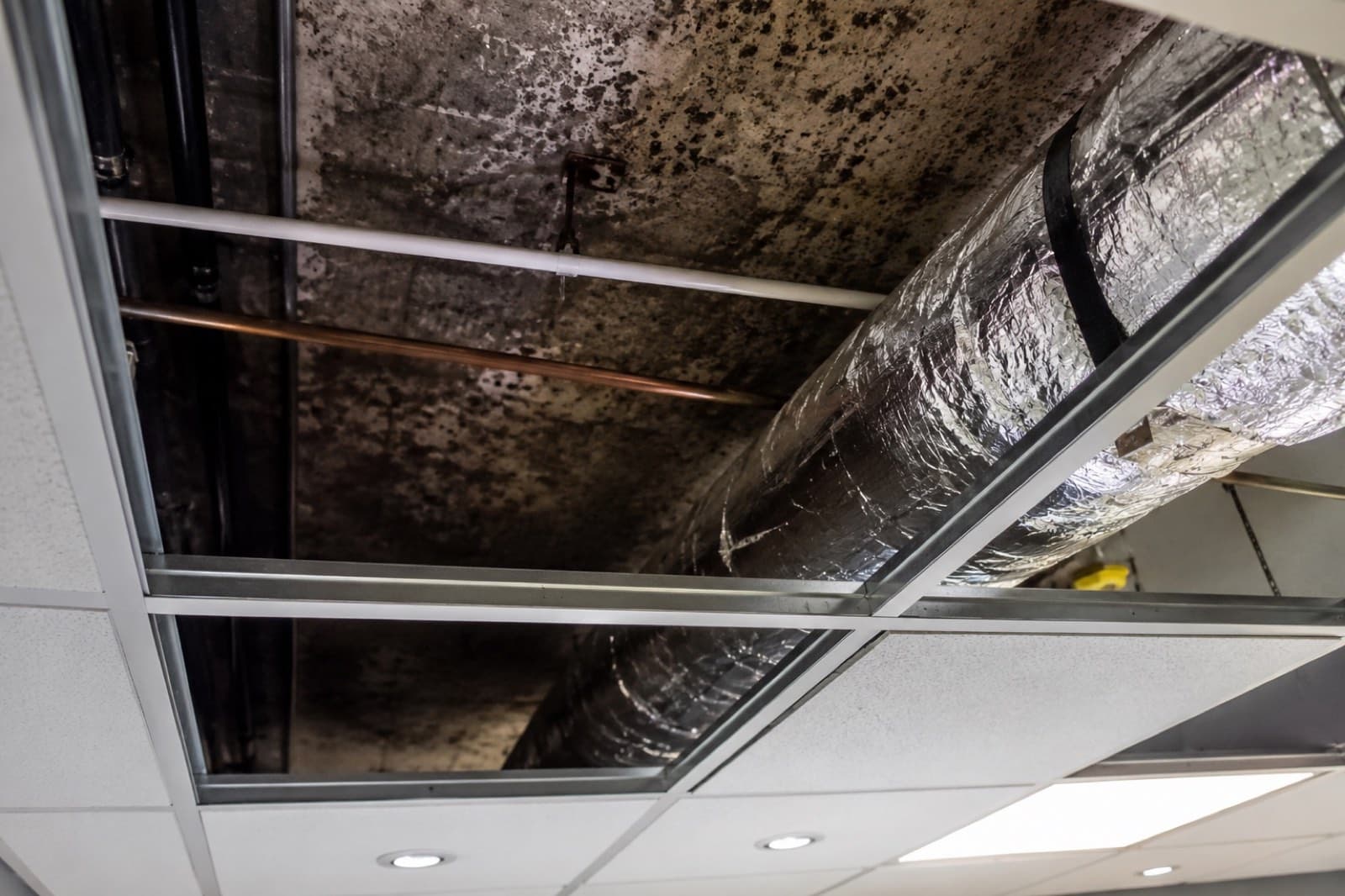
Duct and air-handler decontamination follows the NADCA ACR approach on Enfield residential systems and on light commercial equipment near the Connecticut River corridor. Humid summer air condenses on evaporator coils and inside trunk lines, and a blocked condensate pan turns that into airborne contamination. Coils, plenum, boots, and returns are cleaned and HEPA-vacuumed before restart.
Attic Mold Cleanup
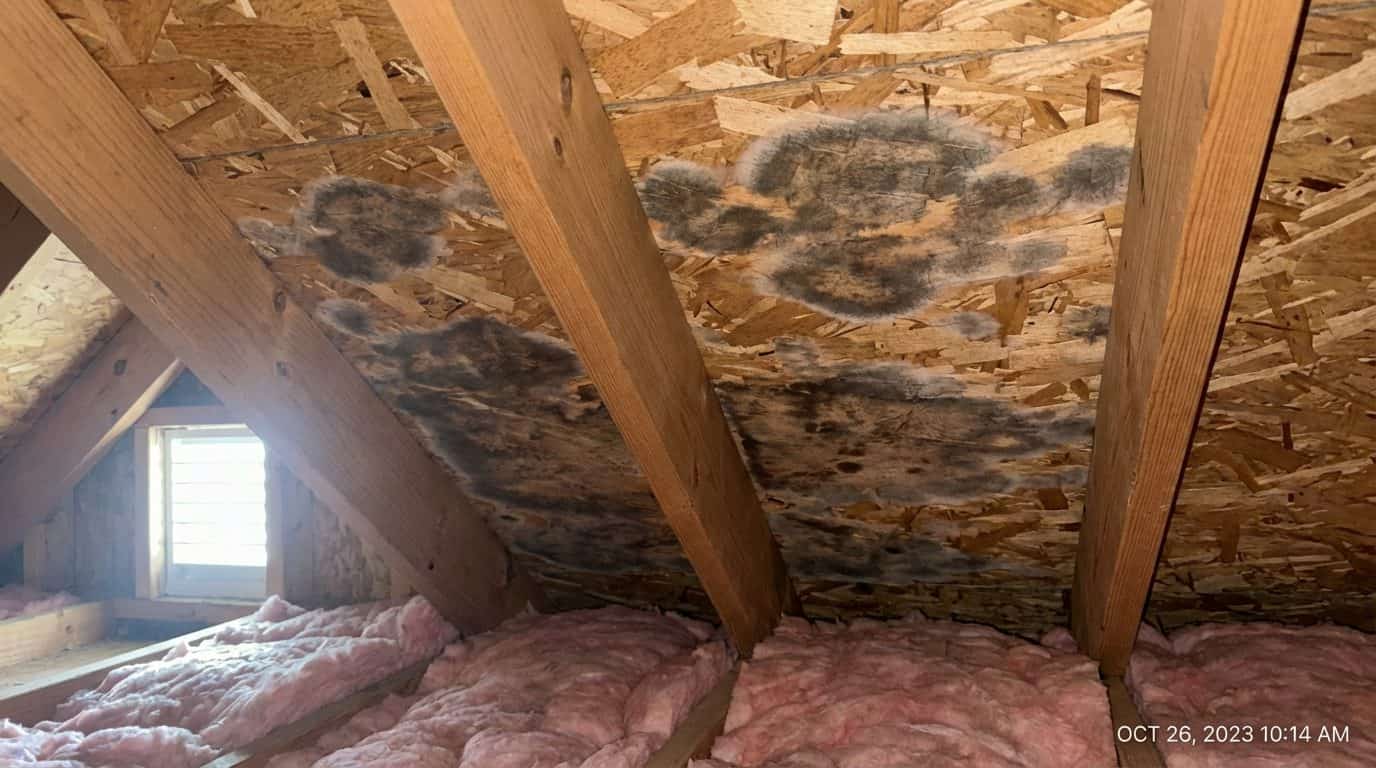
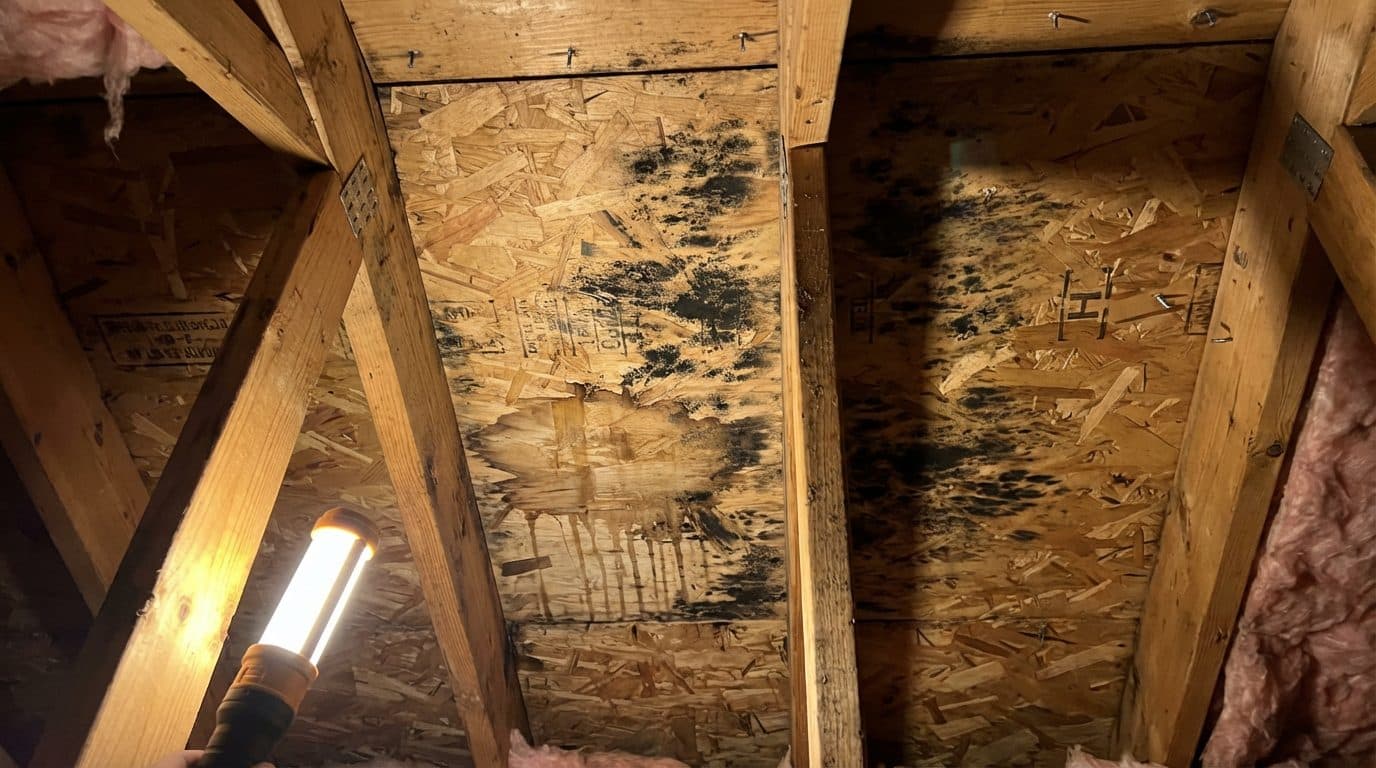
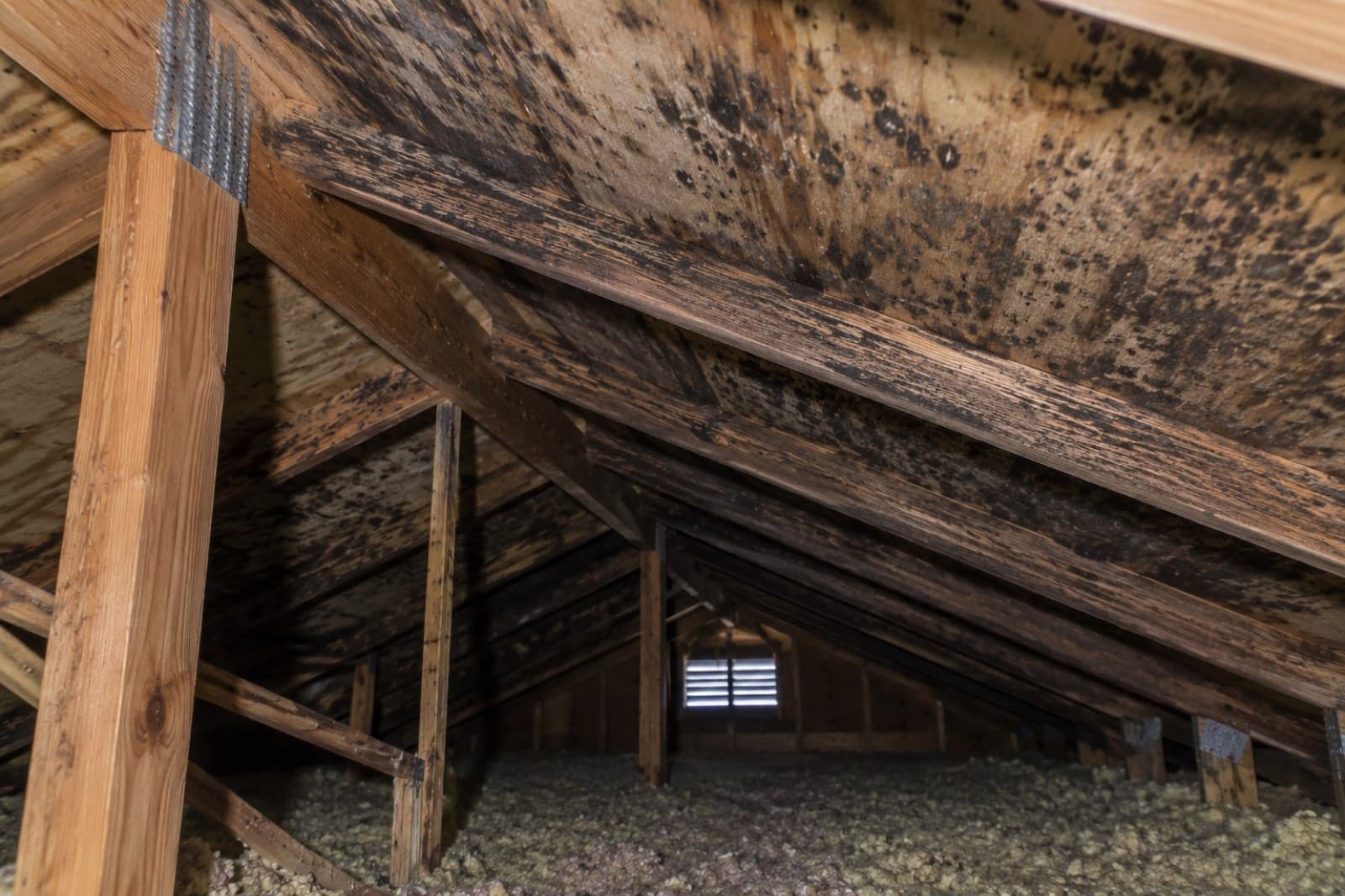
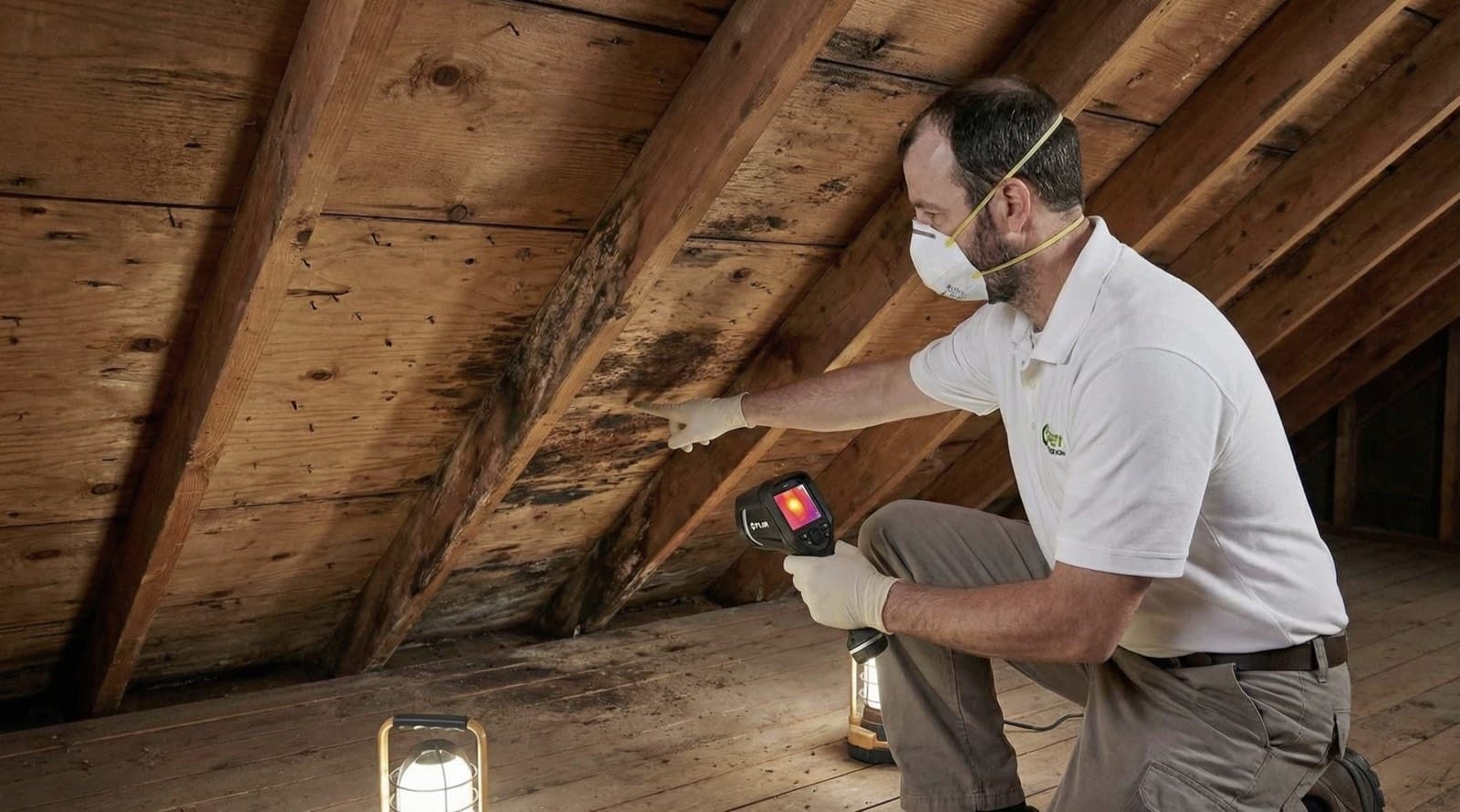
Enfield attic growth follows warm moist air rising out of an open mill-era wall column, plus bath fans terminating short of the roof. Sheathing and rafter faces get HEPA scrubbing and media cleaning where growth is set into the grain, then intake and ridge ventilation is rebalanced. North Thompsonville roof decks recolonize within a season if the venting is left alone.
Basement Mold Cleanup
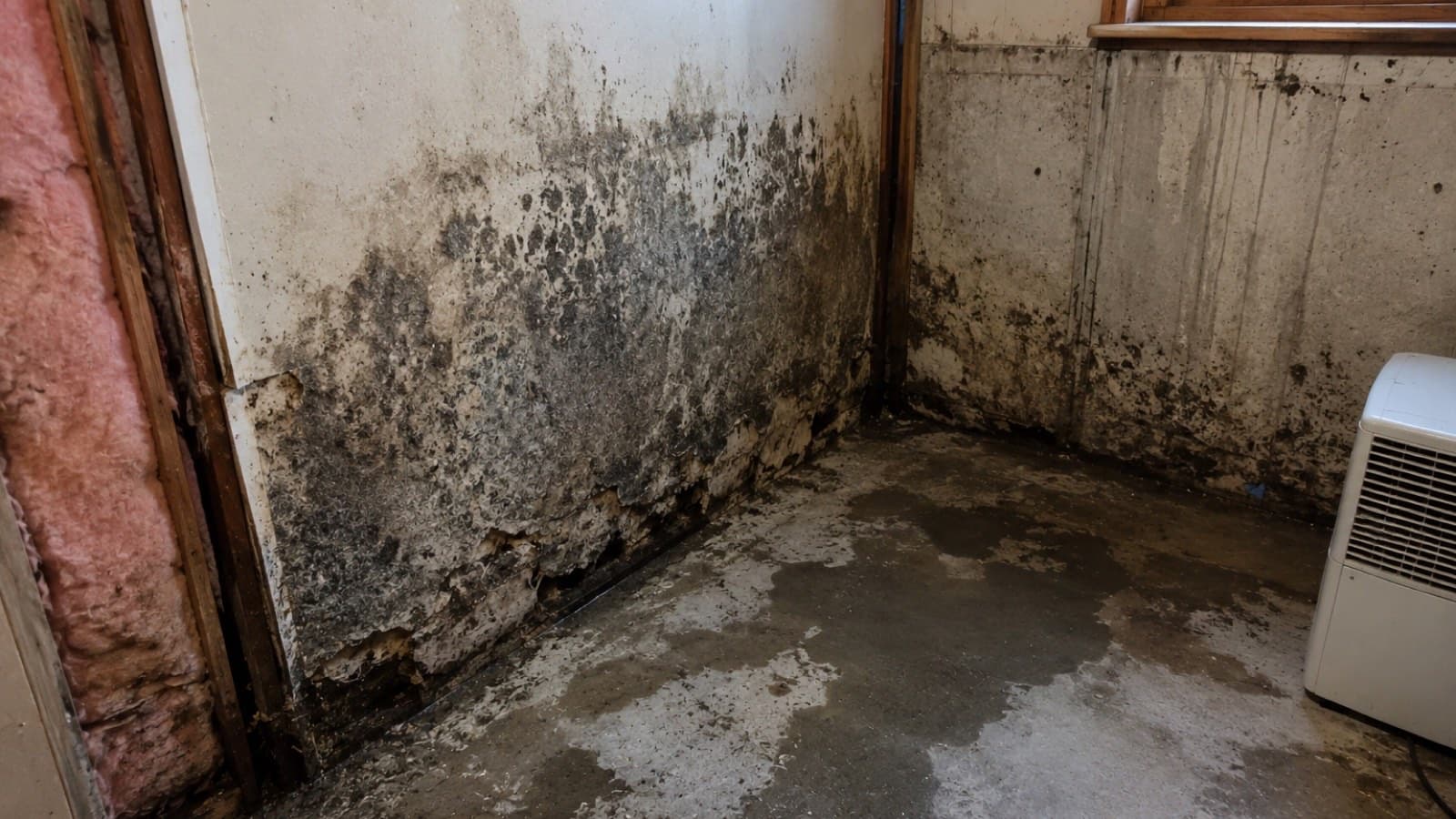
Cellars carry the largest Enfield scopes, especially on the Freshwater Brook ground and around the older village centers where masonry and rubble walls pass ground moisture. IICRC S520 containment, removal back to sound framing, antimicrobial treatment on sills and joist ends, and controlled drawdown to the 16% moisture-content threshold, with drainage corrected before any refinish.
Bathroom And Kitchen Mold Removal
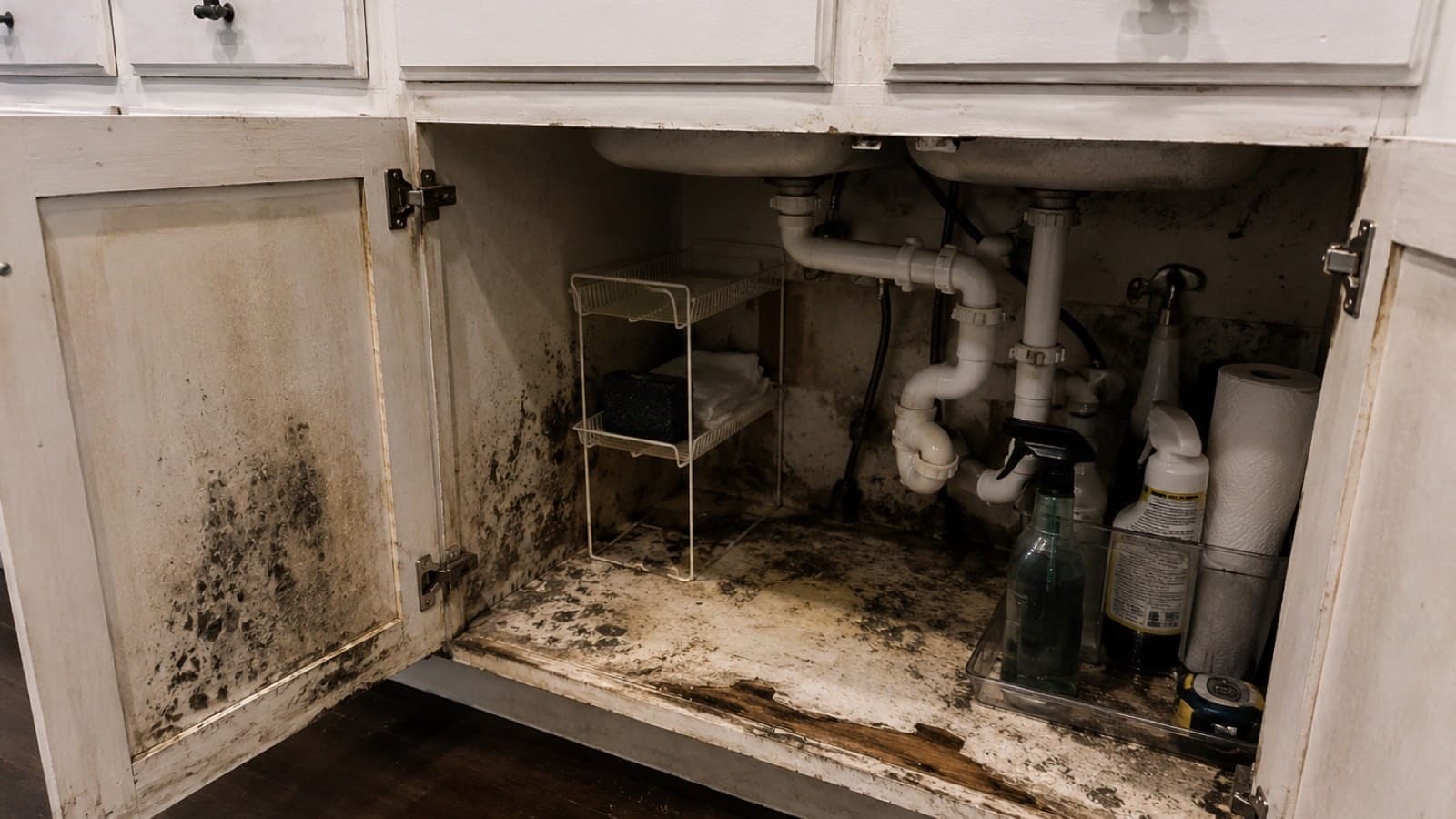
In Enfield mill houses the bath was often added into an existing wall column, so growth sits behind tile, at the tub flange, and inside the stud bay above the cellar. Kitchens hide it under the sink base and behind the range wall. Containment first, tile and substrate out, framing metered and treated, and the plumbing defect repaired before anything is rebuilt.
Crawlspace Mold Remediation
Shallow crawls in Scitico and along the Scantic corridor colonize joists and subfloor quickly once ground water reaches them, and the brook corridors keep the surrounding soil loaded. Green Restoration runs HEPA scrubbing, suited removal of contaminated insulation, IICRC S520 antimicrobial treatment on framing, then a sealed vapor barrier with mechanical dehumidification sized for that ground.

A Wet Cellar Colonizes In Days, Not Months. Same-Day Inspection.
IICRC S520 Crews Reach Enfield The Same Day, With Sealed Containment, HEPA Negative Air, And Independent Laboratory Clearance.
Green Restoration, Hartford County in Enfield
Green Restoration, Hartford County handles mold remediation in Enfield, CT, where attic sheathing above Thompsonville and North Thompsonville wall columns collects the warm moist air the column delivers to it. Owner-led crews set HEPA containment and remove affected porous materials to IICRC S520 standards, under IICRC Certified Firm #70236106. Call (860) 222-9498.
More Green Restoration Services in Enfield
The same local Green Restoration team covers all of these across Enfield. One number for every emergency and every cleanup.
Proof of Work
Recent Mold Remediation Projects
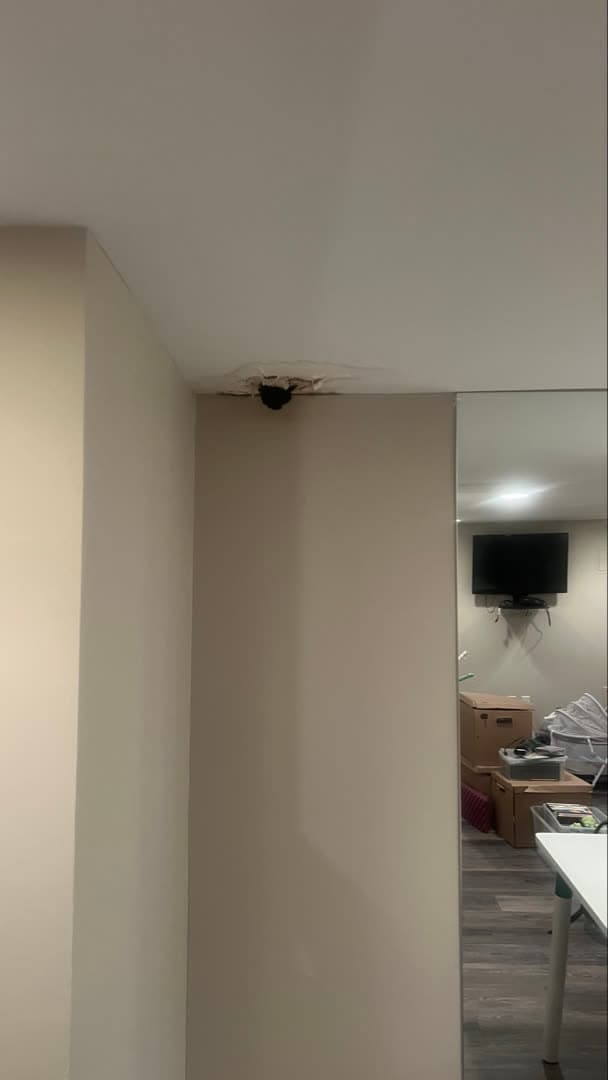
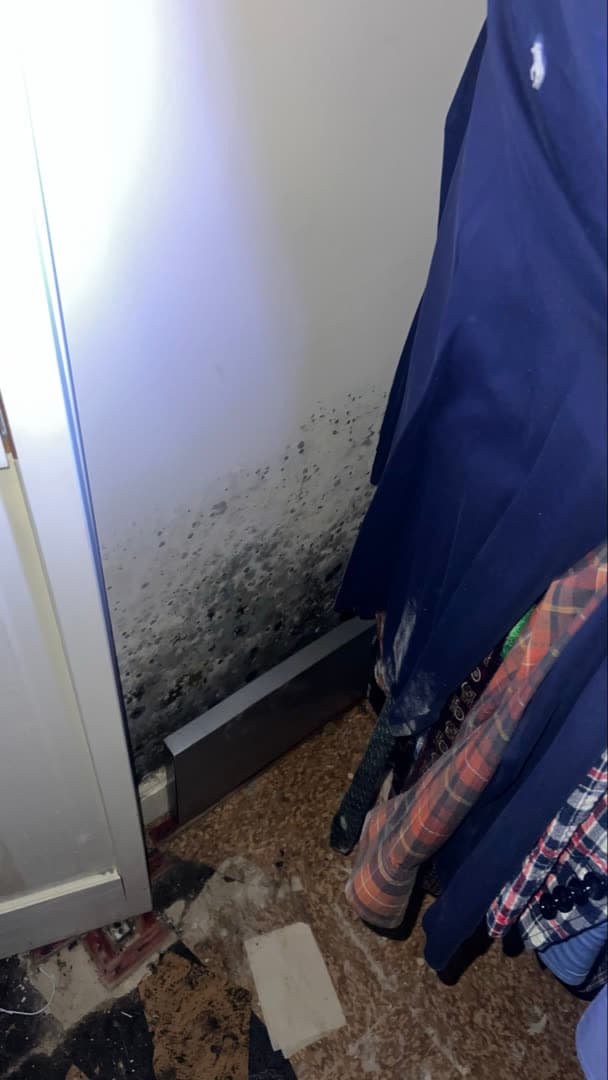
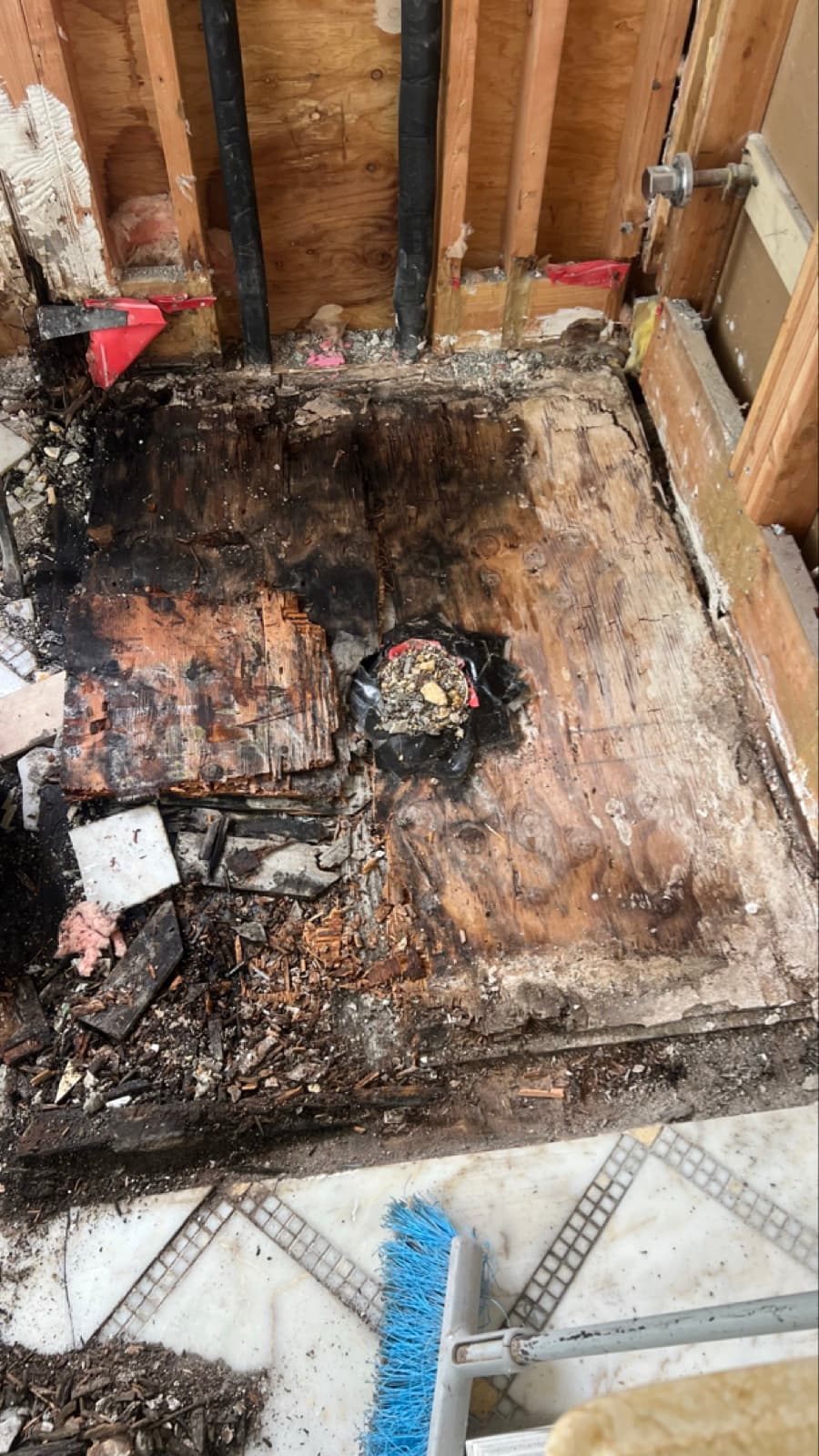
Connecticut mold work our crews scoped, contained, and closed on laboratory results.
Why Choose Us In Enfield
Owner-led mold remediation for Enfield mill-village housing, brook-corridor cellars, and postwar stock, with same-day inspection and independent clearance sampling.
Same-Day Mold Inspection
An IICRC S520 inspector is in Enfield the day you call, with thermal imaging, a Tramex moisture meter, and ACAC air sampling equipment on board.
Wall-Column Containment
Sealed barriers, negative air, and HEPA scrubbers isolate the vertical wall stacks that mill-era Thompsonville and Hazardville houses run between floors.
Benefect And Concrobium Antimicrobials
EPA-registered Benefect Decon-30 botanical disinfectant and Concrobium Mold Control treat framing and masonry faces after removal, without harsh fumes.
Licensed, Insured, And Documented
Enfield projects run under CT HIC.0668405 and close with independent sampling read against a same-day outdoor control before re-occupancy.
What Untreated Mold Costs Your Enfield Home
Enfield is one of the few Hartford County towns that drains two ways at once, east to the Connecticut River mainstem and west into the Scantic River watershed, with Freshwater Brook causing more local trouble than either. Layer that over Thompsonville and Hazardville mill-village housing and you get vertical wall columns sitting above cellars that take water repeatedly.
Freshwater Brook Is The Town Flooding Problem
The Watercourse Named Most Often
Of every watercourse in Enfield, Freshwater Brook is the one that shows up repeatedly in local hazard planning. Properties along it take repeat inundation rather than a single event, and repeat inundation is what turns a cellar into a permanent reservoir. Framing that never fully dries between events colonizes on the concealed face, and the interior finish gives no warning until the odor arrives.
Two Watersheds, Two Different Wet Seasons
Connecticut Mainstem East, Scantic West
Enfield drains in two directions at once. The eastern side sheds toward the Connecticut River mainstem and the western side belongs to the Scantic River watershed. That means the town does not have one wet season, it has two overlapping ones, and a property can sit dry through the event that soaks the other half of Enfield. Scope has to be written for the corridor the building actually sits in.
Thompsonville And Hazardville Mill-Village Stock
Plaster, Lath, And Open Wall Columns
The carpet works at Thompsonville and the powder works at Hazardville left Enfield with dense worker housing built in an era of plaster on lath and continuous wall cavities. Water entering high travels down inside the stud column with nothing to interrupt it, colonizing the back of the plaster across two floors. By the time the finished face shows a stain, the scope is a wall stack rather than a patch.
Masonry And Rubble Cellars Pass Ground Moisture
Scitico And Enfield Center Cellars
Older Enfield cellars were built to keep soil out, not water vapor. Ground moisture moves through the joints continuously, and once the space was finished with framing and board against those walls the vapor had somewhere to condense. Anything porous held against that surface, including stored contents and batt insulation, becomes the growth medium long before the wall itself shows anything.
Brook Corridors Between The Villages
Grape, Pierce, And Terry Brook Ground
Grape Brook, Pierce Brook, and Terry Brook thread between the Enfield villages and keep the low ground around them saturated for extended stretches. Houses set close to those corridors run a higher baseline humidity in the cellar and crawl year round, which is why a dehumidifier that is adequate elsewhere in Hartford County is undersized on this ground.
Disclosure Follows The Property At Sale
Connecticut Law Puts It On The Seller
A Connecticut seller has to disclose known mold history, and an undocumented remediation is worth very little in that conversation. Independent laboratory clearance results attached to a written scope are what protect the value of an Enfield listing, whether it is a Thompsonville mill house, a Shaker Pines ranch, or a commercial building near the Scantic.
Why Enfield Properties Need Professional Mold Remediation
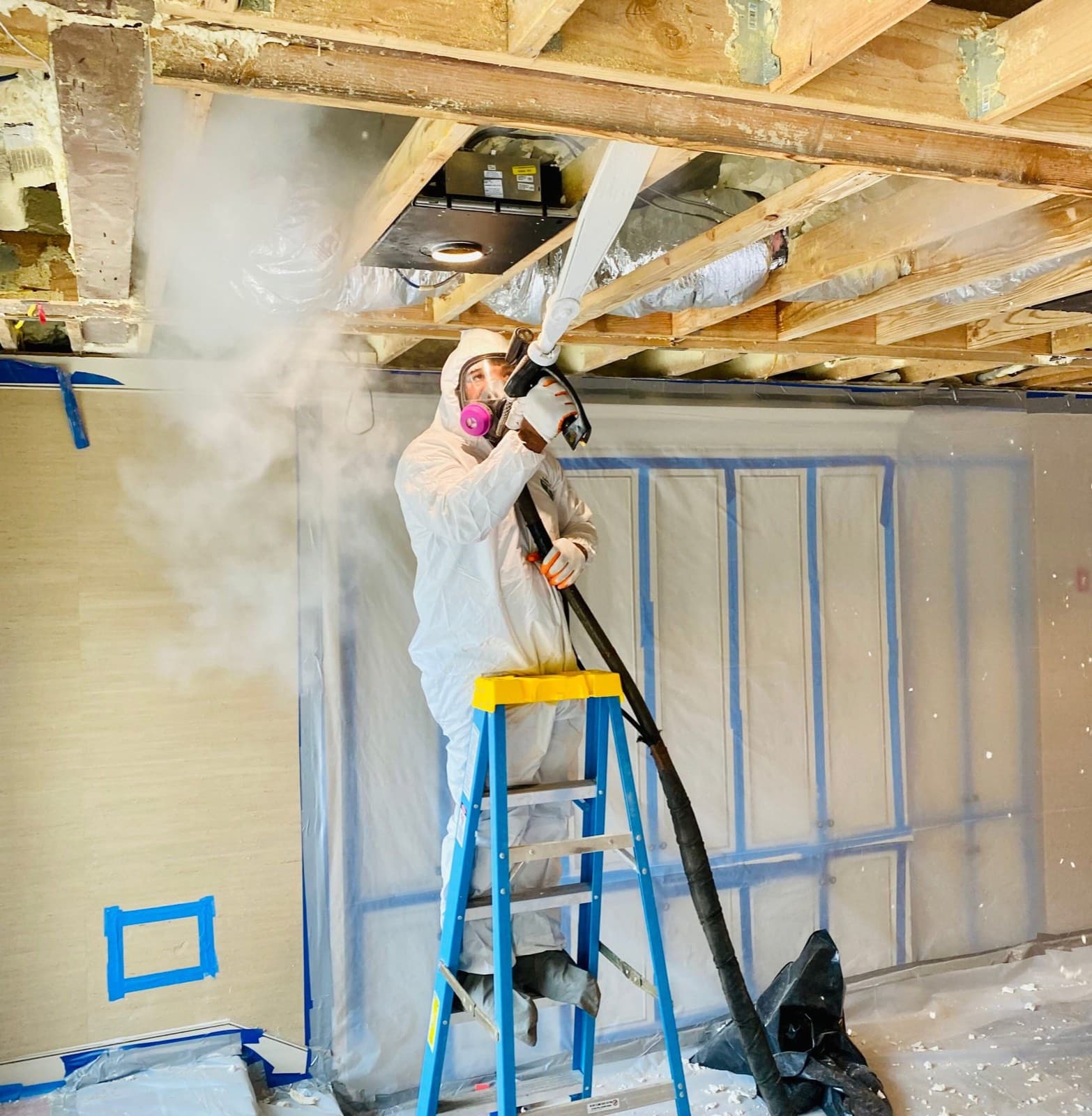
According to Green Restoration, an Enfield mold problem is rarely where it looks. The answer is a containment shaped to the wall column, staged removal back to sound material, a corrected water route, and clearance sampling read against an outdoor control.

Crews Trained For Mill-Era Wall Stacks
IICRC S520 governs every job and the owner holds AMRT and WRT credentials. In Enfield the skill that counts is knowing how far a wall column runs before it is opened. Thompsonville and Hazardville worker housing hides vertical growth paths that a patch-and-paint approach never reaches, so removal is planned as a stack rather than a square.
Inspection The Same Day, Across Both Watersheds
An inspector reaches Enfield the day of the call, whether the address is on the Connecticut River side, out along the Scantic, in Enfield Center, or near Shaker Pines. Thermal imaging, moisture metering, and ACAC-certified sampling arrive together, so a written scope exists before any conversation about cost or demolition.
Freshwater Brook Water Gets Addressed First
A cellar that floods repeatedly will regrow whatever is cleaned out of it. On Enfield properties that means grading, drainage, sump capacity, and sealing sequence get solved before reconstruction begins. We work directly with the plumber, mason, or excavator who owns that part of the fix, and the assembly stays open until it is resolved.
Documentation Carriers Accept Without A Fight
Every Enfield project closes with independent air sampling compared to an outdoor control and a written file: scope, daily logs, containment photography, and laboratory reports. Liberty Mutual, Allstate, State Farm, Travelers, The Hartford, USAA, and Chubb all work from this documentation format, which is what keeps an approval on schedule.
The Mold We See Most in Enfield
These are the mold problems we remediate most often, every job run to the IICRC S520 standard, contained with HEPA negative air, and cleared by independent ACAC air testing.
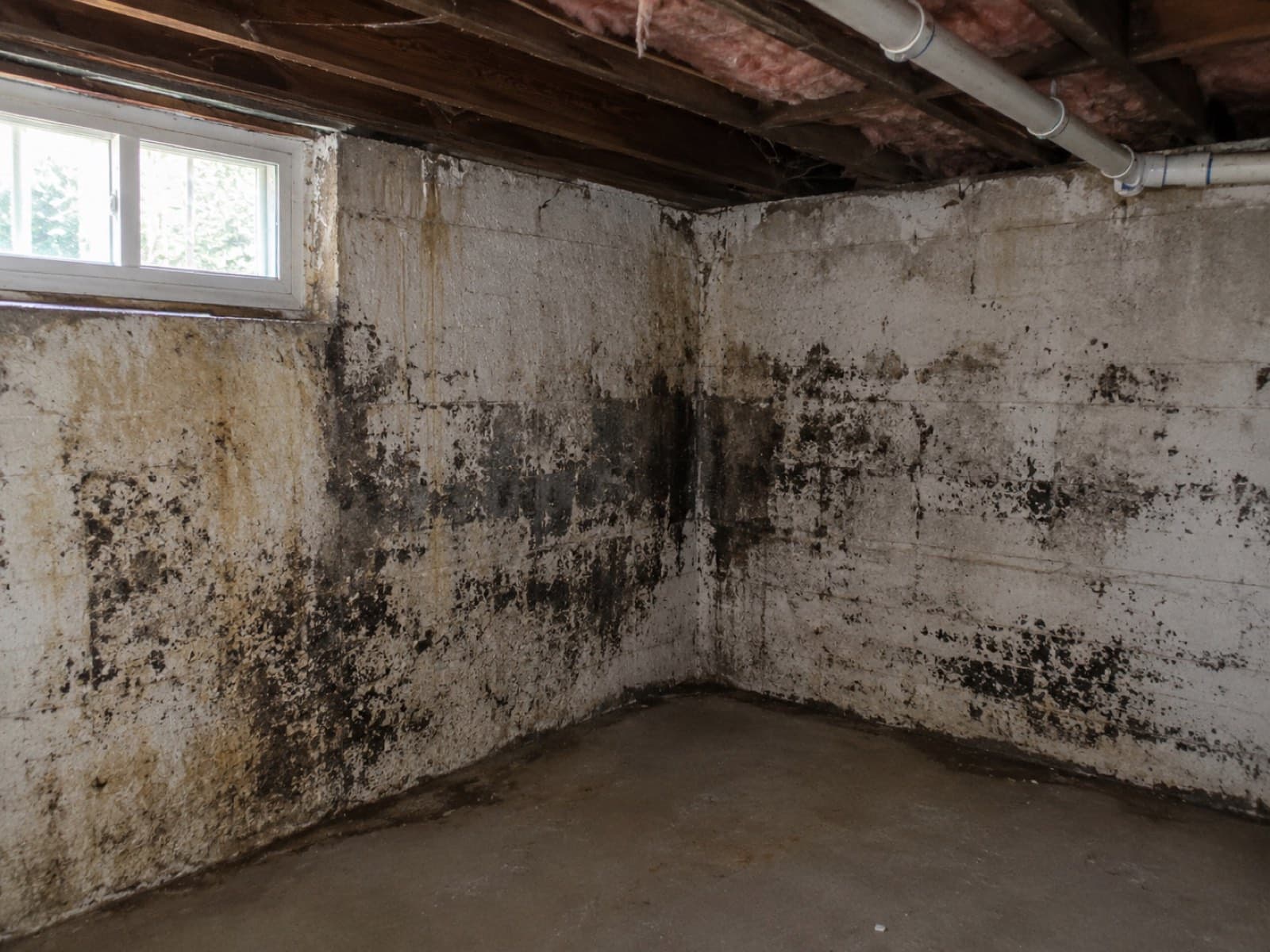
Basement Wall Mold, Fully Removed
In Enfield, repeat water on the Freshwater Brook ground keeps mill-era cellar walls and sills damp between events instead of letting them dry.
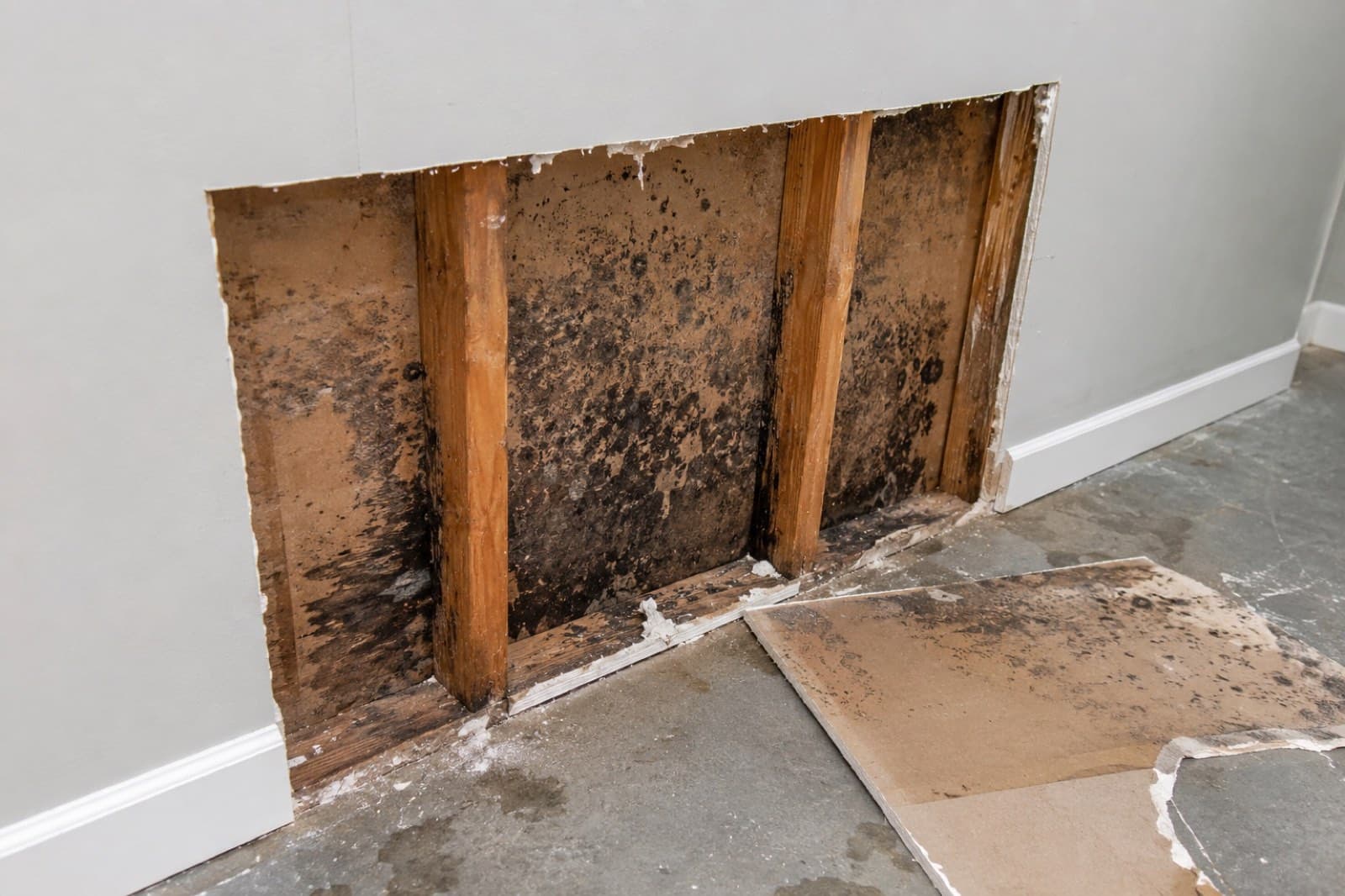
Chronic humidity, a sump failure, or seepage through the slab edge and foundation wall keeps a basement damp enough for mold to spread across concrete, framing, and stored belongings. On finished basements the same moisture colonizes the back of drywall and the wall cavity long before any stain reaches the room.
Our crews set sealed containment with negative air pressure and HEPA-filtered air scrubbers, then remove or HEPA-clean the affected materials and treat the foundation wall and framing with an EPA-registered antimicrobial per IICRC S520. The moisture source, seepage, a failed sump, or high humidity, is corrected and dehumidification is set before anything is closed back up.
Third-party ACAC air sampling confirms spore counts at or below the outdoor baseline before reconstruction begins. Every scope line, containment photo, and lab report is documented for your insurer so the claim moves on evidence.
Scenario 1 of 5: Basement & Wall Mold
What To Do While You Wait For The Enfield Mold Crew
Mill-era wall columns move air between floors, and a wet cellar on the brook ground feeds them. These IICRC-aligned steps keep the scope from widening before the crew arrives.
What To Do Immediately
An open door in a Thompsonville or Hazardville house lets an entire wall column vent into the living space.
Close the valve if it is plumbing. If a cellar is holding brook water, stay out of it rather than wading in to pump.
Forced air is the fastest way to move Enfield cellar spores up through a mill-era stud bay into bedrooms.
Wide and close photographs, dated, with a scale in frame. That set is the opening exhibit on the claim file.
Same-day inspection anywhere in Enfield. Wet plaster and wet sills expand the removal line every day they sit.
Children, older adults, and anyone immunocompromised should stay clear until IICRC S520 containment is up.
What NOT To Do
Bleach cleans the face and leaves the colony inside the lath cavity and the masonry joint where it started.
Agitating growth aerosolizes it, and in an Enfield wall column that means two floors instead of one room.
Freshwater Brook and Scantic side properties re-wet repeatedly, so a cellar that takes a week to dry will grow again.
Coating growth on a masonry cellar wall traps it and lets it continue underneath the film.
Inventory and photograph belongings before removal. Carriers expect the list before disposal decisions are made.
Changing the pressure in the building pulls spores across the barrier. Adjacent windows stay closed while negative air runs.
Our Mold Remediation Process In Enfield, CT
From the first call to final walkthrough, every step is documented, insured, and owner-supervised.
Mold Remediation Coverage In Enfield, CT
Mold inspection, air sampling, sealed containment, staged removal, and independent clearance for Enfield homes, rentals, and commercial buildings, performed under CT HIC.0668405 with same-day inspection across Hartford County.
Green Restoration provides IICRC S520 certified mold remediation in Enfield, CT, serving local neighborhoods throughout Hartford County. Our certified technicians arrive same day with thermal imaging, moisture meters, and ACAC-certified air sampling kits. We work directly with all major insurance carriers, from initial inspection through hospital-grade containment and lab-verified clearance testing.
As a service-area business led by our owner across Hartford County, our crews know the specific mold conditions Enfield properties face. We coordinate directly with adjusters from Liberty Mutual, State Farm, Travelers, Allstate, USAA, Chubb, Hartford Insurance Group, and all other major carriers, documenting scope from inspection through ACAC clearance for every claim across Enfield and surrounding Hartford County. Green Restoration is not a licensed public adjuster and does not negotiate claims on your behalf.
Active Mold Exposure In Enfield?
Same-day inspection dispatch, 24/7/365.
(860) 222-9498IICRC S520 · Licensed & Insured · HIC.0668405
All Towns Served By Green Restoration Of Hartford For IICRC S520 Mold Inspection And Remediation.
Same-Day Mold Inspection In Enfield, CT
IICRC S520 crews reach Enfield the same day, from Freshwater Brook cellars and Thompsonville mill-village wall columns to Hazardville and Powder Hollow properties, Scitico crawls, and Shaker Pines postwar stock. Green Restoration is not a licensed public adjuster and does not negotiate claims on your behalf.
Enfield uses ZIP 06082 and was settled in 1680, with Thompsonville and Hazardville growing later around the carpet works and the powder works. Same-day dispatch covers Enfield Center, North Thompsonville, Scitico, Shaker Pines, and the commercial ground on both the Connecticut and Scantic sides of town.
Mill-village housing defines the Enfield scope. Plaster on lath over continuous stud bays lets water travel vertically between floors, and the cellars beneath are masonry or rubble that passes ground moisture through the joint. Postwar stock around Shaker Pines behaves differently again, so containment geometry is set per assembly, never per town.
Freshwater Brook is the watercourse that gives Enfield the most trouble, with Grape Brook, Pierce Brook, and Terry Brook threading the ground between the villages. Properties on those corridors take repeat water rather than one event, so scope sequencing starts there and source correction is treated as part of the remediation rather than a follow-up.
Enfield sits in two watersheds at once, the Connecticut River mainstem draining the eastern side and the Scantic River watershed draining the west. The practical result is two separate wet patterns inside one town line, so a building on the Scantic side and a building near the river corridor need different drying strategies and different dehumidification sizing.

About Green Restoration In Enfield, CT

Your Enfield Mold Remediation Specialists Since 2014
Green Restoration provides IICRC S520 mold inspection, air sampling, containment, staged removal, and independent clearance testing for homes and businesses in Enfield, CT, owner-operated with IICRC AMRT and WRT certified leadership. Two facts shape almost every local scope. Freshwater Brook and the smaller brook corridors deliver water to the same cellars repeatedly, and the mill-village housing above those cellars runs uninterrupted wall columns between floors. Together they mean an Enfield problem discovered on one floor is usually a vertical assembly, which is why the removal plan is drawn before the first cut rather than during it.

“I have held this franchise since 2017 and worked in restoration for more than fifteen years, IICRC certified in AMRT and WRT. As the local co-owner covering Enfield and the northern end of Hartford County, the first question I ask on a mill-village house is how far the wall column runs, because that answer decides the whole scope. Every job here gets my direct oversight, is documented for your insurer, and stays open until independent sampling says it is finished.”
Trusted by Families in Enfield &
Hartford County
4.9 out of 5, Rated by your neighbors on Google
We discovered mold when removing our pellet stove and called Green Restoration for help. David was very communicative and helpful throughout the entire process. He did the job thoroughly and professionally. Highly recommended!
David Woolner
Mold RemediationI had a fantastic experience with Green Restoration. From start to finish, the team was professional, thorough, and extremely knowledgeable. David came for the initial inspection and took the time to explain the entire process.
Annmarie Gieparda
Mold RemediationWe had mold due to a water leak in our half finished basement. David and his crew did a great job, we were very satisfied. I would highly recommend Green Restoration to anyone.
Tanya
Water DamageI needed my entire condo completely cleaned after a soot blow back. Green Restoration was top shelf! So thorough and professional. Thank you so much!
Jacki Hornish
Fire & Soot CleanupHow Much Does Mold Remediation Cost In Enfield, CT?
Most Enfield cellar and crawl claims settle between $3,000 and $8,000. Mill-era wall columns that have to be opened floor by floor push a project into the upper band.
Small Project, Single Area
$1,500 to $4,500
One bathroom wall, a window return, an isolated run of attic sheathing
Medium Project, Cellar / Crawl
$3,000 to $8,000
Masonry cellar wall, crawl section, single-room containment and staged removal
Large Project, Multi-Floor
$8,000 to $25,000+
Wall-column Stachybotrys, structural drying, duct decontamination, whole-home scope
Priced by scope under IICRC S520. Read the full mold cost guide.
Enfield CT Mold Remediation FAQs
Straight answers on Enfield mold conditions, mill-era assemblies, pricing bands, insurance, and clearance sampling.
Enfield calls are scheduled for same-day inspection, and (860) 222-9498 is staffed around the clock. The inspector arrives with thermal imaging, a Tramex moisture meter, and ACAC-certified air sampling equipment so the extent of the growth is measured and written down during the first visit rather than estimated over the phone. That holds for a Thompsonville mill house, a Hazardville property near Powder Hollow, a Scitico ranch, a home along the Scantic River on the western side of town, or a commercial building near the Connecticut River edge.
Enfield sits in the daily coverage area for the 860 crews, which is why the northern end of the county is not treated as an outlying stop.
Enfield work generally sorts into three bands. Isolated single-area cleanup, for example one bathroom wall in a Scitico ranch or a small run of attic sheathing, sits around $1,500 to $4,500. Cellar-wall, crawl, and single-room projects run roughly $3,000 to $8,000, and that is where most Enfield claims settle, particularly in Thompsonville and Hazardville mill-era houses with masonry or rubble cellars. Multi-room Stachybotrys, structural drying, or a whole-building duct decontamination runs $8,000 to $25,000 and up. The drivers are how much porous material is colonized, how many separate containments the layout forces, and whether a mill-era assembly has to be taken apart in stages instead of all at once.
Coverage usually turns on how the water arrived. A sudden failure, such as a split supply line in a Hazardville colonial, a water heater letting go in an Enfield Center cellar, or storm damage opening a Thompsonville roof, is the pattern most Connecticut homeowner policies respond to. Growth that developed slowly from Freshwater Brook backwater, from Scantic River side saturation, or from years of unmanaged cellar humidity typically needs a specific endorsement. Green Restoration prepares the IICRC S520 scope, containment photography, daily logs, and independent laboratory results and submits them to your carrier directly. We are not licensed public adjusters and do not negotiate claims on your behalf.
Three to seven days covers most Enfield projects, measured from containment setup to the day clearance samples are pulled. A single bathroom or one kitchen wall usually finishes in three to four. Mill-era houses in Thompsonville and North Thompsonville often take longer, because plaster on lath and masonry cellar walls hold moisture and have to dry under control rather than being rushed, and because those wall stacks run continuously between floors. Add structural drying or a multi-room Stachybotrys scope near the Freshwater Brook corridor and ten to twelve days is realistic.
Source correction is part of the schedule, not an afterthought, so a drainage or venting fix can add a day and still shorten the total project.
In Connecticut, yes, and Enfield properties are handled that way. Assessment and remediation can be performed by the same firm, so the inspection, the air sampling, and the removal do not require two separate vendors for the opening step. Baseline sampling establishes what the air in your Enfield building looks like before work begins, and post-remediation sampling is compared against an outdoor control taken the same day. Pumps run five to fifteen minutes per zone and an independent laboratory returns results in about 24 to 72 hours. Clearance sampling is scoped and agreed separately from the remediation work itself, and that separation is stated in writing before either begins.
The classic Enfield hiding place is the back of plaster in a Thompsonville or Hazardville worker house, where lath, stud bay, and cellar are effectively one connected column of air. Water entering at a roof edge or a failed flashing can travel down two floors inside that column and colonize where nobody is looking. The second is the cellar itself, where rubble or early masonry walls pass ground moisture through the joint rather than resisting it. The third is the joist end at the sill in a Scitico or Enfield Center house. Thermal imaging plus meter readings map the wet column before any plaster is opened, which keeps the removal line honest.
Isolate the room by closing the door and keeping it closed. Leave fans, window units, and the central system off, because in a mill-era house with open wall columns forced air carries spores between floors within minutes. Do not wipe, spray, or bleach the growth. Cleaning the visible face leaves the framing colonized and removes the documentation your carrier will ask for. Take photographs, wide and close, with the date and a tape measure visible. If the source is a running leak, shut the valve. If it is cellar water, stay out of it and do not pump without protective equipment. Then leave the area alone until containment is set.
The company is IICRC S520 certified and owner-operated, and the owner holds IICRC AMRT and WRT credentials and runs the Enfield projects himself. The local knowledge is specific: Freshwater Brook is the watercourse that causes Enfield the most trouble, the town drains two ways at once toward the Connecticut on the east and the Scantic on the west, and the mill-village housing in Thompsonville and Hazardville behaves nothing like the postwar stock around Shaker Pines. Containment sheeting, HEPA negative-air machines, and sampling equipment travel on the truck. Work is licensed under CT HIC.0668405, billed directly to carriers, and reachable at (860) 222-9498 at any hour.

